Top 11 Caves around Pianoro
Best caves around Pianoro are primarily found within the *Parco dei Gessi Bolognesi e Calanchi dell'Abbadessa*, a UNESCO World Heritage site known for its gypsum karst phenomena. This region, encompassing Pianoro and neighboring municipalities, features a unique underground landscape with over 130 caves. The park's geology includes extensive cave systems, sinkholes, and distinctive rock formations. Pianoro itself also holds historical significance with a World War II refuge.
Best caves around Pianoro
- The most popular caves include Candle Pit, a…
Last updated: October 4, 2026
Spipola Cave
Highlight • Cave
I found it a …
Translated by Google •
Tip by

Candle Pit
Highlight • Cave
Translated by Google •
Tip by

Sign up now to discover places like this
Get recommendations on the best single tracks, peaks, & plenty of other exciting outdoor places.
Montebello Clay Quarry
Highlight • Structure
Translated by Google •
Tip by

Farneto Cave
Highlight • Cave
It can only be visited with a guided tour ( parks.it/parco.gessi.bolognesi/man.php )
Translated by Google •
Tip by

The Budriolo Sinkhole
Highlight • Gorge
Translated by Google •
Tip by

Sign up for free to discover even more caves around Pianoro.
Already have an account?
Start today with a free account
Your next adventure awaits.

Tips from the Community


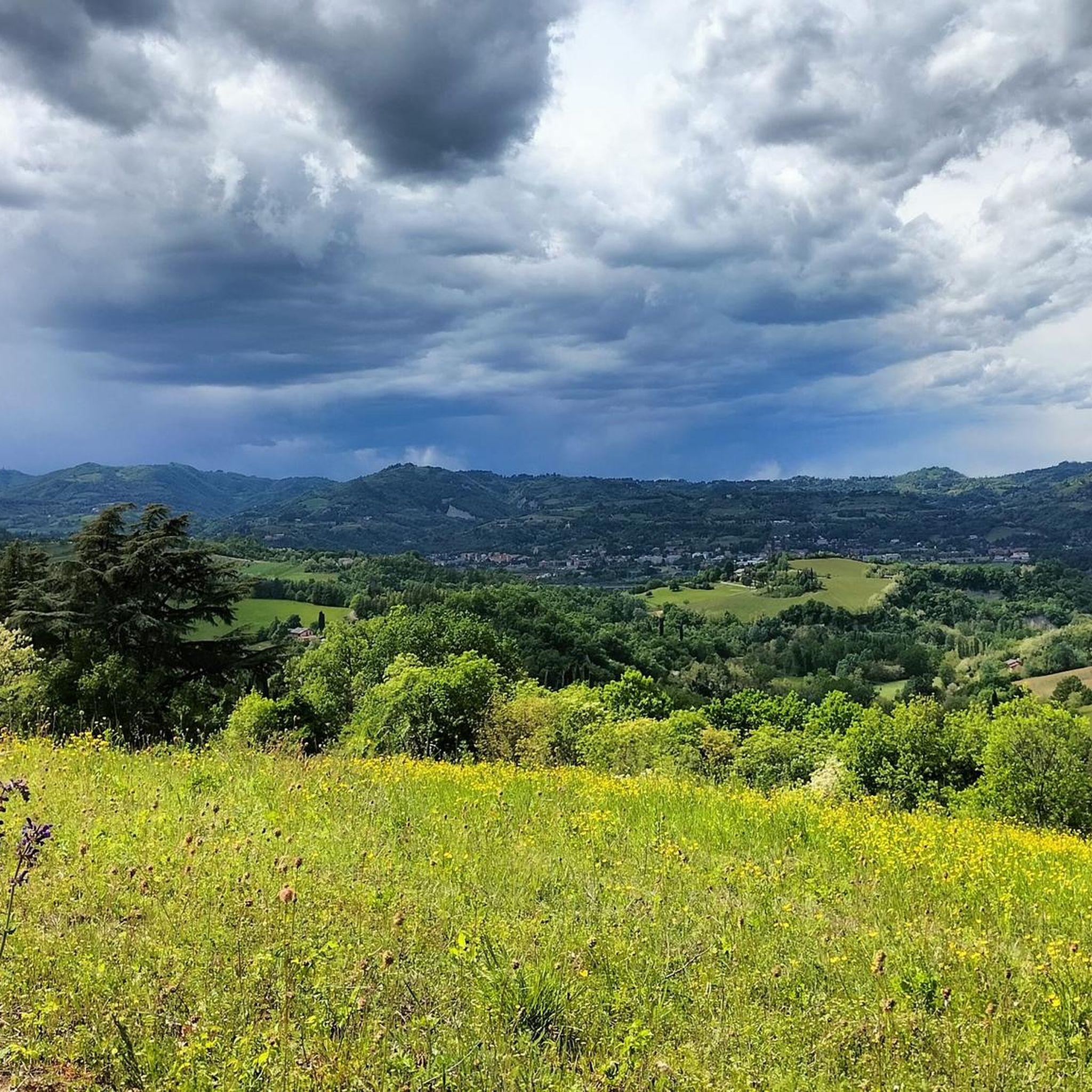
This sinkhole is surrounded like a crown by selenite "candles".
0
0

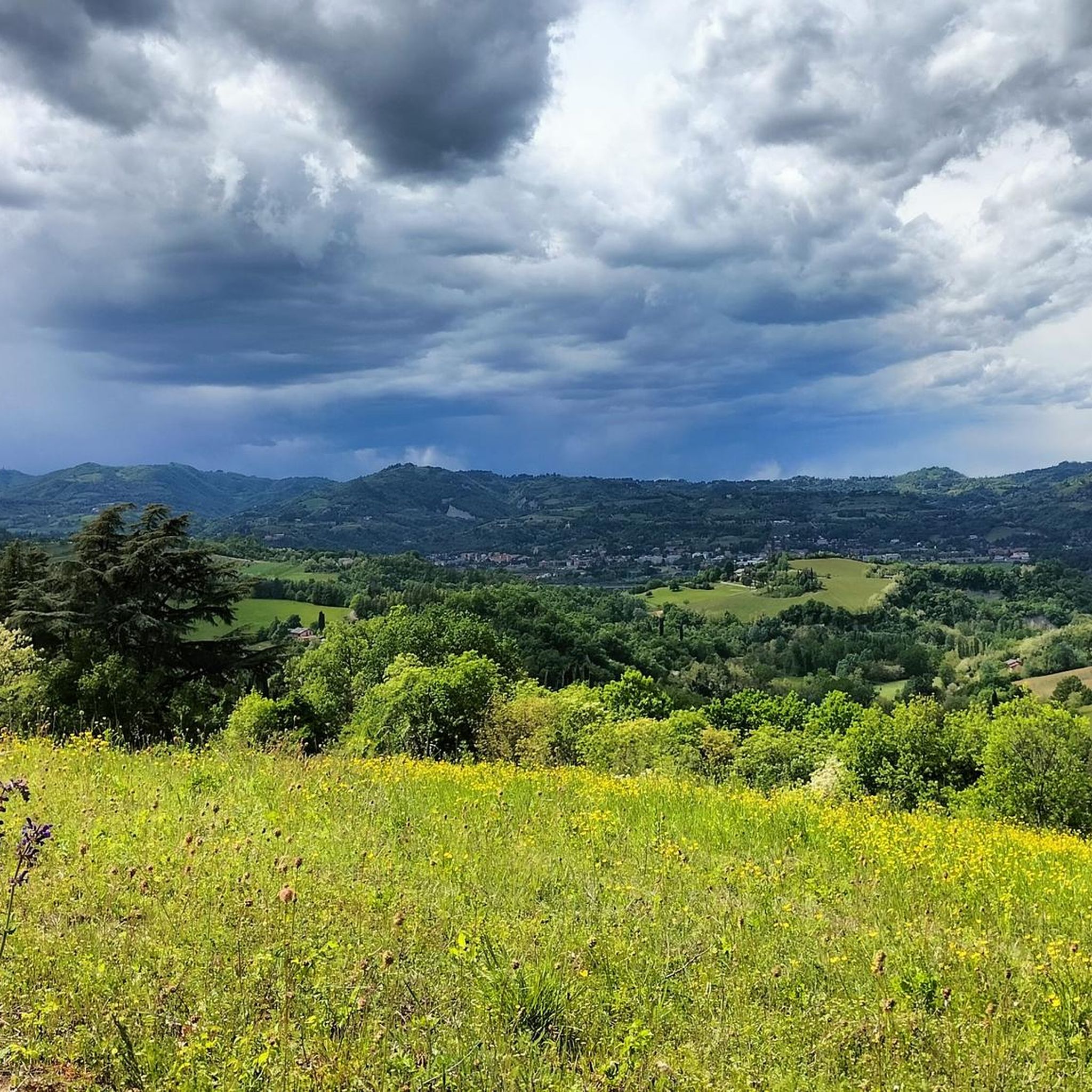
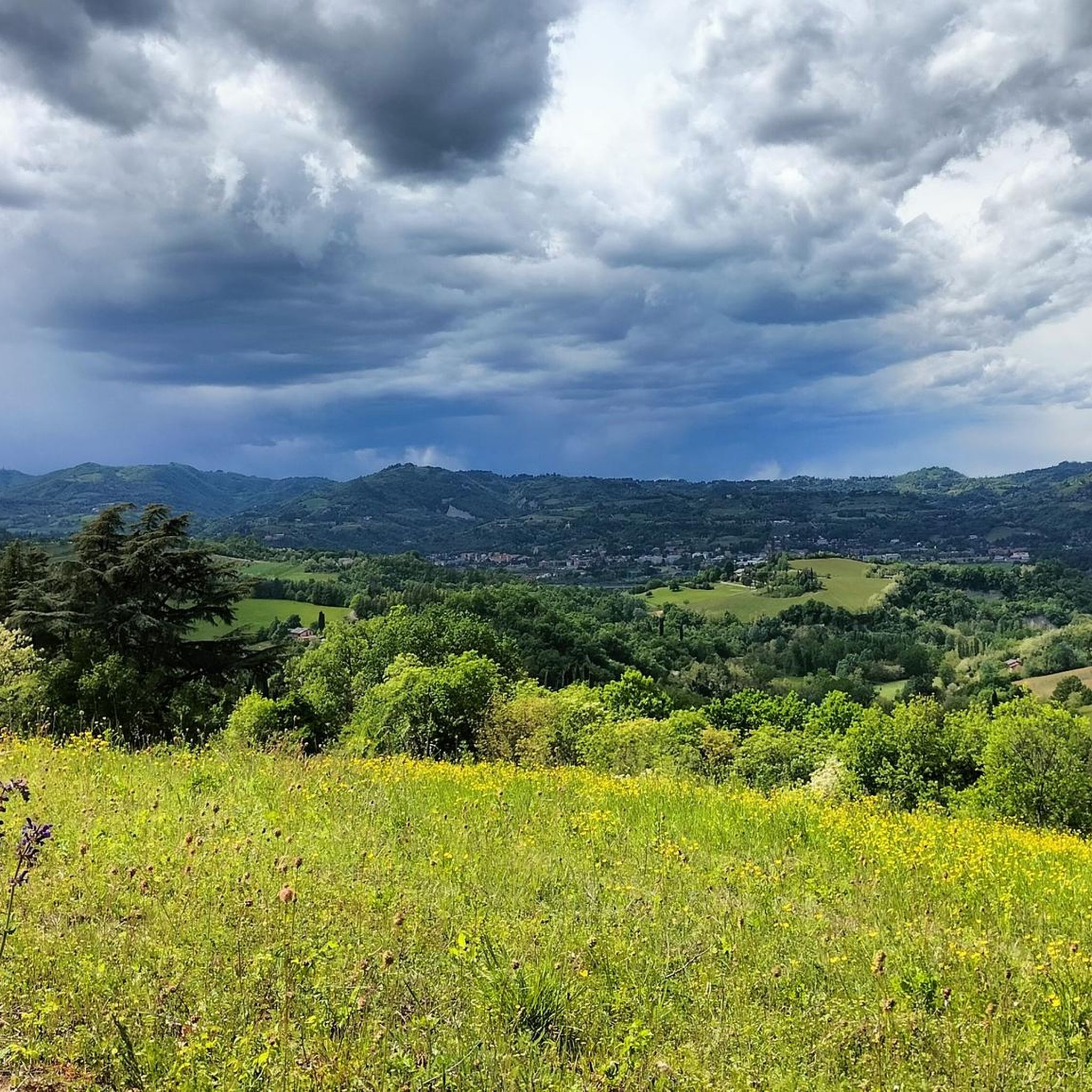
The Buca di Budriolo is a deep blind valley, formed near extremely inclined chalky layers, a natural wonder. From here, you will be able to enjoy a spectacular panorama from the opposite side of the hole.
1
0

Buca delle Candele is so named for the furrows produced by water erosion in the karst rock.
1
0

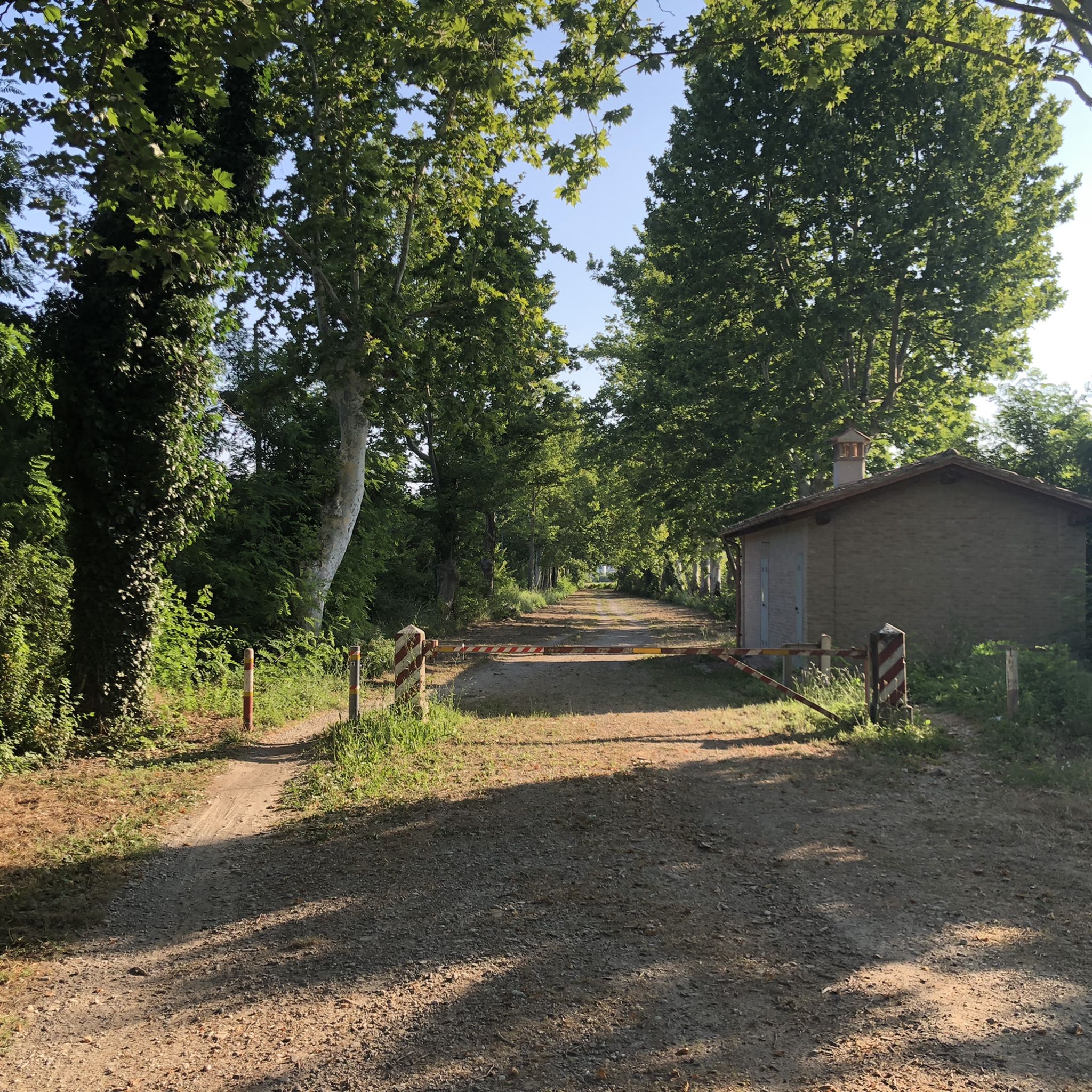
Attention the road has been interrupted and is closed. Private property 🥲
0
0


Place with a lunar aspect; you can go up from via Montebello avoiding the barrier; as can be seen from the sign, the concession expired in 2015, but the prohibition signs remain; looking at the clearing from above you can see how the hill has been completely eaten away by mining activities. The road from via Montebello to the quarry has acceptable gradients in the first part, a little less afterwards, it is rather bumpy but with a gravel surface, probably doable even in the wet, but once you reach the quarry it sinks into the clay
0
0
Frequently Asked Questions
What makes the caves around Pianoro unique?
The caves around Pianoro are primarily located within the *Parco dei Gessi Bolognesi e Calanchi dell'Abbadessa*, a UNESCO World Heritage site. This area is renowned for its unique gypsum karst phenomena, featuring over 130 caves, extensive cave systems, sinkholes, and distinctive rock formations carved in gypsum.
Can I explore large cave systems like Spipola Cave?
Yes, Spipola Cave is one of Europe's largest caves carved in gypsum, offering a true speleological experience. Guided tours are organized by the park authority and are suitable for visitors aged 8 and older. You'll navigate through intricate tunnels, alabastrine lava flows, and large chambers, often encountering muddy and slippery terrain. Helmets and lights are provided.
Is Farneto Cave suitable for families and what can I see there?
Farneto Cave is considered easier and suitable for all skill levels, including families with children. It holds significant archaeological importance, with discoveries of Copper Age burials. Guided tours offer insights into both the natural geology of the gypsum karst and the prehistoric human activity in the region.
Are there any historical underground sites near Pianoro?
Beyond natural caves, Pianoro is home to a significant man-made underground structure: the World War II Refuge in Pianoro Vecchia. Dug to a depth of approximately 100 meters, this refuge served as an air raid shelter and is now a poignant "place of remembrance" highlighting Pianoro's role during the war.
What is the Candle Pit and how can I visit it?
The Candle Pit (Buca delle Candele) is a natural monument within the Gessi Bolognesi park. It's a sinkhole characterized by vertically fissured gypsum rocks that resemble candles, formed by water erosion. While not an extensive cave for deep exploration, it's a valuable site for hikers and nature enthusiasts to observe unique surface karst features, accessible via hiking trails.
What are the typical temperatures inside the caves?
The caves in the region, such as Spipola Cave, maintain a consistent cool temperature, typically around 10-12 °C (50-54 °F), regardless of the outside weather. Dressing in layers is recommended.
What outdoor activities can I do near the caves?
The area around Pianoro and the Parco dei Gessi Bolognesi offers various outdoor activities. You can find numerous running trails, including routes like "From Restignano towards the Parco dei Gessi Bolognesi e Calanchi dell'Abbadessa – ring tour". For cycling enthusiasts, there are gravel biking routes such as the "Gravel loop from Bologna San Ruffillo" and road cycling routes like the "Bolognese Hills and San Luca Climb Loop". You can explore more options on the Running Trails around Pianoro, Gravel biking around Pianoro, and Road Cycling Routes around Pianoro guide pages.
Are there guided tours available for the caves?
Yes, guided tours are available for both Spipola Cave and Farneto Cave. These tours are organized by the park authority and often involve speleological guides. It's advisable to check the official park website for booking information and availability, as tours may require advance reservation.
What is the best time of year to visit the caves and the surrounding park?
The caves maintain a consistent cool temperature year-round, making them accessible in most seasons. However, for exploring the surface features and hiking trails of the Parco dei Gessi Bolognesi, spring and autumn generally offer the most pleasant weather conditions. Summers can be warm, while winters might bring colder temperatures and potentially some snow, though cave access is usually unaffected.
Can I bring my dog on trails in the Parco dei Gessi Bolognesi?
While the Parco dei Gessi Bolognesi generally welcomes visitors with dogs on its hiking trails, specific rules regarding leashes and waste disposal apply. However, dogs are typically not permitted inside the explorable caves like Spipola Cave or Farneto Cave due to environmental and safety concerns. Always check park regulations for the most current information.
Where can I find information about parking and public transport to the caves?
Access and parking details for specific caves like Spipola Cave and Farneto Cave, as well as the broader Parco dei Gessi Bolognesi, are usually provided on the official park authority website or visitor center pages. For Farneto Cave, the entrance is conveniently located near the Casa Fantini visitor center. Public transport options to the park's visitor centers are also detailed on these sites.
What should I wear for a cave visit in Pianoro?
Given the consistent cool temperatures (10-12 °C) and often muddy, slippery conditions inside caves like Spipola Cave, it's recommended to wear warm clothing in layers, sturdy closed-toe shoes with good grip, and clothes you don't mind getting dirty. Helmets and lights are typically provided for guided tours.
Most popular routes around Pianoro
Most popular attractions around Pianoro

Get inspired with the komoot mobile app


Explore more
Extend your search for the best caves by checking out these guides of the top ones around Pianoro:
