The 11 Most Amazing Peaks around Firenze
Best mountain peaks around Firenze offer diverse outdoor experiences in the Tuscan landscape. The region, part of the broader Apennine mountain range, features a variety of elevated areas from challenging peaks to accessible hills. These natural formations provide panoramic views and a break from the city, showcasing the geographical features surrounding Florence.
Best mountain peaks around Firenze
- The most popular mountain peaks is Poggio All'Aia (Third Peak), a summit that is the highest peak of Monte Morello. It offers a beautiful panorama of the surrounding area.
- Another must-see spot is Poggio Casaccia Summit and Cross, a summit with a cross and a large clearing. Visitors can rest and enjoy nature in peace at this peak, which is one of the highest above Calenzano and Sesto Fiorentino.
- Visitors also love Monte Ceceri Summit, a summit known for its historical significance. Leonardo da Vinci tested his flying machine here, and it provides great views of Florence.
- Firenze is known for high Apennine peaks, accessible hills, and historical summits. The region offers a variety of mountain peaks to see and explore, from challenging treks to shorter, scenic walks.
- The mountain peaks around Firenze are appreciated by the komoot community, with more than 160 upvotes and 75 photos shared by visitors.
Last updated: June 24, 2026
Poggio Pratone Summit
Highlight • Summit
Translated by Google •
Tip by

Poggio All'Aia (Third Peak)
Highlight • Summit
Translated by Google •
Tip by

Sign up now to discover places like this
Get recommendations on the best single tracks, peaks, & plenty of other exciting outdoor places.
Sign up for free
Poggio Casaccia Summit and Cross
Highlight • Summit
Translated by Google •
Tip by

Monte Ceceri Summit
Highlight • Summit
Tip by

Poggio alle Tortore
Highlight • Trail
Translated by Google •
Tip by

Sign up for free to discover even more peaks around Firenze.
Sign up for free
Already have an account?
Start today with a free account
Your next adventure awaits.
Login or Signup
Popular around Firenze
Naples to North Cape — Two friends, one purpose and many scoops of ice-cream
A heavenly week cycling in Tuscany
Tuscany by bike – history, cypresses and the Strade Bianche
A Grand Tour of Italy – Rome to Milan by bike
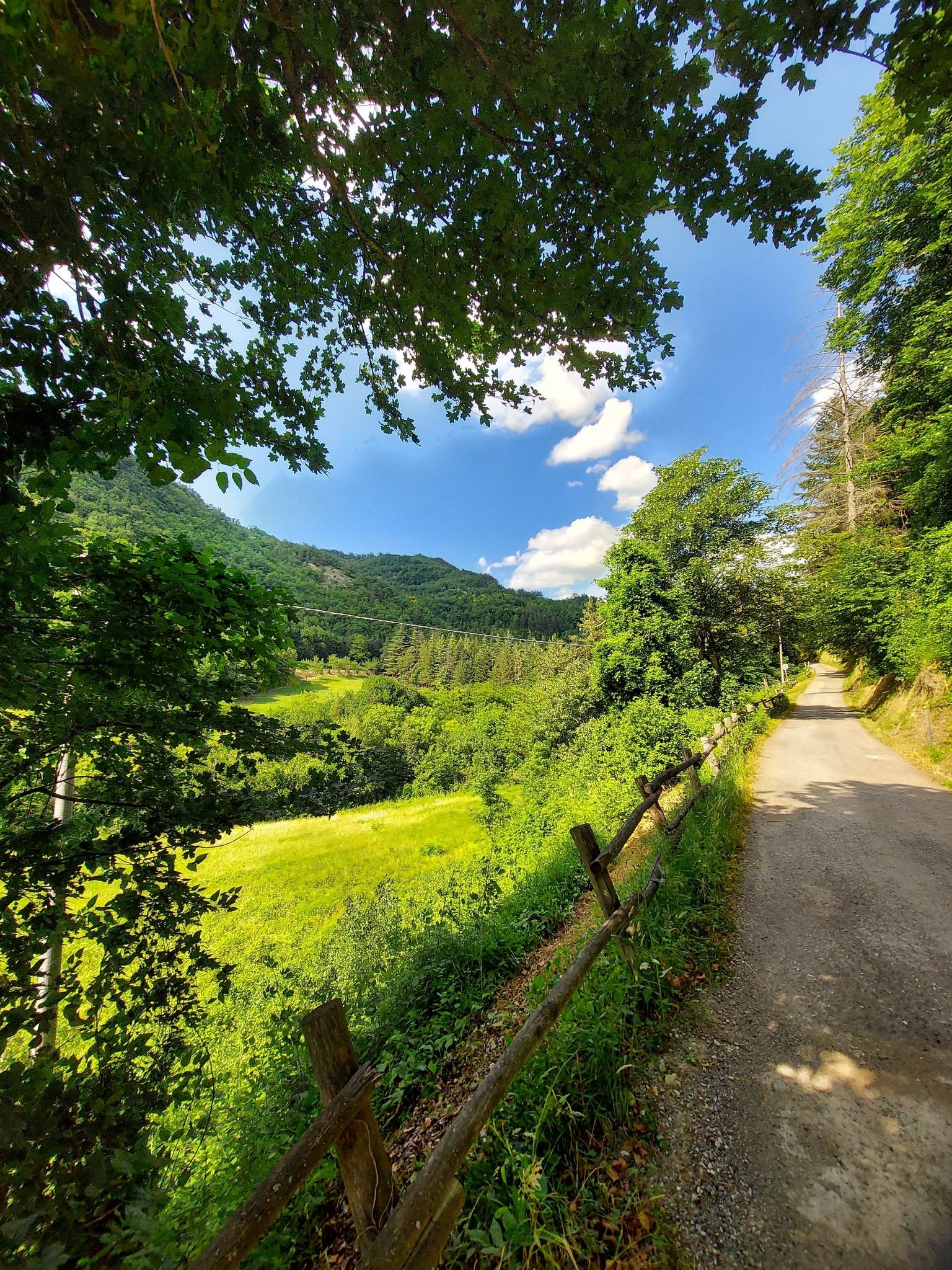
Cesenatico to Tirrenia – Italy Coast to Coast
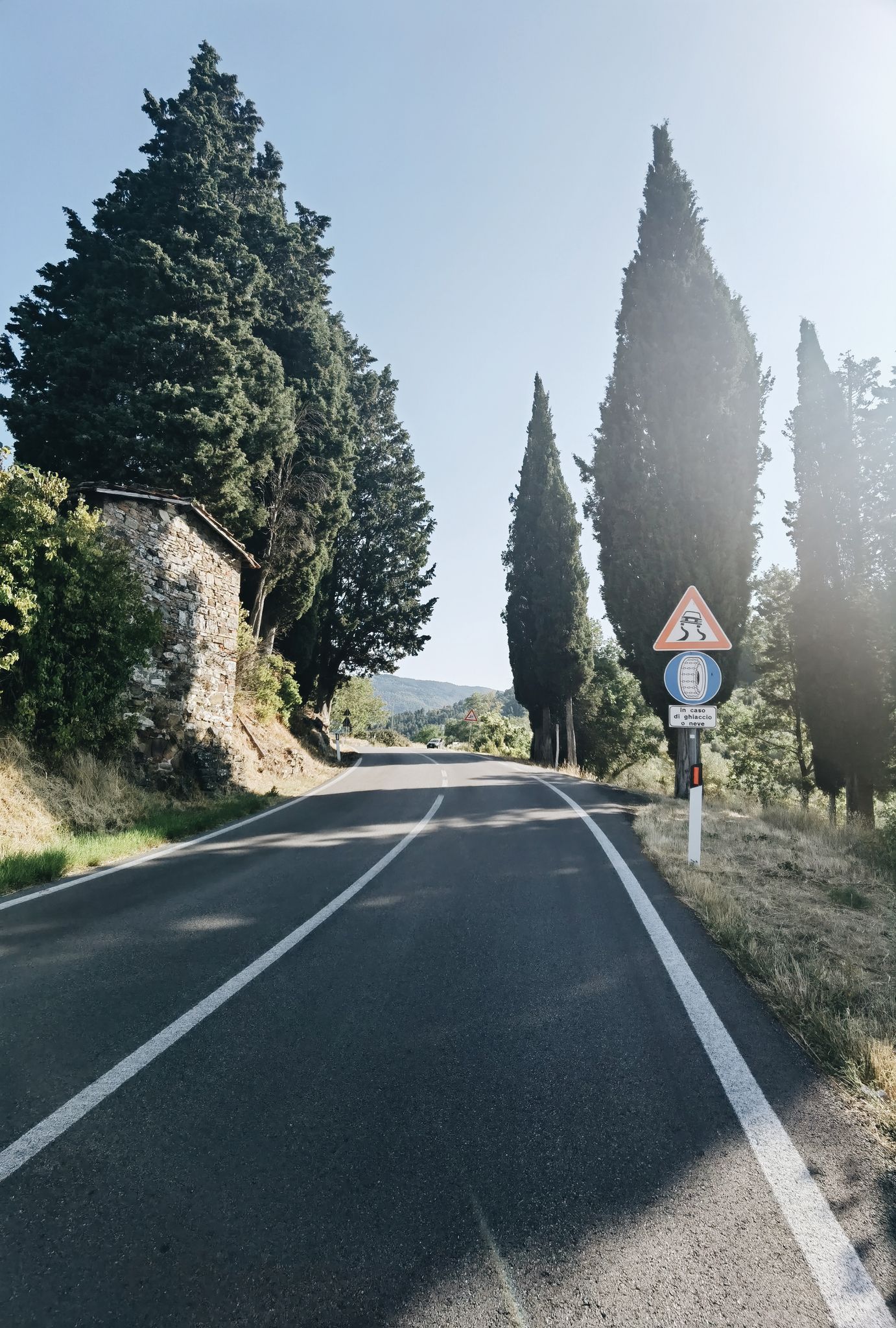
Pedal through olive groves – Setteponti road between Florence and Arezzo
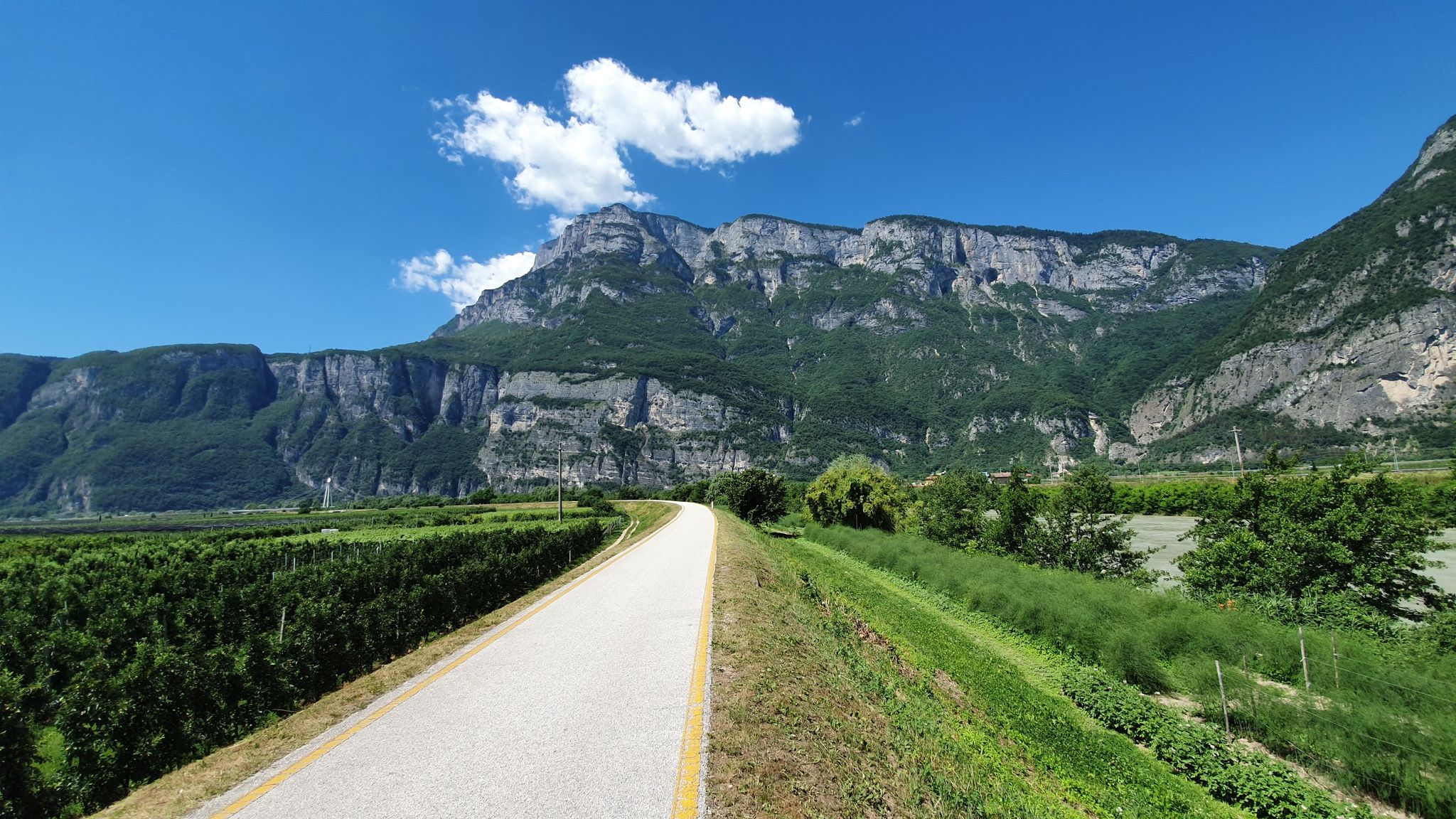
Florence to Bolzano – from the heart of Italy to the foot of the Dolomites
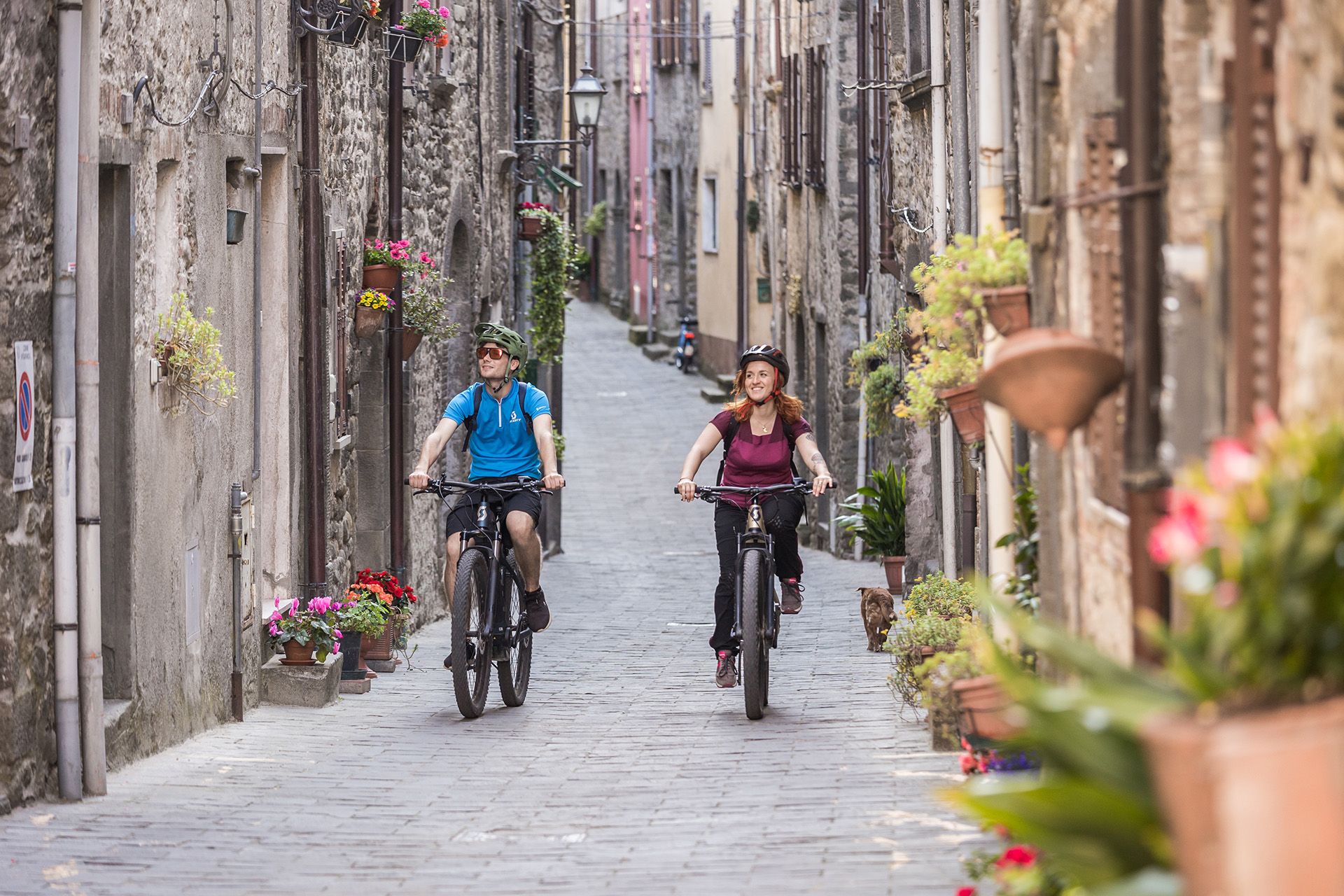
Tuscany by bike — nine Tours for every taste

Gravel biking around Firenze
Other adventures around Firenze


Tips from the Community

The climb from the Selletta is quite challenging. At the top, there is a fantastic view of Florence and the plain. You can also rest on the meadow.
0
0
The highest peak of Monte Morello. Getting there requires a bit of effort, but once at the top you are rewarded with a beautiful view of the Florentine plain. Here you can stop to rest, enjoy the view and meditate.
0
0


Very technical, suitable for experts
0
0

Cross located at the top of Poggio alle Tortore (about 500 m above sea level), from which you can enjoy a splendid view of the valley and surrounding hills. The path to get there is very technical (S4) and with significant slopes. A sure step is required, especially if you run along it.
0
0

At 921 meters above sea level, Poggio Casaccia is one of the highest peaks above Calenzano and Sesto Fiorentino. There is a cross on the summit and a large clearing where you can rest and enjoy nature in peace.
1
0

Getting there by mountain bike or emtb when the terrain is wet is a bit difficult, but it's worth it
0
0

It is the highest peak of Monte Morello or third point as the Florentines call it! Beautiful panorama, to get to the top of the Selletta I had to push for the most part.
1
0
Frequently Asked Questions
Which mountain peaks near Florence offer the most scenic views?
For breathtaking panoramic views, consider Poggio All'Aia (Third Peak), the highest point of Monte Morello, which provides an expansive vista of the surrounding area. Monte Ceceri Summit also offers fantastic views of Florence, especially from its historical vantage point.
Are there challenging hiking opportunities in the mountains near Florence?
Yes, for a more challenging trekking experience, head to Monte Falco and Monte Falterona in the Tuscan-Romagnolo Apennines. These are the highest peaks in the region and offer demanding trails through dense forests and pristine meadows within the Monte Falterona and Campigna National Park. Additionally, the path to Poggio alle Tortore is described as very technical with significant slopes, suitable for experienced hikers.
Which mountain peaks are easily accessible for a day trip from Florence?
Monte Morello, located northwest of Florence, is highly accessible and a popular choice for day hikes, offering a quick escape into nature with panoramic views of the city. Monte Ceceri, near Fiesole, is also easily reachable, even by walking from Florence to Fiesole, making it perfect for a shorter, enchanting hike.
What unique natural features can I expect to see on the mountain peaks near Florence?
The region boasts diverse natural features. At Monte Falterona, you can visit the source of the Arno River. The Apuan Alps, though further northwest, are famous for their dramatic landscapes and pristine white marble quarries. The Calvana mountain ridge, home to Monte Maggiore, offers a unique landscape of barren areas, shrubby vegetation, and grasslands, differing from the more heavily forested peaks.
Are there any mountain peaks near Florence with historical significance?
Absolutely. Monte Ceceri Summit is historically significant as the place where Leonardo da Vinci conducted some of his flight experiments. The broader Apennine range also features ancient trails and medieval ruins, offering glimpses into the region's past.
What outdoor activities can I do near the mountain peaks around Florence?
Beyond hiking, the area around Florence offers various outdoor activities. You can explore numerous gravel biking routes, such as those mentioned in the Gravel biking around Firenze guide. These routes often traverse the hilly terrain and offer different difficulty levels, from challenging loops like the 'Top of the Montebeni climb' to longer excursions.
What is the best time of year to hike the mountains around Florence?
The best time to hike the mountains around Florence is generally during the spring (April to June) and autumn (September to October). During these seasons, the weather is pleasant, temperatures are moderate, and the landscapes are vibrant with spring blooms or autumn colors. Summer can be hot, especially at lower elevations, while winter may bring snow to the higher Apennine peaks, offering different challenges and scenery.
Are there any less-known mountain peaks or hidden gems near Florence?
While not entirely 'hidden,' Monte Secchieta, part of the Pratomagno ridge, offers excellent views and is accessible even by car to its refuge, making it a great option for those seeking mountain scenery without overly strenuous ascents. It separates the Casentino valley from the Upper Valdarno valley and provides a tranquil experience.
What do visitors enjoy most about the mountain peaks around Florence?
Visitors particularly enjoy the stunning panoramic views, the opportunity to escape the city and immerse themselves in nature, and the diverse range of trails available. Many appreciate the historical significance of places like Monte Ceceri and the peaceful clearings found at summits like Poggio Casaccia Summit and Cross, where they can rest and enjoy the tranquility.
Can I reach mountain peaks near Florence using public transport?
Some areas are more accessible than others. For instance, Monte Ceceri is located near Fiesole, which can be reached by public bus from Florence, and then you can walk to the summit. For higher Apennine peaks, reaching trailheads often requires a car, though some areas might have limited bus services to nearby towns.
What can I expect when exploring the broader Apennine mountains near Florence?
The Apennines, often called 'Italy's Backbone,' offer a vast array of experiences. You can expect diverse landscapes ranging from dense forests and tranquil meadows to rugged cliffs. The region is rich in wildlife, including wolves, wild boars, and golden eagles. There are hiking trails for all skill levels, and opportunities to discover ancient paths and medieval ruins, providing a deep immersion into nature and history.
Most popular attractions around Firenze

Get inspired with the komoot mobile app


Explore more
See even more amazing summits around Firenze with these guides:
