Attractions and Places To See around Bitonto - Top 20
Best attractions and places to see around Bitonto, a city in the Apulia region of southern Italy, is known for its extensive olive groves. The area features a well-preserved historic medieval center with narrow streets, alongside a variety of historical, cultural, and architectural sites. Visitors can explore significant landmarks and natural landscapes in and around the city.
Best attractions and places to see around Bitonto
- The most popular attractions is Basilica of St. Nicholas, a religious building dedicated to Saint Nicholas, whose relics are kept inside. Its construction dates back to 1087, undergoing subsequent modifications and extensions.
- Another must-see spot is Bari Vecchia (Old Town), a historical settlement characterized by its labyrinthine alleys and vibrant atmosphere. It offers numerous opportunities for photography and exploration.
- Visitors also love Pulo of Altamura, a canyon of karst origin, a sinkhole with a diameter of about 500 meters and a maximum depth of 75 meters. It features caves and ravines that indicate its archaeological significance.
- Bitonto is known for historical landmarks, religious buildings, and unique natural features. Visitors can explore ancient castles, cathedrals, and karst formations, offering a diverse range of attractions.
- The attractions around Bitonto are appreciated by the komoot community, with over 350 upvotes and more than 370 photos shared.
Last updated: October 9, 2026
Basilica of St. Nicholas
Highlight • Religious Site
Translated by Google •
Tip by

Bari Swabian Castle
Highlight • Castle
Translated by Google •
Tip by
Sign up now to discover places like this
Get recommendations on the best single tracks, peaks, & plenty of other exciting outdoor places.
Bari Vecchia (Old Town)
Highlight • Settlement
Translated by Google •
Tip by

Bari Cathedral (Cathedral of San Sabino)
Highlight • Religious Site
Translated by Google •
Tip by

Pulo of Altamura
Highlight • Canyon
This created a more or less circular depression with a diameter of about 500 m. with a maximum depth of 75 meters. Along the walls, which are very steep in some points, caves and ravines have been created which indicate the different levels of excavation by the waters. These caves represent a real archaeological heritage because they were inhabited since the earliest ages of prehistory.
The route includes an unpaved stretch of about 1 km that can also be easily covered by racing bike.
Translated by Google •
Tip by

Sign up for free to discover even more attractions around Bitonto.
Already have an account?
Start today with a free account
Your next adventure awaits.
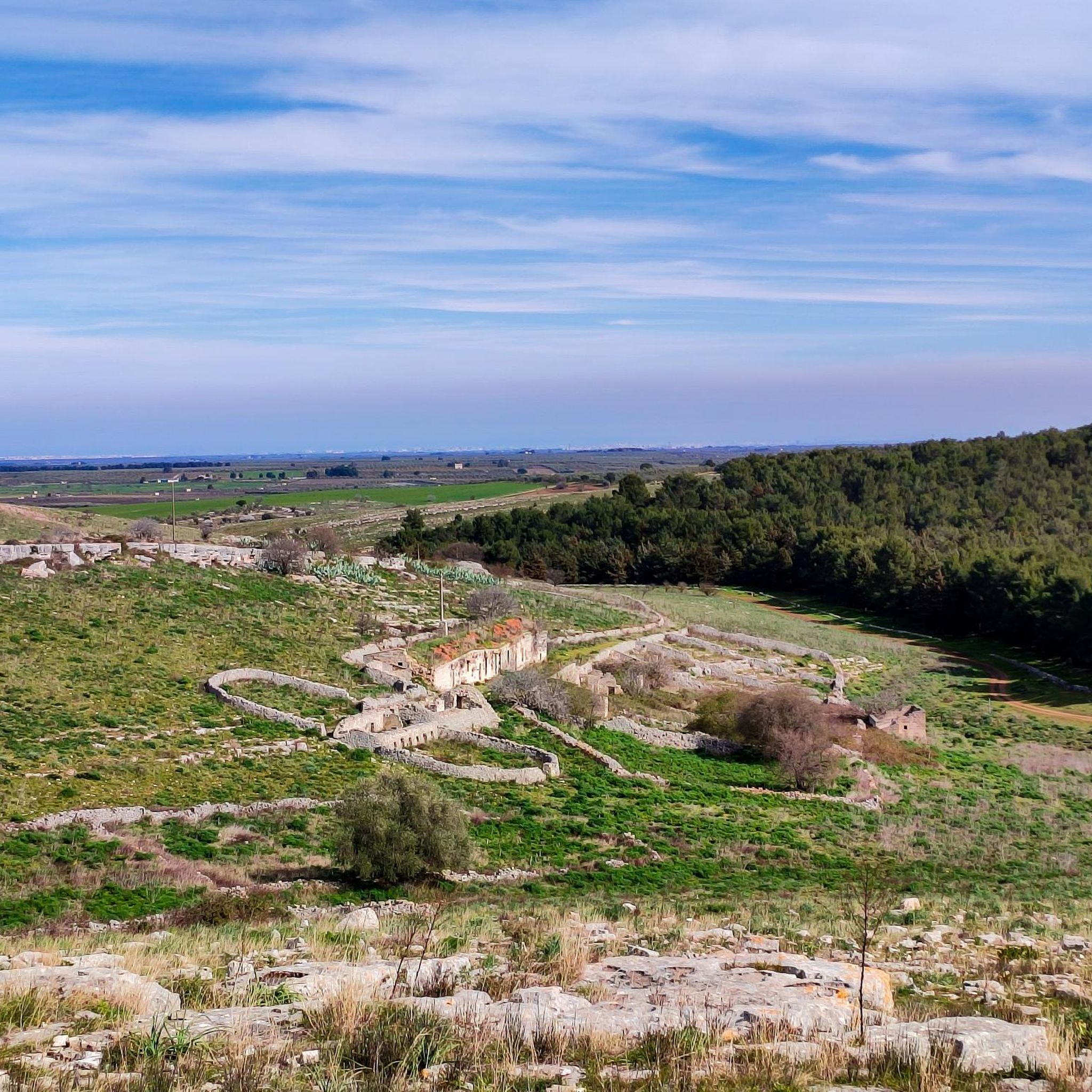
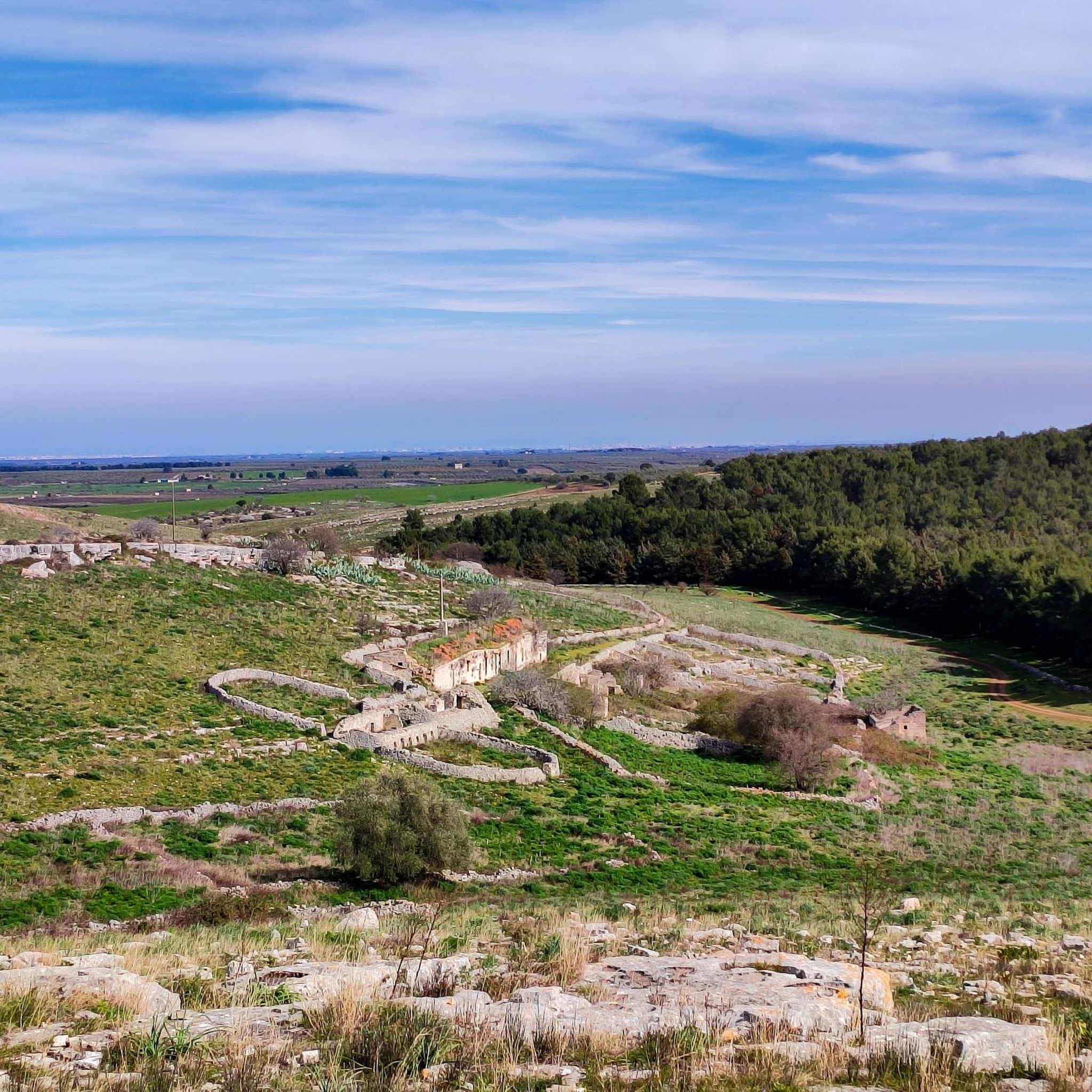
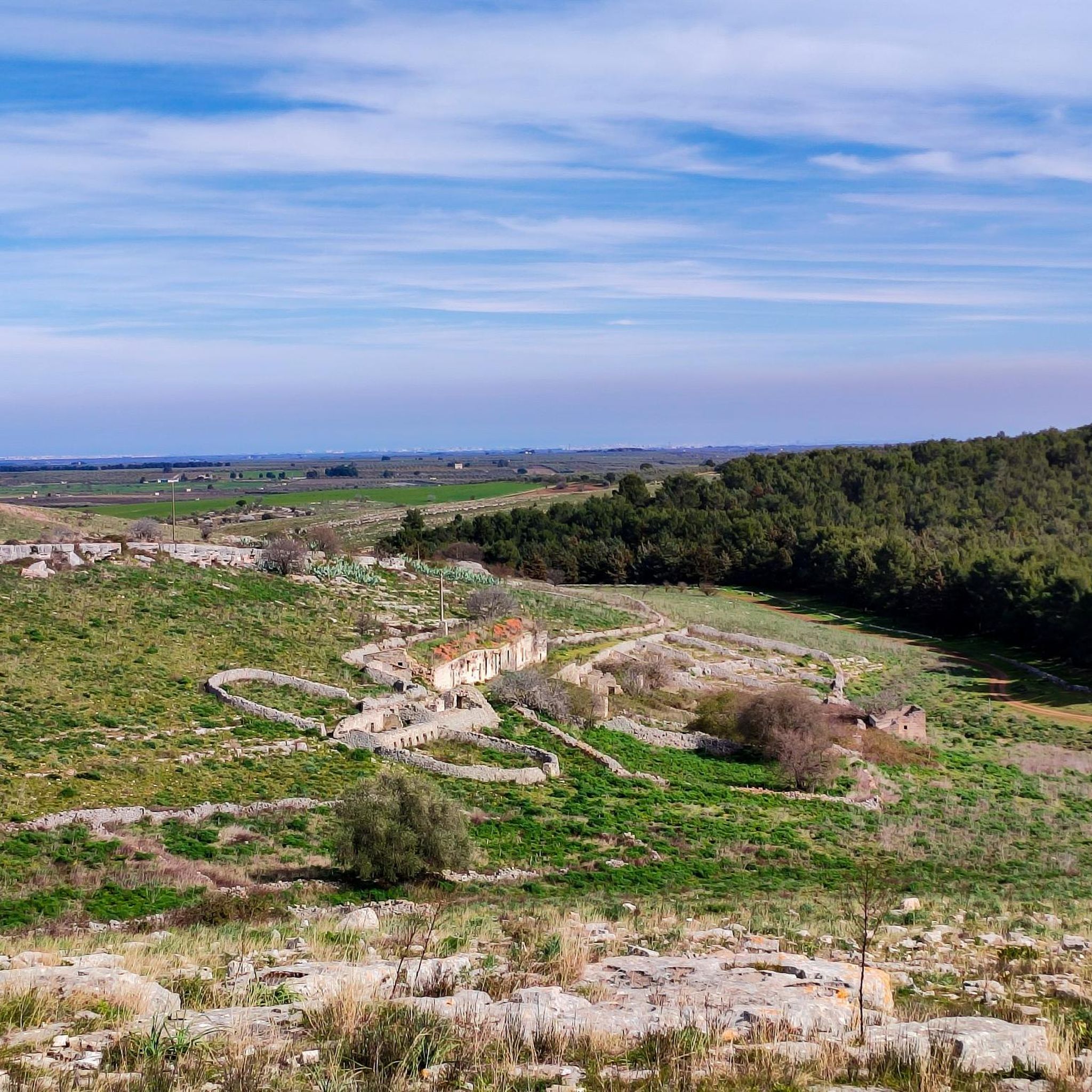
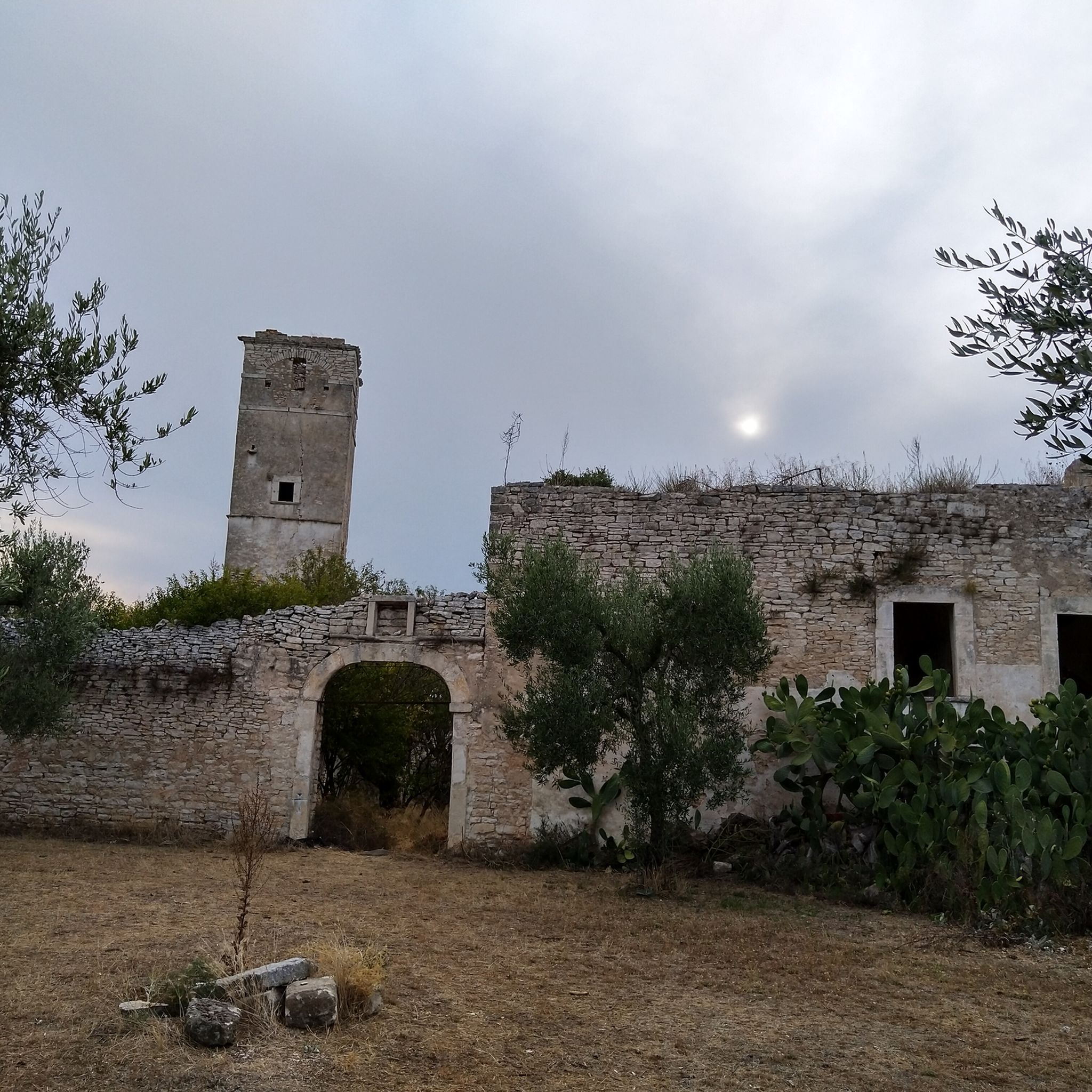

Tips from the Community

The Cathedral of San Sabino, also known simply as Bari Cathedral, is one of the most extraordinary examples of Apulian Romanesque architecture. Built between the 12th and 13th centuries on the ruins of a previous Byzantine church, it is located in the heart of Bari Vecchia. It is famous for its majestic white limestone facade, the grandiose rose window decorated with monstrous and fantastic figures, and for the evocative "miracle of light": every June 21st (summer solstice), the sun's rays filter through the rose window, projecting exactly onto the petals of the marble mosaic on the nave floor.
0
0
The Swabian Castle of Bari is one of the most imposing and fascinating fortresses in Southern Italy, strategically located between the historic center ("Bari Vecchia") and the sea. Originally founded by the Norman king Roger II around 1131, the castle was partially destroyed and subsequently rebuilt at the behest of Frederick II of Swabia, to whom it owes much of its medieval splendor and its current name. During the 16th century, under the guidance of Isabella of Aragon and her daughter Bona Sforza, the fortress was transformed into a sumptuous Renaissance residence, enriched with battered bastions designed to withstand early firearms. Today it is a vibrant museum complex managed by the Ministry of Culture.
0
0

Very nice fortress that can be visited
3
0

Particularly worth seeing are the pasta women who sit outside in an alley and make orecchiette pasta.
2
0
Frequently Asked Questions
What historical and architectural landmarks can I explore in Bitonto?
Bitonto is rich in history and architecture. You can visit the magnificent Bitonto Cathedral, a prime example of Apulian Romanesque architecture, featuring intricate details and an ancient griffin tile mosaic in its crypt. Another significant site is the Torrione Angioino, a 14th-century cylindrical defense tower that now houses the Municipal Gallery of Contemporary Art. Don't miss the imposing Porta Baresana, a historic town gate, and the elegant Renaissance palaces like Palazzo Sylos-Calò, which hosts the National Gallery of Puglia.
Are there any natural attractions or features to see around Bitonto?
Beyond its urban charm, Bitonto is known as the 'City of Olives' due to its extensive surrounding olive groves, which are worth exploring to learn about traditional olive oil production. A unique natural feature nearby is the Pulo of Altamura, a large karst sinkhole with a diameter of about 500 meters and a depth of 75 meters, featuring caves and ravines of archaeological significance. The broader Apulia region also offers the Adriatic coastline, national parks like Alta Murgia, and impressive karst caves such as the Grotte di Castellana.
What cultural sites and museums are available in Bitonto?
Bitonto offers several cultural experiences. The Diocesan Museum, located in the Archdiocese of Bari and Bitonto, exhibits sacred art, including a 13th-century icon of the Virgin “Odegitria.” The Archaeological Museum of the De Palo-Ungaro Foundation showcases artifacts from the 6th-3rd century BC, discovered along the 'Via Traiana'. You can also visit historic churches like the baroque Church of San Gaetano, the evocative Chiesa del Purgatorio, and the 13th-century Chiesa di San Francesco. The Teatro Traetta, one of the oldest theaters in the province, is another cultural highlight.
What outdoor activities can I do near Bitonto?
The area around Bitonto is great for outdoor enthusiasts. You can enjoy gravel biking on routes like the 'Scoparella Forest – Ponte dell'Acquedotto loop' or the 'Antignano Olive Tree – Jazzo del Demonio loop'. For road cycling, consider routes such as the 'Ruvo di Puglia Cathedral – Castel del Monte loop' or the 'Lungomare Nazario Sauro – Historic Center of Bari loop'. If you prefer running, there are trails like the 'Angevin Tower of Bitonto – Bitonto Castle loop'. You can find more details and routes in the Gravel biking around Bitonto, Cycling around Bitonto, and Running Trails around Bitonto guides.
Are there family-friendly attractions in Bitonto?
Yes, several attractions in and around Bitonto are suitable for families. Exploring the labyrinthine alleys of Bari Vecchia (Old Town) is a vibrant experience for all ages. The Basilica of St. Nicholas is a significant religious site that can be interesting for older children. Additionally, the Norman-Swabian Castle of Bari, now a museum, offers a historical journey that can engage families.
What do visitors enjoy most about the attractions around Bitonto?
Visitors particularly appreciate the rich historical and cultural tapestry of the region. The vibrant atmosphere and labyrinthine alleys of Bari Vecchia (Old Town) are often highlighted for their photographic opportunities and immersive experience. The architectural grandeur of sites like the Bitonto Cathedral and the historical significance of the Basilica of St. Nicholas also receive high praise. The unique natural beauty of the Pulo of Altamura is frequently mentioned for its breathtaking views.
What is the best time of year to visit Bitonto for outdoor activities?
The Apulia region, including Bitonto, generally enjoys a Mediterranean climate. Spring (April-May) and early autumn (September-October) are often considered the best times for outdoor activities like hiking and cycling, as the weather is pleasantly mild and sunny, avoiding the intense heat of summer. Winter can be mild but may bring more rain, while summer (June-August) can be very hot, making strenuous activities less comfortable, though it's ideal for coastal visits.
Are there any wheelchair-accessible attractions in Bitonto?
While the historic medieval center with its narrow, winding streets might present challenges, some key attractions strive for accessibility. The Basilica of St. Nicholas is noted as being wheelchair accessible. It's always advisable to check with specific venues directly for the most up-to-date accessibility information before your visit.
Where can I find places to eat or stay near Bitonto's attractions?
Bitonto's historic medieval center, particularly around Piazza Cavour and behind Porta Baresana, is bustling with activity and offers numerous restaurants and cafés. You'll find a variety of local eateries serving traditional Apulian cuisine. For accommodation, options range from charming guesthouses within the old town to hotels in the surrounding areas. Many establishments are concentrated in the city center, providing easy access to the main sights.
Can I explore the historic medieval center of Bitonto on foot?
Absolutely. Exploring the historic medieval center of Bitonto on foot is highly recommended. Its narrow, winding streets, picturesque squares, ancient churches, and local markets create an immersive experience. It's the best way to discover hidden gems and appreciate the city's rich history and architecture at your own pace.
What is the significance of the olive groves around Bitonto?
Bitonto is famously known as the 'City of Olives' due to the vast and ancient olive groves that surround it. These groves are not just a natural feature but are deeply intertwined with the local economy and culture, playing a significant role in traditional olive oil production. Visitors can learn about the history and process of olive oil making, which is a cornerstone of Apulian heritage.
What is the Pugliese Aqueduct Bridge and Jazzo del Demonio?
The Pugliese Aqueduct Bridge and Jazzo del Demonio is a historical site a few kilometers from Ruvo di Puglia. The bridge is part of the historic Pugliese Aqueduct, and the Jazzo del Demonio is a suggestive place, a memory of the transhumance period (movement of livestock). It features a stone structure and a centenary oak, with a local legend involving two shepherds and the devil, making it a unique stop for history and nature lovers.
Most popular routes around Bitonto
Most popular attractions around Bitonto

Get inspired with the komoot mobile app


Explore more
Still not found the Highlight you’re looking for? See guides of the top attractions in other regions:
