The best walks and hikes around Ulmen
4.5
(18015)
61,554
hikers
83
hikes
Hiking around Ulmen offers diverse trails through a unique volcanic landscape in the Eifel region. The area is characterized by the Ulmener Maar, a meromictic lake within a volcanic crater, surrounded by forests. Deep forests and green stream valleys also define the terrain, providing varied environments for outdoor activities. The region's geological history is evident in its natural features and contributes to its distinct hiking appeal.
Best hiking trails around Ulmen
- The most popular hiking route is HeimatSpur Ulmener Acht – GesundLand Vulkaneifel, a 12.5 miles (20.2 km) trail that takes 5 hours 23 minutes to complete. This difficult route explores the most scenic spots around historic Ulmen.
- Another top favourite among local hikers is HeimatSpur Große Ulmener Acht – GesundLand Vulkaneifel, a moderate 9.1 miles (14.6 km) path. This trail leads through original Vulkaneifel landscapes, including deep forests and green stream valleys.
- Local hikers also love the Ulmener Maar – Ulmener Maar Tunnel loop from Ulmen, a 4.0 miles (6.5 km) trail leading through the Ulmener Maar area, often completed in about 1 hour 42 minutes.
- Hiking around Ulmen is defined by its volcanic landscape, the Ulmener Maar, deep forests, and historical castle ruins. The network of trails offers options for various ability levels, from easy walks to more challenging routes.
- The routes in Ulmen are highly rated by the komoot community with an average score of 4.5 stars from over 2000 reviews. More than 7000 hikers have used komoot to explore Ulmen's varied terrain.
Last updated: August 20, 2026
4.3
(58)
242
hikers
20.2km
05:23
220m
220m
Hard hike. Very good fitness required. Easily-accessible paths. Suitable for all skill levels.
4.3
(41)
192
hikers
14.6km
03:53
150m
150m
Moderate hike. Good fitness required. Easily-accessible paths. Suitable for all skill levels.

Sign up for free
4.2
(9)
61
hikers
3.32km
00:52
20m
20m
Easy hike. Great for any fitness level. Easily-accessible paths. Suitable for all skill levels.
4.7
(468)
1,530
hikers
6.28km
01:39
50m
50m
Easy hike. Great for any fitness level. Easily-accessible paths. Suitable for all skill levels.
4.2
(12)
46
hikers
6.22km
01:41
80m
80m
Easy hike. Great for any fitness level. Easily-accessible paths. Suitable for all skill levels.
Get access to more routes and recommendations from other explorers.
Sign up for free
Already have an account?
Our route recommendations are based on thousands of hikes, rides, and runs completed by other people on komoot.
Start today with a free account
Your next adventure awaits.
Login or Signup
Popular around Ulmen
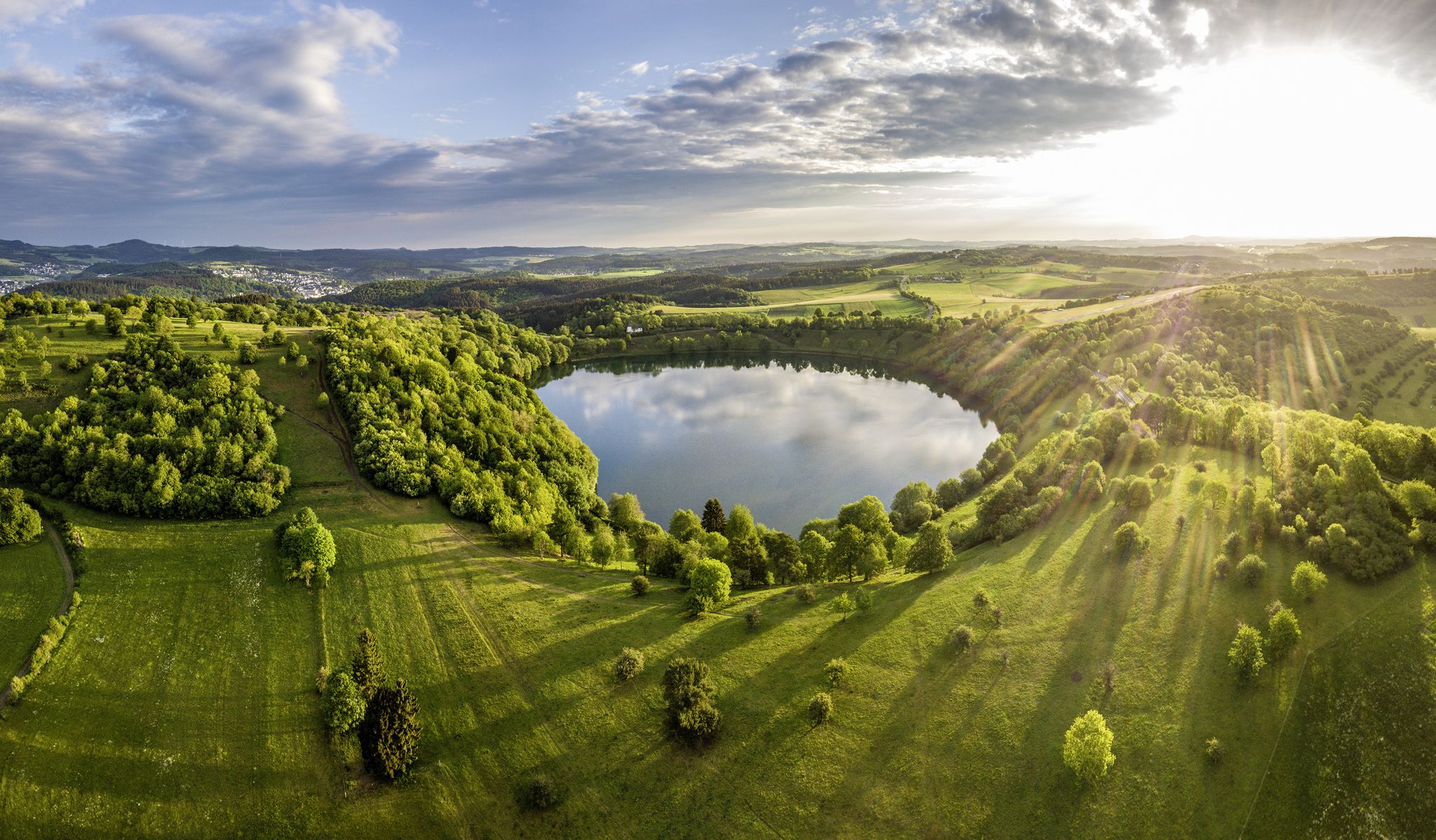
Germany’s Most Beautiful Hiking Trails in the Vulkaneifel
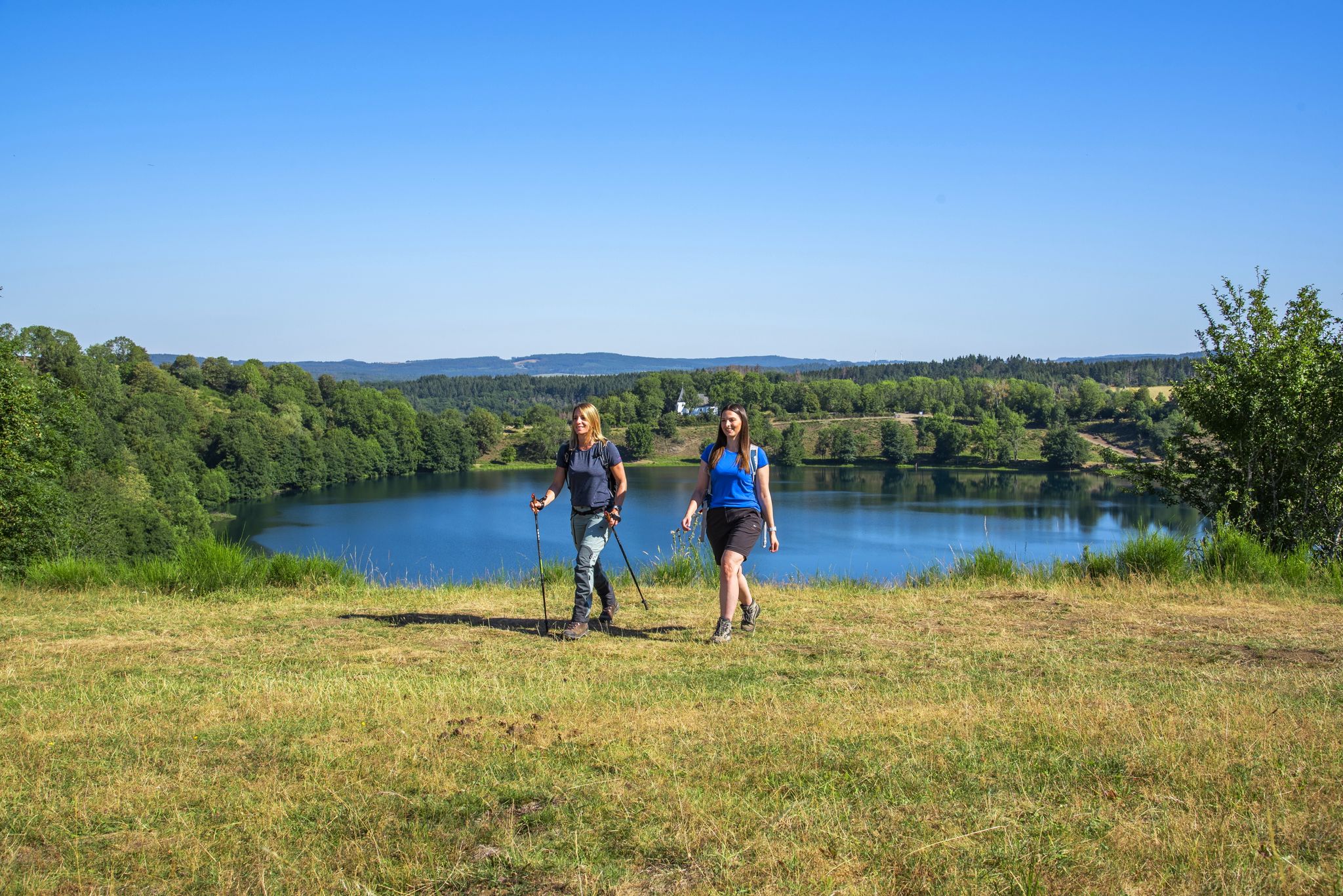
Excellent paths in the Vulkaneifel – Explore the HeimatSpuren
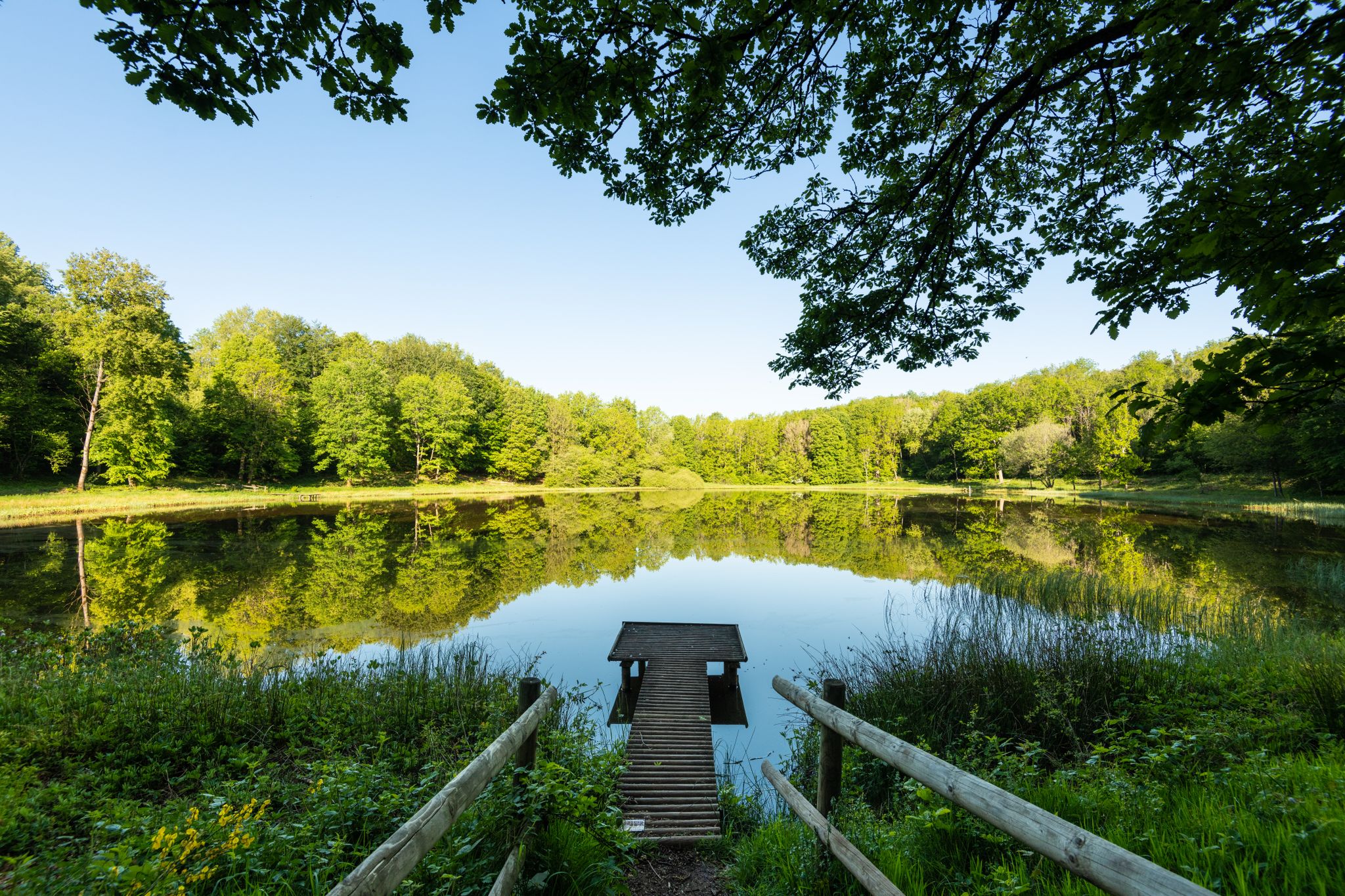
Award-winning hikes – explore the Volcanic Eifel on acclaimed trails
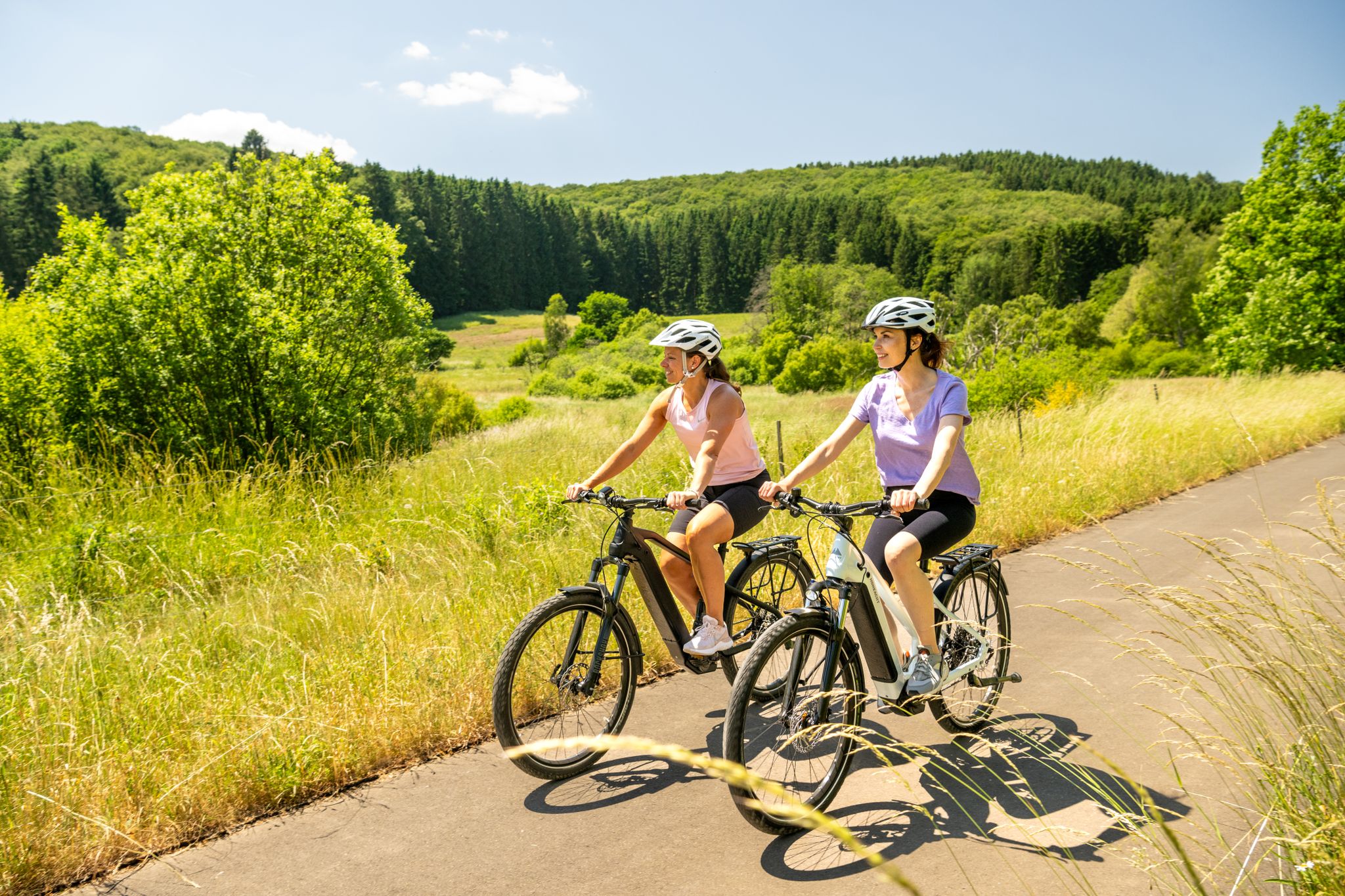
E-biking through the Volcanic Eifel
Vulkan Eifel — bike and hike
Road Cycling Routes around Ulmen
Cycling around Ulmen
MTB Trails around Ulmen
Running Trails around Ulmen
Gravel biking around Ulmen
Other adventures around Ulmen


Tips from the Community

From 13:00 o'clock many people are out and about when the sun ☀️ shines
0
0

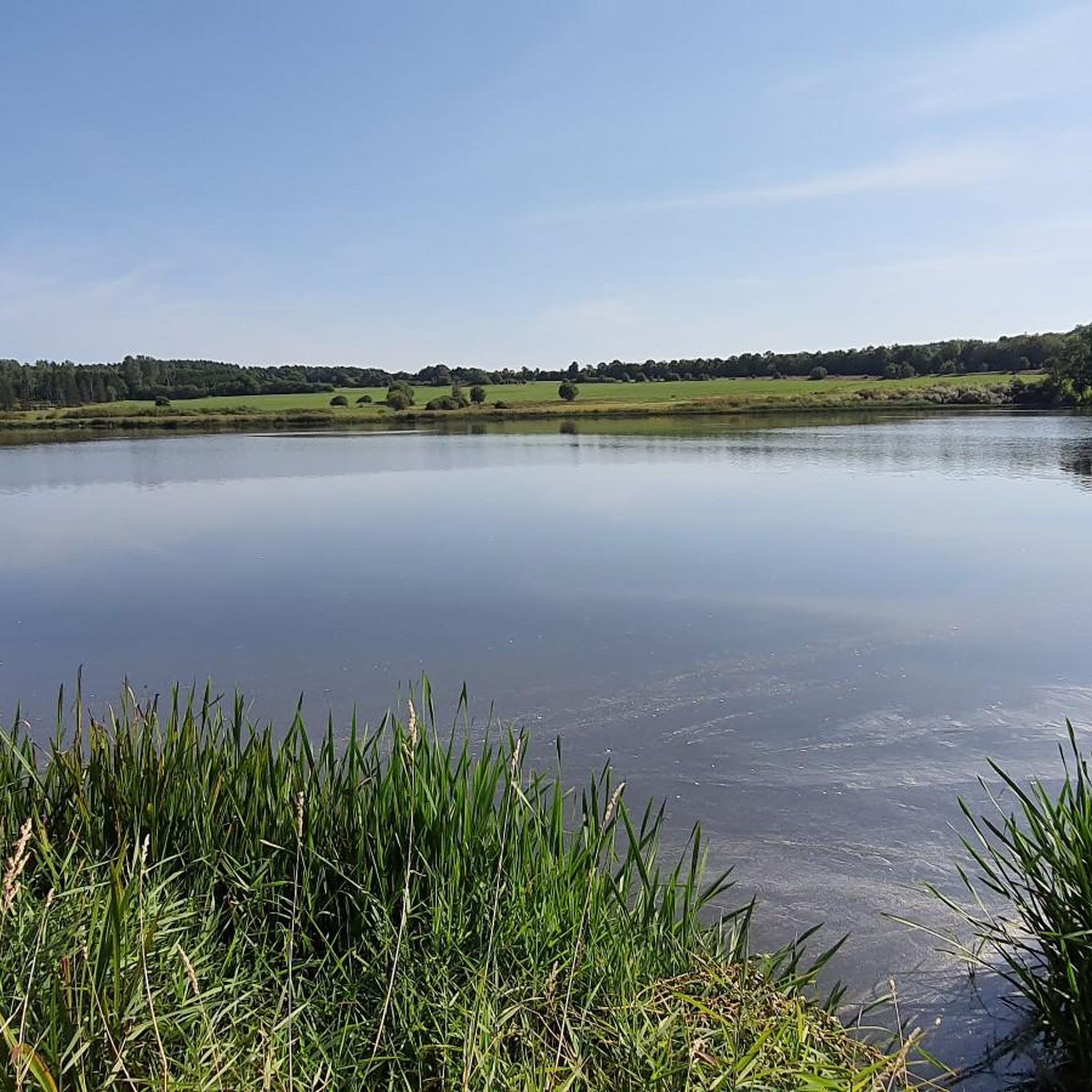
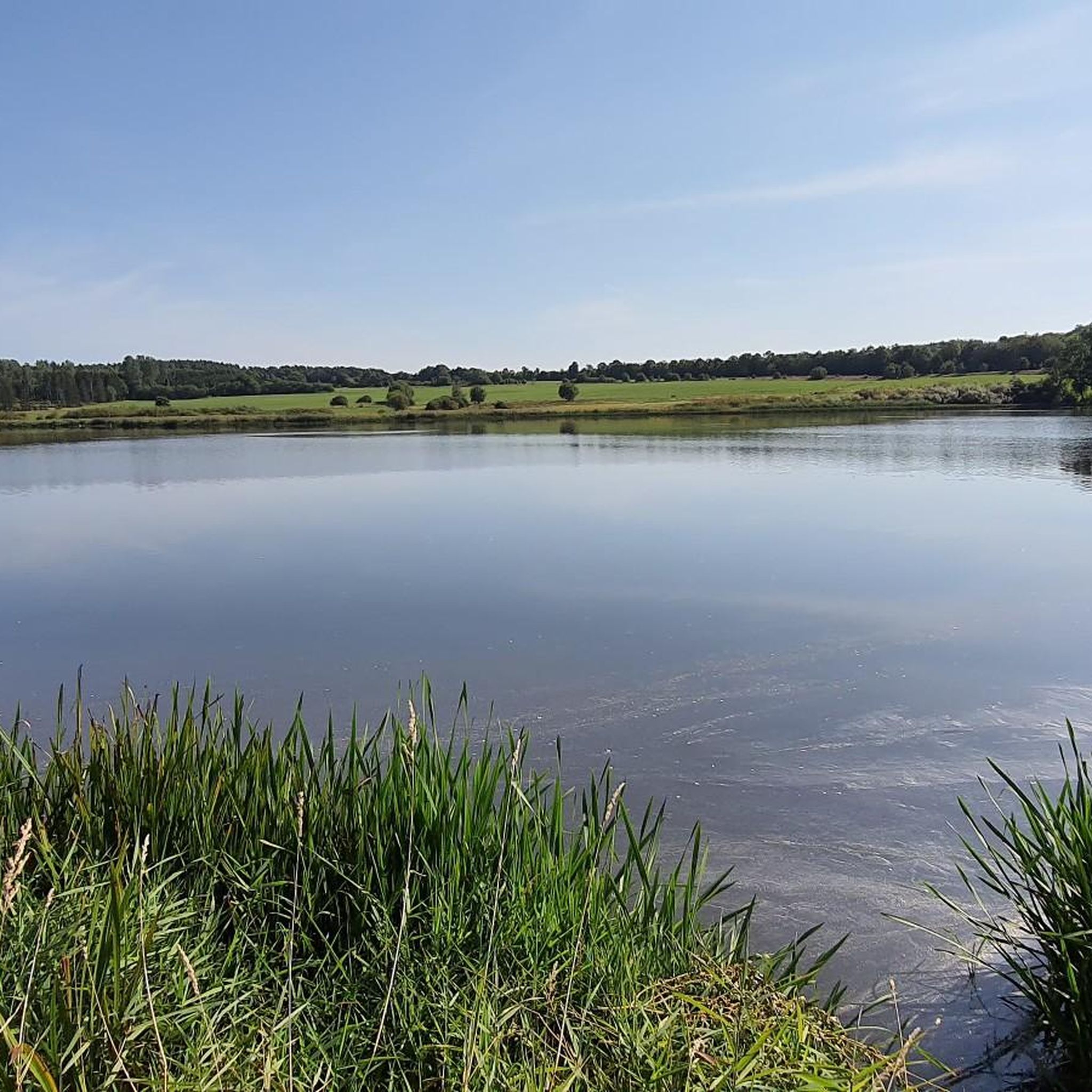
A true paradise stretches out on the edge of the village of Ulmen on a plateau beneath the Steimelskopf, where a volcano once erupted with a tremendous bang, forming a deep crater with a maar lake, which now serves as a renowned bird sanctuary. The exact age of the Jungferweiher lake cannot be determined, but its morphological shape suggests it is several hundred thousand years old. In early modern times, the Lords of Ulmen used the lake as a fishpond for carp breeding, until it gradually silted up over time, and the residents of Ulmen harvested peat from the former maar for heating purposes. However, in 1942, the decision was made to flood the area again by damming the Ulmener Bach to secure the drinking water supply for the Cochem-Zell district. Today, the Jungferweiher lake, located at an altitude of 428 meters above sea level, covers an area of approximately 170,000 square meters with a depth of 0.8 meters. The pond, along with the Ulmener Maar, is protected for its rare flora and fauna. Many endangered species, such as the snipe and the meadow pipit, breed in the reed-rich banks, while ospreys have been observed hunting. Migratory birds such as cranes, teals, and great grey shrikes roost in the meadows near the Ulmener Jungferweiher every year. Therefore, a walk along the approximately 3-kilometer loop is a must, especially during the migration periods in spring and autumn. At the bird observatory on the western bank, you can observe the birds in their natural habitat. Nowadays, a wide variety of fish species thrive in the shallow waters of the Ulmener Weiher, which can be fished from a fishing pier on the southern bank. Swimming and other water sports are prohibited, however. Fishing permits are issued by the local municipal administration in Ulmen. Since 2023, the Ulmener Maar Tunnel has connected the Jungferweiher underground to the Ulmener Maar. A visit to the 126-metre-long tunnel is highly recommended!
7
0
1 million years of geology. Worth putting your bike aside for a moment.
6
0
The fairy-tale fountain at the Alten Postplatz tells a story. Here, on this spot, it is at its most beautiful.
7
0
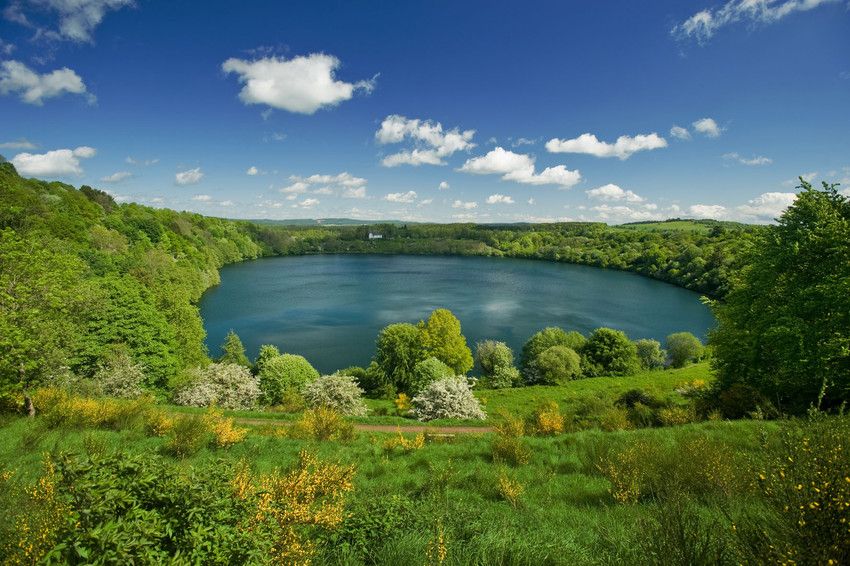
The Ulmen Maar lies 420 meters above sea level today, covers an area of 5.5 hectares, and is 36 meters deep. The bubbles at the maar's edge demonstrate that volcanism is still active. They bear witness to a turbulent past—but rest assured, there's no eruption in sight! A wall of various rocks and ash, up to 20 meters thick, surrounds the cone. For those interested, these testimonies to this explosive past are beautifully displayed in St. Matthias Church. This unique wall, with its different colored layers and rounded inclusions, is worth seeing for more than just geologists. The slopes of the maar basin are covered with a beautiful forest, which can be explored on a circular walk. A detour to the medieval castle ruins, from which the Crusaders once launched their campaigns, is recommended. The view from the crater rim over the maar and the Eifel beyond will take your breath away. Whether after a sweaty hike or a long drive, the blue of the Ulmer Eifel lake is all too tempting in summer. However, bathing in the maar is prohibited because it is designated as a nature and water protection area.
7
0
The lower castle has completely disappeared. You can still see the beginning of the ring that connected the lower castle and the Ulmen city wall, a two-story outer wall of the palace, as well as a cistern and some foundation walls of other buildings. The old part of Ulmen Castle was built around 1074 AD and likely rests on the remains of a Roman settlement. In the Middle Ages, Ulmen Castle was further expanded and divided into the upper castle, whose remains of the walls still exist, and the lower castle, which extended to the banks of the maar river. Two knightly families lived in the castle, which is believed to have never been attacked or destroyed until 1673 due to its size. Only the Sun King's troops succeeded. It was rebuilt, but fell again in 1689 during the War of the Succession. However, Ulmen Castle was also rebuilt this time, with only the city wall being abandoned. With the invasion of Napoleon's soldiers, Ulmen also became French and later Prussian. The empty castle, whose last descendant died in 1801, was auctioned to a merchant from Cochem, who sold it as a quarry. When a devastating fire burned Ulmen to the ground in the 19th century, the residents of Ulmen rebuilt their houses with stones from the castle. That's why you can still see a coat of arms on some of the stables today. It wasn't until the early twentieth century that Ulmen Castle was declared a listed building and became the property of the municipality of Ulmen. The castle is always freely accessible.
7
0

The Ulmen Maar is a maar belonging to the town of Ulmen in the Eifel region of Rhineland-Palatinate. The meromictic lake is up to 37 meters deep and is surrounded by an average 20-meter-high wall of tuff rock formed from the eruptions of the former volcano.
2
0

Although the mill itself hasn't been in operation for many decades and now serves "only" as a residential building, the very friendly owner is happy to provide information and guide you through the grounds. Parts of the old millwork can still be seen.
0
0
Frequently Asked Questions
How many hiking trails are available around Ulmen?
Ulmen offers a wide variety of hiking opportunities, with over 85 trails recorded on komoot. These range from easy strolls to more challenging routes, ensuring there's something for every hiker.
What kind of landscape can I expect when hiking in Ulmen?
The landscape around Ulmen is primarily defined by its unique volcanic origins within the Vulkaneifel region. You'll encounter the stunning Ulmener Maar, a meromictic lake nestled in a volcanic crater, surrounded by deep forests and green stream valleys. The area also features historical elements like the Burgruine Ulmen, offering panoramic views.
Are there any easy hiking trails suitable for beginners or families in Ulmen?
Yes, Ulmen has many easy trails. For a relaxing walk, consider the HeimatSpur Kleine Ulmener Acht – GesundLand Vulkaneifel, which is about 6.2 km long and takes you through original Vulkaneifel landscapes and the Jungferweiher nature reserve. Another easy option is the Ulmener Entdeckertour, a 3.3 km discovery route around the town.
What are some notable natural features or viewpoints to see on a hike?
The most prominent natural feature is the Ulmener Maar itself, with its unique volcanic history and forest-covered slopes. You can also find serene spots like the Jungferweiher, a recognized bird sanctuary. For stunning vistas, the crater rim of the Ulmener Maar offers breathtaking views, and the Dronke Tower on the Mäuseberg provides another excellent viewpoint.
Are there any circular hiking routes in Ulmen?
Yes, many trails in Ulmen are designed as circular routes. A popular choice is the Ulmener Maar – Ulmener Maar Tunnel loop from Ulmen, an easy 6.5 km path that takes you around the maar area. The HeimatSpur Kleine Ulmener Acht is also a well-regarded circular option.
What do other hikers enjoy most about hiking in Ulmen?
The area is highly rated by the komoot community, with an average score of 4.5 stars from over 2000 reviews. Hikers often praise the unique volcanic landscape, the serene beauty of the Ulmener Maar, and the well-maintained trails that cater to various fitness levels. The blend of natural wonders and historical sites like the castle ruins is also frequently highlighted.
Are there any historical landmarks to explore while hiking?
Absolutely. Overlooking the Ulmener Maar are the medieval Burgruine Ulmen, dating back to the 11th century. These castle ruins are freely accessible and provide a historical dimension to your hike, along with panoramic views of the maar and the Eifel landscape.
Can I bring my dog on the hiking trails in Ulmen?
Generally, dogs are welcome on most hiking trails in the Ulmen region. However, it's always advisable to keep your dog on a leash, especially in nature reserves like the Jungferweiher, to protect local wildlife. Please check specific trail regulations if you plan to visit a particular area.
What is the best time of year to go hiking in Ulmen?
Ulmen offers beautiful hiking experiences throughout the year. Spring brings lush greenery and blooming flora, while autumn showcases vibrant fall colors across the forests. Summer is ideal for longer days and warmer weather, and even mild winter days can offer crisp, scenic walks, especially around the maar.
Are there any long-distance or more challenging hikes in the area?
For those seeking a more challenging experience, the HeimatSpur Ulmener Acht – GesundLand Vulkaneifel is a difficult 20.2 km trail that explores the most scenic spots around historic Ulmen, typically taking over 5 hours to complete.
Is there public transport available to reach hiking trailheads in Ulmen?
Ulmen is connected by local bus services, which can provide access to various points within the town and surrounding areas. It's recommended to check the current bus schedules for specific routes and stops that align with your chosen trailhead.
Where can I find parking for hiking trails in Ulmen?
Parking is generally available in and around Ulmen, particularly near popular trailheads and the town center. Look for designated parking areas, often signposted, especially close to the Ulmener Maar and the castle ruins.
Most popular attractions around Ulmen

Get inspired with the komoot mobile app


Explore more
Browse the best Hikes in other regions.
