The 12 Most Amazing Peaks around Monfalcone
Best mountain peaks around Monfalcone are characterized by the region's unique geography, situated between the Karst hills and the Adriatic coast. The area features elevated Karst hills rather than traditional towering peaks, offering scenic views and historical significance. These hills provide numerous trails for hiking and exploring the local flora and fauna. The landscape offers opportunities for outdoor activities and historical exploration.
Best mountain peaks around Monfalcone
- The most popular mountain peaks is Summit 3 of Monte San Michele, a viewpoint that offers panoramic views of the Isonzo valley. This location is significant for its historical connections to World War I battles.
- Another must-see spot is Monte San Michele and World War I Open-Air Museum, a historical site. Visitors can explore an open-air museum dedicated to World War I, offering a beautiful panorama despite its somber history.
- Visitors also love Monte Cosichi, a summit with historical significance. This site features remains of Austro-Hungarian and Italian fortifications from World War I, providing both historical and landscape interest.
- Monfalcone is known for summits, viewpoints, and historical sites. The variety of elevated features offers opportunities for hiking, exploring historical landmarks, and enjoying panoramic views.
- The mountain peaks around Monfalcone are appreciated by the komoot community, with more than 300 upvotes and over 200 photos shared.
Last updated: October 4, 2026
Summit 3 of Monte San Michele
Highlight • Viewpoint
Translated by Google •
Tip by

Monte San Michele and World War I Open-Air Museum
Highlight • Historical Site
Tip by

Sign up now to discover places like this
Get recommendations on the best single tracks, peaks, & plenty of other exciting outdoor places.
Monte Cosichi
Highlight • Summit
Translated by Google •
Tip by

Kremenjak Hill Panoramic Viewpoint
Highlight • Viewpoint
Detailed description of the itinerary: isontinoinbici.it/ValichiDelCarso/mtb-carso-vallone-kremenjak-nova-vas.html
Photo Gallery: photos.app.goo.gl/wkVf9vi2vseroihM9
This itinerary straddles the boundary line that runs high and parallel to the state road 55, known as the "Vallone", which connects Gorizia to Monfalcone.
The layout is feasible only after Slovenia has entered the Schengen area (21-12-2007). Before this historic date, in the area affected by the route, the only entry gate to Slovenia was the 2nd category Devetachi pass, manned by the Italian Guardia di Finanza and the Slovenian Police and usable only by cross-border commuters with a special permit (even today it remains the only passable by car). Our itinerary today instead crosses the border line in 4 different points, on paths, dirt roads or agricultural paths.
The main feature of this route, without taking anything away from the beauties offered by the karst territory (autumn is a kaleidoscope of bright colors), is precisely this continuous entering and exiting freely from one state to another. Doing this before 2007-12-21 meant risking big problems.
Last note: even if there are no longer controls on the border line, don't forget to carry your identity card with you always and everywhere.
Translated by Google •
Tip by

Mount Ermada Summit
Highlight • Summit
Translated by Google •
Tip by

Sign up for free to discover even more peaks around Monfalcone.
Already have an account?
Start today with a free account
Your next adventure awaits.
Tips from the Community

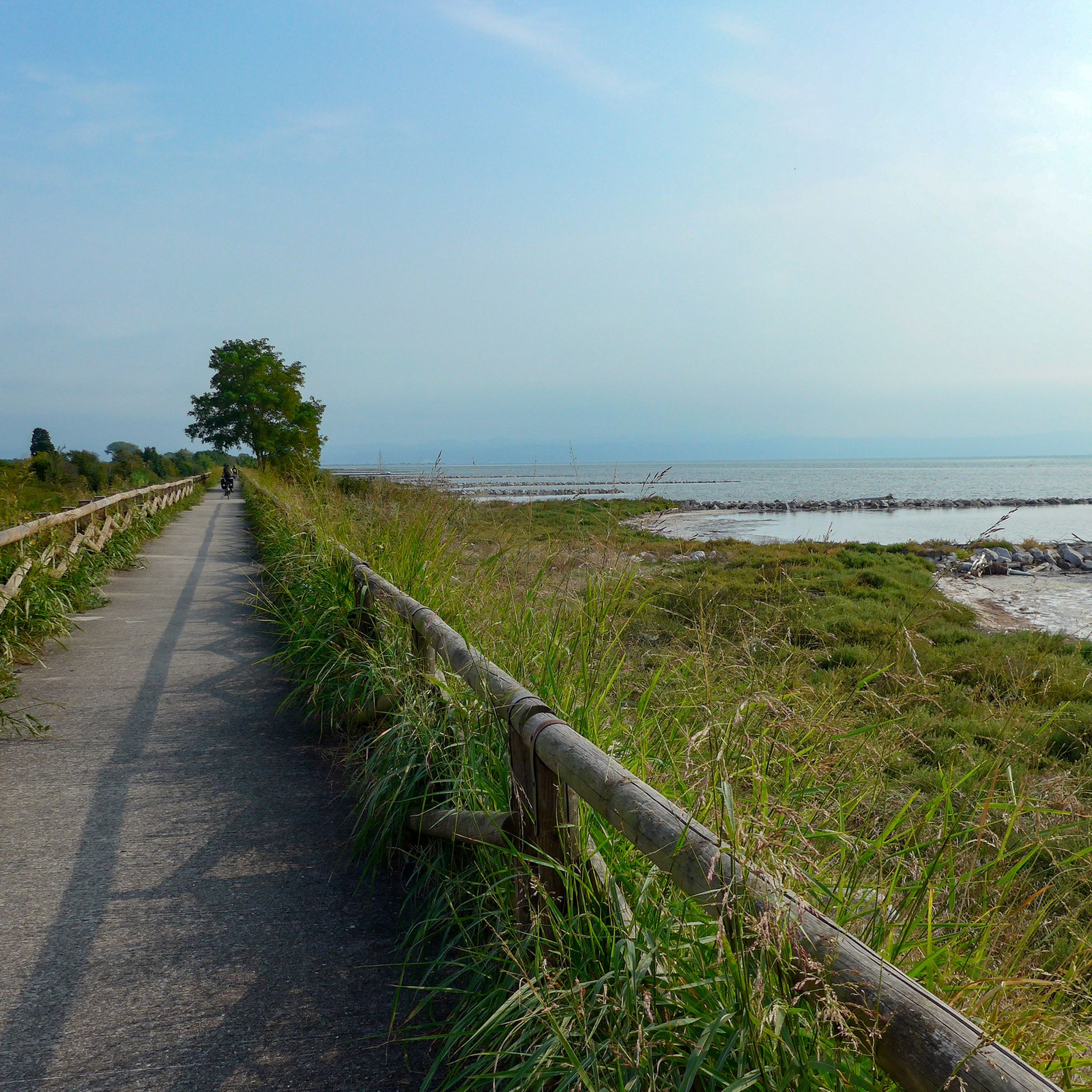
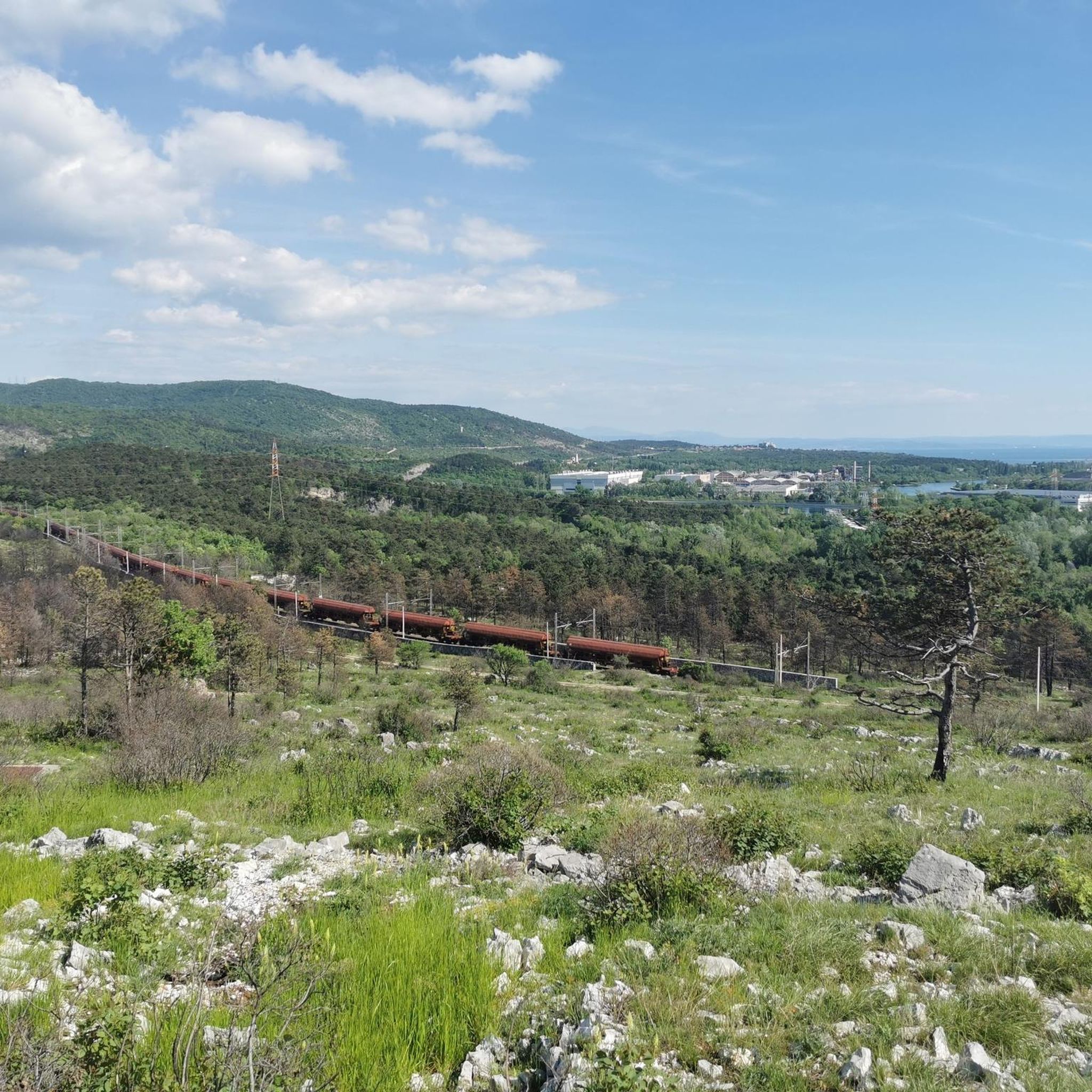
Panoramic view of the Gulf of Panzano.
1
0
A beautiful museum where you can admire and study historical artifacts to understand life in the trenches.
0
0

The museum has recently been re-arranged and equipped with multimedia stations. The museum guides make the narration of the battles of the Carso compelling.
0
0

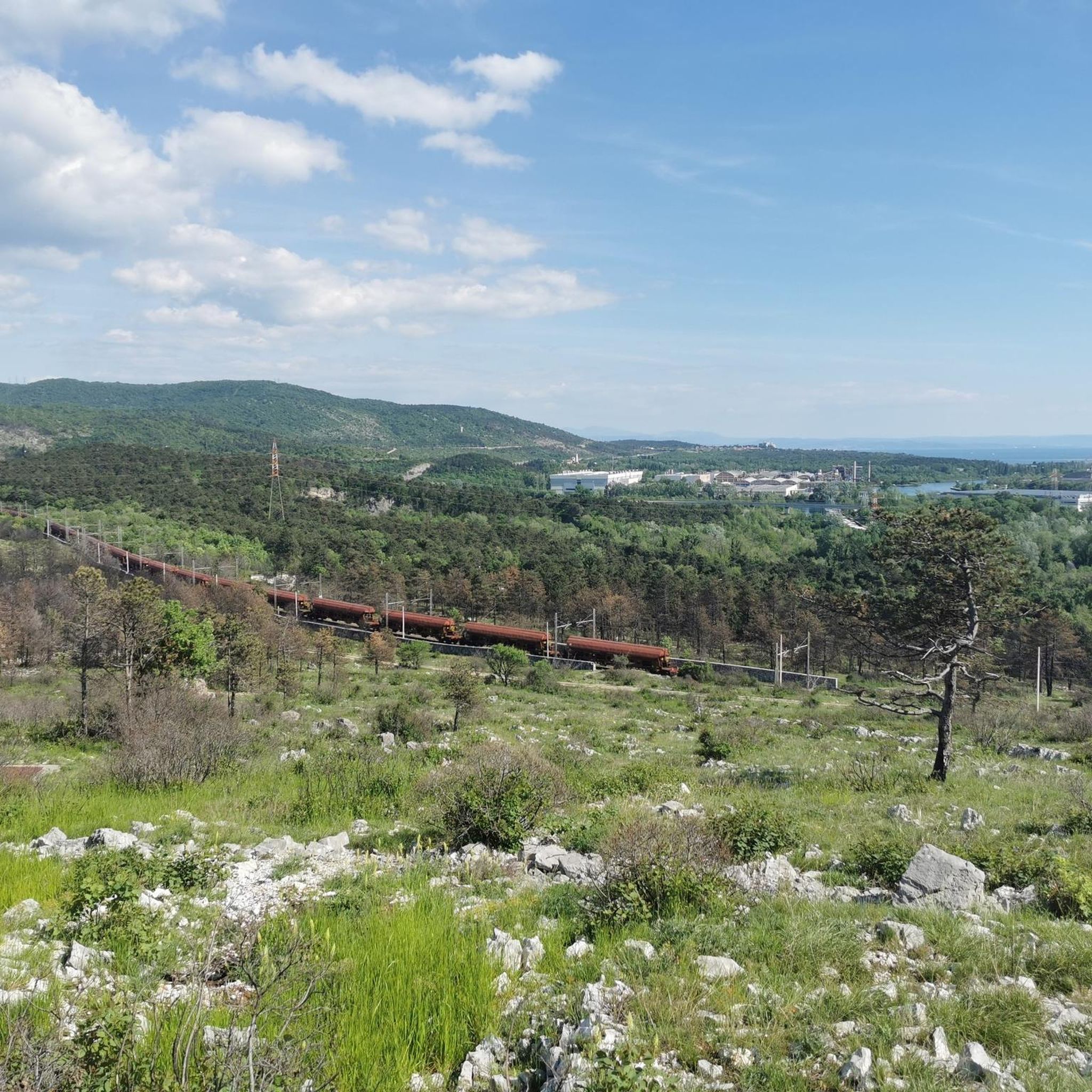
Mount Cosici (Cosich)/Košnik is a marginal hill of the Doberdò del Lago/Doberdob Karst on which the first line of Austro-Hungarian resistance was based from June 1915 to August 1916, when Italian troops occupied it as part of the Sixth Battle of the Isonzo. During that abundant year it was bloodily attacked several times by the Italians (west and south sides), without success. The remains of the Austro-Hungarian fortifications, however, are largely surmounted by the vestiges of the trenches, shelters and artillery positions built by the Royal Italian Army after the occupation, between August 1916 and October 1917. The place is of great historical and landscape interest. Text: Marco Pascoli
0
0
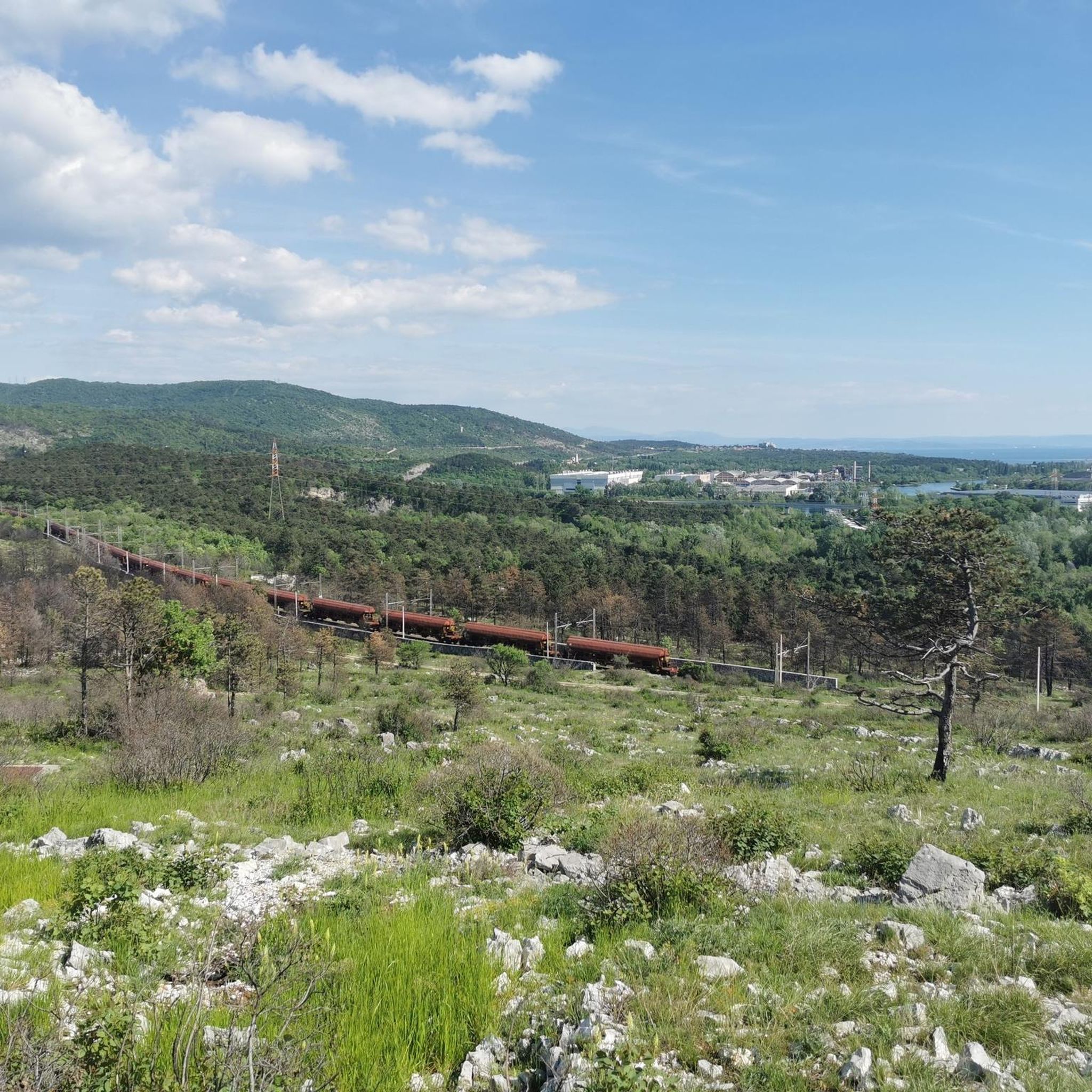
Mount Cosici (Cosich)/Košnik is a marginal hill of the Doberdò del Lago Karst on which the first line of Austro-Hungarian resistance was based from June 1915 to August 1916, when Italian troops occupied it as part of the Sixth Battle of the Isonzo. During that abundant year it was bloodily attacked several times by the Italians (west and south sides), without success. The remains of the Austro-Hungarian fortifications, however, are largely surmounted by the vestiges of the trenches, shelters and artillery positions built by the Royal Italian Army after the occupation, between August 1916 and October 1917. The place is of great historical and landscape interest. Text: Marco Pascoli
0
0
The descent towards the Northeast is fun and technical for XC, it has a couple of slightly technical passages on rocks, pay attention in case of wet ground
0
0

A fairly well-kept panoramic area, although with a series of works in progress
1
0

Lest we forget World War I. Short but challenging climb; motorized traffic close to zero
2
0
Frequently Asked Questions
What makes the elevated areas around Monfalcone unique?
Monfalcone is characterized by its unique position between the Karst hills and the Adriatic coast. Instead of traditional towering mountain peaks, the region features elevated Karst hills. These offer a distinctive natural environment with unique geology, including caves, and are rich in historical significance, particularly related to World War I.
What historical sites can I explore among the elevated areas near Monfalcone?
The region is rich in history. You can visit the Monte San Michele and World War I Open-Air Museum, which offers a beautiful panorama despite its somber history. Another significant site is Monte Cosichi, featuring remains of Austro-Hungarian and Italian fortifications from World War I. The Monfalcone Fortress (Rocca di Monfalcone) also provides historical insight and panoramic views of the town and Gulf of Trieste.
Are there good viewpoints to experience the landscape around Monfalcone?
Yes, several elevated spots offer excellent views. Summit 3 of Monte San Michele is a popular viewpoint with panoramic views of the Isonzo valley. The Monfalcone Fortress also provides extensive vistas of the town, the Gulf of Trieste, and the surrounding Karst landscape. Mount Ermada Summit and Monte Kremenjak Border Viewpoint are other notable spots for scenic outlooks.
Are there family-friendly options for exploring the elevated areas near Monfalcone?
While specific 'family-friendly' categories are not universally applied to all highlights, many of the trails traversing the Karst hills are suitable for various fitness levels. For example, the Lake Pietrarossa Trail (CAI Trail 081) is a moderate 4.8-mile walk through natural springs, which can be enjoyable for families. The Monfalcone Fortress – Selletta Trench Loop is also an easy 6.9 km hike.
What are some popular hiking trails in the Karst hills near Monfalcone?
The Karst hills offer numerous trails. The Lake Pietrarossa Trail is a moderate 7.7 km walk. The Via Flavia Trail is another moderate 7.5 km option, allowing you to explore Roman history with coastal views. For a mix of history and scenery, consider the Monfalcone Fortress – Selletta Trench Loop.
Can I find routes for cycling or mountain biking in the area?
Yes, the area around Monfalcone is suitable for cycling and mountain biking. You can find various routes, including the Riserva Naturale Foce dell'Isonzo loop tour for touring bicycles, or the Monfalcone Fortress – Cuzzi Trench loop for mountain biking. These routes allow you to explore the Karst landscape and coastal areas on two wheels.
What kind of natural features can I expect to see in the Karst hills?
The Karst hills are known for their distinctive limestone geology, which includes natural springs, caves, and underground rivers. You'll also encounter diverse local flora and fauna characteristic of this unique environment. The landscape offers a blend of rugged terrain and scenic beauty, especially along trails like the Lake Pietrarossa Trail.
What do visitors particularly enjoy about the elevated areas around Monfalcone?
Visitors appreciate the combination of historical significance and natural beauty. Many enjoy the panoramic views from spots like Monte San Michele, often noting the poignant history of World War I sites. The variety of dirt roads and paths for hiking and cycling, offering different difficulties and ever-changing scenery, is also a highlight for the komoot community.
What is the best time of year to visit the Monfalcone peaks for outdoor activities?
While specific seasonal data isn't provided, the Karst hills offer opportunities for outdoor activities throughout much of the year. Spring and autumn are generally ideal for hiking and cycling, offering pleasant temperatures and vibrant natural colors. Autumn, in particular, is described as a 'kaleidoscope of bright colors' in the Karst territory.
What are the general elevation and difficulty levels of the trails around Monfalcone?
The elevated features around Monfalcone consist of Karst hills, with modest elevations. For instance, Mount Ermada reaches a maximum height of 323 meters. Trails vary in difficulty; many are classified as moderate, such as the Lake Pietrarossa Trail and Via Flavia Trail. There are also easy options like the Monfalcone Fortress – Selletta Trench loop, and some difficult routes for mountain biking, indicating a range of challenges for different fitness levels.
Is the Monfalcone Fortress considered one of the 'peaks' or elevated features to visit?
Yes, the Monfalcone Fortress (Rocca di Monfalcone) is a significant elevated feature. It's located on an elevated position, offering panoramic views of the town, the Gulf of Trieste, and the surrounding Karst landscape. While not a natural peak, its historical importance and strategic location make it a key elevated landmark to visit in the area.
Are there any specific tips for exploring the historical sites on the peaks?
When exploring historical sites like Monte San Michele or Monte Cosichi, be aware that these areas are open-air museums of the Great War. Information panels often accompany the routes, providing rich context. While enjoying the beautiful panoramas, remember the somber history of these locations. Some trails may have technical passages, so pay attention to ground conditions, especially if wet.
Most popular routes around Monfalcone
Most popular attractions around Monfalcone

Get inspired with the komoot mobile app


Explore more
See even more amazing summits around Monfalcone with these guides:
