Attractions and Places To See around Guastalla - Top 20
Best attractions and places to see around Guastalla, a historic town in Emilia-Romagna, offer a blend of Renaissance architecture and natural landscapes. Situated on the banks of the Po River, the area features a 16th-century urban plan reflected in its streets and monuments. Visitors can explore historical sites, cultural institutions, and serene outdoor areas along the river and its floodplain. The region provides diverse opportunities for exploration, from ancient buildings to natural parks.
Best attractions and places to see around…
Last updated: July 6, 2026
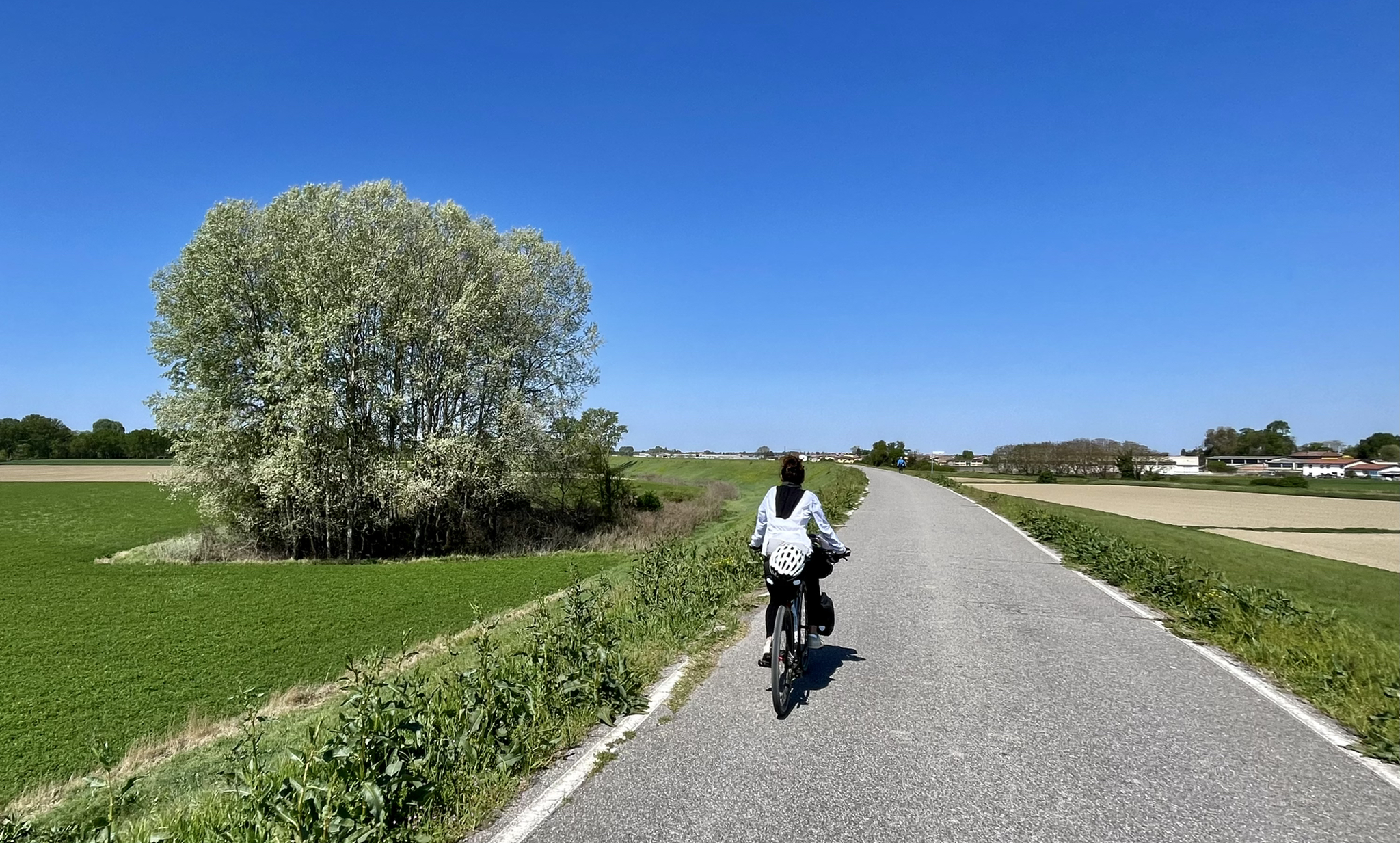
Po River Cycle Path – Guastalla to Luzzara
Highlight • Cycleway
Translated by Google •
Tip by

San Matteo delle Chiaviche Pumping Station
Highlight • Structure
Translated by Google •
Tip by

Sign up now to discover places like this
Get recommendations on the best single tracks, peaks, & plenty of other exciting outdoor places.
Sign up for free
Statues of Don Camillo and Peppone in Brescello
Highlight • Monument
Translated by Google •
Tip by

Herons' Hill
Highlight • Natural Monument
Translated by Google •
Tip by
Sign up for free to discover even more attractions around Guastalla.
Sign up for free
Already have an account?
Start today with a free account
Your next adventure awaits.
Login or Signup

Other adventures around Guastalla

Tips from the Community

Don Camillo and Peppone are the famous protagonists of a series of stories by the writer Giovannino Guareschi, set in the post-war period in an imaginary small town in the Bassa Padana. They represent the archetype of divided Italy in the 1950s: Don Camillo (the energetic and anti-communist parish priest) and Peppone (Giuseppe Bottazzi, the communist and fiery mayor). Despite their furious ideological disputes, the two characters maintain a deep humanity and always find themselves united for the common good of the community.
0
0

Gravel ride off the main roads
1
0

Statue of the legendary Don Camillo and Peppone
2
0

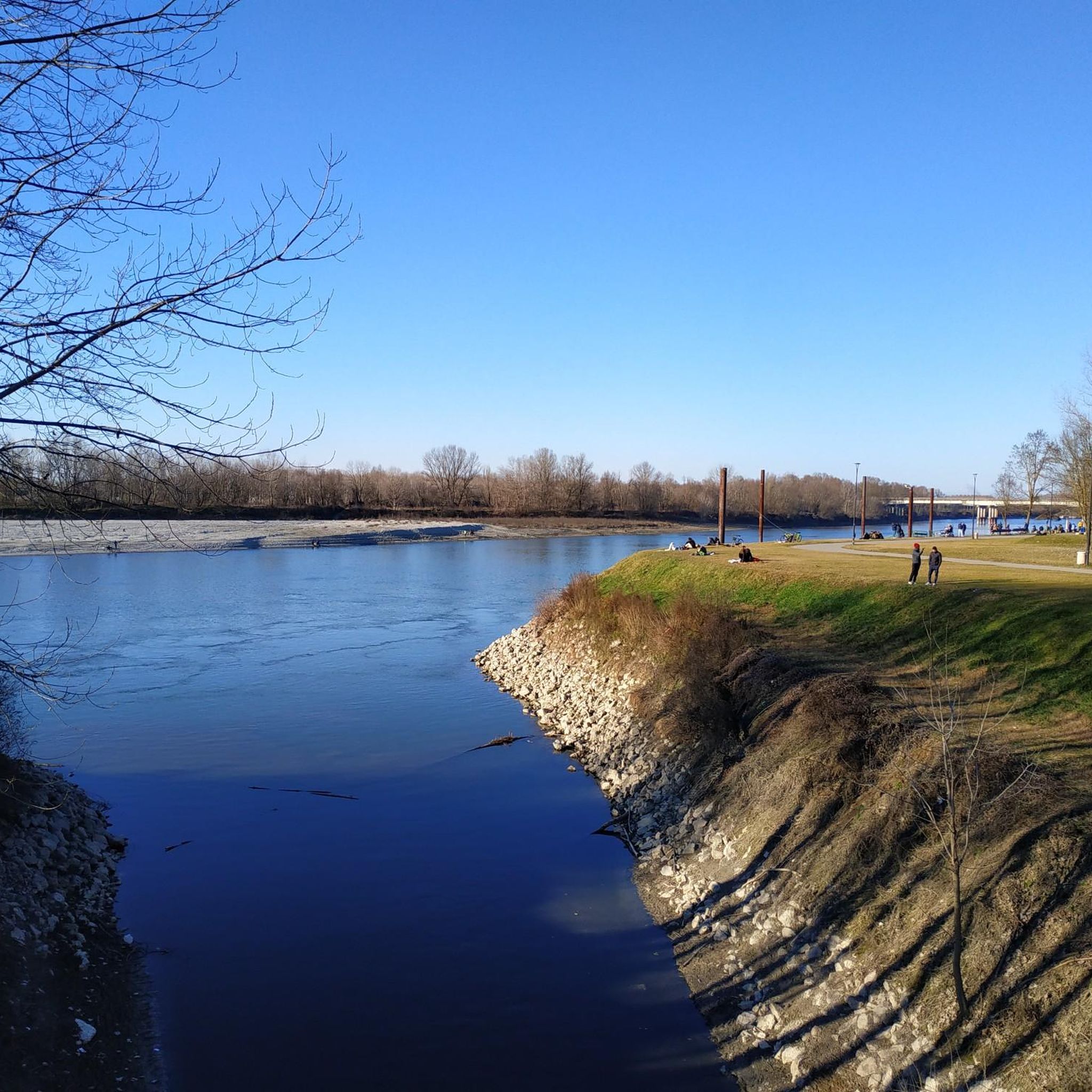
Avenue that leads to Lido Po'A Guastalla
1
0

This massive drainage system, located in the San Matteo delle Chiaviche hamlet of the municipality of Viadana, provides drainage for a hydraulic basin of approximately 32,000 hectares. It pumps the tributary waters through the Navarolo, Ceriana and Fossola canals into the Oglio river, with a total flow rate of approximately 53,000 liters per second. The plant, in addition to its hydraulic functions, is now home to the interpretation and documentation center of the ecomuseum of Viadana, Commessaggio, Dosolo and Gazzuolo.
3
0

The Collina degli Aironi is a strange anomaly of our flat territory. It is an old accumulation of waste, which over time has become a pleasant hill, now protected. From here passes a short but fun single track for mtb.
0
0
Small hills between Reggiolo and the factory .... fun and in the shade
0
0

In this area you can see various hydraulic engineering mechanisms, placed in correspondence with the watercourse: they are of fundamental importance for regulating the flow and preventing possible floods. The Fossola Canal, in the Municipality of Viadana, is in fact characterized by artificial conditions which can cause safety problems due to bed and bank erosion.
3
0
Frequently Asked Questions
What historical sites can I explore in Guastalla?
Guastalla boasts a rich history, with several notable landmarks. You can visit the Ducal Palace of Guastalla, a 16th-century palace that once housed the Gonzaga family and now contains the town museum. The Guastalla Cathedral, also from the 16th century, features significant artworks. Don't miss the Piazza Giuseppe Mazzini, the central square with a statue of Ferrante I Gonzaga, or the ancient Oratory of St. George, possibly dating back to the 9th or 10th century. Another interesting historical site is Castello Guidotti, offering insights into the region's past.
Are there any unique museums in Guastalla?
Yes, Guastalla offers several unique museums. The Ducal Palace of Guastalla houses the town museum. For a touch of local culture, visit the Peppone and Don Camillo Museum in Brescello, which celebrates the popular novels and films set in the area. You can also explore the Museo della Civiltà Contadina (Museum of Peasant Civilization) in the Rocca Gonzaga, showcasing rural life, and the 'C'era una volta la Scuola' Museum, dedicated to the history of schooling. There's even a Bariaschi Small Motorbike Museum for enthusiasts.
What natural attractions are there around Guastalla?
Guastalla is beautifully situated along the Po River, offering several natural attractions. You can enjoy walks along Viale Po leading to woods on the riverbanks, or relax at Lido Po, a lively spot for events and relaxation. The Golena (Guastalla's Floodplain) provides bike paths, sailing experiences, and hiking trails amidst nature. Additionally, the Olmo Ecopark in Pieve di Guastalla is a nature restoration area with ecological and educational aims. For a unique man-made natural feature, consider the Herons' Hill.
Can I find family-friendly activities in Guastalla?
Yes, Guastalla offers several family-friendly options. The Peppone and Don Camillo Museum in Brescello is a fun and engaging historical site for all ages, bringing to life the famous characters. Exploring the Golena (Guastalla's Floodplain) with its bike paths and hiking trails is also a great outdoor activity for families. The Olmo Ecopark provides an educational natural experience. Many of the historical sites, like Castello Guidotti, are also considered family-friendly.
What outdoor activities are available near Guastalla?
The area around Guastalla is excellent for outdoor activities, especially along the Po River. You can enjoy cycling, hiking, and running on various routes. For mountain biking, explore trails like the 'Po Floodplain Loop from Guastalla' or the 'Piazza Mazzini, Guastalla – Po River loop from Guastalla' which are part of the MTB Trails around Guastalla guide. Gravel biking options include routes like 'Sport Fishing Pond – Lungonil Crostilo Cycle Path loop from Guastalla' from the Gravel biking around Guastalla guide. Running enthusiasts can try the 'Po and Crostolo Embankments Loop' or 'Embankment of the Po at Gualtieri loop from Pieve di Guastalla' found in the Running Trails around Guastalla guide.
Are there hiking or cycling routes along the Po River?
Absolutely! The Po River is a central feature for outdoor activities in Guastalla. You'll find numerous walking and cycling paths along its banks and through the adjacent floodplain, known as the Golena. Popular routes include the 'Po Floodplain Loop from Guastalla' for mountain biking and the 'Po and Crostolo Embankments Loop' for running. These routes offer scenic views of Italy's longest river and its surrounding natural landscapes. You can find more details on these and other routes in the dedicated MTB Trails, Gravel biking, and Running Trails guides for Guastalla.
What is the best time of year to visit Guastalla for outdoor activities?
The best time to visit Guastalla for outdoor activities is generally during the spring (April-May) and autumn (September-October) months. During these periods, the weather is typically mild and pleasant, ideal for hiking, cycling, and exploring the Po River and its floodplain. Spring also brings the 'Georgica' festival, dedicated to land, water, and agriculture, which can add a unique cultural dimension to your visit. Summers can be hot, while winters are cooler and may be less suitable for extensive outdoor exploration.
Are there any viewpoints or scenic spots in the Guastalla area?
Yes, the area offers several scenic spots, particularly along the Po River. Walking along Viale Po provides lovely views of the riverbanks, and Lido Po is known for its beautiful sunsets. The Golena (Guastalla's Floodplain) offers picturesque natural landscapes ideal for photography and enjoying the outdoors. For a specific natural viewpoint, consider visiting Herons' Hill, which is a landmark along some routes.
What cultural events or festivals take place in Guastalla?
Guastalla hosts significant events that celebrate its local culture and traditions. One notable event is 'Georgica,' typically held in April. This festival is dedicated to land, water, and work in the fields, featuring market shows of local produce, animals, and organic food and wine products. It's a great opportunity to experience the region's agricultural heritage and vibrant community spirit.
Is Guastalla accessible for visitors with mobility needs?
While specific accessibility information for all sites can vary, some areas in Guastalla are more accessible. The Via Gonzaga, with its ancient road system and traffic-free shopping area, offers a pleasant experience. The Brescello Square with Statues of Don Camillo and Peppone is also noted as wheelchair accessible. It's always advisable to check with individual attractions for detailed accessibility information before your visit.
Where can I learn about the local agricultural history and water management?
To delve into the local agricultural history, visit the Museo della Civiltà Contadina (Museum of Peasant Civilization) located in the Rocca Gonzaga. This museum reconstructs aspects of a traditional farmhouse and showcases peasant work. For insights into water management, the San Matteo delle Chiaviche Pumping Station is a fascinating site. It's a massive drainage system vital for flood control and local agriculture, and it also houses an interpretation and documentation center.
What is the significance of the Po River to Guastalla?
The Po River is integral to Guastalla's identity and landscape. As Italy's longest river, it provides a serene natural backdrop and is a hub for outdoor activities. The town's location on its banks has historically influenced its development and continues to shape its recreational offerings. The river's floodplain, known as the Golena, is a vibrant area for tourism, offering bike paths, sailing, and hiking, making it a central element of Guastalla's natural appeal.
Are there any specific architectural highlights to see in Guastalla?
Guastalla's rich history is reflected in its architecture. Key highlights include the 16th-century Ducal Palace of Guastalla and the Guastalla Cathedral, designed by Francesco da Volterra. The Civic Tower ('Campanòn'), an 18th-century structure, stands where the Spanish Castle once was. The Oratory of Madonna della Concezione is noted for its octagonal architecture, and the Church of Santa Maria dei Servi (Santissima Annunciata Church) also showcases Francesco da Volterra's design. The town's 16th-century urban plan, particularly the Via Gonzaga, with its chessboard pattern and porticos, is also an architectural feature of note.
Most popular routes around Guastalla

Get inspired with the komoot mobile app


Explore more
Still not found the Highlight you’re looking for? See guides of the top attractions in other regions:
