The best cycling routes around Siris
4.7
(13)
111
riders
37
rides
Touring cycling routes around Siris traverse a landscape characterized by a mix of historical sites, coastal areas, and varied inland terrain. The region features ancient Nuragic structures, former mining districts, and agricultural lands, with some routes offering significant elevation changes. These routes provide opportunities to explore both the cultural heritage and natural features of Siris.
Best touring cycling routes around Siris
- The most popular touring cycling route is The Nuraghe of Marmilla and the history of Obsidian - ring tour…
Last updated: June 24, 2026
2
riders
57.2km
03:48
880m
880m
Hard bike ride. Very good fitness required. Mostly paved surfaces. Suitable for all skill levels.
5.0
(2)
23
riders
Hard bike ride. Very good fitness required. You may need to push your bike for some segments of this route.

Sign up for free
5.0
(2)
18
riders
128km
08:42
1,190m
1,190m
Hard bike ride. Very good fitness required. Mostly paved surfaces. Suitable for all skill levels.
12
riders
45.5km
03:46
630m
630m
Hard bike ride. Very good fitness required. You may need to push your bike for some segments of this route.
5.0
(1)
8
riders
25.1km
01:34
250m
250m
Moderate bike ride. Good fitness required. Mostly paved surfaces. Suitable for all skill levels.
Get access to more routes and recommendations from other explorers.
Sign up for free
Already have an account?
Our route recommendations are based on thousands of hikes, rides, and runs completed by other people on komoot.
Start today with a free account
Your next adventure awaits.
Login or Signup
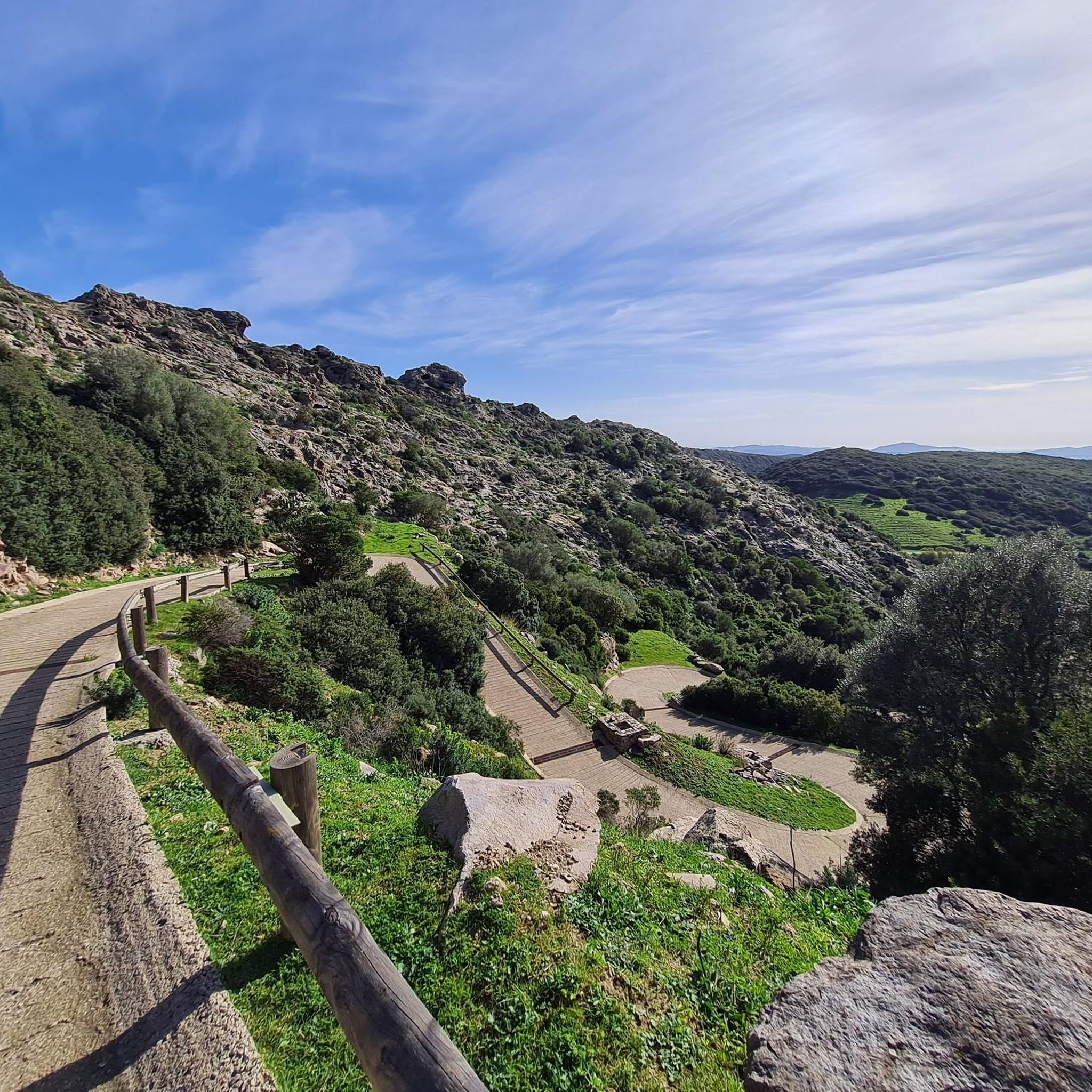
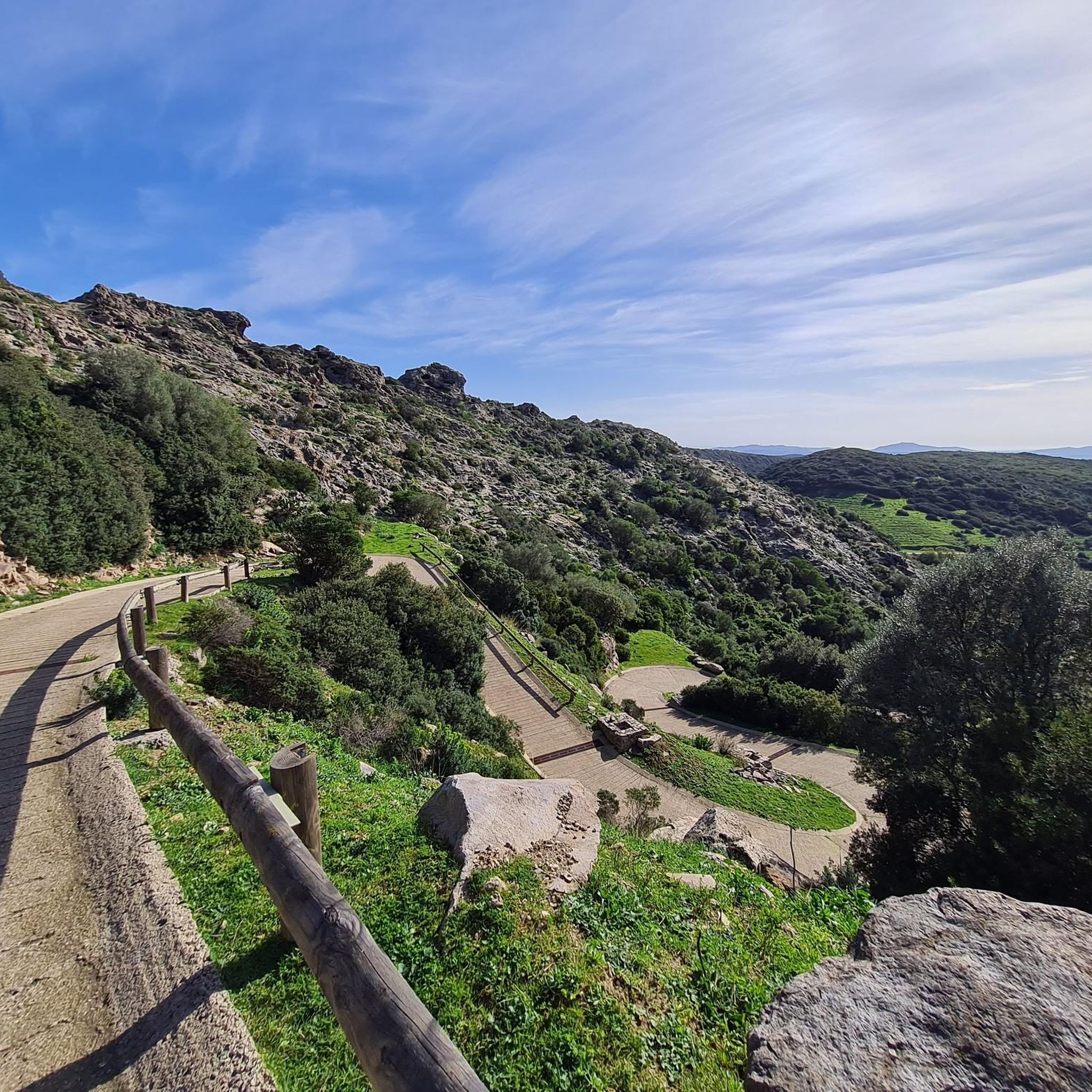
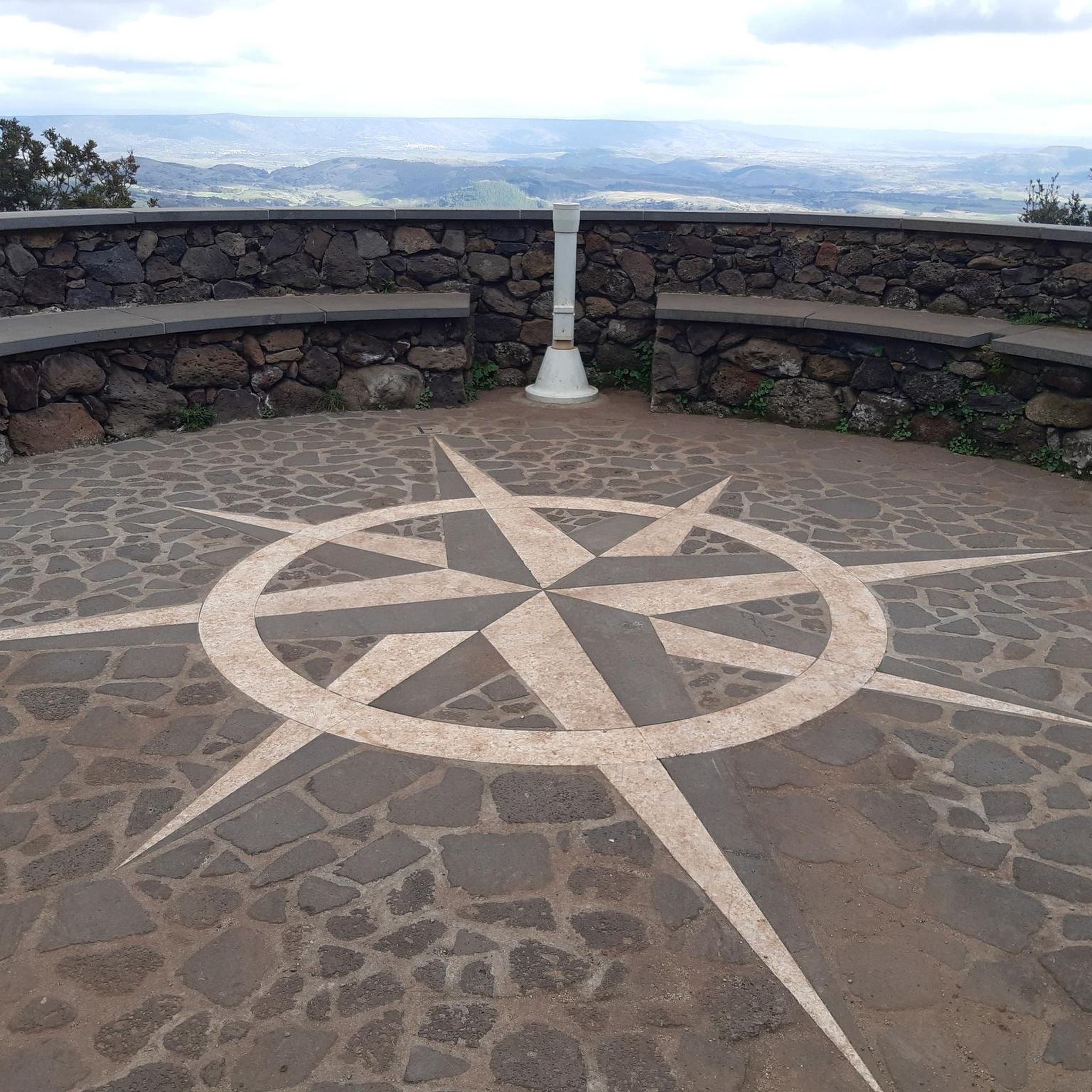

Tips from the Community

Built in the early 1900s and named after Lord Thomas Allnutt Brassey, the Naracauli Washery processed blende, the mineral from which zinc was extracted. Connected to the Gennamari and Ingurtosu mines by funiculars and railways, it was one of Sardinia's main mining facilities for decades. Dismantled in the 1970s, today its monumental remains—immersed in the landscape of the Costa Verde—are one of the most iconic images of the Sardinian Geomineral Park.
0
0


The Nuraghe San Marco stands on the eastern outskirts of Genuri, on the slopes of the southwestern side of the Jara Manna, the largest and most famous Giara. The basalt used to build the monument came from the plateau, which was also a source of food and resources for the peoples who inhabited the Marmilla region, while marl was used for the restoration work that took place in later phases. The building has a complex structure, consisting of a keep and three towers, and it is surrounded by a rampart with five other towers, except for the north side, perhaps because the builders considered the natural protection of the Giara plateau sufficient. Curiously, the southeast tower has a smaller diameter than the other two, while the northeast wall, which follows the profile of the central tower, has sometimes been interpreted as the wall of a fourth corner tower. In the space between the keep and the connecting curtain walls between the towers is a crescent-shaped courtyard, accessed through the entrance to the building on the south side. From the courtyard, which also contains a well, one enters the keep and the corridors leading to the side towers. Inside the keep, the space is cruciform, with two niches at the front and a third opposite the staircase. The northwest tower features six loopholes, two niches, and the absence of an entrance corridor. It opens directly onto the courtyard. Archaeological research has revealed that between the Late Bronze Age and the Late Bronze Age, a destructive event occurred, with relative collapse and subsequent rebuilding: San Marco probably witnessed a – still mysterious – period of crisis and conflict between the Nuragic tribes between the 2nd and 1st millennium BC. The site shows traces of human presence in the Punic period, and there was undoubtedly a settlement there between the late Roman period and the Early Middle Ages. At least eleven "new" rooms were built or added over the nuraghe, some of which probably served as food storage rooms, while the courtyard and towers were used for various purposes, sometimes even for burials. https://www.sardegnaturismo.it/en/explore/nuraghe-san-marco
0
0

A simple road, partly broken and sandy.
1
0

Disused quarry, known by the name of "ziu Luisu". In the open air, there is also a tunnel closed by an iron gate. A little further on, on the right, a long descent begins that leads back to the country church of Santa Suia
0
0

Inside are exhibited reproductions of ancient obsidian tools, and the works of the sculptor Karmine Piras.
1
0

Suddenly you find yourself in front of a fenced-in property. We walked past it on the left. If you don't want to do that, you can cancel the tour.
0
0

The Is Benas lake is located next to the pine forest of the same name. It is located in an arid area, between granite rocks.
0
0
Frequently Asked Questions
How many touring cycling routes are available in Siris?
Siris offers a selection of over 30 touring cycling routes. These routes traverse a diverse landscape, from historical sites to coastal areas and varied inland terrain, providing options for different preferences.
Are there any easy touring cycling routes for beginners in Siris?
While Siris is known for its moderate to difficult touring cycling routes, there are no routes specifically categorized as 'easy'. Most routes involve some elevation changes and cover significant distances, making them more suitable for cyclists with some experience. For example, the Bike loop from Abas/Ales is a moderate 15.6-mile (25.1 km) trail through rolling hills.
What kind of terrain can I expect on touring cycling routes in Siris?
Touring cycling routes around Siris are characterized by a mix of historical sites, coastal areas, and varied inland terrain. You'll encounter ancient Nuragic structures, former mining districts, and agricultural lands. Be prepared for routes that can offer significant elevation changes, providing a diverse and engaging cycling experience.
Are there any circular touring cycling routes in Siris?
Yes, many touring cycling routes in Siris are designed as loops. For instance, The Nuraghe of Marmilla and the history of Obsidian - ring tour is a popular 35.5-mile (57.2 km) circular route. Another option is the Coastal Dunes Road – Ingurtosu Mine – Pozzo Gal loop from Uras-Mogoro, which offers a challenging 79.6-mile (128.1 km) loop.
What are some notable viewpoints or natural attractions along the touring cycling routes in Siris?
Siris offers several scenic viewpoints and natural attractions. You might encounter highlights such as the Monte Arci - Beda Manca Viewpoint, offering panoramic views. The Rio Is Salonis Waterfall is another natural gem, and the Is Benas Pond provides a tranquil stop. The region also features the unique Giara di Siddi natural monument.
Are there historical sites or cultural landmarks to explore while touring cycling in Siris?
Absolutely. Siris is rich in history. Many routes pass by ancient Nuragic structures, such as the Tomb of the Giants Sa Domu e S'Orku. The region's past mining districts also offer a glimpse into its industrial heritage. For example, the Nuraghe of Marmilla route specifically explores historical sites.
What do other touring cyclists enjoy most about cycling in Siris?
The touring cycling routes in Siris are highly rated by the komoot community, with an average score of 4.7 stars from more than 10 reviews. Cyclists often praise the diverse landscapes, the opportunity to explore historical sites, and the varied terrain that keeps rides interesting. Over 100 touring cyclists have used komoot to discover the area's unique charm.
Are there any longer, more challenging touring cycling routes in Siris for experienced riders?
Yes, Siris offers several challenging routes for experienced touring cyclists. The Coastal Dunes Road – Ingurtosu Mine – Pozzo Gal loop from Uras-Mogoro is a difficult 79.6-mile (128.1 km) path featuring coastal dunes and former mining areas. Another demanding option is the Sa Tanca Manna loop from Abas/Ales, a 57.7-mile (92.9 km) route with significant elevation.
What is the best time of year for touring cycling in Siris?
The ideal time for touring cycling in Siris is typically during spring (April-May) and autumn (September-October). During these months, the weather is generally mild and pleasant, avoiding the intense heat of summer and the cooler, potentially wetter conditions of winter. This allows for comfortable exploration of both coastal and inland routes.
Are there any touring cycling routes that offer views of the coast or lagoons?
Yes, Siris features routes that provide beautiful coastal and lagoon views. The Marceddì Bridge – Marceddì Lagoon loop from Uras-Mogoro is a moderate 33-mile (53 km) route that specifically highlights the lagoon area. Additionally, the Coastal Dunes Road – Ingurtosu Mine – Pozzo Gal loop offers extensive coastal scenery.
Are there any routes that pass through agricultural lands or rural scenery?
Many routes in Siris will take you through agricultural lands and offer glimpses of rural scenery, reflecting the region's traditional character. The Bike loop from Abas/Ales is a good example, leading through rolling hills and rural landscapes, providing a peaceful cycling experience.
Most popular attractions around Siris

Get inspired with the komoot mobile app


Explore more
Browse the best Cycling routes in other regions.
