Attractions and Places To See around Pollena Trocchia - Top 20
Best attractions and places to see around Pollena Trocchia include a blend of historical charm, cultural sites, and natural features at the foot of Mount Somma-Vesuvius. This municipality, formed by the ancient centers of Pollena and Trocchia, offers a landscape characterized by hills and nature within the Vesuvius National Park. The area holds archaeological significance, with potential ancient cities and Roman findings, alongside noble palaces and a picturesque medieval quarter. These landmarks, viewpoints, and natural features offer insights into the…
Last updated: July 6, 2026
Dante Square
Highlight • Monument
Translated by Google •
Tip by

Crater of Mount Vesuvius
Highlight • Volcano
Translated by Google •
Tip by

Sign up now to discover places like this
Get recommendations on the best single tracks, peaks, & plenty of other exciting outdoor places.
Sign up for free
Via dei Tribunali
Highlight • Historical Site
Translated by Google •
Tip by

Naples Underground
Highlight • Cave
Translated by Google •
Tip by
Herculaneum Excavations
Highlight • Historical Site
Translated by Google •
Tip by
Sign up for free to discover even more attractions around Pollena Trocchia.
Sign up for free
Already have an account?
Start today with a free account
Your next adventure awaits.
Login or Signup

Tips from the Community

Via dei Tribunali, known as the Decumano Maggiore, is an 800-meter-long historic thoroughfare in the heart of Naples' historic center (a UNESCO World Heritage Site). It connects Port'Alba to Castel Capuano, passing through iconic sites such as Piazza San Gaetano (near the Naples Underground), San Gregorio Armeno, and home to ancient churches, famous pizzerias, and the ancient Greek Agora.
1
0
Ancient Herculaneum was located on a plateau overlooking the sea, with two streams bordering its east and west sides, and Mount Vesuvius behind it. According to mythical tradition, it was founded by the hero Hercules returning from Iberia, while the historian Strabo traces its foundation to various phases of occupation by various Italic peoples. Herculaneum rebelled against Rome but was definitively conquered in 89 BC, becoming a Roman municipality.
0
0

A route in ancient Neapolis where you can walk along a street from that era with its shops and appreciate the Cryptoporticus and the Macellum. https://www.laneapolissotterrata.it
1
0

In the off-season (end of October) I was even able to get a guided tour at 2pm without booking in advance.
2
0


Napoli sotterranea is a parallel city born together with the current city and extends under the entire historic center at a depth of over 40 meters. The Official and Authorized route of Napoli Sotterranea starts from Piazza San Gaetano 68, on Via dei Tribunali next to the Basilica di San Paolo Maggiore.
1
0

As part of the ARD series “Classics of World Literature” by and with Tilman Spengler, a short film (in German) presents the life and, as an outstanding work, the “Divina Commedia” by => DANTE ALIGHIERI (1265 to 1321) – the great poet in the Italian language and creator of the above-mentioned “Divine Comedy”. The Florentine native died and was buried in Ravenna. Let us hope that he has actually reached heaven – like his literary alter ego – and that he has found his dearly beloved Beatrice there. Anyone who would like to find out more in the ARD media library (the German-language film only lasts a quarter of an hour) just needs to follow the link: https://www.ardmediathek.de/video/klassiker-der-weltliteratur/dante-alighieri/ard-alpha/Y3JpZDovL2JyLmRlL3ZpZGVvL2E0YmE3OWQzLTk2NjAtNGUyYS04OTBlLTY2N2E5YmJjNGZlNw
2
0

Piazza Dante is one of Naples' most important squares and is located in the historic city center. Dante Square It forms the beginning of the Via Toledo and flows along the Decumano Maggiore via the entrance to Port'Alba on the north side of the square.
2
0
Frequently Asked Questions
What historical sites can I explore in Pollena Trocchia?
Pollena Trocchia is rich in history. You can visit the picturesque Trocchia's Medieval Quarter, which houses an organ from 1793 and a cultural monument to composer Gaetano Donizetti. In Pollena, the neoclassical Church of St. James in Piazza Amodio is a key monument. The area also features several noble palaces like Palazzo Pallamolla and Marchesi Cappelli, offering architectural insights into its past. For a deeper dive into ancient history, the nearby Herculaneum Excavations reveal the remarkably preserved remains of an ancient Roman town destroyed by Vesuvius.
Are there any natural attractions or viewpoints near Pollena Trocchia?
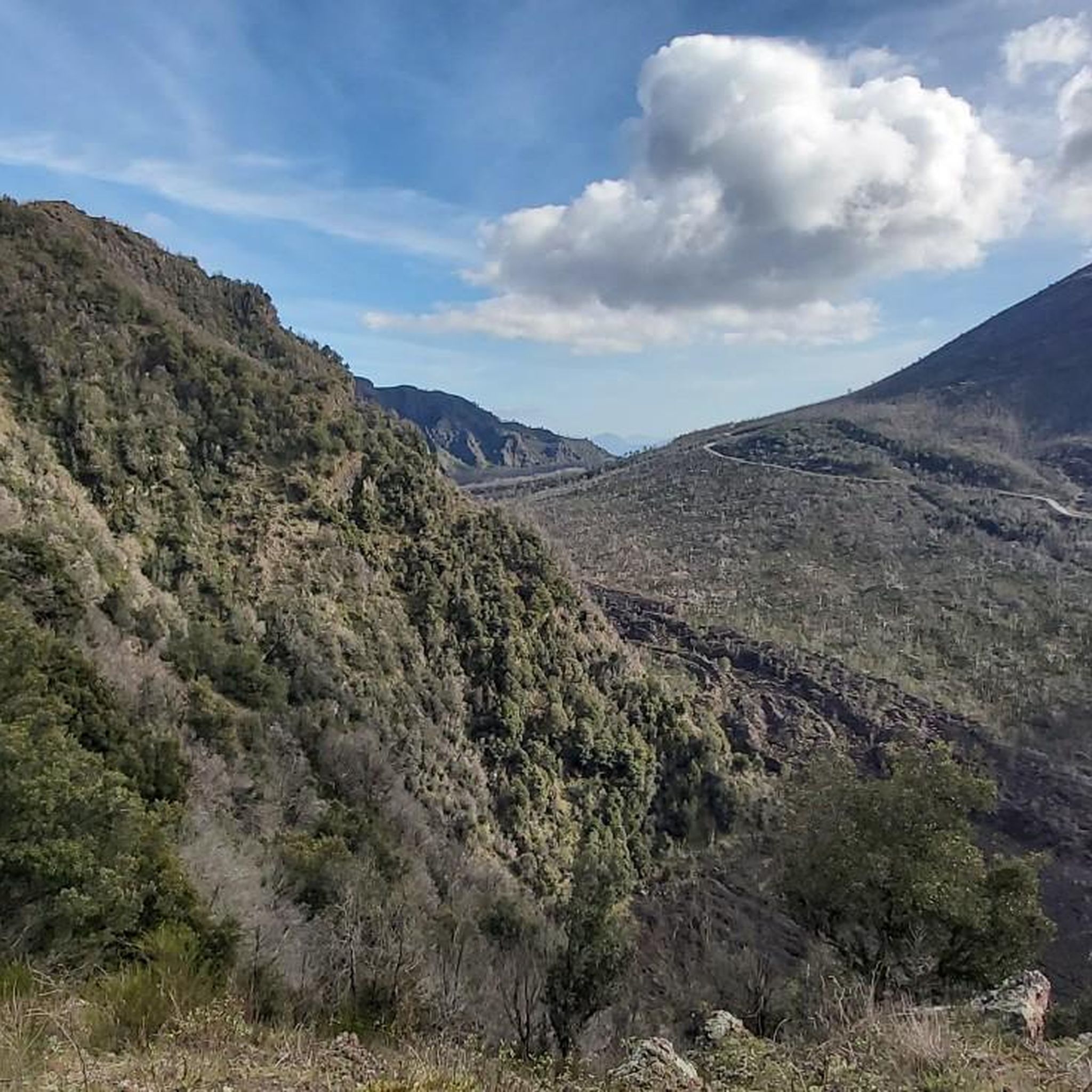
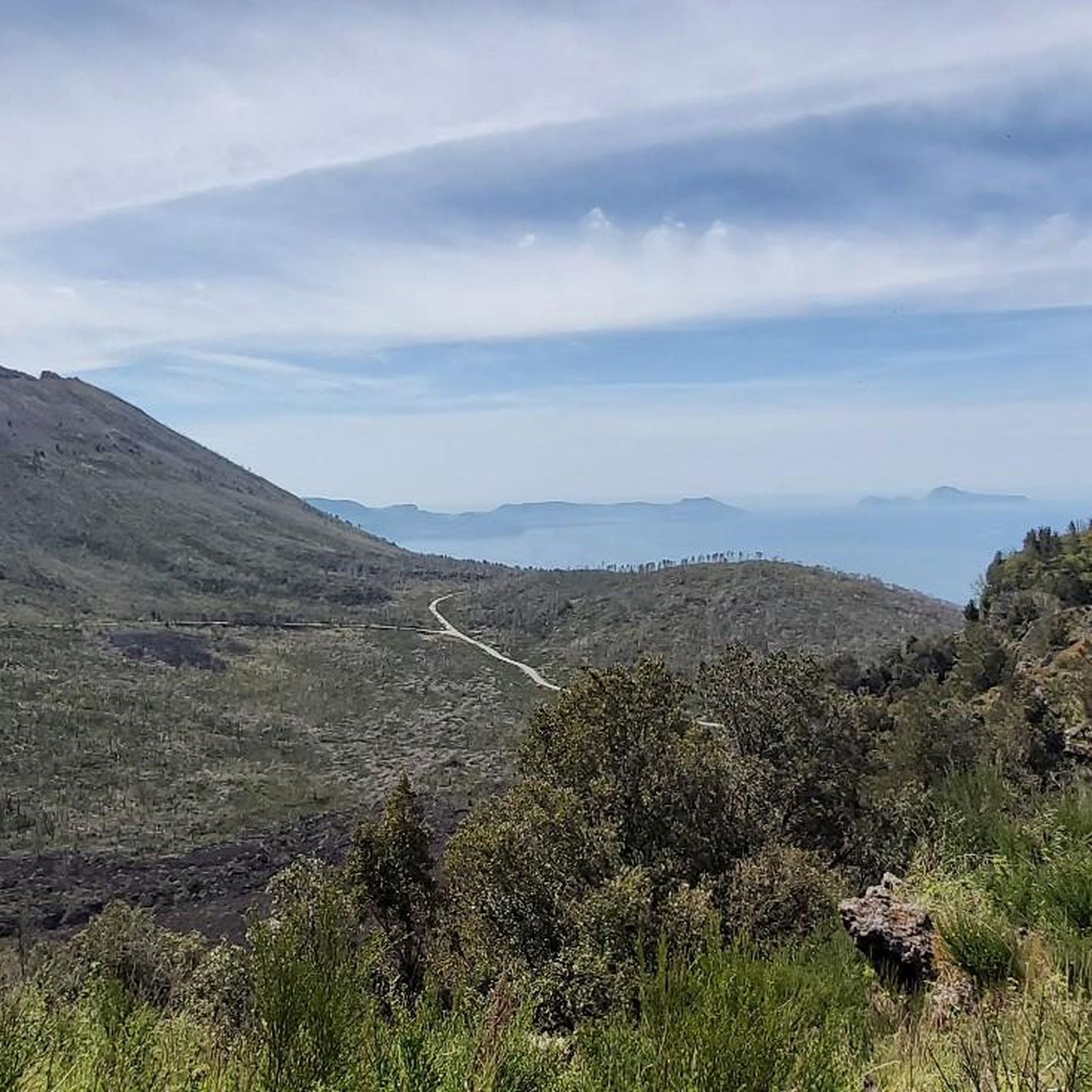
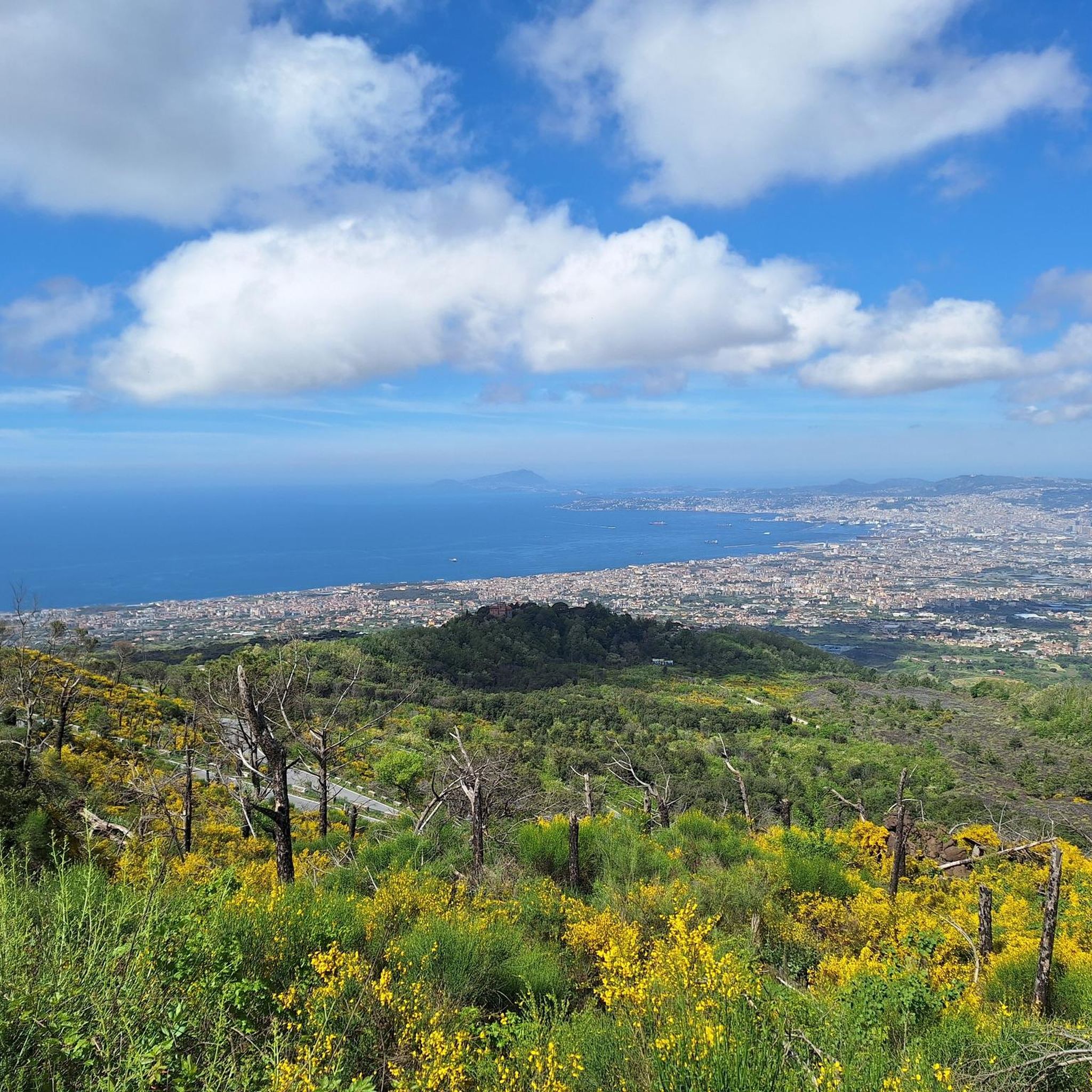
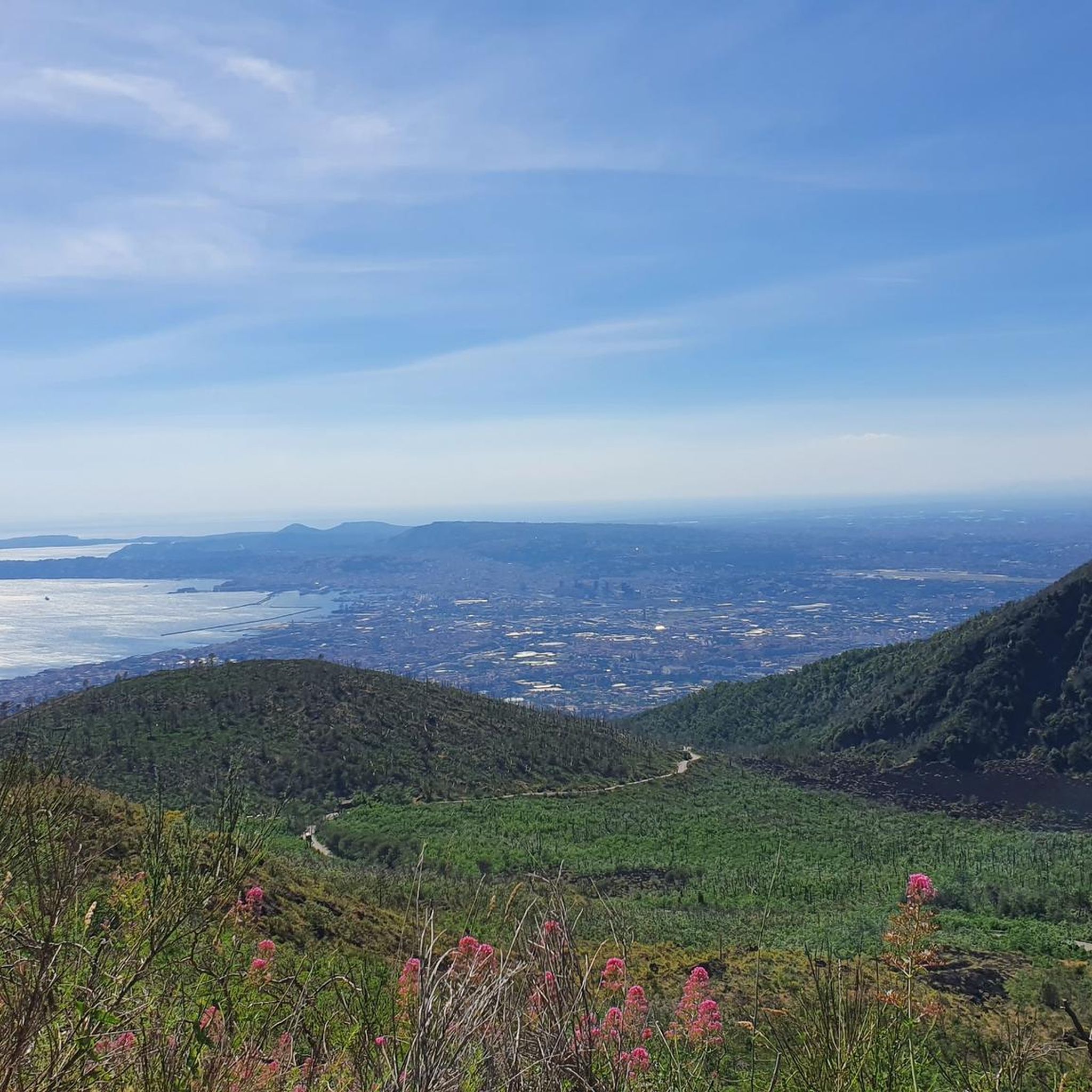
Yes, Pollena Trocchia is situated at the foot of Mount Somma-Vesuvius and within the Vesuvius National Park. The most prominent natural attraction is the Crater of Mount Vesuvius, an active volcano offering impressive views after a climb to its edge. The Carcavone Area is another significant naturalistic zone, featuring distinctive 'conetti' (adventitious cones) that are of considerable vulcanological interest.
What archaeological discoveries have been made in Pollena Trocchia?
Pollena Trocchia holds significant archaeological secrets. The area is believed to potentially contain the ancient city of Veseri. Discoveries include a mysterious Roman temple with three statues found in 1963, an underground tunnel, and various other ancient findings, particularly in the San Martino and Carcavone zones.
What outdoor activities can I do around Pollena Trocchia?
The region around Pollena Trocchia, especially within the Vesuvius National Park, offers various outdoor activities. You can find numerous routes for different sports. For running, explore the Running Trails around Pollena Trocchia, including challenging loops around Vesuvius. Road cyclists can discover Road Cycling Routes around Pollena Trocchia with views of the Gulf of Naples. Mountain bikers have options like the MTB Trails around Pollena Trocchia, featuring singletracks and loops near Mount Vesuvius.
Are there any family-friendly attractions in the area?
Yes, several attractions are suitable for families. Dante Square in Naples is a family-friendly man-made monument in the historic city center. The Herculaneum Excavations are also considered family-friendly, offering an engaging historical experience for all ages. Additionally, the Via dei Tribunali is a historical street that families can enjoy exploring.
What is the significance of the noble palaces in Pollena Trocchia?
The noble palaces in Pollena Trocchia, such as Palazzo Pallamolla, Pistolese, Caracciolo-Ruoppolo, Scotti, and Marchesi Cappelli, are significant because they were built by affluent families, many from Naples, who were drawn to the area's pleasant environment as early as the 16th century. These palaces offer tangible architectural insights into the town's rich past and its historical appeal as a retreat. The former villa of the Marchesi Cappelli, for instance, houses an ancient Roman altar.
Can I visit the Vesuvius National Park from Pollena Trocchia?
Yes, Pollena Trocchia is situated within the Vesuvius National Park, making it an ideal starting point for exploring the park's landscapes. The park offers hills, nature, and the opportunity to visit the Crater of Mount Vesuvius. You can find various hiking and cycling routes that traverse the park's terrain.
What unique cultural aspects does Pollena Trocchia offer?
Pollena Trocchia offers unique cultural aspects rooted in its history. The Trocchia's Medieval Quarter is particularly evocative, preserving an organ from 1793 and honoring composer Gaetano Donizetti. The presence of numerous noble palaces built by Neapolitan families also speaks to a rich cultural exchange and the area's historical importance as a favored residence.
What kind of local produce or food specialties can I find in Pollena Trocchia?
Thanks to the fertile land within the Vesuvius National Park, local dairies in the Pollena Trocchia area produce traditional Vesuvian mozzarella and other regional cheeses. This reflects the healthy climate and agricultural heritage of the region.
What is there to see in Naples that is easily accessible from Pollena Trocchia?
From Pollena Trocchia, you can easily access several significant sites in Naples. Dante Square is an important square in the historic city center. You can also explore Naples Underground, which offers a fascinating guided tour through ancient tunnels and rooms. The famous Via dei Tribunali is another must-see street in Naples' old historic center.
What do visitors enjoy most about the attractions around Pollena Trocchia?
Visitors particularly enjoy the impressive views from the Crater of Mount Vesuvius and the unique historical insights offered by the Herculaneum Excavations, noting their well-preserved structures. The historical depth of places like Naples Underground and the vibrant atmosphere of Dante Square are also highly appreciated.
Most popular routes around Pollena Trocchia
Most popular attractions around Pollena Trocchia

Get inspired with the komoot mobile app


Explore more
Still not found the Highlight you’re looking for? See guides of the top attractions in other regions:
