The best walks and hikes in Trnava
4.5
(219)
2,642
hikers
93
hikes
Hiking in Trnava offers diverse landscapes, primarily defined by the Small Carpathians mountain range. This region features dense forests, streams, and geological formations, including areas with historical quarrying culture. The terrain ranges from gentle valleys to challenging mountain ascents, providing varied elevation and difficulty. Many routes integrate natural features with historical sites, such as castle ruins and monasteries.
Best hiking trails in Trnava
- The most popular hiking route is Záruby Summit Cross – Havrania Skala loop from Smolenice, a 6.8 miles (11.0 km) trail that takes 3 hours 40 minutes to complete. This moderate route leads to a summit cross and a notable rock formation.
- Another top favourite among local hikers is Ostrý Kameň Castle Ruins – Záruby Summit Cross loop from Buková, a difficult 6.3 miles (10.2 km) path. This trail combines historical castle ruins with a challenging ascent to a summit cross.
- Local hikers also love the Nové Hory – Katarínka Forest Railway loop from Katarína, a 2.1 miles (3.4 km) trail leading through forest areas, often completed in about 56 minutes.
- Hiking in Trnava is defined by the Small Carpathians, dense forests, and historical castle ruins. The network offers options for various ability levels, from easy strolls to difficult mountain climbs.
- The routes in Trnava are highly rated by the komoot community with an average score of 4.5 stars from over 90 reviews. More than 1000 hikers have used komoot to explore Trnava's varied terrain.
Last updated: August 11, 2026
4.8
(18)
160
hikers
11.0km
03:41
540m
540m
Moderate hike. Good fitness required. Easily-accessible paths. Suitable for all skill levels.
4.9
(8)
82
hikers
10.2km
03:24
460m
460m
Hard hike. Good fitness required. Sure-footedness, sturdy shoes and alpine experience required.

Sign up for free
5.0
(1)
88
hikers
3.43km
00:56
50m
50m
Easy hike. Great for any fitness level. Easily-accessible paths. Suitable for all skill levels.
5.0
(4)
57
hikers
10.1km
03:29
520m
520m
Moderate hike. Good fitness required. Easily-accessible paths. Suitable for all skill levels.
5.0
(3)
46
hikers
18.4km
06:10
860m
860m
Hard hike. Very good fitness required. Sure-footedness, sturdy shoes and alpine experience required.
3.5
(2)
58
hikers
9.58km
03:19
520m
520m
Moderate hike. Good fitness required. Easily-accessible paths. Suitable for all skill levels.
48
hikers
5.62km
01:34
100m
100m
Easy hike. Great for any fitness level. Easily-accessible paths. Suitable for all skill levels.
4.5
(4)
34
hikers
13.2km
04:20
610m
610m
Moderate hike. Good fitness required. Easily-accessible paths. Suitable for all skill levels.
5.0
(3)
35
hikers
6.79km
02:14
280m
280m
Hard hike. Good fitness required. Sure-footedness, sturdy shoes and alpine experience required.
5.0
(3)
32
hikers
12.7km
04:10
560m
560m
Moderate hike. Good fitness required. Easily-accessible paths. Suitable for all skill levels.
Get access to more routes and recommendations from other explorers.
Sign up for free
Already have an account?
Our route recommendations are based on thousands of hikes, rides, and runs completed by other people on komoot.
Start today with a free account
Your next adventure awaits.
Login or Signup
Tips from the Community

Professor Harald Lesch, certainly known to the nature-interested television viewer (according to Wikipedia: "a German astrophysicist, natural philosopher, science journalist, television presenter and audiobook narrator. He is Professor of Astrophysics at the Ludwig Maximilian University of Munich and lecturer for philosophy of nature at the Hochschule für Philosophie München."), dedicates an episode of the informative and excitingly told ZDF series »Terra-X« to the topic "The Forest – A World of Wonder in Transition". If interested, see =>> https://www.zdf.de/play/dokus/terra-x-harald-lesch-102/der-wald-wunderwelt-im-wandel-104
0
0
Pope John Paul II expressed the following thoughts during the Way of the Cross meditation in the year 2000 at the Colosseum in Rome, which may also be of interest to passers-by here before this wayside cross (crucifix): »‘Did not the Messiah have to suffer these things and enter his glory?’ (Lk 24:26). At the end of the traditional Way of the Cross at the Colosseum, we ask ourselves the same question. (…) Dear sisters and brothers! Today’s man needs to encounter the crucified and risen Jesus! Who, if not the divine condemned man, can fully understand the suffering of one who is unjustly condemned? Who, if not the mocked and humiliated King, can answer the expectations of the many men and women who are without hope and degraded? Who, if not the crucified Son of God, can understand the pain and abandonment of the many people who despair of life because they have no future before them?« (Pope John Paul II.)
0
0

Images from a computer-generated 3D reconstruction of the presumed appearance of the Church and Monastery of St. Catherine during its final construction phase at the end of the 18th century. The monastery consisted of a church and monastic buildings with a ground plan based on two quadrangles, each with a square courtyard. The smaller courtyard, closer to the church, served as the Paradise Court, around which the monastery buildings were grouped. The larger courtyard was surrounded by outbuildings and the novitiate. The church tower, with its onion dome and stone statues of four Franciscan saints at its corners, dominated the townscape. These statues have been located at the Pálffy tomb in Smolenice since 1905. Access to the church was through profiled stone portals, similar to those at the main entrance of the monastery. The simple, mostly smooth facades were articulated by white bands that contrasted with the gray plaster. The roofs were covered with fired tiles.
0
0

Highest point in the Malý Karpaty, but not the best views.
0
0


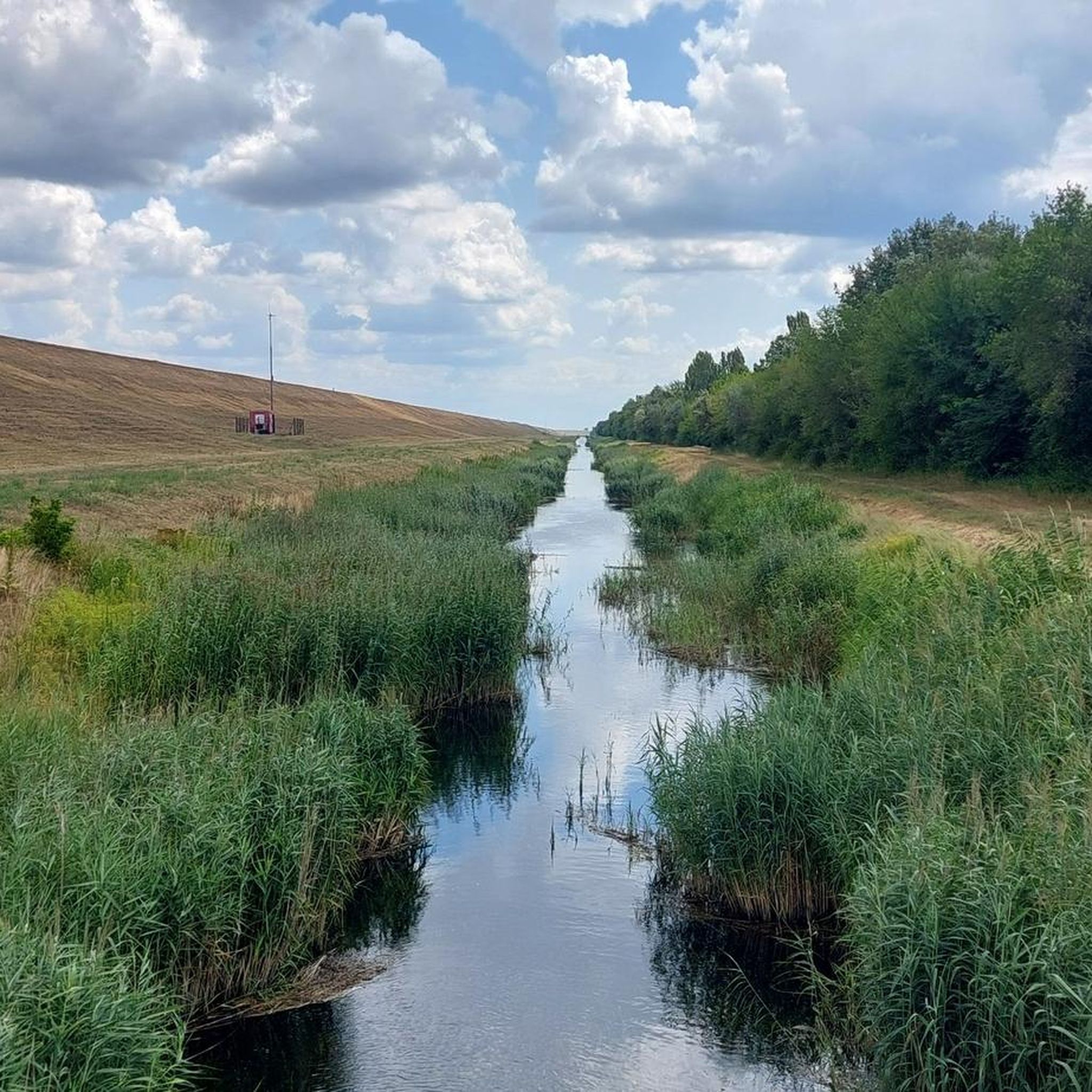
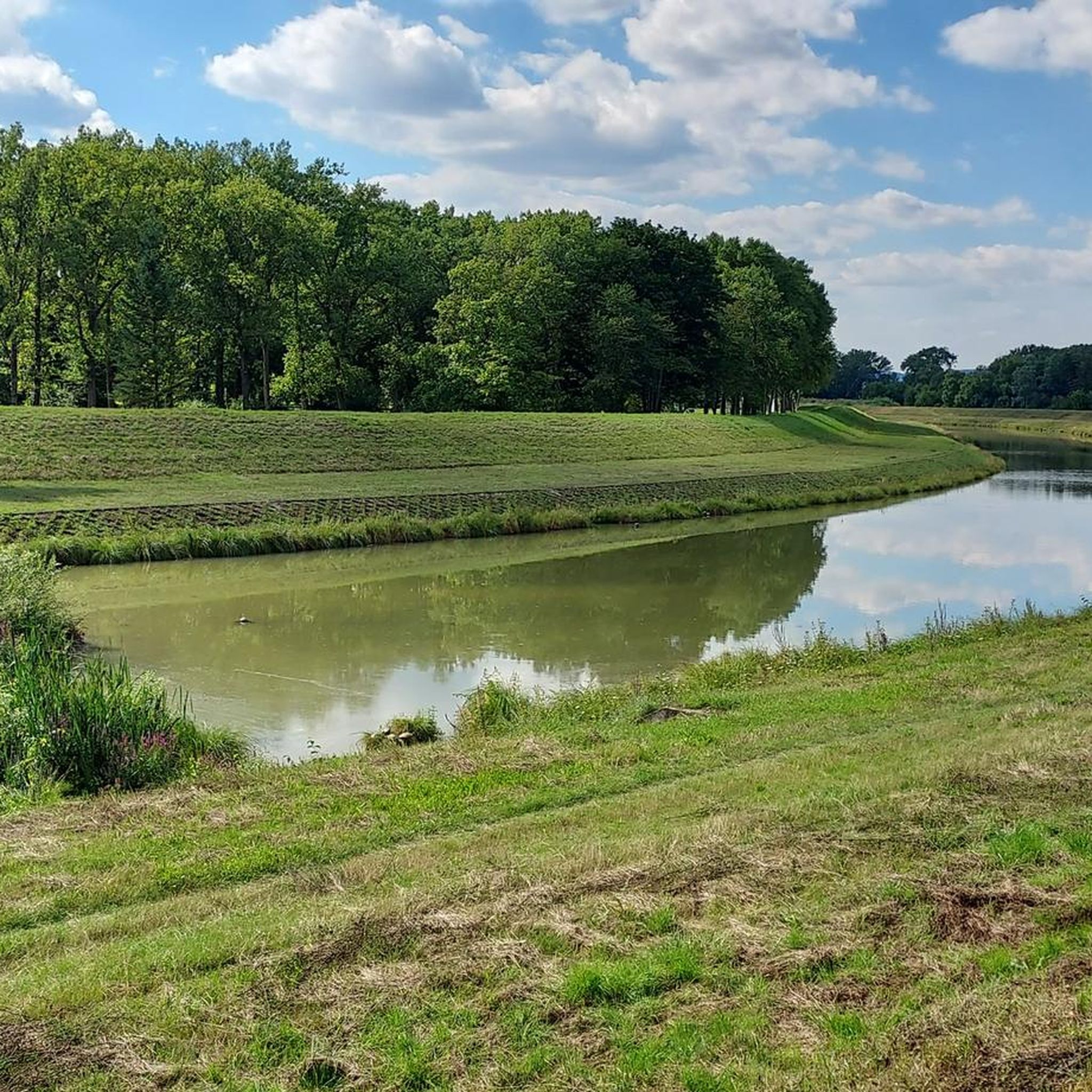
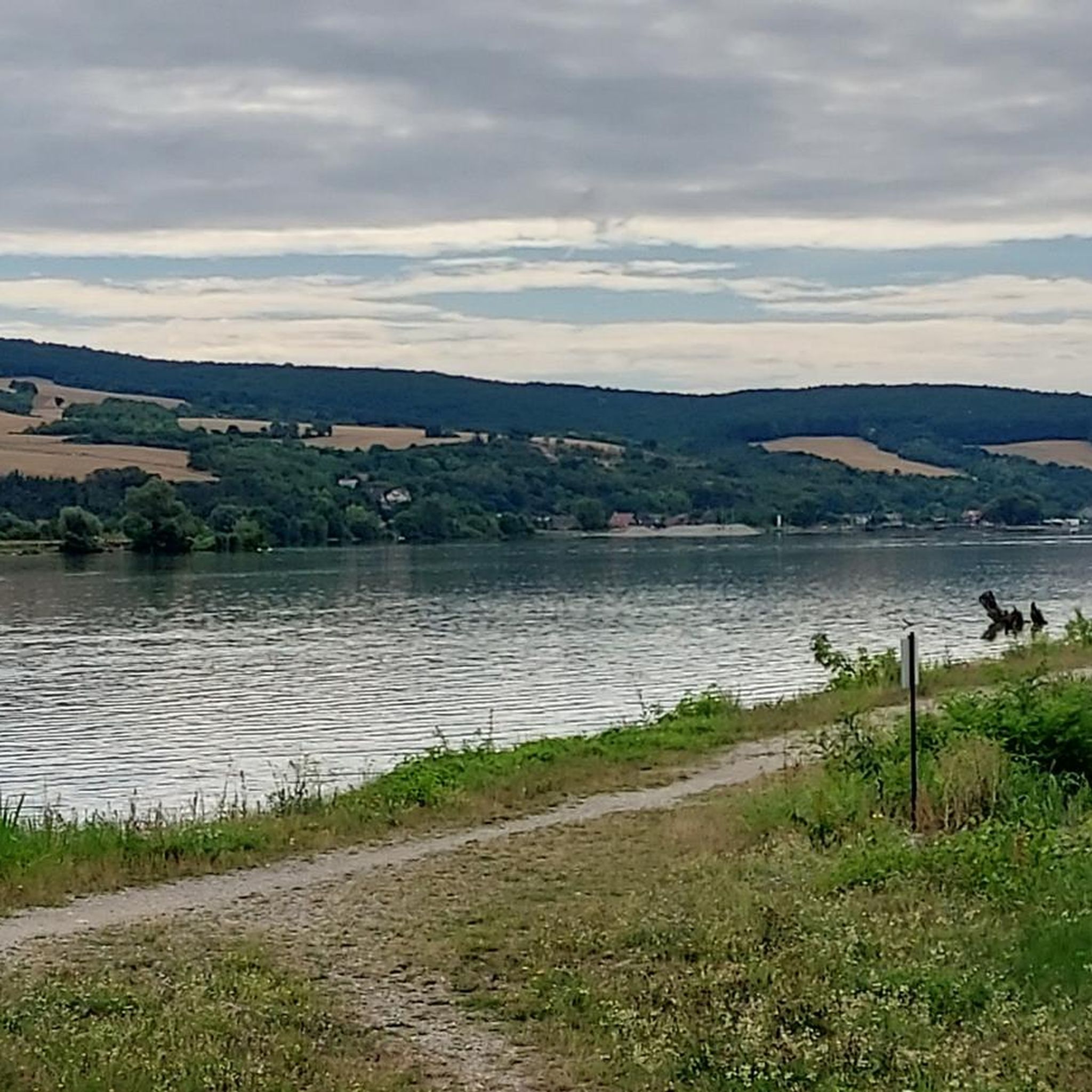
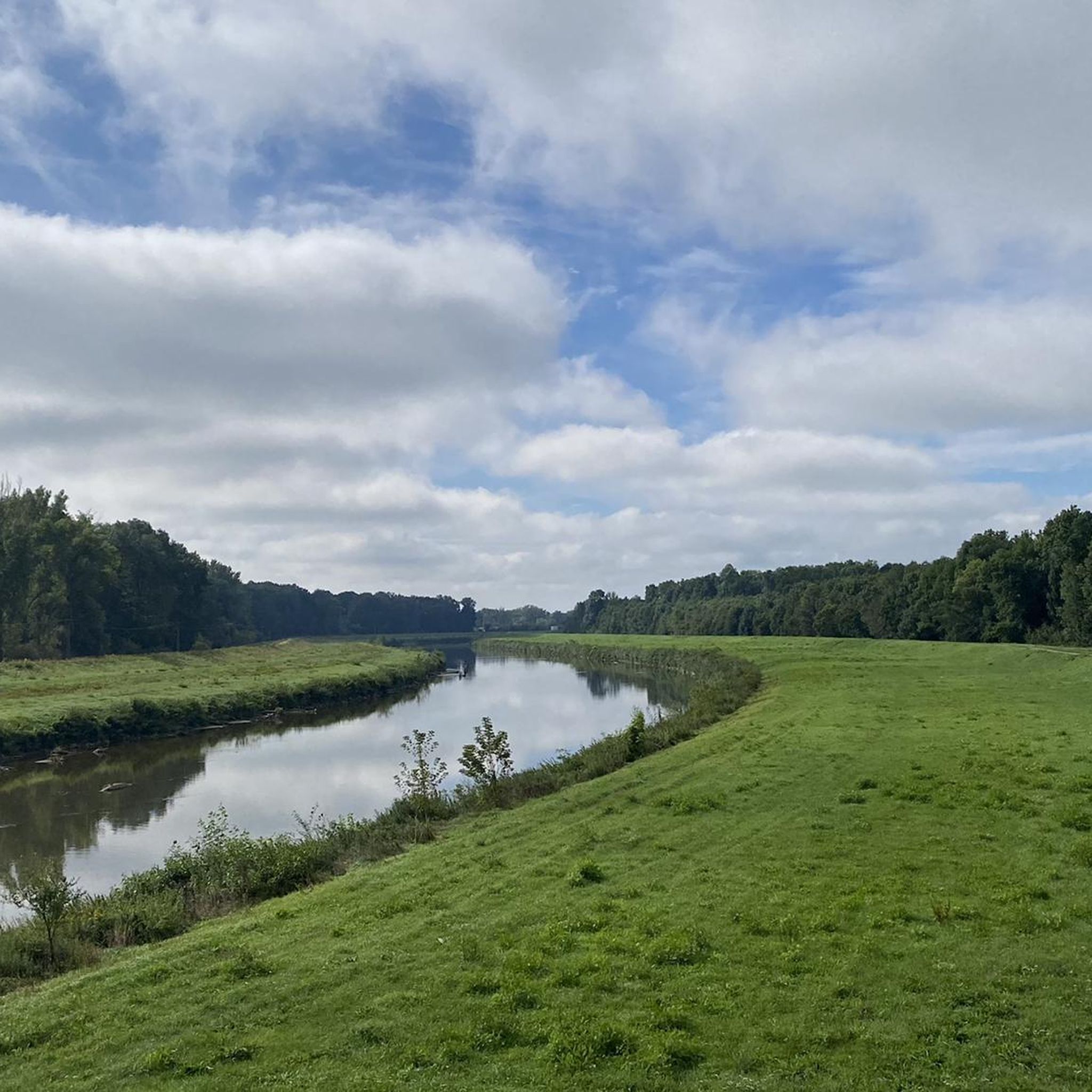
The dam on the Hrudky Stream is a popular spot, especially for fishing. There's also a buffet at the lake.
1
0
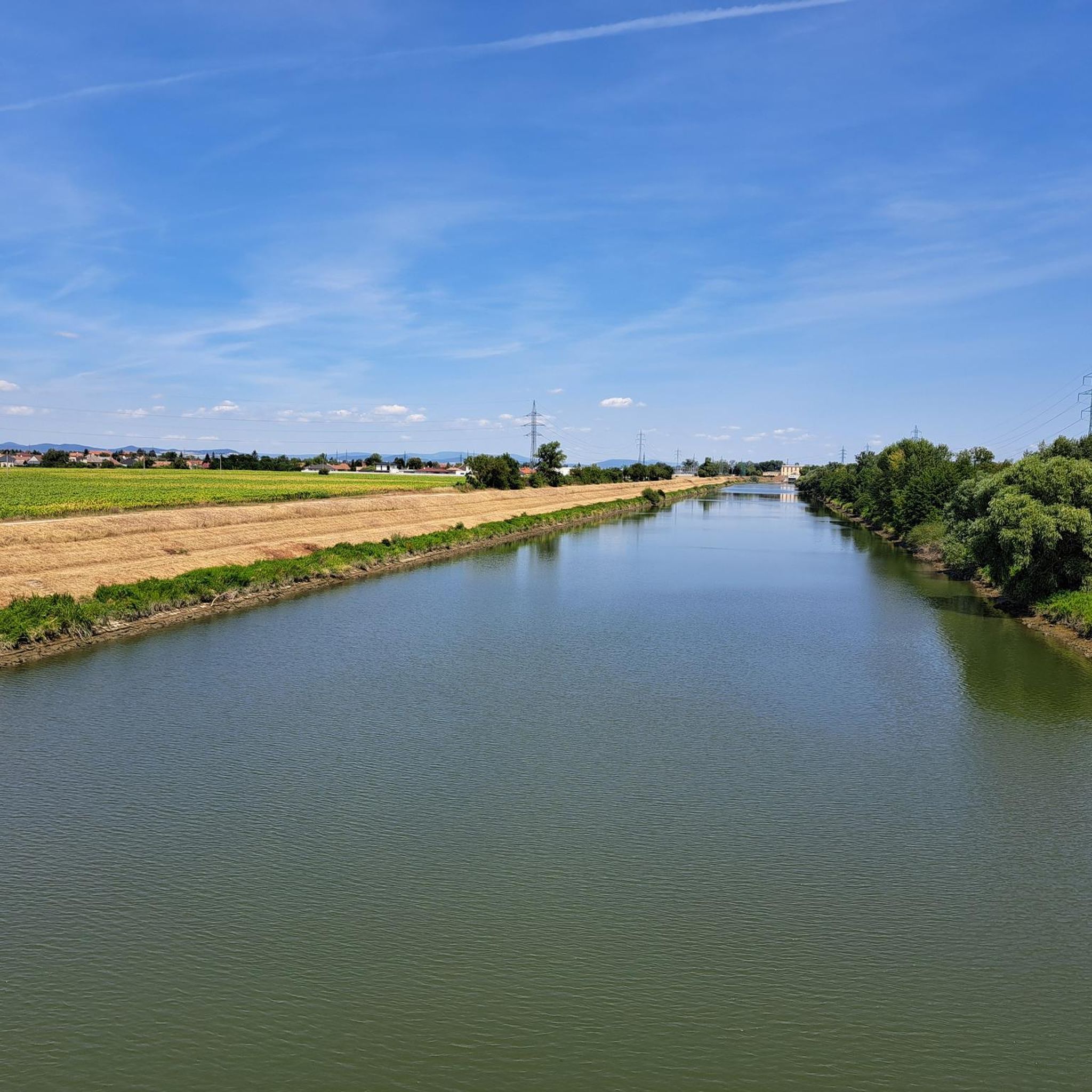
Pedestrians and cyclists are allowed to use the path on the dam wall
1
0

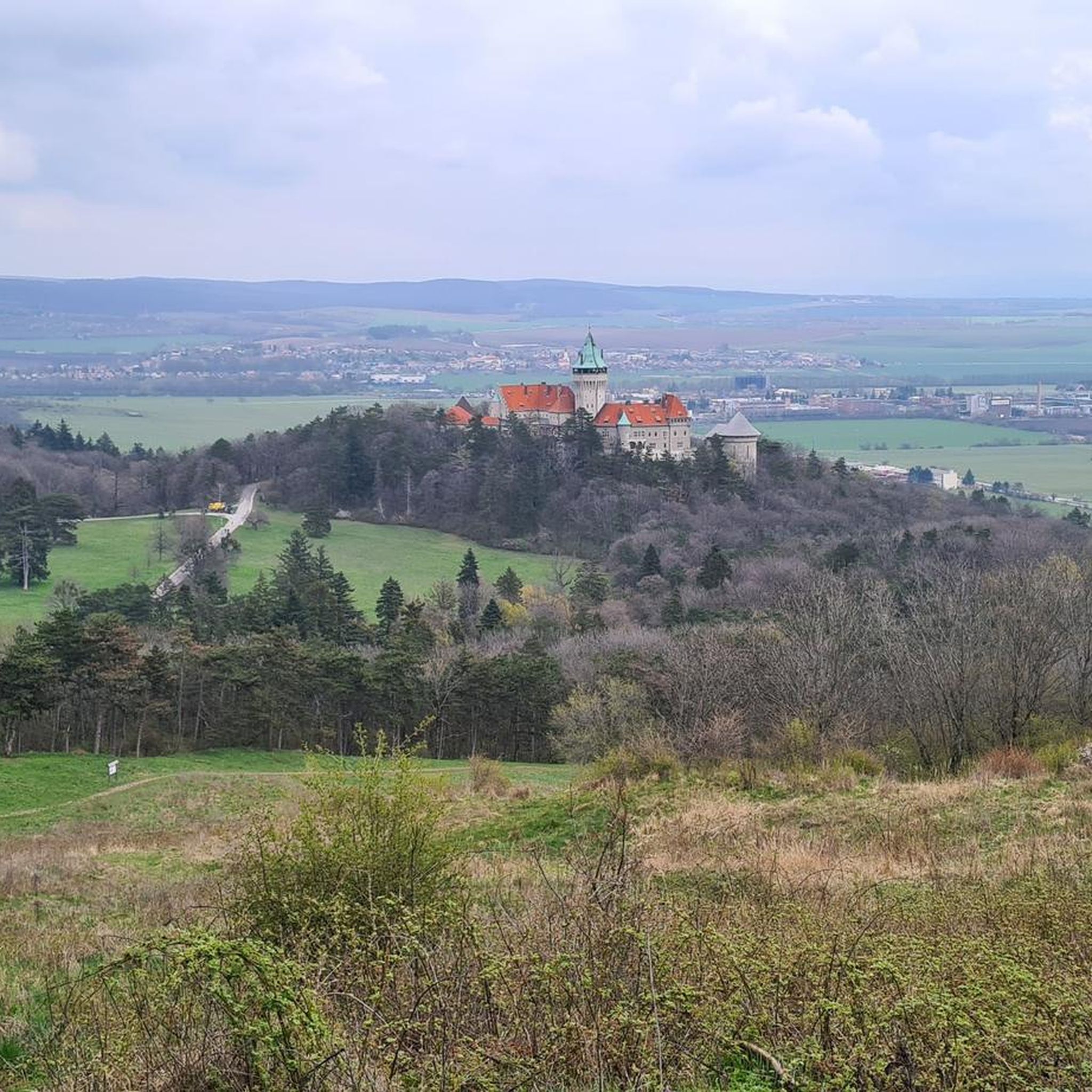
Smolenice Castle is a castle at the eastern foot of the Little Carpathians, north of the municipality of Smolenice in Slovakia. Originally a 14th-century castle, Smolenice Castle served to protect the border passes in the Carpathian Mountains. The castle was also located on the Bohemian Way, a trade route leading from Prague to Saxony.
0
0
Frequently Asked Questions
What kind of terrain can I expect when hiking in Trnava?
Hiking in Trnava is primarily defined by the Small Carpathians mountain range, offering diverse landscapes. You'll find dense forests, clear streams, and unique geological formations, including areas with historical quarrying culture. The terrain varies from gentle valleys to more challenging mountain ascents, providing a range of elevation and difficulty levels.
Are there any easy hiking trails suitable for beginners or families in Trnava?
Yes, Trnava offers several easy trails. For instance, the Nové Hory – Katarínka Forest Railway loop from Katarína is an easy 3.4 km trail through forest areas, often completed in under an hour. Another accessible option is the Katarínka Forest Railway loop from Naháč, which is 5.6 km long and also rated easy. These routes are great for a relaxed outing.
What natural features or landmarks can I see along the hiking trails in Trnava?
Many hiking routes in Trnava integrate natural features with historical sites. You can explore the Small Carpathians, discover limestone caves like Driny Cave, or visit cascading waterfalls such as the Hlbočiansky Waterfall. Trails also lead to significant historical sites like the ruins of Ostrý Kameň Castle, Smolenice Castle, and the Katarínka Monastery.
Are there any circular hiking routes in the Trnava region?
Yes, many trails in Trnava are designed as loops, allowing you to start and end at the same point. Examples include the challenging Záruby Summit Cross – Ostrý Kameň Castle Ruins loop from Smolenice, which covers 15.3 km, or the moderate Smolenice Castle – Smolenický Castle Junction loop from Smolenice, a 6.9 km route.
What do other hikers enjoy most about hiking in Trnava?
The hiking routes in Trnava are highly rated by the komoot community, with an average score of 4.5 stars from over 90 reviews. Hikers frequently praise the diverse landscapes, the combination of natural beauty with historical landmarks, and the well-maintained paths through the Small Carpathians. The variety of difficulty levels also makes it appealing to a wide range of outdoor enthusiasts.
What is the best time of year to go hiking in Trnava?
The Trnava region offers enjoyable hiking experiences throughout much of the year. Spring and autumn provide pleasant temperatures and vibrant scenery, with blooming flora or colorful foliage. Summer is also popular, though some trails might be warmer. Winter hiking is possible, especially on lower elevation trails, but requires appropriate gear for colder conditions.
Are there opportunities for wildlife spotting on Trnava's hiking trails?
The diverse ecosystems of the Small Carpathians, with their dense forests and clear streams, provide habitats for various wildlife. While specific sightings are never guaranteed, hikers may encounter local bird species, deer, and other forest animals, especially on quieter trails away from more populated areas. Early mornings or late afternoons often offer the best chances for wildlife observation.
Are there any specific viewpoints or summits worth visiting in Trnava?
Absolutely. The Záruby Summit Cross is a prominent feature and a rewarding destination on several routes, such as the Záruby Summit Cross – Havrania Skala loop from Smolenice. Another notable natural feature is Havrania Skala, offering impressive rock formations and views.
How many hiking trails are available in the Trnava region?
There are nearly 100 hiking routes available in the Trnava region, catering to various skill levels. This includes 28 easy trails, 53 moderate routes, and 17 more difficult options, ensuring there's a suitable path for almost every hiker.
Are there any trails that lead to historical castle ruins in Trnava?
Yes, several trails incorporate historical castle ruins. For a challenging experience, consider the Ostrý Kameň Castle Ruins – Záruby Summit Cross loop from Buková. This route combines a visit to the ruins of Ostrý Kameň Castle with an ascent to the Záruby Summit Cross.
Can I find trails that offer a mix of natural beauty and cultural sites?
Many routes in Trnava are designed to offer this blend. For example, the Smolenice Castle – Záruby Summit Cross loop from Smolenice allows you to experience both the romantic Smolenice Castle and the natural beauty leading to the Záruby Summit Cross.
Most popular routes in Trnava
Most popular attractions in Trnava

Get inspired with the komoot mobile app


Didn’t find what you were looking for?
Check out more Hikes throughout Trnava below and find the perfect route in your destination.
Explore more
Browse the best Hikes in other regions.
