The best road cycling routes in Transdanubia
4.5
(605)
13,577
riders
510
rides
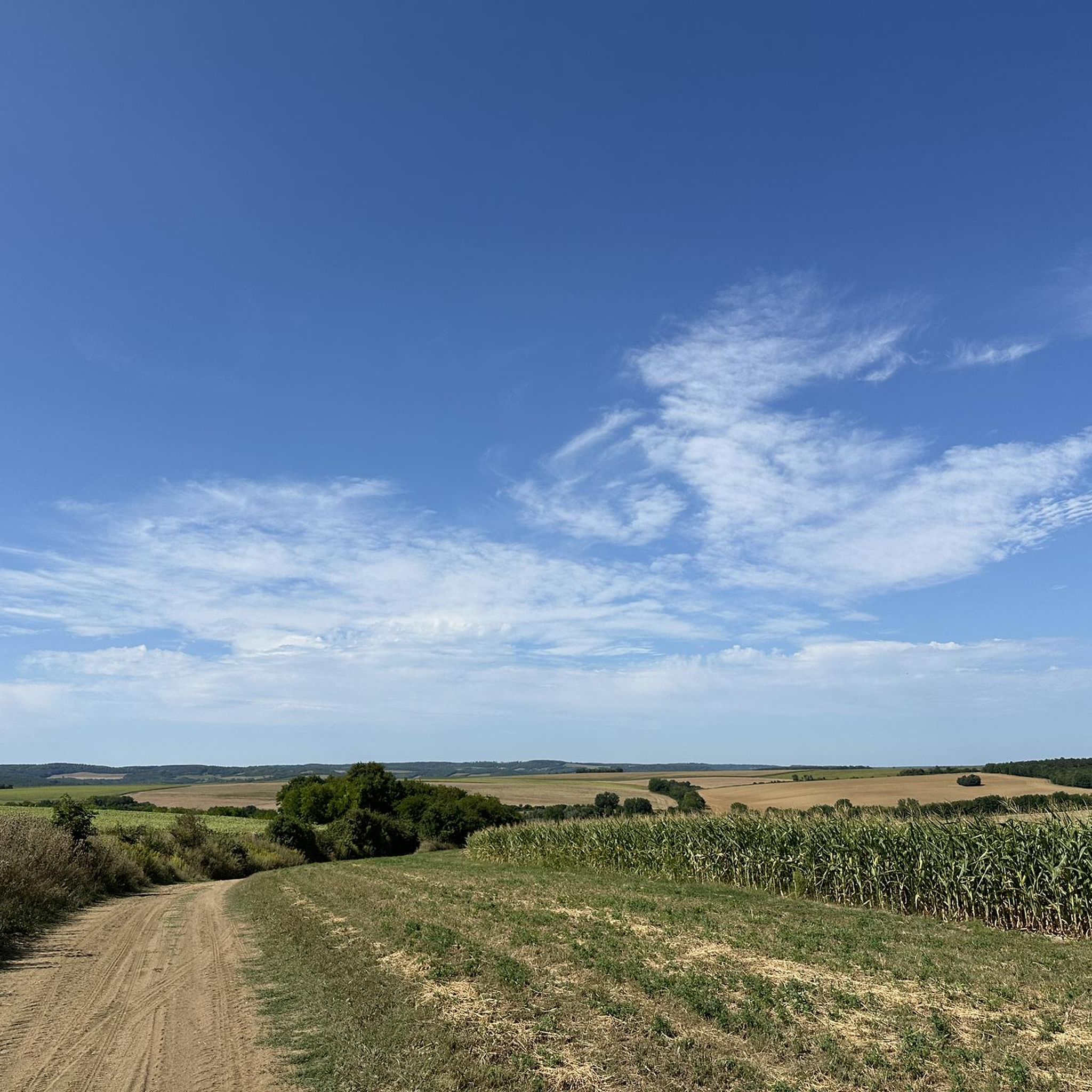
Road cycling in Transdanubia offers diverse terrain across western Hungary, characterized by a mix of hills, highlands, and fertile plains. The region includes the Bakony and Mecsek ranges, providing varied elevations from gentle inclines to more demanding climbs. Significant water bodies like Lake Balaton and the Danube River also shape the landscape, with well-maintained cycle paths running alongside them. Cyclists can explore vineyard-dotted areas and natural protected areas, offering scenic routes and varied challenges.
Best road cycling routes in Transdanubia
…Last updated: October 18, 2026
4.7
(94)
1,919
riders
Moderate road ride. Good fitness required. Some segments of this route may be unpaved and difficult to ride.
4.7
(80)
1,615
riders
78.1km
03:10
290m
290m
Moderate road ride. Good fitness required. Mostly well-paved surfaces and easy to ride.

4.8
(53)
792
riders
29.8km
01:12
80m
80m
Easy road ride. Great for any fitness level. Mostly well-paved surfaces and easy to ride.
4.4
(5)
331
riders
Moderate road ride. Good fitness required. Mostly well-paved surfaces and easy to ride.
4.5
(4)
196
riders
45.0km
01:51
280m
280m
Easy road ride. Great for any fitness level. Mostly well-paved surfaces and easy to ride.
4.5
(4)
155
riders
56.5km
02:37
700m
700m
Moderate road ride. Good fitness required. Mostly well-paved surfaces and easy to ride.
5.0
(6)
167
riders
Moderate road ride. Good fitness required. Mostly well-paved surfaces and easy to ride.
4.9
(8)
159
riders
41.7km
01:55
340m
340m
Moderate road ride. Good fitness required. Mostly well-paved surfaces and easy to ride.
3.6
(7)
138
riders
Easy road ride. Great for any fitness level. Mostly well-paved surfaces and easy to ride.
4.5
(24)
160
riders
67.3km
03:06
630m
630m
Moderate road ride. Good fitness required. Some segments of this route may be unpaved and difficult to ride.
Get access to more routes and recommendations from other explorers.
Already have an account?
Our route recommendations are based on thousands of hikes, rides, and runs completed by other people on komoot.
Start today with a free account
Your next adventure awaits.
Popular around Transdanubia
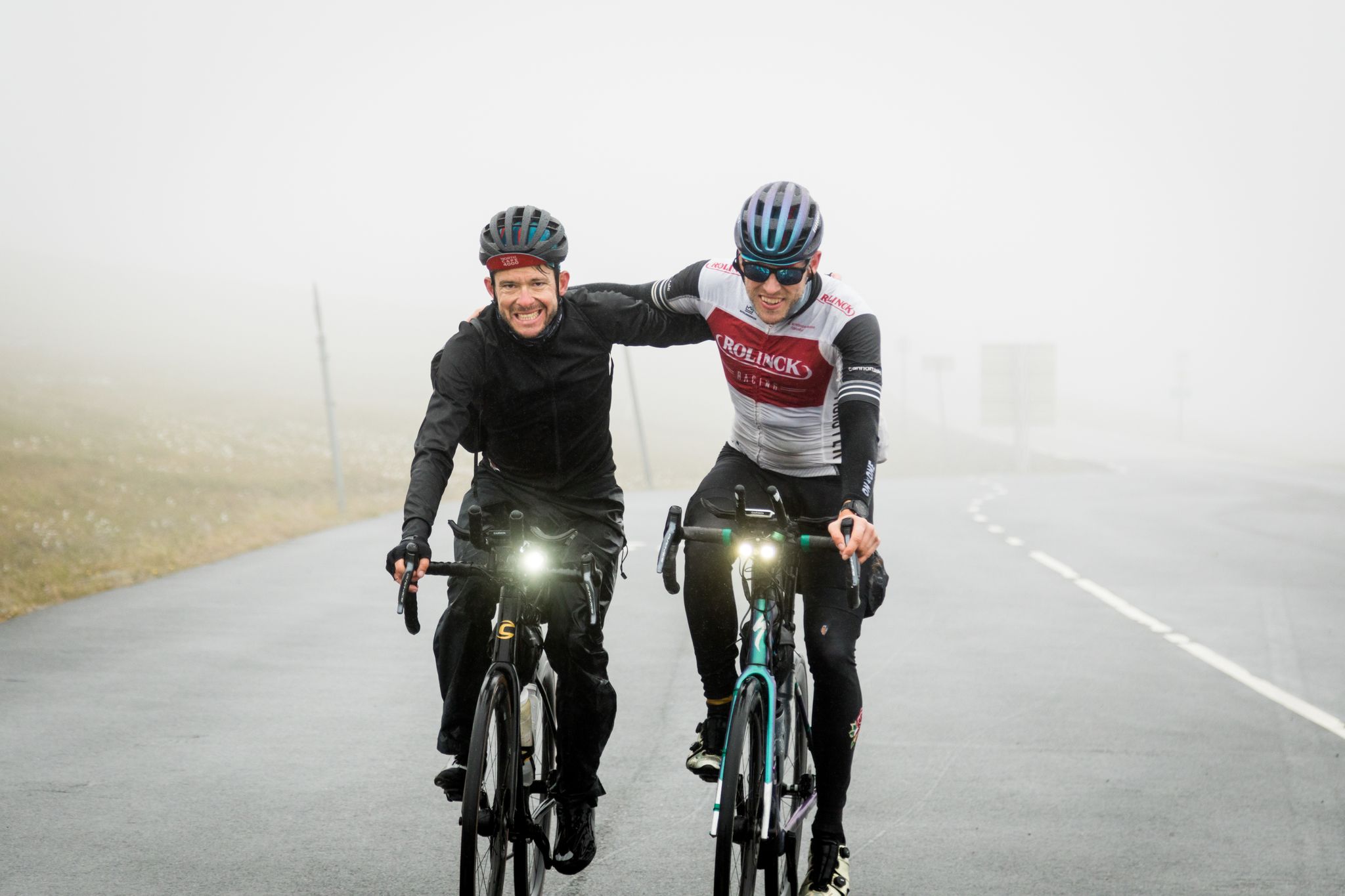
NorthCape4000 – 12 days from Lake Garda to the North Cape
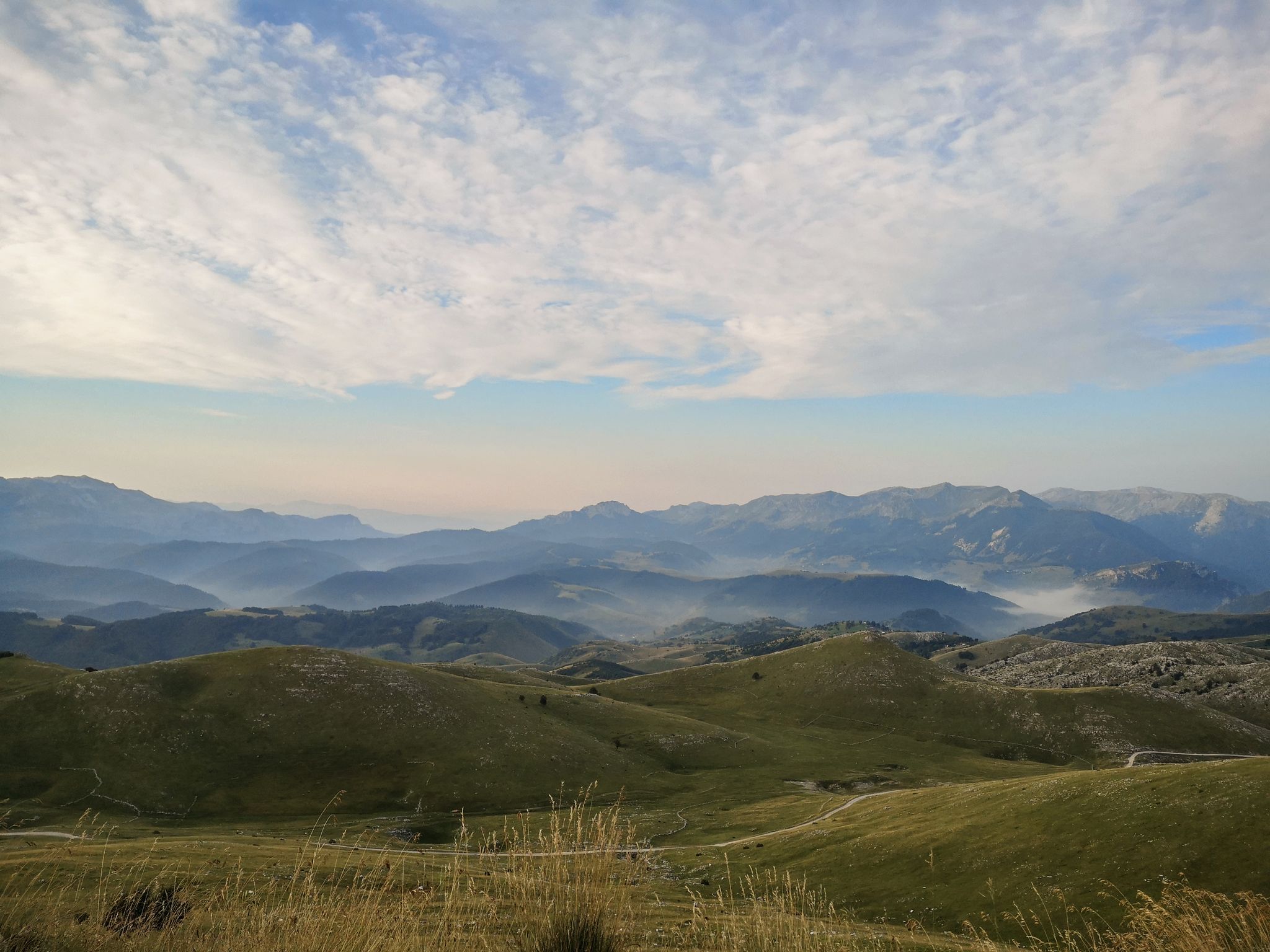
As we wrote history – the Transcontinental Race #TCRN06
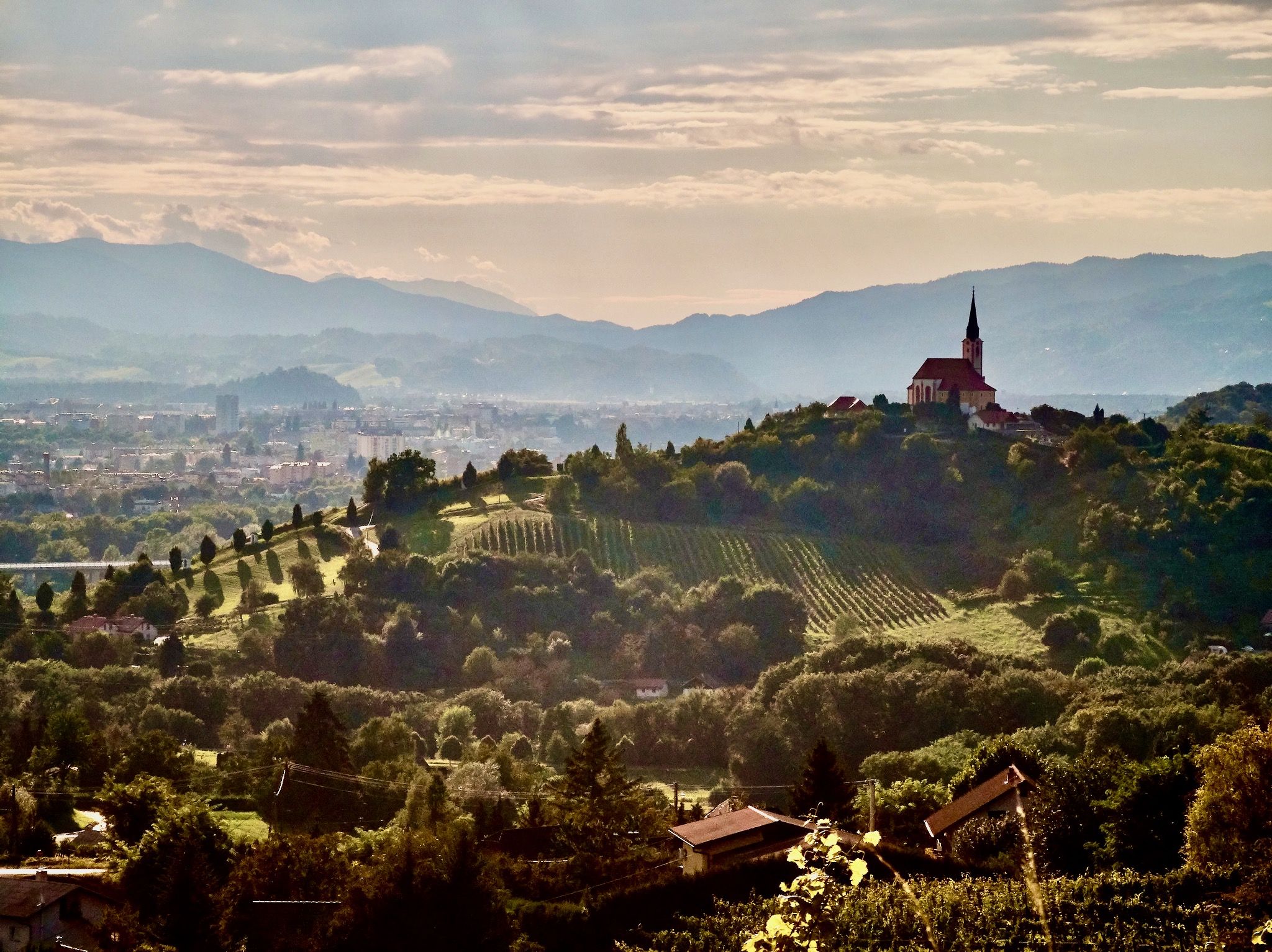
Budapest to Venice via the beautiful Soča Valley
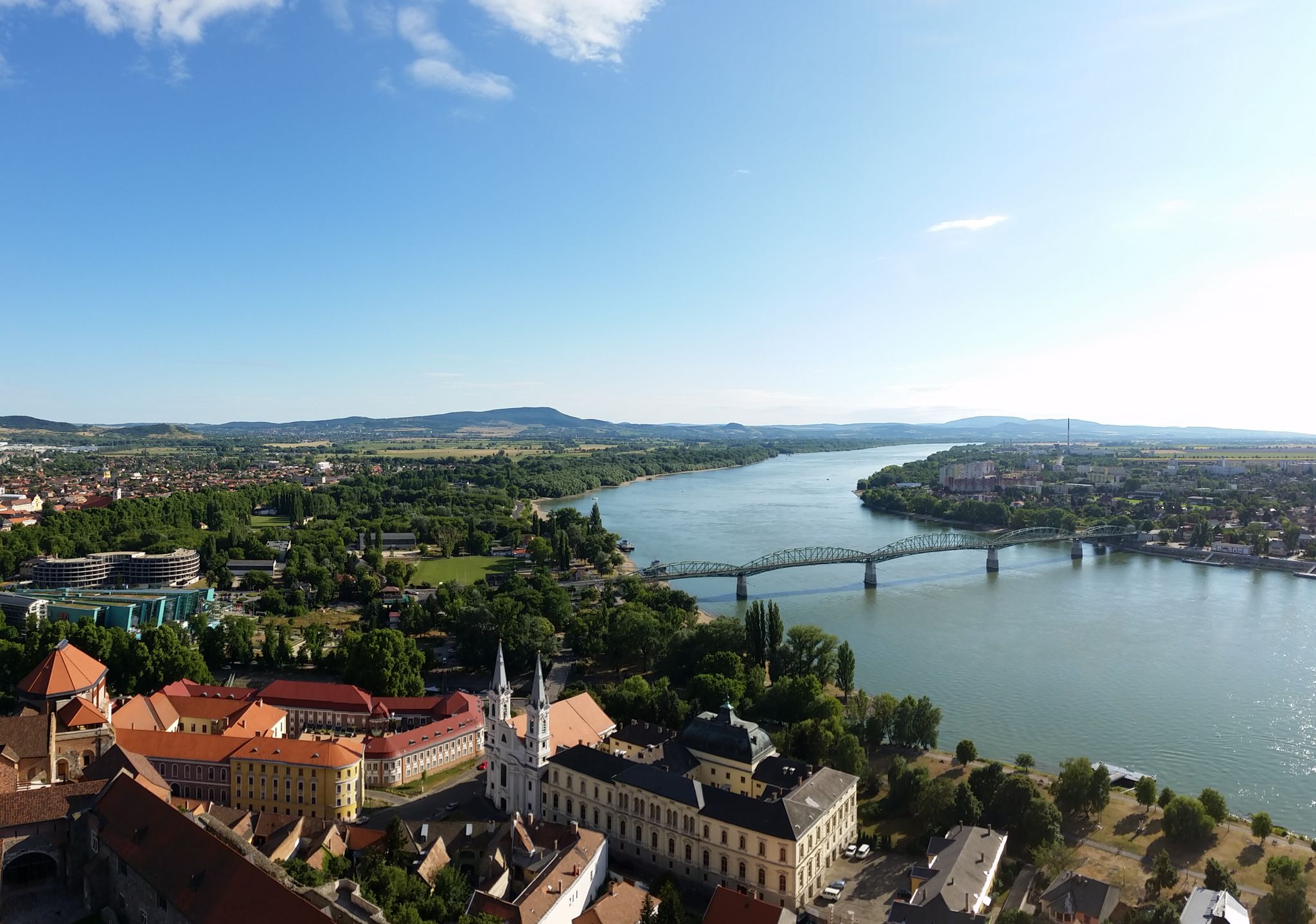
The Danube Cycle Path – From Donaueschingen to Budapest
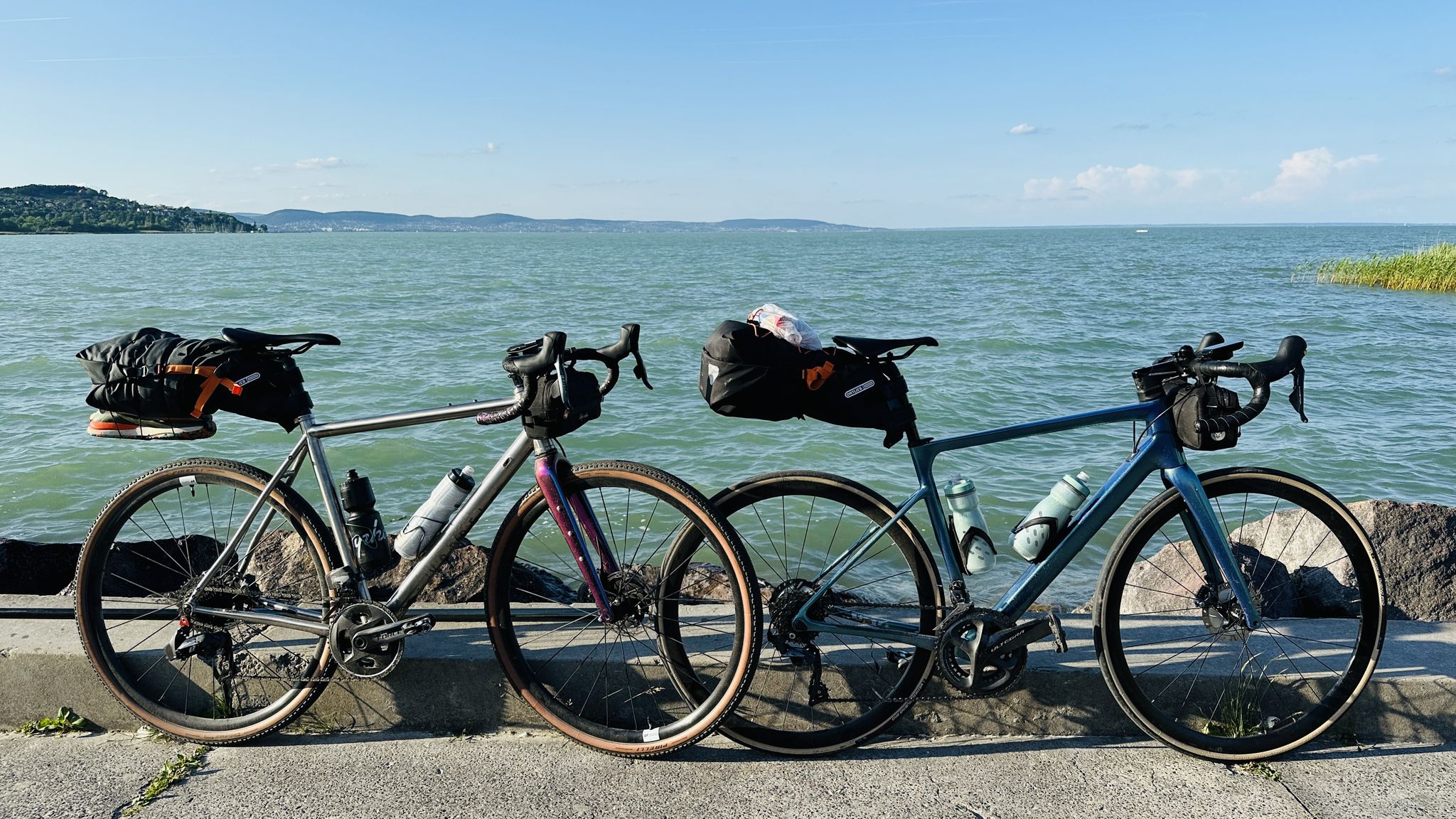
Riding two Koppels through five countries
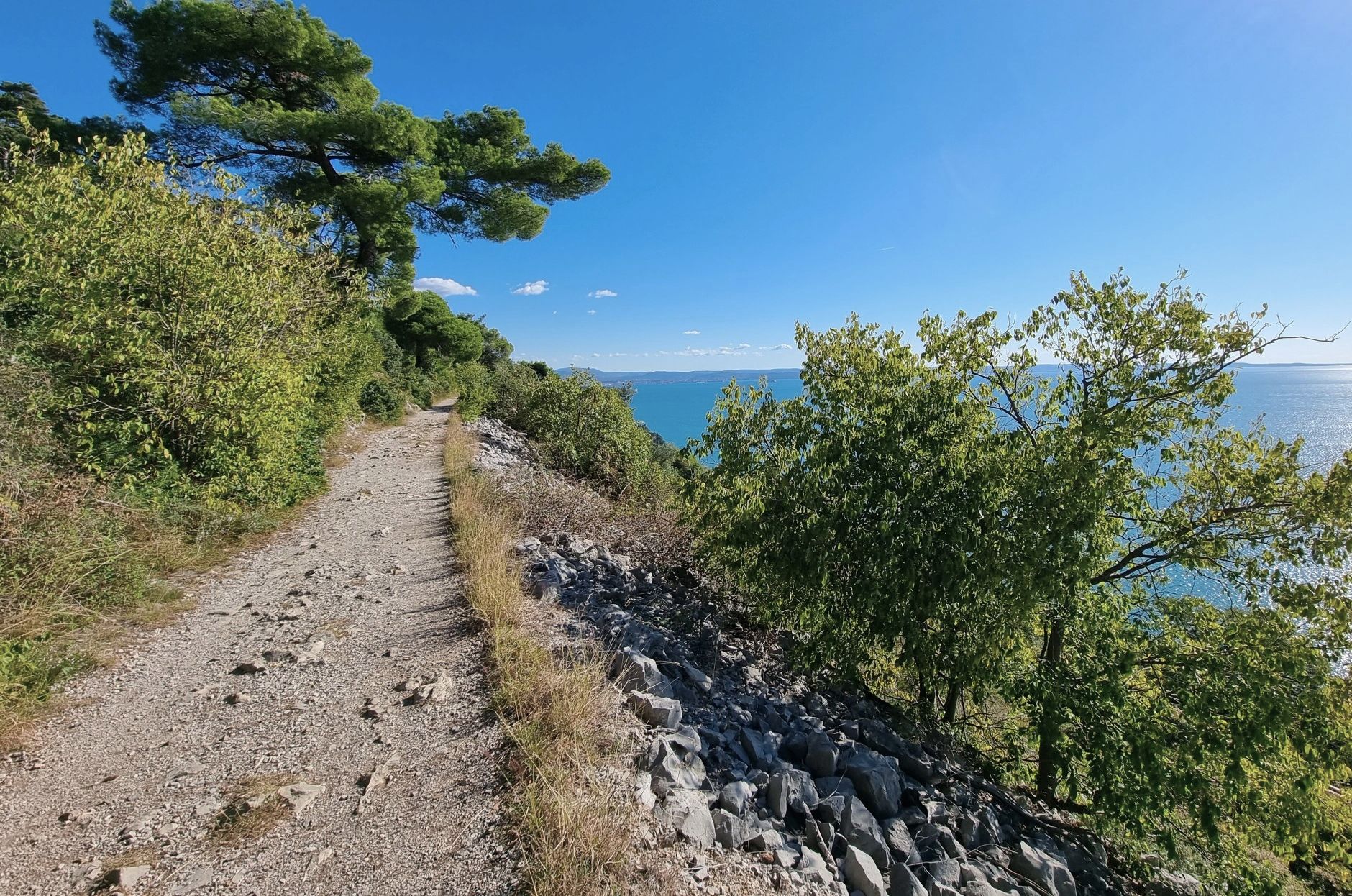
Ride to the sea – gravel bikepacking from Austria’s Vienna to Italy’s Grado
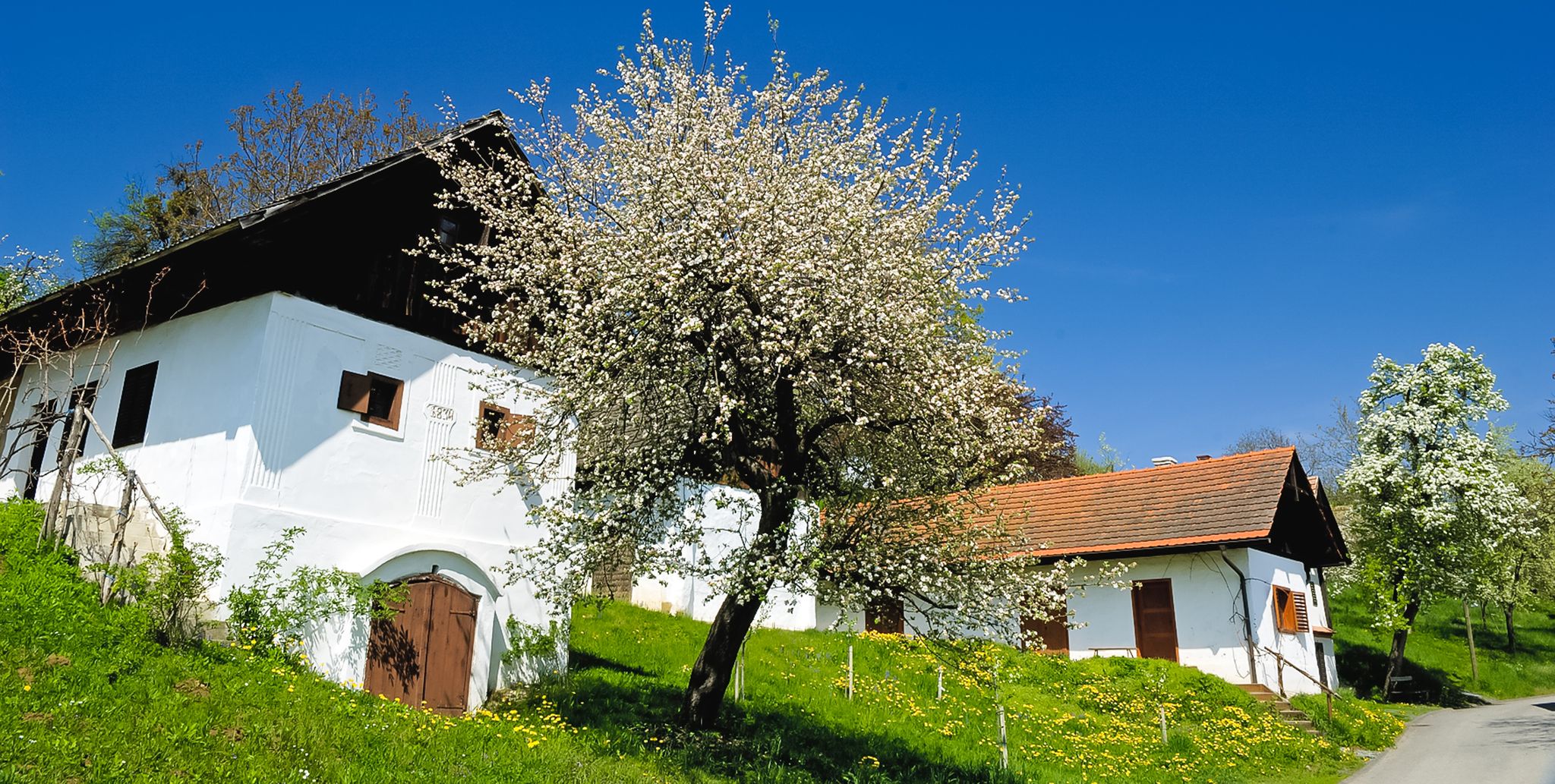
Roman paths in the Burgenland – Amber Trail East Route
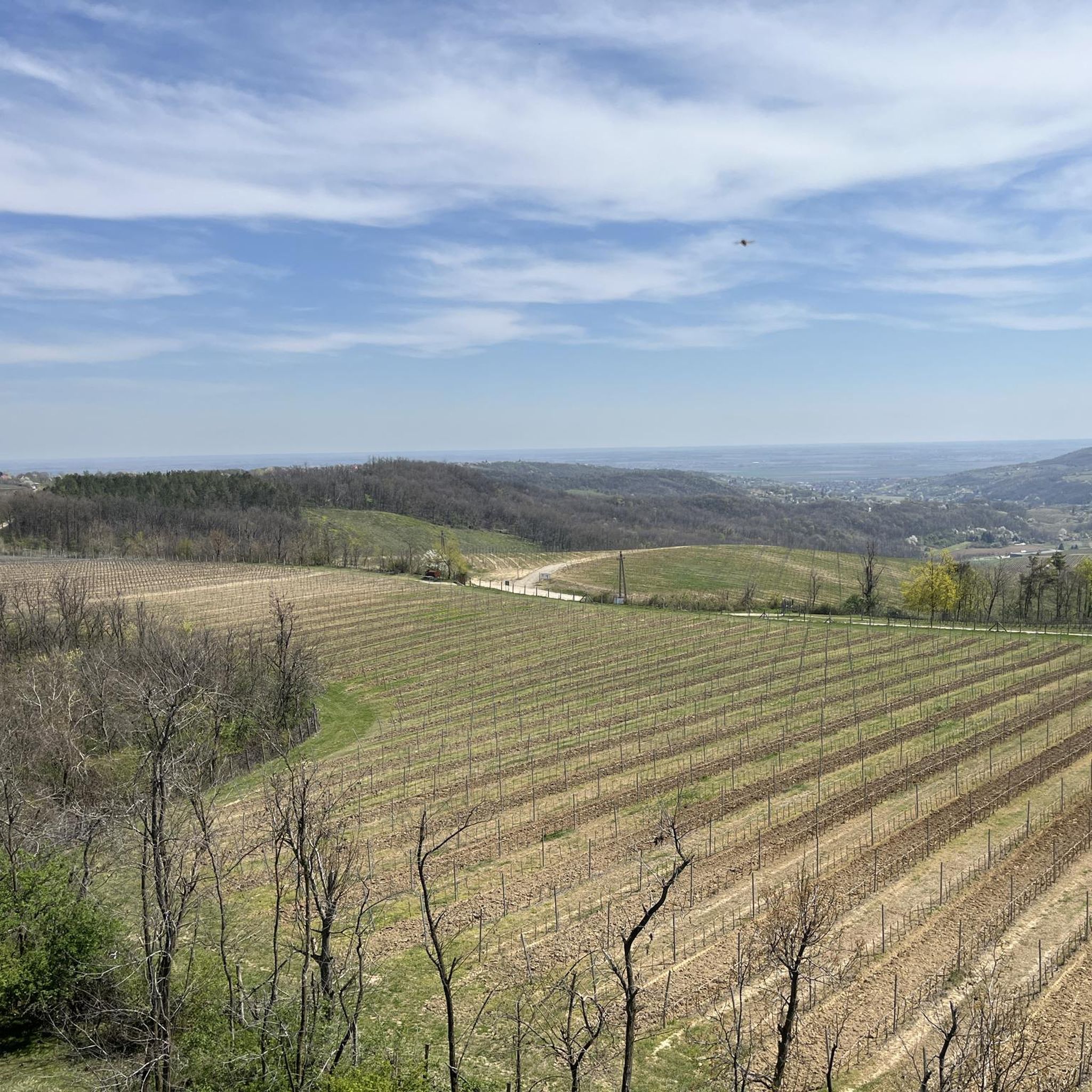
Cycling in Transdanubia
Hiking in Transdanubia

Running Trails in Transdanubia
Other adventures in Transdanubia


Tips from the Community

Wonderfully restored "once blown-up railway bridge" by Matuska Szilveszter. Next to it is a leisure park, and the "BUBA" passes over the bridge. The view from above is great, but the structure itself can also be an excellent photo subject.
0
0

The viaduct was built between 1883 and 1884 for the Budapest - Salzburg railway line. The structure gained worldwide fame through the terrorist attack on September 13, 1931. The incident: The attacker Szilveszter Matuska blew up the tracks as the Budapest-Vienna night express train was crossing the viaduct. Consequences: The locomotive and six carriages plunged 26 meters deep into the abyss. 22 people lost their lives, 17 were seriously injured.
1
0

Lake Biwa (Jap. Biwa-ko) is not just a body of water, but the heart of Shiga Prefecture and a symbol of Japanese natural and cultural history. It is Japan's largest freshwater lake and one of the oldest lakes in the world.
0
0
The bike highway to Biatorbágy is part of one of Hungary's most spectacular cycling connections: the route from Budapest to Lake Balaton (BuBa). The section near Biatorbágy is particularly popular with cyclists, as it combines modern infrastructure with historical architecture and great views.
0
0
In Biatorbágy (near Budapest) there is a well-known district called Szarvasugrás. Biatorbágy is mainly famous for the huge railway viaduct, which gained sad fame after an attack in 1931. Even though the district is named after the rock, the bridge (the viaduct) is the dominant landmark of the place.
0
0

Beautiful view of the lake
3
0
Beautiful lake access, one of the few
3
0
I was surprised to find that no one has made a highlight of this yet? This place is one of the most beautiful Viaducts in the country, and moreover, a historically significant event is connected to it, and I don't even need to mention that it is one of (if not the) most spectacular parts of the BuBa (Budapest-Balaton Bicycle Route). It is a bridge in excellent condition, which you can cross by bike and admire the view, or the depth, or the surrounding mountains. What is interesting is that you cross the bridge on iron plates that don't slip. You can also admire the bridge from below (not part of the BuBa) if you take a small detour. So overall, it can be said that it is a well-maintained monument, with great utilization.
0
0
Frequently Asked Questions
What kind of terrain can I expect when road cycling in Transdanubia?
Transdanubia offers a diverse landscape for road cyclists. You'll find a mix of rolling hills and highlands, particularly in the Bakony and Mecsek ranges, providing both gentle inclines and more challenging climbs. There are also extensive flatlands, especially around major lakes and rivers like Lake Balaton and the Danube, which are ideal for relaxed cycling. The region is also known for its fertile lands and vineyard-dotted areas, offering picturesque scenery.
Are there road cycling routes suitable for beginners or families in Transdanubia?
Yes, Transdanubia has many routes suitable for beginners and families. The areas around Lake Balaton and Lake Velence offer mostly flat, well-maintained cycle paths. For example, the Lake Velence Loop – Tree-Lined Pathway loop from Velence is an easy 18.5-mile (29.8 km) trail, perfect for a relaxed ride. The Danube Cycle Path also provides flat terrain, making it suitable for all skill levels.
What are some challenging road cycling routes in Transdanubia?
For those seeking a challenge, the hillier regions of Transdanubia, such as the Bakony and Mecsek ranges, offer more demanding climbs. Routes like the Füred–Balatonszőlős Climb – Tagore Promenade, Balatonfüred loop from Csopak, with over 800 meters of elevation gain, provide a significant workout. These routes often reward cyclists with panoramic views.
What is the best time of year for road cycling in Transdanubia?
The most favorable time for road cycling in Transdanubia is generally from spring to early autumn (April to October). The region, often called 'Hungarian Tuscany,' enjoys a temperate and stable climate, especially around Pécs and Lake Balaton. Spring and autumn offer pleasant temperatures and beautiful scenery, while summer is great for combining cycling with water activities at the lakes, though routes can be busier.
Are there any scenic viewpoints or natural features to look out for along the routes?
Absolutely! Transdanubia is rich in scenic beauty. Many routes offer stunning views of Lake Balaton, especially from higher elevations. You can also find numerous lookout towers, such as the Kisfaludy lookout, which provide panoramic vistas. The region's fertile lands and vineyards, particularly around Pécs and the Balaton Highlands, offer picturesque cycling through 'Hungarian Tuscany.' Additionally, the Danube-Drava National Park and Balaton Uplands National Park provide tranquil natural backdrops.
Can I find cafes, pubs, or accommodation along the road cycling routes?
Yes, especially along popular routes like those around Lake Balaton and Lake Velence, you'll find numerous amenities. Lakeside towns and villages are well-equipped with cafes, pubs, and various accommodation options. The Danube Cycle Path also passes through many settlements where you can refuel and rest. For example, the Tagore Promenade, Balatonfüred – Tihany–Szántód Ferry loop from Zamárdi connects popular lakeside towns with ample facilities.
What do other road cyclists enjoy most about road cycling in Transdanubia?
The komoot community highly rates road cycling in Transdanubia, with an average score of 4.5 stars from over 400 reviews. Cyclists often praise the region's diverse terrain, from the serene lakefront paths to the challenging climbs in the highlands, and the picturesque scenery of vineyards and historical towns. The well-maintained cycle paths and the opportunity to combine cycling with cultural exploration are also frequently highlighted.
Are there any historical sites or cultural landmarks accessible by road bike?
Transdanubia is rich in history and culture. You can cycle to various historical towns like Pécs, Sopron, Győr, and Székesfehérvár, which boast Roman, Baroque, and Ottoman influences. Notable sites include the Pannonhalma Archabbey (a UNESCO World Heritage site) and the Festetics Palace. The Tagore Promenade, Balatonfüred – Veszprém Old Town loop from Balatonfüred, for instance, allows you to explore the historic Veszprém Old Town.
Are there any circular road cycling routes available?
Yes, many road cycling routes in Transdanubia are designed as loops, offering convenient starting and ending points. Popular examples include the Podersdorf Lighthouse – Hölle Observation Tower loop from Fertőszéplak-Fertőd, which is a longer moderate route, and the shorter, easy Lake Velence Loop – Tree-Lined Pathway loop from Velence. These circular routes make planning your ride straightforward.
What are some natural attractions or protected areas I can visit while cycling?
Transdanubia features several natural protected areas. The Danube-Drava National Park, particularly the Gemenc forest, is known for its diverse wildlife. The Balaton Uplands National Park also offers stunning natural beauty. You can also explore unique geological formations like the Tapolca Lake Cave or the Tihany Hermit Caves, which are accessible from various cycling routes.
How many road cycling routes are available in Transdanubia on komoot?
There are over 500 road cycling routes available in Transdanubia on komoot. These routes cater to various skill levels, with approximately 116 easy, 383 moderate, and 39 difficult options, ensuring there's a suitable ride for every cyclist.
Are there any routes that offer views of Lake Balaton?
Many routes in Transdanubia provide spectacular views of Lake Balaton. The Tagore Promenade, Balatonfüred – Tihany–Szántód Ferry loop from Zamárdi offers extensive scenic views along the lake's shores, connecting popular lakeside towns. Another option is the Siófok Water Tower – Lake Balaton Cycle Path loop from Balatonszéplak felső, which also follows the lake's edge.
Can I find routes that pass through vineyards or wine regions?
Yes, Transdanubia is renowned for its wine production, particularly in regions like Pécs, Villány, and the Balaton Highlands. Cycling through these areas offers picturesque scenery of vineyard-dotted landscapes. While specific routes are not listed here, many local roads and paths in these regions will take you through beautiful wine country, often with opportunities for wine tasting.
Most popular routes in Transdanubia
Most popular attractions in Transdanubia

Get inspired with the komoot mobile app


Explore more
Browse the best Road cycling routes in other regions.
