Attractions and Places To See around Cava Manara - Top 20
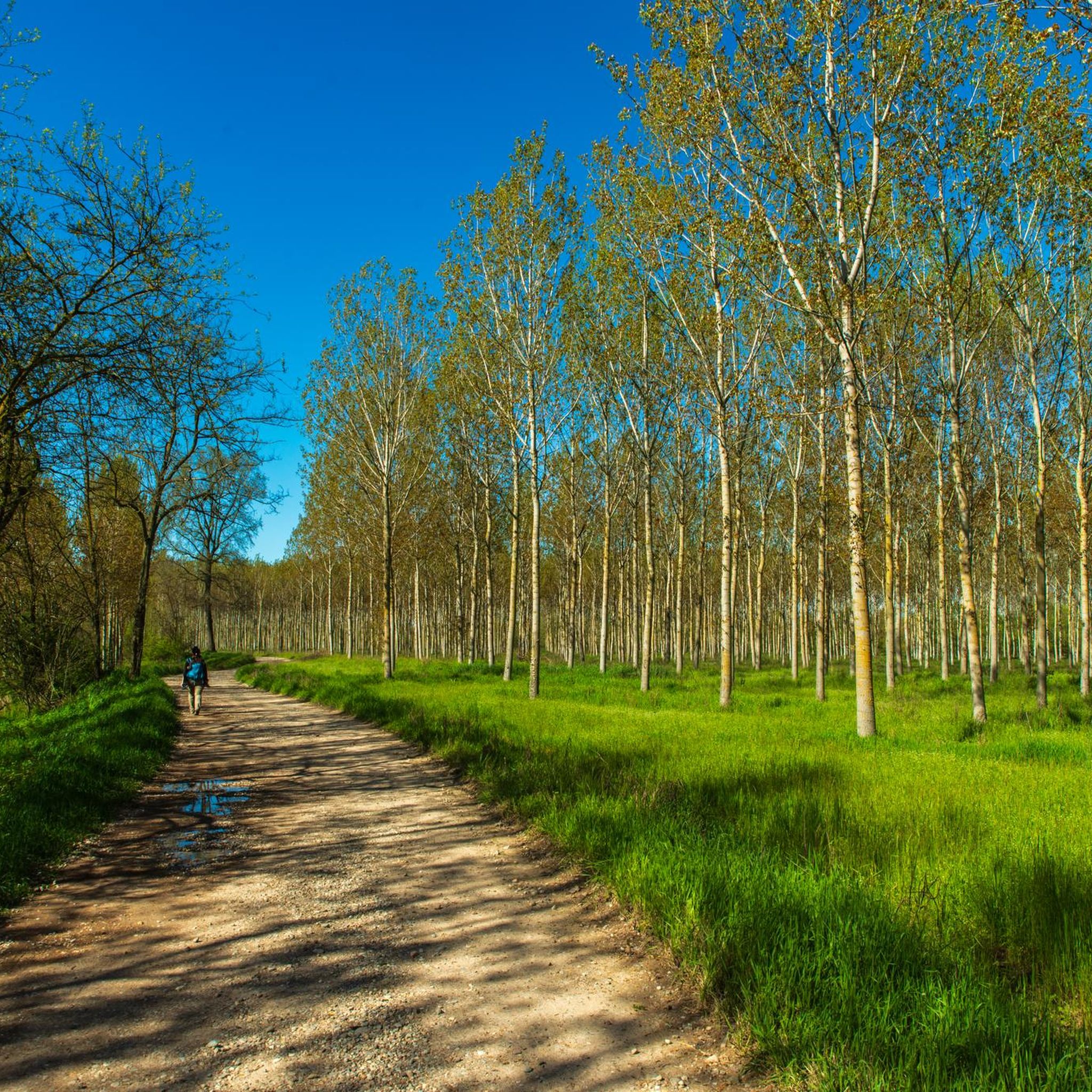
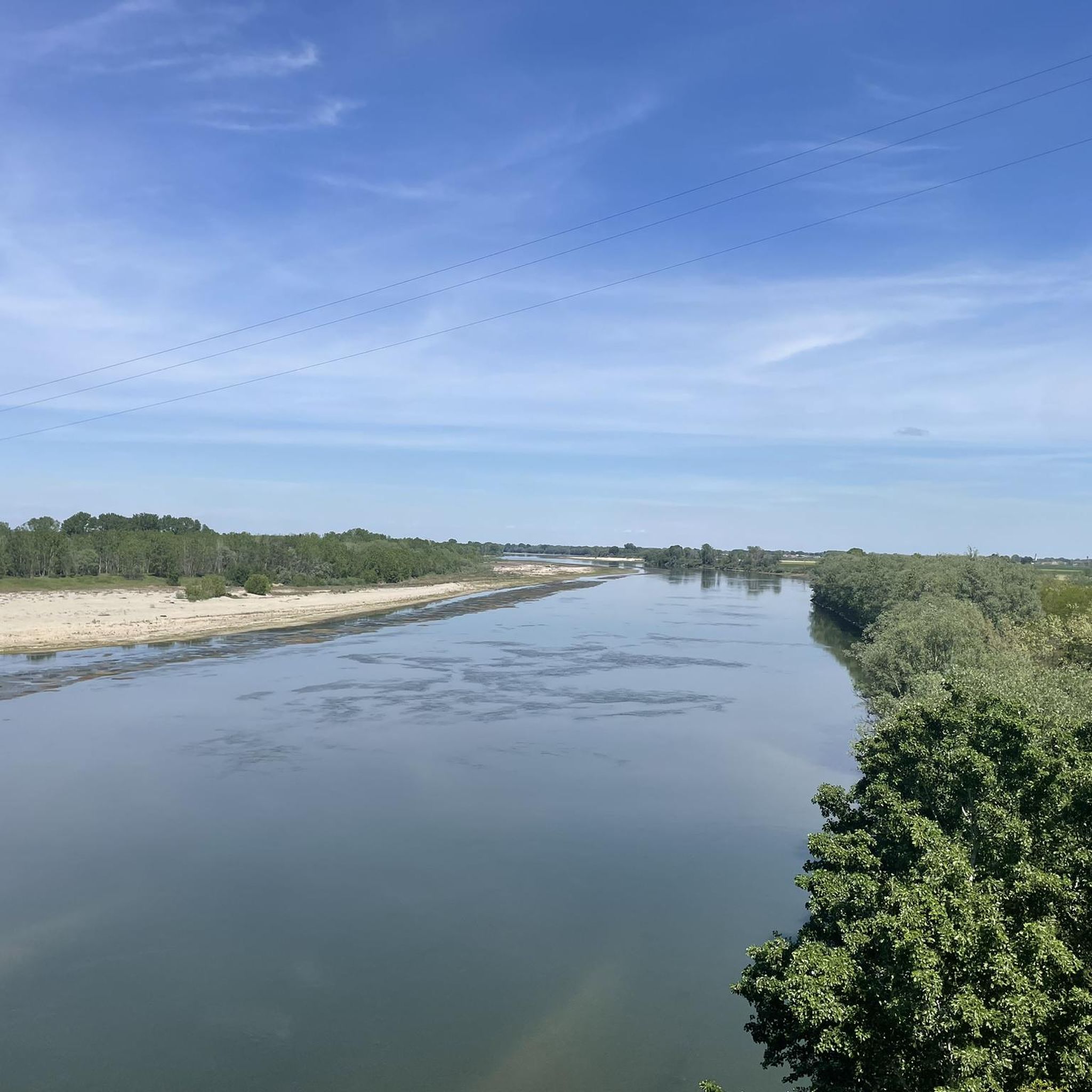
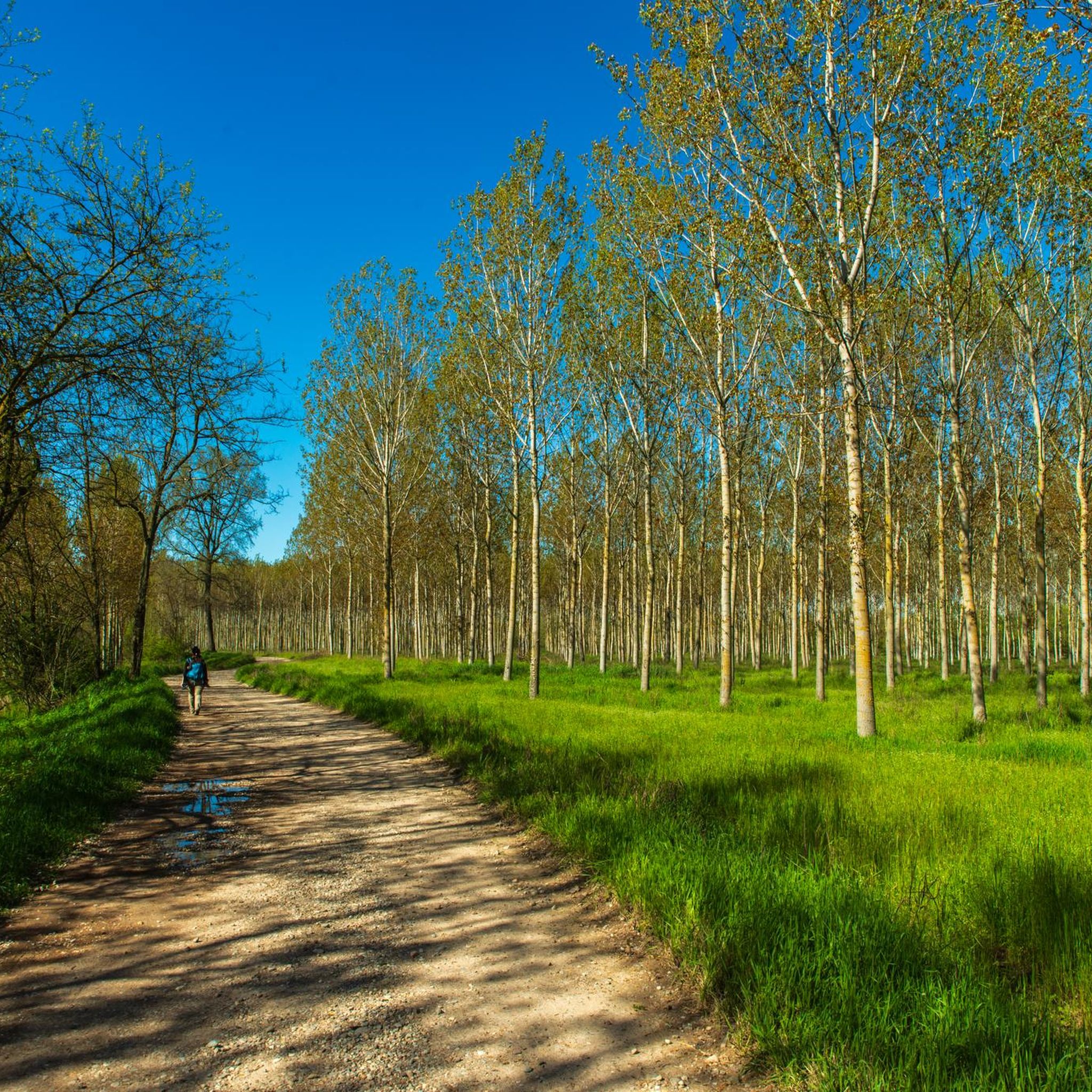
Best attractions and places to see around Cava Manara include historical sites and natural landscapes in this Lombardy municipality. The area, situated near the confluence of the Ticino and Po rivers, offers a characteristic historic center and opportunities to explore riverine environments. Visitors can discover cultural sites, such as parish churches, and enjoy the natural beauty of the Lombard countryside.
Best attractions and places to see around Cava Manara
- The most popular attractions is Ponte Coperto (the Covered Bridge) in…
Last updated: October 9, 2026
Ponte Coperto (the Covered Bridge) in Pavia
Highlight • Bridge
Translated by Google •
Tip by

Visconti Castle of Pavia
Highlight • Castle
Translated by Google •
Tip by

Sign up now to discover places like this
Get recommendations on the best single tracks, peaks, & plenty of other exciting outdoor places.
Statue of the Washerwoman
Highlight • Monument
Translated by Google •
Tip by

Sanctuary of Santa Maria del Novello
Highlight • Religious Site
Popular …
Translated by Google •
Tip by

Basilica of San Michele Maggiore
Highlight • Religious Site
Translated by Google •
Tip by
Sign up for free to discover even more attractions around Cava Manara.
Already have an account?
Start today with a free account
Your next adventure awaits.

Tips from the Community

The Monument to the Washerwoman is a famous bronze sculpture located in Pavia, positioned on the riverbank in the characteristic Borgo Ticino district. The work is located at the entrance of Via Milazzo, immediately to the left after crossing the famous Ponte Coperto.
0
0

The Sanctuary of Santa Maria del Novello (also known as Santuario del Novello) is a fascinating religious building located in Travacò Siccomario, in the province of Pavia. This small country church stands in a suggestive and isolated position within the floodplain area, just a few steps from the main left bank of the Po River. Origins: The original structure dates back to the late 1500s (or early 1600s according to some local sources). It was commissioned by the Bonacossa family and built over a previous country oratory, of which it still preserves the original fresco of the Madonna inside. Protection from floods: According to popular tradition, the building was erected at that precise spot to invoke divine protection against floods.
0
0

A church in the Lombard Gothic style.
1
0
A memorial to the laundresses. Thanks to Willem VS for his excellent descriptions!
3
0

Inside you will see a raised choir with mosaic floors and striking sculpted capitals. The apse contains a beautiful 15th century fresco* (crowning of Mary). The left transept contains the precious 10th century Crucifix of Teodote, made of silver plates.
6
0
This masterpiece in Lombardy-Romanesque style was built in the 12th century on the remains of an older church, where the coronation of the Lombard kings took place. This tradition continued in the new building and it was here that Frederick Barbarossa was awarded the Iron Crown of the Kingdom of Italy in 1155. The importance of the building explains its façade** of light sandstone (and not the then usual brick), remarkably balanced and varied in its sculpted decoration. On the right is a Romanesque door. On the door lintel, Christ gives Paul a papyrus scroll and Peter the keys to the church.
6
0
This imposing brick castle was built between 1360 and 1365 by order of Galeazzo Visconti and served as a fortification and residence. The north wing of the castle was destroyed at the battle of Pavia (1525) between the French and the Spanish. Petrarch loved the building and assembled a rich library there, which later moved to France. The large courtyard has arcades and an ornate loggia with twin windows.
7
0
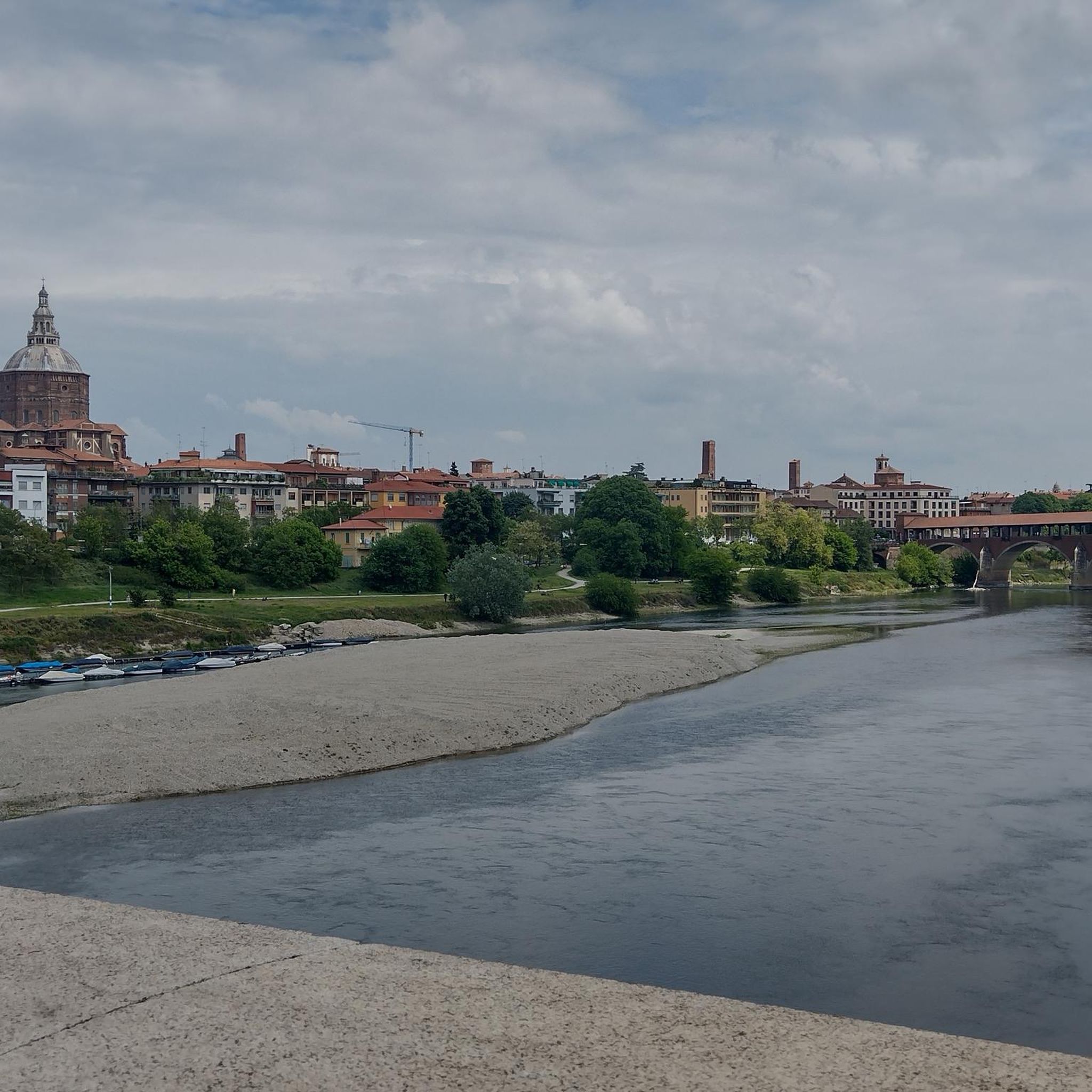
According to legend, some pilgrims wanted to attend midnight mass in the city on Christmas Eve in 999, but due to the thick fog their boats could not cross the river. Suddenly, a man dressed in red arrived and promised that he would immediately build a bridge in exchange for the first soul to cross the bridge. The man in red was the devil, and only the Archangel Michael, who had come from the nearby church, recognized him. Michael pretended to agree to the deal, but once the bridge was built, a goat crossed it first. The bridge is therefore also known as the Ponte del Diavolo ("Devil's Bridge").
10
0
Frequently Asked Questions
What historical sites can I explore in and around Cava Manara?
Cava Manara itself features a characteristic historic center reflecting its ancient origins. You can also visit several parish churches, such as the Parish Church of Sant'Agostino, which houses works by local artists. Nearby in Pavia, significant historical sites include the Visconti Castle of Pavia, a grand medieval fortress, and the Basilica of San Michele Maggiore, famous for its Lombardy-Romanesque style and historical coronations.
Are there any natural attractions or viewpoints near Cava Manara?
The area around Cava Manara is known for its unspoiled nature and picturesque riverine landscapes, particularly near the confluence of the Ticino and Po rivers. You can enjoy pleasant walks amidst extensive green fields of corn, rice, sunflowers, and grapes. For a unique viewpoint, visit the Statue of the Washerwoman in Pavia, located on the banks of the Ticino River, which offers views of the river and recalls local history.
What cultural and religious buildings are worth visiting in the region?
In Cava Manara, you can explore local parish churches like the Parish Church of Sant'Agostino. A short distance away in Pavia, the Cathedral of Pavia is a must-see, known for its imposing façade and notable dome. Another significant religious site is the Basilica of San Michele Maggiore, an important Lombardy-Romanesque church with a rich history.
What outdoor activities can I do near Cava Manara?
The region offers various outdoor activities, especially cycling. You can find numerous routes for touring bicycles, gravel biking, and road cycling. For example, explore routes like the 'Visconti Castle, Pavia – Bereguardo Pontoon Bridge loop' or the 'Cathedral of Pavia – Ticino River Embankment loop'. You can find more details and routes in the Cycling around Cava Manara guide, the Gravel biking around Cava Manara guide, and the Road Cycling Routes around Cava Manara guide.
Are there family-friendly attractions around Cava Manara?
Yes, several attractions in the vicinity are suitable for families. The Ponte Coperto (the Covered Bridge) in Pavia is a historical landmark that's interesting for all ages. The Visconti Castle of Pavia and the Cathedral of Pavia also offer engaging experiences for families, combining history and impressive architecture.
What is the significance of the Ponte Coperto in Pavia?
The Ponte Coperto (the Covered Bridge) in Pavia is an iconic symbol of the city, connecting its historic center with Borgo Ticino. The current bridge, inaugurated in 1951, recreates the design of a 14th-century structure that replaced an ancient Roman crossing. It's a popular spot for its historical charm and picturesque views over the Ticino River.
What is the best time to visit Cava Manara for outdoor activities?
The region's natural beauty, characterized by riverine landscapes and green fields, is best enjoyed during milder weather. Spring and early autumn typically offer pleasant temperatures for cycling and walking, allowing you to fully appreciate the Lombard countryside without the intense heat of summer or the chill of winter.
What do visitors enjoy most about the attractions near Cava Manara?
Visitors particularly appreciate the blend of rich history and natural beauty. The historical sites like the Visconti Castle and the Cathedral of Pavia are highly rated for their architectural grandeur and historical significance. The scenic river views, especially from the Ponte Coperto and near the Statue of the Washerwoman, are also frequently highlighted by the komoot community.
Are there any unique local stories or monuments in the area?
Yes, the Statue of the Washerwoman in Pavia tells a unique local story. This sculpture, created in 1981, commemorates the women who traditionally washed clothes in the Ticino River, particularly in the Borgo Ticino quarter. It's a touching tribute to a past way of life and a symbol of the community's heritage.
What kind of terrain can I expect on cycling routes around Cava Manara?
Cycling routes around Cava Manara generally feature varied terrain. You'll find paths along river embankments, through extensive green fields, and some routes may include gentle inclines or more challenging sections, especially those venturing towards the Oltrepò Pavese vineyards. Routes range from moderate to difficult, catering to different fitness levels.
Can I find any hidden gems or less-known spots in Cava Manara?
Cava Manara itself offers a quieter, more local experience compared to larger cities. Exploring its historic center and local parish churches, such as the Parish Church of San Lorenzo Martire in Mezzana Corti or San Pietro Apostolo in Torre de' Torti, can reveal charming, less-trafficked spots that provide a glimpse into authentic Italian life.
Is public transport available to reach attractions near Cava Manara?
While Cava Manara is a smaller municipality, it is located in the province of Pavia, which has public transport connections. To reach attractions in Pavia like the Covered Bridge or the Cathedral, you would typically use local bus services or potentially train connections from Cava Manara to Pavia, depending on the exact starting point and destination.
Most popular routes around Cava Manara
Most popular attractions around Cava Manara

Get inspired with the komoot mobile app


Explore more
Still not found the Highlight you’re looking for? See guides of the top attractions in other regions:
