The best cycling routes around Chiesina Uzzanese
4.5
(624)
6,067
riders
310
rides
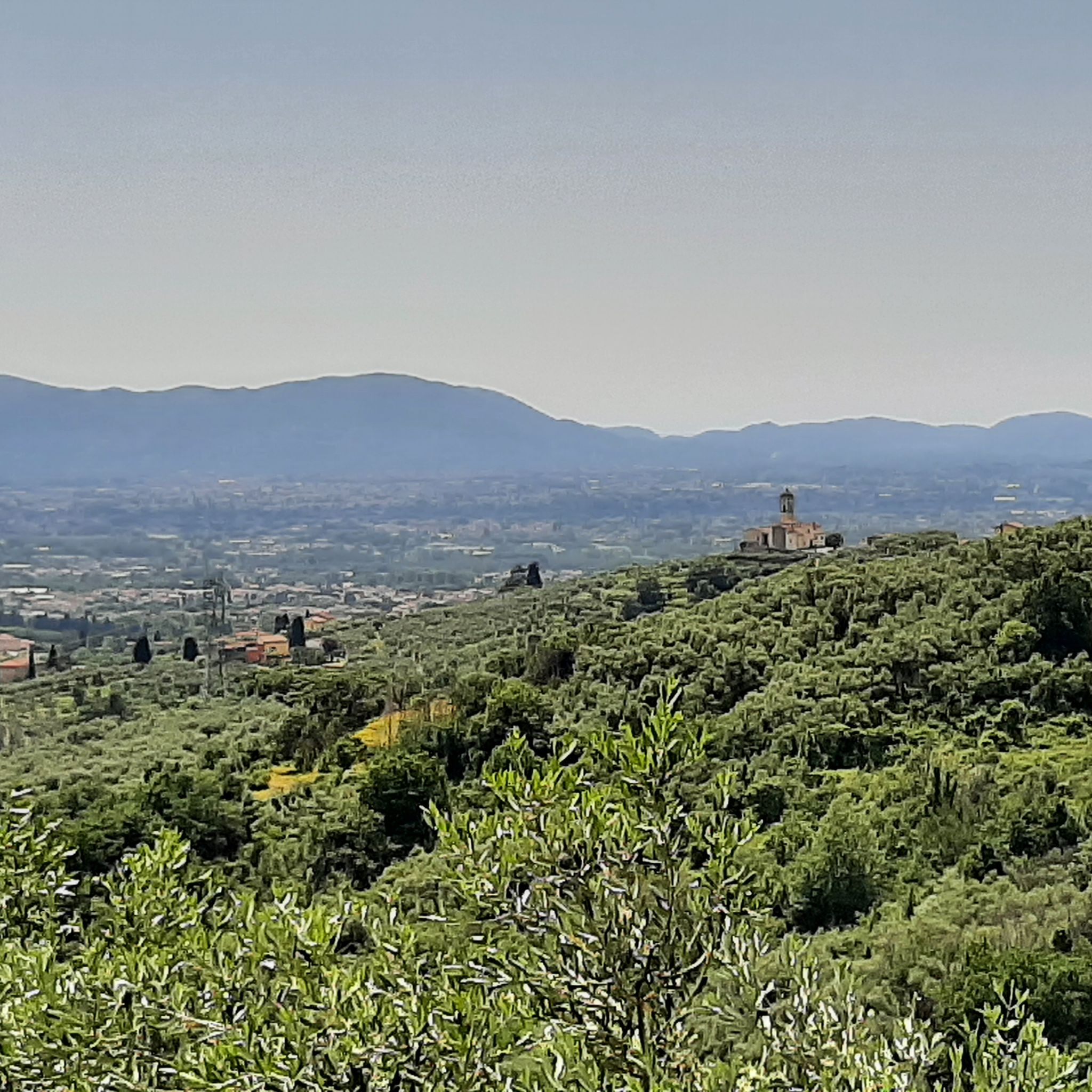
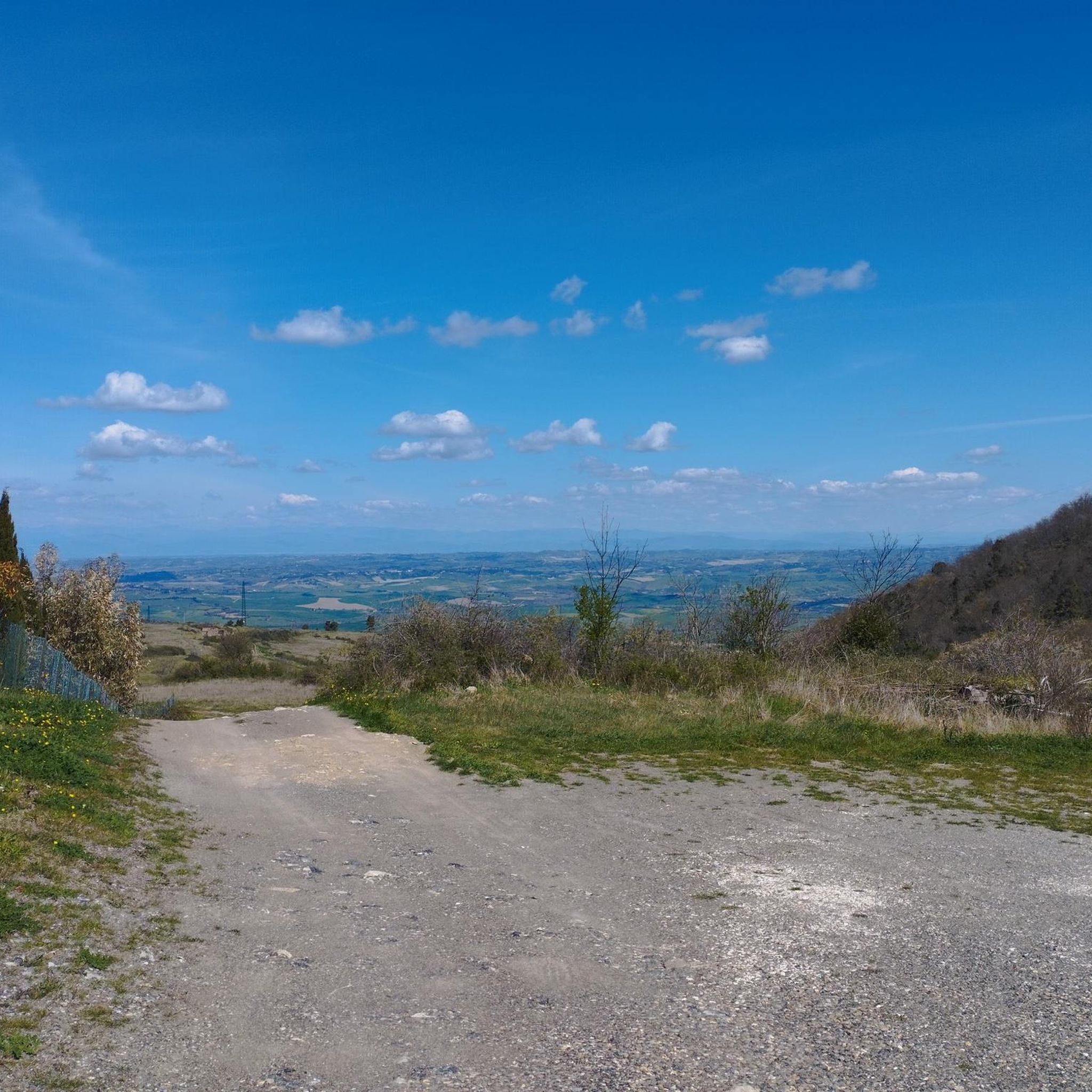
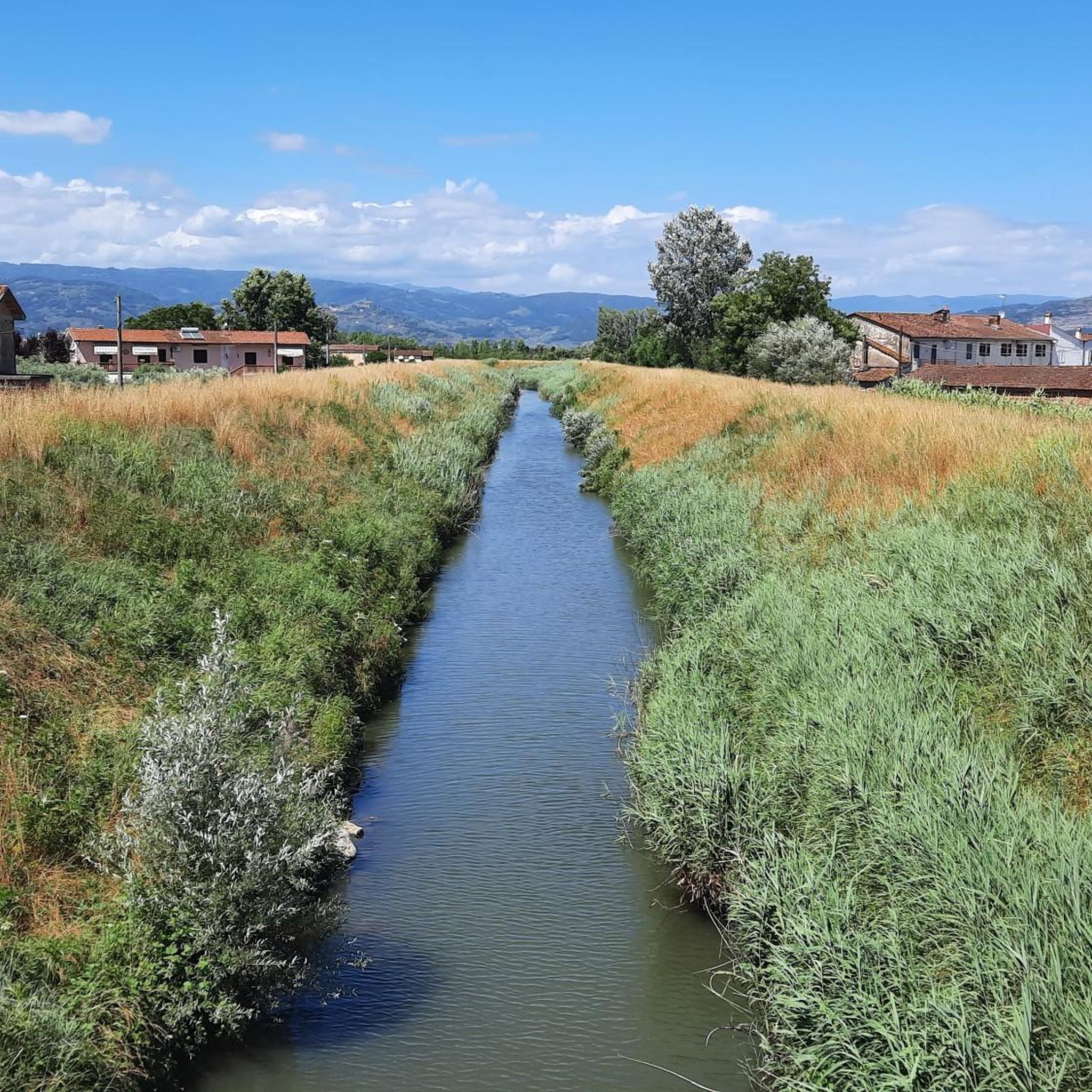
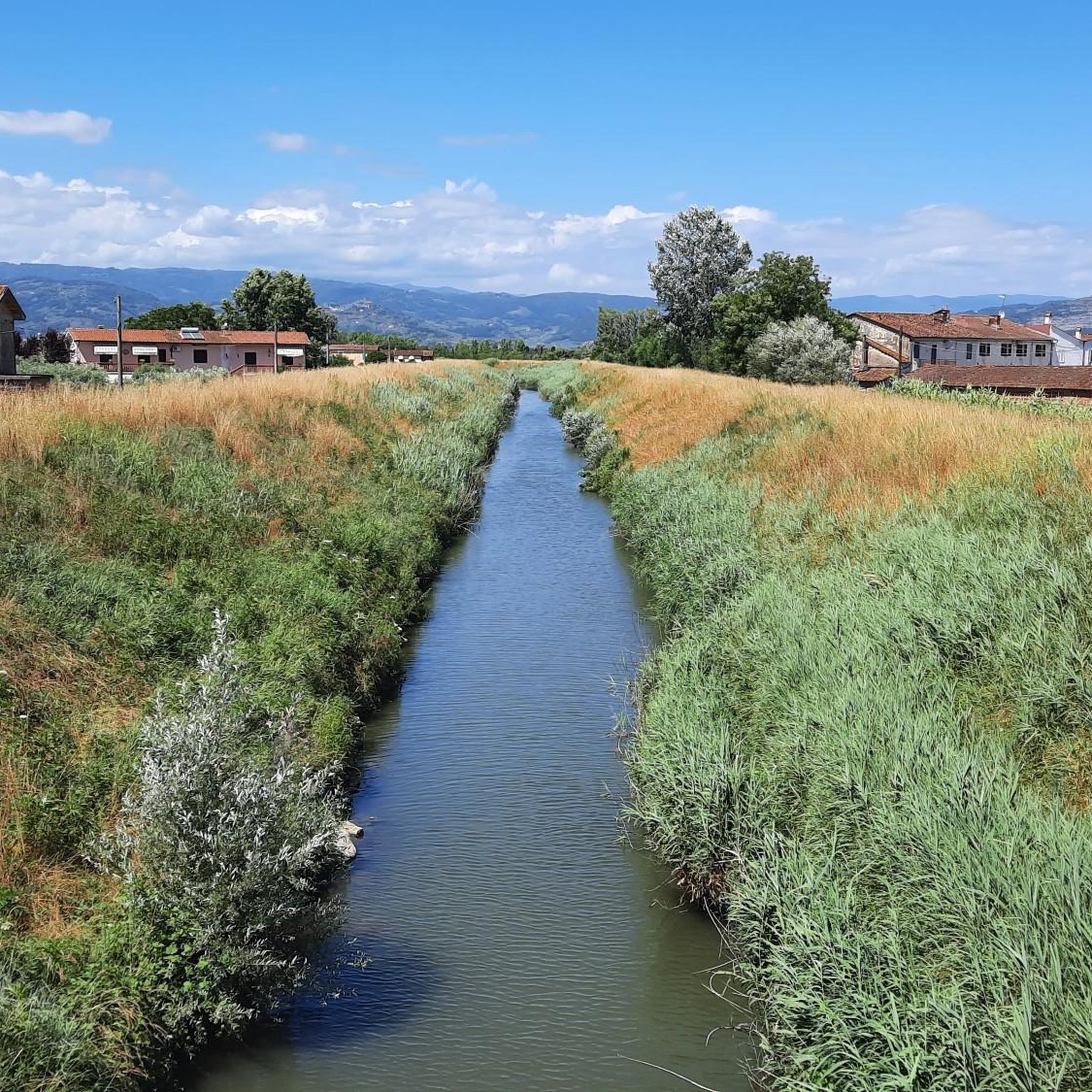
Touring cycling routes around Chiesina Uzzanese traverse the Valdinievole region, offering a mix of terrain from flat valley roads to rolling hills and low mountain stretches. The area is characterized by extensive olive groves, vineyards, and woodlands, providing varied scenery for cyclists. Routes often follow rivers like the Pescia and pass through the Padule di Fucecchio marshland, Italy's largest inland wetland. This diverse landscape includes both paved and unpaved sections, catering to different cycling preferences.
Best touring cycling routes around…
Last updated: October 18, 2026
4.7
(3)
91
riders
58.9km
04:13
1,080m
1,080m
Hard bike ride. Very good fitness required. Mostly paved surfaces. Suitable for all skill levels.
4.7
(16)
61
riders
54.4km
03:25
410m
410m
Moderate bike ride. Good fitness required. Mostly paved surfaces. Suitable for all skill levels.

5.0
(2)
31
riders
48.0km
04:00
1,040m
1,040m
Hard bike ride. Very good fitness required. You may need to push your bike for some segments of this route.
5.0
(3)
37
riders
39.3km
02:34
510m
510m
Hard bike ride. Very good fitness required. Mostly paved surfaces. Suitable for all skill levels.
17
riders
Easy bike ride. Great for any fitness level. Mostly paved surfaces. Suitable for all skill levels.
Get access to more routes and recommendations from other explorers.
Already have an account?
Our route recommendations are based on thousands of hikes, rides, and runs completed by other people on komoot.
Start today with a free account
Your next adventure awaits.
Tips from the Community

The Walls of Lucca are one of the most significant and best-preserved historical monuments in Europe, an imposing Renaissance ring of walls that has remained completely intact, entirely enclosing the historic center of the Tuscan city. Built between 1504 and 1648 primarily as a defensive deterrent, they were never used for warfare. In the early decades of the 19th century, by the will of Maria Luisa of Bourbon, they were converted into a splendid public promenade and elevated urban park.
1
0
The Duomo of Pescia, officially known as the Cathedral of Maria Santissima Assunta and San Giovanni Battista, is the main Catholic place of worship in the city of Pescia, in the province of Pistoia, and the seat of the local diocese. The existence of a church on this site has been attested since the year 857, but the building was rebuilt after a major fire in 1281. The current appearance dates back to 1684, the year of the total reconstruction based on the project of architect Antonio Maria Ferri following the collapse of the dome. It features a single wide nave with side chapels, sail vaults, and decorations in colorful marble
1
0

The historic center of Lucca is one of the best-preserved medieval hearts of Europe, enclosed entirely by a splendid, intact Renaissance city wall from the 16th-17th century. Known as the city of "100 churches" for its extraordinary density of religious buildings, the center is a large pedestrian area full of cobbled streets, soaring medieval towers, and unique squares.
2
0
The Walls of Lucca are one of the most famous historical monuments in Italy, known worldwide for being the only Renaissance city walls to have survived completely intact to this day. Built between 1504 and 1648 mainly to defend against the expansionist ambitions of Florence, they completely surround the historic center of the city. During the 19th century, by the will of Maria Luisa of Bourbon, the military fortification was transformed into an immense elevated public park and a charming tree-lined promenade.
3
0
The Walls of Lucca are one of the most famous historical monuments in Italy, known worldwide for being the only Renaissance city walls that have survived completely intact to this day. Built between 1504 and 1648 mainly to defend against the expansionist ambitions of Florence, they completely surround the historic center of the city. During the 19th century, by the will of Maria Luisa of Bourbon, the military fortification was transformed into an immense elevated public park and a charming tree-lined promenade.
1
0
The Walls of Lucca are one of the most famous historical monuments in Italy, known worldwide for being the only Renaissance city walls to have survived completely intact to this day. Built between 1504 and 1648 mainly to defend against the expansionist ambitions of Florence, they completely surround the historic center of the city. During the 19th century, by the will of Maria Luisa of Bourbon, the military fortification was transformed into an immense elevated public park and a charming tree-lined promenade.
2
0


Frequently Asked Questions
What kind of terrain can I expect on touring cycling routes around Chiesina Uzzanese?
The region offers a diverse mix of terrain, including flat valley roads, rolling hills, and low mountain stretches. You'll find both paved and unpaved sections, with routes traversing extensive olive groves, vineyards, and woodlands. Some paths also follow rivers and pass through the unique Padule di Fucecchio marshland.
Are there any easy touring cycling routes suitable for beginners or families?
Yes, there are 54 easy touring cycling routes around Chiesina Uzzanese. For a relatively gentle ride through shaded forests, consider the Forest Trail – Fountain of Piazza del Popolo loop from Montecarlo-San Salvatore, which is 17.4 miles (28.0 km) long.
What natural features and landmarks can I see along the cycling routes?
Cyclists can explore a variety of natural features and historical landmarks. Routes often pass through olive groves, vineyards, and woodlands. Notable natural sights include the unique Padule di Fucecchio marshland and The Witches' Oak. You might also encounter historical sites like the Medici Bridge at Ponte a Cappiano or the charming Cozzile Castle and the Clock Tower.
Are there any circular touring cycling routes in the area?
Many of the touring cycling routes around Chiesina Uzzanese are designed as loops, allowing you to start and finish at the same point. Examples include the challenging Cathedral of Pescia loop from Montecarlo-San Salvatore and the moderate Lago di Sibolla – The Witches' Oak loop from Montecarlo-San Salvatore.
What do other touring cyclists enjoy most about cycling in Chiesina Uzzanese?
The area is highly rated by the komoot community, with an average score of 4.4 stars from over 470 reviews. Cyclists frequently praise the varied terrain, from flat valley roads to rolling hills, and the picturesque scenery of olive groves, vineyards, and woodlands. The mix of paved and unpaved sections also offers diverse riding experiences.
When is the best time of year to go touring cycling in Chiesina Uzzanese?
The Valdinievole region, where Chiesina Uzzanese is located, is generally pleasant for cycling during spring and autumn when temperatures are milder. Summer can be warm, but routes through shaded forests offer some relief. Winter cycling is possible, though some higher elevation routes might be cooler.
Are there any challenging routes for experienced touring cyclists?
Yes, there are 145 difficult touring cycling routes in the area. For a significant challenge, consider the Cathedral of Pescia – Descent from Vellano loop from Montecarlo-San Salvatore, which covers 48.0 miles (77.3 km) with over 1000 meters of elevation gain.
Can I find places to eat or stay along the cycling routes?
The region is well-equipped for tourism. Many routes pass through or near charming medieval villages and towns like Montecatini Alto, Buggiano Castello, and Pescia, where you can find cafes, restaurants, and accommodations. The broader Tuscany region is known for its bike-friendly services.
Are there options for cycling with a dog in Chiesina Uzzanese?
While specific 'dog-friendly' routes are not explicitly designated, many country lanes and less-trafficked paths are suitable for cycling with a well-behaved dog on a leash or in a trailer. Always ensure your dog is comfortable with the distance and terrain, and carry enough water for both of you.
How many touring cycling routes are there in total around Chiesina Uzzanese?
There are over 330 touring cycling routes available around Chiesina Uzzanese, offering a wide range of distances and difficulty levels to explore the Valdinievole region.
What is the longest touring cycling route available?
One of the longer routes is the Cathedral of Pescia loop from Montecarlo-San Salvatore, which spans 36.6 miles (58.9 km) and features significant elevation gain through the Tuscan landscape.
Are there any routes that explore the unique marshland environment?
Yes, routes like the Lago di Sibolla – The Witches' Oak loop from Montecarlo-San Salvatore explore the unique natural environment around Lago di Sibolla and the nearby Padule di Fucecchio marshland, Italy's largest inland wetland.
Most popular routes around Chiesina Uzzanese
Most popular attractions around Chiesina Uzzanese

Get inspired with the komoot mobile app


Explore more
Browse the best Cycling routes in other regions.
