Attractions and Places To See around Pagnacco - Top 20
Best attractions and places to see around Pagnacco include a variety of historical sites and natural features. This village, located in the province of Udine, Italy, is situated at the foot of the Italian Prealps. The area is characterized by green landscapes and offers a tranquil setting for exploration. Visitors can discover cultural heritage through its historic architecture and local landmarks.
Best attractions and places to see around Pagnacco
- The most popular attractions is Liberty Square, Udine, a historical…
Last updated: October 9, 2026
Liberty Square, Udine
Highlight • Historical Site
Translated by Google •
Tip by

Church of San Michele Arcangelo (Vendoglio)
Highlight • Religious Site
Translated by Google •
Tip by

Sign up now to discover places like this
Get recommendations on the best single tracks, peaks, & plenty of other exciting outdoor places.
Passeggiata delle Rogge Cycle and Pedestrian Path
Highlight (Segment) • Cycleway
Translated by Google •
Tip by

Loggia of Lionello
Highlight • Historical Site
After various changes over the centuries, it …
Translated by Google •
Tip by

Udine Castle
Highlight • Castle
Translated by Google •
Tip by
Sign up for free to discover even more attractions around Pagnacco.
Already have an account?
Start today with a free account
Your next adventure awaits.

Tips from the Community

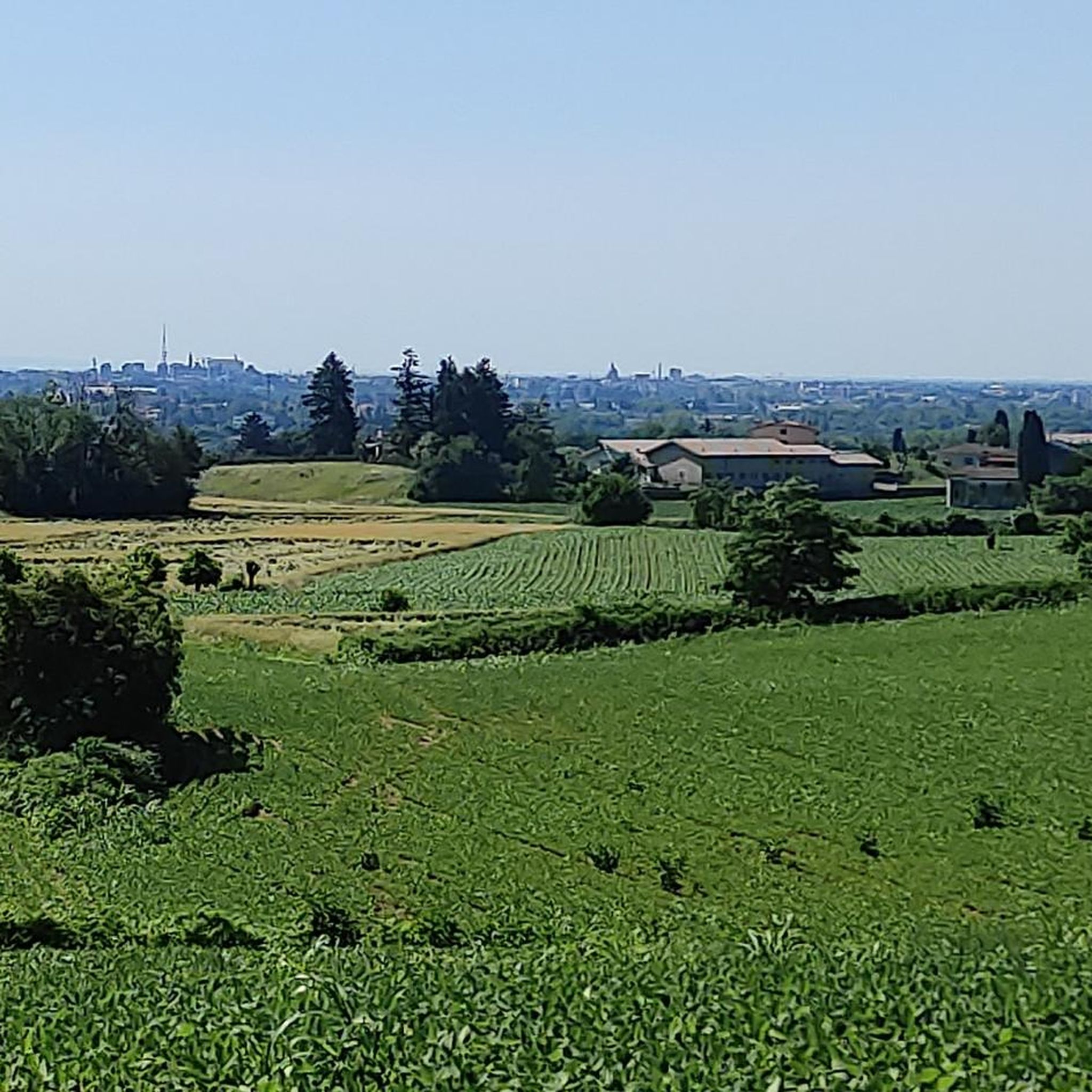
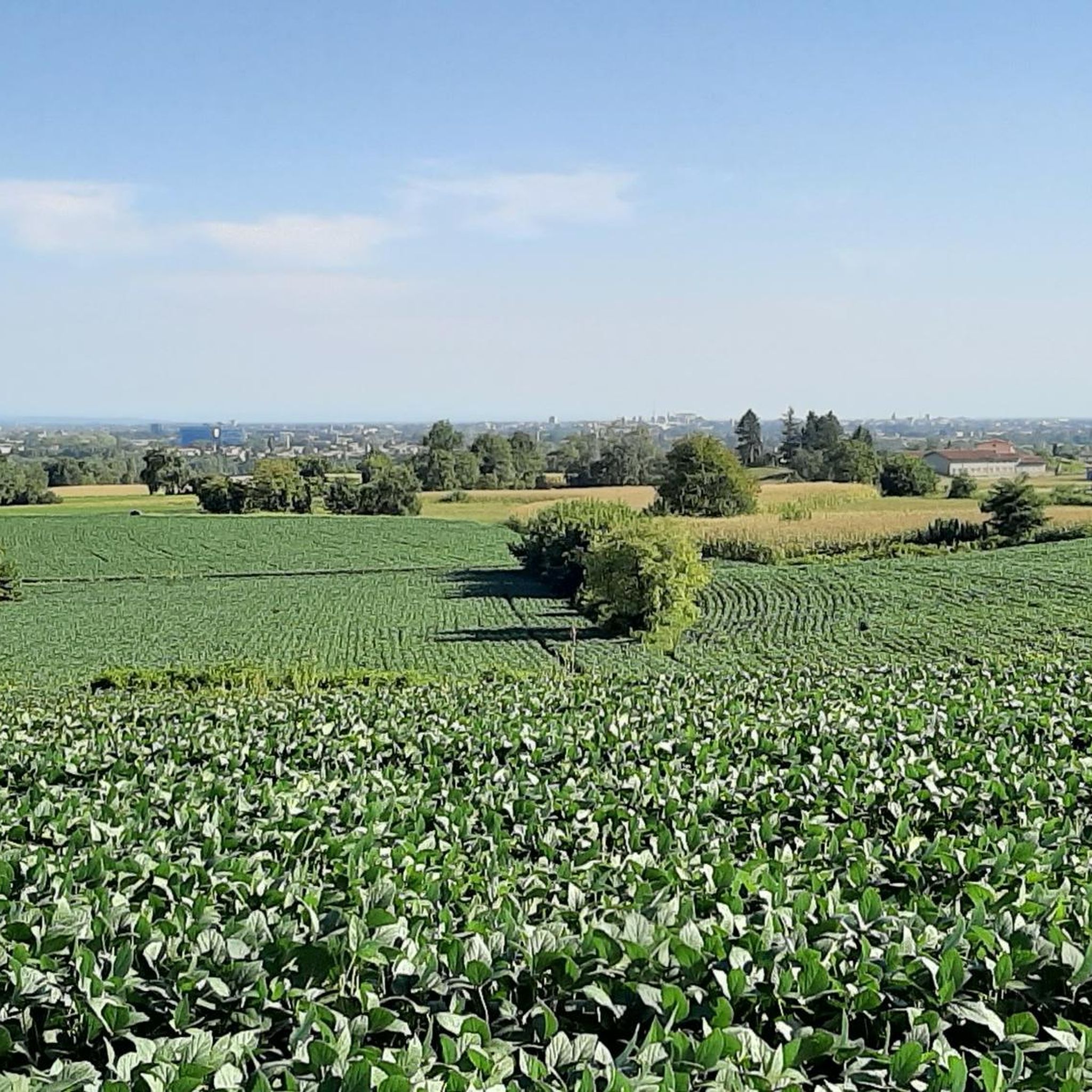
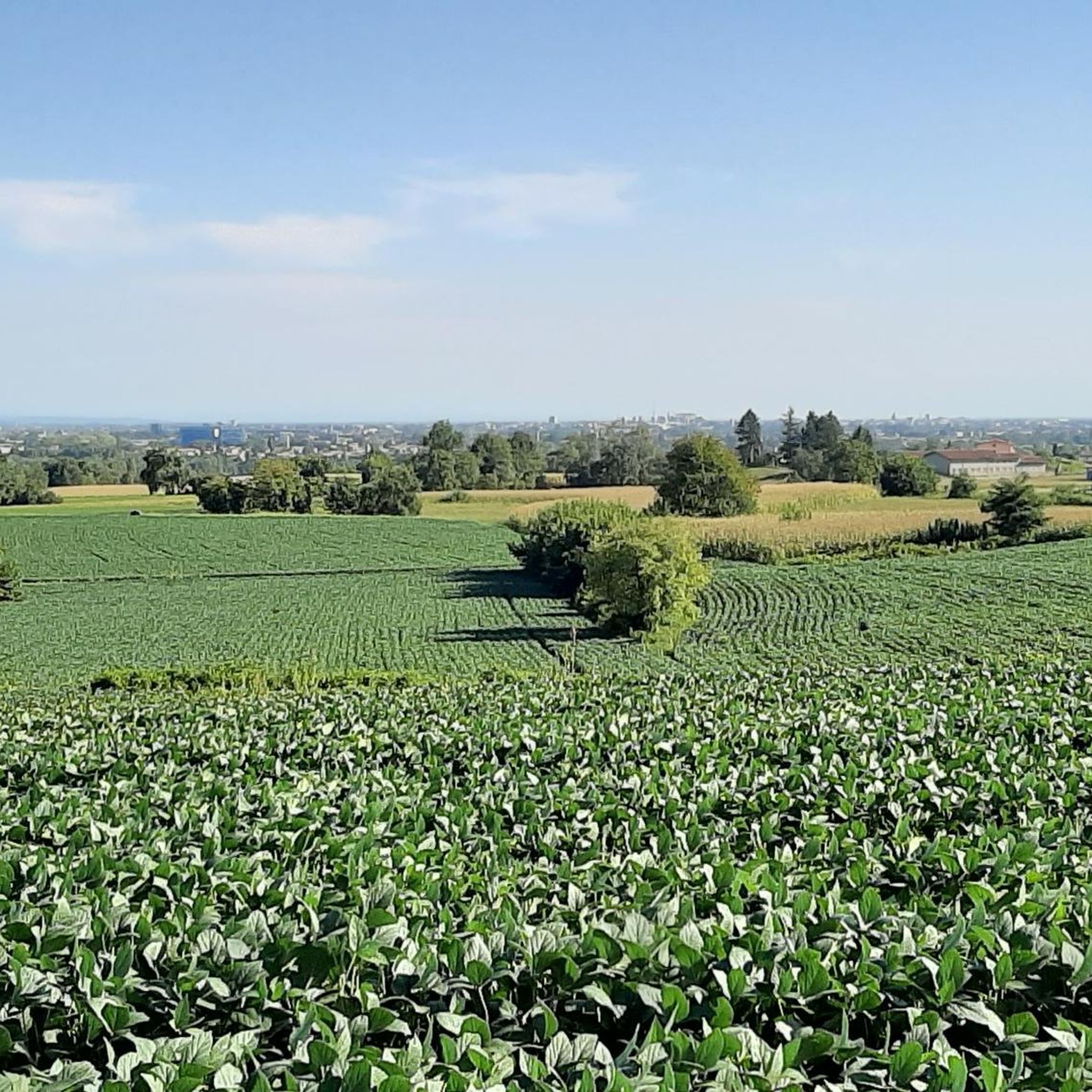
Splendid stretch of countryside between Tarcento and the outskirts of Udine, (almost) always along small streams and (almost) always in the shade, a salvation on these very hot days of summer 2026.
0
0

The castle grounds with the many viewpoints are free, the museums in the castle cost admission. Those who cannot manage the short but steep climb can use the free panoramic elevator.
3
0
One of the oldest and most significant historical buildings in the center. The history of this loggia dates back to 1441, when the decision was made to build a new town hall. Over the years, the building was repeatedly expanded and restored and rebuilt after several destructions. Fortunately, the beautiful Venetian style has always been preserved.
4
0

Udine Castle sits majestically atop a hill in the heart of the city and is a true symbol of Friuli's history and identity – perfect for your kind of cultural and historical exploration, Kai 🏰📚. 🏗️ Architecture & Origin Location: On an artificial mound dating back to the Bronze Age – the largest prehistoric mound in Europe. Constructed: After the 1511 earthquake that destroyed the old fortress of the Patriarch of Aquileia, reconstruction began in 1517 and lasted approximately 50 years. Architects: Giovanni da Udine, a student of Raphael, designed the facades and the magnificent Salone del Parlamento (Parliament Hall). 🖼️ Museum Use Today, the castle houses the Civic Museums of Udine, including: Gallery of Ancient Art: Works by Carpaccio, Tiepolo, and Caravaggio. Museum of the Risorgimento: History of Italian unification. Archaeological & Numismatic Museum: Finds from the region. Museum of Photography: With over 150,000 historical images. Library & Photo Archive: Over 30,000 books and 180,000 photographs. 🕰️ Historical Significance 983: First documented mention as a castrum under Emperor Otto II. Patriarchal Seat: Until Venetian rule in 1420. Parliament Hall: Center of political decision-making until the Napoleonic conquest in 1797. 🌄 Experience & View The hill offers a breathtaking view over Udine and the surrounding countryside – ideal for a panoramic break. Events such as concerts and theatrical performances are regularly held in the plaza.
2
0
The Loggia del Lionello is one of the most striking buildings in Udine – a Venetian-Gothic gem that combines history, architecture, and urban symbolism. Architecture & Origin Built: From 1448, based on a proposal by Nicolò Savorgnan to create a representative seat for the city council. Namesake: Nicolò Lionello, a goldsmith and city councilor who oversaw construction. Style: Venetian Gothic – with characteristic pointed arches, trifora, and a façade pattern of pink and white stone. Location: Directly on Piazza Libertà, opposite the Clock Tower and the Tempietto di San Giovanni – an ensemble that forms the centerpiece of Udine. Special Features Facade: Ten pointed arches on the ground floor, above which is a central loggia with a balcony and flanking trifora. Decoration: Coat of arms of the city of Udine and reliefs depicting religious scenes such as the Annunciation. Pentafora: On the north side – with finely crafted stone medallions and figures of the Evangelists. 🔥 Destruction & Reconstruction 1511 & 1876: Two devastating fires destroyed large parts of the loggia. Reconstruction: Reconstructed in the 19th century, closely adhering to the original Gothic form. 🕰️ Function & Significance Historically: Seat of the city council and symbol of local self-government.
1
0


The new parish church was built in 1909 according to plans by Don Angelo Noacco, parish priest of Cassacco, architect and author of numerous church projects in Friuli (including the Cathedral of Santo Stefano di Buja), and consecrated in 1938. Built in the Neo-Gothic style on an imposing base, the main façade of which is divided into two flights of stairs leading from the square to the churchyard, it features a striking façade with tower-shaped tabernacles, a porch, and a central rose window. Inside, three naves are divided by archivolt columns of red Verona marble. Thanner's frescoes, removed from the rear wall of the old parish church, were relocated to an arch in the left nave and appropriately restored.
1
0

The 16th-century castle now houses a museum and is easily accessible via a free elevator.
2
0
Frequently Asked Questions
What historical landmarks can I visit around Pagnacco?
The region around Pagnacco is rich in history. You can explore Liberty Square, Udine, known for its beautiful Venetian-style architecture and Renaissance buildings. Another significant site is Fagagna Castle, offering panoramic views from its elevated position. Within Pagnacco, the Rural Village of Fontanabona features a castle with a splendid garden, and the Church of San Michele Arcangelo (Vendoglio) is also a notable religious building.
Are there any unique cultural sites in Pagnacco itself?
Yes, Pagnacco offers a glimpse into its past through the Rural Village of Fontanabona, an easily accessible medieval village. Additionally, the Museum of Rural and Craft Work, located on the Zuc hill in Fontanabona, provides insights into the region's agricultural and artisanal heritage amidst a beautiful natural setting.
Where can I find scenic viewpoints or natural beauty spots near Pagnacco?
For scenic views, Fagagna Castle provides excellent panoramic vistas from its 233m high esplanade. Liberty Square, Udine also offers views towards the city's castle. The area itself, situated at the foot of the Italian Prealps, is characterized by green landscapes and a tranquil atmosphere, ideal for those seeking natural beauty.
What outdoor activities, like hiking or cycling, are available near Pagnacco's attractions?
Pagnacco is a great base for outdoor activities. You can find numerous options for cycling, such as the Passeggiata delle Rogge Cycle and Pedestrian Path, which offers a pleasant route along irrigation canals. For more routes, explore the Cycling around Pagnacco guide. Hikers can discover trails like the 'Scenic Gravel Path loop from Pagnacco' or 'Valle del Cormor loop from Castellerio' in the Hiking around Pagnacco guide.
Are there easy walking paths suitable for all skill levels?
Yes, the Passeggiata delle Rogge Cycle and Pedestrian Path is a pleasant and easy route suitable for walking along irrigation canals. Additionally, the Hiking around Pagnacco guide includes easy routes like the 'Valle del Cormor loop from Castellerio' and 'Scenic Gravel Path – View of the Fields loop from Pagnacco / Pagnà'.
Are there family-friendly attractions in the Pagnacco area?
Many attractions around Pagnacco are suitable for families. Liberty Square, Udine, the Passeggiata delle Rogge Cycle and Pedestrian Path, and the Historic Center of Tavagnacco are all considered family-friendly. The tranquil green landscapes also offer opportunities for relaxed family outings.
Can I bring my dog to attractions or trails around Pagnacco?
Many outdoor areas and some attractions in the region are dog-friendly. For instance, Liberty Square, Udine is noted as dog-friendly. When exploring trails, it's generally advisable to keep dogs on a leash and check specific regulations for each location.
When is the best time of year to visit Pagnacco and its attractions?
Pagnacco, with its green landscapes and outdoor activities, is particularly enjoyable during spring and autumn when the weather is mild and pleasant for exploring historical sites and trails. Summer also offers good conditions for outdoor pursuits, though it can be warmer. The region's connection to ancient agricultural practices and wine production suggests a vibrant atmosphere during harvest seasons.
How accessible are the attractions, and what are the parking options?
Many attractions, such as the Rural Village of Fontanabona, are easily accessible. For places like Fagagna Castle, you can often reach them via scenic routes, and parking is typically available in nearby towns or designated areas. For specific trails, parking information can often be found within the detailed route descriptions on Komoot.
What are some notable places to see beyond Pagnacco's immediate vicinity?
Beyond Pagnacco, you can visit the impressive Castle of Colloredo di Monte Albano, known as the 'castle of writers and storytellers.' The nearby town of Buja features a 'Place of Remembrance' dedicated to the victims of the 1976 earthquake, and the 13th-century Cathedral of Santo Stefano, rebuilt in Neo-Gothic style, houses valuable artworks.
What do visitors enjoy most about the attractions around Pagnacco?
Visitors particularly appreciate the blend of historical charm and natural beauty. The Passeggiata delle Rogge Cycle and Pedestrian Path is loved for its pleasant route along irrigation canals, where you can even spot families of ducklings. The panoramic views from Fagagna Castle and the historical significance of Liberty Square, Udine are also highly rated.
Are there opportunities for running trails near Pagnacco?
Yes, there are several running trails available. You can find routes like the 'Cormor Park loop from Pagnacco / Pagnà' or the 'Al Zuc loop from Pagnacco / Pagnà'. For a comprehensive list of options, refer to the Running Trails around Pagnacco guide.
Most popular routes around Pagnacco
Most popular attractions around Pagnacco

Get inspired with the komoot mobile app


Explore more
Still not found the Highlight you’re looking for? See guides of the top attractions in other regions:
