Top 20 Mountain Passes around Livigno
Best mountain passes around Livigno are situated in the Italian Alps, providing diverse routes and experiences. This region is characterized by high mountain passes that connect valleys and serve as crucial links between communities. The landscape features rugged peaks, alpine environments, and scenic routes. These passes offer access to both Italian and Swiss territories, showcasing varied natural features and historical significance.
Best mountain passes around Livigno
- The most popular mountain passes is Valle Alpisella Pass, a mountain pass that…
Last updated: October 13, 2026
Valle Alpisella Pass
Highlight • Mountain Pass
Translated by Google •
Tip by

Fraele Towers
Highlight • Monument
Translated by Google •
Tip by

Sign up now to discover places like this
Get recommendations on the best single tracks, peaks, & plenty of other exciting outdoor places.
Lago Bianco
Highlight • Lake
The Lago Bianco is a reservoir at the Bernina Pass and is located in the area of the municipalities of Pontresina and Poschiavo. …
Translated by Google •
Tip by

Ascent from Lake Livigno to Alpisella Pass
Highlight (Segment) • Mountain Pass
The first part of the climb is less steep than the second. I advise you …
Translated by Google •
Tip by

Passo del Forno
Highlight • Mountain Pass
Translated by Google •
Tip by
Sign up for free to discover even more mountain passes around Livigno.
Already have an account?
Start today with a free account
Your next adventure awaits.
Popular around Livigno
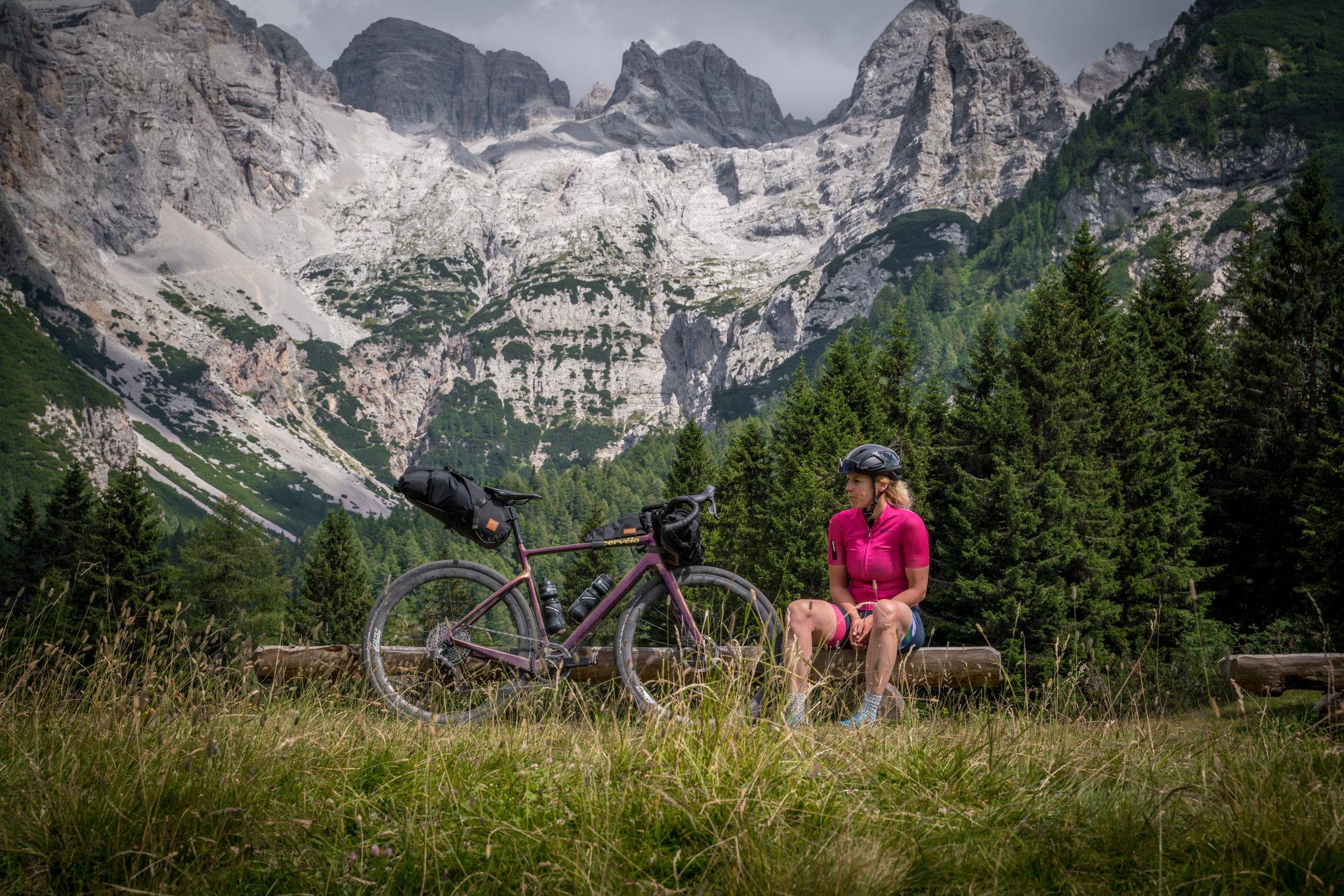
Graun to Riva del Garda — Gravelling across the Alps
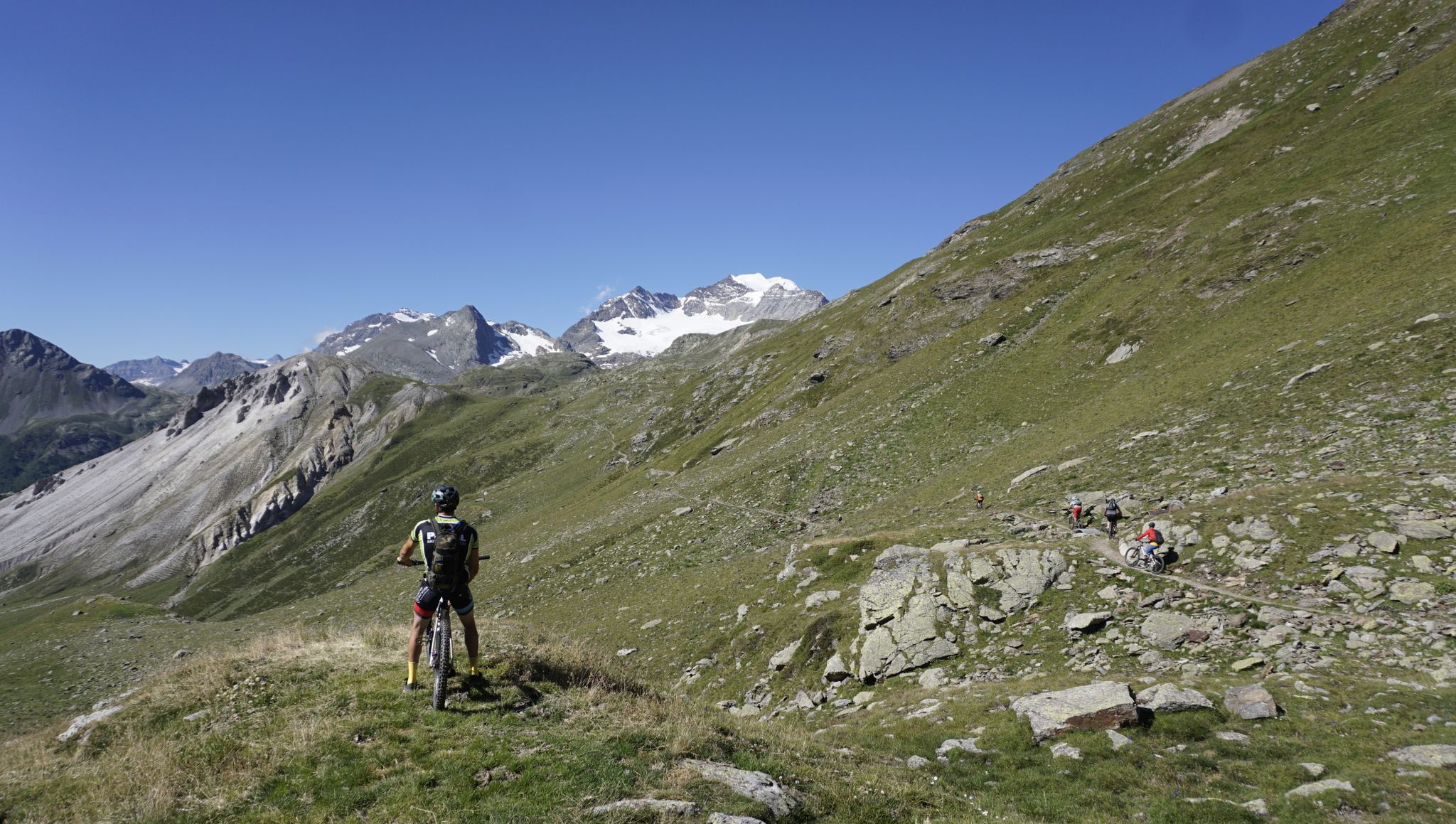
MTB Transalp Lake Como – From the Zugspitze to Lake Como
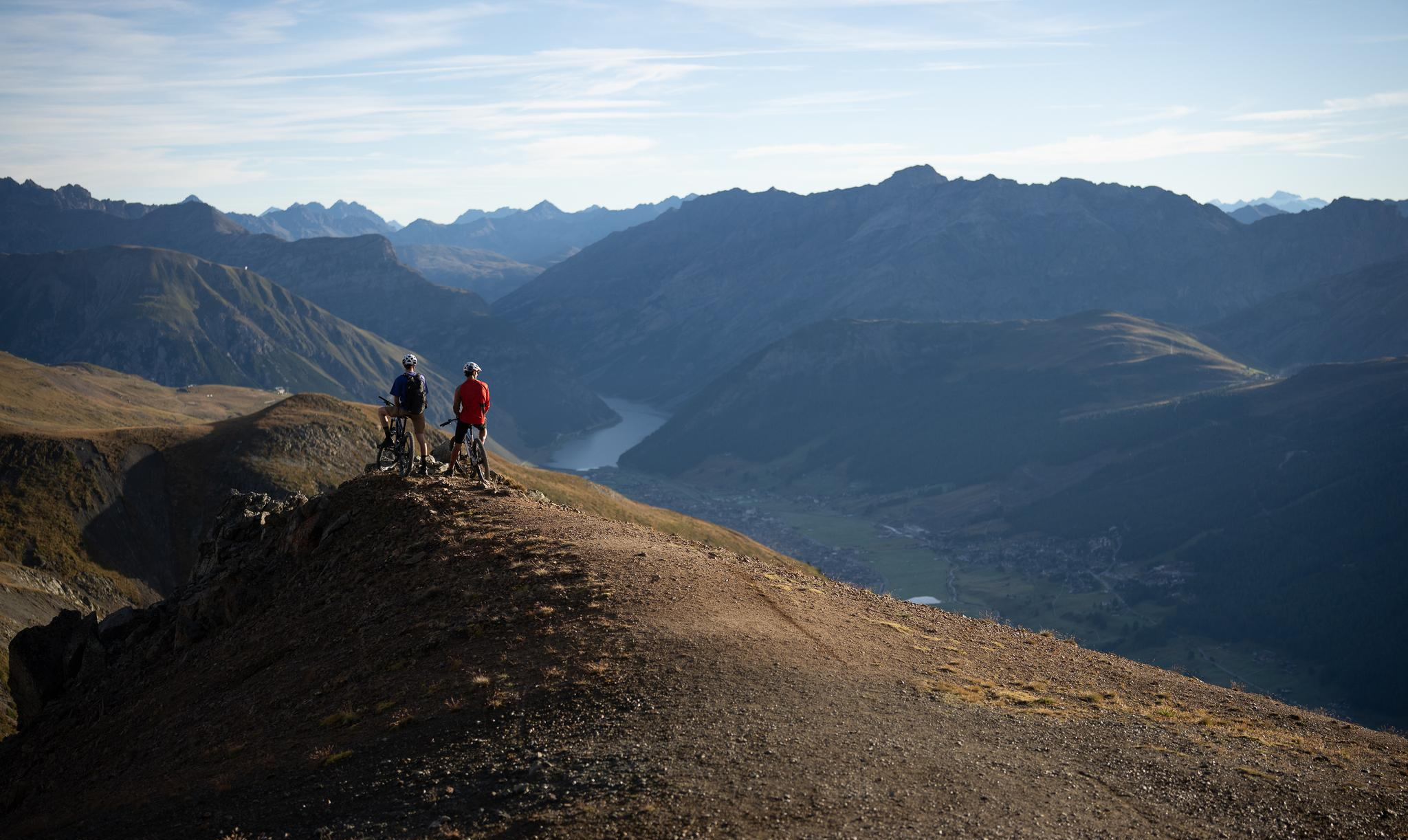
1816 Bike Zone Livigno – pedal in the heart of the Alps
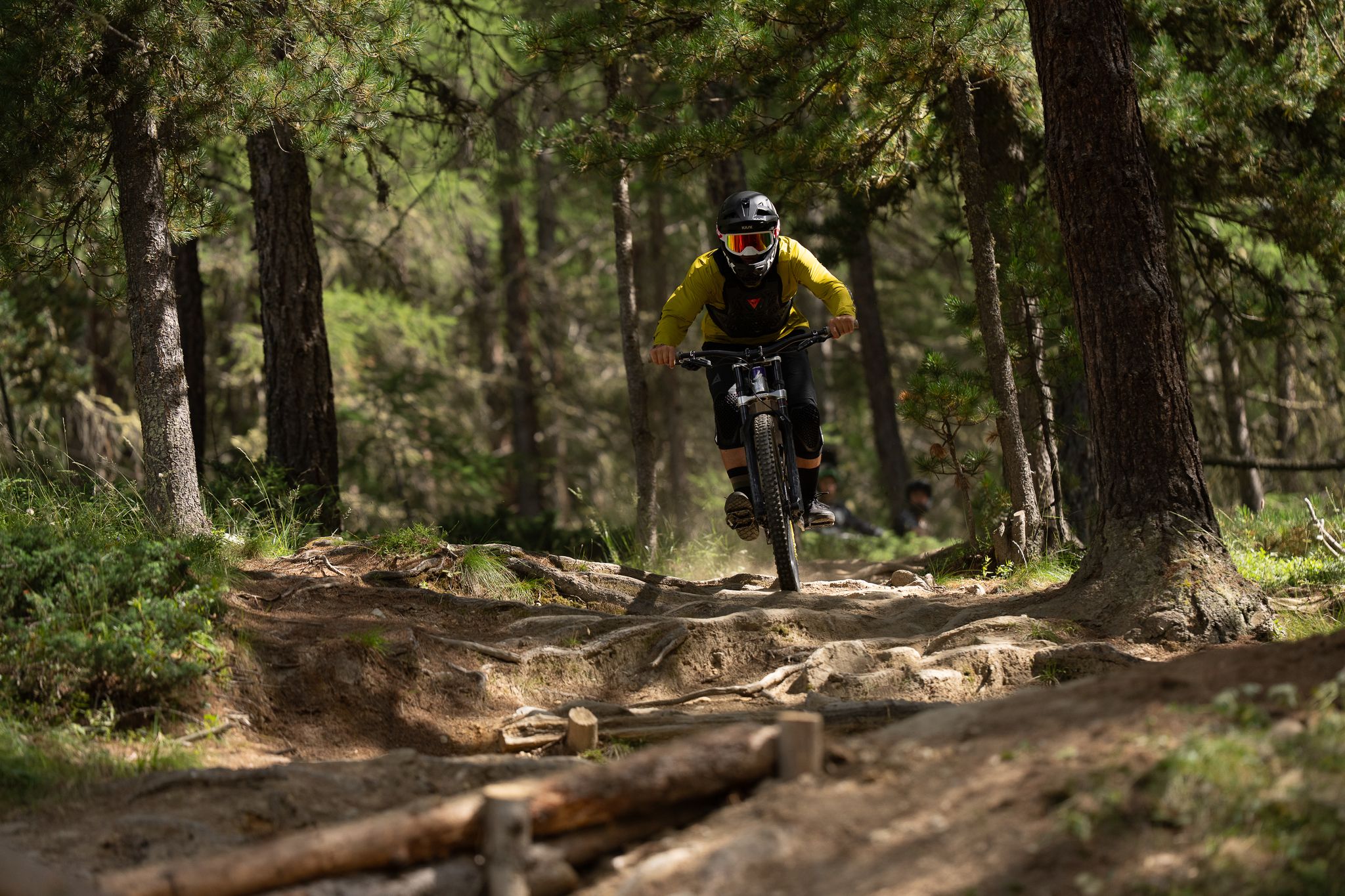
Gravity MTB in Livigno's 1816 Bike Zone: Downhill, Flow & Enduro
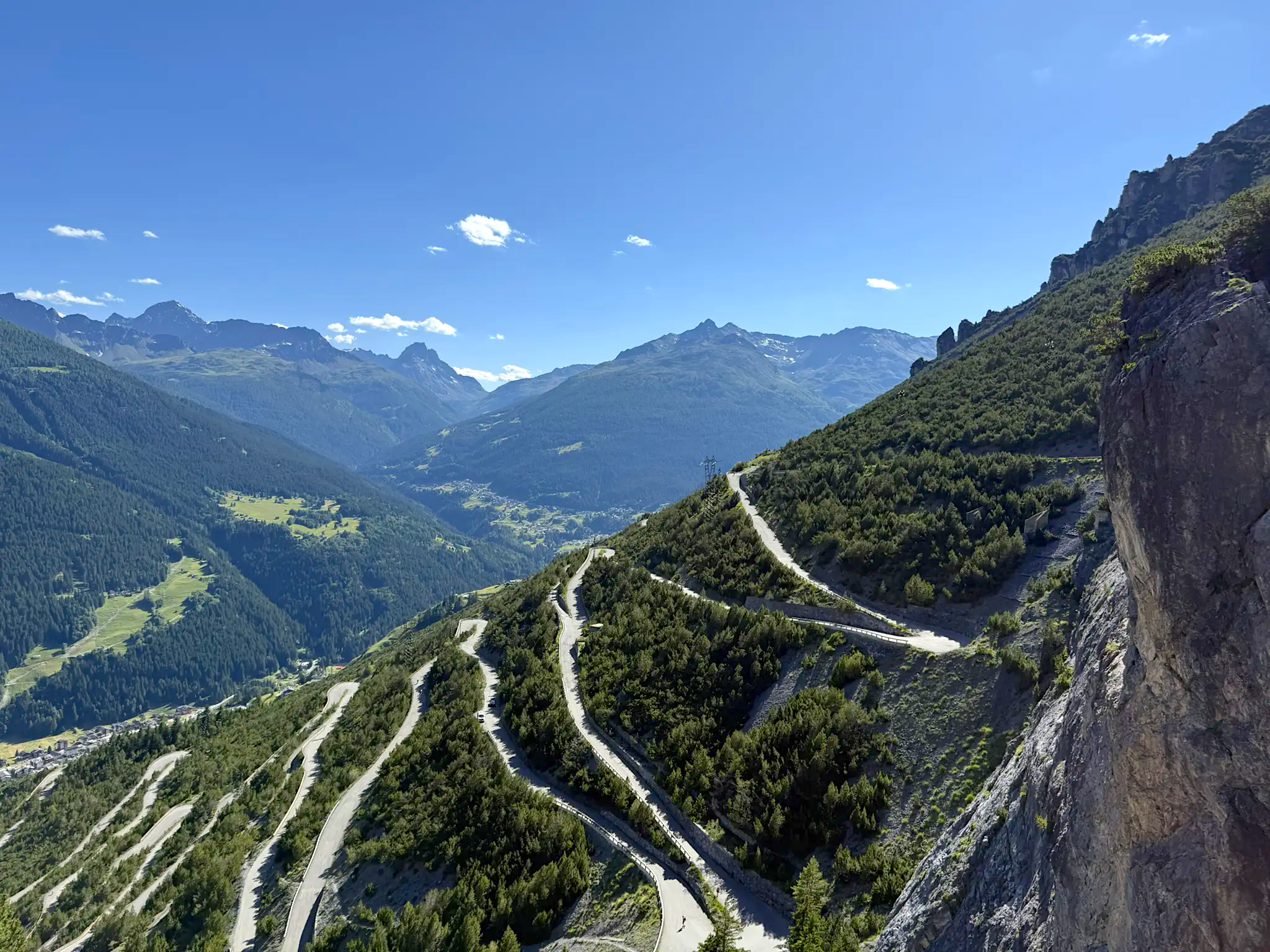
Stelvio Epic Rides – your unforgettable Bormio challenge
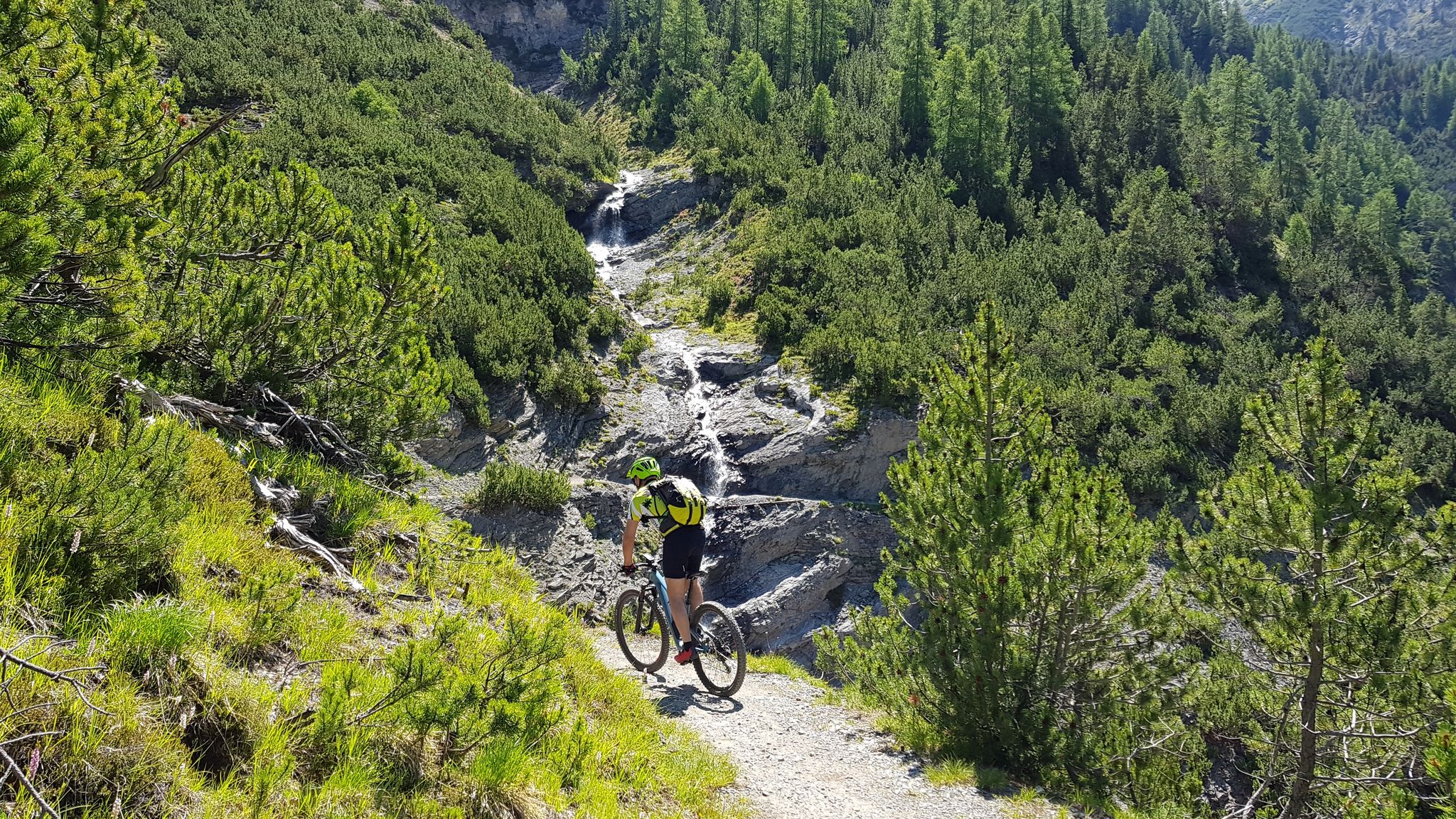
Swiss National Park by MTB – Nationalpark Bike-Marathon
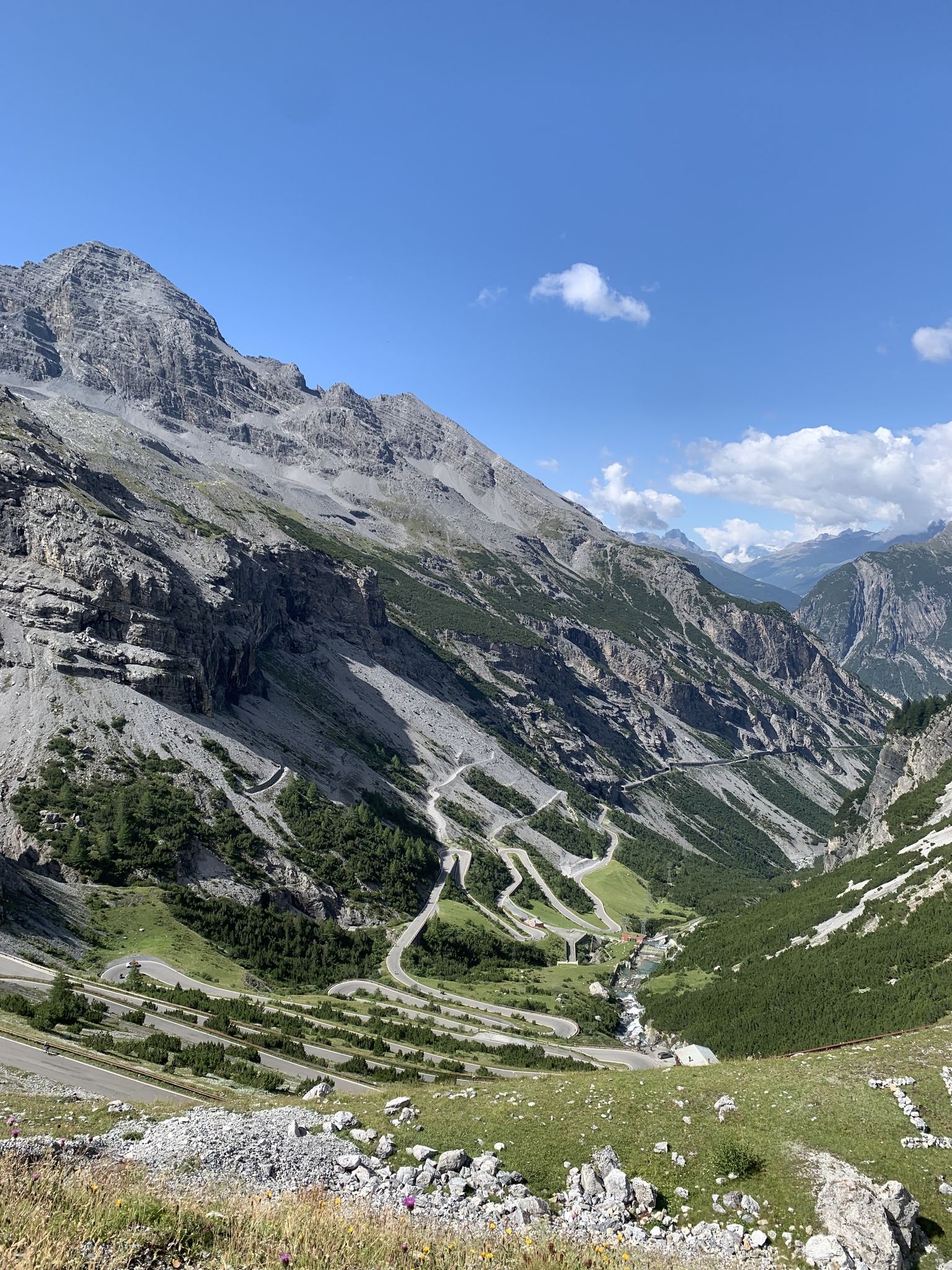
Transcontinental Race No9 2023
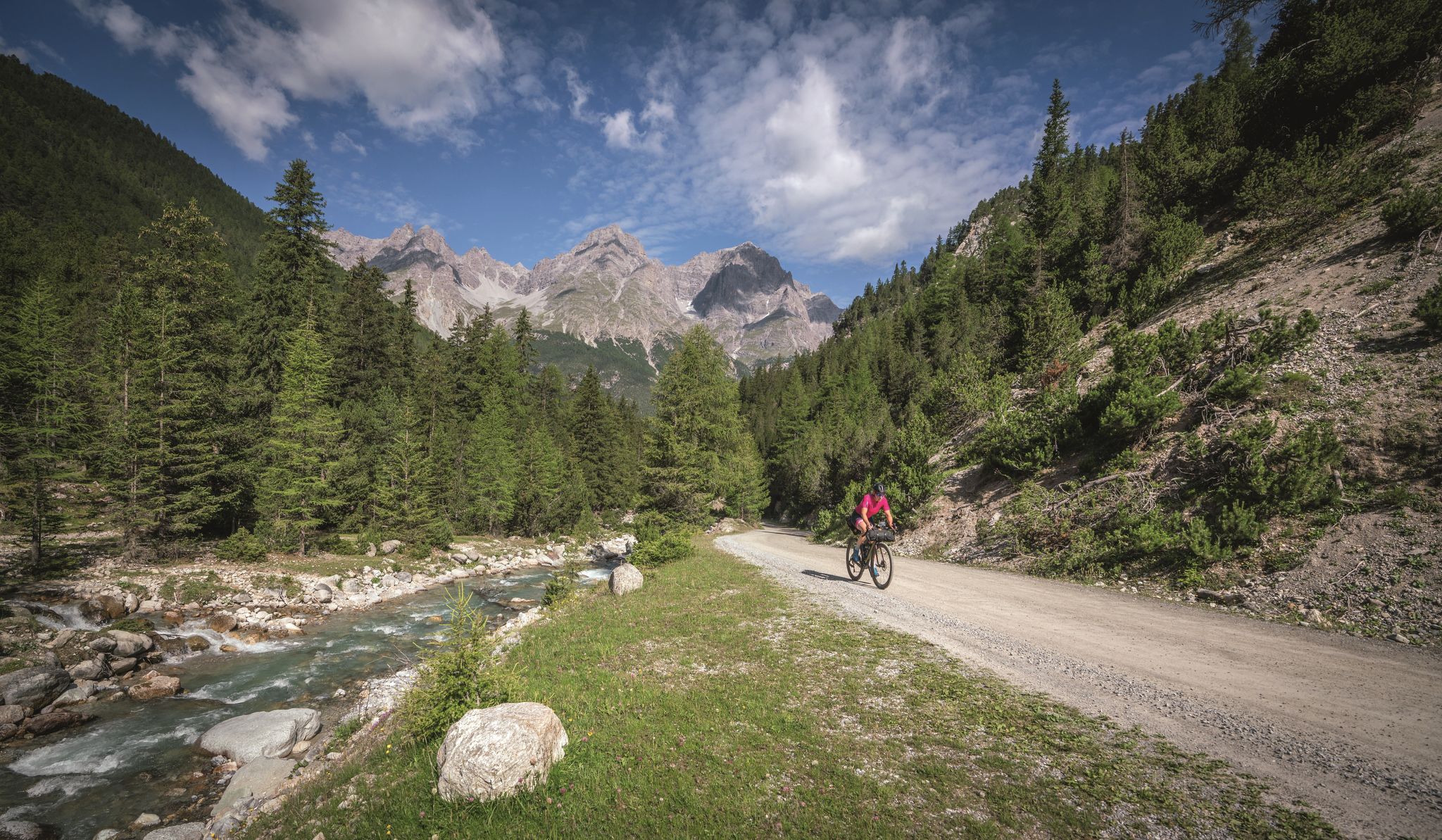
In 6 days from Reschen to Lake Garda - Gravel-Transalp with TOUR
Rough and tough – spectacular gravel loops in the Alps
gravELLE x komoot Women's Bikepacking Weekender – Marmot's Land
Other adventures around Livigno


Tips from the Community

Lago Bianco, Bernina Pass at 2234 meters The Lago Bianco is a reservoir at the Bernina Pass and is located in the area of the municipalities of Pontresina and Poschiavo. The lake is located directly at the pass at 2234 meters above sea level. The Lago Bianco is bordered by two dams on its north and south sides and is around three kilometers long and about 800m wide. When filled to its maximum, the depth of the Lago Bianco is over 50 meters. The reservoir on the Bernina Pass is fed by various mountain streams and glacier water, while the Cavagliasch in particular leaves the lake. The whitish, somewhat milky-looking Lago Bianco gets its name (in German "White Lake") from the inflow of sand and glacier water. The Bernina Hospice (Ospizio Bernina) is located on the western shore of Lago Bianco, and the Rhaetian Railway's train line - the Bernina Express - also runs directly along the shore. The Bernina Pass road is also located on the western side, but not directly on the lake shore. In cold winters, the lake can freeze over and in some years the beautiful black ice forms. When the reservoir is then opened by the authorities, nothing stands in the way of ice skating on Lago Bianco. Text / Source: Schweizersee.ch https://www.schweizersee.ch/lago_bianco_pontresina/
17
0

Place for a rest. If you want something cheap, you can go to the kiosk. Sausages and paninis.
2
0

It's going to be steep.
2
0

The towers of Fraele mark the border between Valdidentro and Val San Giacomo and are located between Monte delle Scale 2,520 meters and Cima Plator 2,910 meters.
5
0

lovely valley and fun trails
2
0

Fantastic area or pure nature, no traffic and no mobile phone reception. Great trails and great time.
5
0

Quiet walk in very nice environment
1
0

The Torri di Fraele are signal towers, placed to defend the pass of the same name in 1391. One of the towers is well preserved, and is a coveted stopping point at the top of one of the most iconic and tiring climbs in all of Valtellina. The towers cannot be visited but the panorama that opens before the eyes repays the effort.
3
1
Frequently Asked Questions
Which mountain passes around Livigno are accessible year-round?
The Passo Foscagno is notable for being kept open year-round, serving as a crucial link between the Valtellina valley and Livigno. Its strategic importance ensures continuous access, even in winter months. The Passo del Forno (Ofen Pass) in Switzerland is also generally open all year.
What unique features does the Forcola di Livigno offer?
The Forcola di Livigno is an international high mountain pass at 2,315 meters, directly on the border between Switzerland and Italy. It connects Livigno with the Bernina Pass, offering a distinctive cross-border journey with breathtaking views and winding roads. It's a popular route for travelers seeking adventure and scenic beauty, showcasing a blend of Swiss and Italian influences.
Are there historical sites near the mountain passes around Livigno?
Yes, you can find historical sites such as the Fraele Towers. These signal towers were built in 1391 at an elevation of 1,930 meters and mark the border between Valdidentro and Val San Giacomo, offering a glimpse into the region's past.
What natural features can I expect at Passo del Forno?
The Passo del Forno, also known as Ofen Pass, is situated within the Swiss National Park, which is part of the UNESCO Biosphere Reserve. This pass is characterized by great scenery and views, offering a mostly natural environment with diverse flora and fauna, making it ideal for nature lovers.
What makes Valle Alpisella Pass a good choice for nature lovers and cyclists?
The Valle Alpisella Pass is a fantastic area of pure nature with minimal traffic and excellent trails. The ascent from Lago di Livigno to the pass offers a rewarding experience for cyclists and hikers, providing stunning panoramic views and a classic alpine environment that helps to alleviate the fatigue of the climb. It's also the source of the Adda river.
Are there family-friendly options among Livigno's mountain passes?
Yes, Passo d'Eira provides breathtaking vistas of the Italian Alps and in summer, it's a starting point for hiking trails, some of which are easy enough for families, offering rewarding views. The nearby village of Trepalle is also considered one of Europe's highest permanently inhabited settlements.
What cycling routes are available near Livigno's mountain passes?
The region around Livigno offers diverse cycling routes. You can find challenging rides like the 'Passo del Foscagno and Passo della Forcola from Livigno' or the 'Bernina Pass – View of the Bernina Pass loop from Livigno'. For more options, explore the Road Cycling Routes around Livigno guide.
Are there hiking trails around the mountain passes near Livigno?
Absolutely. The area provides numerous hiking opportunities, including trails that lead to viewpoints like 'View of Lake Livigno from Crap de la Parè' or the 'Lakeside trail to Lago dell'Alpisella'. For a comprehensive list of trails, refer to the Hiking around Livigno guide.
What is the best time of year to visit the mountain passes around Livigno?
The best time to visit largely depends on your planned activities. For cycling and hiking, late spring to early autumn (typically June to October) offers the most favorable conditions, with passes like Forcola di Livigno usually open during this period. Winter provides opportunities for snow sports, with passes like Foscagno remaining open.
What do visitors enjoy most about the mountain passes around Livigno?
Visitors frequently praise the stunning panoramic views, the pure natural environment with minimal traffic, and the excellent trails for various activities. The challenging climbs and rewarding descents are particularly appreciated by cyclists, while the alpine context and historical significance add to the overall experience.
Can I find viewpoints with scenic panoramas near Livigno's passes?
Yes, many passes offer exceptional viewpoints. For instance, the Ascent from Lago di Livigno to Passo Alpisella provides a wonderful panorama and alpine context. The Passo d'Eira also offers breathtaking vistas of the Italian Alps, ideal for photography.
Are there any unique geographical features among these passes?
Passo Foscagno is notable for marking the drainage divide between the Adriatic Sea and the Black Sea basins. Additionally, the Lago Bianco near Bernina Pass is a watershed where water flows into both the Black Sea and the Adriatic Sea, and its milky color comes from glacial meltwater.
Most popular routes around Livigno
Most popular attractions around Livigno

Get inspired with the komoot mobile app


Explore more
See even more epic mountain passes by checking out these guides around Livigno:
