Top 4 Castles around Lodi Vecchio
Best castles around Lodi Vecchio include historical sites and medieval fortifications. Lodi Vecchio, once the ancient Roman city of Laus Pompeia, holds archaeological significance, though the traditional castles are primarily found in the nearby city of Lodi and surrounding areas. The region features structures that evolved from medieval fortresses to noble residences, reflecting centuries of architectural and historical changes. These sites offer insights into the area's past as a strategic location.
Best castles around Lodi Vecchio
- The most popular castles…
Last updated: August 11, 2026
Rocca Brivio
Highlight • Historical Site
Translated by Google •
Tip by

Bolognini Castle of Sant'Angelo Lodigiano
Highlight • Castle
Translated by Google •
Tip by

Sign up now to discover places like this
Get recommendations on the best single tracks, peaks, & plenty of other exciting outdoor places.
Sign up for free
Melegnano Castle
Highlight • Castle
Since the sixteenth century the history of …
Translated by Google •
Tip by

Torrione of Lodi
Highlight • Castle
Translated by Google •
Tip by

Tower of the Visconti Castle in Lodi
Highlight • Castle
Piazzale Matteotti, 26900 Lodi LO
Translated by Google •
Tip by

Start today with a free account
Your next adventure awaits.
Login or Signup

Tips from the Community

The Torrione of Lodi is a 15th-century historical defensive structure, an integral part of the Castello di Lodi (Visconteo Castle), commissioned by Francesco Sforza. It represents one of the main testimonies of the Renaissance fortifications of the Lombard city, located in the historical context of the city.
1
0

The square in front of the castle is nice and you can have a good gelato or sweets there.
0
0

A piece of history of Lodi and its ancient walls
0
0

The Bolognini Castle of Sant'Angelo Lodigiano boasts three magnificent museums: the Bolognini museum, the bread museum and the agricultural history museum.
1
0

This monumental complex was born as a defensive bulwark. Towards the end of 1300, it lost its military function to become a manor house within the land purchased by the Brivios, nobles of Germanic origin whose wealth came from agricultural activities. The name of Rocca derives from the fact that originally the building was one of the defensive bulwarks erected along the Milan - Lodi road in the early Middle Ages, at the time of the wars that pitted the Municipality of Milan against the Municipality of Lodi. The current building was built in 1600 by the Brivio marquises on the ruins of the pre-existing castle. It was at the center of important war episodes, such as the Battle of Marignano in 1515 and in 1859, when on 8 June Napoleon III and Vittorio Emanuele II entered Milan victorious, defeating the Austrians. From an architectural point of view it is a baroque palace built with a rather elaborate scheme: the north-west part houses a noble chapel, rich in typically seventeenth-century stucco and gilding. The entrance has a large portal with a beautifully crafted wrought iron gate, the work of a craftsman from Melegnano from the 1700s, rich in scrolls and arabesques. Since 1996 it has been public property and hosts painting exhibitions, classical music concerts and conferences of national importance in its halls with frescoed ceilings and large fireplaces.
1
0

Lodi city centre, running there is still a pleasure given the various cycle connections.
1
0

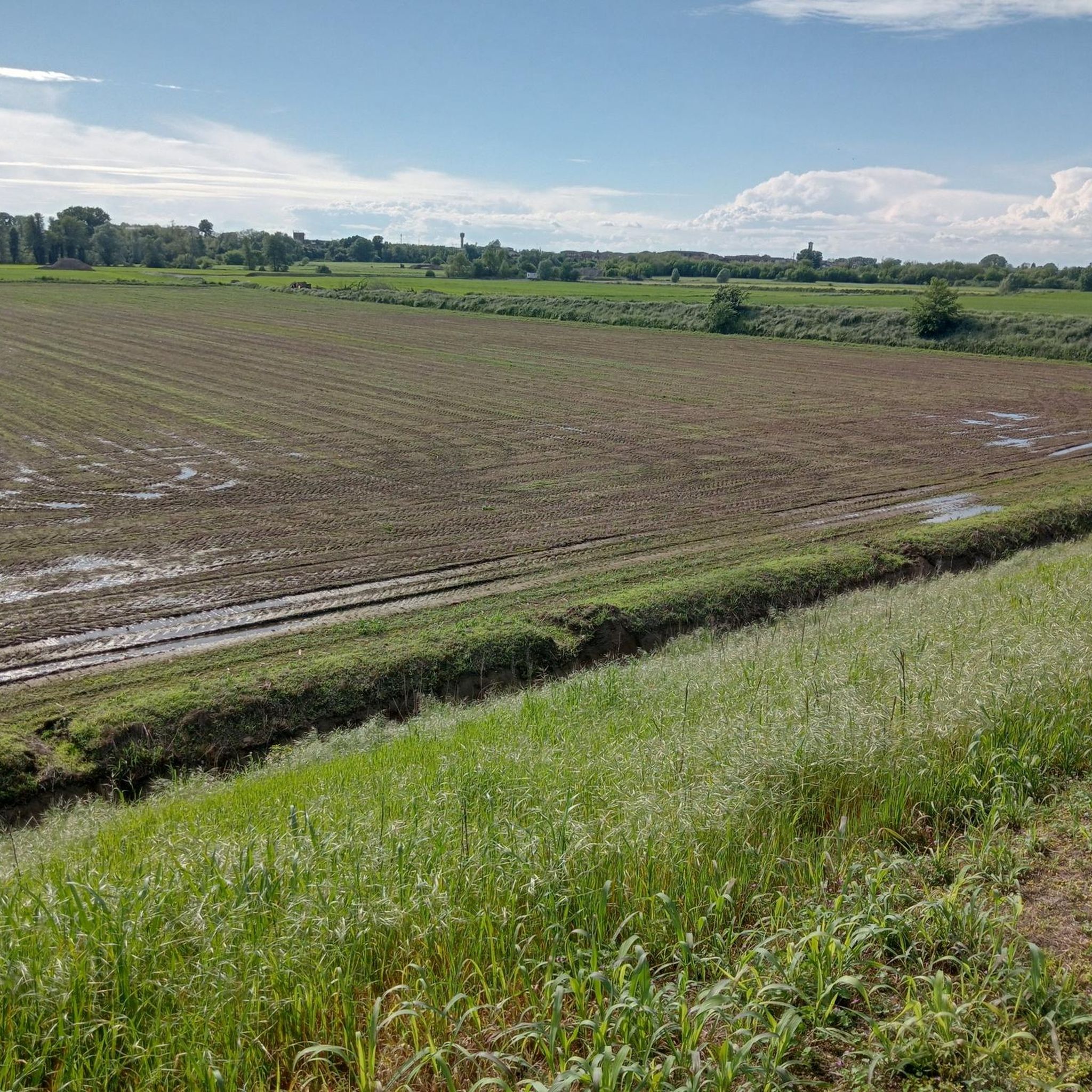
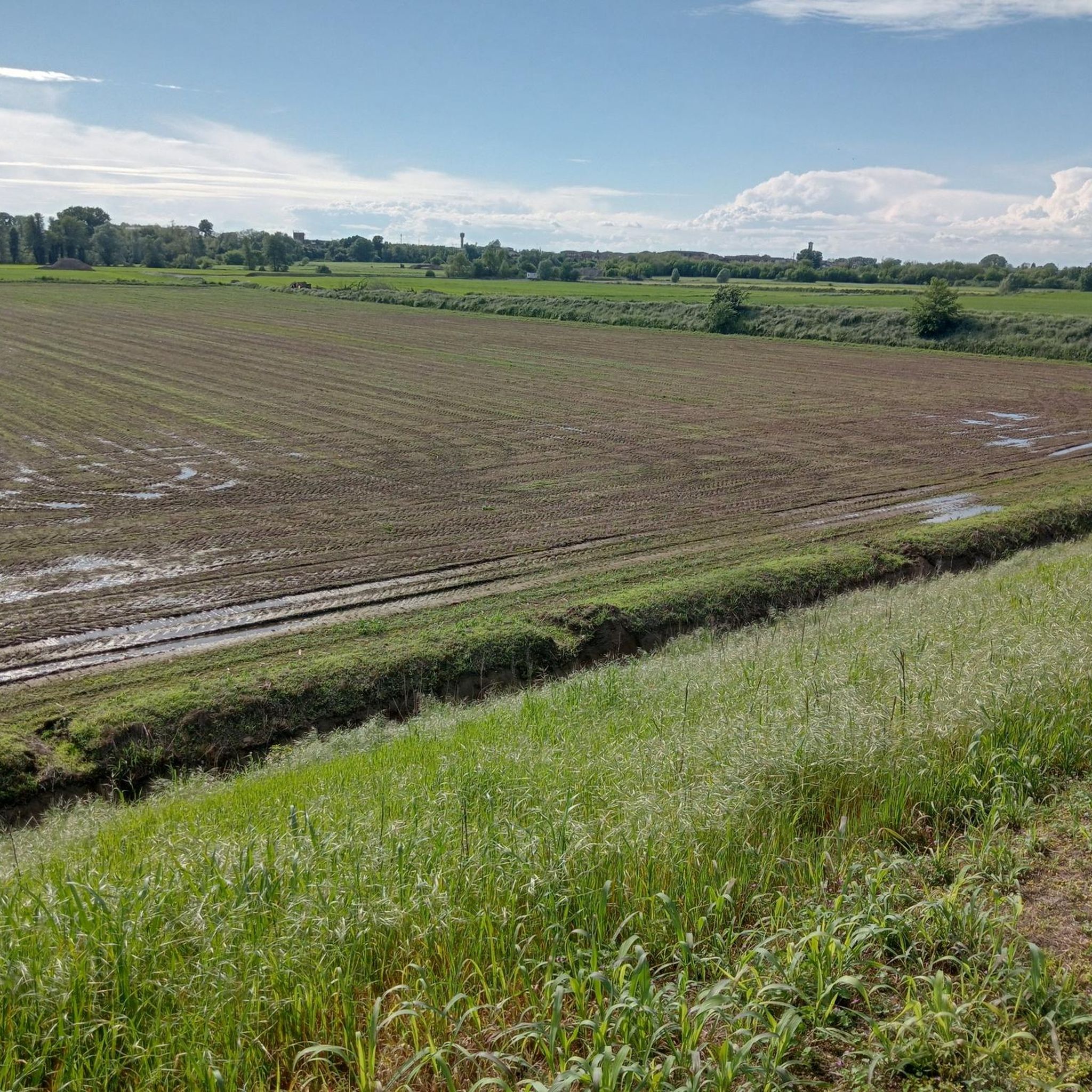
Sixteenth-century fortress immersed in the countryside between San Giuliano and Melegnano. It can be reached either by taking a pleasant dirt road through the fields or by a more comfortable asphalt road. It is not always open so don't be disappointed if the gate is closed
1
0

Castle of Sant'Angelo Lodigiano. Built in the 13th century by Angelo Lodigiano as a military garrison for the Signoria of Milan.
1
0
Frequently Asked Questions
What historical castles can I visit in the Lodi Vecchio area?
While Lodi Vecchio itself is primarily an archaeological site, the broader Lodi area features several historical castles. You can visit Rocca Brivio, a period residence near the Lambro river, or the Bolognini Castle of Sant'Angelo Lodigiano, a medieval complex housing several museums. The Medici Castle in Melegnano is also accessible via cycling routes.
Are there any family-friendly castles to visit near Lodi Vecchio?
Yes, several castles in the area are considered family-friendly. The Bolognini Castle of Sant'Angelo Lodigiano offers multiple museums, including a bread museum and an agricultural history museum, which can be engaging for families. Rocca Brivio and the Medici Castle are also suitable for family visits.
What kind of historical significance do the castles in the Lodi area hold?
The castles in the Lodi area reflect centuries of architectural and historical changes, from medieval fortresses to noble residences. For instance, the Visconti Castle in Lodi, though not publicly accessible, was initially built by Emperor Frederick Barbarossa in the 12th century and later expanded by the powerful Visconti family. These structures highlight the region's past as a strategic location, often involved in conflicts with Milan.
Can I explore the Visconti Castle in Lodi?
The Visconti Castle in Lodi is a prominent historical example, but it currently serves as the seat of the local police headquarters (Questura). Therefore, it is generally not open for public visitation. However, its imposing structure and historical importance make it a notable landmark in the city of Lodi.
What outdoor activities are available near the castles around Lodi Vecchio?
The area around Lodi Vecchio offers various outdoor activities. You can find numerous road cycling routes, gravel biking trails, and hiking paths. For example, there are hiking routes like the 'Melegnano Castle – Medici Castle loop' and the 'Federico Barbarossa Gardens loop'. You can explore more options for road cycling, gravel biking, and hiking in the region.
Are there specific hiking routes that pass by or near these castles?
Yes, for hikers, there are routes such as the 'Melegnano Castle – Medici Castle loop' which takes you through the center of Melegnano, near the Medici Castle. You can find more hiking options in the hiking guide for Lodi Vecchio.
What is the best time to visit the castles around Lodi Vecchio?
The best time to visit the castles and enjoy outdoor activities in the Lodi area is generally during spring (April-June) and autumn (September-October) when the weather is mild and pleasant. Summers can be hot, and some castles might have limited winter hours.
What are the parking and public transport options for visiting castles in the Lodi area?
For castles like the Visconti Castle in Lodi, parking might be available in nearby city parking lots. Public transport connections to Lodi are generally good, with train and bus services. For castles located in smaller towns or rural areas, public transport might be less frequent, and driving could be more convenient. It's advisable to check specific transport links for each castle you plan to visit.
Are there any museums within the castles near Lodi Vecchio?
Yes, the Bolognini Castle of Sant'Angelo Lodigiano is a medieval complex that includes several museums: the Bolognini museum, the bread museum, and the agricultural history museum, offering a rich cultural experience.
What do visitors enjoy most about the castles around Lodi Vecchio?
Visitors appreciate the historical depth and architectural beauty of the castles. Many enjoy the opportunity to explore medieval complexes and period residences like Rocca Brivio, often situated in scenic countryside. The presence of museums within castles, such as at Bolognini Castle, also adds to the appeal, providing insights into local history and culture.
Are there any dog-friendly trails or areas near the castles?
While specific dog-friendly policies for each castle vary, many of the outdoor trails and natural areas around Lodi Vecchio are suitable for walks with dogs. When visiting castle grounds, it's best to check individual rules regarding pets, but the surrounding countryside and many hiking paths are generally welcoming to leashed dogs. You can find various hiking routes that might be suitable.
Where can I find cafes, restaurants, or accommodation near these castles?
The city of Lodi offers a good selection of cafes, restaurants, and accommodation options. For castles located in smaller towns like Sant'Angelo Lodigiano (home to Bolognini Castle) or Melegnano (near Medici Castle), you will find local eateries and some guesthouses. For Rocca Brivio, which is more rural, you might need to venture into nearby towns for more options.
Most popular routes around Lodi Vecchio
Most popular attractions around Lodi Vecchio

Get inspired with the komoot mobile app


Explore more
Looking for the best castles somewhere else? Discover other guides around Lodi Vecchio:
