Attractions and Places To See around Massalengo - Top 20
Best attractions and places to see around Massalengo include a mix of historical sites and cultural landmarks. This small comune in the Province of Lodi, Italy, is known for its tranquil environment and agricultural landscapes. It serves as a base for exploring the rich heritage and scenic beauty of the wider Lombardy region.
Best attractions and places to see around Massalengo
- The most popular attractions is Victory Square, Lodi, a historical site that is the most important square in…
Last updated: October 9, 2026
Victory Square, Lodi
Highlight • Historical Site
Translated by Google •
Tip by

Lodi Cathedral
Highlight • Religious Site
Translated by Google •
Tip by

Sign up now to discover places like this
Get recommendations on the best single tracks, peaks, & plenty of other exciting outdoor places.
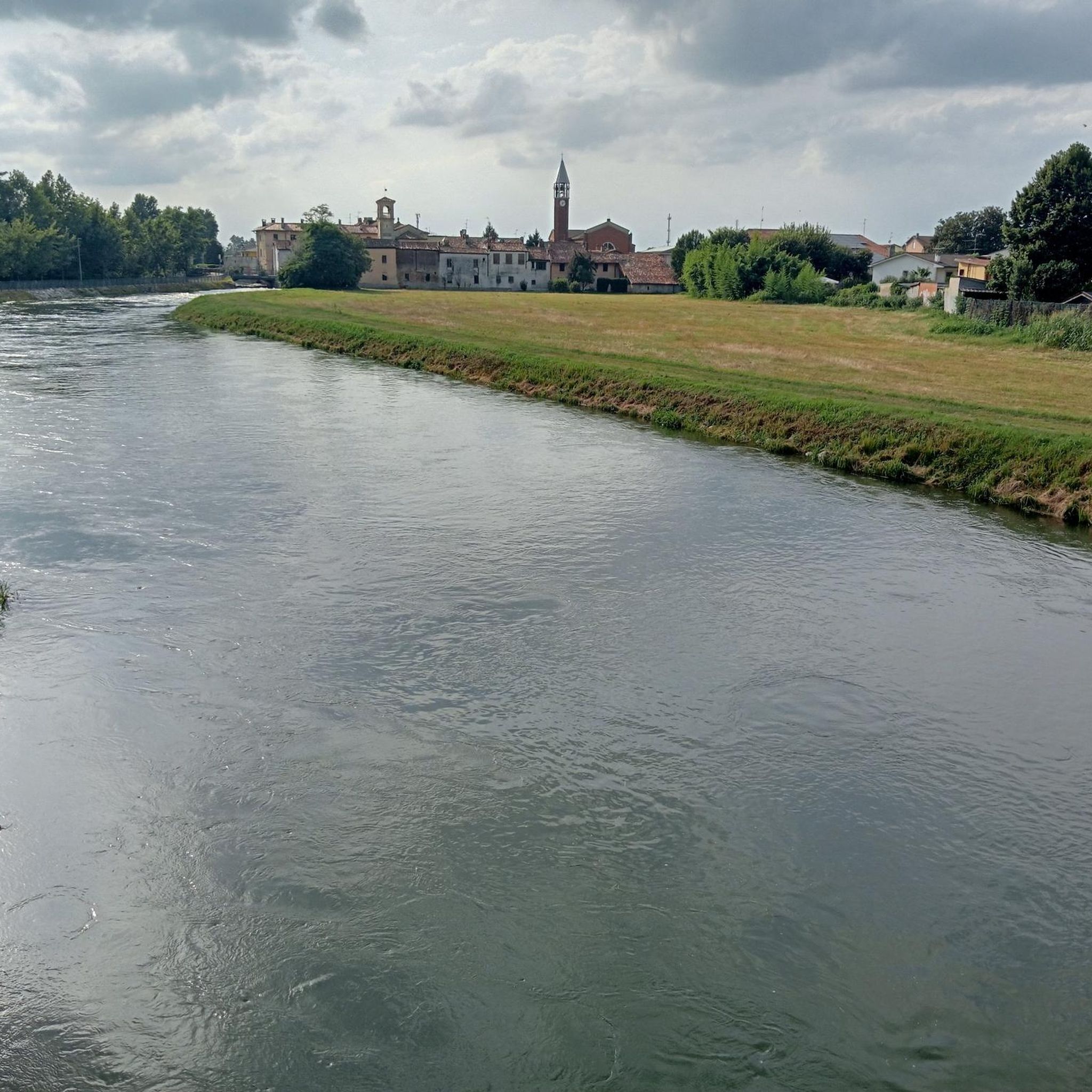
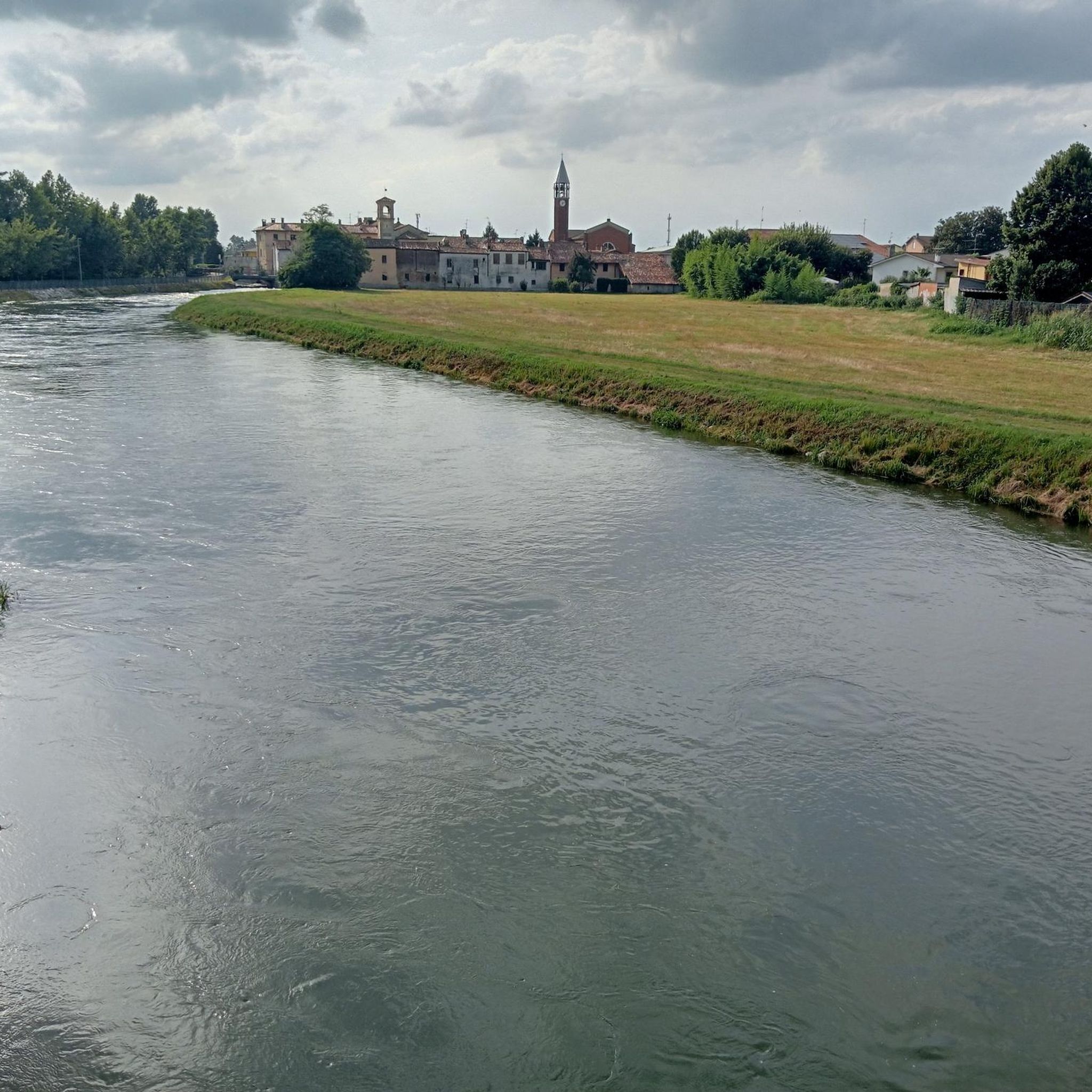
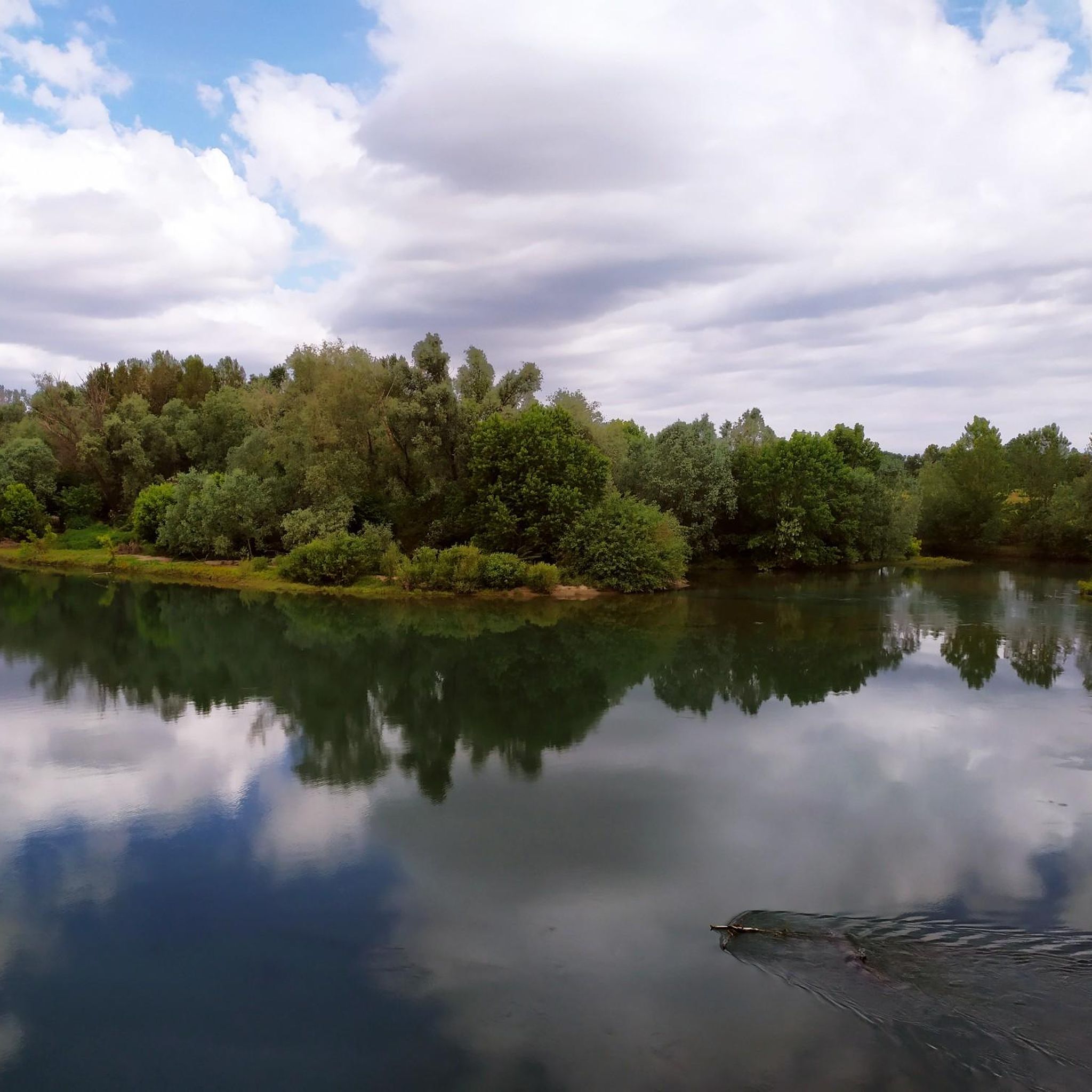
Lambro River crossing
Highlight • Bridge
The Lambro is a river in the Italian region of Lombardy. The total length of the river is approximately 130 kilometers.
The source of the Lambro, …
Translated by Google •
Tip by

Chignolo Po Castle
Highlight • Castle
Via Stazione, 27013 Chignolo Po PV
castellodichignolopo.it
3201198899
Translated by Google •
Tip by

San Colombano Castle
Highlight • Castle
Translated by Google •
Tip by

Sign up for free to discover even more attractions around Massalengo.
Already have an account?
Start today with a free account
Your next adventure awaits.

Tips from the Community

The Cathedral with the Clock Tower occupies the east side of Piazza della Vittoria, and the facades of houses and palaces frame its facade. The square, as a civic and religious center, as we see it today, was formed in different periods. The construction site of the Duomo was organized according to the methods of the time, i.e. by tracing the perimeter directly on the ground and then starting with the construction of the apse area. The so-called "stepped" facade suggests the division of the internal space, in which the central nave is higher and wider than the two side aisles. In the center of the facade, in the upper part, is the aedicule containing a bronze copy of the statue of San Bassiano, the original in copper and gold patina is kept inside the main nave of the cathedral. The central part of the facade is occupied by the rose window which, besides being a typically decorative element, allows for good internal lighting.
0
0
Around the rose window and the slopes of the roof, the decoration with interwoven arches and polychrome majolica cups of Byzantine derivation is to be observed. Below the rose window, two Renaissance stone windows have been created. The "candelabra" columns and the side coats of arms refer to the motifs of humanistic culture. The most characteristic element of this facade is the protiron. In the lunette above the portal are depicted the Redeemer, the crowned Madonna, and Saint Bassiano imploring. On the pilasters of the horizontal architrave are depicted Adam and Eve and, below, two other figures that recall the vices of man. The portal is framed by spiral columns, and the decorations surrounding the portal arch consist of naturalistic decorative motifs derived from the Lombard school, with shoots, spirals, and aquatic plant leaves. Finally, the small roof that frames and shelters the portal is supported by stylophoric lions.
0
0
The Castello di San Colombano (or Castello Belgioioso) stands in the medieval village famous for its vineyards and for being an exclave in the province of Milan. Dating back to the 6th century and rebuilt by Barbarossa in 1164, it is divided between a private area (the keep) and a communal one (the fortified village).
0
0

This palace is called the "Versailles" of Lombardy. Everything is locked. According to the sign, it can be visited by appointment. The grounds are vast.
1
0

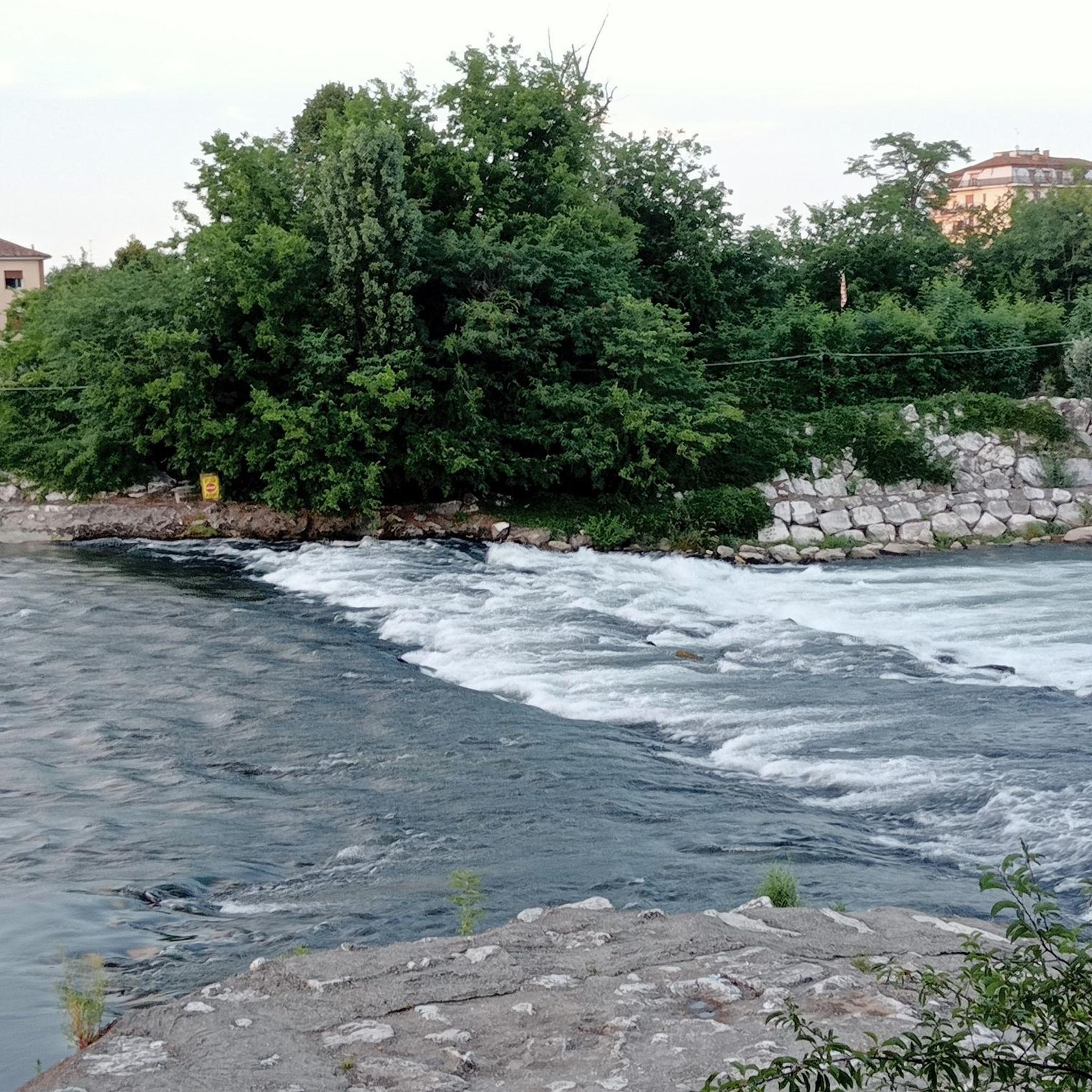
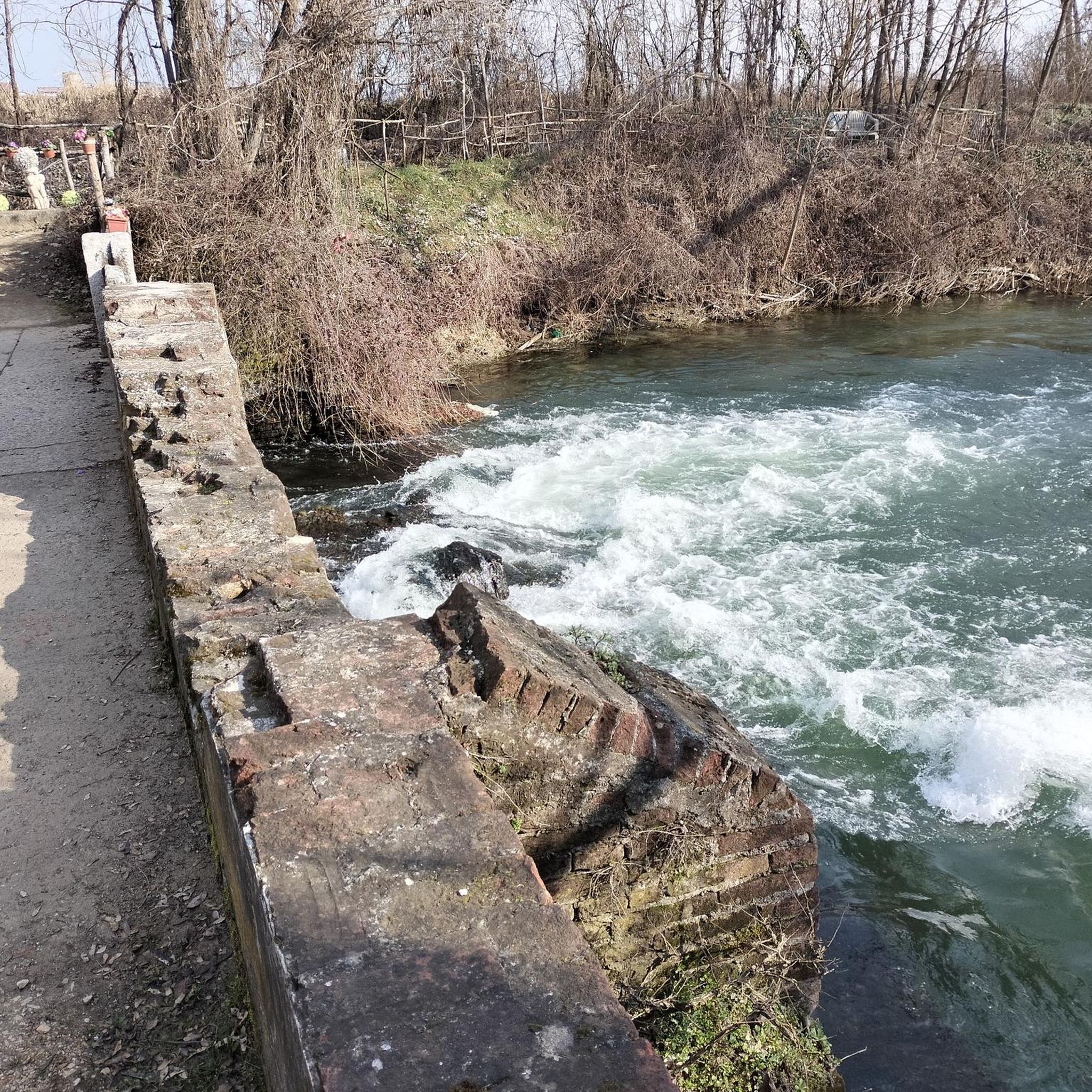
I don't know when they will be finished but a cycle bridge is being planned downstream from the road bridge and it will avoid the stretch of SS 234, to date (March 2025) the foundations have been laid on both banks then we'll see...
1
0


On gravel we followed dirt roads along waterways and cycle paths as much as possible, but you can get there faster with a road bike.
0
0
We left Gorgonzola in the direction of the Chignolo Po Castle, one of the sumptuous country residences of Lombardy, and after about three hours we arrived at our destination... discovering that the Castle was closed... no big deal we took pictures from the outside. Its oldest part is the tower, built as a garrison on the Po and on the connecting routes between northern Europe and Italy. The Castle, built in the thirteenth century, was transformed into a princely palace in the eighteenth century, through an imaginative stylistic reworking of the building. It appears as a majestic terracotta construction, surmounted by a protruding gallery supported by stone brackets. Each window is framed in white. The most spectacular element is the central tower, square and with battlements, embellished with a small loggia. Inside you can admire the apartments in which Pope Clement XI, Napoleon Bonaparte and Francis I of Austria were hosted, as well as the sumptuous ballroom on whose ceiling the glory of the four seasons is painted. The Castle is also home to the Museum of the History of Lombard Agricultural Civilization, created with the intent of bringing together the many historical realities that have formed the foundation of the agricultural activities of the lower Po Valley and the Lombard Wine Museum. The visit route aims to admire the monumental complex of the Castle of Chignolo Po and to enhance the history of its centuries-old royal fiefdom and its position along the Via Francigena. The visits are only guided as the Castle is a private residence. Nice trip!
0
0
Frequently Asked Questions
What historical sites can I explore near Massalengo?
The area around Massalengo is rich in history. You can visit the impressive Chignolo Po Castle, sometimes called the 'Versailles of Lombardy', which offers guided tours through its medieval and Renaissance sections. Another significant site is San Colombano Castle, with origins dating back to the 6th century and ties to historical figures like Frederick Barbarossa. In nearby Lodi, explore Victory Square, home to the historic Lodi Cathedral, an excellent example of Lombard-Emilian Romanesque architecture.
Are there any natural attractions or scenic areas to visit?
While Massalengo itself is known for its tranquil agricultural landscapes, you can experience the picturesque Lambro River crossing. The Lambro River flows through the Lombardy region, and parts of its valley are designated as a protected regional park. The surrounding countryside also offers peaceful settings for walks or cycling.
What outdoor activities can I do around Massalengo?
The region offers various outdoor activities, particularly cycling and hiking. For road cycling, you can find routes like the 'Canal Cycle Path – Colombina Church loop' or the 'Via Serafina Climb – Vicobarone loop'. If you prefer hiking, consider trails such as the 'Adda Sud Park Trail' or the 'Lodi Train Station – Adda Sud Park loop'. You can find more details and routes on the Road Cycling Routes around Massalengo, Hiking around Massalengo, and Cycling around Massalengo guide pages.
Are there family-friendly attractions near Massalengo?
Yes, several attractions are suitable for families. Victory Square in Lodi is a vibrant central point with outdoor cafes, and the nearby Lodi Cathedral offers an educational historical experience. Chignolo Po Castle also welcomes families for its historical tours, providing an engaging look into the past.
What is the best time of year to visit Massalengo and its surrounding attractions?
Massalengo's tranquil environment and agricultural landscapes are particularly enjoyable during the spring, summer, and early autumn months. These seasons offer pleasant weather for exploring historical sites, enjoying outdoor activities like cycling and hiking, and experiencing the scenic countryside.
Can I find museums related to the region's history or culture?
Yes, in the vicinity, specifically within the Chignolo Po Castle, you can find the Museum of the History of Lombard Agricultural Civilization and the Lombard Wine Museum. These museums offer insights into the agricultural heritage of the lower Po Valley and the region's winemaking traditions.
Are there any religious buildings of note in the area?
Absolutely. The Lodi Cathedral is the oldest sacred building in Lodi, showcasing remarkable Lombard-Emilian Romanesque architecture. Additionally, the Basilica of San Bassiano in Lodi Vecchio is a majestic example of Lombard-Gothic Romanesque style, and the Abbey of Cerreto, a former Benedictine monastery, features a surprisingly bright interior despite its austere exterior.
What do visitors enjoy most about the attractions around Massalengo?
Visitors particularly appreciate the historical depth and architectural beauty of sites like Victory Square and Lodi Cathedral, often noting their well-preserved nature and the pleasant atmosphere for stopping at outdoor cafes. The guided tours at Chignolo Po Castle are also highly recommended for their engaging exploration of medieval and Renaissance history.
Are there any unique historical structures like fortified complexes?
Yes, near San Colombano al Lambro, you can find the Ricetto of San Colombano al Lambro. This is a rare and well-preserved example of a 13th-century fortified complex, originally designed to protect inhabitants and food supplies from external threats.
What kind of architectural styles can I expect to see in the region?
The region showcases a blend of historical architectural styles. The Lodi Cathedral is a prime example of Lombard-Emilian Romanesque. You'll also encounter Lombard-Gothic Romanesque at the Basilica of San Bassiano and various transformations from medieval to Renaissance styles in castles like Chignolo Po Castle and San Colombano Castle.
Are there any art exhibition venues nearby?
In Lodi, the beautifully restored 17th-century Palazzo Barni hosts art exhibitions. It is notable for its frescoed ceilings, grand staircases, and spacious courtyards, offering a cultural experience beyond historical landmarks.
Are there any wheelchair accessible attractions?
Yes, Victory Square in Lodi is noted as being wheelchair accessible, allowing visitors to enjoy the main square and its surrounding historical buildings.
Most popular routes around Massalengo
Most popular attractions around Massalengo

Get inspired with the komoot mobile app


Explore more
Still not found the Highlight you’re looking for? See guides of the top attractions in other regions:
