Attractions and Places To See around Rocchetta Tanaro - Top 20
Best attractions and places to see around Rocchetta Tanaro include a variety of historical sites and cultural landmarks within the Monferrato Astigiano region. This area is characterized by its rolling hills and traditional villages, offering insights into local heritage. The landscape provides a setting for exploring both natural and man-made points of interest. Rocchetta Tanaro serves as a central point for discovering these attractions.
Best attractions and places to see around Rocchetta Tanaro
- The most popular attractions is Monument to…
Last updated: October 11, 2026
Main Square of Castelnuovo Calcea
Highlight • Settlement
cittaecattedrali.it/it/bces/313-chiesa-di-s-stefano-castelnuovo-calcea-at
Translated by Google •
Tip by

Collegiate Church of Saint Secondo
Highlight • Religious Site
Translated by Google •
Tip by

Sign up now to discover places like this
Get recommendations on the best single tracks, peaks, & plenty of other exciting outdoor places.
Piazza Castagnole Monferrato
Highlight • Settlement
Translated by Google •
Tip by

Monument to the Unification of Italy
Highlight • Monument
Translated by Google •
Tip by

Marchional Palace of Mombaruzzo
Highlight • Historical Site
Translated by Google •
Tip by
Sign up for free to discover even more attractions around Rocchetta Tanaro.
Already have an account?
Start today with a free account
Your next adventure awaits.

Tips from the Community

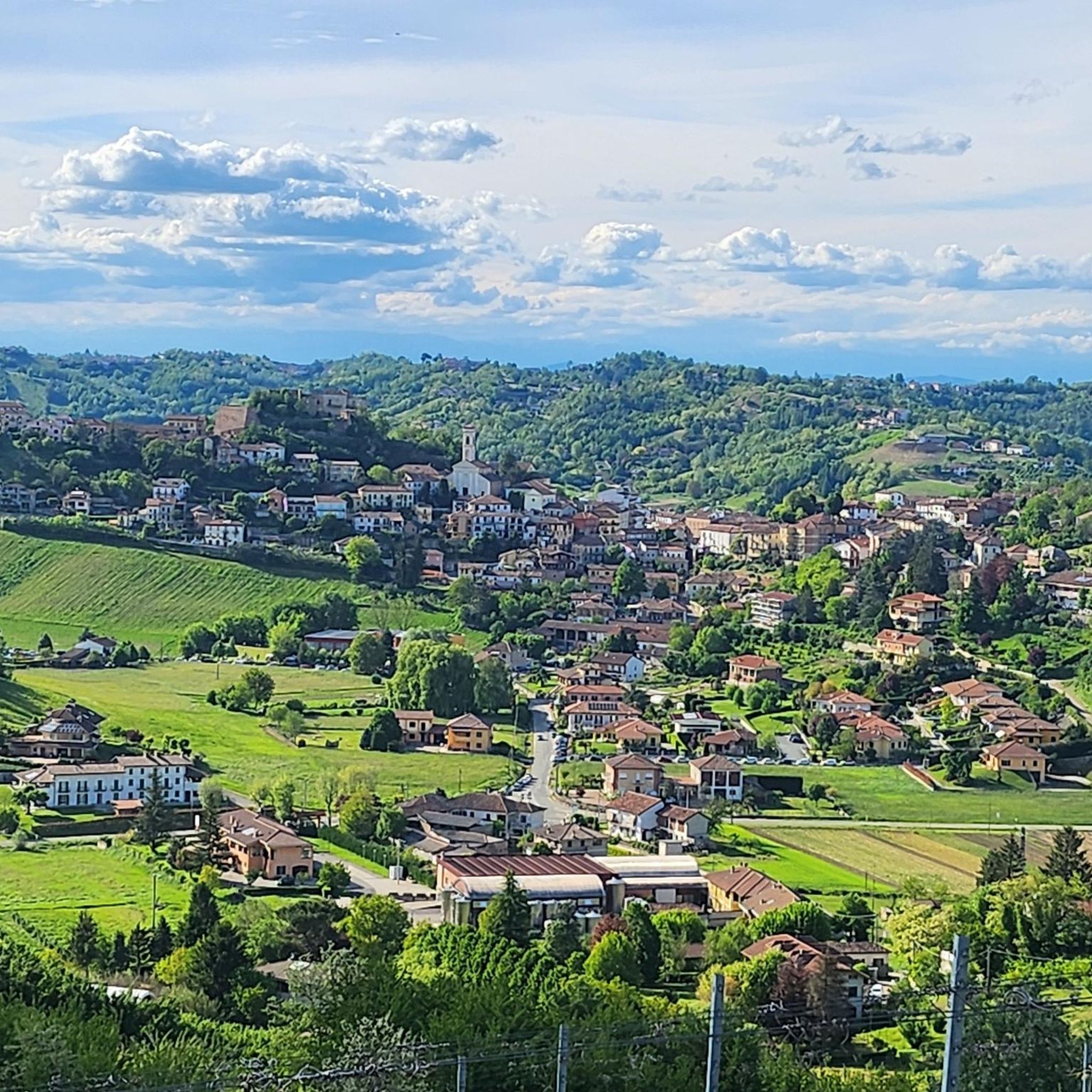
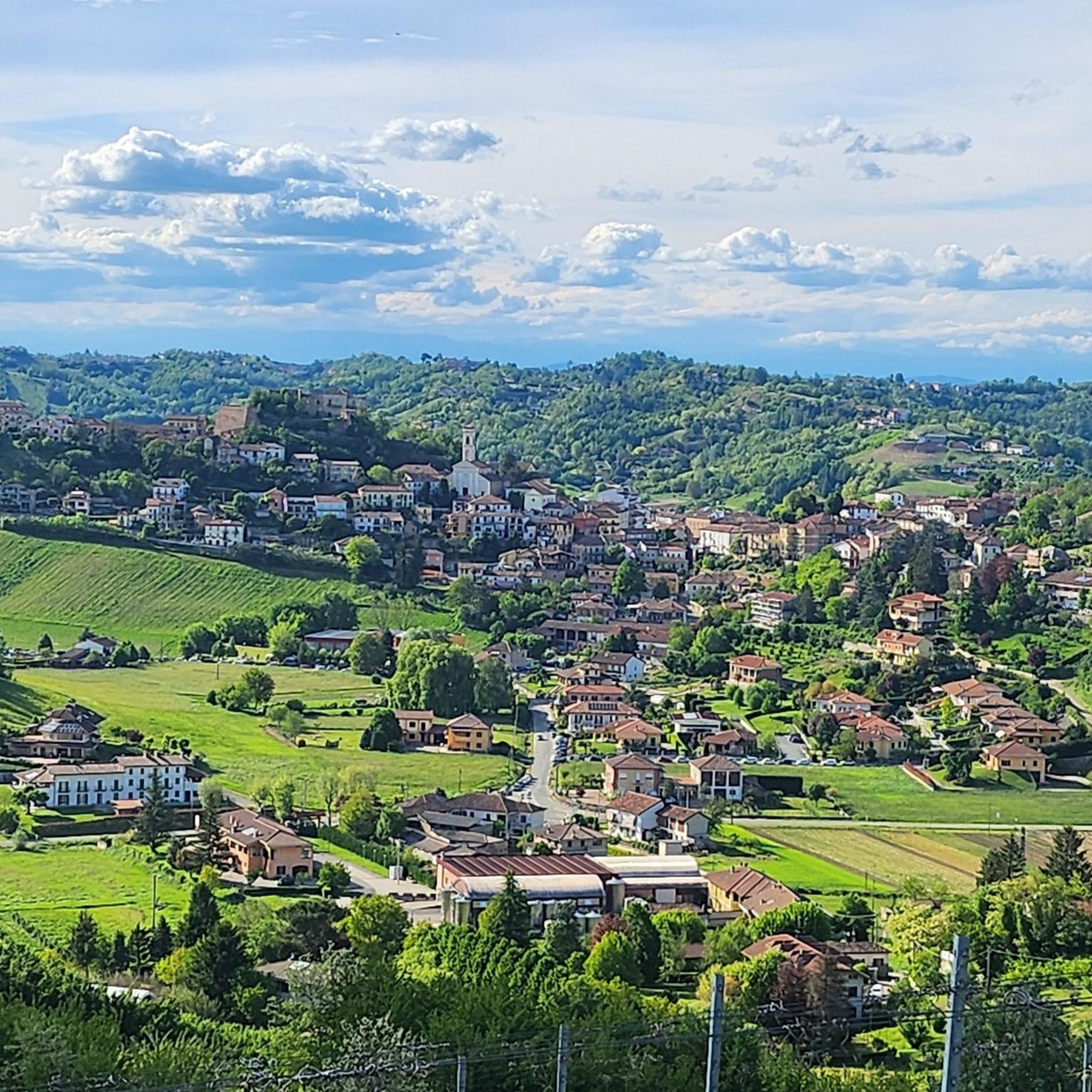
Castelnuovo Calcea, located in the heart of the Monferrato Astigiano, has ancient origins linked to the Ligurian Statielli, Celts, and Gauls, before Roman colonization (Castrum Novum ad Calcea). The medieval village, known for its castle, destroyed several times starting in 1155, was a fiefdom of the Marquises of Incisa, the Trotti family, and finally the Savoy family in 1735.
0
0
Located in Borgo Basalone (also known as the new part), this 17th-century palace in typical Genoese style represents one of the few examples of Ligurian architecture in Piedmont. Commissioned by noblewoman Lelia Di Negro—niece of Ambrogio Di Negro, former Doge of Genoa—when, invested with the fiefdoms of the same name and becoming Marchioness of Mombaruzzo and Countess of Quaranti, she decided to move the marquis' palace from the fortified enclosure of the Castle to an even more dominant and spectacular location.
16
0

Divided into three naves by twelve pillars supporting arches and cross vaults on a Latin cross plan, the church contains works of great artistic value by painters of the 16th and 17th centuries. Of note are the carved choir and wooden lectern, commissioned by Bishop Innocenzo Migliavacca at the end of the 17th century. At the end of the nave is the Chapel of San Secondo, built between 1772 and 1789 to a design by Bernardo Antonio Vittone.
8
0

With a plaque for the "Martyrs of Freedom": Ferrero Domenico Ferruccio from Castelnuovo was a partisan in the Giustizia & Liberta formations, killed in action on March 26, 1945, during the fighting in Agliano, not far from here. http://intranet.istoreto.it/partigianato/dettaglio.asp?id=35746 Bianco Luigi Loris was a farmer from Castelnuovo and a partisan in an autonomous unit. He was captured during a clearing operation on December 6, 1944, and deported to Germany. He died during the death march from Flossenbürg to Dachau. https://israt.it/banche-dati/deportati-politici-astigiani.html https://www.pietredellamemoria.it/pietre/monumento-ai-caduti-di-castelnuovo-calcea/
0
0

As a memorial to the many dead, such memorials or war memorials are still very important today. "Now, Lord, let your servant go in peace, as you said." However, the people who are commemorated here did not divorce in peace, but became victims of war and tyranny. For this reason, the term "war memorial" is sometimes used instead of the "war memorial" that was usually used in the past. Many of the places and monuments that you come across along the way are evidence of the horrors of war and tyranny, which is still relevant and relevant today. They all have two essential functions, and this for each new generation: -1- Commemorate and remember the victims -2- Remind to keep the peace
1
0

Seventeenth-century palace in typical Genoese style, it represents one of the few examples of Ligurian architecture in Piedmont. Wanted by the noblewoman Lelia Di Negro - granddaughter of Ambrogio Di Negro, former Doge of Genoa - when, having become Marchioness of Mombaruzzo and Countess of Quaranti, she decided to move the marquis palace to a dominant position with guaranteed scenographic effect.
5
0
the main square of Castelnuovo Calcea, with the Town Hall and the seventeenth-century Parish Church of Santo Stefano https://www.cittaecattedrali.it/it/bces/313-chiesa-di-s-stefano-castelnuovo-calcea-at
1
0

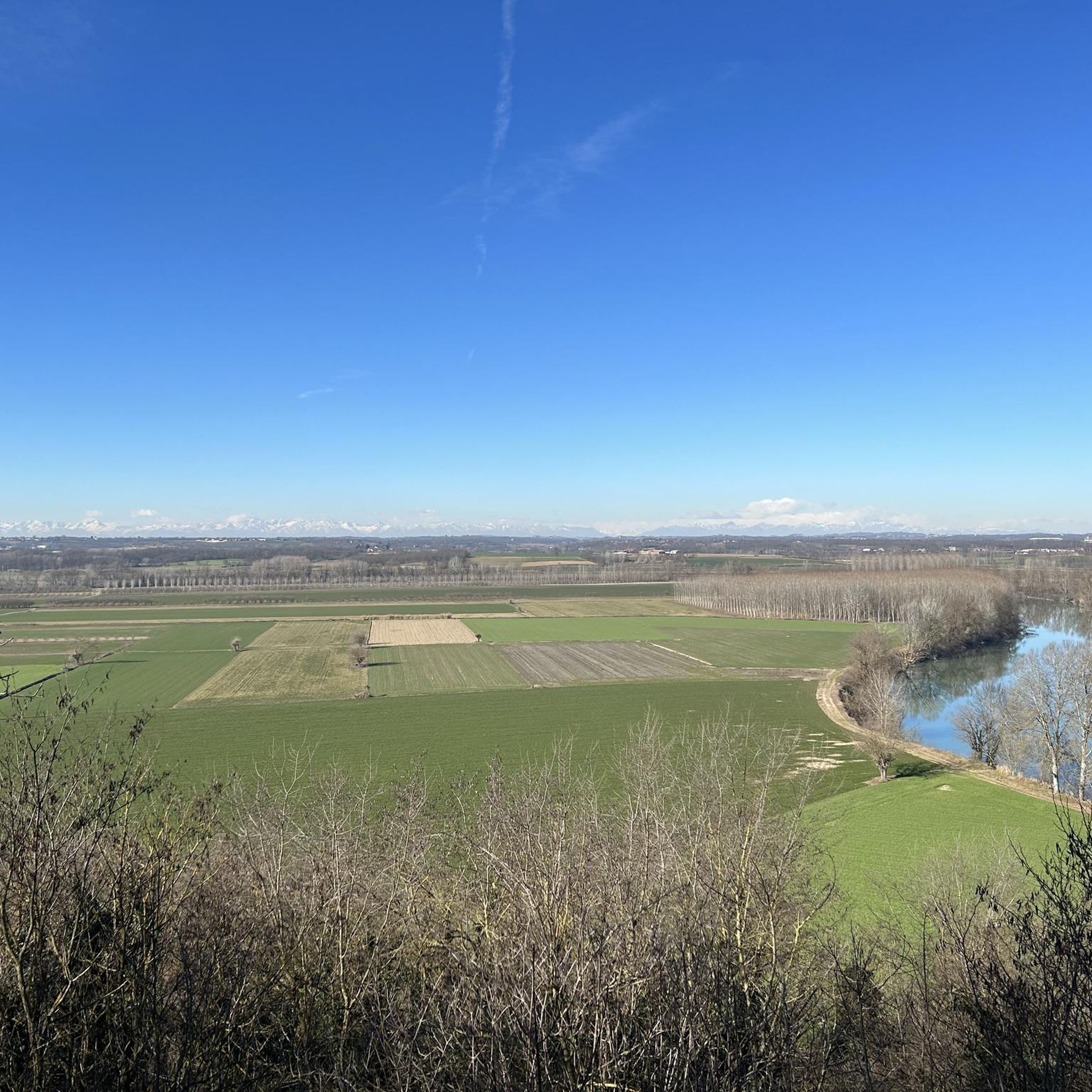
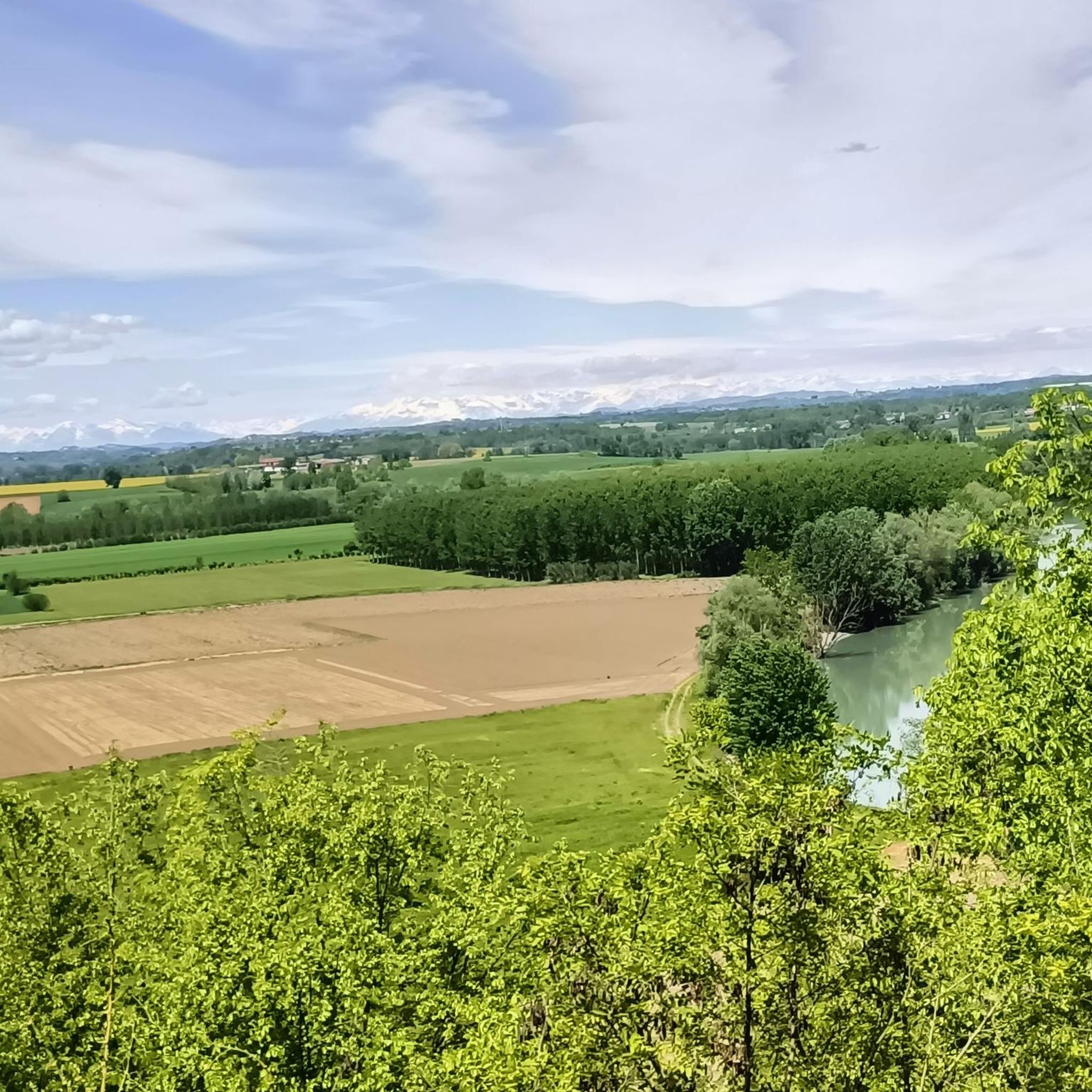
Located high with a wide view.
16
1
Frequently Asked Questions
What historical sites can I visit around Rocchetta Tanaro?
The region offers several significant historical sites. You can explore the Collegiate Church of Saint Secondo in Asti, one of the oldest Gothic churches in the area, featuring 16th and 17th-century artworks and a crypt from the 6th/7th century. Another important site is the Monument to the Unification of Italy, a memorial dedicated to the sacrifices made during Italy's unification.
Are there any family-friendly attractions in the Rocchetta Tanaro area?
Yes, there are several family-friendly places to visit. Piazza Castagnole Monferrato is a charming village known for its historical significance and annual Ruchè wine festival in May, offering a pleasant atmosphere for families. The Main Square of Castelnuovo Calcea is also considered family-friendly, providing a glimpse into local history and architecture.
What kind of outdoor activities can I do near Rocchetta Tanaro?
Rocchetta Tanaro is an excellent base for various outdoor activities, especially cycling and hiking. You can find numerous road cycling routes, such as the 'Vineyard View – Big Bench Castel Boglione loop' or the 'Bridge over the Tiglione – Vinchio and Its Vineyards loop'. For mountain biking, options include the 'Sunflower Field in Altavilla – Strade Bianche in Piedmont loop'. Hikers can enjoy trails like the 'Vinchio wine country trail' or the 'Great Rocchetta Tanaro Park Loop'. You can find more details on these activities in the dedicated guides for road cycling, MTB trails, and hiking around Rocchetta Tanaro.
Are there easy hiking trails suitable for a leisurely walk around Rocchetta Tanaro?
Yes, for an easier walk, consider the 'Rocchetta Tanaro Loop' which is classified as an easy hiking route. This trail offers a pleasant way to experience the local scenery without significant difficulty. More options can be found in the hiking guide.
What is the best season to visit Rocchetta Tanaro for outdoor activities?
The Monferrato Astigiano region, including Rocchetta Tanaro, is particularly pleasant in spring (May) and early autumn (September-October). Spring offers mild weather and the Ruchè wine festival in Castagnole Monferrato. Autumn provides comfortable temperatures for outdoor activities and the beauty of the changing vineyard colors. Summers can be warm, but still suitable for early morning or late afternoon excursions.
Where can I find viewpoints with scenic views near Rocchetta Tanaro?
Several settlements in the region offer excellent viewpoints. Piazza Castagnole Monferrato and the Main Square of Castelnuovo Calcea are both noted as viewpoints, providing picturesque vistas of the surrounding Monferrato landscape, characterized by rolling hills and traditional villages.
What cultural landmarks are there to see in the area?
Beyond historical sites, you can visit the Marchional Palace of Mombaruzzo. This 17th-century palace is a unique example of Genoese architecture in Piedmont, commissioned by noblewoman Lelia Di Negro, offering insight into the region's aristocratic past and architectural styles.
What do visitors enjoy most about the attractions around Rocchetta Tanaro?
Visitors appreciate the blend of historical depth and scenic beauty. The Monument to the Unification of Italy is valued for its poignant portrayal of sacrifice, while the Collegiate Church of Saint Secondo is admired for its ancient Gothic architecture and rich artworks. The charming villages like Piazza Castagnole Monferrato are often highlighted for their characteristic atmosphere and local events.
Are there any specific local events or festivals in the region?
Yes, the village of Castagnole Monferrato is particularly known for its annual Ruchè wine festival, which typically takes place in May. This event celebrates the local Ruchè wine, offering visitors a chance to experience regional traditions and flavors.
Can I find examples of unique architecture in the Rocchetta Tanaro area?
Indeed. The Marchional Palace of Mombaruzzo stands out as a significant architectural example. It is a 17th-century palace built in a distinctive Genoese style, representing one of the few instances of Ligurian architecture found in Piedmont.
What is the historical significance of the Main Square of Castelnuovo Calcea?
The Main Square of Castelnuovo Calcea is historically rich, featuring the Town Hall and the 17th-century Parish Church of Santo Stefano. It also hosts a plaque commemorating the 'Martyrs of Freedom,' honoring local partisans from World War II. The village itself has ancient origins, dating back to Ligurian, Celtic, and Roman times, and was a medieval fiefdom with a castle that was destroyed and rebuilt multiple times.
Most popular routes around Rocchetta Tanaro
Most popular attractions around Rocchetta Tanaro

Get inspired with the komoot mobile app


Explore more
Still not found the Highlight you’re looking for? See guides of the top attractions in other regions:
