The 20 Most Amazing Peaks around Pietrasanta
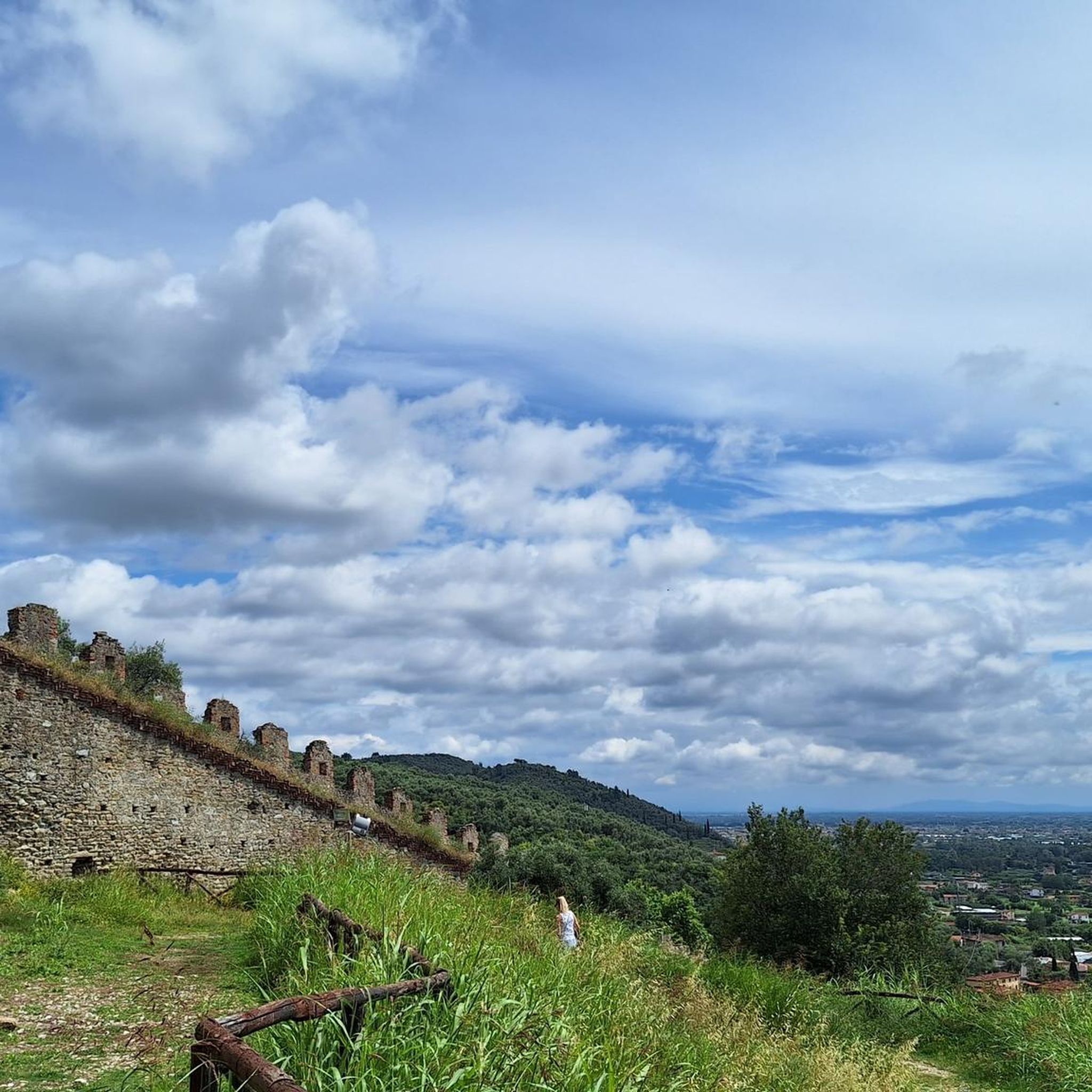
Best mountain peaks around Pietrasanta are found in the Apuan Alps, a range known for its dramatic landscapes and historical marble quarries. This region in Tuscany offers a unique blend of natural beauty and cultural significance, having inspired artists for centuries. The mountainous terrain provides diverse opportunities for exploration, from scenic viewpoints to challenging climbs. Visitors can discover a variety of peaks that showcase the area's geological features and expansive vistas.
Best mountain peaks around Pietrasanta
- The most popular mountain peaks is Monte Forato Natural Arch, a natural_monument that features a famous natural arch in the rock. This distinctive geological formation is visible from both Versilia and Garfagnana, offering a unique sight.
- Another must-see spot is Summit of Monte Matanna, a summit with a beautiful view of Versilia, the Apuan Alps, and Garfagnana. Visitors can expect a rewarding climb to this 1317-meter peak, which is a prominent relief in the Apuan Alps.
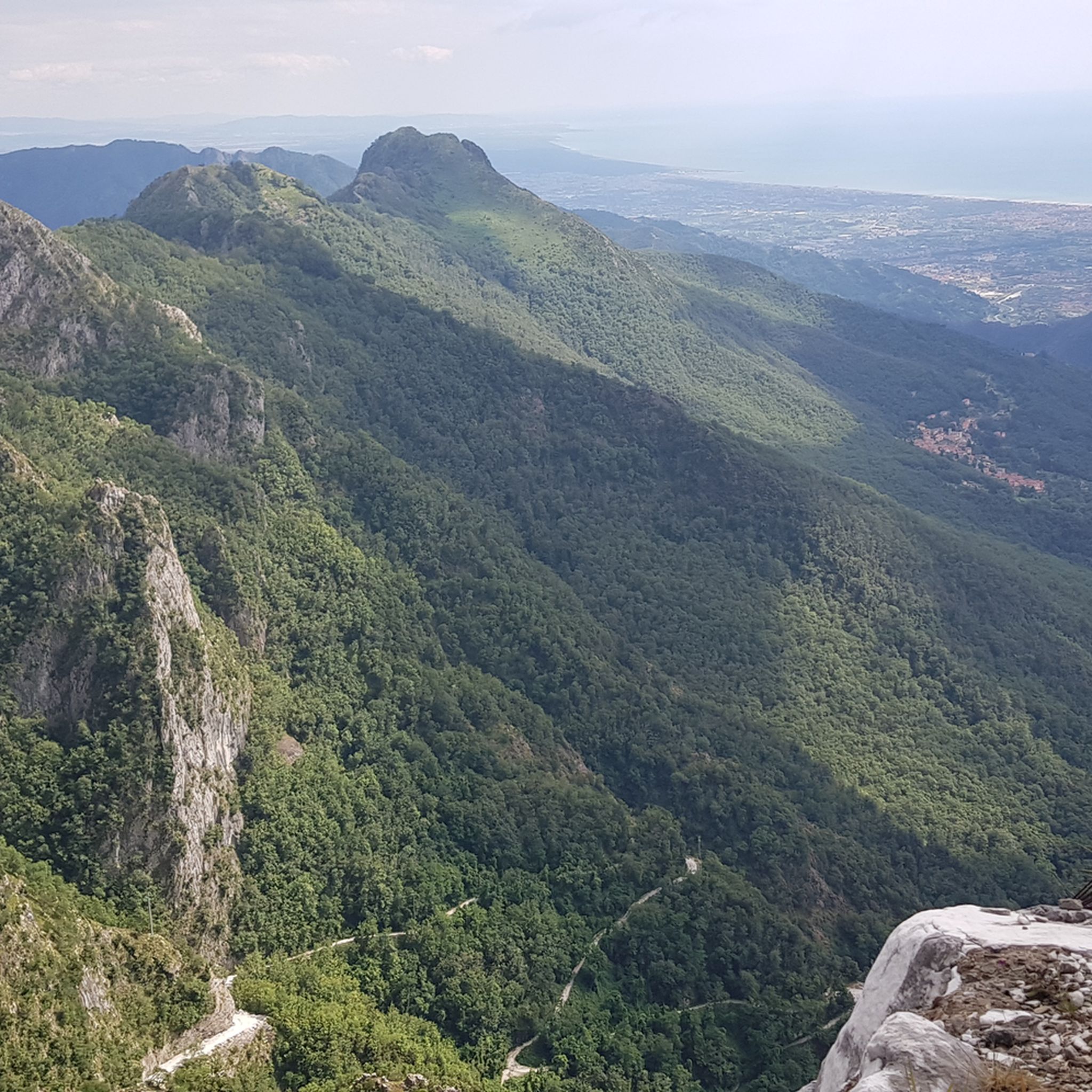
- Visitors also love Mount Prana, a viewpoint at 1250 meters above sea level. This summit offers expansive panoramic views overlooking the Versilia coastline and the Apuan Alps.
- Pietrasanta is known for summits, viewpoints, and natural monuments. The variety of mountain peaks to see and explore includes challenging climbs and intermediate trails.
- The mountain peaks around Pietrasanta are appreciated by the komoot community, with more than 370 upvotes and 170 photos shared by users.
Last updated: June 22, 2026
Monte Forato Natural Arch
Highlight • Natural Monument
Translated by Google •
Tip by

Pania della Croce
Highlight • Summit
Translated by Google •
Tip by

Sign up now to discover places like this
Get recommendations on the best single tracks, peaks, & plenty of other exciting outdoor places.
Sign up for free
Mount Prana
Highlight • Viewpoint
Translated by Google •
Tip by

Summit of Monte Matanna
Highlight • Summit
Translated by Google •
Tip by

Summit of Monte Corchia
Highlight • Summit
Translated by Google •
Tip by

Sign up for free to discover even more peaks around Pietrasanta.
Sign up for free
Already have an account?
Start today with a free account
Your next adventure awaits.
Login or Signup


Tips from the Community

Some summit crosses have no corpus, while others are adorned with the figure of the crucified Christ. But the most famous crucifix on the Italian peninsula leads us away from here into the Po Valley. There in the 'Bassa', the writer Giovanni Guareschi (1908 to 1968) set his popular short stories about the protagonists 'Don Camillo' and 'Peppone'. But besides the two, there is another main character: because Jesus Christ himself speaks from the high altar to the priest Don Camillo – whom the actor Fernandel (Fernand Joseph Désiré Contandin, 1903 to 1971) portrayed excellently in several feature films. The crucifix, originally made only for the film adaptations, has been preserved and has become a popular tourist attraction in Brescello (Emilia-Romagna). Via the following link, it can be virtually visited as a komoot highlight =>> https://www.komoot.com/de-de/highlight/6457013
0
0

Not a demanding but always beautiful trek
0
0

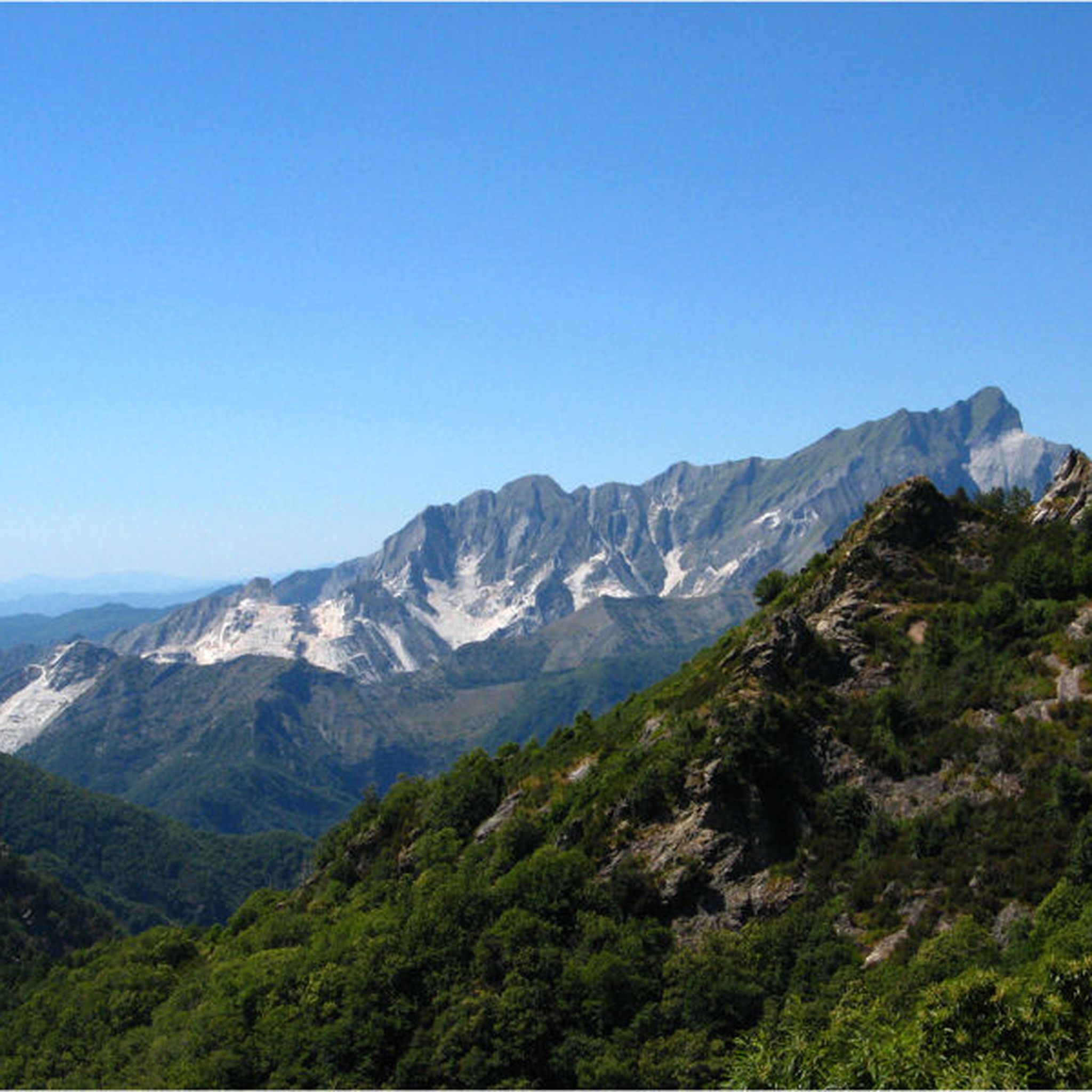
A wonderful view of the main mountains of the Apuan Alps
0
0

It's always worth it when the weather is nice.
0
0

A nice highlight to visit. The easiest way to reach it is from the east from path 12.
1
0
A nice highlight to visit. The easiest way to reach it is from the east from path 12
1
1

The coast of Monte Forato, between Cardoso and Fornovolasco, is of great beauty, although care must be taken when walking along it. From here, in fact, you can see from close range the famous "hole" in the rock that gives the mountain its name, a natural arch visible from both Versilia and Garfagnana.
2
0

It is always a satisfaction to be able to stay a while on peaks like these, the quarries represent the human devastation, the city with its noise is close by but up here nature always has the sceptre of command with its wild appearance even if time has faded it a bit due to human activity.
1
1
Frequently Asked Questions
What are some of the most popular mountain peaks to visit around Pietrasanta?
Visitors frequently enjoy the unique Monte Forato Natural Arch, known for its distinctive geological formation. Other highly-rated peaks include the Summit of Monte Matanna, offering beautiful views of Versilia and the Apuan Alps, and Mount Prana, which provides expansive panoramic vistas of the coastline.
What kind of views can I expect from the mountain peaks near Pietrasanta?
The mountain peaks around Pietrasanta, particularly those in the Apuan Alps, offer breathtaking panoramic views. From summits like Mount Prana and the Summit of Monte Matanna, you can see the stunning Versilia coastline, the dramatic Apuan Alps, and the Garfagnana region. Even modest peaks like Monte Folgorito Summit provide good views of the coast and the surrounding Apuane.
Are there challenging mountaineering routes near Pietrasanta for experienced hikers?
Yes, the Apuan Alps offer several challenging routes. For instance, the area around Monte Procinto features demanding mountaineering routes like the "Forte dei Marmi Mountain Hut – Monte Procinto Via Ferrata loop," which requires very good fitness and alpine experience. The Summit of Monte Corchia is also part of strenuous trails, appealing to experienced and trained hikers. You can find more details on these routes in the Mountain Hikes around Pietrasanta guide.
What unique natural features can be found among the peaks in this region?
One of the most distinctive natural features is the Monte Forato Natural Arch, a famous hole in the rock created by erosion, visible from both Versilia and Garfagnana. Additionally, the area around Monte Corchia is renowned for its intricate cave systems, including the Antro del Corchia, one of Europe's largest underground complexes. Monte Folgorito is also notable for its name, meaning 'struck by lightning,' as its summit is frequently hit during summer storms.
Are there any historical or cultural sites associated with the mountain peaks near Pietrasanta?
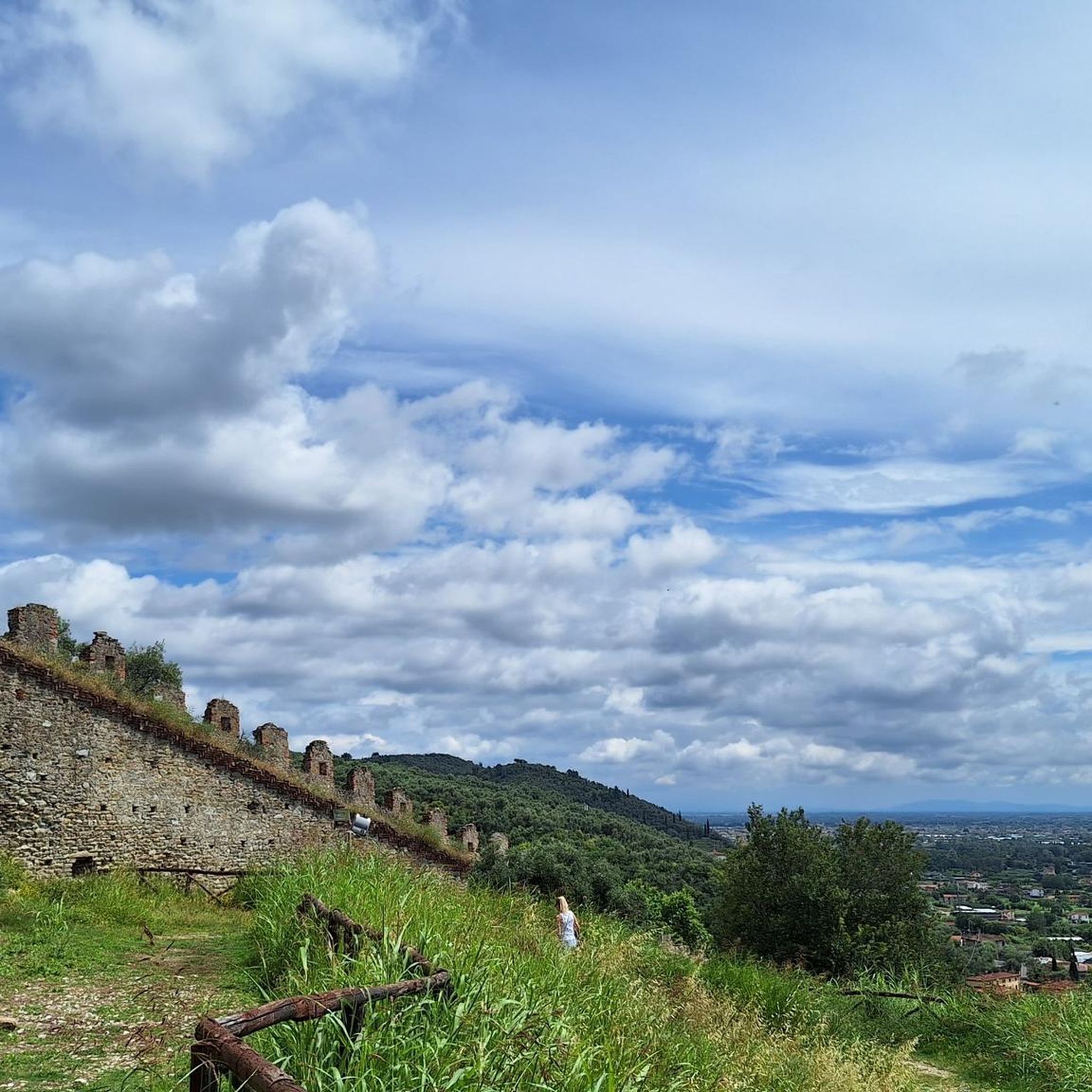
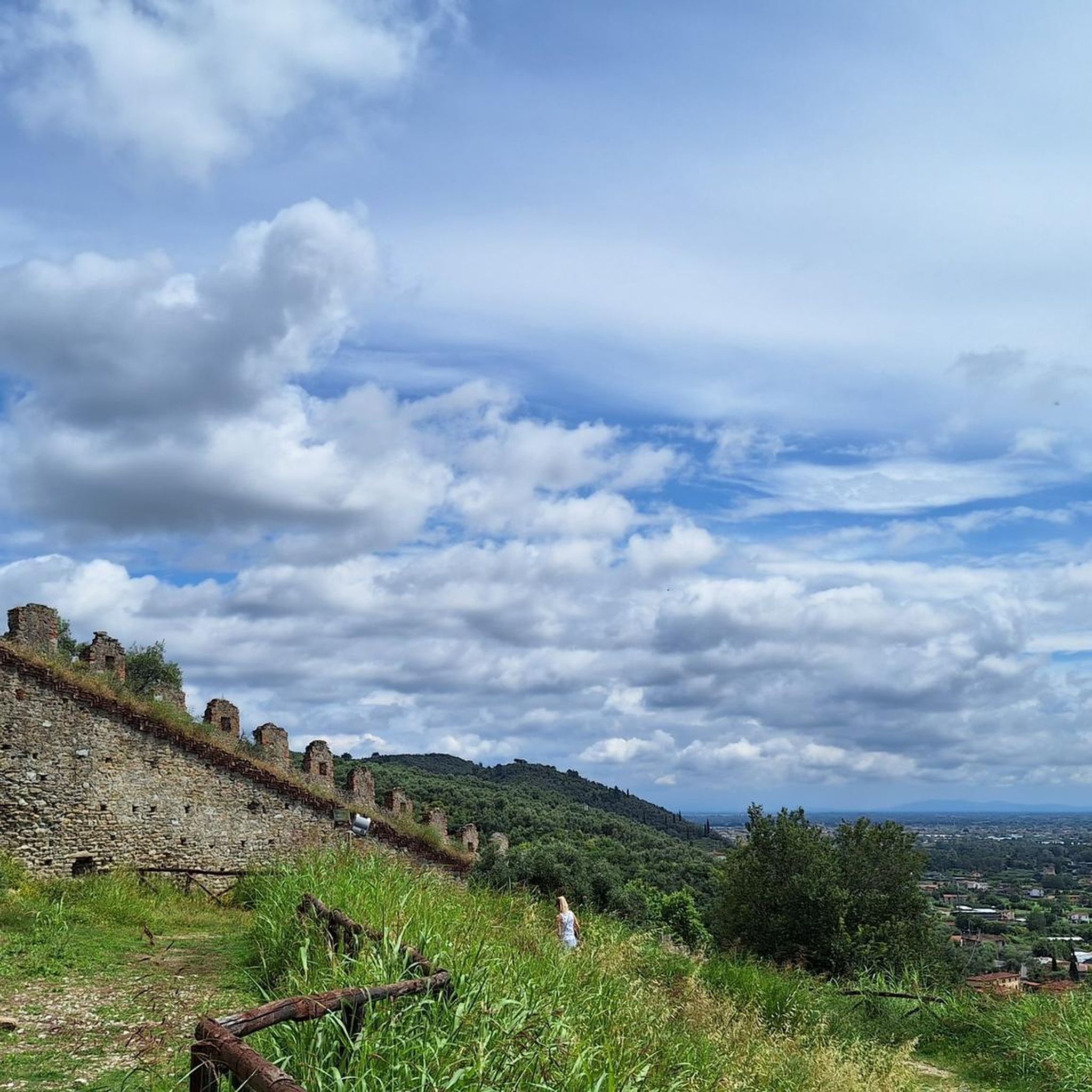
The Apuan Alps are historically significant for their marble quarries, which have supplied material for artists like Michelangelo for centuries, contributing to Pietrasanta's reputation as a center for sculpture and art. While not a peak itself, the region's connection to these ancient quarries is a major cultural draw. Additionally, on the Monte Folgorito Summit and its ridge, you can find remains of fortifications from the Gothic Line, adding a historical layer to your hike.
What kind of hiking trails are available for different fitness levels?
The region offers a range of trails. For those seeking a significant challenge, the hike to Monte Rocca Summit from Pietrasanta is a difficult 16.6 km trek with a 930m elevation gain, requiring very good fitness. Moderate trails are also available, such as the "Monte Corchia – Fociomboli loop from Levigliani." For easier options, you can explore the Hiking around Pietrasanta guide for routes like the "Marina di Pietrasanta – LOOP TOUR" which is rated as easy.
Can I go mountain biking on these peaks?
Some peaks, like Mount Prana, are accessible by mountain bike. However, be prepared for technical descents with large rocks and steep gradients that may require portage (carrying your bike). It's advisable to check specific route details for suitability before heading out.
What is the best time of year to visit the mountain peaks around Pietrasanta?
The spring and autumn months are generally ideal for hiking in the Apuan Alps, offering pleasant temperatures and vibrant scenery. Summer can be hot, especially at lower elevations, but higher peaks provide cooler air. Be aware that summer storms can bring lightning to summits like Monte Folgorito. Winter can offer unique snowy landscapes but requires appropriate gear and experience for mountaineering.
Are there any family-friendly mountain walks or activities near Pietrasanta?
While many peaks offer challenging climbs, there are also more accessible options. For family-friendly walks, consider exploring the broader Apuan Alps region for trails that are less strenuous. The Hiking around Pietrasanta guide includes easier routes like the "Marina di Pietrasanta – LOOP TOUR" which might be suitable for families looking for a gentle outdoor experience.
What other outdoor activities can I do near the mountain peaks of Pietrasanta?
Beyond mountaineering and hiking, the area around Pietrasanta offers various outdoor activities. You can find numerous running trails, such as those listed in the Running Trails around Pietrasanta guide, including coastal loops and routes through the countryside. The diverse terrain also supports mountain biking, though some routes can be quite technical.
What makes the Apuan Alps surrounding Pietrasanta unique?
The Apuan Alps are unique for their dramatic marble landscapes, which have been quarried for centuries and inspired artists like Michelangelo. This blend of rugged natural beauty and profound cultural heritage, combined with panoramic views of the Tyrrhenian Sea and diverse hiking opportunities, makes the region particularly special. The presence of features like the Monte Forato Natural Arch and extensive cave systems further adds to its distinctiveness.
Most popular routes around Pietrasanta
Most popular attractions around Pietrasanta

Get inspired with the komoot mobile app


Explore more
See even more amazing summits around Pietrasanta with these guides:
