Attractions and Places To See around Masi Torello - Top 20
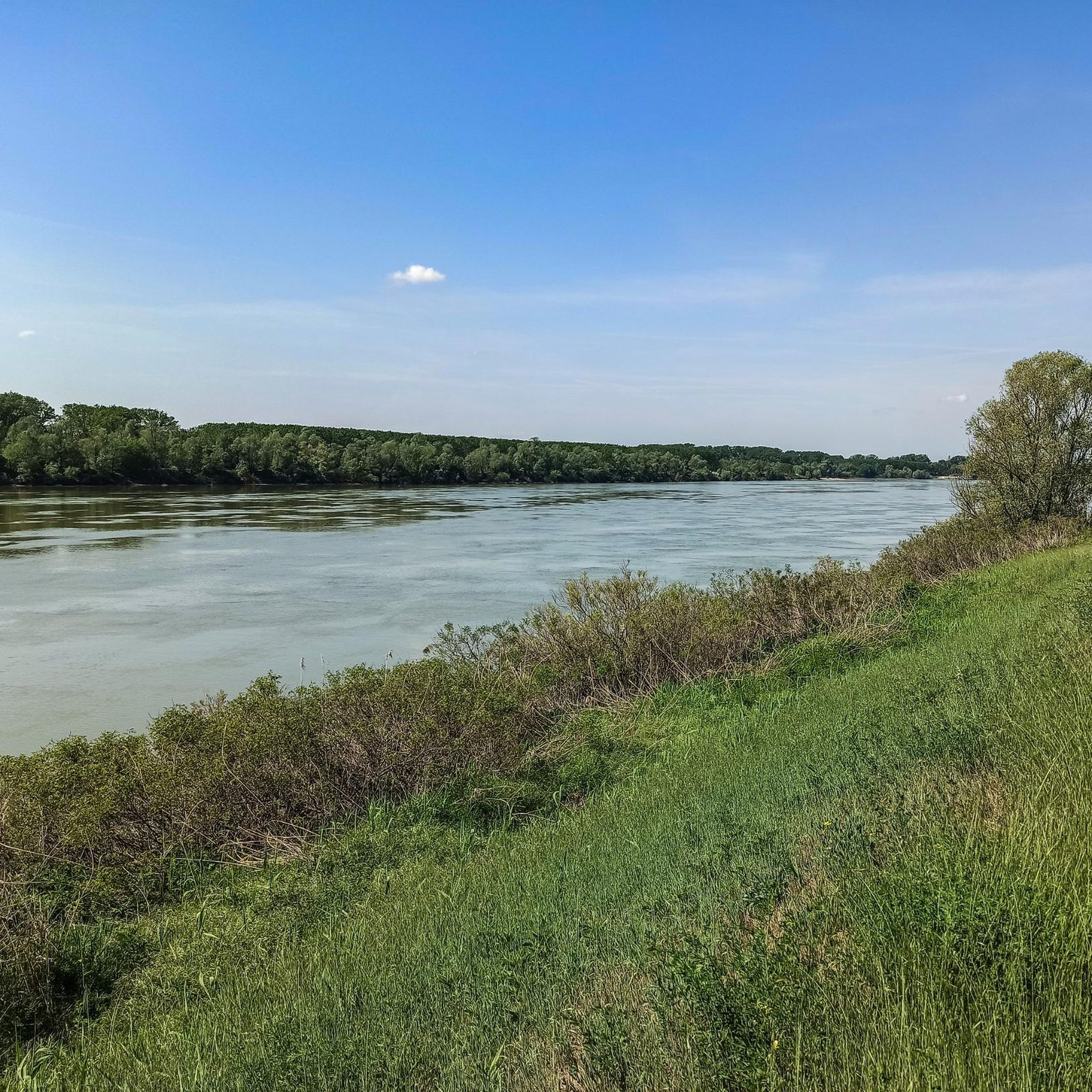
Best attractions and places to see around Masi Torello, a tranquil municipality in the Ferrara plain of Italy, offer a glimpse into traditional Po Valley life. This area is characterized by its quiet, agricultural setting, with an economy primarily based on fruit growing. Visitors can explore historical landmarks and cultural sites that reflect the region's rich heritage. The landscape features the typical flat terrain of the Ferrara plain, situated south of the Po di Volano.
Best attractions and places to…
Last updated: July 6, 2026
Delizia del Verginese
Highlight • Historical Site
Translated by Google •
Tip by

Delizia di Benvignante
Highlight • Castle
The Delizia, built in 1464 by Pietro Benvenuto degli Ordini, was commissioned by Borso d'Este …
Translated by Google •
Tip by

Sign up now to discover places like this
Get recommendations on the best single tracks, peaks, & plenty of other exciting outdoor places.
Sign up for free
Belriguardo Castle
Highlight • Castle
Translated by Google •
Tip by
Villa della Mensa
Highlight • Historical Site
The Villa della Mensa is an ancient villa of the fifteenth century counted among the "delizie", residences linked to the Este family built in the surroundings of Ferrara. It …
Translated by Google •
Tip by
Church of the Blessed Virgin of the Elm
Highlight • Religious Site
Translated by Google •
Tip by

Sign up for free to discover even more attractions around Masi Torello.
Sign up for free
Already have an account?
Start today with a free account
Your next adventure awaits.
Login or Signup

Tips from the Community

The small church was built on land donated by Count Aventi not far from where a large elm tree stood and solemnly inaugurated on 5 May 1666. Three centuries later in 1966 it was consecrated as a Marian sanctuary. ... In 1660 a terrible famine was afflicting the Portuense area, the priest Apollonio Boari assiduously went to pray to the Virgin in the countryside just outside the town, at the foot of a large elm tree on which a small plaster image of the Madonna with her child was hanging. The people followed the example of the priest by joining "in prayerful pilgrimage" in a journey of faith still recognizable today from the Collegiate Church to the small Sanctuary. The famine ended almost miraculously, so much so that the entire population asked to erect a sacred building to accommodate the small chalk tablet. Even today in the month of May the plaster statuette is carried in procession through the streets of the town which for the occasion is decorated with drapes and rose petals, while the beloved "Madonnina" is surrounded by soft lights, prayers and songs . (Source: https://www.comune.portomaggiore.fe.it/17/163/vivere-portomaggiore/visita-portomaggiore/chiese)
0
0
Built at the behest of Niccolò d'Este in 1435, it was the first of the famous Este residences to be built outside the walls of Ferrara and always remained the richest and most sumptuous. ... The castle of Belriguardo was arranged around two courtyards. In front of the majestic entrance tower, beyond the first large courtyard, was the so-called high court, the prince's residence, entirely built on two floors (today we unfortunately only see it at half its original height) with loggias and porticoes everywhere, the walls were plastered and painted with the Este weapons and at the back there were endless gardens marked by perfect geometric rhythms with waterways, fountains, bridges, exotic plants and hedge mazes, to make the stay of the guests and the Court as pleasant as possible Este. (Source: https://www.ferraraterraeacqua.it/it/voghiera/scopri-il-territorio/arte-e-cultura/ville-dimore-teatri-storici/delizia-di-belriguardo)
0
0
Originally a country farmhouse, the Verginese was transformed into a ducal residence in the early sixteenth century by Alfonso I d'Este and donated to Laura Eustochia Dianti. Upon the Duke's death, the lady retired there, making it her small private court and ordered its renovation, carried out mainly by Girolamo da Carpi. ... To the side there is a small eighteenth-century church, joined to the building via a portico, also from the same period. ... The nearby dovecote tower is a remnant of the appurtenances originally located around the delight and dates back to the 16th century. (Source: https://www.ferraraterraeacqua.it/it/portomaggiore/scopri-il-territorio/arte-e-cultura/ville-dimore-teatri-storici/delizia-estense-del-verginese)
0
0

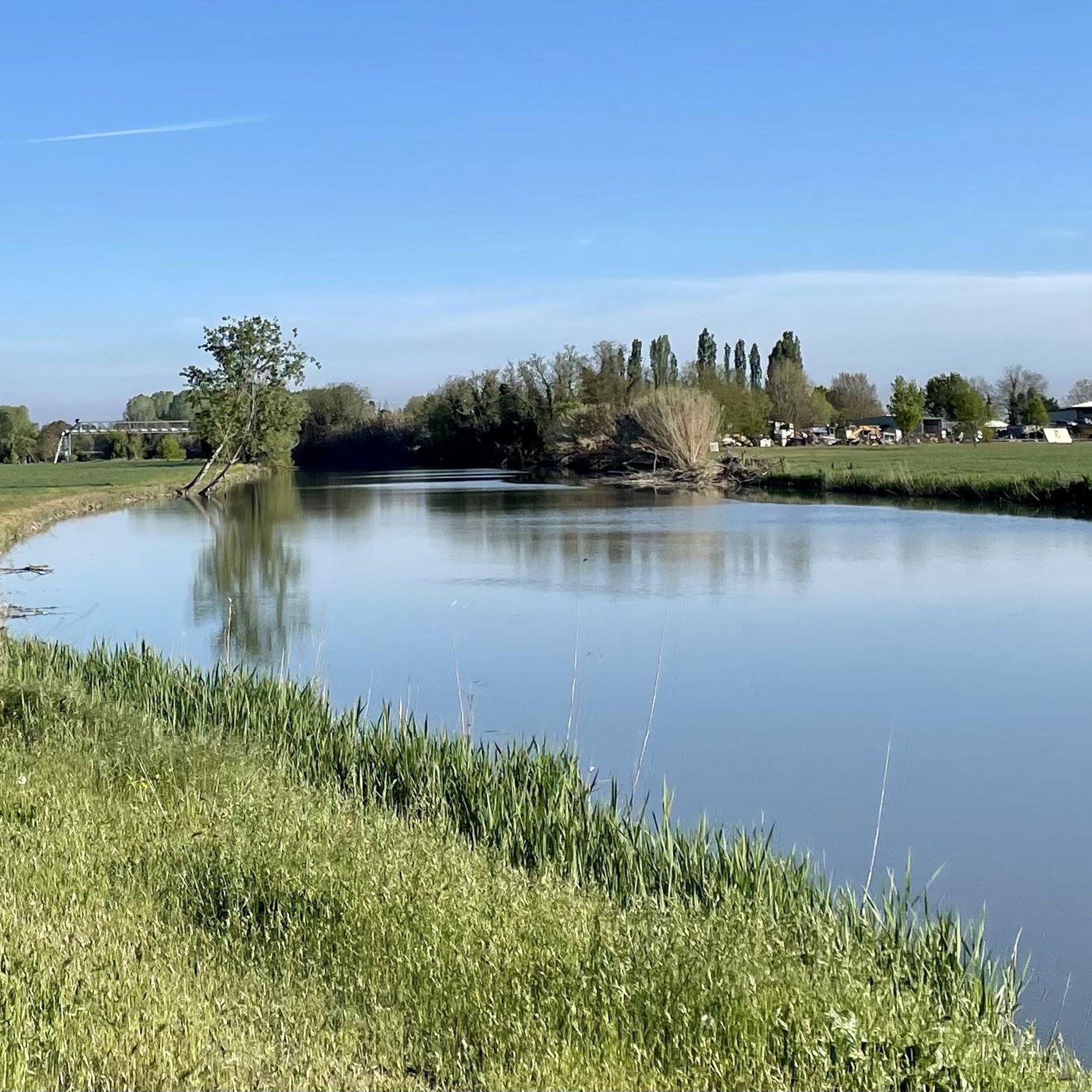
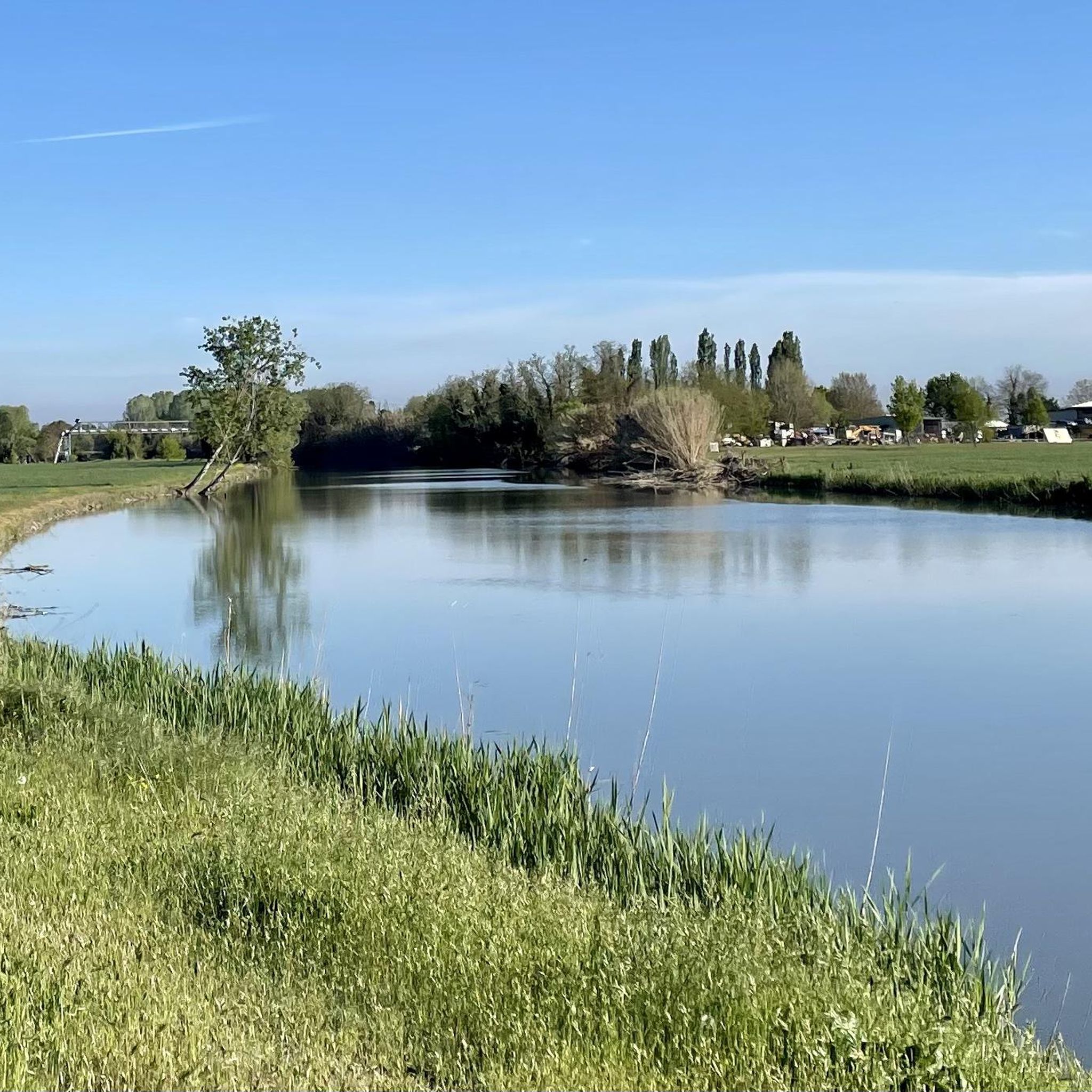
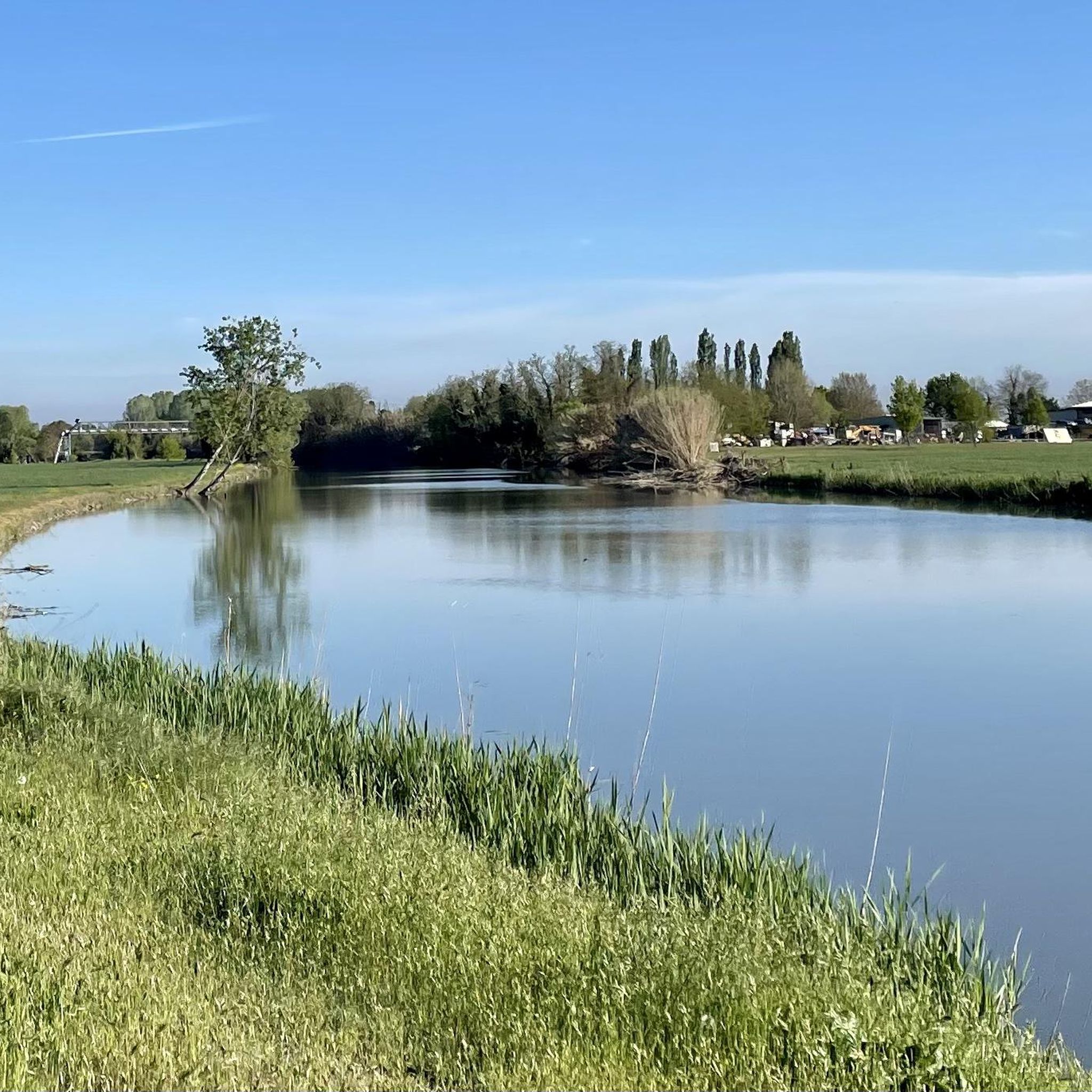
Beautiful villa. The best side is the one on the side of the Po di Volano - which already deserves in itself. If you arrive from the provincial road, you will notice a small road on the side of the Po. Take that and maybe take a ride in the park along the river
0
0

one of the many very beautiful structures in the area, it would be nice to re-evaluate them for tourism
0
0

History The Villa della Mensa is an ancient villa of the fifteenth century counted among the "delizie", residences linked to the Este family built in the surroundings of Ferrara. It is located in the municipality of Copparo, near the hamlet of Sabbioncello San Vittore. The Villa bears this name because in the past it was owned by the Archbishop's Mensa of Ferrara. The villa was never part of the Este family's assets, but is linked to the lords of Ferrara for the illustrious people who frequented it and for those who used it as a residence, especially the Bishops of the Este dynasty. The rumor has been circulating for several years that ambiguous events occur in the villa, both inside and outside, in fact in the past some people have abandoned it for having had the perception of "unwanted presences". The visit is only possible on the occasion of some events.
1
0
Beautiful and little known. One of the most important delights of the Borso d'Este period. The Delizia, built in 1464 by Pietro Benvenuto degli Ordini, was commissioned by Borso d'Este who donated it to his faithful secretary Teofilo Calcagnini, who made the residence available for meetings of the Filareti Academy. In 1481 the beautiful Beatrice d'Este stayed there. It then passed to various owners, in the 19th century the Delizia was purchased by Count Luigi Gulinelli (whose coat of arms still appears today above the entrance door) who modified the structure by raising it and making it more imposing and squared and surrounding it by four hectares of park. He also endowed it with famous stables for breeding racing horses which were also visited by Vittorio Emanuele II. Currently the residence belongs to the municipality of Argenta. In 2000, the Delizia di Benvignante was declared a World Heritage Site by Unesco, together with other Delights.
2
0
The Delizia del Verginese is one of the Este delights, a monumental residence that the Este family had built in Portomaggiore, in the current hamlet of Gambulaga. It was built in the form of a simple agricultural farmhouse near the Primaro and Sillaro rivers as early as the end of the 15th century and could therefore be reached from Ferrara by water. Then under the duke of Ferrara Alfonso I d'Este it was perhaps remodeled by Girolamo da Carpi and assumed its maximum splendour. In that period, the corner towers with a square plan, the elegant tympanums on the windows and the brick ashlar that frames the doors and towers were built.
0
0
Frequently Asked Questions
What historical sites can I explore around Masi Torello?
The area is rich in historical sites, including several Este 'delizie' or ducal residences. You can visit Delizia del Verginese, originally an agricultural farmhouse transformed into a ducal residence. Another significant site is Delizia di Benvignante, a castle commissioned by Borso d'Este and declared a UNESCO World Heritage Site. Don't miss Belriguardo Castle, the former summer palace of the Este court, which now houses the Civic Museum of Belriguardo.
Are there any notable religious buildings in the Masi Torello area?
Yes, Masi Torello features the notable San Leonardo Abate Church, a significant example of 17th-century baroque architecture with unique original decorations and a dramatic choir. The Parish Church of San Giovanni Battista is also an attraction contributing to the area's cultural interest. Additionally, you can visit the Church of the Blessed Virgin of the Elm, a small Marian sanctuary built in 1666.
What kind of natural landscape characterizes Masi Torello?
Masi Torello is set within the typical tranquil landscape of the Ferrara plain, known for its quiet, agricultural setting. The area is primarily based on agriculture, particularly fruit growing, and is situated south of the Po di Volano. You'll find flat terrain reflecting its historical ties to farming in the Po Valley.
What outdoor activities can I do near these attractions?
The flat terrain around Masi Torello is ideal for cycling. You can explore various MTB Trails, such as the 'Gravel Road loop from Cona' which is an easy route. For road cyclists, there are numerous Road Cycling Routes, including the 'Chiusa di Valpagliaro – Gravel Road from Fossalta loop from Parasacco'. Gravel biking is also popular, with routes like the 'Strada Bianca Ferrarese – Camaite (Hamlet of Copparo) loop from Copparo' available in the Gravel biking around Masi Torello guide.
Are there family-friendly attractions around Masi Torello?
Yes, several historical sites are suitable for family visits. Delizia del Verginese and Belriguardo Castle are both categorized as family-friendly. These sites offer a glimpse into history and culture that can be engaging for all ages. The Church of the Blessed Virgin of the Elm is also considered family-friendly.
What do visitors enjoy most about the attractions near Masi Torello?
Visitors appreciate the historical significance and architectural beauty of the Este 'delizie' and religious buildings. The tranquil, agricultural setting of the Ferrara plain also offers a peaceful escape. The komoot community has shown its appreciation with 36 upvotes and 8 photos shared, highlighting the visual appeal and cultural value of these sites.
Can I visit Villa della Mensa?
The Villa della Mensa is an ancient 15th-century villa linked to the Este family. However, visits are generally only possible on the occasion of specific events. It's known for its beautiful structure, especially the side facing the Po di Volano, and has intriguing local rumors of 'unwanted presences'.
Are there easy walking trails around Masi Torello?
While specific walking trails are not detailed, the flat, agricultural landscape of the Ferrara plain makes it suitable for easy walks. The area's quiet roads and paths along canals, like the Po di Volano, offer pleasant opportunities for leisurely strolls amidst the rural scenery. For more structured routes, consider the 'easy' difficulty cycling routes which can often be adapted for walking, such as the 'Gravel Road loop from Cona' mentioned in the MTB Trails guide.
What is the historical significance of the 'delizie' around Masi Torello?
The 'delizie' are monumental residences built by the Este family in the surroundings of Ferrara. They served various purposes, from agricultural farmhouses transformed into ducal residences like Delizia del Verginese, to grand castles like Delizia di Benvignante, which hosted important meetings and even royalty. Belriguardo Castle was notably the first summer residence of a lordship in Europe, often called the 'Versailles of the Este family'.
Is Masi Torello well-connected by public transport to its attractions?
Masi Torello is a tranquil municipality in the Ferrara plain, characterized by its agricultural setting. Public transport options directly to individual attractions may be limited. It is generally recommended to use a car or bicycle to explore the various historical sites and enjoy the rural landscape at your own pace.
What is the best time of year to visit Masi Torello for sightseeing and outdoor activities?
The best time to visit Masi Torello for sightseeing and outdoor activities like cycling and walking is typically during the spring (April-May) and autumn (September-October). During these seasons, the weather is mild and pleasant, ideal for exploring historical sites and enjoying the agricultural landscape without the intense heat of summer or the cooler, potentially wetter conditions of winter.
Most popular routes around Masi Torello

Get inspired with the komoot mobile app


Explore more
Still not found the Highlight you’re looking for? See guides of the top attractions in other regions:
