Attractions and Places To See around Figari/Golfo Aranci - Top 20
Best attractions and places to see around Figari/Golfo Aranci include a blend of historical sites and natural landscapes across Southern Corsica and Northern Sardinia. Figari offers an authentic Corsican experience with its vineyards and mountainous regions, while Golfo Aranci, a former fishing village, is known for its beaches and clear waters. The region features diverse geography, from limestone cliffs and granite formations to marine reserves and coastal trails. Visitors can explore ancient landmarks, traditional villages, and extensive natural parks.
Best attractions and places to see around Figari/Golfo Aranci
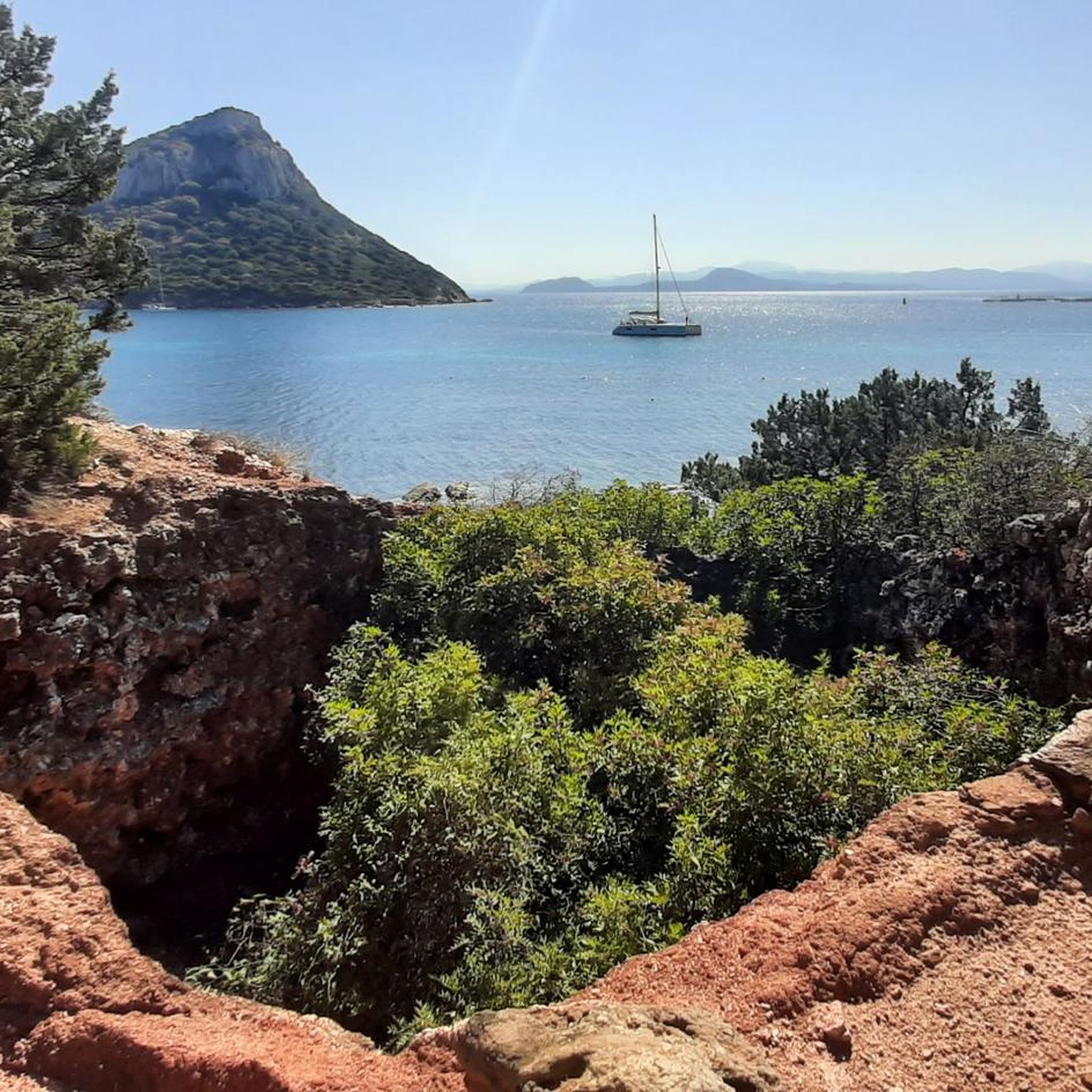
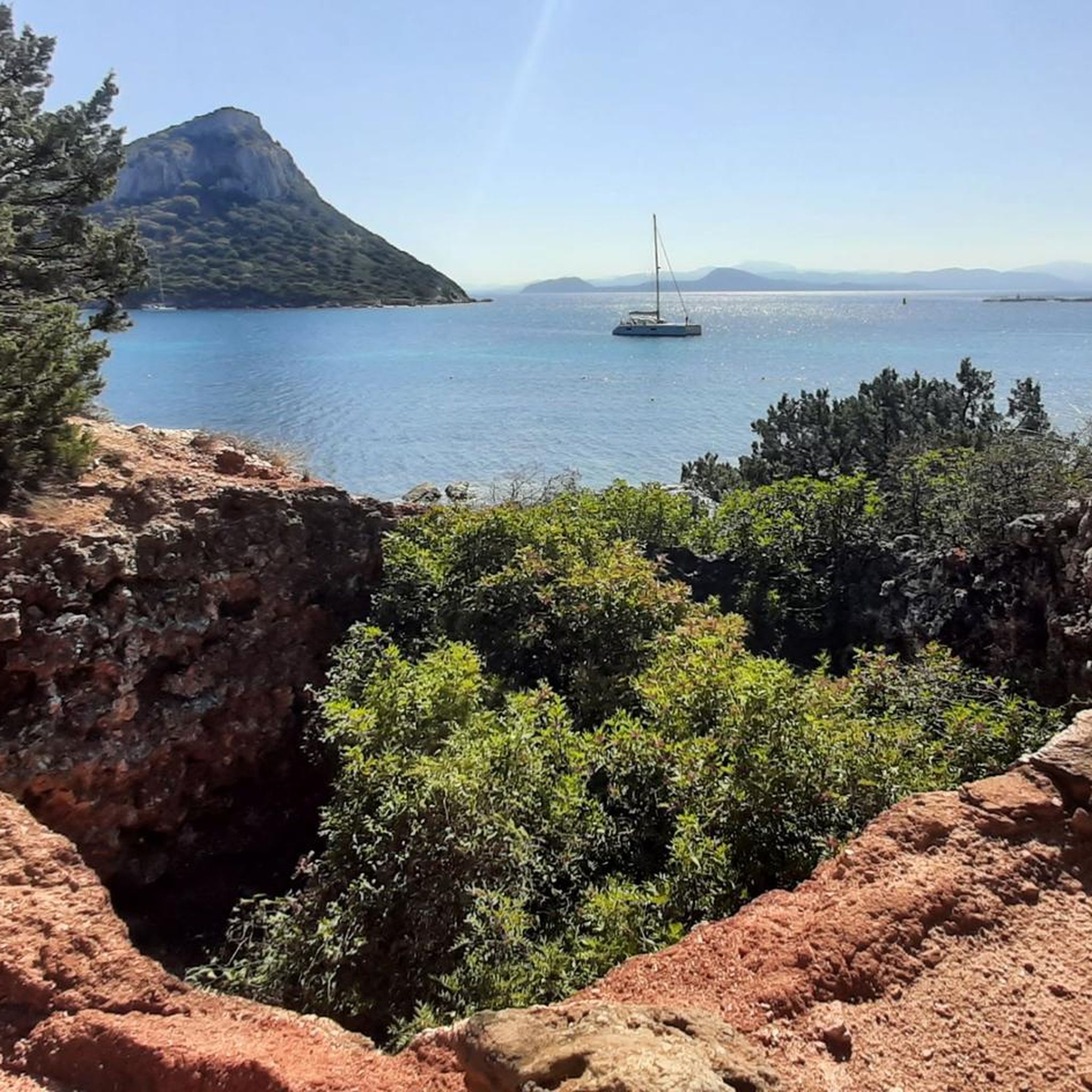
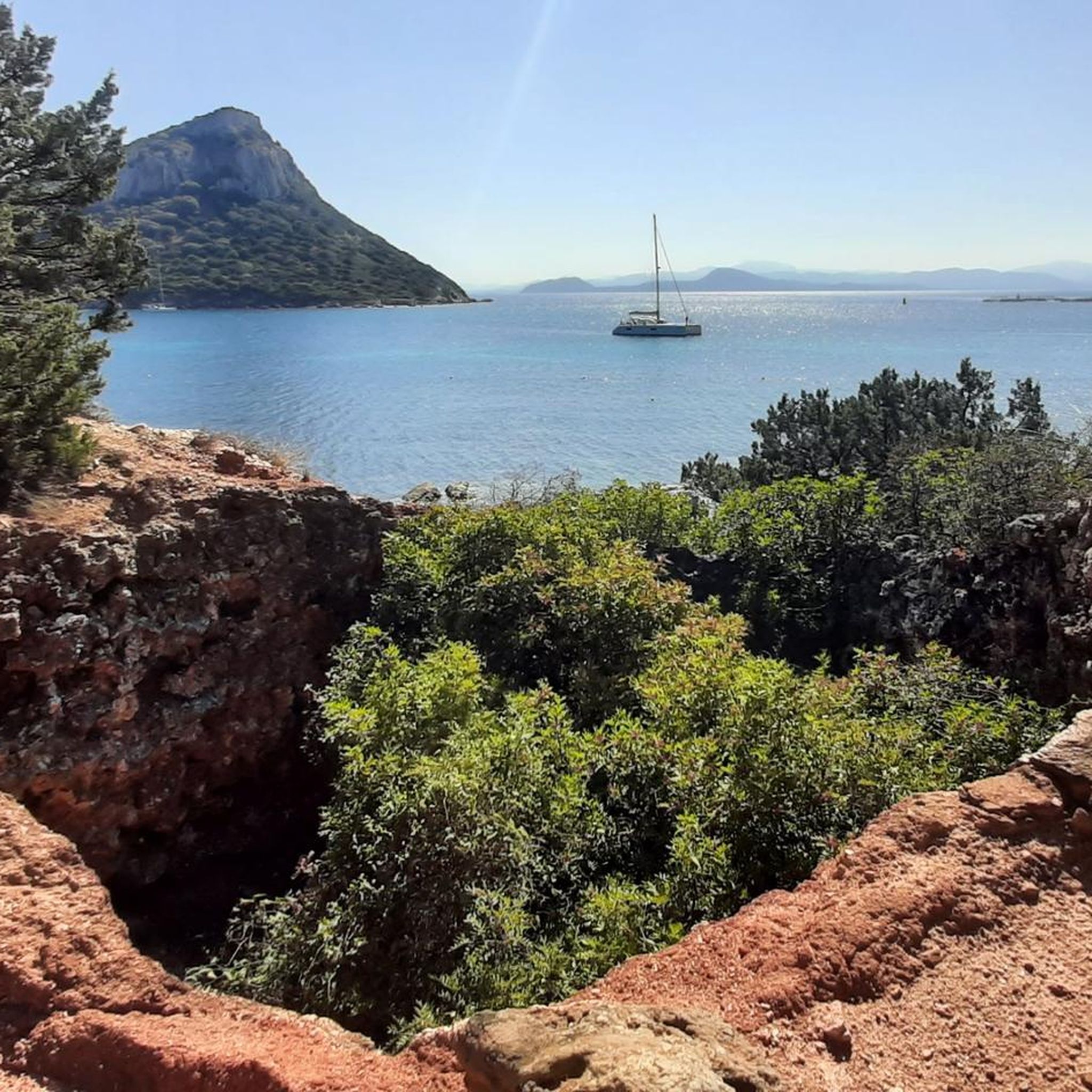
- The most popular attractions is Cala Moresca Beach, a beach located within the protected area of the Capo Figari promontory. This small inlet features fine golden sand and emerald sea, with rock formations overlooking Figarolo Island.
- Another must-see spot is Capo Figari Semaphore, a man-made monument. This abandoned navy structure was where Guglielmo Marconi conducted the first short-wave radio transmission in 1932.
- Visitors also love Tavolara Island, an island off the northeast coast of Sardinia with steep cliffs and a shallow headland. It is known for its unique history, including a self-proclaimed kingdom, and offers beaches and views.
- Figari/Golfo Aranci is known for its beaches, historical sites, and natural features. The region offers a variety of attractions to see and explore, from ancient ruins and Genoese towers to marine reserves and scenic viewpoints.
- The attractions around Figari/Golfo Aranci are appreciated by the komoot community. More than 300 upvotes and over 100 photos have been shared for the 31 highlights in this guide.
Last updated: October 9, 2026
Cala Moresca Beach
Highlight • Beach
The strips of sand are interspersed with rock formations that emerge from the water and overlook the island of Figarolo, whose characteristic pyramidal shape stands out on the horizon. This uncontaminated bay of great naturalistic value can be reached by leaving the car in a car park located a few hundred meters from the shore.
Translated by Google •
Tip by

Capo Figari Semaphore
Highlight • Monument
It was precisely in this traffic light, inaugurated in 1890, that Guglielmo Marconi even operated there in 1932 to carry out the first short-wave radio transmission.
Translated by Google •
Tip by

Sign up now to discover places like this
Get recommendations on the best single tracks, peaks, & plenty of other exciting outdoor places.
Church of Saint Paul the Apostle, Olbia
Highlight • Religious Site
Parish Church of St. Paul the Apostle
The Church of St. Paul is a Catholic Christian church dating back to the eighteenth century and is located in the historic center of the city. Built at the highest point of Olbia, in that part which, according to some scholars, could have been the area of the Punic and Roman acropolis, considering the finds of a temple construction dating back to the mid-fourth century BC, identified with the sanctuary of Melqart - Hercules. A piece of wall that must have surrounded the temple structure was also found, as well as fragments of archaic Greek ceramics. Inside there are panels in which the translation of the Latin writings on the phases of the life and conversion of St. Paul is given. The church, made entirely of granite, has a sober bell tower to which a polychrome dome has been added, giving it an evocative appearance. Originally it had a rectangular hall with an apse and three side chapels. However, many details of this church were lost during the expansion work.
Text / Source: Portodiolbia.it
portodiolbia.info/it/directory/chiesa-parrocchiale-di-san-paolo-apostolo
Translated by Google •
Tip by

Tavolara Island
Highlight • Natural
The first inhabitants on the coast about five kilometers offshore were Stone Age fishermen around 4000 BC. Chr.
At the beginning of the 19th century, the Corsican Giuseppe Bertoleoni and his family came to Sardinia and settled on the uninhabited island of Tavolara. When King Carlo Alberto of Sardinia landed on Tavolara in 1836, Giuseppe's son Paolo approached him and proclaimed: "The king of Tavolara welcomes the King of Sardinia and wishes him a pleasant stay in his kingdom."
Carlo Alberto found the joke amusing and gave him the island. This donation was confirmed by Bertoleoni in writing. [1] [2] The smallest kingdom of Europe was born. The descendants called themselves Karl I., Paul I. etc. Today the descendants of the "King Paolo" work as innkeepers and skippers.
On the island Tavorala lies since 1962 a half-island comprehensive military restricted area of NATO, on which a telecommunications and interception center is operated with long-wave transmitter.
Today, 15 to 20 people live on the island, all belonging to the Bertoleoni family. The small island cemetery, where you can find the tombs of the kings and their family, is located approximately in the middle of the shallow headland.
Source: de.wikipedia.org/wiki/Tavolara
Translated by Google •
Tip by

San Pantaleo village center
Highlight • Settlement
A small jewel in the immediate hinterland of the Costa Smeralda: this is San Pantaleo, the characteristic place that lies high on the granite rock formations of the Gallura.
The town was built at the beginning of the 19th century around a small country church and is now part of Olbia. A place that is proud of its traditions and its uniqueness.
A place beyond time that welcomes visitors with the warm hospitality of its inhabitants and with a simplicity that is now rarely found: between the skilfully restored small houses you can see the artisans' shops and the artists' studios. In the central square with its white flowering oleander bushes you can hear the voices of children, drowned out by the impressive Thursday market. The majestic granite frame offers a wonderful tranquility that has little to do with the frenetic atmosphere of the Costa Smeralda.
Text / Source: Hotel Arathena, Via Pompei 47 - 07026 San Pantaleo (OT) Sardinia, Italy arathena.it/de/swertes/san-pantaleo.html
Translated by Google •
Tip by
Sign up for free to discover even more attractions around Figari/Golfo Aranci.
Already have an account?
Start today with a free account
Your next adventure awaits.
Popular around Figari/Golfo Aranci
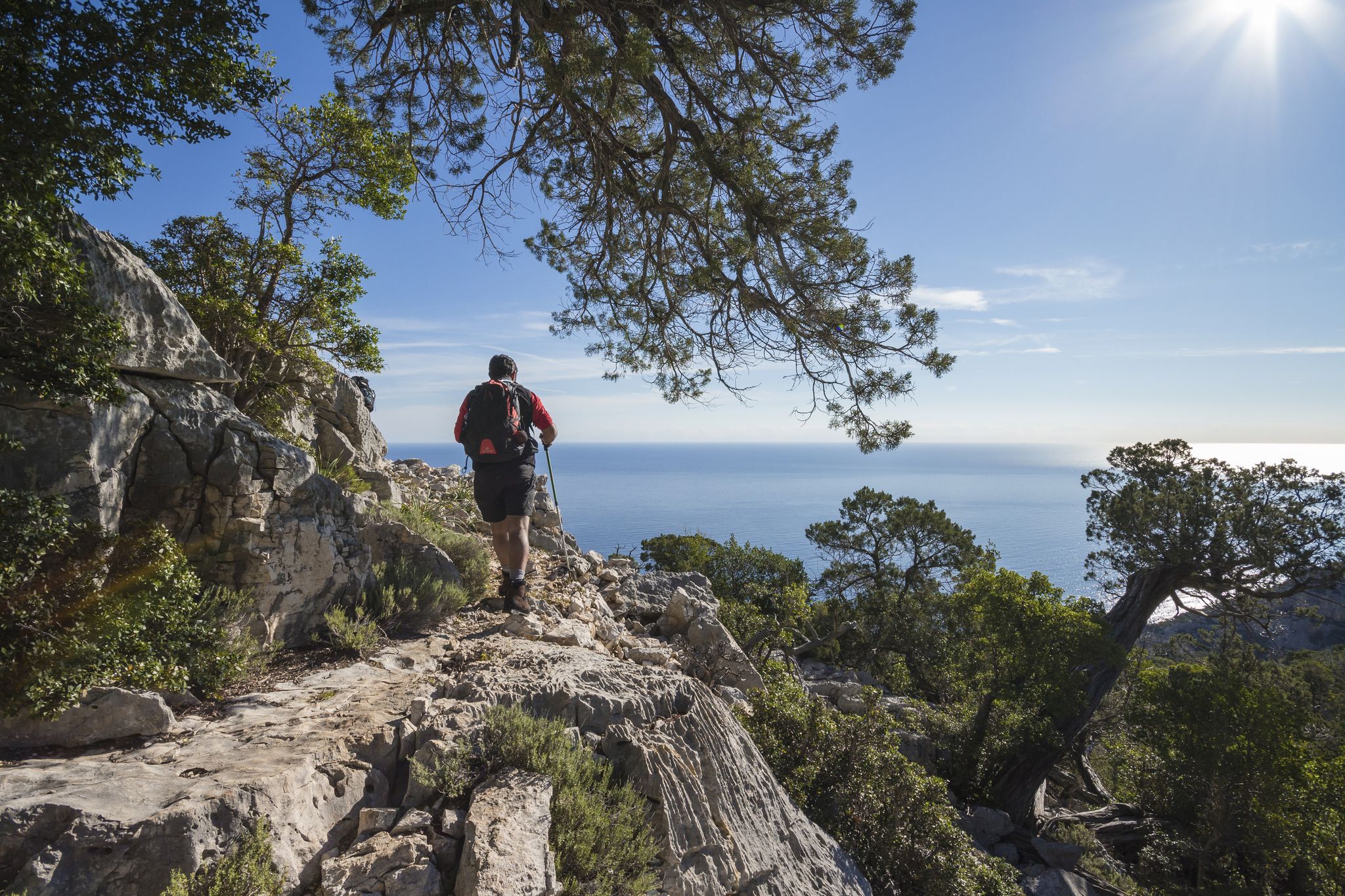
Magnificent Sardinia – day hikes overlooking the sea
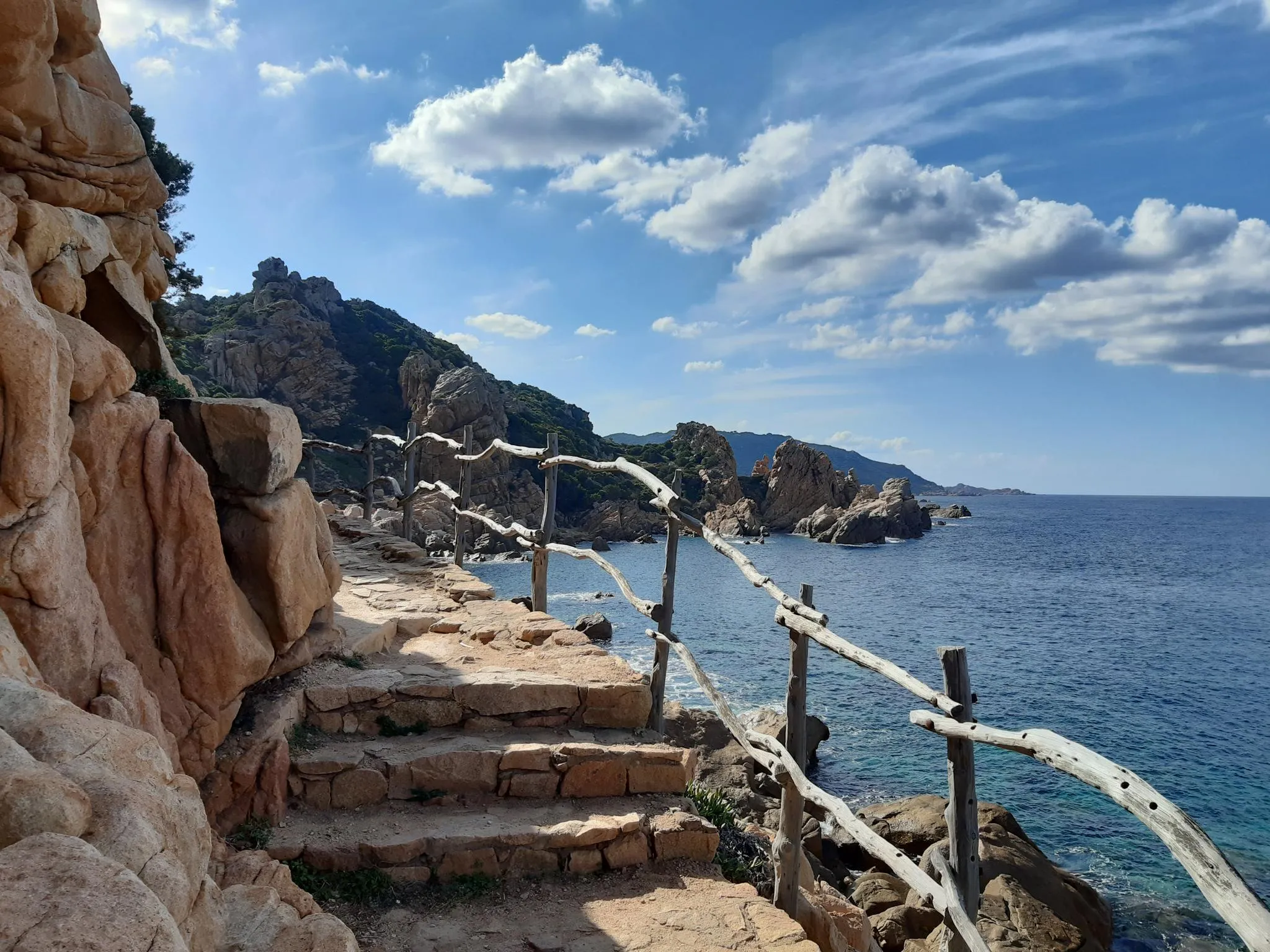
Budoni to Castelsardo on Italy's Via Gallura – Cammino 100 Torri
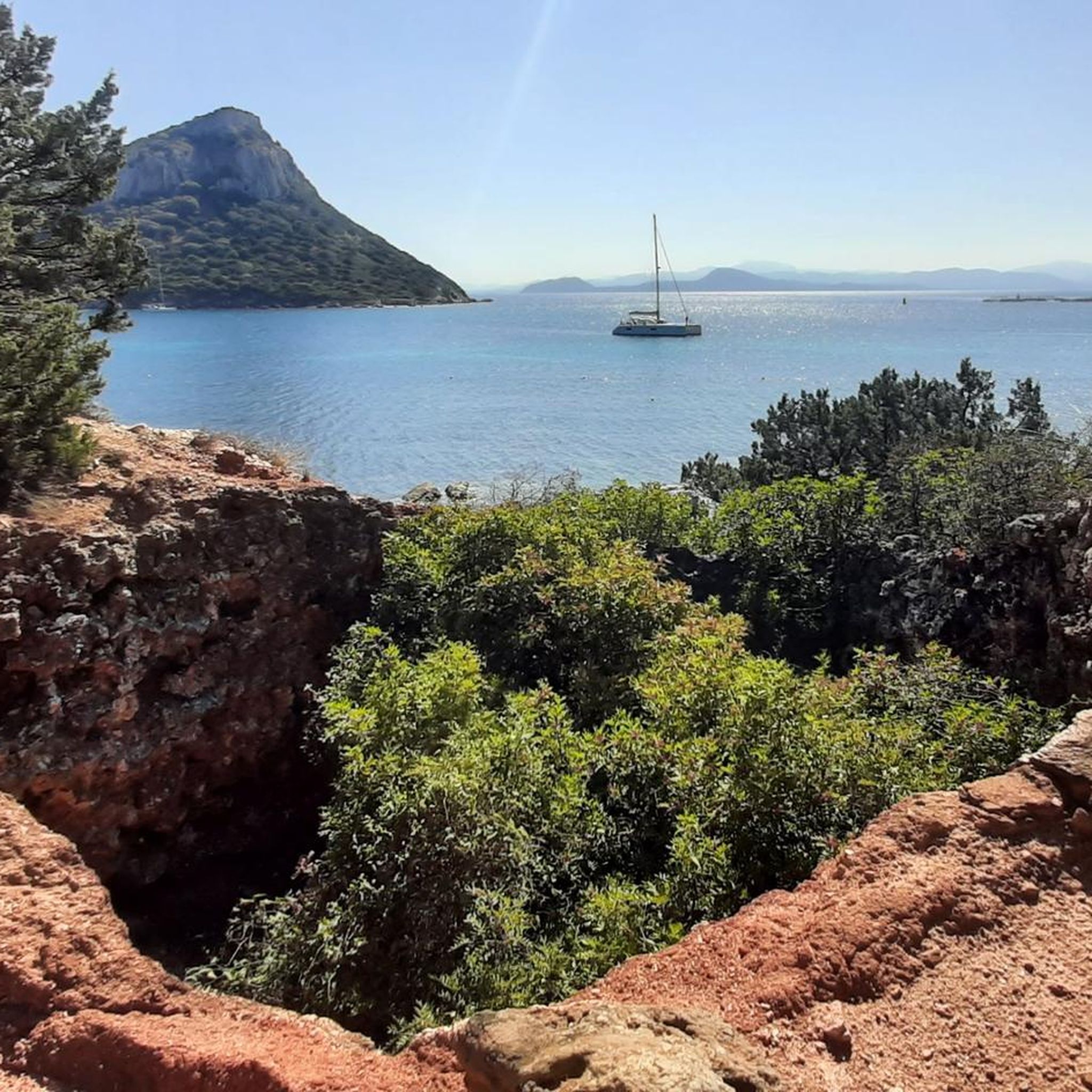
Hiking around Figari/Golfo Aranci
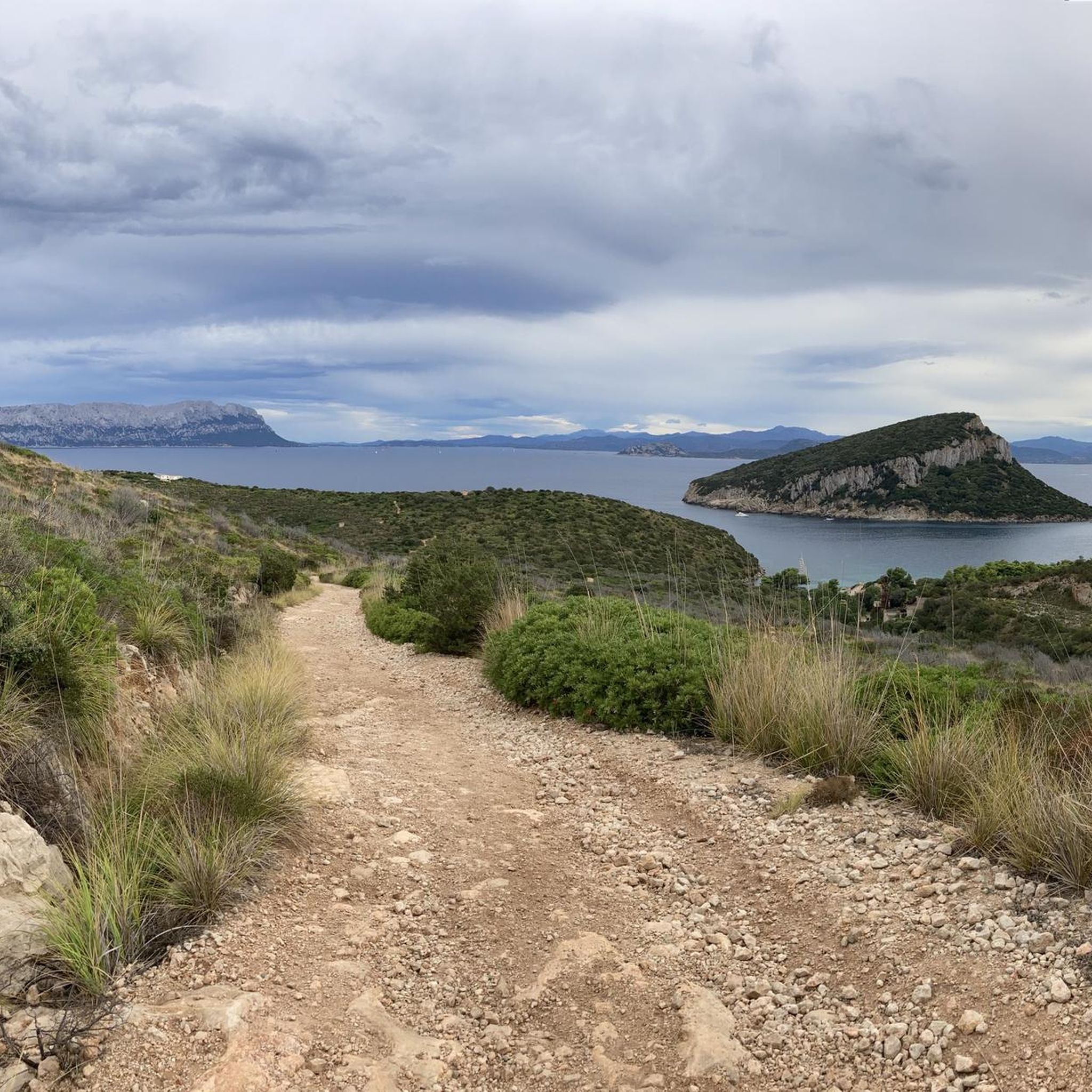
Running Trails around Figari/Golfo Aranci
MTB Trails around Figari/Golfo Aranci
Cycling around Figari/Golfo Aranci
Gravel biking around Figari/Golfo Aranci
Road Cycling Routes around Figari/Golfo Aranci


Tips from the Community

A beautiful old church. 👍🏻
0
0

The Church of San Paolo Apostolo in the old town of Olbia (Piazza Civitas, 3) is a church built in the early Middle Ages on the ruins of Roman temples. It is particularly known for its striking dome made of colorful ceramic tiles (majolica) and the interior with the baroque high altar.
2
0

This church in Olbia is dedicated to Saint Paul. He was initially an opponent of the Christian movement and, unlike the other apostles, was not called to the apostleship by Jesus Christ during his lifetime, but was converted later by the famous "Damascus Road experience" (see Acts, chapter 9). His attribute, with which he is almost always depicted in paintings or as a statue, is the sword he holds in one hand, with which he was executed for his confession of faith in Jesus Christ. Such a sentence was, according to the law of the time, a "privilege" reserved only for those with Roman citizenship (because it guaranteed a swift death and was not, like other forms of execution, associated with a long and agonizing death struggle). Peter and Paul (Santi Pietro e Paolo) are also known together as the "Princes of the Apostles," and their joint feast day in the liturgical calendar is June 29.
1
0

A bit crowded, but beautifully situated with shady trees along the shore. Shallow entry on soft sand.
0
0

A beautiful dirt road with a view of Punta Semaforo. A beach with crystal-clear water near the English Cemetery.
1
0

The top is covered with colored tiles and looks great... it's a beautiful church ⛪️
1
0

Chiesa Parrocchiale di S.Paolo Apostolo di Olbia Parish Church of St. Paul the Apostle The Church of St. Paul is a Catholic Christian church dating back to the eighteenth century and is located in the historic center of the city. Built at the highest point of Olbia, in that part which, according to some scholars, could have been the area of the Punic and Roman acropolis, considering the finds of a temple construction dating back to the mid-fourth century BC, identified with the sanctuary of Melqart - Hercules. A piece of wall that must have surrounded the temple structure was also found, as well as fragments of archaic Greek ceramics. Inside there are panels in which the translation of the Latin writings on the phases of the life and conversion of St. Paul is given. The church, made entirely of granite, has a sober bell tower to which a polychrome dome has been added, giving it an evocative appearance. Originally it had a rectangular hall with an apse and three side chapels. However, many details of this church were lost during the expansion work. Text / Source: Portodiolbia.it https://www.portodiolbia.info/it/directory/chiesa-parrocchiale-di-san-paolo-apostolo
15
0
San Pantaleo (SS), the magical place in the heart of the Costa Smeralda (Olbia) A small jewel in the immediate hinterland of the Costa Smeralda: this is San Pantaleo, the characteristic place that lies high on the granite rock formations of the Gallura. The town was built at the beginning of the 19th century around a small country church and is now part of Olbia. A place that is proud of its traditions and its uniqueness. A place beyond time that welcomes visitors with the warm hospitality of its inhabitants and with a simplicity that is now rarely found: between the skilfully restored small houses you can see the artisans' shops and the artists' studios. In the central square with its white flowering oleander bushes you can hear the voices of children, drowned out by the impressive Thursday market. The majestic granite frame offers a wonderful tranquility that has little to do with the frenetic atmosphere of the Costa Smeralda. Text / Source: Hotel Arathena, Via Pompei 47 - 07026 San Pantaleo (OT) Sardinia, Italy https://www.arathena.it/de/swertes/san-pantaleo.html
13
0
Frequently Asked Questions
What natural features and scenic spots can I explore around Figari and Golfo Aranci?
The region boasts diverse natural beauty. In Golfo Aranci, you can visit Cala Moresca Beach, known for its golden sand and emerald waters with views of Figarolo Island. The Tavolara Island, off the northeast coast of Sardinia, offers steep cliffs and beautiful beaches. In Figari, don't miss Roccapina Beach, famous for its white sands and the iconic "Lion of Roccapina" rock formation. The Bocche di Bonifacio Nature Reserve, encompassing the strait between Corsica and Sardinia, is rich in biodiversity.
Are there any historical sites or cultural landmarks worth visiting in the region?
Yes, both areas are rich in history. In Golfo Aranci, the Capo Figari Semaphore is a significant man-made monument where Guglielmo Marconi conducted early radio experiments. You can also find the ancient Pozzo Sacro di Milis (Sacred Well) from the Nuragic Era. Near Figari, Bonifacio is Corsica's oldest town, perched on limestone cliffs with a medieval citadel. The Caldarello Tower offers a glimpse into Corsica's coastal defense history, and the Saint-Jean-Baptiste Church in Figari village showcases traditional Corsican architecture.
Where can I find beautiful beaches for swimming and relaxation?
Golfo Aranci is renowned for its idyllic beaches. Besides Cala Moresca Beach, other notable options include Baia Caddinas, Cala Sos Aranzos, Cala Sassari, Cala Sabina, and Spiaggia Bianca. Near Figari, Roccapina Beach is a must-see, and the stunning Palombaggia Beach and Santa Giulia Beach near Porto-Vecchio are easily accessible.
What kind of outdoor activities, like hiking or cycling, are available?
The region offers numerous opportunities for outdoor enthusiasts. The Capo Figari Nature Park is ideal for trekking and mountain biking, providing panoramic views. You can find various cycling routes, such as the 'White Beach – Lungomare Golfo Aranci loop' or the 'View of the Bay of Cannigione – Porto Rotondo loop'. For more details on cycling, visit our guide on Cycling around Figari/Golfo Aranci. Hiking trails are abundant, including those to Omu di Cagna and Sentier du trou de la Bombe in Figari, and the trail from Golfo Aranci to Capo Figari.
Are there specific trails for mountain biking around Figari/Golfo Aranci?
Yes, mountain biking is a popular activity, especially within the Capo Figari Nature Park. You can explore challenging routes like the 'Capo Figari Loop' or the 'Capo Figari Semaphore – Cala Moresca loop'. For a comprehensive list of trails, check out our guide on MTB Trails around Figari/Golfo Aranci.
What are some family-friendly attractions or activities in the area?
Many attractions cater to families. Beaches like Cala Moresca Beach are perfect for a day out. The Church of Saint Paul the Apostle, Olbia and San Pantaleo village center are also listed as family-friendly. In Golfo Aranci, the unique 'Siren's Song' statue, which emerges from the sea with music, can be enchanting for children. Dolphin watching tours are also a memorable family experience.
Can I go dolphin watching or take boat tours in Golfo Aranci?
Absolutely! The waters around Golfo Aranci are known for dolphins, and several operators offer dolphin-watching tours. Additionally, various boat tours are available to explore nearby islands like Tavolara and Figarolo, and to discover hidden coves along the coast.
What is the significance of Capo Figari?
Capo Figari holds both natural and historical significance. It's home to the Capo Figari Nature Park, a sprawling reserve perfect for trekking and mountain biking with diverse fauna and panoramic views. Historically, the Capo Figari Semaphore is where Guglielmo Marconi conducted pioneering experiments on radio waves in 1932, a site honored by the Column of Light in Golfo Aranci.
Are there any unique cultural experiences, such as wine tasting, in Figari?
Yes, Figari is one of Corsica's oldest wine-growing areas, with vines dating back to the 5th century BC. You can explore local vineyards and taste distinct AOC Figari wines. For more information on wine tourism in the region, you can visit winetourism.com/wine-appellation/figari/.
What do other visitors particularly enjoy about the attractions in Figari/Golfo Aranci?
The komoot community highly appreciates the natural beauty and historical significance of the area. Visitors love the 'fantastic view' from Cala Moresca Beach and describe it as a 'very nice little bay'. The Capo Figari Semaphore is praised for its 'great view after a nice hike'. The charming San Pantaleo village center is noted for its 'beautiful village with numerous houses, corners, stone structures, skilfully executed by local craftsmen'.
What are some popular running routes in the area?
For runners, there are several scenic routes. You can enjoy the 'Prima Spiaggia loop' or the 'Cala Moresca Beach – View of Isola di Figarolo loop'. Another popular option is the 'Golfo Aranci Promenade – Garden of 1,000 Teddy Bears loop'. For more running trail options, refer to our guide on Running Trails around Figari/Golfo Aranci.
What is the best time of year to visit Figari/Golfo Aranci for outdoor activities?
The Mediterranean climate makes spring (April-May) and autumn (September-October) ideal for outdoor activities like hiking, cycling, and exploring. The weather is pleasant, and the landscapes are vibrant. Summer (June-August) is perfect for beach activities and water sports, though it can be quite warm for strenuous hiking.
Are there any charming villages or towns to explore nearby?
Yes, beyond Figari and Golfo Aranci, you can visit San Pantaleo village center, a small jewel in the heart of the Costa Smeralda, known for its granite rock formations and artisan shops. Porto-Vecchio, about 20 kilometers northeast of Figari, is also worth exploring for its vibrant marina and historic old town. Bonifacio, Corsica's oldest town, offers a dramatic setting on limestone cliffs.
Most popular routes around Figari/Golfo Aranci
Most popular attractions around Figari/Golfo Aranci

Get inspired with the komoot mobile app


Explore more
Still not found the Highlight you’re looking for? See guides of the top attractions in other regions:
