The 9 Most Amazing Peaks around Marostica
Best mountain peaks around Marostica are situated in the hilly foothills of the Asiago Plateau in Veneto, Italy. This region provides access to elevated areas known for panoramic views and historical significance. The landscape features a network of ancient paths suitable for exploration, offering diverse experiences for visitors. Marostica itself provides vistas of the Pedemontana Veneta and surrounding mountain ranges.
Best mountain peaks around Marostica
- The most popular mountain peaks is Monte Caina Summit and Madonna di Fatima Statue,…
Last updated: May 3, 2026
Monte Caina Summit and Madonna di Fatima Statue
Highlight • Summit
Translated by Google •
Tip by

Ascent to Monte Grappa from Semonzo
Highlight (Segment) • Climb
Translated by Google •
Tip by

Sign up now to discover places like this
Get recommendations on the best single tracks, peaks, & plenty of other exciting outdoor places.
Sign up for free
Col d'Astiago
Highlight • Mountain Pass
Translated by Google •
Tip by

Col del Fenilon
Highlight • Monument
Translated by Google •
Tip by

Start of the climb to Cima Grappa
Highlight • Climb
Tip by

Sign up for free to discover even more peaks around Marostica.
Sign up for free
Already have an account?
Start today with a free account
Your next adventure awaits.
Login or Signup

Tips from the Community

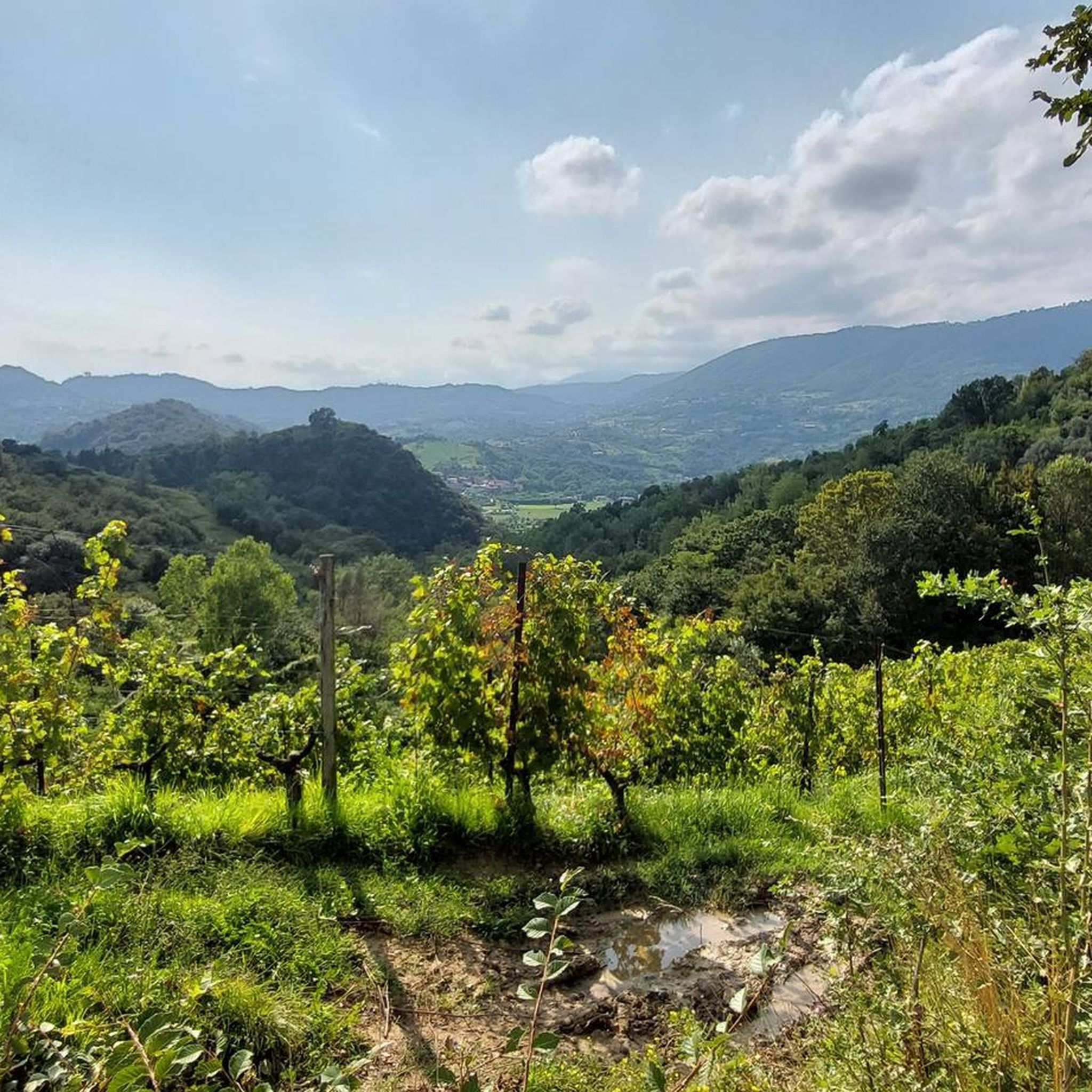
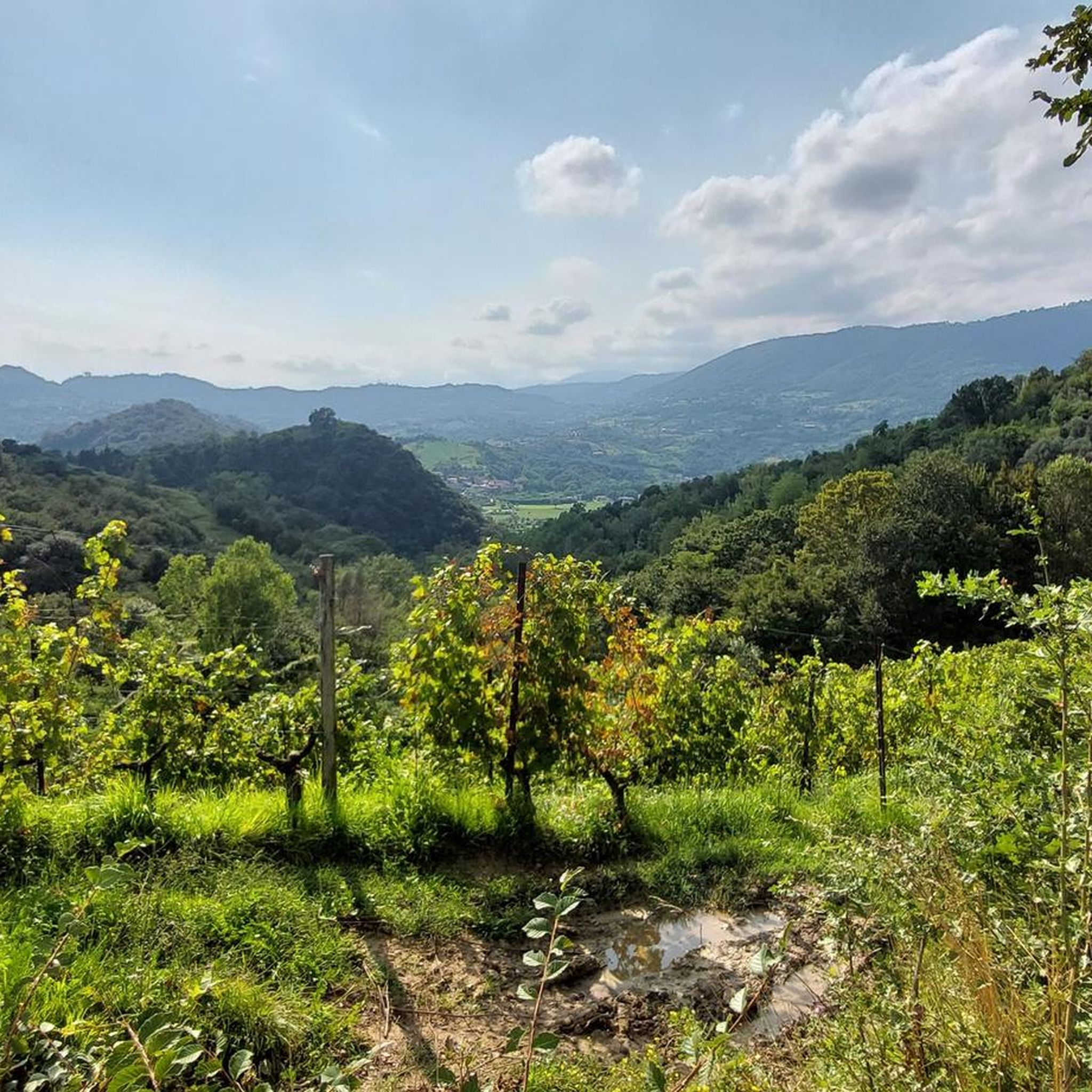
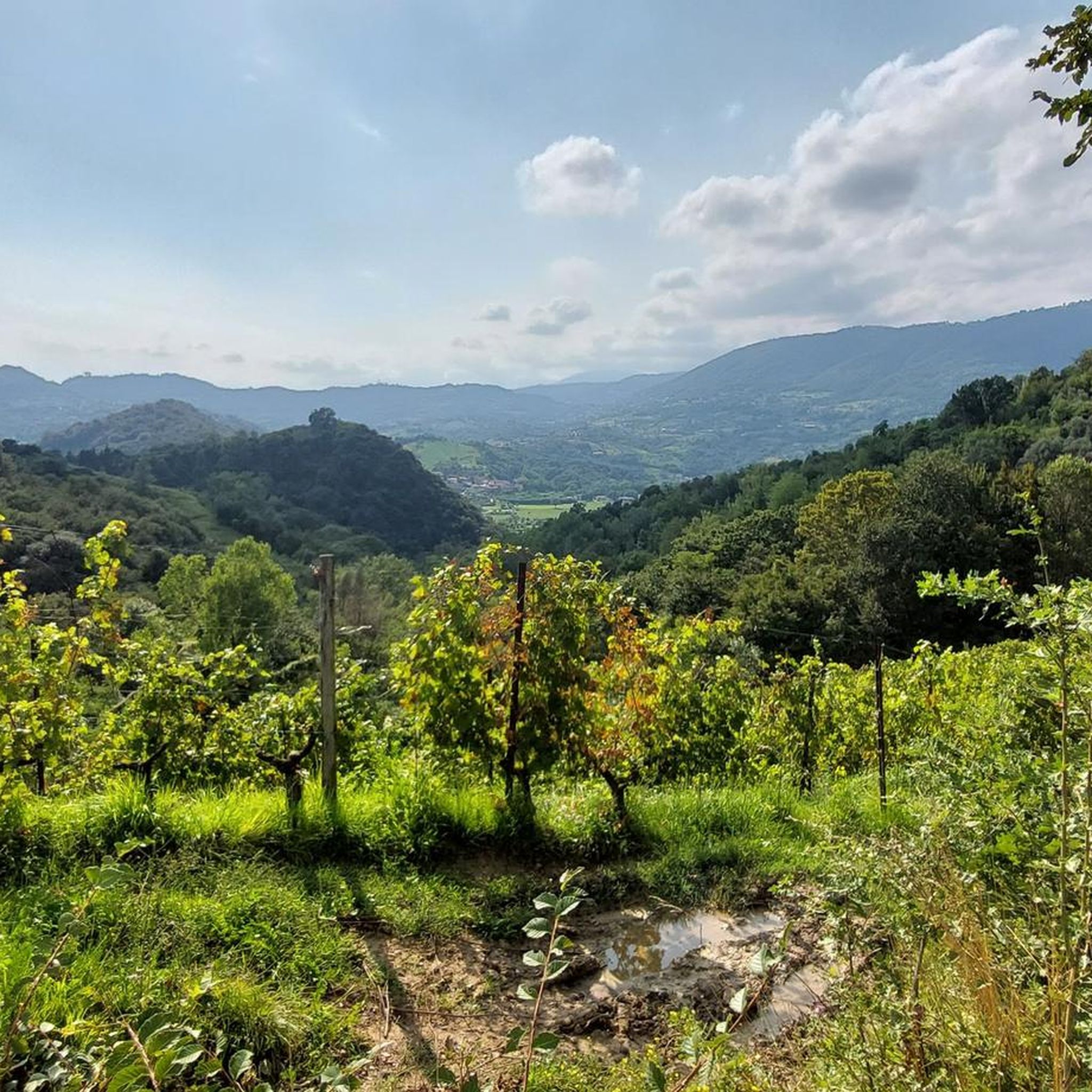
Col Fenilon is a green, rounded hill rising among the Colli Alti, offering a splendid 360° panorama, even better than the more famous (and lower) Col Moschin: the view extends over the plain, Bassano and the Brenta Valley, the Asiago Plateau, the Lagorai, Mount Grappa, and, on the horizon, the Dolomites. During the First World War, the Colli Alti del Grappa (including Col Fenilon and Col Moschin) were a crucial and extreme point of Italian resistance defending the plain. In June 1918, they were conquered by the Austro-Hungarians, and later retaken by the Italians in a lightning-fast and legendary action. The name derives from "buon fieno" (good hay), due to the excellent mountain pastures it has provided for centuries.
0
0
This large concrete tank pumps water from the springs of the Oliero Caves, thanks to an aqueduct that exceeds 1000m of altitude, and then distributes it throughout the Asiago Plateau: up here in fact the territory is karst, so it does not retain the water that flows downstream through underground passages... practically the same water from rain and snow that naturally flows from the summit, is artificially made to rise out of necessity! The current aqueduct and tank were built on the traces of a system already built during the First World War, to overcome the primary problem of water supply to the Plateau, which presented itself in all its gravity during the conflict, both due to the exponential growth in the number of men present at altitude, and due to the dispute over the few springs by the opposing adversaries. Considered by many to be a horrible structure, for me it is a suggestive, totally detached brutalist architecture, positioned in a natural and uncontaminated environment: a fascinating contrast!
1
0
Col d'Asiago offers a beautiful and privileged panoramic point on the underlying Canale del Brenta, or the narrow and deep terminal part of Valsugana. But the view extends over the Asiago Plateau and the entire skyline of mountains that border it to the north, the Grappa Massif to the east and the mouth of Val Brenta. In the distance, the Piccole Dolomiti, the Pale di San Martino and the Vette Feltrine. Precisely because of its strategic position, during the First World War it was a strongly armed Italian defensive bastion and decisive in various phases of the conflict. The peak is also known locally by the ancient and dialect toponym 'Col del S-ciavo', dating back to the time of the Serenissima: on the slopes of the hill in fact the 'schiavoni' (i.e. the non-Latin inhabitants of the dominions of Dalmatia and the Venetian hinterland) cut wood for the naval fleet; the trunks (especially beech trees) were lowered down the valley through the famous and nearby Calà del Sasso; they were then loaded onto rafts that went down the entire Brenta, until they reached the lagoon and the Arsenale of Venice. A large concrete cistern dominates the summit, collecting the water pumped from the Oliero Caves, 1000m further downstream, and distributing it to the Plateau.
0
0

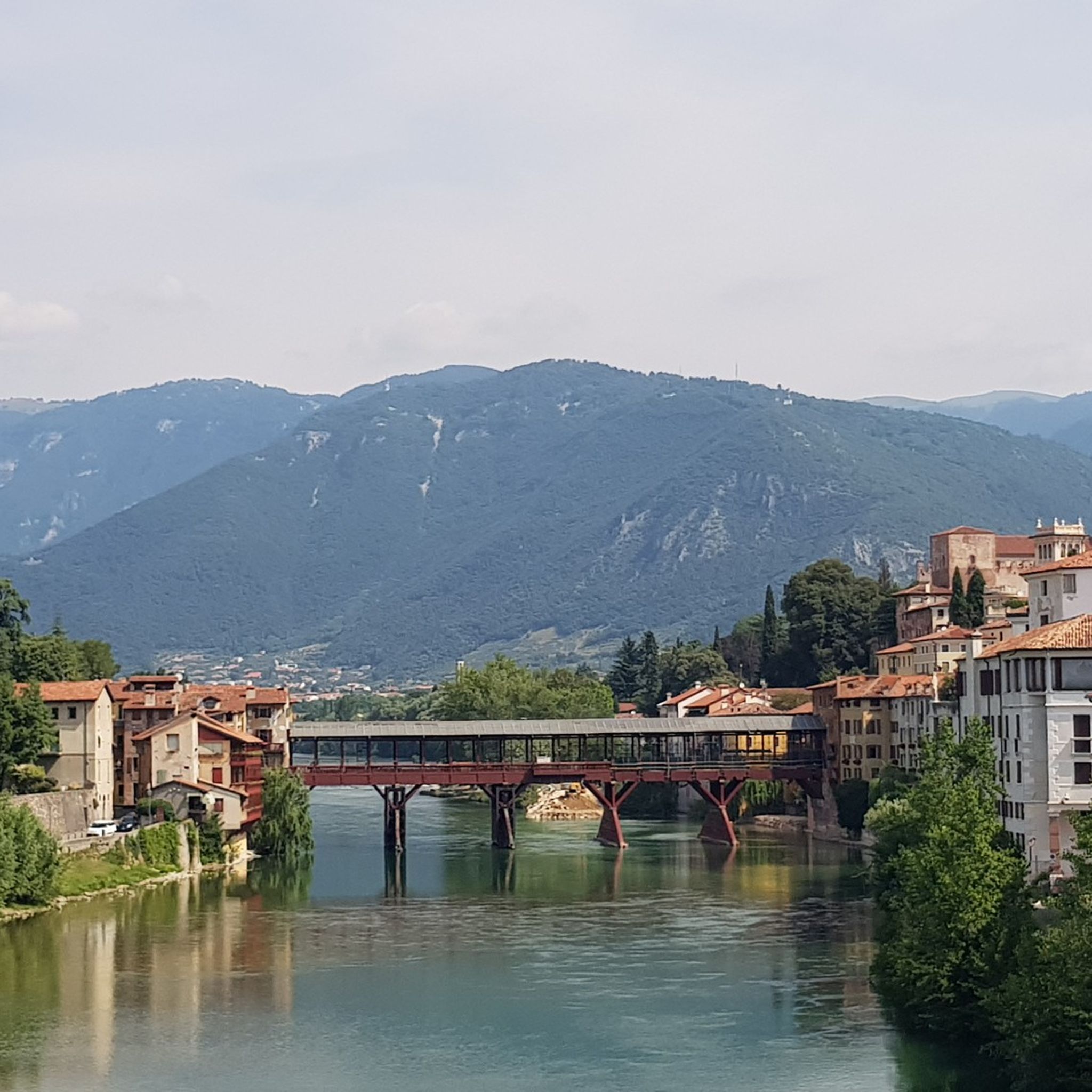
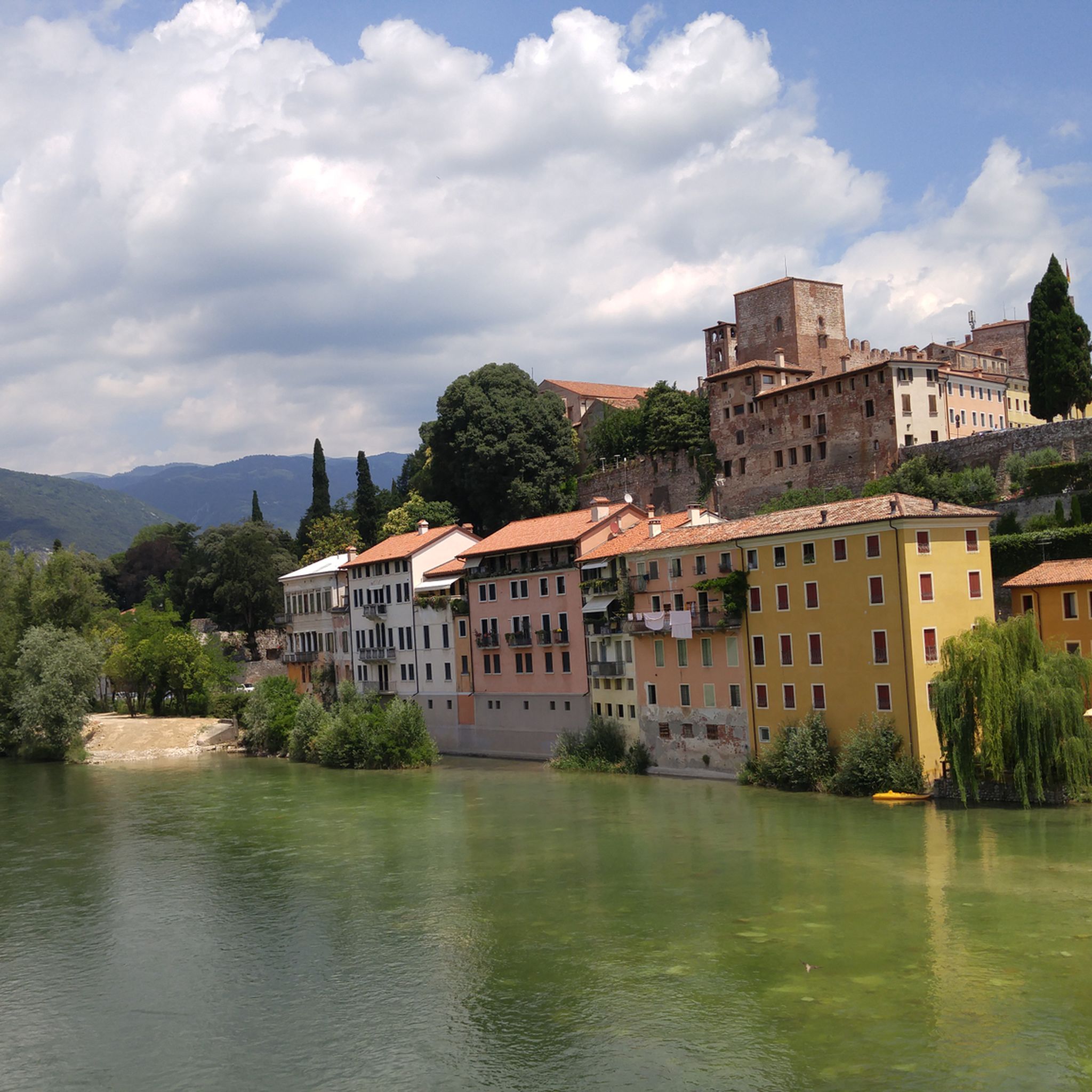
Crazy view on the Bassano valley
1
1


The large cross of Col del Fenilon (1327 m) is in memory of the fallen and heroic deeds that characterized these places during the First World War. From here the view is truly magnificent. You can admire in one fell swoop the plain up to the sea, the Brenta Valley, the Asiago Plateau and the Grappa peak.
0
0

Very beautiful, challenging climb, with a couple of sections where the slope becomes more difficult. The roadway is narrow at times and with the addition of weekend traffic there are some situations in which to pay attention
2
0

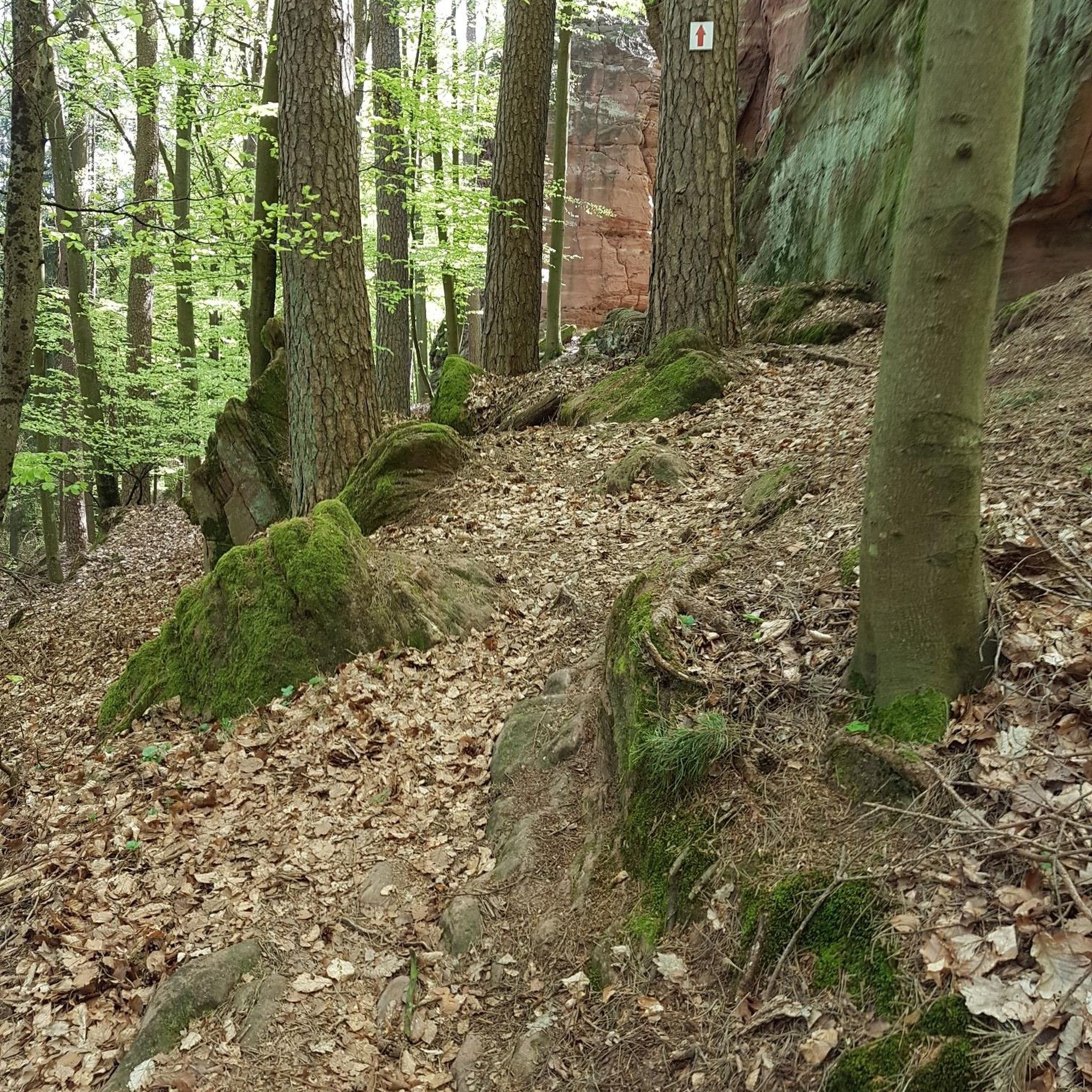
It's a trail with huge potential, if only it were better maintained. One of my favourites. It is very suggestive and the slopes are easily practicable. What makes it difficult to walk on are the stones, which, unfortunately, are dangerous, more downhill than uphill. If it were fixed it could have the potential to facilitate ascent/descent into Grappa on foot, rather than by car. I hope it gets fixed in the not too distant future!
0
0
Frequently Asked Questions
What are some of the most notable mountain peaks to visit around Marostica?
The region around Marostica offers several captivating mountain peaks and elevated areas. Monte Caina Summit provides sweeping views of the Po Valley. The Croce del Col del Fenilon is significant for its historical value and magnificent panoramas. Within Marostica itself, a walk up Pauso Hill to the Castello Superiore offers beautiful vistas of the Pedemontana Veneta.
Which mountain peaks offer the best panoramic views of the region?
For breathtaking panoramic views, Monte Caina is exceptional, offering vistas from the Lessini Mountains to the Upper Adriatic, and even Venice on clear days. The Croce del Col del Fenilon also provides truly magnificent views encompassing the plain to the sea, the Brenta Valley, and the Asiago Plateau. From Col d'Astiago, you can enjoy expansive panoramas of the Brenta area and towards Monte Grappa.
Are there challenging climbs for experienced hikers near Marostica?
Yes, for those seeking a challenge, the ascent to Monte Grappa is highly regarded. The Ascent to Monte Grappa from Semonzo is a demanding climb with significant historical value, rewarding the effort with extensive panoramic views. Another challenging option is the Start of the climb to Cima Grappa, which is a very long and suggestive trail.
Can I find easy or beginner-friendly mountain walks in the Marostica area?
While many peaks involve some ascent, the walk up Pauso Hill to the Castello Superiore within Marostica is easily accessible from the town center and offers beautiful views without extreme difficulty. The hills above Valle San Floriano also provide picturesque views with less strenuous paths, ideal for a more relaxed experience.
Beyond the main peaks, are there any unique natural or historical landmarks to discover?
Yes, the region is rich in both. The Col d'Astiago, for instance, not only offers views but also houses a pumping station that supplies water from the Oliero caves to the plateau, built on the traces of a WWI system. The Croce del Col del Fenilon is a significant historical monument commemorating WWI events. Monte Grappa itself is a major historical site related to World War I.
What is the best time of year to visit the mountain peaks around Marostica?
The spring and autumn months generally offer the most pleasant weather for hiking and exploring the mountain peaks around Marostica, with comfortable temperatures and clear skies. Summer can also be good, especially at higher elevations, but be prepared for warmer conditions. Winter can be beautiful but may require specific gear for snow and ice, especially on higher peaks.
Are there family-friendly options for exploring the mountains near Marostica?
Yes, for families, the walk up Pauso Hill to the Castello Superiore in Marostica is a great option, offering scenic views and historical interest without being overly strenuous. Exploring the hills above Valle San Floriano also provides gentle paths with lovely views of the pre-Alps and Marostica's castles, suitable for a family outing.
What outdoor activities can I do near these mountain peaks?
Beyond hiking, the area around Marostica is excellent for cycling and mountain biking. You can find various routes, such as those detailed in the Gravel biking around Marostica guide or the MTB Trails around Marostica guide. For road cycling, explore options in the Cycling around Marostica guide.
Are there hiking trails near these mountain peaks?
Yes, the region is crisscrossed with ancient paths perfect for exploration. Many of the peaks mentioned, like Monte Caina and Monte Grappa, are accessible via well-defined trails. For a general overview of routes in the area, you can refer to the Visit Marostica routes page.
What do visitors enjoy the most about the mountain peaks around Marostica?
Visitors consistently praise the stunning panoramic views, especially from spots like Monte Caina, which offers a sweeping perspective of the Po Valley. The historical significance of sites like Monte Grappa and Col del Fenilon also deeply resonates with many, providing a blend of natural beauty and cultural insight.
Are there any specific historical sites related to World War I in the mountain areas?
Absolutely. The region holds immense historical value, particularly concerning World War I. Monte Grappa is a prominent example, known for its significant role in the conflict. The Croce del Col del Fenilon commemorates the fallen and heroic deeds from that period, and Col d'Astiago also has historical ties to WWI water supply systems.
Can I bring my dog on the mountain trails near Marostica?
Generally, dogs are welcome on many outdoor trails in the Marostica region. However, it's always advisable to keep them on a leash, especially in areas with wildlife or near livestock, and to check for any specific local regulations or protected areas that might have restrictions before heading out.
Where can I find more information about routes and trails in the Marostica area?
For more detailed information on routes and trails, including specific walking and cycling paths, you can explore resources like the Visit Marostica routes page. This includes options like the Medieval Village Walled City route and the Nature Trail San Benedetto.
Most popular routes around Marostica
Most popular attractions around Marostica

Get inspired with the komoot mobile app


Explore more
See even more amazing summits around Marostica with these guides:
