Attractions and Places To See around Trontano - Top 20
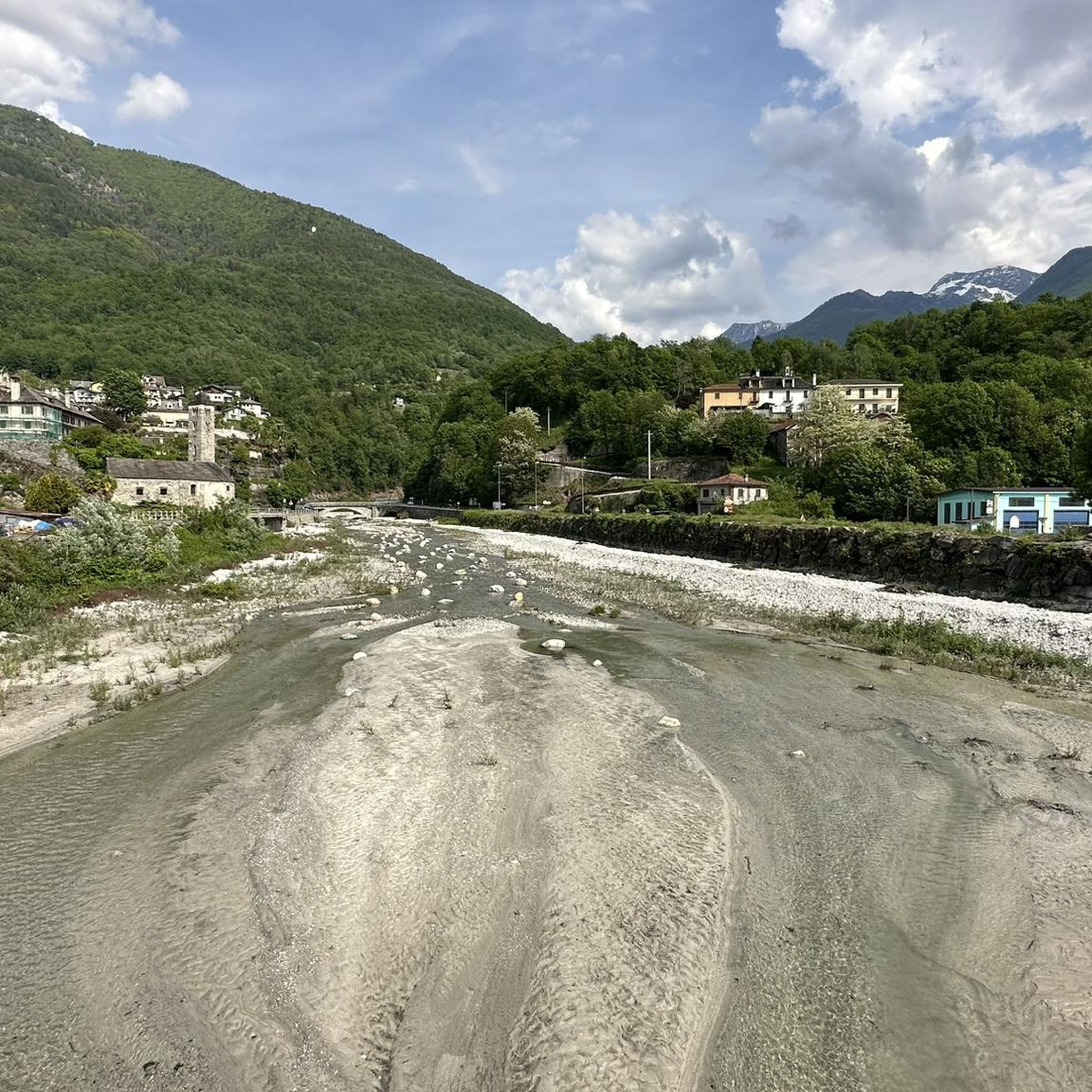
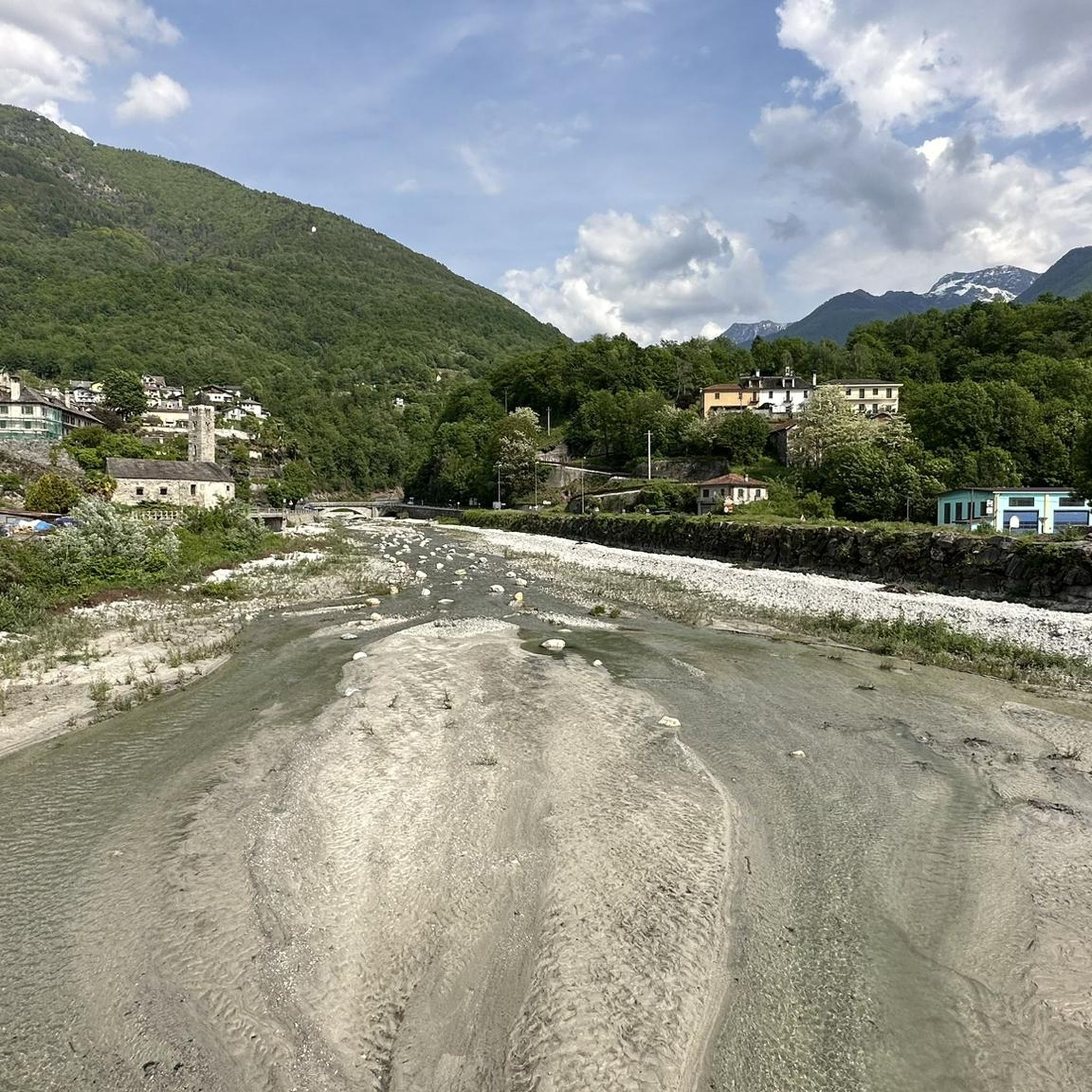
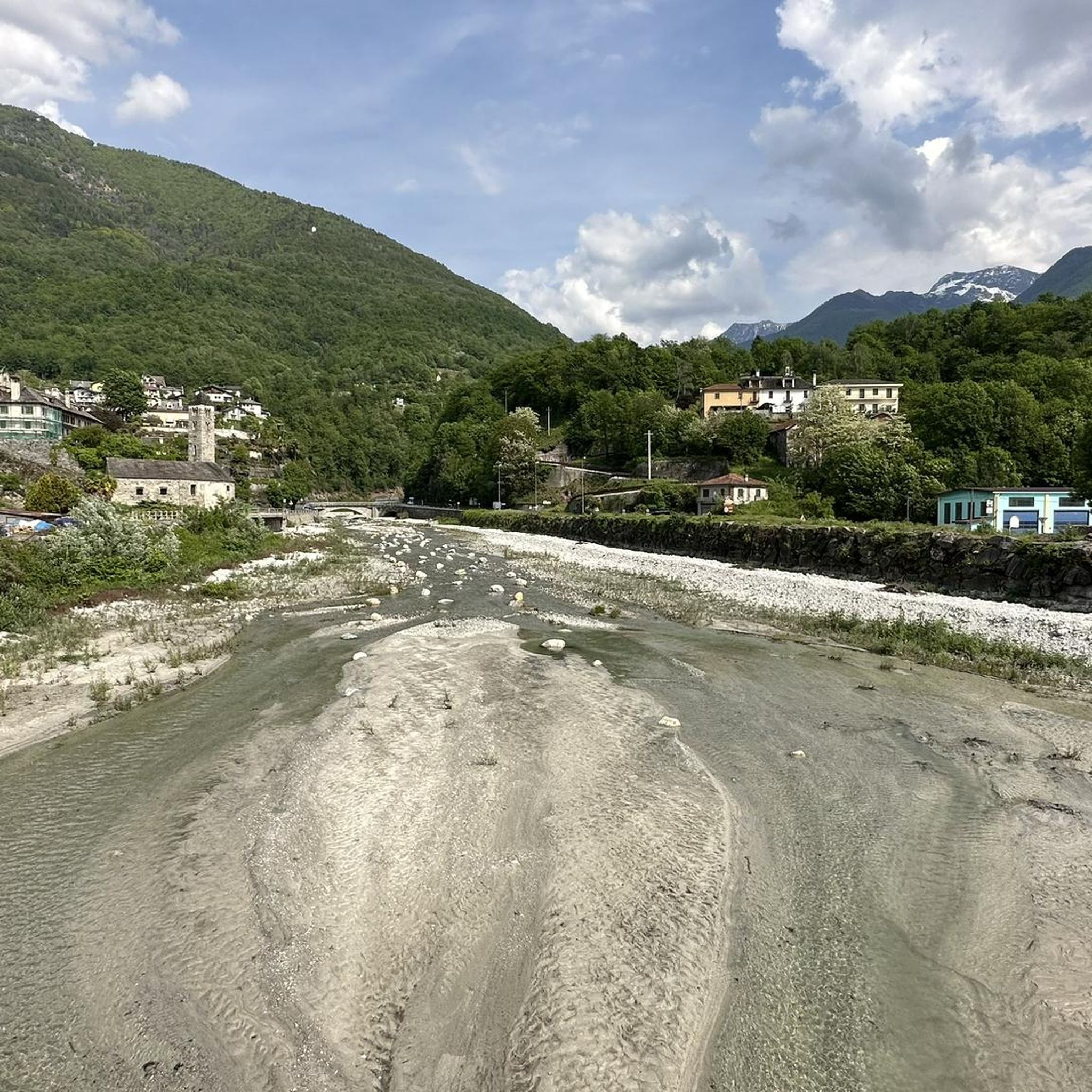
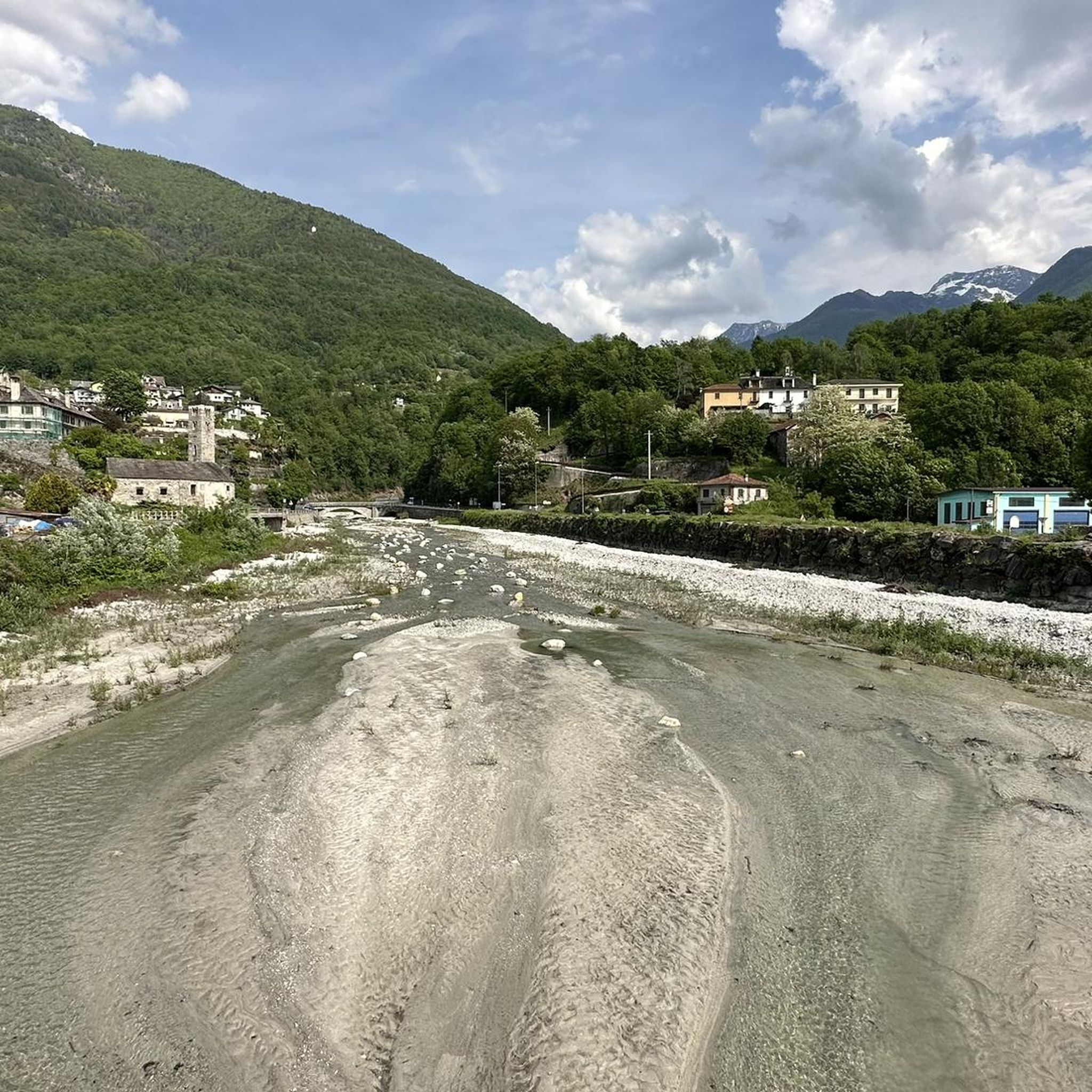
Attractions and places to see around Trontano include a blend of historical landmarks, natural beauty, and cultural insights. Situated at the entrance to Val Vigezzo, the town's territory extends from the Ossola plain to the mountains overlooking Valgrande. This area offers diverse landscapes, from extensive vineyards to traditional stone villages and alpine environments. Visitors can explore sites that reflect the region's history and natural features.
Best attractions and places to see around Trontano
- The most popular attractions is Stations of…
Last updated: October 9, 2026
Fantoli Hut
Highlight • Mountain Hut
Translated by Google •
Tip by

Stations of the Cross at Sacro Monte Calvario, Domodossola
Highlight (Segment) • Religious Site
Translated by Google •
Tip by

Sign up now to discover places like this
Get recommendations on the best single tracks, peaks, & plenty of other exciting outdoor places.
Market Square, Domodossola
Highlight • Settlement
Translated by Google •
Tip by
Cicogna Village
Highlight • Settlement
Translated by Google •
Tip by

Pogallo Abandoned Village
Highlight • Settlement
Translated by Google •
Tip by

Sign up for free to discover even more attractions around Trontano.
Already have an account?
Start today with a free account
Your next adventure awaits.

Tips from the Community

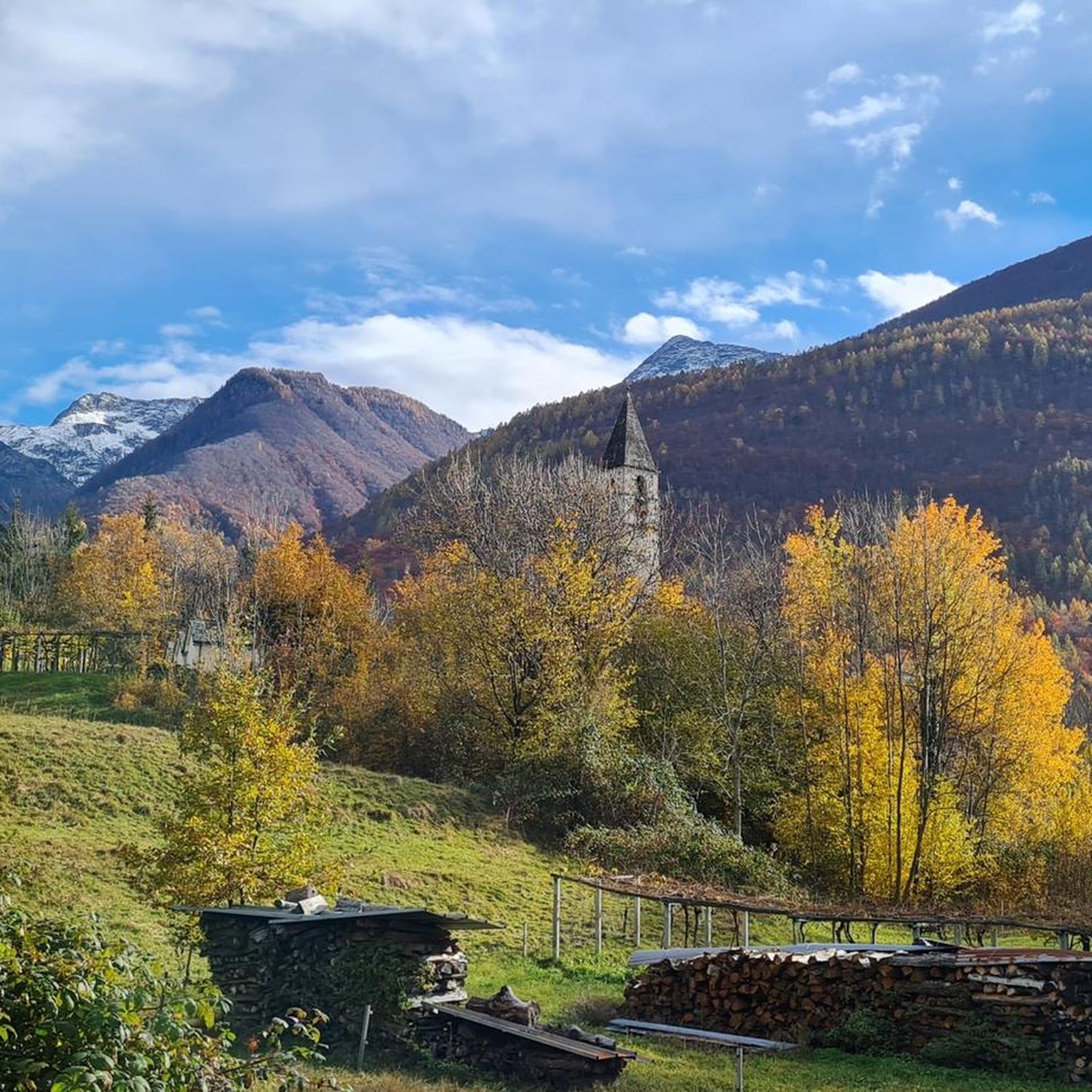
Beautiful mountain hut with great food and drinks. Very nice owners, would love to come back. Highly recommended
0
0

Saint Francis of Assisi, whose 800th anniversary of death we celebrate this year, describes our Christian life with the words of the Apostle Peter: he reminds us that we are called to »follow in the footsteps of Christ, who called his betrayer friend and voluntarily handed himself over to his crucifiers« (cf. NbR XXII, 2; cf. 1 Pt 2:21). The Poverello encourages us to fix our gaze on Jesus: »Let us all, brothers, pay attention to the Good Shepherd, who, to save his sheep, suffered the torment of the cross« (Erm VI). Therefore, on this Way of the Cross, let us accept Saint Francis' invitation to follow in Jesus' footsteps, not just ritually or intellectually, but with our whole being and our whole life: »Offer yourselves in body and carry his holy cross and follow his most holy commandments to the end« (Off XV 13). (from the introduction to the Way of the Cross meditation with the Holy Father, Pope Leo XIV, in the Roman Colosseum on April 3, 2026)
0
0


From a Celtic and Roman sanctuary to the Matarella fortress and a Capuchin monastery, this spiritual place tells an amazing story.
1
0

In 1656, two Capuchins chose the hill of Colle Mattarella, above Domodosso, to make it a place of pilgrimage. Twelve chapels were built, each with a statue or fresco depicting the Stations of the Cross, with an additional chapel depicting the Resurrection of Christ. At the top of Colle Mattarella stands the octagonal Sanctuary of the Holy Cross, the construction of which began in 1657. In the park of the Sacro Monte di Domodossola are the remains of the Mattarella Castle, destroyed in 1415 by Swiss soldiers who wanted to conquer the Ossola Valley and take it from the Duchy of Milan. In 1656, two Capuchins from the Domodossola monastery, Father Gioacchino from Cassano and Father Andrea from Rho, decided to have Stations of the Cross built on the slopes of Colle Mattarella, leading to a church dedicated to the Holy Cross. It was planned to gradually replace the crosses with chapels for the individual Stations of the Cross. Bishop Guido Maria Odescalchi commissioned the legal scholar Giovanni Matteo Capis to coordinate the project and named the hill Monte Calvario ("Calvary"), as the places of worship of the Sacri Monti ("holy mountains") were intended to symbolize the sites in the Holy Land that many pilgrims could not or could no longer reach. The construction work and the technical implementation were entrusted to the architect Tomaso Lazzaro from the Val d'Intelvi. The foundation stone for the pilgrimage site was laid on July 8, 1657, and in March 1662 the first Holy Mass was celebrated at the altar on which a crucifix by Dionigi Bussola had just been erected. A great benefactor and financier of the project was Kaspar Stockalper, a merchant, notary and governor from the Valais who was forced into exile in Domodossola, directly on Monte Calvario, where his figure embodies St. Gaspar, one of the Three Kings, in the 15th chapel of the Sacro Monte. The project to build the chapels was completed in the course of the 18th century; their furnishings have been constantly restored or renewed since then; the most recent statues, from 1957, are carved in wood. Source and further information: https://de.wikipedia.org/wiki/Sacro_Monte_di_Domodossola
1
0
The city of Roman origin lies on the Toce in the center of the Val Ossolane (Ossola Valley) on the route from the Simplon Pass to Lake Maggiore, in a valley widening into which various side valleys flow, on a large alluvial fan that the Bogna, the right tributary of the Toce, has created here. Today, Domodossola has 17,684 inhabitants (as of December 31, 2022). As the (formerly) largest Italian city whose name begins with "D", Domodossola is used in Italian spelling tables for this letter ("D come Domodossola"). Source: https://de.wikipedia.org/wiki/Domodossola In addition to the weekly market on Saturday, the Sacro Monte di Domodossola is particularly worth visiting. It is part of the Sacri Monti. The Sacri Monti in Piedmont and Lombardy have been part of the UNESCO World Heritage Site in northern Italy since 2003. Finally, you should enjoy the Italian flair in the town. In summer, be sure to eat an ice cream or stop off at a café or pizzeria, it's worth it.
3
0

Only experts and those who do not suffer from vertigo
1
0
Frequently Asked Questions
What historical landmarks can I explore in Trontano?
Trontano is rich in history. You can visit the 13th-century Creggio Tower, a historical symbol with legends of Fra Dolcino. The Parish Church of Santa Maria features a Romanesque façade and a bell tower believed to be a former watchtower. Don't miss the Pogallo Abandoned Village, an old lumberjack settlement accessible only on foot, offering a glimpse into the past.
Are there any unique cultural sites or traditions in Trontano?
Trontano preserves several unique cultural insights. The Graglia Mills (I Mulìt), a series of six restored stone mills from the late 16th century, showcase traditional cereal milling. You can also see an ancient bread oven, still used for baking local rye bread, and a counterweight press. The Verigo Stone Village provides an 'open-air classroom' to experience rural mountain civilization with its traditional architecture and terraced cultivation.
What natural attractions are there around Trontano?
Trontano is situated at the entrance to Val Vigezzo and is part of the Val Grande National Park, offering stunning natural beauty. You can enjoy panoramic views of the valleys surrounding the Toce River plain and explore the extensive vineyards on gentle slopes, known for Prünent wine production. Mountains like Monte Togano and Pizzo Tignolino provide various hiking opportunities within the Ossola Alps.
What kind of hiking opportunities are available near Trontano?
The area around Trontano offers diverse hiking opportunities, especially within the Val Grande National Park. You can find trails ranging from moderate to difficult. For example, the Fantoli Hut serves as a refreshment point for hikers. You can explore various routes, including those leading to the Mountain Hikes around Trontano.
Are there family-friendly activities or attractions in the Trontano area?
Yes, Trontano offers family-friendly options. The Vigezzina-Centovalli Railway provides a scenic and enjoyable journey connecting Domodossola to Locarno, with stations in Creggio, Trontano, and Verigo. Exploring the restored Graglia Mills can also be an educational and engaging experience for families. For walks, consider the Market Square in Domodossola, which is a pleasant area for a stroll.
What is the best time of year to visit Trontano for outdoor activities?
The best time to visit Trontano for outdoor activities, especially hiking, is typically from spring through autumn. The Vigezzina-Centovalli Railway is particularly appreciated for its autumn foliage, offering picturesque views. During these seasons, the weather is generally favorable for exploring the trails in Val Grande National Park and enjoying the natural landscapes.
How can I reach Trontano using public transport?
Trontano is accessible via the scenic Vigezzina-Centovalli Railway, which connects Domodossola to Locarno. The railway has stations directly in Creggio, Trontano, and Verigo, making it a convenient and picturesque way to arrive and explore the region.
Are there any UNESCO World Heritage sites near Trontano?
Yes, just a short distance from Trontano in Domodossola, you can visit the Stations of the Cross at Sacro Monte Calvario. This religious building is a UNESCO World Heritage site, offering a peaceful and spiritual experience with its Way of the Cross, chapels, and panoramic gardens, surrounded by the Ossola Alps.
Where can I find cafes or places to eat in Trontano?
While specific cafes and pubs in Trontano are not detailed, the nearby Fantoli Hut serves as a refreshment point for hikers, offering a dining room and terrace. The Market Square in Domodossola, a short distance away, is known for its shops and cafes.
Are there any cycling routes available near Trontano?
Yes, there are various cycling routes near Trontano. You can find options for both mountain biking and gravel biking. For example, explore the MTB Trails around Trontano or the Gravel biking around Trontano, which include routes like the Toce Cycle Route and loops around Lake Mergozzo.
What is the significance of the Pogallo Abandoned Village?
The Pogallo Abandoned Village is an old lumberjack settlement located on a beautiful green terrace. It is historically significant as it was responsible for much of the deforestation in the early 20th century. Today, it is very isolated and accessible only on foot via a mule path, offering a unique glimpse into a bygone era and serving as a wonderful picnic spot for hikers.
Can I find traditional local products in Trontano?
Trontano is known for its local production of rye bread, which is still baked in an ancient oven. Another typical product of the region is called 'credenzìn.' These traditions reflect the community's historical economic independence and social life.
Most popular routes around Trontano
Most popular attractions around Trontano

Get inspired with the komoot mobile app


Explore more
Still not found the Highlight you’re looking for? See guides of the top attractions in other regions:
