Attractions and Places To See around Villanova Del Ghebbo - Top 20
Best attractions and places to see around Villanova Del Ghebbo include a range of historical sites and religious architecture within a flat landscape traversed by waterways. Villanova del Ghebbo, located in the Province of Rovigo, Veneto, Italy, offers insights into its past through its landmarks. The area is characterized by its position along the Naviglio Adigetto and other canals, contributing to its unique geography. Visitors can explore cultural heritage and the natural surroundings of this region.
Best attractions and places…
Last updated: August 26, 2026
Villa Badoer (Andrea Palladio)
Highlight • Historical Site
Translated by Google •
Tip by

Torre Morosini
Highlight • Monument
Ally of '45
Translated by Google •
Tip by

Sign up now to discover places like this
Get recommendations on the best single tracks, peaks, & plenty of other exciting outdoor places.
Sign up for free
San Lorenzo Memorial to the Victims of the 1951 Polesine Flood
Highlight • Historical Site
Translated by Google •
Tip by

Mulino al Pizzon Ecomuseum
Highlight • Historical Site
Translated by Google •
Tip by

Rovigo Castle Towers
Highlight • Castle
Translated by Google •
Tip by

Sign up for free to discover even more attractions around Villanova Del Ghebbo.
Sign up for free
Already have an account?
Start today with a free account
Your next adventure awaits.
Login or Signup

Tips from the Community


The Morosini Tower is all that remains of Villa Morosini, destroyed during a bombing raid on April 20, 1945. It remained inhabited until 1983 and was then restored by the municipal administration. Built of masonry with a square base, the tower is 22 meters tall and has a 53 cm slope. It comprises three floors above ground, connected by a spiral staircase with 128 marble steps; the summit features elegant terracotta battlements and decorative ashlar work on the sides and windows. The tower's connections with the lost older buildings are still visible.
0
0

I didn't even recognize it when I passed by today, now it's too beautiful 🤣 (Torre Morosini)
0
0

An event that marked the history of Polesine
0
0
In the locality of Passo di Villamarzana, a hamlet of Frassinelle Polesine, you can see the shrine of San Lorenzo, with its external memorial exhibition of the Polesine flood of 1951. Next to it is a small and touching cemetery, which houses the bodies of the 84 victims of the flood, involved in the tragedy that took place between Frassinelle and Villamarzana on 15 November 1951, which went down in history as "The truck of death". The rescue vehicle was supposed to transport as many evacuees as possible to Rovigo: but during the night, amidst the thick fog and the rushing waters, the truck sank. Among so many elderly people, women and many children, few people managed to save themselves.
1
0
In Fratta Polesine, at the confluence of two waterways, the Canalbianco and the Scortico, there is the Mulino al Pizzon, the only example of a ground-level mill in the province of Rovigo. The building took shape between 1851 and 1853 when six citizens of Fratta Polesine decided to financially support, together with the Municipality of Fratta, the construction of the mill to restore the river route compromised in 1823 following a disastrous breach of the Scortico canal. In 1856 the Municipality of Fratta became the owner of the mill and, over the years, thanks to technological innovation, it underwent important changes with the installation of electric motors (1950), while maintaining the water traction system. In 1964 the mill ceased its activity. In 2004 the Cooperativa Turismo & Cultura of Rovigo promoted the recovery of the mill complex and reopened it to the public. Unfortunately, with the fire of 2018, part of the structure and machinery were destroyed. In 2019 it will be reopened as an Ecomuseum with various socio-cultural functions (workshops, guided tours, bookshop ...). Part of the complex is used as a restaurant and inn where you can taste the products and dishes of the Polesine cuisine.
0
0
Near the Lusia bridge (RO) on the Adige river, you can see the Morosini crenellated tower, with its 22 meters of height. An internal spiral staircase, composed of 128 steps, allows you to go up three floors, before reaching its top. The tower is what remains of an ancient villa of the same name, half destroyed by the Allied bombings (!) on April 20, 1945. The villa occupied the space of the tower, to the right, where the road is currently. The villa was built by will of the Venetian Morosini family, at the beginning of the 17th century, transforming the medieval castle built by the Este family in the 11th century. The villa remained the property of Countess Loredana Morosini Gatterburg until her death (1884) and in 1889 it became the property of the Oliva family. In 1935 it was purchased by the municipality of Lusia who adapted it to the town hall and elementary schools. After the bombing, the municipality did not consider it appropriate to rebuild it.
0
0
Frequently Asked Questions
What historical and cultural sites can I explore in Villanova del Ghebbo?
Villanova del Ghebbo is rich in history, particularly its religious architecture. You can visit the imposing Parish Church of San Michele Arcangelo, a national monument featuring frescoes by Giovanni Battista Canal. Other notable churches include the Church of San Giuliano Martire and the Oratorio Santissimo Nome di Maria. The earliest historical records of the area are linked to the Church of San Zenone, built in 727.
Are there any UNESCO World Heritage sites near Villanova del Ghebbo?
Yes, the renowned Villa Badoer (Andrea Palladio) is located nearby. This historical site, designed by Andrea Palladio between 1554 and 1563, has been recognized on the UNESCO World Heritage list since 1996. It's celebrated for its architectural significance and finely decorated interiors.
What natural features characterize the landscape around Villanova del Ghebbo?
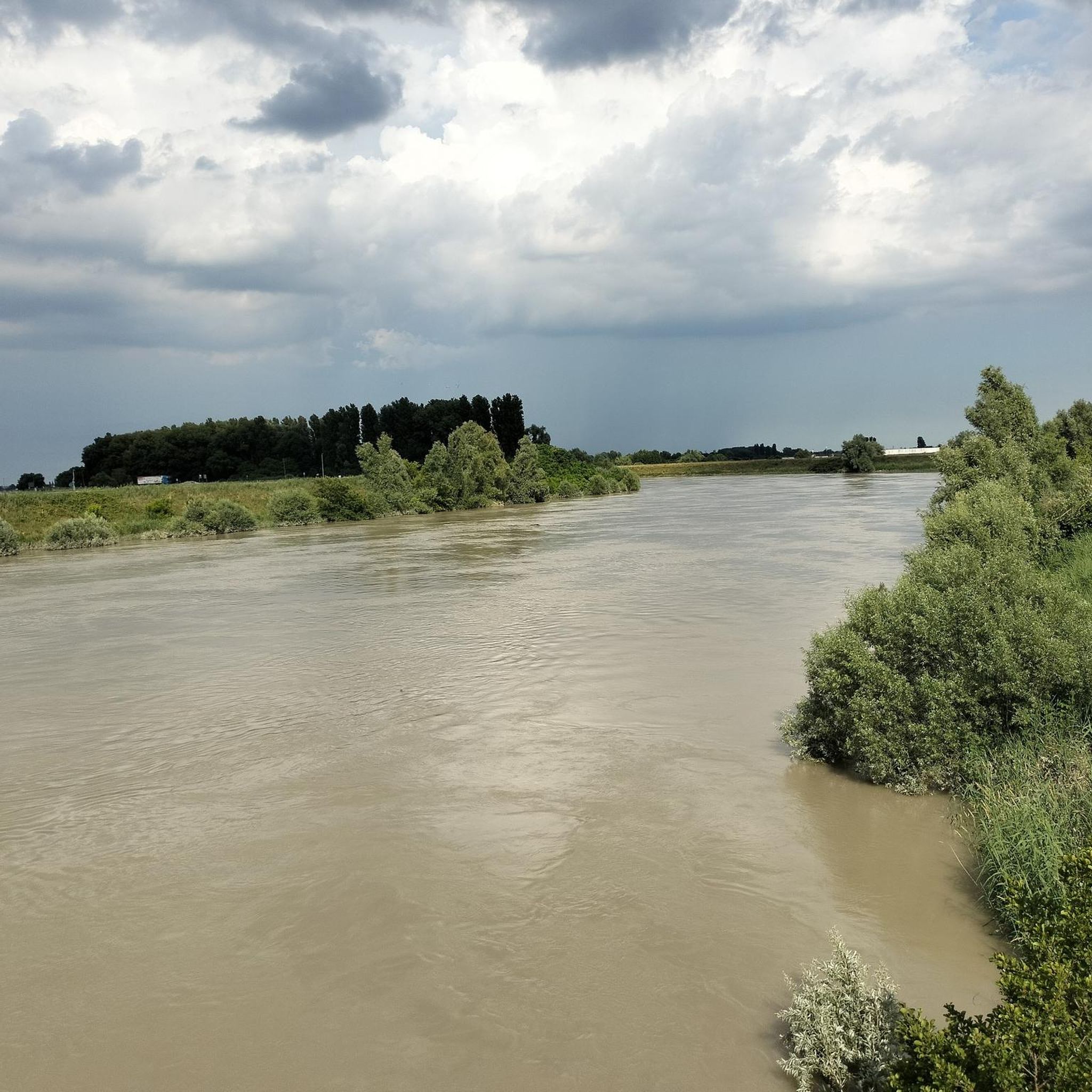
The area around Villanova del Ghebbo is notably flat and crisscrossed by several waterways. It lies along the left bank of the Naviglio Adigetto, a historically important river route. Other canals like the Rezzinella and Scolo Ceresolo also traverse the territory, contributing to its unique Polesine geography.
What outdoor activities are available near Villanova del Ghebbo?
The flat, water-crossed landscape of the Polesine region is ideal for cycling and hiking. The Ciclabile Adige Po cycling path passes through Villanova del Ghebbo, offering scenic routes. You can find various cycling routes, gravel biking tours, and hiking trails that explore the local waterways and historical sites.
Are there family-friendly attractions around Villanova del Ghebbo?
Many of the historical sites are suitable for families. For instance, Villa Badoer (Andrea Palladio), Torre Morosini, and the Rovigo Castle Towers are all tagged as family-friendly. The Mulino al Pizzon Ecomuseum also offers workshops and guided tours that can be engaging for children.
Where can I learn about the history of the Polesine region's waterways and mills?
The Mulino al Pizzon Ecomuseum in Fratta Polesine is an excellent place to visit. It's the only example of a ground-level mill in the province of Rovigo and tells the story of the region's historical river routes and milling traditions. It also hosts various socio-cultural functions and a restaurant.
What is the significance of the San Lorenzo Memorial?
The San Lorenzo Memorial to the Victims of the 1951 Polesine Flood is a shrine dedicated to those who lost their lives in the devastating flood of 1951. It serves as a poignant reminder of the region's history and resilience.
Can I visit a castle near Villanova del Ghebbo?
Yes, the Rovigo Castle Towers offer a historical experience. This castle complex is located in the center of Rovigo, surrounded by greenery, and provides a glimpse into the area's past.
What is Torre Morosini?
Torre Morosini is a man-made monument, representing the remaining part of Villa Morosini after wartime events. It has been restored and stands as a historical landmark, offering a tranquil spot with walkable embankments.
What do visitors particularly enjoy about the attractions around Villanova del Ghebbo?
Visitors appreciate the rich historical and architectural heritage, especially the Palladian villas and ancient churches. The tranquil, flat landscape with its waterways is also highly valued for outdoor activities like cycling and walking. The blend of cultural exploration and natural beauty makes the region appealing.
Are there any specific cycling paths recommended for exploring the area?
The Ciclabile Adige Po is a well-known cycling path that runs through Villanova del Ghebbo, offering excellent opportunities to explore the flat, water-crossed landscape of the Polesine region. You can find various routes, including those passing by highlights like Villa Badoer.
Most popular routes around Villanova Del Ghebbo

Get inspired with the komoot mobile app


Explore more
Still not found the Highlight you’re looking for? See guides of the top attractions in other regions:
