Attractions and Places To See around Borgo A Mozzano - Top 20
Best attractions and places to see around Borgo A Mozzano include a rich blend of historical landmarks, cultural sites, and natural features within Tuscany's Serchio Valley. The area is characterized by its medieval heritage, including ancient bridges and watchtowers, alongside charming historic centers. Visitors can explore dense forests, mountain slopes, and rivers, offering opportunities for outdoor activities. This region provides a diverse landscape for discovery, from historical fortifications to serene natural parks.
Best attractions and places to see around Borgo…
Last updated: October 10, 2026
Piazza dell’Anfiteatro
Highlight • Historical Site
A beautiful place to sit, eat and drink.
Translated by Google •
Tip by

St. Michael's Square
Highlight • Religious Site
Translated by Google •
Tip by

Sign up now to discover places like this
Get recommendations on the best single tracks, peaks, & plenty of other exciting outdoor places.
Lucca City Walls Loop
Highlight • Monument
Tip by

Lucca City Walls
Highlight • Monument
Translated by Google •
Tip by

Ponte della Musica Popolare Angelo Fagiolini
Highlight • Bridge
Tip by

Sign up for free to discover even more attractions around Borgo A Mozzano.
Already have an account?
Start today with a free account
Your next adventure awaits.
Tips from the Community

The Walls of Lucca are one of the most significant and best-preserved historical monuments in Europe, an imposing Renaissance ring of walls that has remained completely intact, entirely enclosing the historic center of the Tuscan city. Built between 1504 and 1648 primarily as a defensive deterrent, they were never used for warfare. In the early decades of the 19th century, by the will of Maria Luisa of Bourbon, they were converted into a splendid public promenade and elevated urban park.
1
0

L'Anello delle Mura di Lucca is a spectacular 4.2 km long pedestrian and cycle path that completely surrounds the historic city center. Completely flat and tree-lined, it is ideal for a walk (about 1-1.5 hours) or a bike ride, offering unique views of towers, bell towers, and gardens.
0
0
The Walls of Lucca are one of the most famous historical monuments in Italy, known worldwide for being the only Renaissance city walls to have survived completely intact to this day. Built between 1504 and 1648 mainly to defend against the expansionist ambitions of Florence, they completely surround the historic center of the city. During the 19th century, by the will of Maria Luisa of Bourbon, the military fortification was transformed into an immense elevated public park and a charming tree-lined promenade.
2
0

The Walls of Lucca, built between the 16th and 17th centuries, are among the best-preserved Renaissance fortifications in Europe. Approximately 4 km long, they completely surround the historic center and today host a large tree-lined park, perfect for walks and bike rides. From the top of the walls, you can admire splendid views of the city and the surrounding hills.
1
0

The city walls of Lucca are very impressive
2
0

It was so nice to be able to cycle on the walls that I didn't even want to leave it. The very wide path facilitates mutual space.
2
0

The city walls of Lucca have surrounded the old city centre since 180 BC. The current wall, built between 1504 and 1645, served as a defence against attacks from nearby Florence. The wall’s only use as a defensive line was against the floods of the River Serchio on 18 November 1812. As one of the best-preserved examples of a 16th-century European defensive structure, the wall remains an impressive symbol of Lucca’s rich history.
6
0

The city walls of Lucca, like those of Pisa, are well preserved, making them ideal for wonderful walks and bike rides. Characteristic of the city walls are the wide tree-lined avenues and the beautiful views over the city. The city walls were built around 1500 and completed in 1645.
8
0
Frequently Asked Questions
What are the most iconic historical landmarks to visit around Borgo a Mozzano?
Borgo a Mozzano is home to the impressive Ponte della Maddalena, also known as the Devil's Bridge, famous for its unique asymmetrical arches and medieval legends. Another significant landmark is the Torre del Bargiglio, a medieval watchtower offering panoramic views of the Serchio Valley. Nearby, you can also explore the ancient Lucca City Walls, which are wide enough to walk or cycle around, and the historical Piazza dell’Anfiteatro in Lucca, built within a Roman amphitheater.
What kind of outdoor activities can I do in the Borgo a Mozzano area?
The lush natural landscape of the Serchio Valley and Garfagnana region surrounding Borgo a Mozzano is ideal for outdoor activities. You can enjoy hiking, mountain biking, and even climbing amidst dense forests and steep mountain slopes. For specific routes, explore the hiking trails around Borgo a Mozzano or discover gravel biking routes in the area.
Are there any cultural or religious sites worth visiting in Borgo a Mozzano?
Absolutely. The Centro Storico (Historic Center) of Borgo a Mozzano offers charming medieval streets and ancient buildings. You can visit the Church of San Jacopo with its Romanesque facade, the 12th-century Church of San Pietro known for its frescoes, and the serene Convent of San Francesco. The Parish Church of Santa Maria in Diecimo also features important historical architecture and artworks.
What historical insights can I gain about World War II in the region?
Borgo a Mozzano played a significant role during World War II as it was situated along the Gothic Line, a German defensive line. Visitors can explore well-preserved sections of these fortifications, including bunkers and galleries. The Gothic Line Memorial Museum is dedicated to this period, displaying artifacts, oral histories, and documents from the war that marked the Mid Serchio Valley.
Where can I find the best panoramic views near Borgo a Mozzano?
For breathtaking panoramic views, head to the Torre del Bargiglio, a medieval watchtower that offers expansive vistas over the Serchio Valley, stretching from the Apuan Alps to the castles of Garfagnana. It's often referred to as the 'Eye of Lucca' due to its strategic position.
Are there family-friendly attractions or activities in Borgo a Mozzano?
Yes, several attractions are suitable for families. The Lucca City Walls are perfect for a family walk or bike ride, and the Piazza dell’Anfiteatro in Lucca provides a unique setting with shops and restaurants. The Parco del Serchio offers opportunities for picnicking and enjoying nature. Additionally, the Chestnut Museum provides an educational and engaging look into local history and culture.
What is the best time of year to visit Borgo a Mozzano?
Borgo a Mozzano is charming throughout the year, but the shoulder seasons (spring and early autumn) offer pleasant weather for outdoor activities and exploring. If you're interested in unique local events, the town is famous for its Halloween celebration on October 31st, which attracts many visitors with its procession recreating the legend of Lucida Mansi.
Are there any unique local museums in Borgo a Mozzano?
Yes, the Chestnut Museum (Museo del Castagno) is a unique local museum where you can learn about the significant cultural and economic importance of chestnuts in the area. It features exhibits detailing their history, cultivation, and various uses in Tuscan traditions.
What is the significance of the Serchio River in the area?
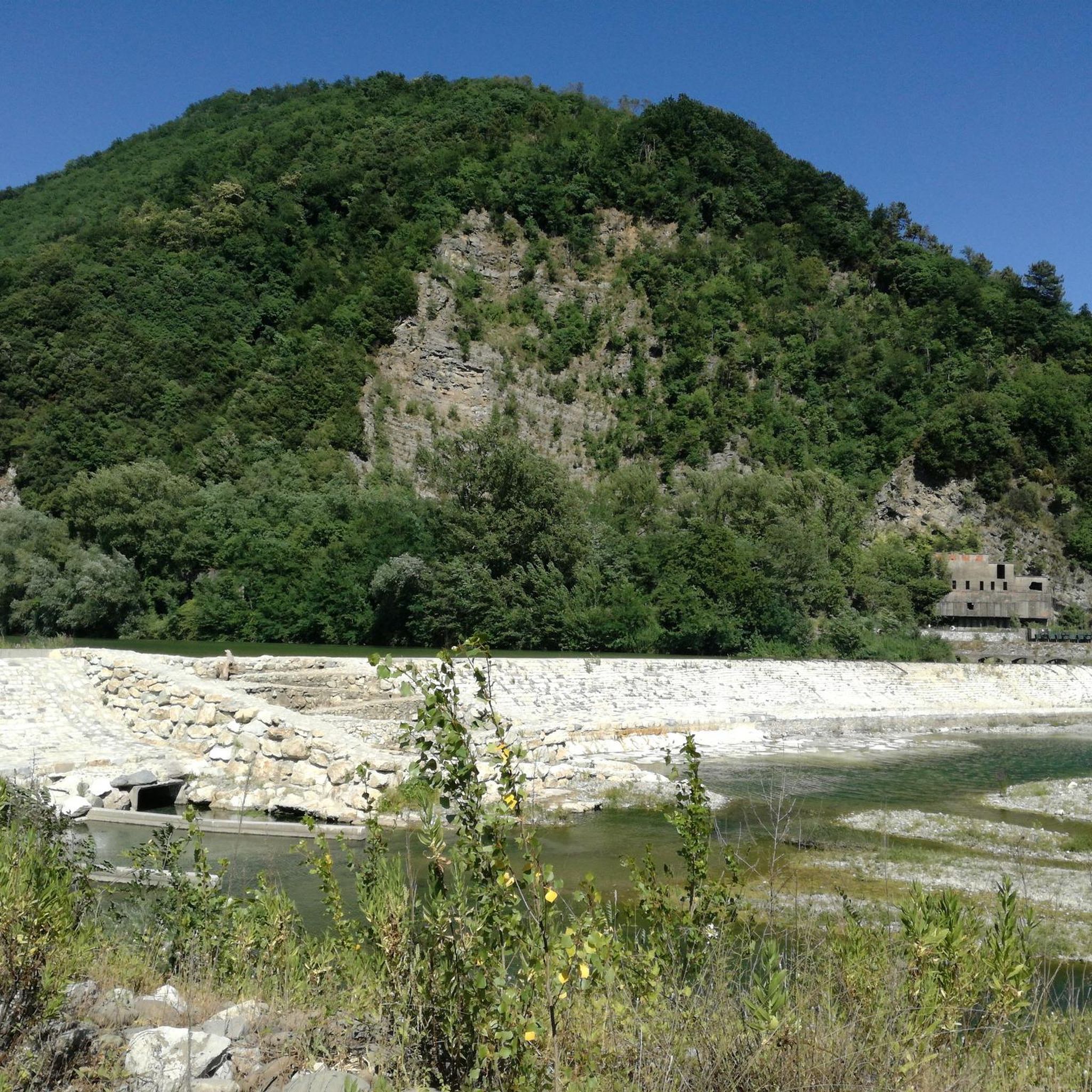
The Serchio River is central to the region's natural beauty and offers recreational opportunities. The Parco del Serchio, located along its banks, is a scenic spot for picnicking, hiking, and observing local flora and fauna. The river is also crossed by the iconic Ponte della Maddalena and the modern Ponte della Musica Popolare Angelo Fagiolini, which connects cycle paths on both sides.
Can I find places for relaxation and wellness near Borgo a Mozzano?
Yes, a short distance from Borgo a Mozzano are the Thermal Springs of Bagni di Lucca. Known for their healing properties since the 11th century, these springs offer a perfect opportunity for relaxation and rejuvenation amidst a beautiful natural landscape.
What do visitors enjoy most about the attractions around Borgo a Mozzano?
Visitors frequently appreciate the blend of historical richness and natural beauty. The well-preserved medieval architecture, such as the Lucca City Walls and the unique Piazza dell’Anfiteatro, often receive high praise. Many also enjoy the serene atmosphere of the churches and the opportunities for outdoor activities in the surrounding valleys.
Are there any specific cycling routes recommended near Borgo a Mozzano?
Yes, the area offers various cycling opportunities. You can find several road cycling routes, including challenging loops like the 'Ponte della Maddalena and Passo Sella Loop'. For a more relaxed ride, the Lucca City Walls provide a wide, scenic path perfect for cycling.
Most popular routes around Borgo A Mozzano
Most popular attractions around Borgo A Mozzano

Get inspired with the komoot mobile app


Explore more
Still not found the Highlight you’re looking for? See guides of the top attractions in other regions:
