Attractions and Places To See around Angrogna - Top 20
Best attractions and places to see around Angrogna are located within the scenic Angrogna Valley, nestled in Italy's Cottian Alps. This region features alpine landscapes, dense forests, and a rich Waldensian history. The area offers a diverse range of historical landmarks, cultural sites, and natural features for exploration.
Best attractions and places to see around Angrogna
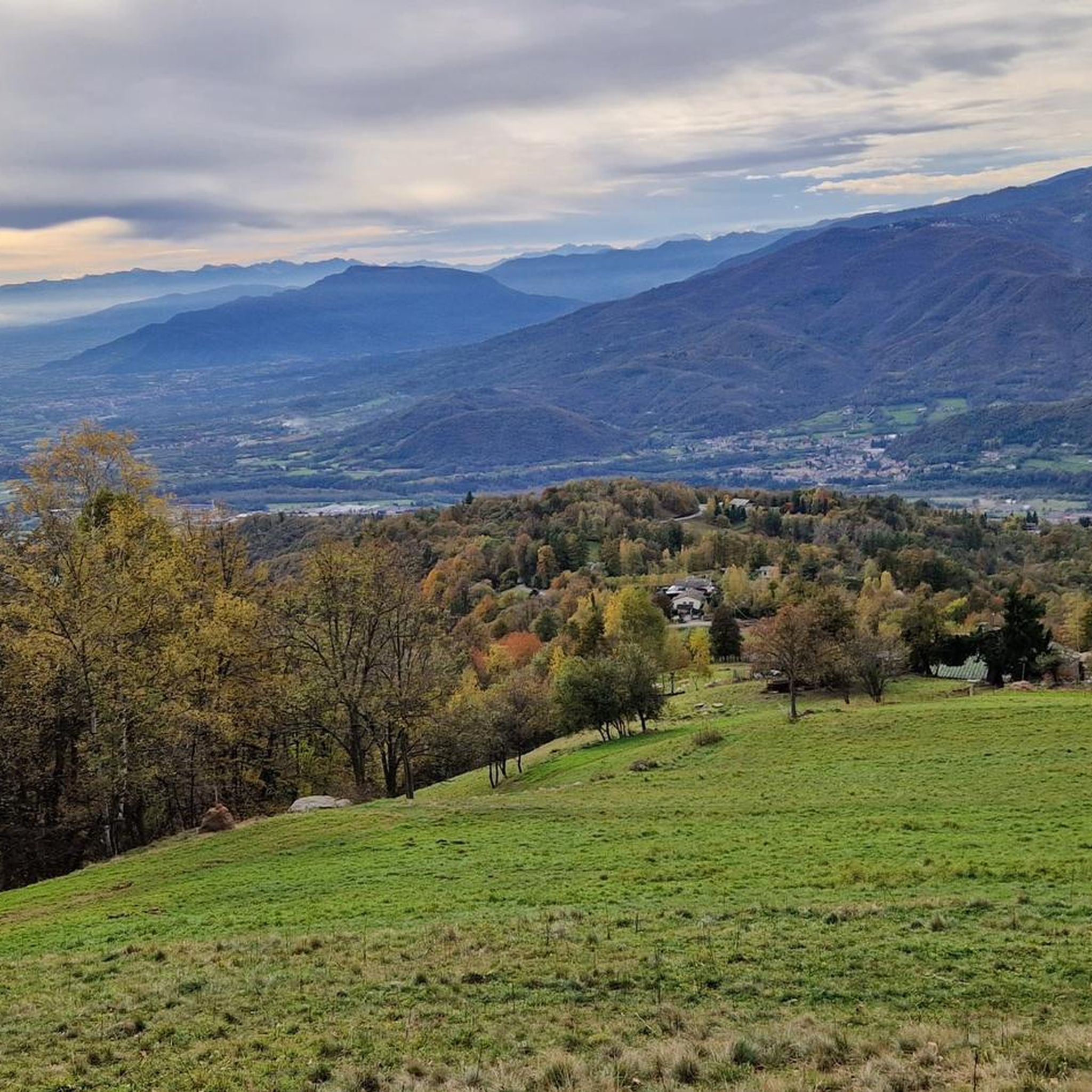
- The most popular attractions is Colle Vaccera, a mountain pass that offers excellent views of the surrounding peaks. A short climb to Monte…
Last updated: June 22, 2026
Colle Vaccera
Highlight • Mountain Pass
Translated by Google •
Tip by

Pis Waterfall
Highlight • Waterfall
Translated by Google •
Tip by

Sign up now to discover places like this
Get recommendations on the best single tracks, peaks, & plenty of other exciting outdoor places.
Sign up for free
13 Lakes Plateau (Pian dei 13 Laghi)
Highlight (Segment) • Lake
Translated by Google •
Tip by

Colle Pra Martino
Highlight • Mountain Pass
Translated by Google •
Tip by

Bruno Peyronel Alpine Botanical Garden
Highlight • Natural Monument
Translated by Google •
Tip by

Sign up for free to discover even more attractions around Angrogna.
Sign up for free
Already have an account?
Start today with a free account
Your next adventure awaits.
Login or Signup

Tips from the Community

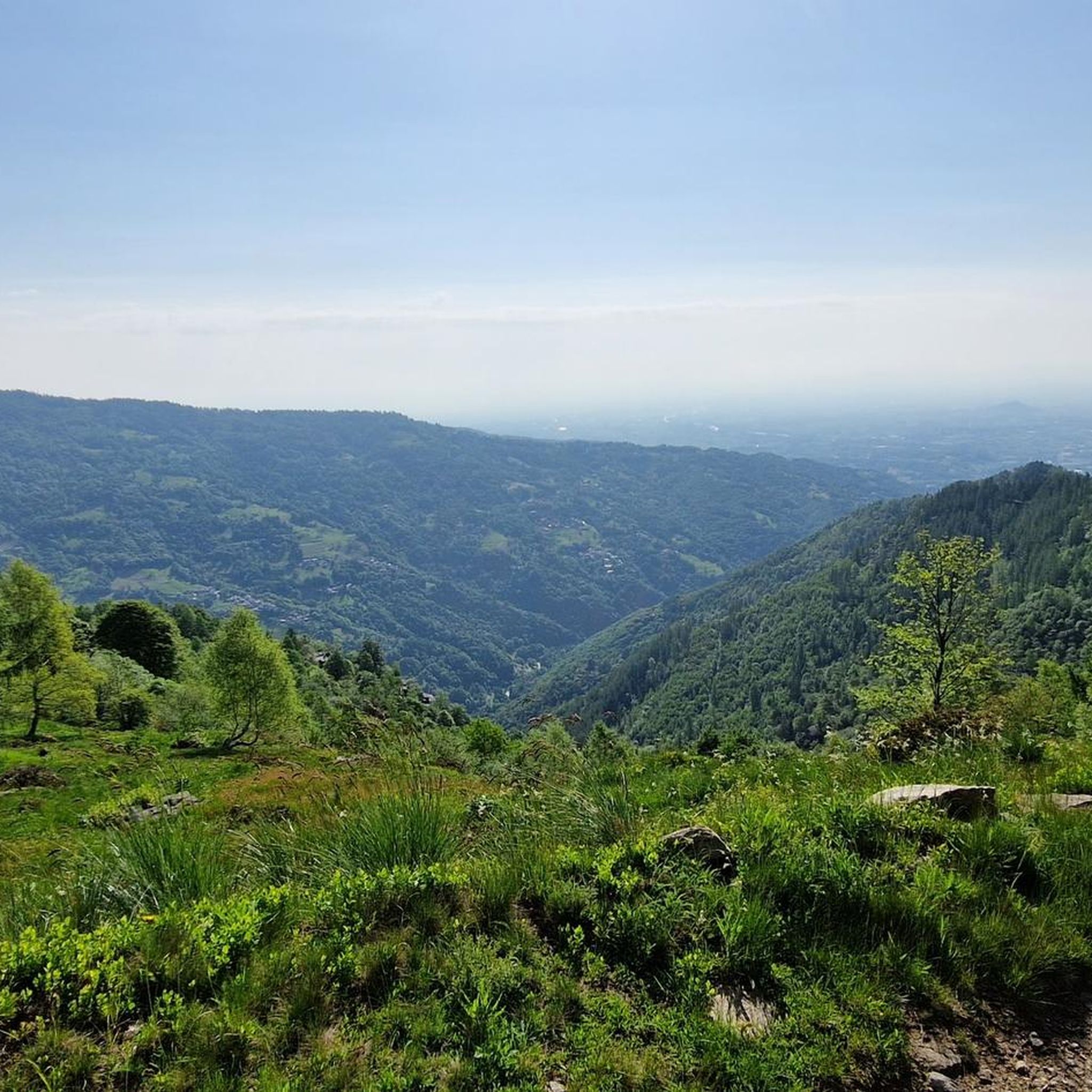
Beautiful destination. The road from Villar Perosa offers wonderful views of the high valley. The road from San Pietro Val Lemina offers some views and a lot of suffering, but crosses wonderful woods. To be done, with a lot of patience.
0
0

The Bruno Peyronel Alpine Botanical Garden is open year-round, being a natural and publicly accessible site. During July and August, a volunteer guide will be available to welcome you and, if you wish, accompany you free of charge along the educational trail within the Garden, to help you discover the wonders of Alpine flora.
0
0
very beautiful waterfall, enchanting
0
0
abandoned ruin not nice to look at
0
0

A beautiful tall waterfall that can be admired on the road that goes up to Conca del Prà
0
0

excellent trip with the possibility of loops
0
0

A beautiful circular hike. Beware, however, of the misleading two-hour indication! Messner might be able to manage it. If you're a regular hiker, no less than three hours or more... WARNING: Once you reach Lake Cannoni or Ramella, if you suffer from vertigo, do not follow the signs for trail A on the right. There are exposed sections, and one section is equipped with a damaged rope. Turn left and you will rejoin the outward route at the level of the early 1900s forts.
1
0

Above all, the great friendliness of the commercial establishments present! Against the worms! 🤦🤦🤦🤦🤦🤦🤦🤦
0
0
Frequently Asked Questions
What are the most significant historical and cultural sites in Angrogna?
Angrogna is rich in Waldensian history. You can visit several Waldensian Temples, including those at Ciabàs, Serre, and Pradeltorno. The Monumento di Chanforan commemorates a crucial Synod. Other notable sites include the Odin-Bertot School Museum, the ruins of the "Coulège d'i Barba" in Pradeltorno, the Gheisa d'la tanaè (Cave Church), and the evocative abandoned village of Barma Mounastira.
Where can I experience the natural beauty and scenic views of Angrogna?
For breathtaking panoramic views, head to Colle Vaccera, where a short climb to Monte Castelletto offers even further vistas. The Angrogna Valley itself provides stunning alpine scenery. You can also admire the impressive Pis Waterfall along the Pellice stream, visible from a wooden bridge.
Are there any unique natural attractions or botanical gardens in the area?
Yes, the Bruno Peyronel Alpine Botanical Garden on Colle Barant is one of Europe's highest, hosting over 300 native Alpine species. It's typically open in July and August. The region also features several picturesque alpine lakes, such as those found at the 13 Lakes Plateau (Pian dei 13 Laghi), including the Black Lake, White Lake, and Green Lakes.
What kind of hiking trails are available around Angrogna?
Angrogna is a favored destination for hikers. You can find a variety of trails, from moderate to difficult. Popular options include the 'Angrogna Valley Trail to Colletto Souiran' and the 'Historic Waldensian Trail to Colle Chiot del Cavallo'. For more details and routes, explore the Hiking around Angrogna guide.
Are there mountain biking opportunities near Angrogna's attractions?
Absolutely. The area offers numerous routes for mountain biking. A recommended route is the 'Jumarre Hut – Colle Vaccera loop from Torre Pellice'. You can find more mountain biking trails in the MTB Trails around Angrogna guide.
Are there any family-friendly attractions or activities in Angrogna?
While many trails are suitable for families, the Pis Waterfall is considered family-friendly and offers an impressive natural sight. The general tranquility and natural beauty of the Angrogna Valley also make it a pleasant area for family outings and gentle walks.
When is the best time to visit Angrogna for outdoor activities?
The summer months, particularly July and August, are ideal for visiting the Bruno Peyronel Alpine Botanical Garden and exploring the higher alpine lakes. Generally, late spring to early autumn offers the best conditions for hiking and cycling, with pleasant weather and accessible trails.
What do visitors enjoy most about the attractions around Angrogna?
Visitors particularly appreciate the stunning panoramic views from spots like Colle Vaccera and the unique natural beauty of the 13 Lakes Plateau. The historical significance of the Waldensian sites and the diverse range of hiking and cycling routes also receive high praise.
Are there places to stop for refreshments or accommodation during hikes?
Yes, the Jumarre Hut, located at 1,450 meters along the path from Serre towards Colle della Vaccera, is an ideal stop for hikers and bikers. It offers hospitality, refreshments, and local dishes, making it a great place to rest and refuel.
Can I find more challenging mountain hikes in the Angrogna area?
Yes, for those seeking more challenging adventures, there are several mountain hikes available. Routes like 'Rifugio Willy Jervis – Forte Mirabuc loop from Villanova Pellice' and 'Monte Vandalino loop from Serre' offer more strenuous options. Explore the Mountain Hikes around Angrogna guide for detailed routes.
What is the Angrogna Valley known for?
The Angrogna Valley is renowned for its extensive alpine landscapes, dense forests, and its deep connection to Waldensian history. It's a significant natural attraction offering a tranquil environment and is dominated by peaks such as Punta Freidour, Mount Vandalino, Mount Servin, and Mount Cialmetta.
Most popular routes around Angrogna
Most popular attractions around Angrogna

Get inspired with the komoot mobile app


Explore more
Still not found the Highlight you’re looking for? See guides of the top attractions in other regions:
