Attractions and Places To See around Cappella Maggiore - Top 20
Best attractions and places to see around Cappella Maggiore, a comune in the province of Treviso, Veneto, Italy, include a mix of natural features and cultural sites. The region is characterized by its position within the Venetian Prealps and proximity to historical settlements. Visitors can explore lakes, forest trails, and historical villages that reflect the area's rich heritage and natural landscape.
Best attractions and places to see around Cappella Maggiore
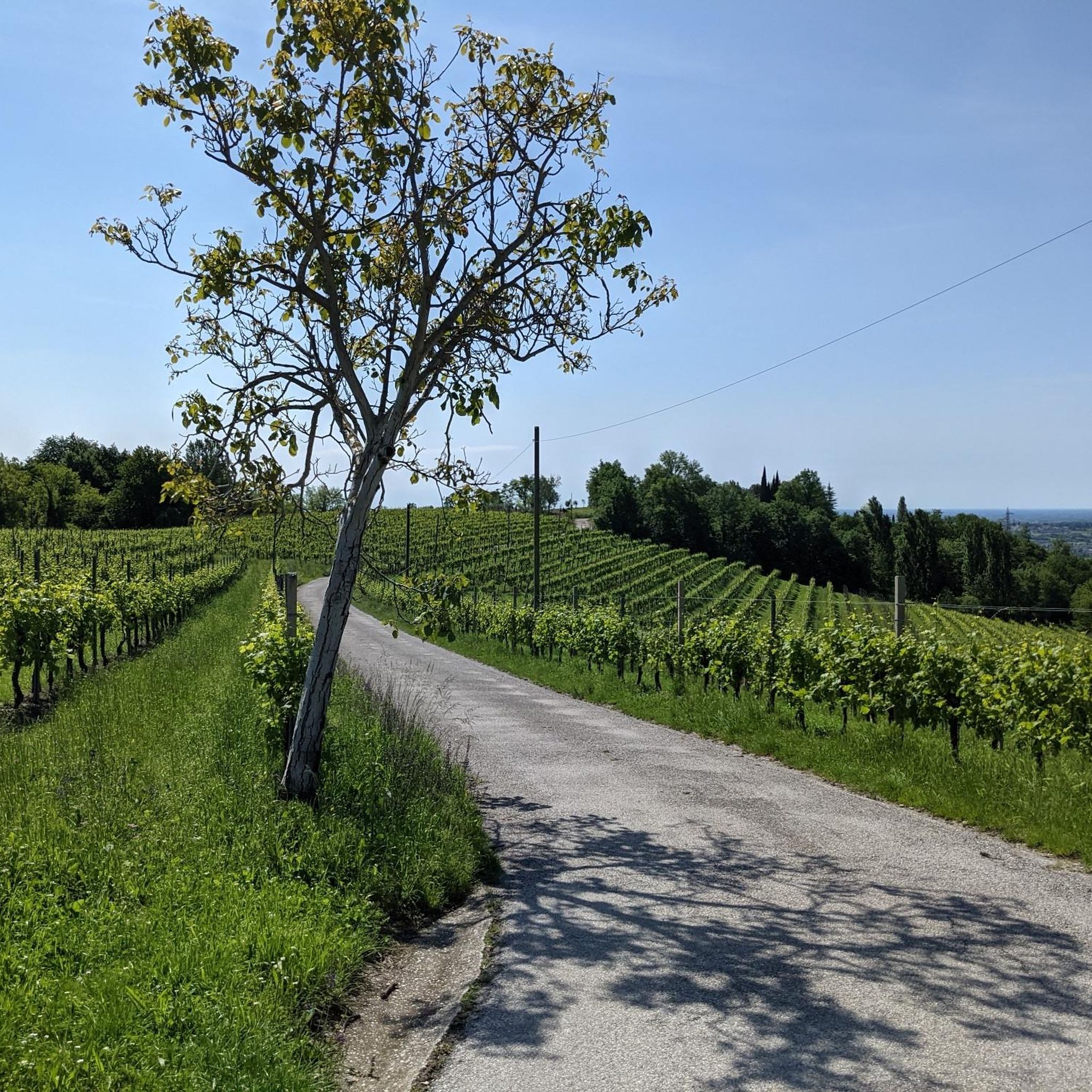
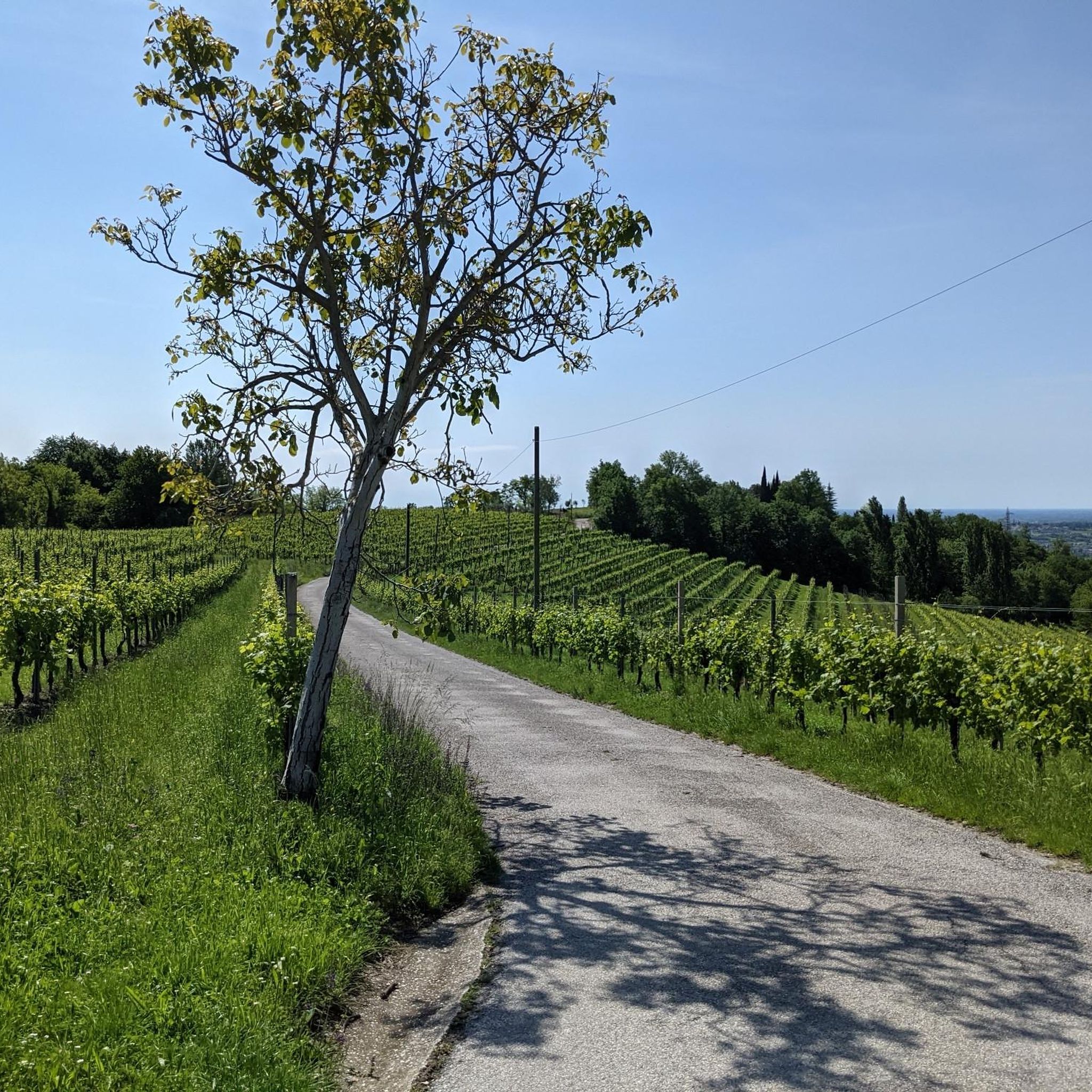
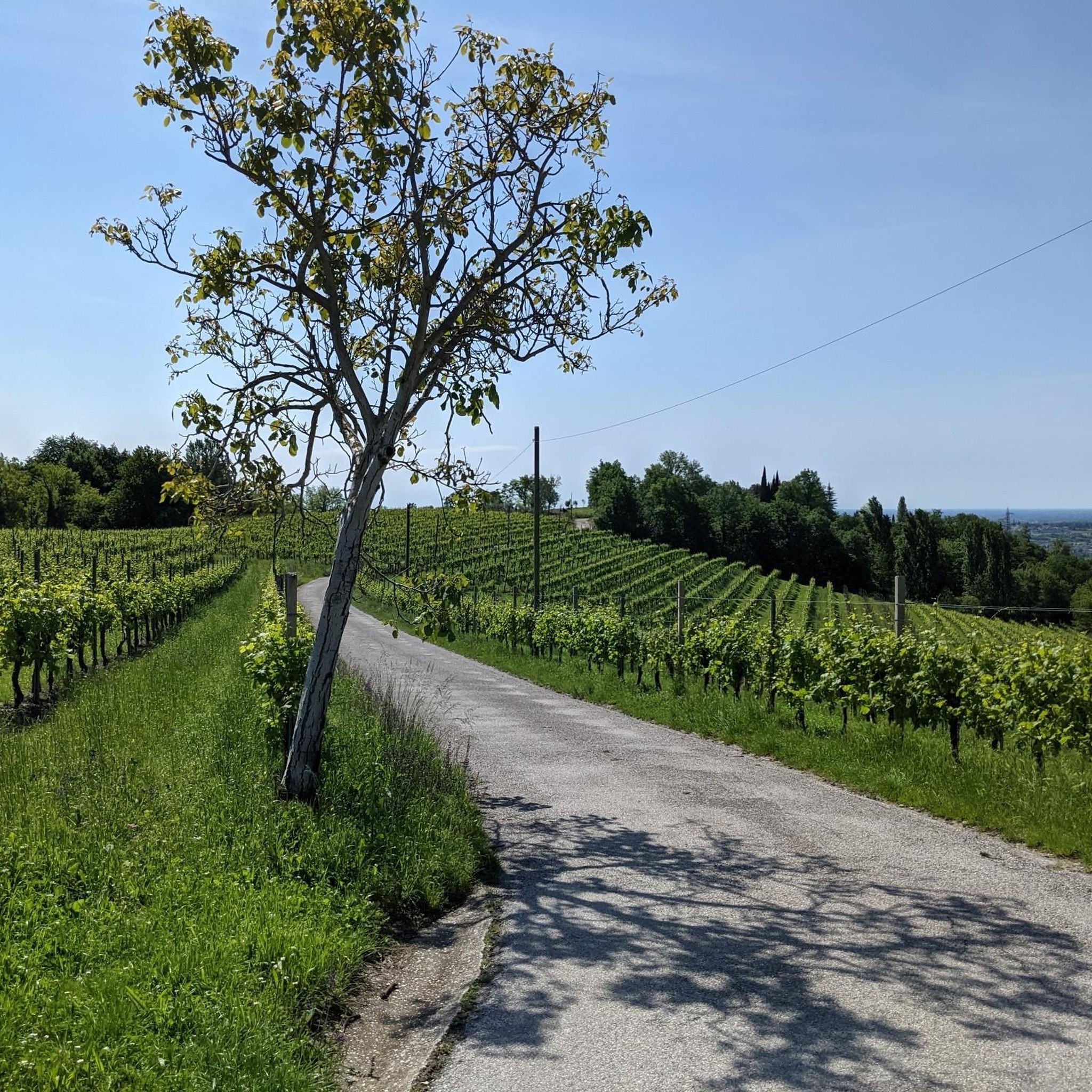
- The most popular attractions is Strada del Taffarel, a trail that features a comfortable forest track with a mostly flat course. It is surrounded by a beech forest, historically known as the "Gran Bosco de Reme di San Marco" for producing oars.
- Another must-see spot is Lago di Lago, a lake immersed in the Valmareno, between the Treviso Pre-Alps and the Prosecco hills. This picturesque glacial lake is one of two pools, with characteristic stone houses of nearby villages reflected on its calm waters.
- Visitors also love Lake Morto, a lake known for its beautiful Alpine body of water and a nice vantage point. It features a picnic area for relaxation and is notable for having no tributaries or emissaries.
- Cappella Maggiore is known for its natural features like lakes and forest trails, alongside historical settlements and viewpoints. Visitors can explore a variety of attractions, from scenic natural monuments to culturally significant sites.
- The attractions around Cappella Maggiore are appreciated by the komoot community, with over 500 upvotes and 20 photos shared.
Last updated: April 25, 2026
Lake Morto
Highlight • Lake
Here is a picnic area where you can relax and enjoy a well-deserved break.
Translated by Google •
Tip by

Serravalle, Vittorio Veneto
Highlight • Settlement
Translated by Google •
Tip by

Sign up now to discover places like this
Get recommendations on the best single tracks, peaks, & plenty of other exciting outdoor places.
Sign up for free
Col Visentin Hut
Highlight • Mountain Hut
Translated by Google •
Tip by

Strada del Taffarel
Highlight (Segment) • Trail
Also referred to as path F, it connects the road that goes up to Monte Pizzoc to the locality of Campon, snaking between bumps and small valleys, alternating slight plateaus with stretches of ascent. After passing the start of the path that sinks into the Vallorch valley, it crosses the Alta Via path no. 6, the detour to Malga Mezzomiglio and crosses the natural reserve of Pian Parrocchia - Campo di Mezzo (characterized by the mixed silver fir beech forest) before descending on the north side of Col Mazzuc.
Translated by Google •
Tip by

Lago di Lago
Highlight • Lake
Specifically, it is Lake Santa Maria, to the east, and Lake Lake, to the west. The basins are separated by a marshy area and connected by the canal of the boats. A suggestive corner, a few steps from Vittorio Veneto and Conegliano. The characteristic stone houses of the villages of Santa Maria, Colmaggiore, Lago and Fratta are reflected on the calm waters, lined with reeds and dotted with water lilies.
Translated by Google •
Tip by
Sign up for free to discover even more attractions around Cappella Maggiore.
Sign up for free
Already have an account?
Start today with a free account
Your next adventure awaits.
Login or Signup
Tips from the Community

On May 25, 1964, a fire completely destroyed the first and second floors, rendering them unusable. The efforts of firefighters and artillerymen who rushed to the scene in force managed to contain the flames and prevent them from spreading to the nearby building. Despite the negative opinion of the Military Engineering Corps regarding restoration work, public opinion and the Belluno CAI Section pushed for yet another reconstruction, finding valid support in Gen. Pietro Torrazzo. This recommenced under the supervision of the 6th Mountain Artillery Regiment of Belluno. The inauguration ceremony was held on August 31, 1968. The seventies still saw the race to "conquer" a spot for television antennas, both military and civilian. The most imposing one, belonging to RAI, was placed a few meters from the refuge, on the north side, and is still there today. A new period of closure and management uncertainties followed. In 1988, the COMILITER of Padua decided on its renovation, which concluded in 1992. In 1993, the State Technical Office proposed a rental fee, and on May 1, 1994, after five years, the refuge reopened under new management. In 1995, the agreement, still in force, was signed. Today, this place represents an act of gratitude for the survival of a heritage entirely belonging to Belluno.
1
0
The idea to erect the first refuge of the CAI section of Belluno was taken during the board meeting of May 20, 1898, and formalized in July 1899. Its function was to support hikers from Belluno and Treviso. The refuge was inaugurated on September 23, 1900, and dedicated to Richard Henry Budden, one of the pioneering figures of mountaineering, proponent of numerous reforestation projects to safeguard the mountain environment, and a sincere friend of the province of Belluno. The construction was built on land donated by the De’ Bertoldi family. After difficult management, also due to the debt situation, during World War I the refuge was set on fire, making it unusable as a shelter. Reconstruction began in September 1938, when a detachment of the 24th battery of the 5th Alpine Artillery Regiment encamped on Col Visentin for the initial excavation operations. It was reopened on August 15, 1946. Based on the project by architect Alfarè, the current small tower was built, adapted into a chapel-shrine for the Fallen of the 5th Mountain Division, a votive tomb that held the lighthouse donated by the Navy and contains the list of brothers fallen in Libya, on Ortigara, on the Carso, on Sabotino, those on the arid Ethiopian plains, and finally those who remained on the fields of Albania, in the Montenegrin gorges, and in the desolate immensity of the Russian steppe.
1
0
Located at an altitude of 1764 meters, Rifugio Col Visentin offers one of the widest and most evocative panoramas of the Veneto Prealps. From here, the view stretches from the Adriatic Sea to Monte Grappa, from Montello to the Dolomites, with spectacular glimpses of iconic peaks such as Pelmo, Civetta, Antelao, Cimon della Pala, Croda Rossa, and the Marmarole. On the clearest days, you can even make out the Croatian coast to the East, and to the West, the gaze extends beyond the Berici Mountains. The refuge is a reference point for summer and winter tourism in Veneto, frequented by hikers, snowshoers, cyclists, and nature lovers in every season. It offers accommodation with breakfast, lunch, and dinner. It is open daily from May to September and on weekends during the rest of the year. Inside the refuge, you will find the highest meteorological station in the Veneto Prealps, as well as three webcams offering real-time images of the landscape. www.rifugiocolvisentin.net
1
0

Col Visentin (1,763 m) is the most spectacular balcony in the Prealps, suspended between the glittering Venice Lagoon and the jagged peaks of the Belluno Dolomites. It's a must-see destination for its 360° views, from the sea to Lake Santa Croce, making the climb worthwhile. At the summit is the Rifugio 5° Artiglieria Alpina, a place steeped in history, recognizable by its circular stone tower and tricolor lighthouse. It's the ideal stop to savor local cuisine before continuing along the scenic Sentiero delle Creste.
0
0

beautiful beech forest, gravel road
0
0

Unlike the classic Cansiglio loop, from Crosetta we descended towards Fregona for about 500 meters until reaching the 14% climb that leads to the Malghe trail. The route runs through Friuli Venezia Giulia, in the municipalities of Caneva and Polcenigo, through pastures. At km 7.41, we turn left to reach the Candaglia Forestry House and then resume the classic tour. We then reach Sant'Anna and Broz. From there, we climb back up to Campon to join the Taffarel.
1
0


Frequently Asked Questions
What natural attractions can I explore around Cappella Maggiore?
The region offers a mix of natural beauty. You can visit picturesque lakes like Lago di Lago, known for its calm waters reflecting characteristic stone houses, and Lake Morto, a beautiful Alpine body of water with a picnic area. Additionally, the Strada del Taffarel offers a comfortable forest track through a historic beech forest. Other natural points of interest include the Grotte del Caglieron and the Source of the Gorgazzo.
Are there any historical or cultural sites to visit in the area?
Yes, Cappella Maggiore and its surroundings are rich in history. The Ancient Church of the Holy Trinity, known as "La Mattarella," is a significant site with 13th-century origins and splendid frescoes, including "The Last Supper." You can also explore the historic settlement of Serravalle in Vittorio Veneto, known for its strategic past and art galleries. Other notable churches include the Parish Church of Santa Maria Maddalena and the Parish Church in Anzano, which houses a 16th-century altarpiece.
What kind of outdoor activities can I do near these attractions?
The area is excellent for outdoor enthusiasts. You can find numerous routes for hiking, cycling, and gravel biking. For hiking, explore trails like the 'Cappella Maggiore – Silvella Tour' or the 'Meschio River Trail – Santa Apollonia loop'. Cyclists can enjoy routes such as 'View of Lake Santa Croce – Lake Morto loop' or 'Parco Area Fenderl – Meschio River loop'. For more details and route options, check out the dedicated guides for hiking, cycling, and gravel biking around Cappella Maggiore.
Are there family-friendly attractions around Cappella Maggiore?
Several attractions are suitable for families. Both Lake Morto and Lago di Lago are considered family-friendly, offering scenic spots for relaxation and gentle walks. The historic settlement of Serravalle, Vittorio Veneto, with its charming streets and cultural offerings, can also be an engaging visit for families.
Where can I find the best viewpoints in the region?
For panoramic views, head to Col Visentin Hut, one of the highest peaks in the Venetian Prealps. From here, you can enjoy a 360-degree horizon, stretching from Monte Pizzoc to the Alpago mountains, the Gulf of Trieste, and even the Venice lagoon on clear days. Lake Morto also offers a nice vantage point over its beautiful waters.
Can I find places to eat or stay near the attractions?
Yes, for refreshments and meals, Col Visentin Hut functions as a pub and restaurant. In Serravalle, Vittorio Veneto, you can find local trattorias. Lake Morto also features a picnic area for a relaxed break.
What is the 'Strada del Taffarel' and why is it significant?
The Strada del Taffarel is a fascinating forest track known for its comfortable, mostly flat course through a beautiful beech forest. Its significance lies in its history; it was once part of the "Gran Bosco de Reme di San Marco," established in 1548 by the Republic of Venice to produce oars for galleys. It's particularly stunning in autumn.
Are there any unique local industries or agricultural sites to visit?
Yes, you can gain insight into local agricultural practices by visiting the Experimental Olive Grove and the Cooperative's Oil Mill, located on "Cal Alta" Street. These sites offer a glimpse into the region's traditional industries.
What is special about Lake Morto?
Lake Morto is unique because it has no visible tributaries or emissaries, yet it remains a beautiful Alpine body of water. Its name, meaning 'Dead Lake,' refers to this characteristic. It's a popular spot for its scenic beauty and offers a picnic area for visitors.
Can I visit traditional villages in the Cappella Maggiore area?
Absolutely. Beyond the main town, you can explore charming villages like Borgo Sant'Apollonia and Borgo Masotto within Anzano, offering additional local charm and historical context. The historic center of Serravalle is also a well-preserved example of a traditional settlement.
What do visitors enjoy most about the attractions around Cappella Maggiore?
Visitors particularly appreciate the blend of natural beauty and historical significance. The serene lakes like Lago di Lago and Lake Morto, along with the scenic Strada del Taffarel, are highly rated for their peaceful atmosphere and picturesque views. The historical depth of places like Serravalle and the ancient churches also captivate those interested in culture and heritage.
Most popular routes around Cappella Maggiore
Most popular attractions around Cappella Maggiore

Get inspired with the komoot mobile app


Explore more
Still not found the Highlight you’re looking for? See guides of the top attractions in other regions:
