Top 7 Castles around Martellago
Castles around Martellago offer a glimpse into the rich history of the Veneto region. While Martellago itself features historical residences like the 16th-century Villa Grimani-Morosini Ca' della Nave, the surrounding area is home to numerous fortified buildings and stately homes. These structures range from medieval fortresses to elegant princely estates, reflecting the region's strategic importance and architectural heritage. Visitors can explore a variety of historical sites, many of which are now museums or cultural venues.
Best castles around Martellago
- The…
Last updated: July 1, 2026
Stigliano Castle
Highlight • Castle
Over the centuries the complex passed through the hands of various owners. …
Translated by Google •
Tip by

Torre Colombara
Highlight • Monument
Translated by Google •
Tip by

Sign up now to discover places like this
Get recommendations on the best single tracks, peaks, & plenty of other exciting outdoor places.
Sign up for free
Forte Poerio
Highlight • Historical Site
Translated by Google •
Tip by

Forte Carpenedo
Highlight • Historical Site
Translated by Google •
Tip by

Tempesta Fortress, Noale
Highlight • Castle
Tip by

Sign up for free to discover even more castles around Martellago.
Sign up for free
Already have an account?
Start today with a free account
Your next adventure awaits.
Login or Signup

Tips from the Community

La Rocca dei Tempesta is the monumental heart of Noale and one of the most fascinating medieval defensive structures in the Veneto region. Built in the 12th century at the behest of the Tempesta family, the fortress stood on a strategic area, protected by an ingenious system of moats fed by the waters of the Marzenego river. The imposing brick structure, of which today the majestic perimeter walls and corner towers remain, preserves the intact charm of a lowland castle. Although the interior is now a suggestive green meadow used for historical re-enactments such as the Palio, the remains still allow us to read the original layout of the noble residence. The Rocca represents a symbol of power and resistance, offering a unique setting where nature intertwines harmoniously with ancient medieval vestiges.
0
0

Despite its name, the tower was never used as a dovecote. Built in the 14th century, it served instead to guard the canal, once connected to the lagoon.
0
0

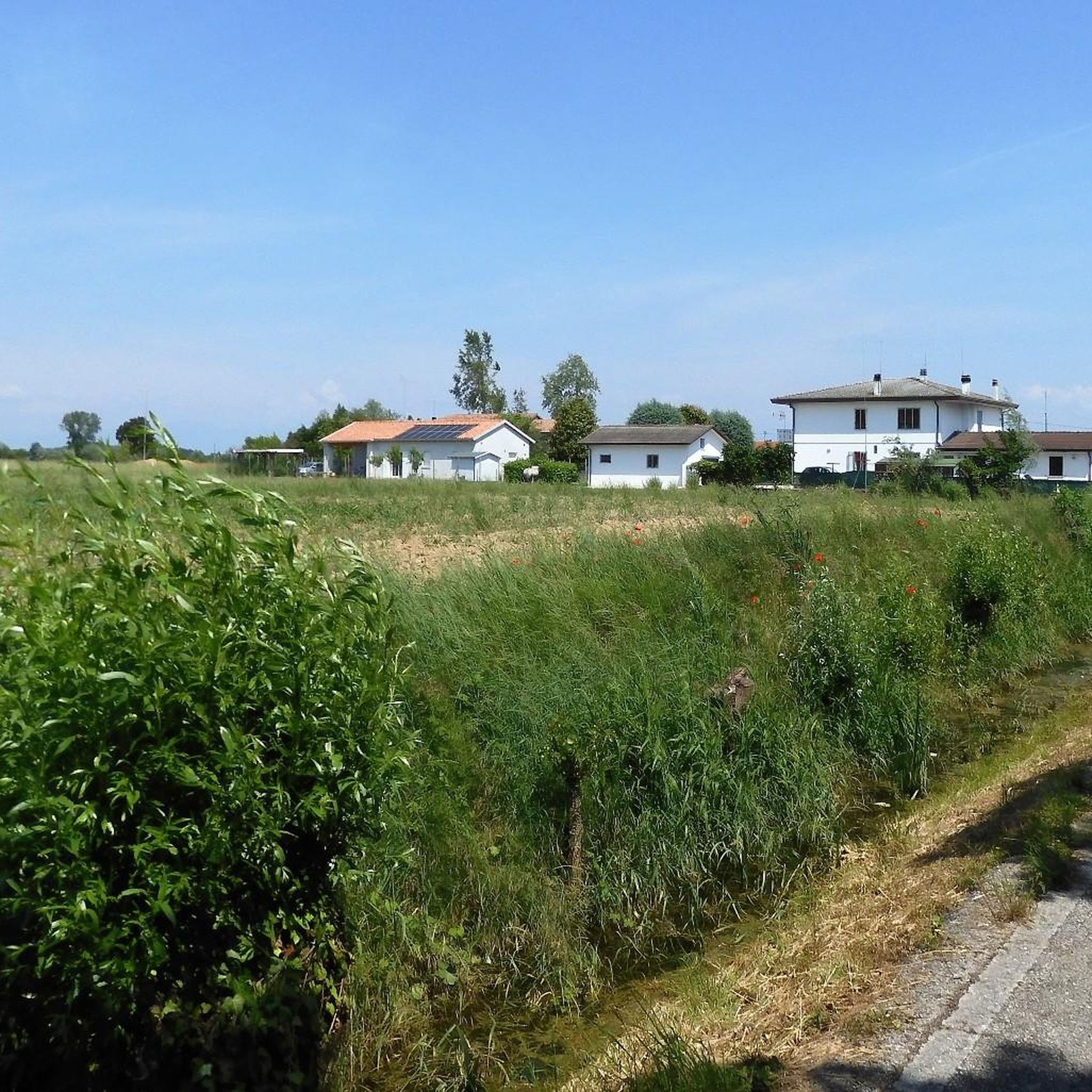
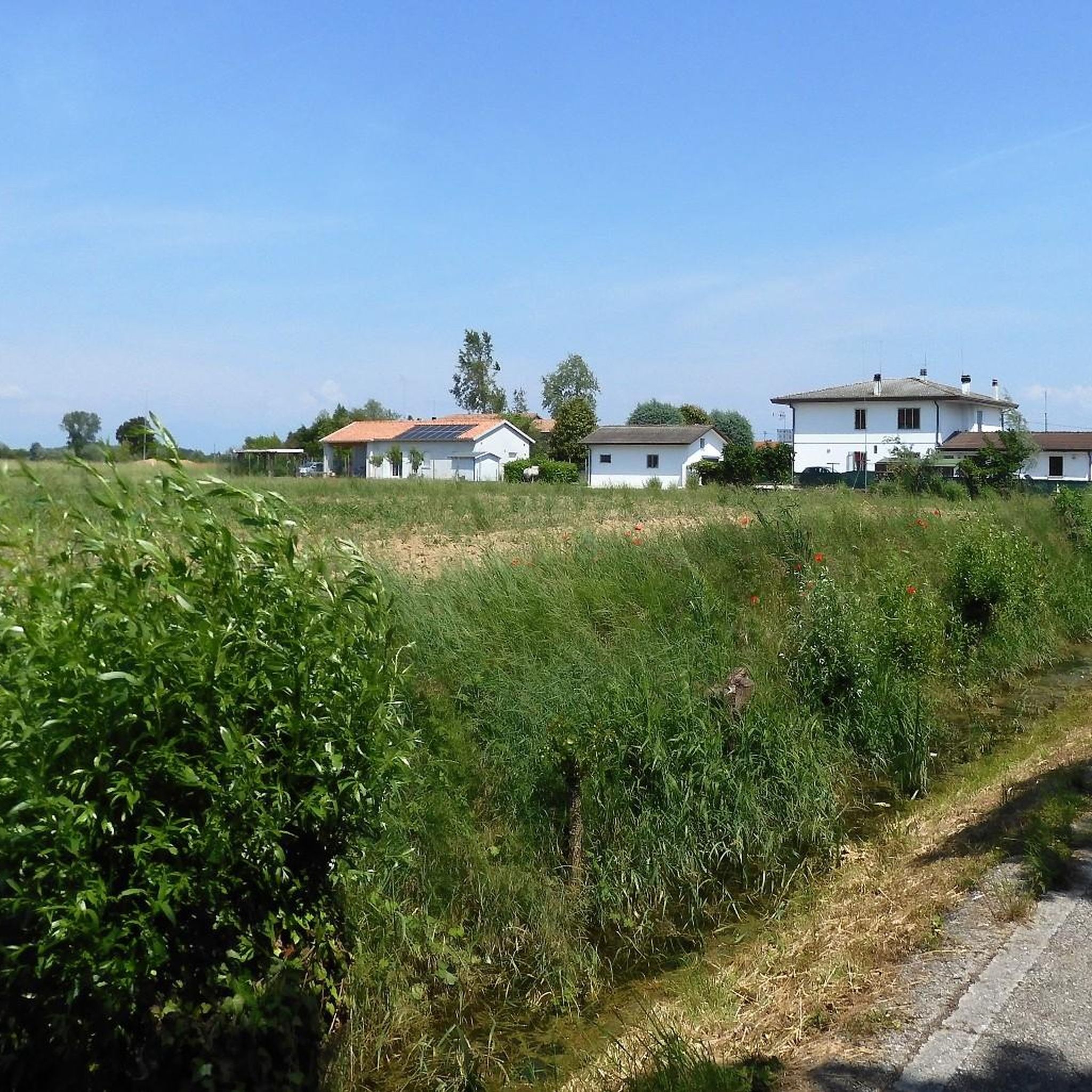
The medieval fortress of Stigliano was first mentioned in 1152 as a feudal property of the Bishop of Treviso. However, its origins may date back to Roman times due to its location in the "graticolato" area. In 1158, it was entrusted to the Tempesta family of Noale and then to the Teutonic Knight Aldobrandino da Superno. Built in a strategic position, alongside the Muson dei Sassi stream, it marked the border between the territories of Padua and Treviso. Therefore, it was the scene of numerous brutal battles until the end of the fourteenth century. It was here, however, that the disputes between the Carraresi and the Serenissima Republic of Venice began. It was the Venetians who finally conquered it in 1520, when it was sold to the Priuli family, who transformed it into a typical Venetian villa of the time. The entire complex then became the property of the Venier family, who further renovated it. Today, only the northeast corner tower remains of the original castle.
1
0
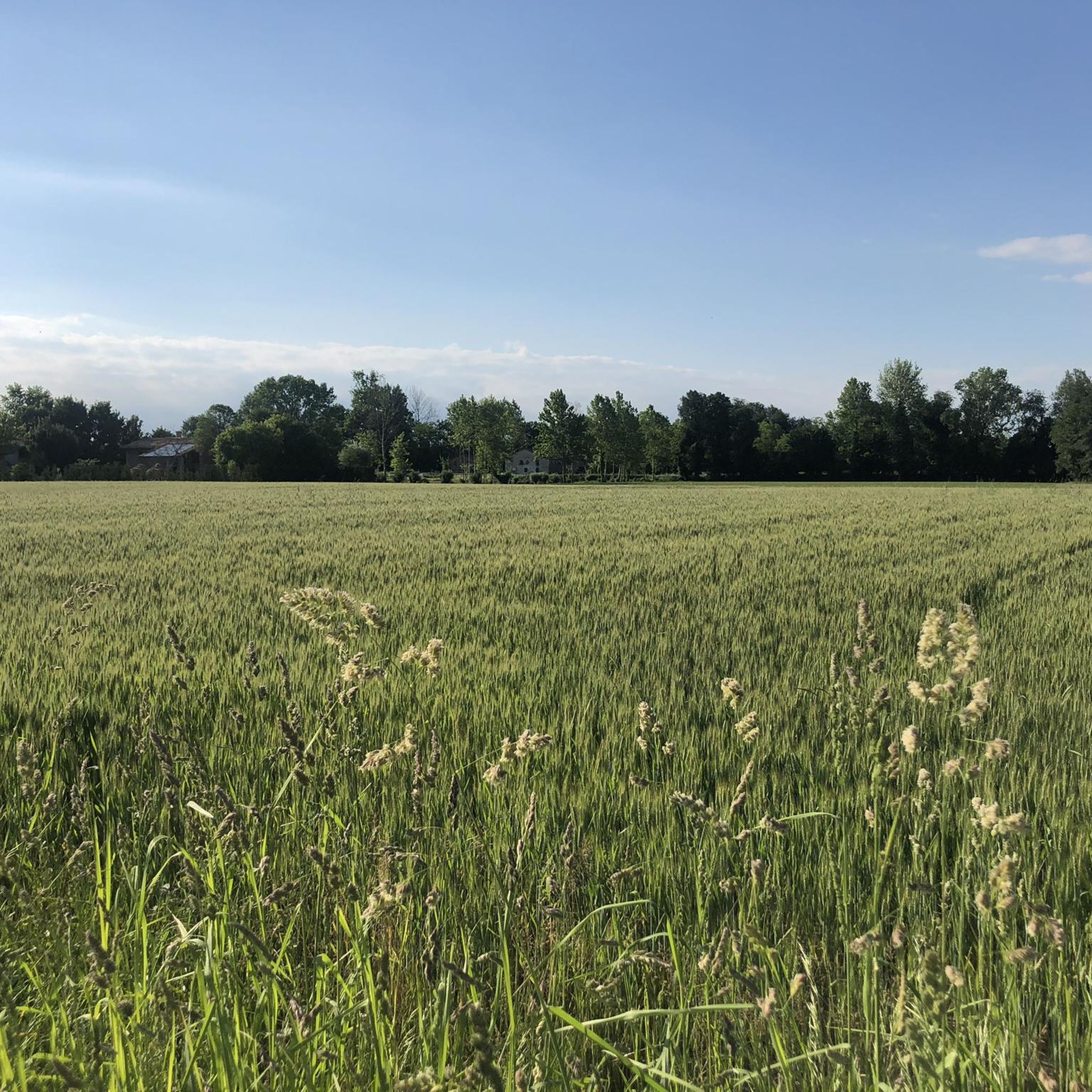
The Colombara Tower, near Forte Tron, dates back to the first half of the 19th century. It is neo-Gothic in style and has a square plan with openings on all four sides. It was never used for breeding poultry, but instead served as a territorial control point and a private gateway to the monumental complex behind it.
0
0
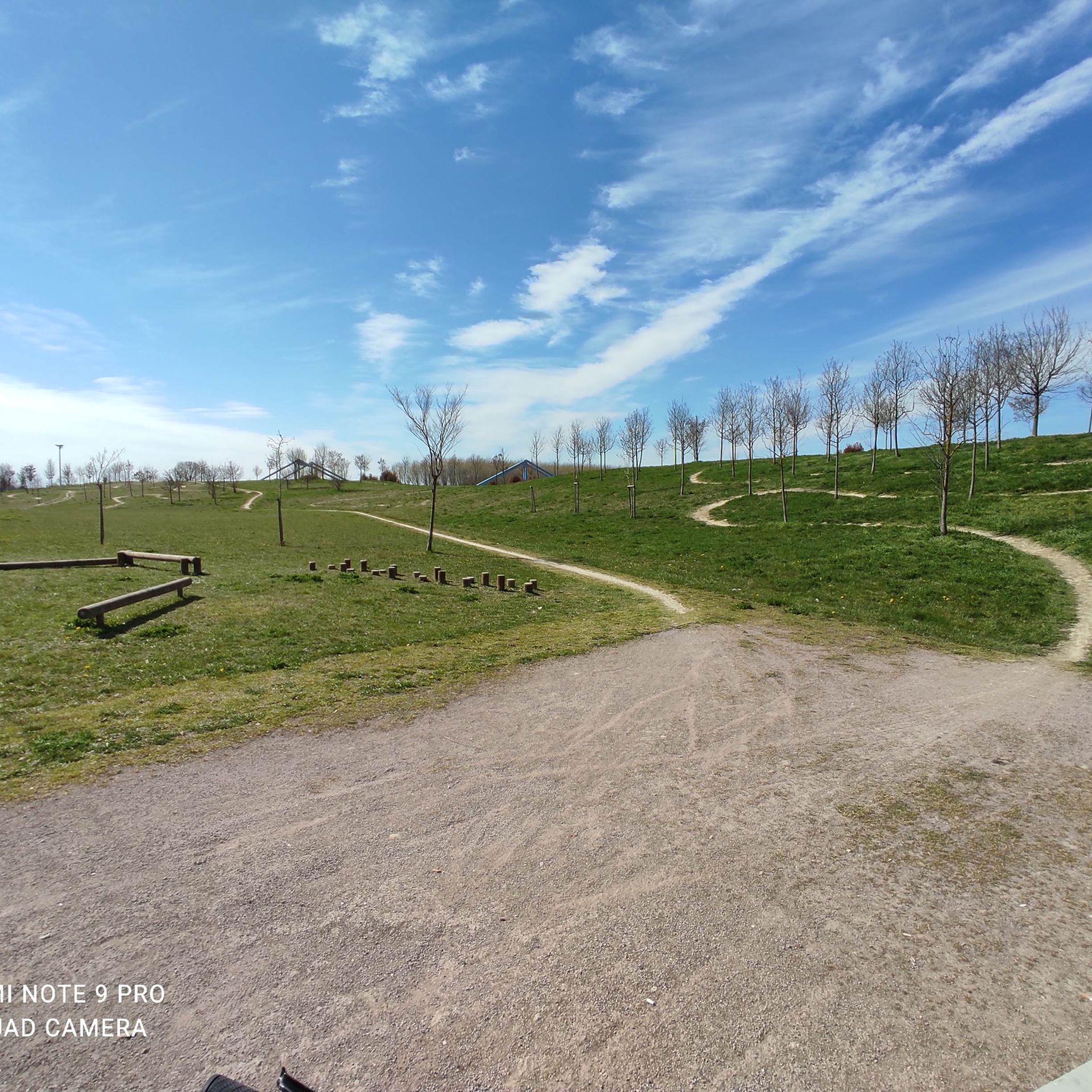
Completed in 1912, it represents the last type of fortress, a concept brutally swept away in the first months of the Great War. It had six cupolas with 149mm guns, never used and immediately dismantled to be taken to the battle front. On the attack front, it was covered by a large embankment, now removed, exposing the massive reinforced concrete structure. The entire wide, rectangular moat surrounding it has been filled in; the original sliding bridge with riveted iron girders remains. It was maintained and cared for until recently by the Military Property Office. It is located near the Ponte Damo roundabout, not far from the Riviera del Brenta. It is still formally owned by the Military Property Office, under concession to the Municipality of Mira. Currently, although in excellent condition, it cannot be visited. Outside, in the adjacent buffer area, there is a children's playground. https://www.magicoveneto.it/venezia/forti/Forte-Poerio.htm https://www.comune.mira.ve.it/vivere-il-comune/luoghi/parco-di-forte-poerio/
0
0


An impressive architectural gem that is easy to overlook.
3
0

dating back to the first half of the 19th century, also called "Specola", not appears to have never been used as a col- Bay; it was rather a private tower which served as access to the complex behind it and as a control over the territory, the street (the ancient Via Bottenigo) and the canal Brentella-Lusore which, crossing the lands and salt marshes of Bottenigo, communicated with the Venetian lagoon, before the . creation of the area industrial of Porto Marghera. The Tower has a square plan with openings on each side and archi- neo-Gothic tectonics. The complex behind it, formerly called Villa Bottenigo or Palazzo Tron, develops around a manor house with a heavily remodeled central nucleus probably dating back to the 15th century, characterized by the typical tripartite layout with a central passing hall. To the east, a subsequent adjacent extension (16th century) can be identified with large granaries, cellars and a room decorated with frescoes attributed to the school of Veronese. Around the main building there is a complex enclosed by walls with other annexes, porticoes and smaller houses. To the south, near the canal, there is the small eighteenth-century church of the district dedicated to the Madonna del Rosario whose facade was rebuilt in 1925 BC following a collapse.
5
0
Frequently Asked Questions
What types of historical sites can I explore around Martellago?
Beyond traditional castles, the Martellago area and wider Veneto region offer a rich variety of historical sites. You can find medieval fortresses like Tempesta Fortress, Noale, historical military forts such as Forte Poerio and Forte Marghera, and stately palaces like Stigliano Castle, which was adapted into a Venetian villa. The region also boasts elegant villas, including the 16th-century Villa Grimani-Morosini Ca' della Nave in Martellago itself, and UNESCO World Heritage sites like Villa Saraceno near Vicenza.
Are there family-friendly castles or historical sites near Martellago?
Yes, several sites are suitable for families. Stigliano Castle, Forte Poerio, Forte Carpenedo, Forte Marghera, and Tempesta Fortress, Noale are all categorized as family-friendly. Forte Poerio even offers a playground and picnic areas, making it a great spot for a family outing.
What is the history behind Stigliano Castle?
Stigliano Castle has origins dating back to Roman times, initially serving as a fortification. Over centuries, it passed through various owners, including the Bishop of Treviso and the Tempesta family. After being conquered by the Venetians in the 16th century, it was transformed into a stately palace resembling a Venetian villa. Today, only the northeast corner tower remains of the original medieval structure, and it has been adapted into an accommodation facility.
Can I visit military forts around Martellago?
Yes, the area features several historical military forts built to defend Venice. Forte Poerio, for example, was constructed in the early 20th century with simple geometric lines and domes to protect gun positions. Forte Carpenedo is another well-preserved fort with a small museum, though it may be undergoing renovation. Forte Marghera, a 19th-century fortress, is now a public park hosting art exhibitions and cultural events.
What outdoor activities can I do near these castles?
The region around Martellago offers various outdoor activities. You can find numerous cycling routes, including easy touring bicycle paths like the 'Martellago Lakes and Spinea Parks Nature Trail' or more challenging mountain biking routes such as the 'Stigliano Castle – Baglioni Mill loop'. For more details on routes and difficulties, you can explore the Cycling around Martellago, MTB Trails around Martellago, and Gravel biking around Martellago guides.
Are there any castles or historical sites that offer unique experiences, like events or accommodation?
Yes, some sites offer more than just a historical visit. Stigliano Castle has been adapted into an accommodation facility. In the broader Veneto region, CastelBrando is a large, ancient castle converted into a luxury hotel and spa. The Castles of Marostica are famous for their annual human chess game, offering a unique cultural event.
What is the best time to visit castles and historical sites in the Martellago area?
The best time to visit is generally during the spring (April-June) and autumn (September-October) when the weather is mild and pleasant for exploring. Summer can be warm, but many sites remain open. Winter visits are possible, but some attractions might have reduced hours or be closed, so it's advisable to check specific opening times beforehand.
What are the Castles of Marostica known for?
The Castles of Marostica, located in the wider Veneto region, are renowned for their unique annual event: a human chess game. This historical re-enactment takes place in the town square, using living pieces, and draws many visitors to witness the spectacle.
Is there parking available at these historical sites?
For sites like Forte Poerio, parking is available at the roadside. For other locations, it's recommended to check their official websites or local information for specific parking facilities. Many sites in the Veneto region are accessible by car, often with designated parking areas nearby.
What can I expect to see at Tempesta Fortress in Noale?
Tempesta Fortress, Noale is a formidable medieval structure constructed in the 12th century. Its imposing towers and sturdy walls served as both a noble residence and a defensive stronghold. Visitors can explore the remnants of this significant historical landmark, which played a vital role in the region's power dynamics.
Are there any castles near Martellago that are particularly well-preserved or have museums?
Forte Carpenedo is noted for being well-preserved and houses a small museum. In the broader Veneto region, Castelvecchio in Verona, also known as the Scaligero Castle, is a masterpiece of Gothic architecture that now houses the Castelvecchio Civic Museum, displaying art and artifacts.
What is the significance of Forte Poerio?
Forte Poerio was part of the 'Campo Trincerato di Mestre,' a defensive project initiated by the French and Austrians, and later continued by unified Italy, to protect Venice from ground attacks. Built in the early 20th century, it features a unique structure with simple geometric lines and domes. Although never involved in war events, it served as an ammunition and weapons depot and is now a historical site with facilities like a playground and picnic areas.
Most popular routes around Martellago
Most popular attractions around Martellago

Get inspired with the komoot mobile app


Explore more
Looking for the best castles somewhere else? Discover other guides around Martellago:
