Attractions and Places To See around Lendinara - Top 20
Best attractions and places to see around Lendinara include a variety of historical sites and cultural landmarks. Situated on the Adigetto Canal, the town historically served as an active river port, contributing to its development. Lendinara is known for its rich artistic and historical heritage, earning it the moniker "Athens of Polesine." The fertile lands of the surrounding Po Valley also played a role in the region's prosperity.
Best attractions and places to see around Lendinara
- The most popular attractions…
Last updated: October 17, 2026
Villa Badoer (Andrea Palladio)
Highlight • Historical Site
Translated by Google •
Tip by

Torre Morosini
Highlight • Monument
Ally of '45
Translated by Google •
Tip by

Sign up now to discover places like this
Get recommendations on the best single tracks, peaks, & plenty of other exciting outdoor places.
San Lorenzo Memorial to the Victims of the 1951 Polesine Flood
Highlight • Historical Site
Translated by Google •
Tip by

Mulino al Pizzon Ecomuseum
Highlight • Historical Site
Translated by Google •
Tip by

Vampadore Pumping Station
Highlight • Monument
Translated by Google •
Tip by

Sign up for free to discover even more attractions around Lendinara.
Already have an account?
Start today with a free account
Your next adventure awaits.

Tips from the Community

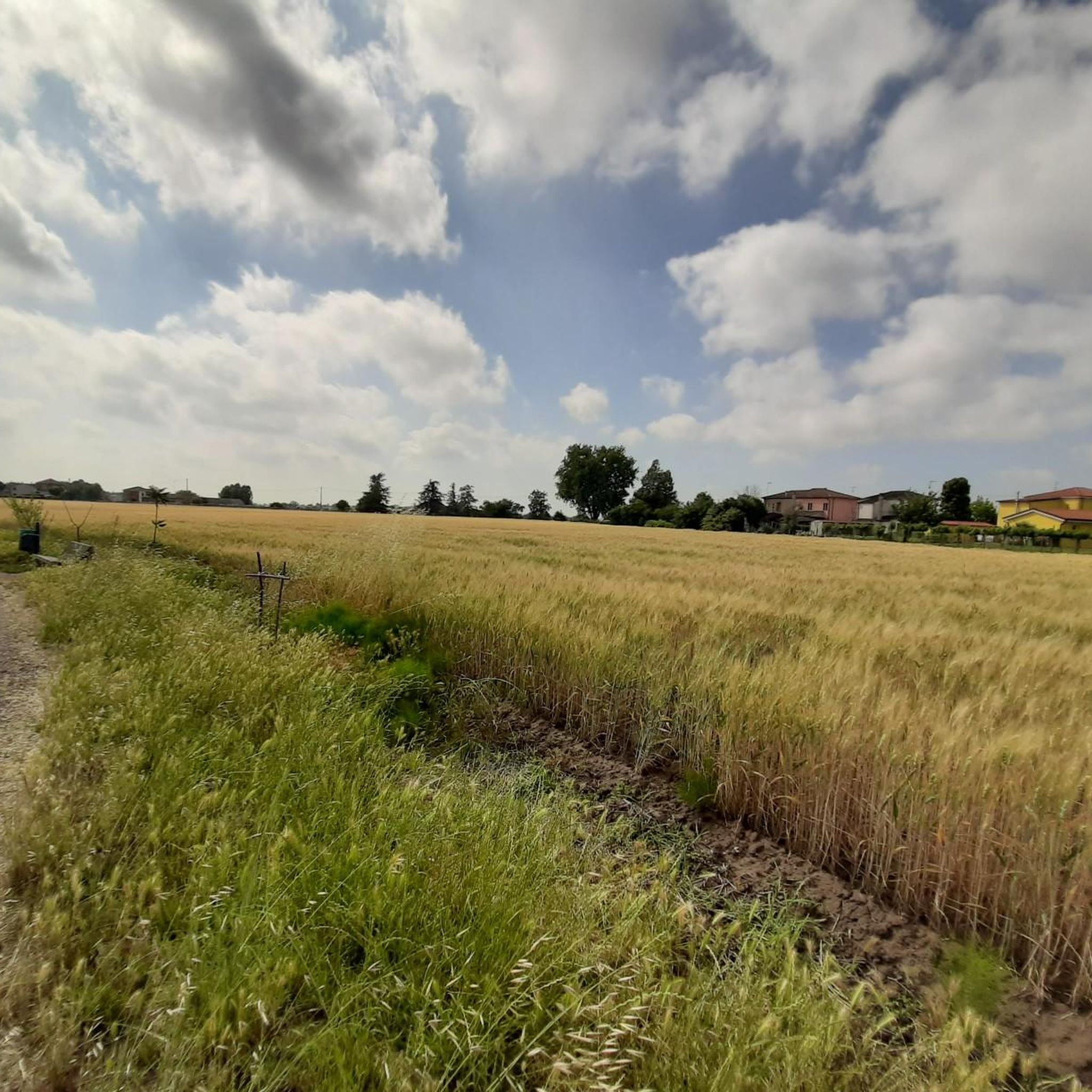
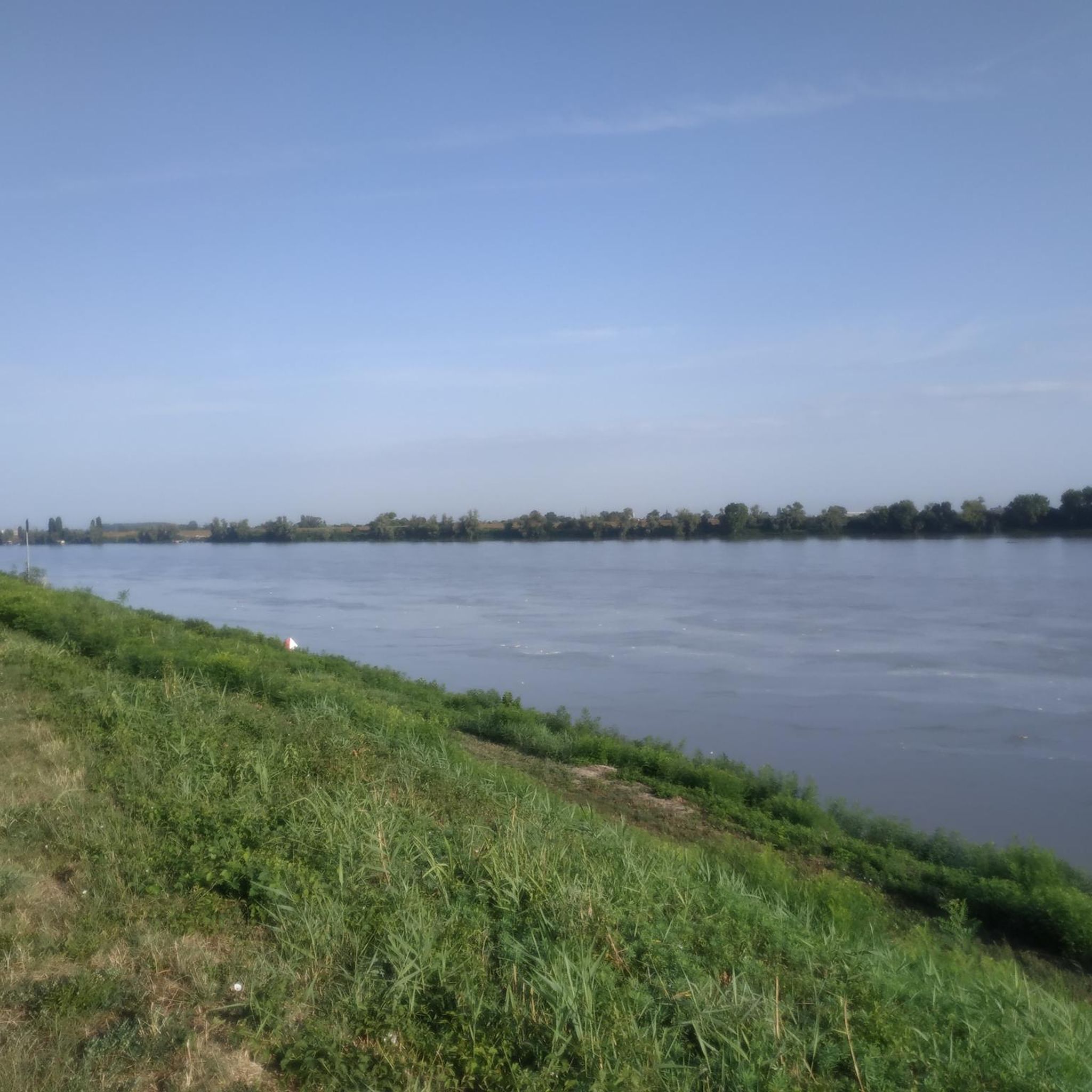
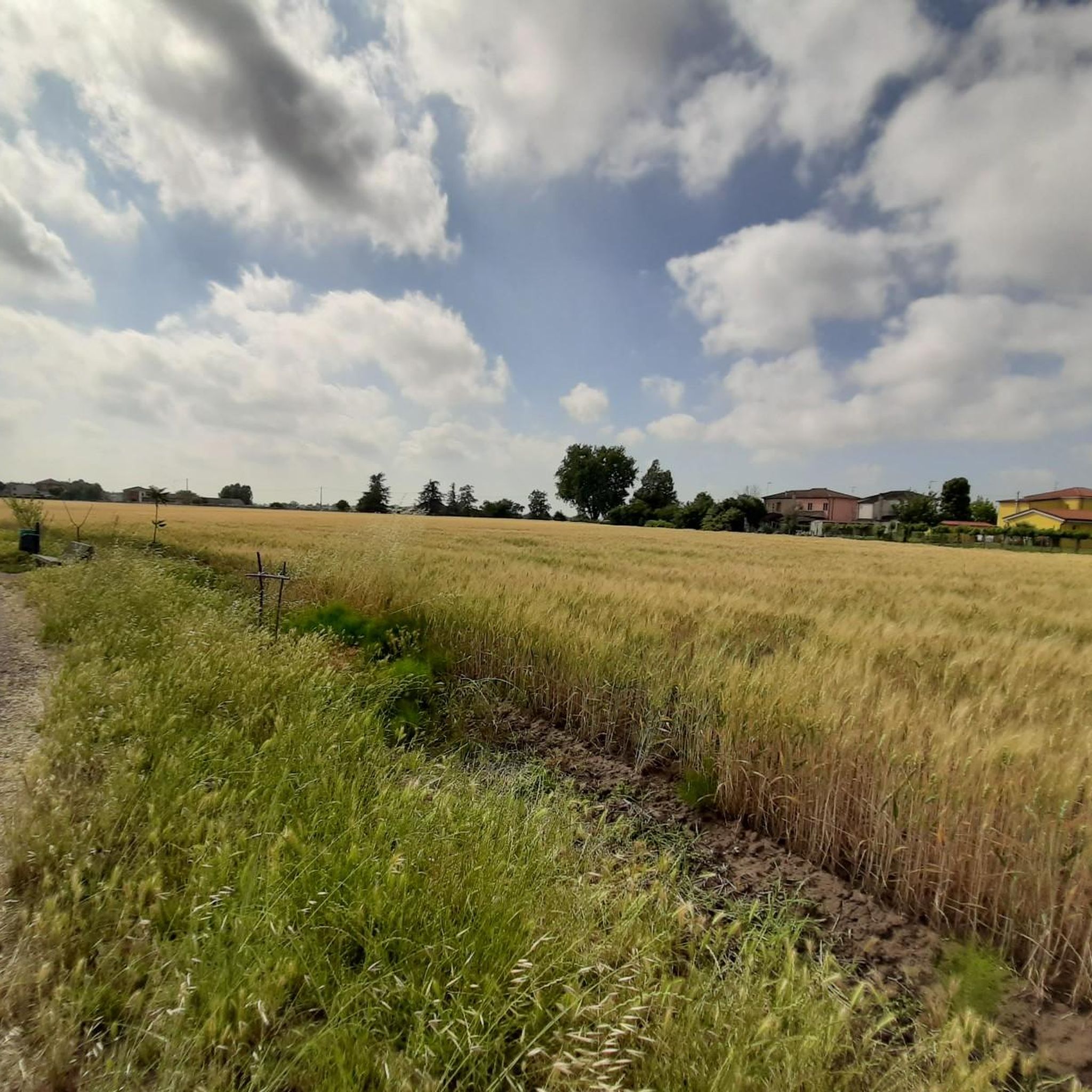
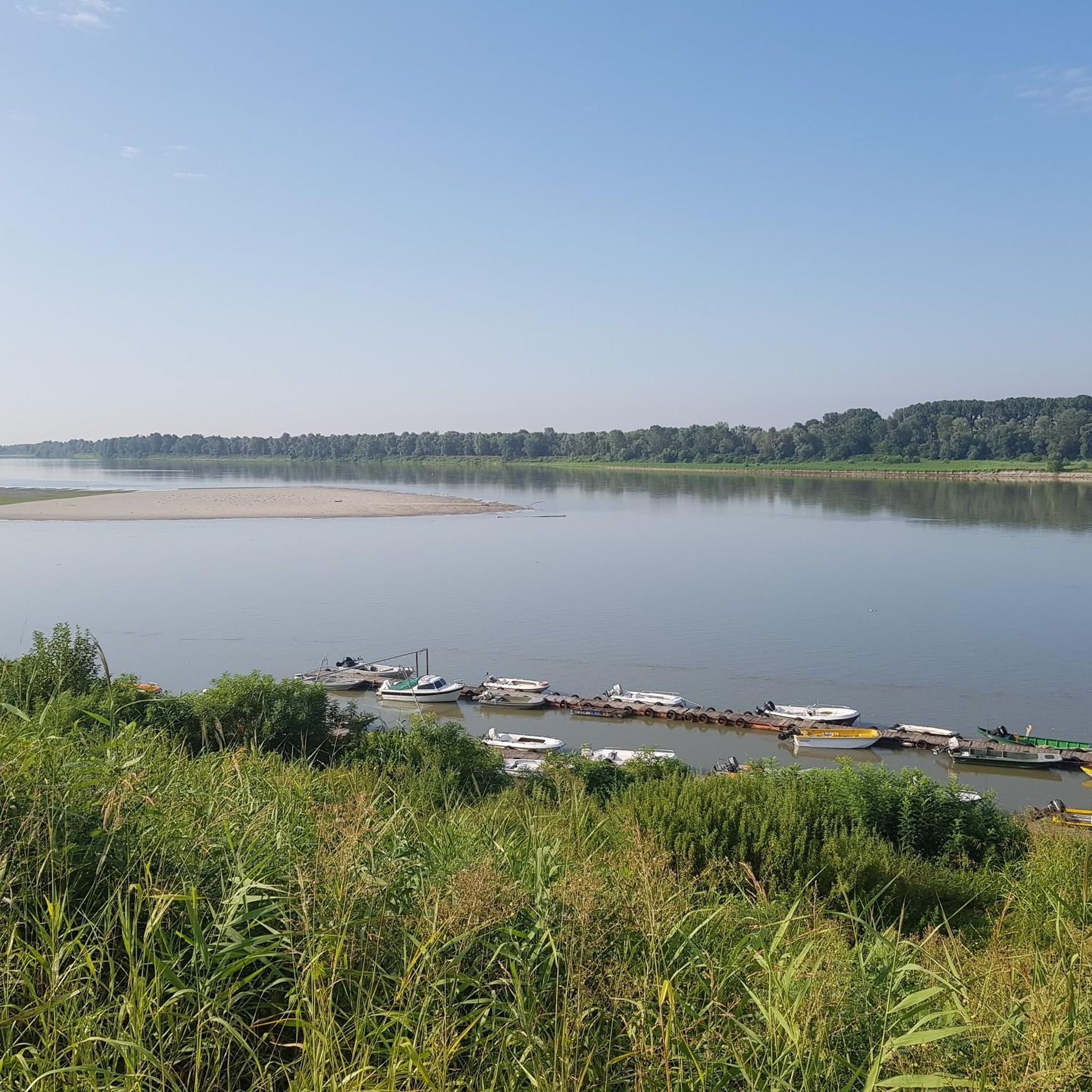
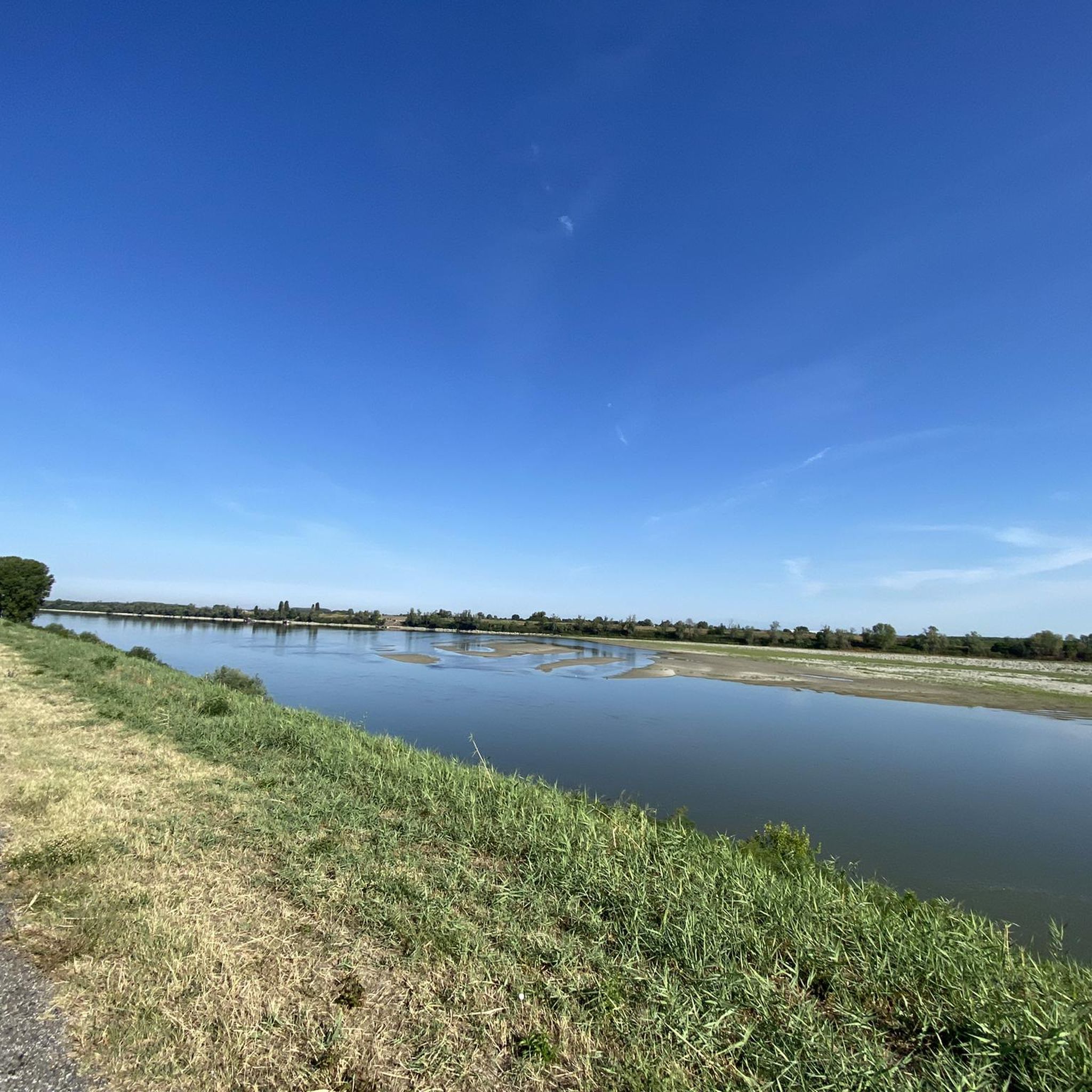
for the tranquility of the roads; the country air alternating with intensive crops, poplar groves, woods; possibility of relaxing and pleasant views; possible encounters with people who respect the environment and avoid chaos....
0
0

Traffic on the embankment closed due to works
1
0

The Morosini Tower is all that remains of Villa Morosini, destroyed during a bombing raid on April 20, 1945. It remained inhabited until 1983 and was then restored by the municipal administration. Built of masonry with a square base, the tower is 22 meters tall and has a 53 cm slope. It comprises three floors above ground, connected by a spiral staircase with 128 marble steps; the summit features elegant terracotta battlements and decorative ashlar work on the sides and windows. The tower's connections with the lost older buildings are still visible.
1
0

I didn't even recognize it when I passed by today, now it's too beautiful 🤣 (Torre Morosini)
1
0

An event that marked the history of Polesine
0
0
In the locality of Passo di Villamarzana, a hamlet of Frassinelle Polesine, you can see the shrine of San Lorenzo, with its external memorial exhibition of the Polesine flood of 1951. Next to it is a small and touching cemetery, which houses the bodies of the 84 victims of the flood, involved in the tragedy that took place between Frassinelle and Villamarzana on 15 November 1951, which went down in history as "The truck of death". The rescue vehicle was supposed to transport as many evacuees as possible to Rovigo: but during the night, amidst the thick fog and the rushing waters, the truck sank. Among so many elderly people, women and many children, few people managed to save themselves.
1
0
Frequently Asked Questions
What are the most significant historical and architectural landmarks in Lendinara?
Lendinara, known as the "Athens of Polesine," offers several notable historical and architectural landmarks. You can visit Villa Badoer (Andrea Palladio), a UNESCO World Heritage site and a prime example of Palladian architecture. Another prominent feature is Torre Morosini, a crenellated tower that is all that remains of a 17th-century villa. The town also boasts the impressive Bell Tower of the Cathedral of Santa Sofia, which is the second tallest in Veneto, and the historic Palazzo Pretorio.
Are there any important religious sites to visit in Lendinara?
Yes, Lendinara is home to significant religious sites. The Cathedral of Santa Sofia, with its remarkably tall bell tower, is a central religious building. Additionally, the Santuario della Beata Vergine del Pilastrello is a well-known pilgrimage destination throughout Italy.
What cultural attractions can I find in and around Lendinara?
Beyond its historical buildings, Lendinara offers cultural insights. The Mulino al Pizzon Ecomuseum, located nearby in Fratta Polesine, is a unique example of a ground-level mill. You can also explore the Cittadella della Cultura (Cultural Citadel), which houses a museum and a library with antique books, or visit the Teatro Ballarin, a historic theater that hosts seasonal performances.
What natural features are characteristic of the Lendinara area?
Lendinara is situated on the Adigetto Canal, which historically served as an active river port, contributing to its development and connectivity. The town is also surrounded by the fertile lands of the Po Valley, offering scenic agricultural landscapes.
Are there family-friendly attractions in Lendinara?
Many of Lendinara's historical sites and cultural landmarks are suitable for families. For instance, Villa Badoer (Andrea Palladio), Torre Morosini, and the Bell Tower of the Cathedral of Santa Sofia are listed as family-friendly. The Mulino al Pizzon Ecomuseum also offers workshops and guided tours that can be engaging for children.
What outdoor activities, like cycling or running, can I do near Lendinara's attractions?
The area around Lendinara is excellent for outdoor activities. You can find numerous cycling routes, such as the 'Quiet Road – Torre Morosini loop' or the 'La Bova Hydraulic Sluice – Gravel Path loop'. For running, there are trails like 'Sunset over the Vineyards loop'. Mountain biking enthusiasts can explore routes like the 'Adige River Loop'. You can find more details on these and other routes in the Cycling around Lendinara, Running Trails around Lendinara, and MTB Trails around Lendinara guides.
What is the significance of the San Lorenzo Memorial?
The San Lorenzo Memorial to the Victims of the 1951 Polesine Flood, located in Passo di Villamarzana, is a poignant shrine and external memorial. It commemorates the 84 victims of the devastating 1951 flood, including those lost in the tragic 'truck of death' incident, serving as a powerful reminder of the region's history.
What do visitors particularly enjoy about the attractions in Lendinara?
Visitors appreciate the rich historical and artistic heritage of Lendinara. For example, Villa Badoer is often highlighted for its superb Palladian architecture, especially when illuminated at night. The tranquil atmosphere around sites like Torre Morosini and the historical significance of the San Lorenzo Memorial are also frequently mentioned.
Are there any museums in Lendinara?
Yes, Lendinara offers a couple of museums. Palazzo Malmignati-Boldrin houses a small but rich museum dedicated to the Italian Risorgimento. Additionally, the Cittadella della Cultura complex includes a museum alongside its library, and the Mulino al Pizzon Ecomuseum provides insights into local industrial heritage.
What is the best time of year to visit Lendinara?
Lendinara can be enjoyed throughout the year. The autumn and winter seasons are ideal for cultural events, as the Teatro Ballarin hosts a rich season of prose. Spring and early autumn offer pleasant weather for exploring the outdoor historical sites and enjoying cycling or running routes in the surrounding Po Valley.
Can I visit the interior of Torre Morosini?
Yes, the Torre Morosini features an internal spiral staircase with 128 steps, leading to three floors and a summit adorned with elegant terracotta battlements. This allows visitors to ascend and explore the tower's interior.
Most popular routes around Lendinara

Get inspired with the komoot mobile app


Explore more
Still not found the Highlight you’re looking for? See guides of the top attractions in other regions:
