The best MTB trails around Camposampiero
4.4
(1179)
5,420
riders
269
rides
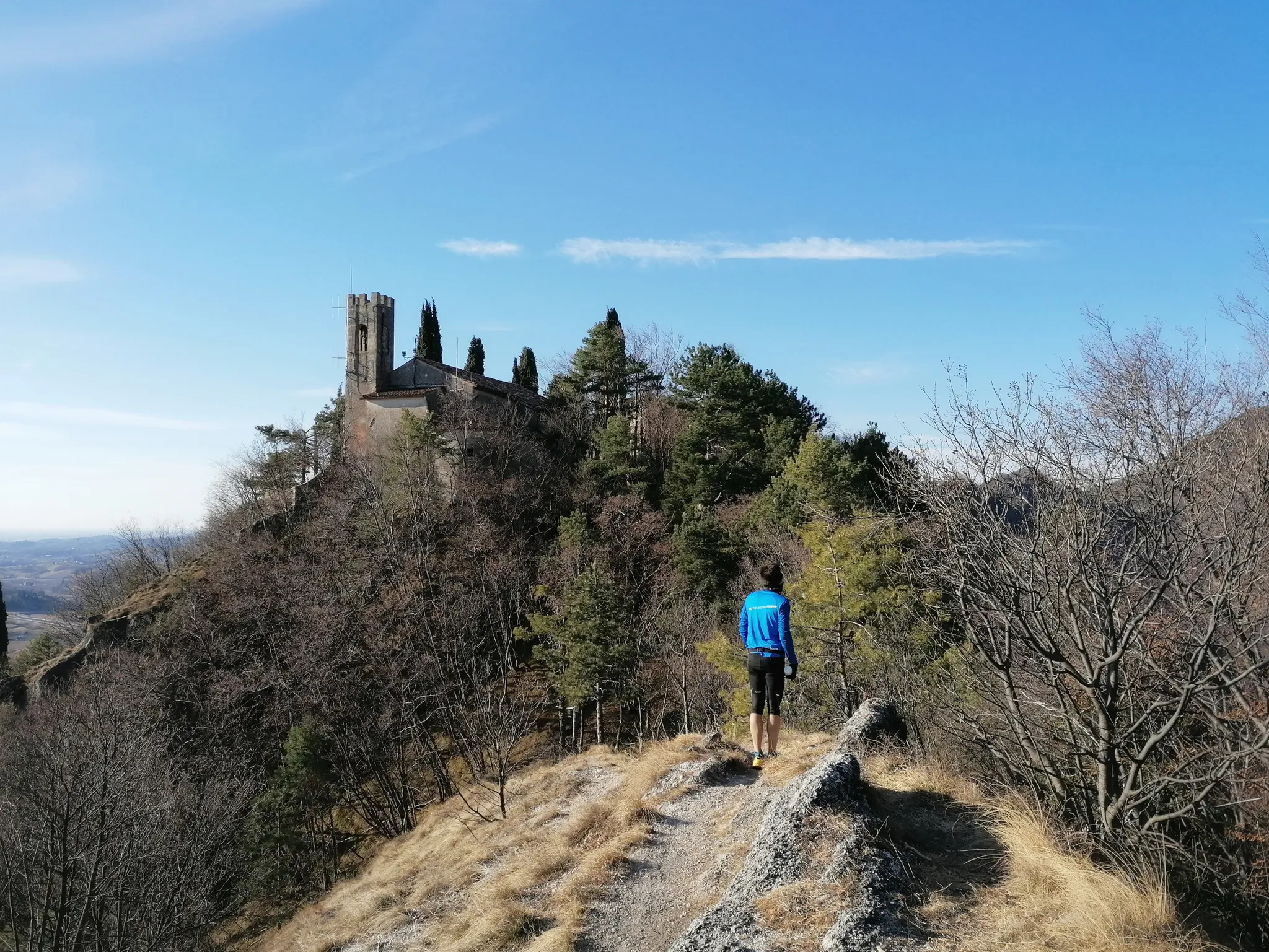
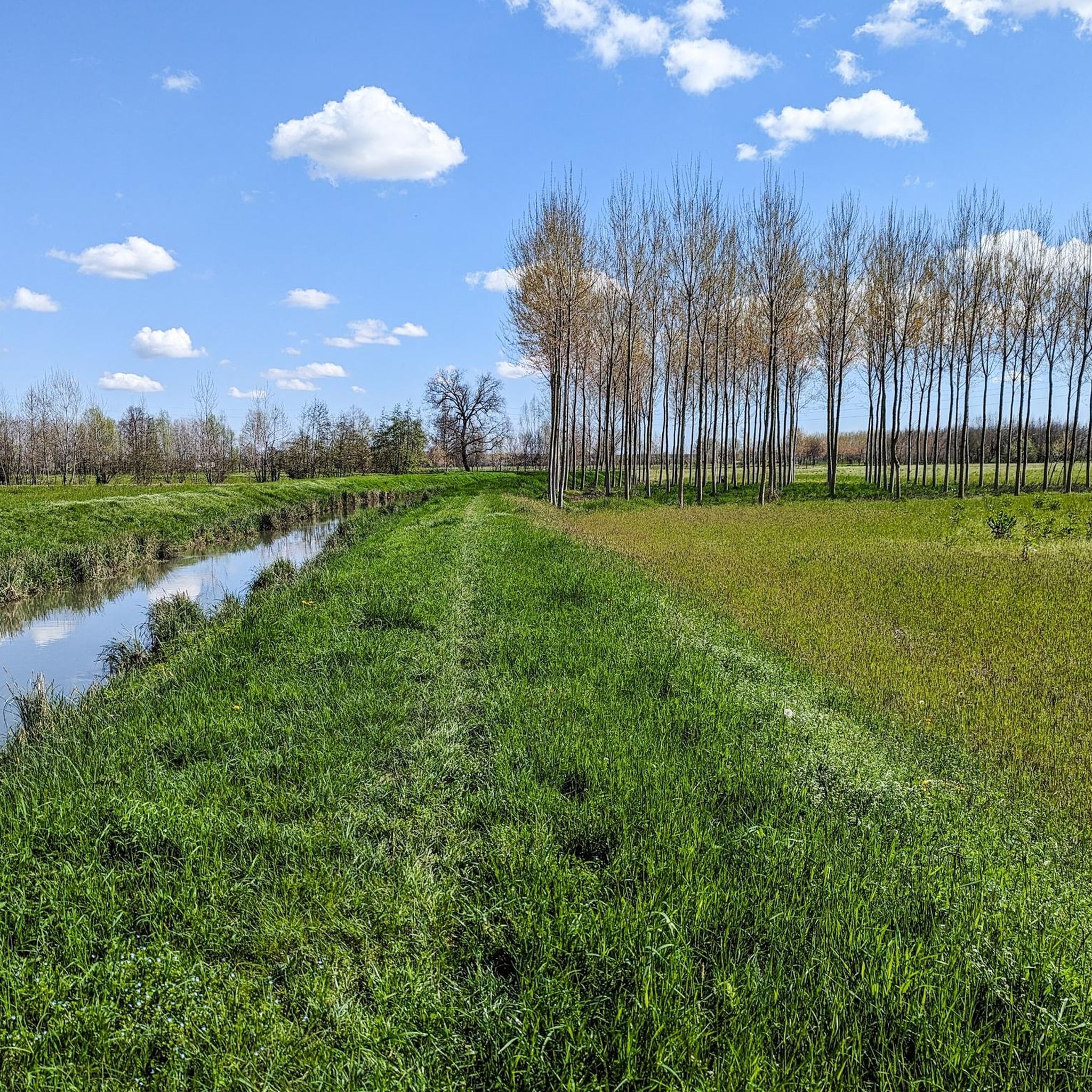
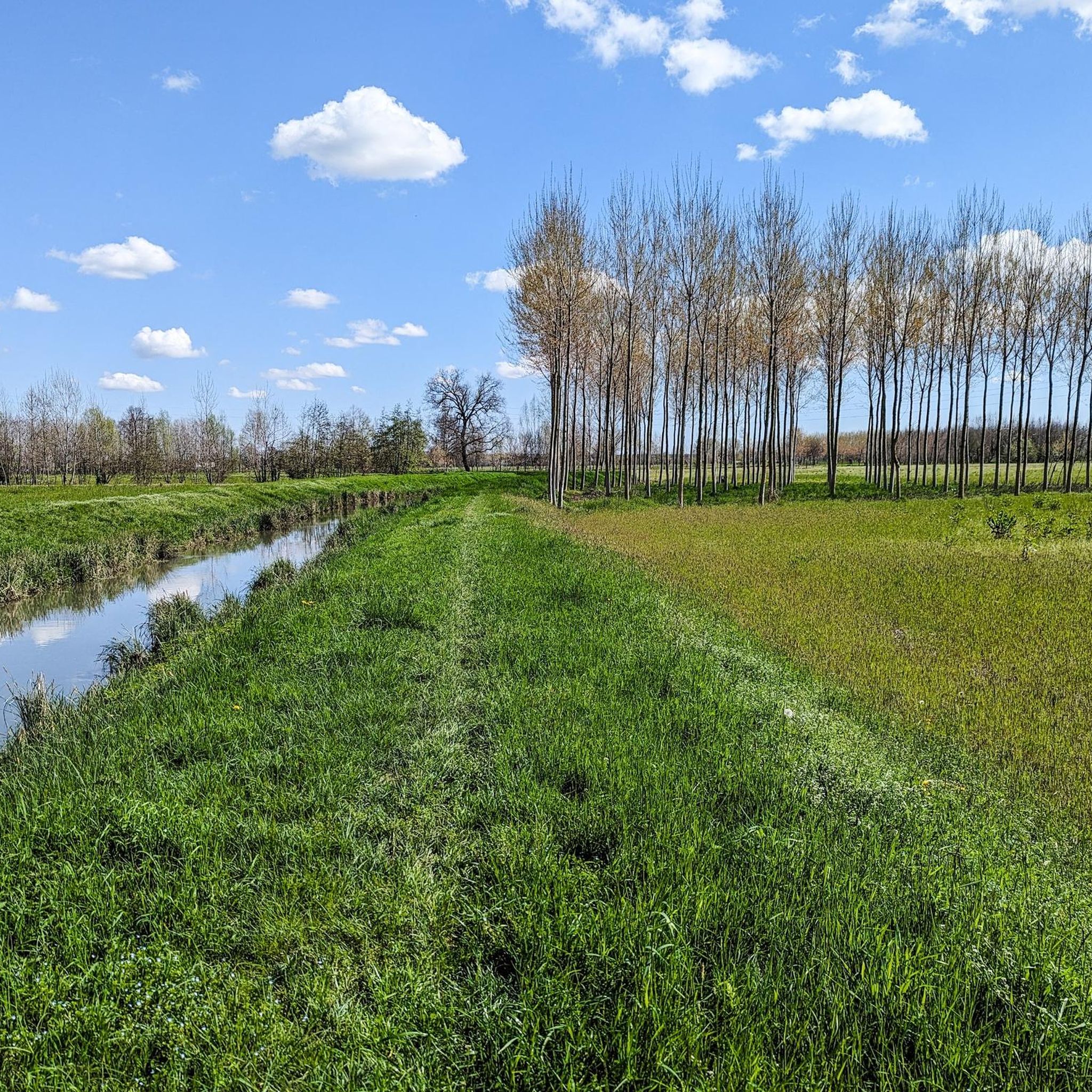
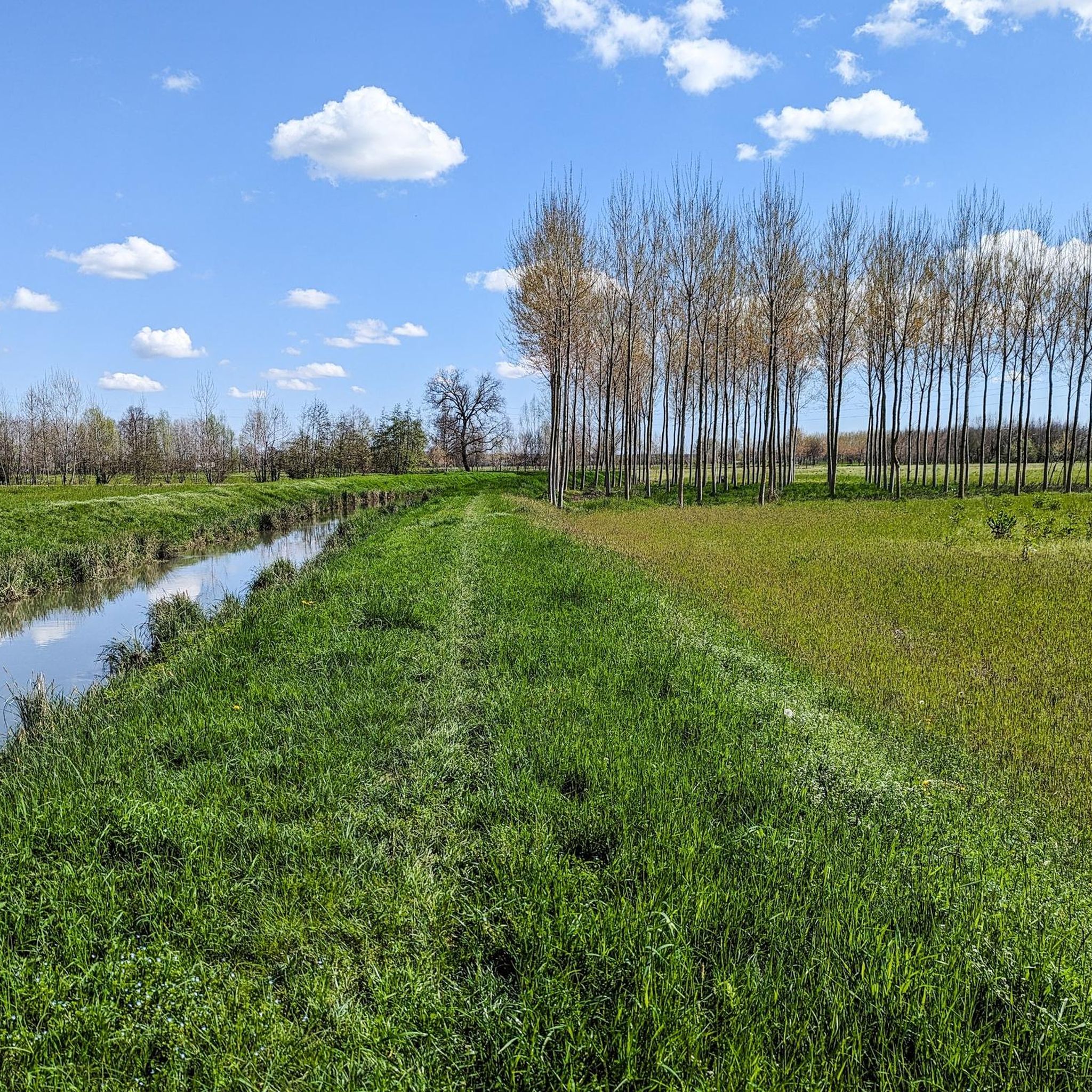
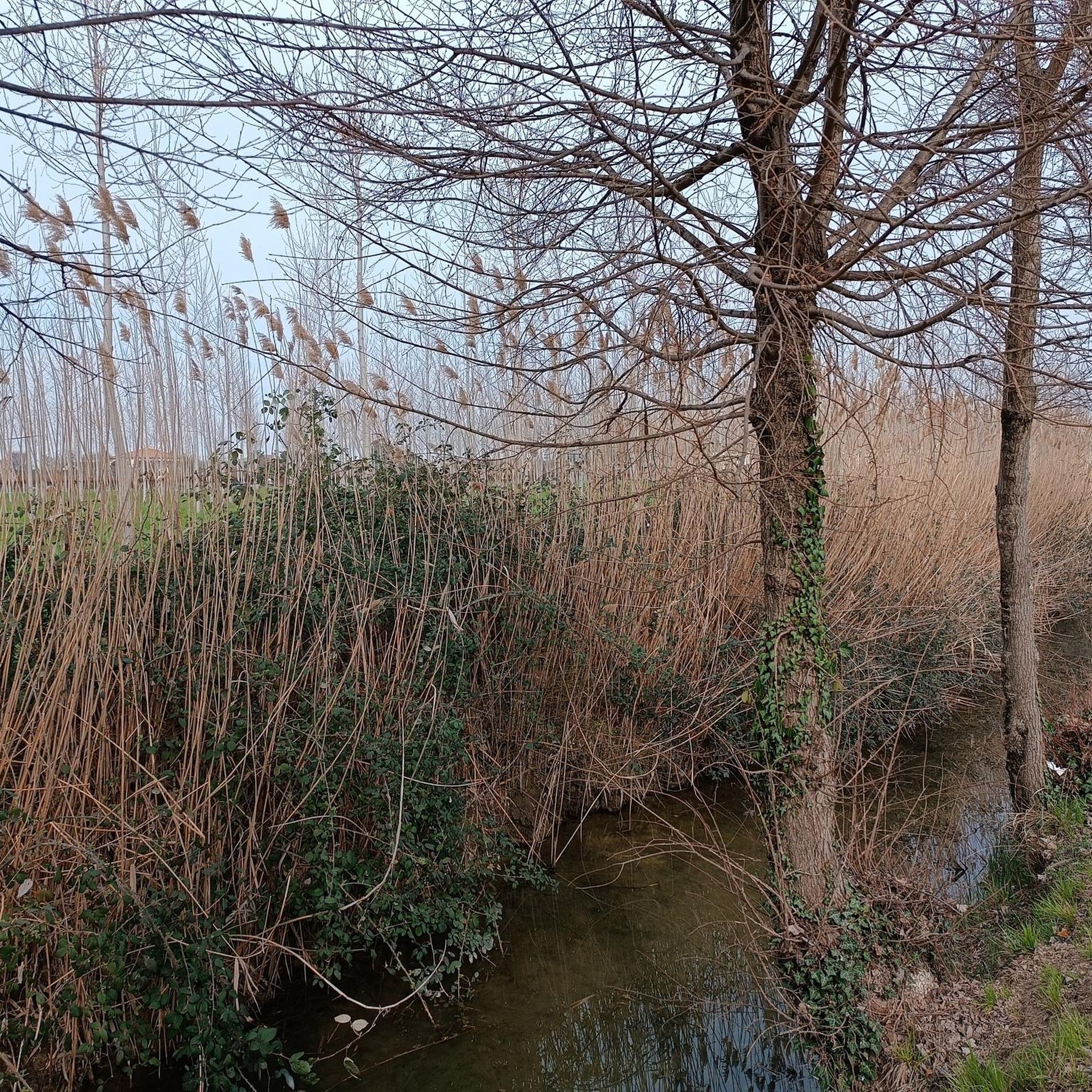
Mountain biking around Camposampiero offers routes primarily through flat, riverine landscapes. The region is characterized by its extensive network of paths along the Brenta River and through agricultural areas. Riders can expect to encounter historic towns, local parks, and open countryside. The terrain is generally gentle, with minimal elevation changes, making it suitable for various skill levels.
Best mountain bike trails around Camposampiero
- The most popular mountain bike trail is Weir on the Brenta River – Brenta Cycle Bridge loop…
Last updated: October 5, 2026
4.6
(92)
255
riders
Moderate mountain bike ride. Good fitness required. Advanced riding skills necessary.
5.0
(6)
110
riders
81.7km
04:47
120m
120m
Moderate mountain bike ride. Good fitness required. Advanced riding skills necessary.

3.7
(15)
59
riders
51.6km
02:51
90m
90m
Moderate mountain bike ride. Good fitness required. Suitable for all skill levels.
4.7
(27)
54
riders
28.4km
01:30
40m
40m
Easy mountain bike ride. Great for any fitness level. Suitable for all skill levels.
4.5
(4)
49
riders
Easy mountain bike ride. Great for any fitness level. Suitable for all skill levels.
Get access to more routes and recommendations from other explorers.
Already have an account?
Our route recommendations are based on thousands of hikes, rides, and runs completed by other people on komoot.
Start today with a free account
Your next adventure awaits.

Other adventures around Camposampiero

Tips from the Community

An architecturally significant building structure with diverse functions at the time of its construction. Absolutely worth seeing!
0
0
The source area of the Sile is a true natural paradise. A nature trail leads through the area, which is equipped with wooden bridges at exposed points to allow crossing over the water of the springs. Impressive and imposing are the many springs from which the Sile is formed in total. Verdict: highly recommended!
0
0

Beautiful paved rail trail bike path
1
0
Small rest stop on the beautiful asphalted railway line cycle path
1
0
Old, privately owned train station
1
0
Small rest stop on the railway line cycle path
1
0
Worthwhile ensemble, unfortunately the road is quite disturbing.
1
0
Beautiful paved railway cycle path I5, flat stretch and many trees with shade.
1
0
Frequently Asked Questions
How many mountain bike trails are available around Camposampiero?
There are over 270 mountain bike trails available around Camposampiero, offering a wide range of options for different skill levels and preferences.
What is the typical terrain like for mountain biking in Camposampiero?
The terrain around Camposampiero is generally flat and riverine, characterized by extensive networks of paths along the Brenta River and through agricultural areas. You'll find gentle routes with minimal elevation changes, making it suitable for various skill levels.
Are there mountain bike trails suitable for beginners in Camposampiero?
Yes, Camposampiero offers a good selection of trails for beginners. Approximately 78 routes are classified as easy, providing a gentle introduction to mountain biking in the region. An example is the Brenta Cycle Bridge – Villa Contarini loop from Camposampiero, which is an easy 17.6-mile (28.4 km) ride.
Are there challenging mountain bike routes for advanced riders near Camposampiero?
While the region is generally flat, there are 33 routes classified as difficult for those seeking a greater challenge. These routes often cover longer distances or feature more technical sections within the riverine and agricultural landscapes.
What do other mountain bikers say about the trails in Camposampiero?
The mountain bike trails in Camposampiero are highly rated by the komoot community, with an average score of 4.4 stars from over 1,000 reviews. More than 5,500 mountain bikers have explored the area, often praising the scenic river paths and the blend of natural and historic sights.
Are there circular mountain bike routes in Camposampiero?
Yes, many of the mountain bike routes in Camposampiero are designed as loops, allowing you to start and end at the same point. Examples include the Weir on the Brenta River – Brenta Cycle Bridge loop from Fratte Centro and the Park of Thoughts – Weir on the Brenta River loop from Camposampiero.
What is the typical duration of mountain bike trails in Camposampiero?
Trail durations vary, but many popular routes range from 2.5 to 5 hours. For instance, the Weir on the Brenta River – Brenta Cycle Bridge loop from Fratte Centro typically takes around 2 hours 43 minutes, while the longer Historic Center of Noale – Piazza Indipendenza loop from Camposampiero can take approximately 4 hours 49 minutes.
Are there mountain bike trails with cafes or refreshment points nearby?
Yes, some routes pass by or near refreshment points. For example, you might find options like the Ostiglia Refreshment Kiosk or the Kiosk at the Treviso-Ostiglia and Via del Santo Cycle Path Junction along certain trails, particularly those utilizing the Ostiglia-Treviso Cycle Path.
What kind of attractions or landmarks can I see along the mountain bike trails?
Many trails offer a blend of natural beauty and historic sights. You can encounter landmarks such as the Weir on the Brenta River, the Brenta Cycle Bridge, and historical sites like Villa Contarini. The region also features natural monuments like Gran Bosco Fontanassi and the Sources of the Sile.
What is the best time of year for mountain biking in Camposampiero?
Given the generally flat terrain and riverine paths, mountain biking in Camposampiero is enjoyable for much of the year. Spring and autumn offer pleasant temperatures and vibrant scenery, while summer can be warm but still suitable, especially along shaded river sections. Winter riding is also possible, though conditions may vary.
Can I find mountain bike routes that pass through historic towns?
Absolutely. The region is known for its historic towns, and several routes connect these cultural sights with open-country riding. The Historic Center of Noale – Piazza Indipendenza loop from Camposampiero is a prime example, allowing you to experience both the natural landscape and local history.
Is parking readily available for mountain bikers in Camposampiero?
Many routes start from easily accessible points like 'Fratte Centro' or directly from 'Camposampiero', suggesting that parking is generally available near these common starting locations. It's always advisable to check specific trailhead information for detailed parking options.
Most popular routes around Camposampiero
Most popular attractions around Camposampiero

Get inspired with the komoot mobile app


Explore more
Browse the best MTB trails in other regions.
