The best cycling routes around Polverara
4.2
(843)
6,110
riders
312
rides
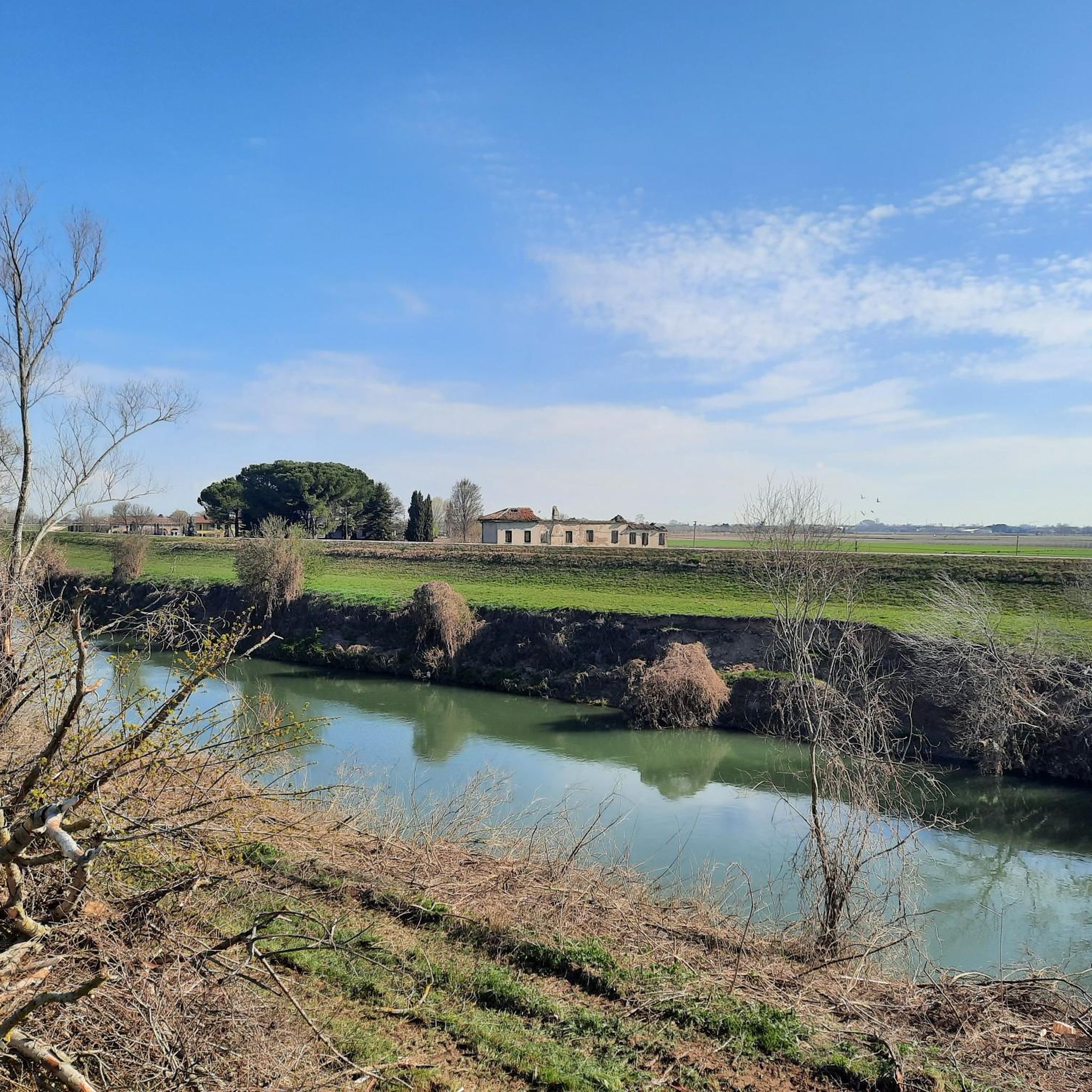
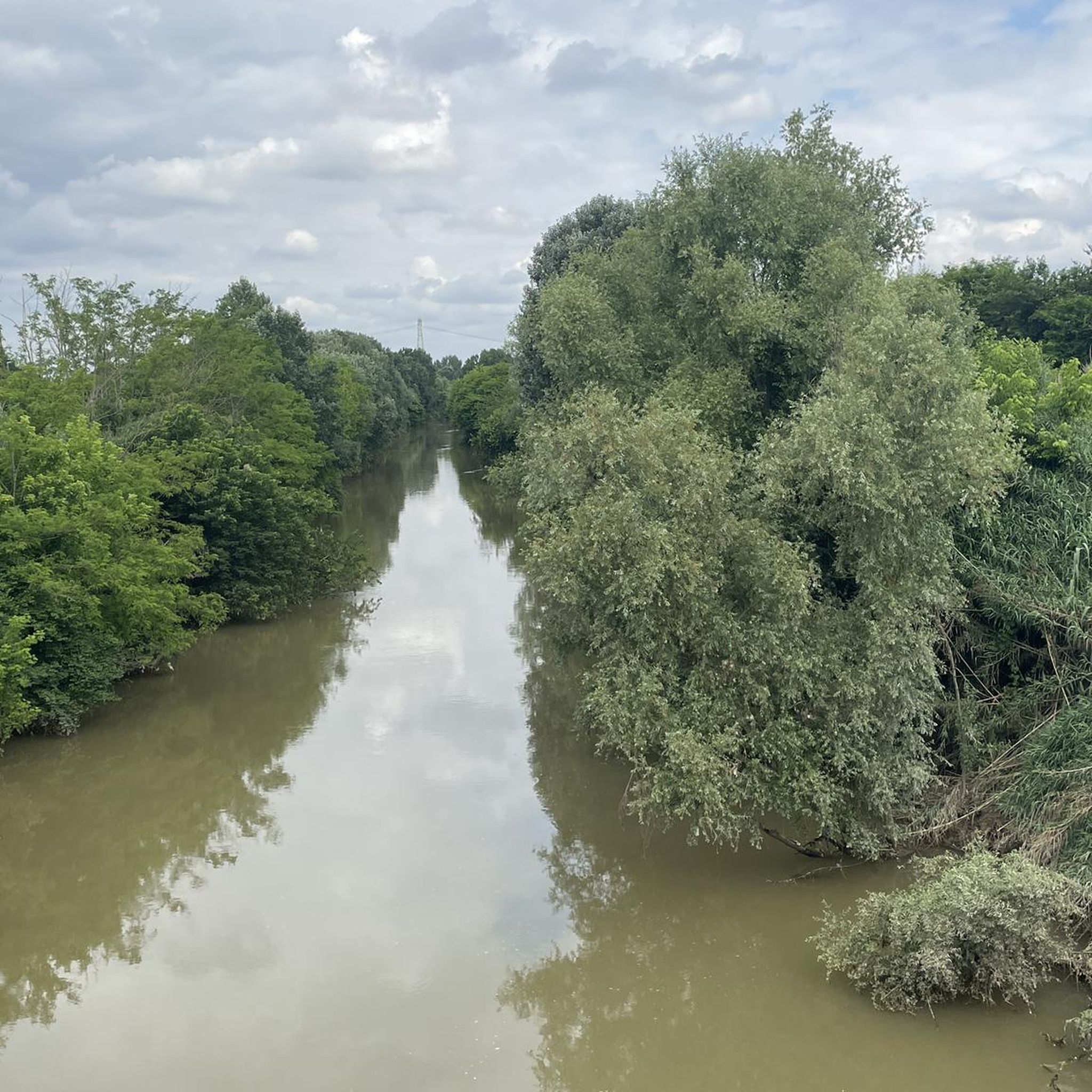
Touring cycling around Polverara features a landscape characterized by flat riverbanks and canals, with some routes extending towards more elevated areas and plateaus. The region offers a mix of terrain, from gentle paths alongside waterways to routes with notable climbs. This variety provides options for different cycling preferences and fitness levels.
Best touring cycling routes around Polverara
- The most popular touring cycling route is Roncajette Canal Bridge – Il Telaio Bike Café loop from Polverara, an easy 16.3 miles (26.3 km) trail that takes 1 hour 36 minutes to complete. This route follows a canal and includes a stop at a bike café.
- Another top favourite among local touring cyclists is Scaricatore Riverbank – Piazza dei Signori, Padua loop from Polverara, a difficult 24.9 miles (40.2 km) path. This route traverses riverbanks and extends towards the city of Padua.
- Local touring cyclists also love the Roverello Pass – Roccolo Climb loop from Polverara, a 35.4 miles (57.0 km) trail leading through a pass and including a significant climb, often completed in about 3 hours 43 minutes.
- Touring cycling around Polverara is defined by canal-side paths, riverbank routes, and routes that include passes and plateaus. The network offers options for easy, moderate, and difficult routes, catering to different ability levels.
- The routes in Polverara are highly rated by the komoot community with an average score of 4.3 stars from over 700 reviews. More than 6000 touring cyclists have used komoot to explore Polverara's varied terrain.
Last updated: October 4, 2026
4.6
(10)
57
riders
28.1km
01:47
30m
30m
Easy bike ride. Great for any fitness level. Mostly paved surfaces. Suitable for all skill levels.
49
riders
74.6km
04:44
340m
340m
Moderate bike ride. Good fitness required. Mostly paved surfaces. Suitable for all skill levels.

4.4
(8)
40
riders
18.5km
01:11
30m
30m
Easy bike ride. Great for any fitness level. Mostly paved surfaces. Suitable for all skill levels.
58
riders
56.7km
03:27
420m
420m
Moderate bike ride. Good fitness required. Mostly paved surfaces. Suitable for all skill levels.
5.0
(2)
17
riders
58.9km
04:08
300m
300m
Hard bike ride. Good fitness required. You may need to push your bike for some segments of this route.
Get access to more routes and recommendations from other explorers.
Already have an account?
Our route recommendations are based on thousands of hikes, rides, and runs completed by other people on komoot.
Start today with a free account
Your next adventure awaits.


Tips from the Community


Please park at the villa, as the parking lot indicated by komoot is not a parking lot
0
0

Arquà Petrarca is a charming medieval village nestled on the slopes of the Euganean Hills, considered one of the most fascinating villages in Italy. Its destiny is linked to the poet Francesco Petrarca, who chose it as his home to spend the last years of his life, attracted by the peace of the landscape. Divided between the upper and lower areas, the village retains an untouched atmosphere, characterized by stone alleys, ancient residences in Venetian Gothic style, and lush nature made of olive trees, vineyards, and jujube trees, the symbolic fruit of the place. Among the points of greatest interest are the poet's house, his tomb in red Verona marble placed on the parvis of the church of Santa Maria Assunta, and the 14th-century fountain. The village offers enchanting views of the Padan plain and is an unmissable destination for those seeking history, poetry, and food and wine excellences such as the famous jujube broth.
0
0

Beautiful cycle path that allows you to start spotting the hills and getting closer, when you arrive at Battaglia terme you can decide whether to continue or to start venturing towards the hills..
1
0

Shady route, slightly challenging due to the climb, once you reach the villa there are beautiful panoramic viewpoints.
0
0

One of the oldest garden complexes in Italy with ancient trees. Worth a visit for nature lovers.
0
0
Beautiful village to visit and taste the typical Venetian dishes.
0
0

A magical place in the heart of the Euganei Hills.
0
0
Frequently Asked Questions
How many touring cycling routes are available around Polverara?
There are 17 touring cycling routes around Polverara, offering a variety of experiences from easy canal-side paths to more challenging routes with significant climbs.
Are there easy touring cycling routes suitable for beginners in Polverara?
Yes, Polverara offers 4 easy touring cycling routes. A great option for beginners is the Roncajette Canal Bridge – Il Telaio Bike Café loop from Polverara, which is 16.3 miles (26.3 km) long and follows a canal.
What is the typical length of touring bike routes in Polverara?
The routes vary significantly in length. For example, the Roncajette Canal Bridge – Isola dell'Abba (Polverara) loop from Polverara is 11.7 miles (18.9 km), while the Valsanzibio Gardens – Monte Mottolone Plateau loop from Polverara extends to 43.8 miles (70.5 km).
Are there any circular touring cycling routes in Polverara?
Yes, many of the touring cycling routes around Polverara are loops. For instance, the Scaricatore Riverbank – Piazza dei Signori, Padua loop from Polverara is a popular circular option that takes you along riverbanks and towards Padua.
What kind of terrain can I expect on touring cycling routes in Polverara?
Polverara's touring cycling routes feature a diverse landscape. You'll find flat paths alongside canals and riverbanks, as well as routes that include more elevated areas, passes, and plateaus, offering a mix of gentle and challenging sections.
Are there any cafes or refreshment stops along the touring cycling routes?
Yes, some routes incorporate stops. For example, the Roncajette Canal Bridge – Il Telaio Bike Café loop from Polverara specifically mentions a stop at Il Telaio Bike Café.
What can I see along the touring cycling routes around Polverara?
Many routes offer scenic views of canals and riverbanks. You can also explore historical sites and attractions. For example, the Scaricatore Riverbank – Piazza dei Signori, Padua loop from Polverara takes you towards Padua, where you can find highlights like Piazza dei Signori and Prato della Valle.
Are there any notable landmarks or attractions near the touring cycling routes?
Yes, the region around Polverara is rich in historical sites. You can find several villas and castles, such as Villa Pisani, Stra, San Pelagio Castle and Museum of Flight, and Villa Giovannelli Colonna. These are often accessible from or near the cycling paths.
What do other touring cyclists say about the routes in Polverara?
The touring cycling routes in Polverara are highly rated by the komoot community, with an average score of 4.3 stars from over 700 reviews. Cyclists often praise the varied terrain, from peaceful canal paths to routes with challenging climbs and scenic views.
Are there any routes that include significant climbs or more challenging sections?
Yes, for those seeking a challenge, routes like the Roverello Pass – Roccolo Climb loop from Polverara include a pass and a significant climb, offering a more demanding experience.
Is Polverara suitable for family-friendly touring cycling?
Yes, with 4 easy routes available, Polverara offers options suitable for families. The flat canal-side paths provide a gentle and enjoyable cycling experience for all ages.
Most popular routes around Polverara
Most popular attractions around Polverara

Get inspired with the komoot mobile app


Explore more
Browse the best Cycling routes in other regions.
