Attractions and Places To See around Massignano - Top 20
Best attractions and places to see around Massignano include a blend of historical landmarks, cultural sites, and natural features within the Marche region of Italy. This medieval village is situated on rolling hills, offering views of the Adriatic Sea and the Sibillini Mountains. The area is characterized by its ancient architecture, traditional pottery heritage, and diverse landscapes.
Best attractions and places to see around Massignano
- The most popular attractions is Acquaviva Picena Fortress, a castle that is part of…
Last updated: August 17, 2026
Acquaviva Picena
Highlight • Castle
This is a Medieval village that is worth a visit: the churches, the Fortress and the village itself, with all the old buildings and the narrow roads are really, really nice.
Tip by

Museum of Art on the Sea (MAM) – San Benedetto del Tronto
Highlight • Monument
Tip by

Sign up now to discover places like this
Get recommendations on the best single tracks, peaks, & plenty of other exciting outdoor places.
Sign up for free
Grottammare Seafront Cycle Path
Highlight • Cycleway
Translated by Google •
Tip by

Molo Sud and Sea Art Museum, San Benedetto del Tronto
Highlight • Monument
Translated by Google •
Tip by

43rd Parallel Globe Sculpture, Grottammare
Highlight • Monument
Translated by Google •
Tip by

Sign up for free to discover even more attractions around Massignano.
Sign up for free
Already have an account?
Start today with a free account
Your next adventure awaits.
Login or Signup
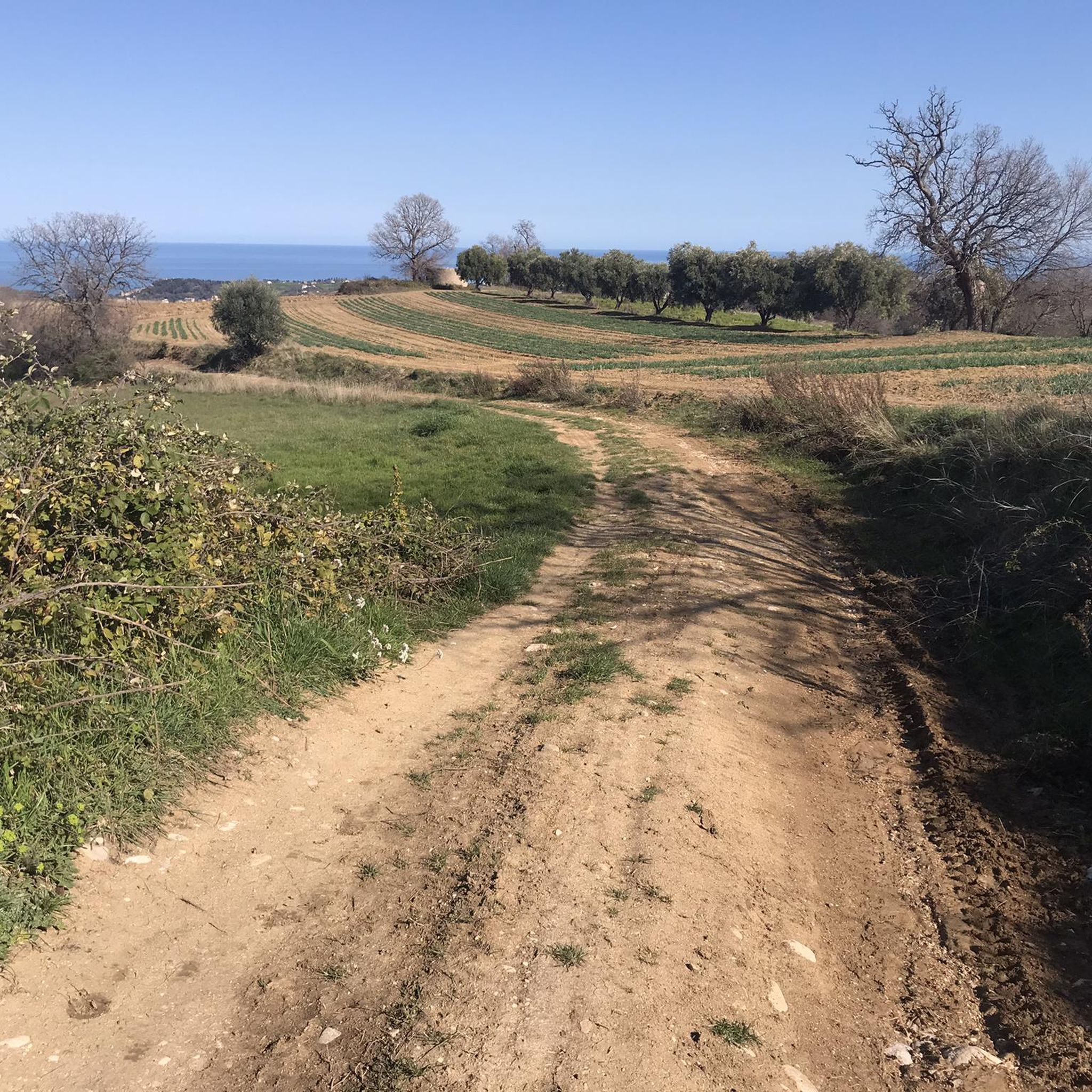
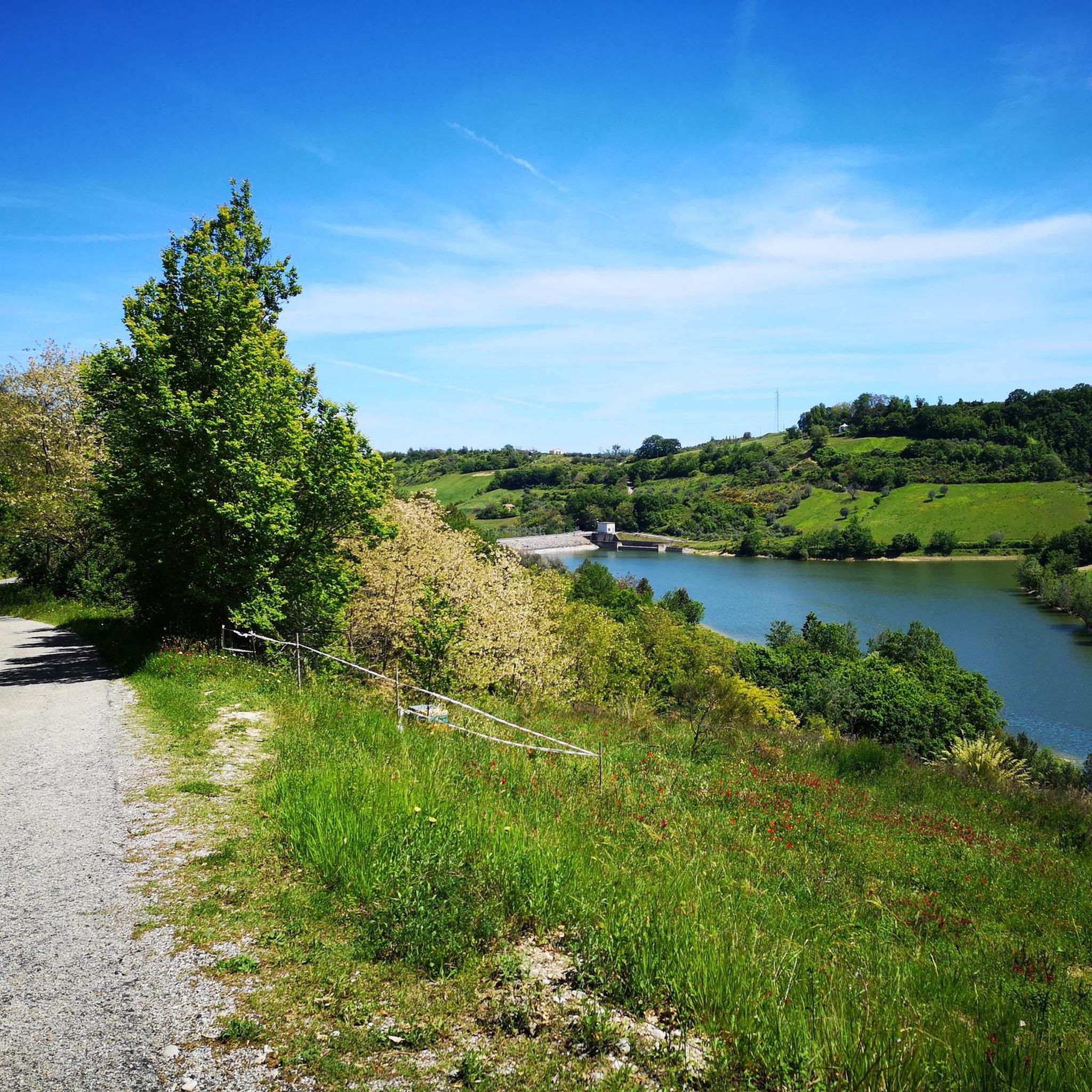
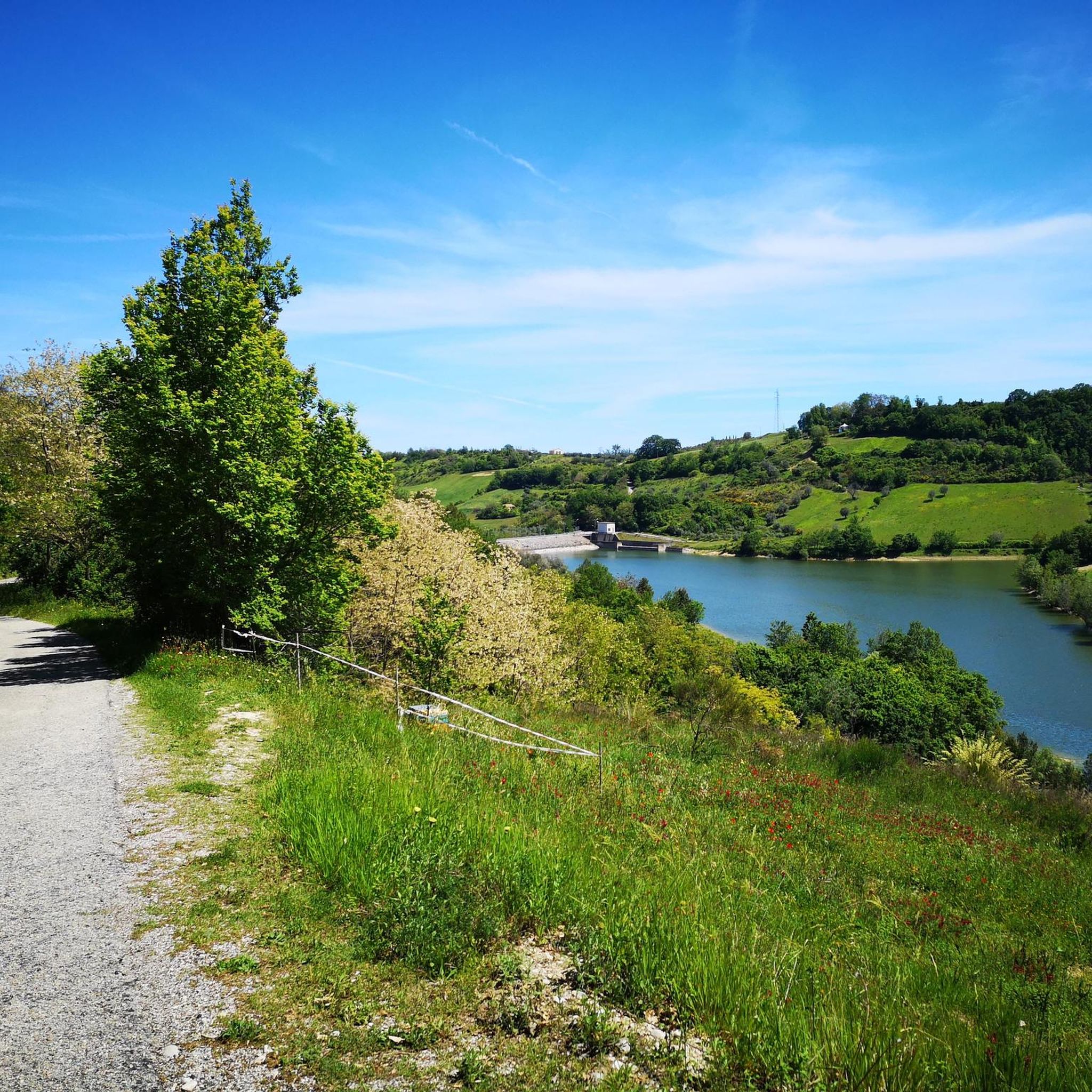
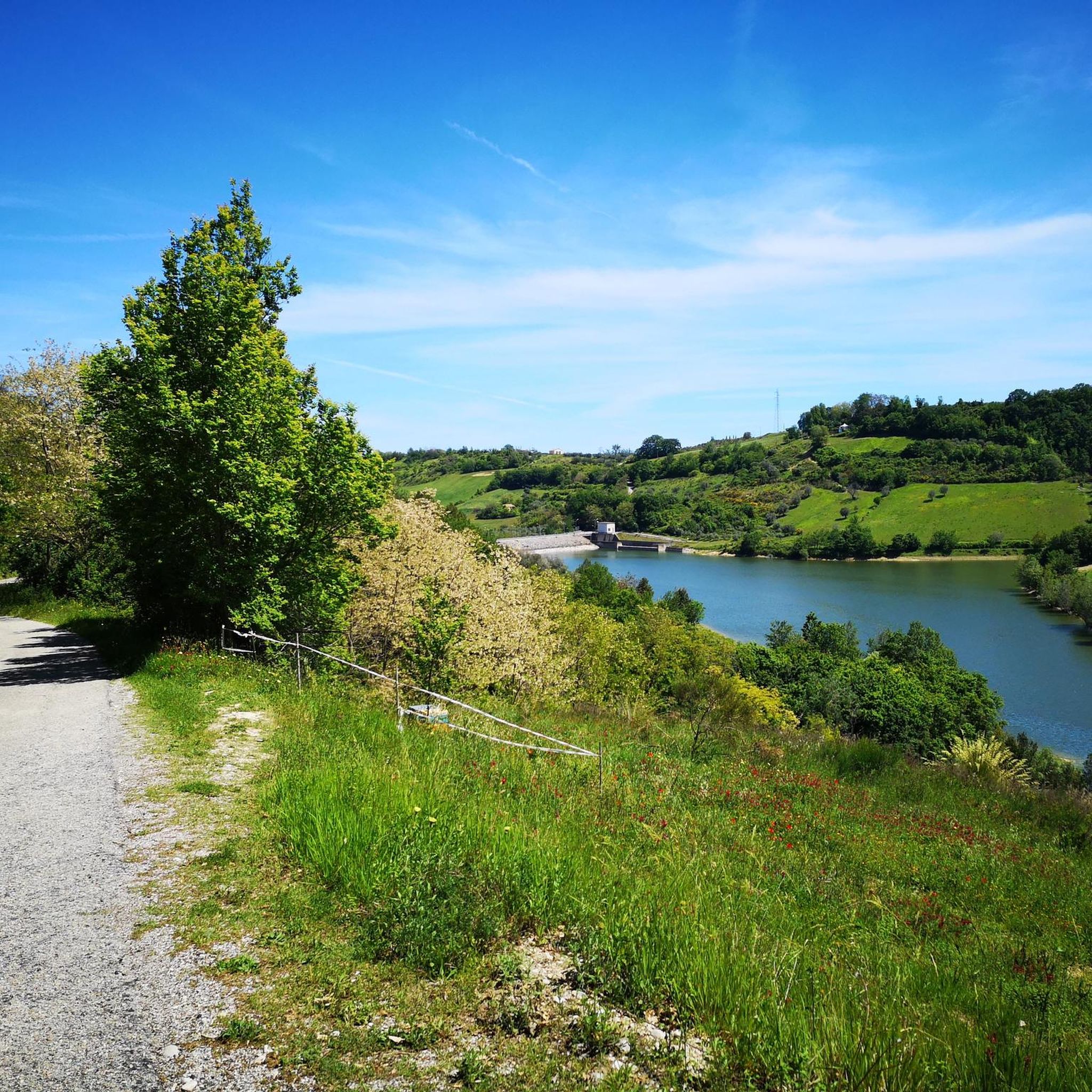
Tips from the Community

Beautiful to ride from San Benedetto del Tronto to Cupra Marittima
0
0

A true open-air museum of modern art on the tourist pier of San Benedetto del Tronto
0
0
One of the city's most evocative spots; here the sea is scented with art, history, and tradition.
0
0

Beautiful, blue in colour, the sea on one side and palm trees on the other
1
0

The Museum of Art on the Sea (MAM), located on the beautiful south pier of the city, is a permanent open-air exhibit of contemporary works of art, with an impressive display of 135 sculptures and 10 wall paintings. The artworks, signed by more than 130 different artists coming from every corner of the country and from all over the world, were created during the past editions of the “Scultura Viva” (Living Sculpture) International Sculpture and Painting Symposium, held in San Benedetto since 1997. Works by Mario Lupo, Marcello Sgattoni, Genti Tavanxhiu and Giuseppe Straccia are also exhibited on the pier. Commissioned by “Circolo dei Sambenedettesi”, a local association for the conservation of the city’s cultural heritage, and completed in year 1986, a monument by Mario Lupo proudly stands as the biggest piece in the exhibition: an eight metres high bronze sculpture dedicated to Jonathan Livingston Seagull. Visiting the Museum of Art on the Sea is a really unique experience, not only because of its exhibit, but also thanks to its beautiful setting: a graceful promenade stretching out into the open sea, for a length of over one kilometre. The first half of the walk is dedicated to sculpture, showcasing bas-reliefs, high reliefs and sculptures in the round, created by the artists who took part in the “Scultura Viva” International Symposium and carved on the travertine stone blocks acting as a breakwater on one side of the pier. On the opposite side, one single and bizarre artwork can be found, the creation of local artist Marcello Sgattoni: a fountain made of concrete and river pebbles representing a girl from whose breasts drinking water flows, a celebration of water as the source of all life. The second half of the walk is dedicated to street art painting. On the huge concrete blocks fringing the final stretch of the pier, 10 wonderful murals were painted by renowned artists from all over the world. The Museum of Art on the Sea is always open and free to visit at any time. (c) https://www.comunesbt.it/museodelmare/Engine/RAServePG.php/P/25241MDM0316/L/1
2
0

The Dreamworld, a 5-meter diameter globe, walkable, with over a thousand lights that draw seas and continents, had been exhibited in the square by the sea for a whole year, arousing great curiosity from tourists. Small acts of vandalism then discouraged its re-display; dismantled by the technicians of the Municipality at the end of January 2024, it is not yet certain that in the future it can be repositioned in Piazza Kursaal.
0
0
Very beautiful cycle paths, the ideal is to travel during mid-season as, as they are often also walkable, in summer it is necessary to proceed with the utmost attention for the numerous people on foot
0
0
It is a beautiful walk, enriched by beautiful modern art sculptures, the Maritime Art Museum (MAM)
1
0
Frequently Asked Questions
What historical landmarks can I explore in and around Massignano?
Massignano is rich in history. You can visit the 18th-century San Giacomo Maggiore Church, which houses a Museum of Sacred Art. The historic center also features several ancient palaces like Faviani Palace and Santini Palace. Don't miss the Civic Tower with its 15th-century fresco. Further afield, explore the impressive Acquaviva Picena Fortress, a Renaissance structure dominating a medieval village, or the ruins of a medieval fortress towards Cupra Marittima.
Are there any cultural museums in Massignano?
Yes, Massignano, historically known as 'Potters Town,' celebrates its heritage with the Museo dei Fischietti and Terracotta Popolare, showcasing handcrafted earthenware and whistles. The Museum of Sacred Art is located within the San Giacomo Maggiore Church, and the Museum of Peasant and Artisan Civilization, housed in the crypt of San Filippo church, displays tools from rural life.
What natural attractions and viewpoints are there near Massignano?
Massignano offers stunning panoramic views from its hills, stretching across the Adriatic Sea and towards the Sibillini Mountains. The Tassoni Belvedere provides excellent vistas. You can also visit the 'Cento buchi' caves, ancient Roman caves with niches for urns. For a relaxing spot, Lake of Montecatino is about 8 kilometers away, perfect for picnics and enjoying the Piceno landscape.
Can I find family-friendly activities around Massignano?
Absolutely. Many attractions are suitable for families. The Acquaviva Picena Fortress offers an engaging historical experience. The Museum of Art on the Sea (MAM) – San Benedetto del Tronto is a permanent open-air exhibit of contemporary sculptures and murals along a pier, which can be a fun walk for all ages. The nearby Marina di Massignano also provides a beach experience.
Where can I go for a walk or hike near Massignano?
There are several options for walking and hiking. You can explore the historic center of Massignano itself or take a stroll along the Marina di Massignano beach. For more structured routes, consider the hiking trails around Massignano, which include easy loops like the 'View of the Adriatic Sea loop from Ripatransone' or the 'Hiking loop from Cupramarittima'.
Are there cycling routes available near Massignano?
Yes, the region offers various cycling opportunities. You can find several cycling routes around Massignano, ranging from easy to difficult. Examples include the 'View of Grottammare Sculpture – San Benedetto del Tronto loop from Cupramarittima' for an easier ride, or the 'Cupra Marittima to Montefiore dell'Aso Loop' for a more challenging experience.
What is the best time of year to visit Massignano?
Massignano is pleasant throughout much of the year. The summer months are ideal for enjoying the beaches at Marina di Massignano and participating in local festivals like the 'Sagra delle Frittelle' in August. Spring and autumn offer milder weather, perfect for exploring historical sites, museums, and engaging in outdoor activities like hiking and cycling, with comfortable temperatures and beautiful landscapes.
Where can I find a beach for swimming near Massignano?
The municipal territory of Massignano includes Marina di Massignano, which features a beach with golden sand, pebbles, shells, and clear water. It's characterized by breakwater cliffs and low dunes with Mediterranean scrub, offering a lovely spot for swimming and relaxation.
What is the significance of the Val Menocchia area?
Val Menocchia, located near Massignano, is notable for its important nursery activity. It's also where a newly discovered indigenous olive cultivar, the 'Nebbia della Val Menocchia,' originates, highlighting the region's agricultural richness.
What unique art installations can I see in the area?
The Museum of Art on the Sea (MAM) – San Benedetto del Tronto is a unique open-air exhibit featuring 135 sculptures and 10 wall paintings along a graceful promenade stretching into the open sea. It's a truly impressive display of contemporary art by artists from around the world.
Is there anything special about the 43rd Parallel near Massignano?
Yes, you can find the 43rd Parallel Globe Sculpture in Grottammare. This parallel is significant as it marks where the Mediterranean climate begins on the coast and summarizes the diverse landscapes of Italy, making it a reference point for geographers and climatologists.
What is the story behind the Lovers' Cave?
The Lovers' Cave is a natural cavity with two entrances, likely formed by water. Its name comes from a local love story during the First World War, where a soldier named Antonio and his beloved Laurina sought refuge there, choosing to stay together instead of him returning to war.
Most popular attractions around Massignano

Get inspired with the komoot mobile app


Explore more
Still not found the Highlight you’re looking for? See guides of the top attractions in other regions:
