Attractions and Places To See around Gignod - Top 20
Attractions and places to see around Gignod, a village in the Aosta Valley, offer a mix of historical sites and natural landscapes. Situated at an altitude of 988 meters, it provides views of the Valpelline mountains and the Swiss Grand Combin massif. The area is characterized by its alpine environment, historical routes like the Via Francigena, and opportunities for outdoor activities. Visitors can explore ancient structures and enjoy the surrounding natural beauty.
Best attractions and places to see around Gignod
…Last updated: October 9, 2026
Mont Fallère Refuge
Highlight • Mountain Hut
Translated by Google •
Tip by

Lake Chamolé
Highlight • Lake
As you approach the lake you have a wonderful view of Mont Blanc, the valley of the Great Saint Bernard and the Gran Combin.
Translated by Google •
Tip by

Sign up now to discover places like this
Get recommendations on the best single tracks, peaks, & plenty of other exciting outdoor places.
Piazza Émile Chanoux
Highlight • Historical Site
Showing Translation
Tip by

Vetan
Highlight • Settlement
Showing Translation
Tip by

Porta Pretoria (Aosta)
Highlight • Historical Site
Translated by Google •
Tip by
Sign up for free to discover even more attractions around Gignod.
Already have an account?
Start today with a free account
Your next adventure awaits.
Popular around Gignod
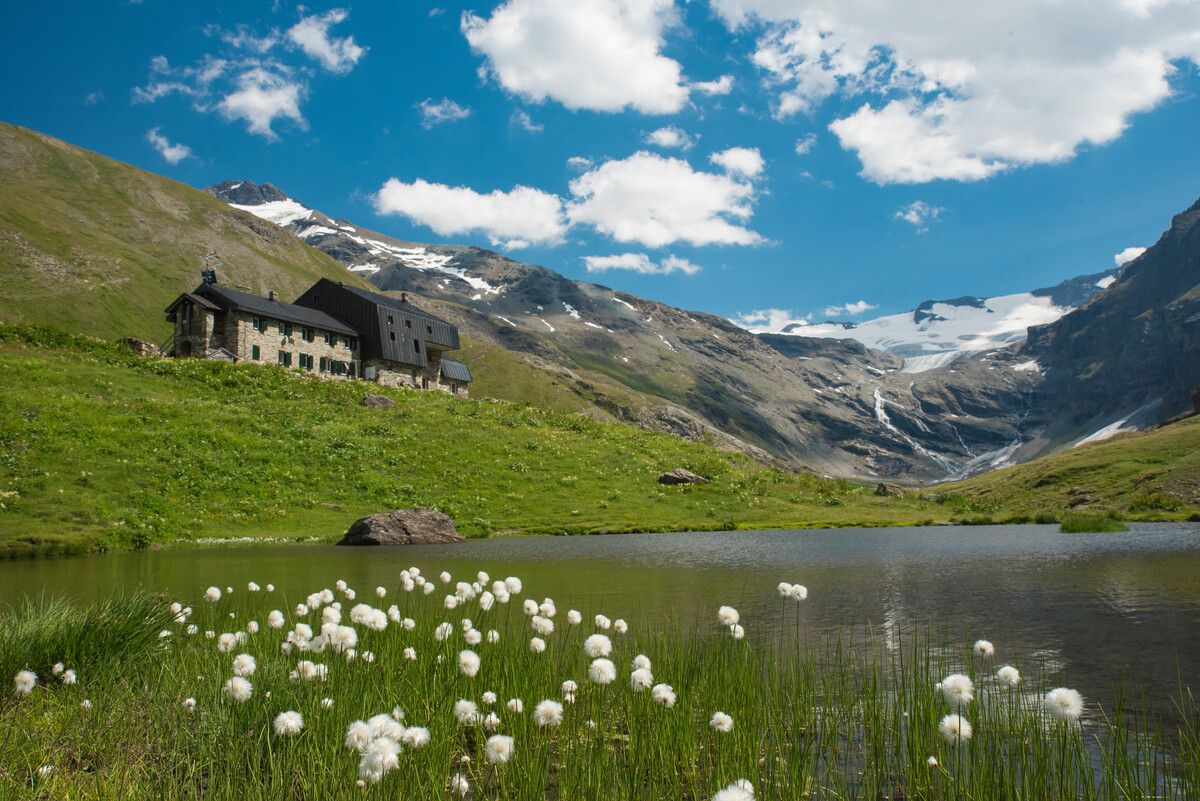
Hiking to the Aosta Valley’s mountain huts: 10 beautiful trails
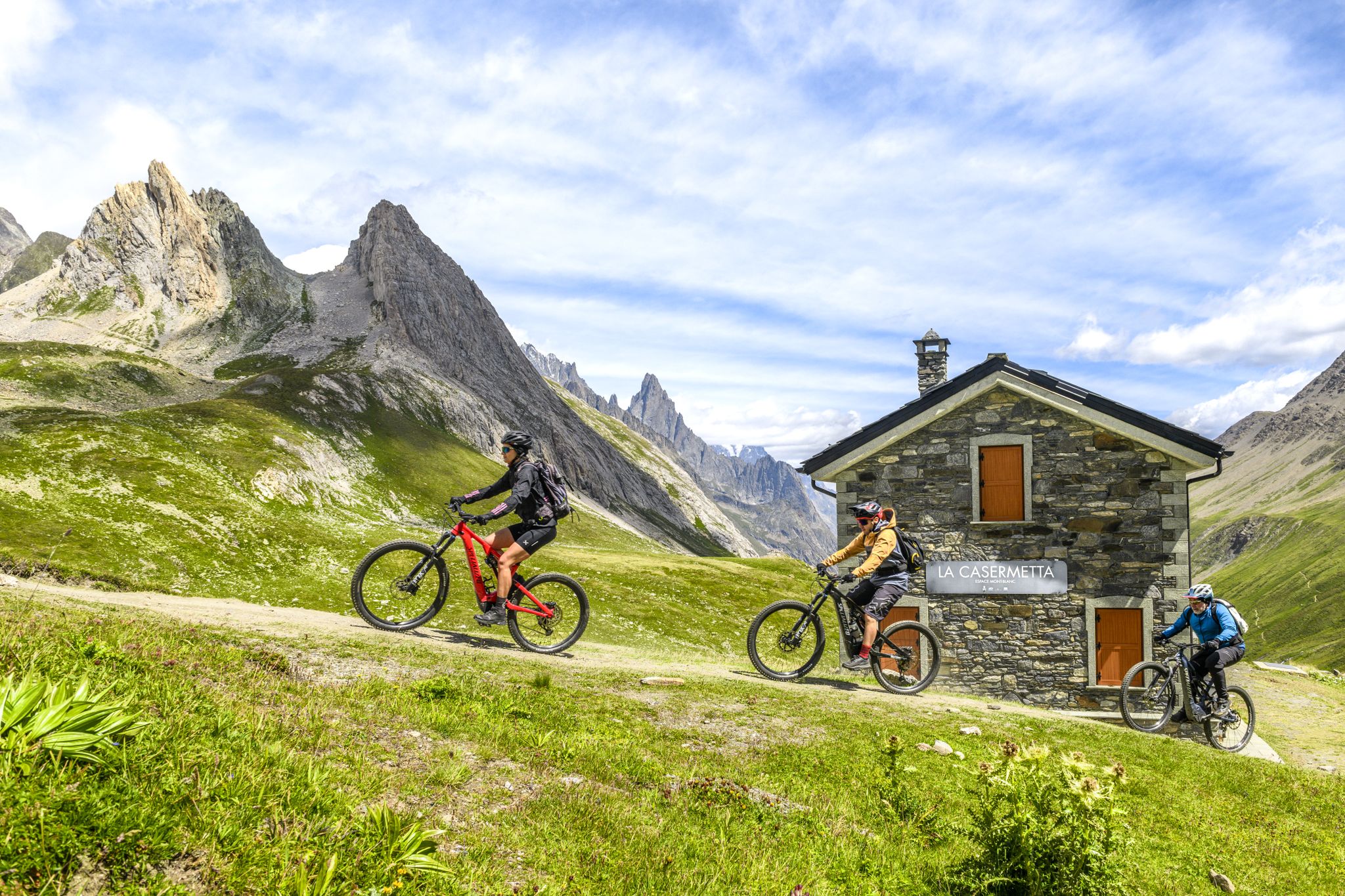
The Aosta Valley by e-MTB – alpine landscapes, castles and glaciers
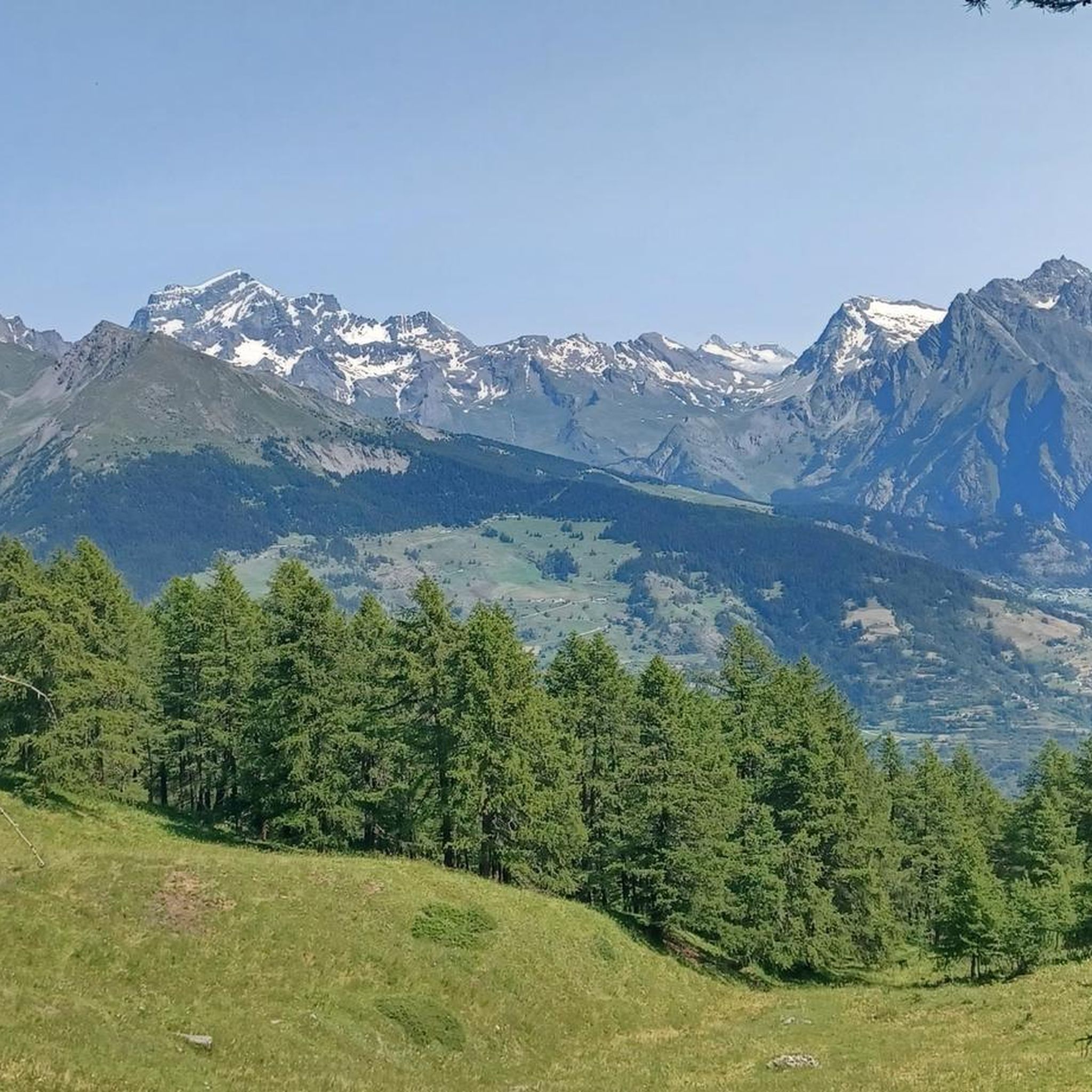
Hiking around Gignod
MTB Trails around Gignod
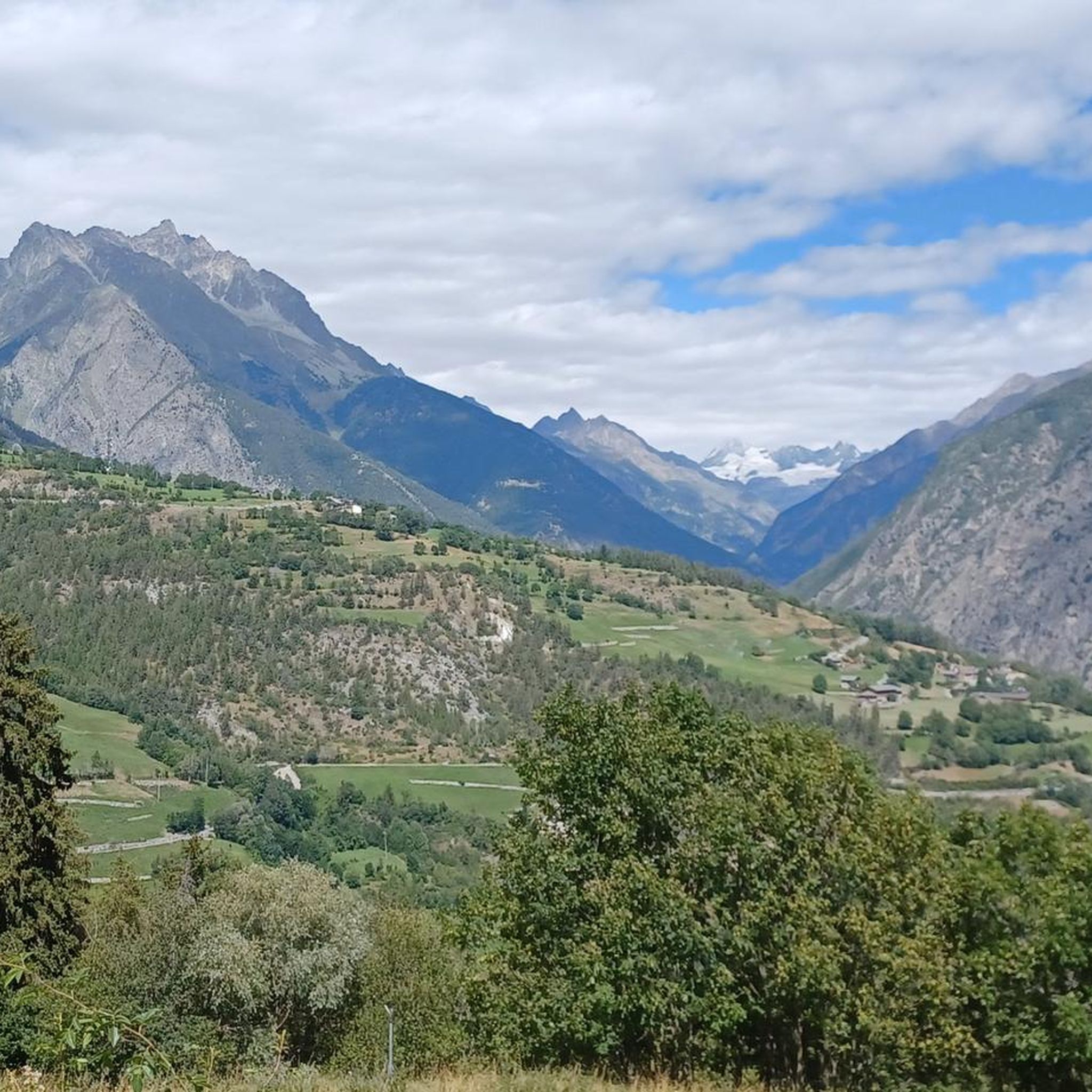
Road Cycling Routes around Gignod
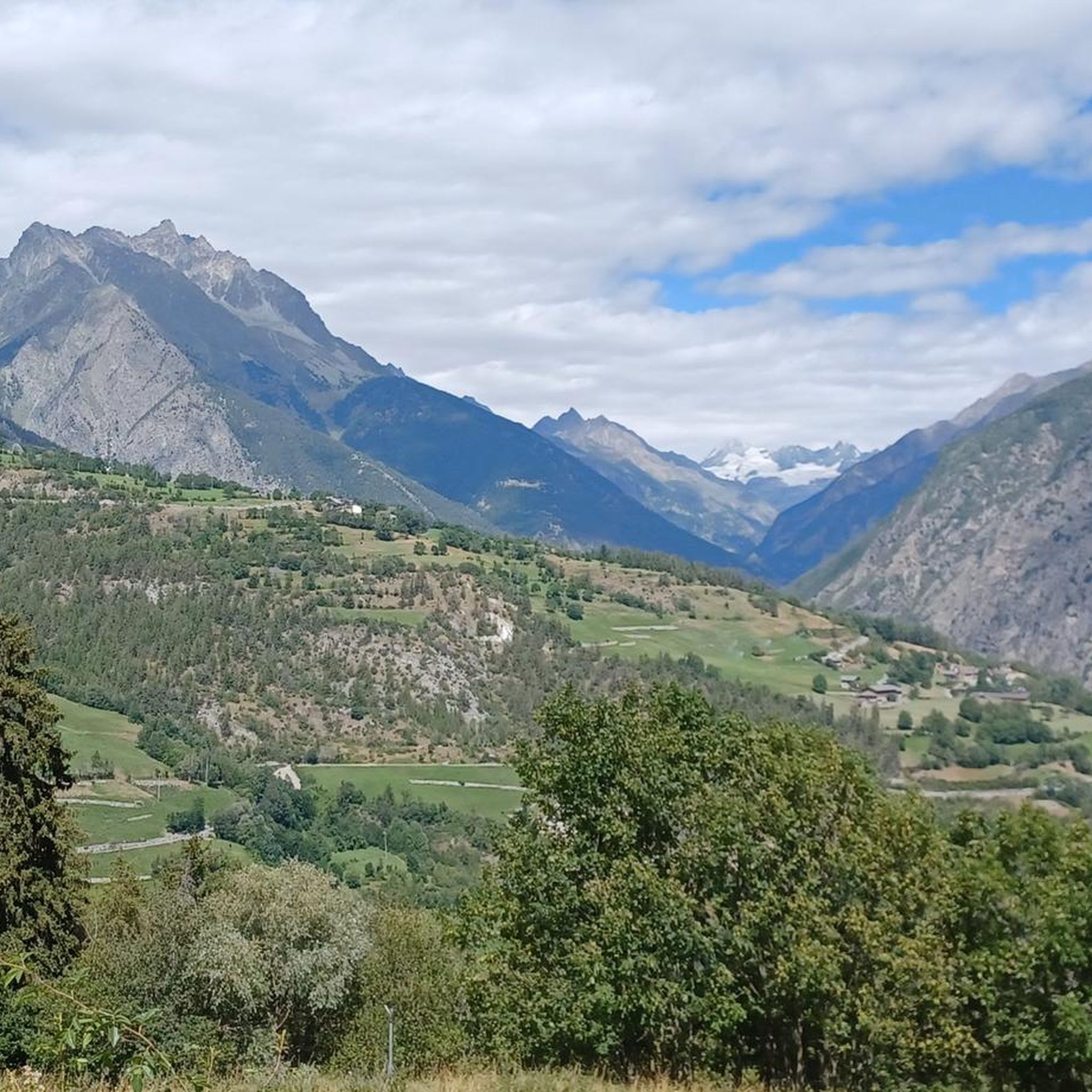
Cycling around Gignod

Gravel biking around Gignod
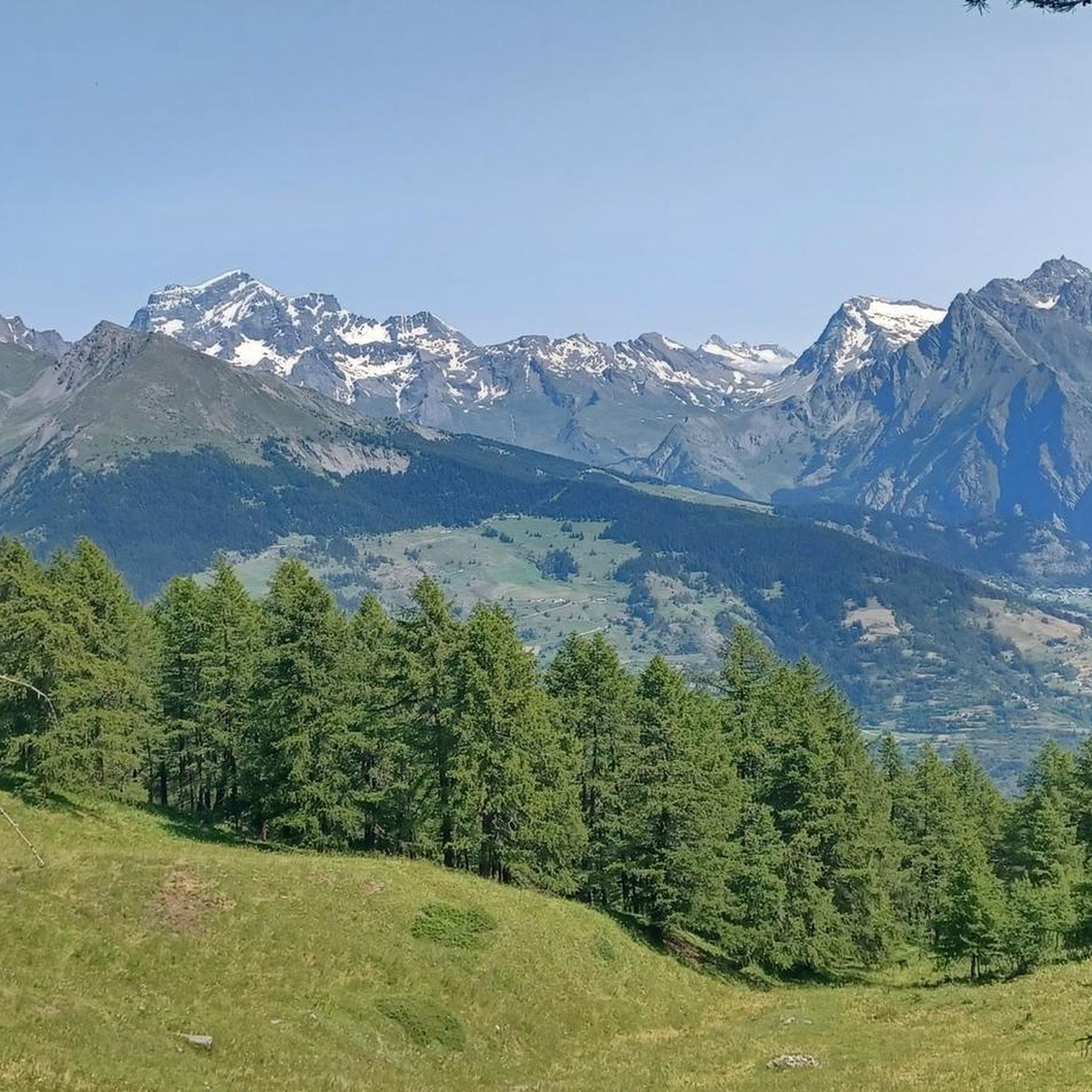
Running Trails around Gignod
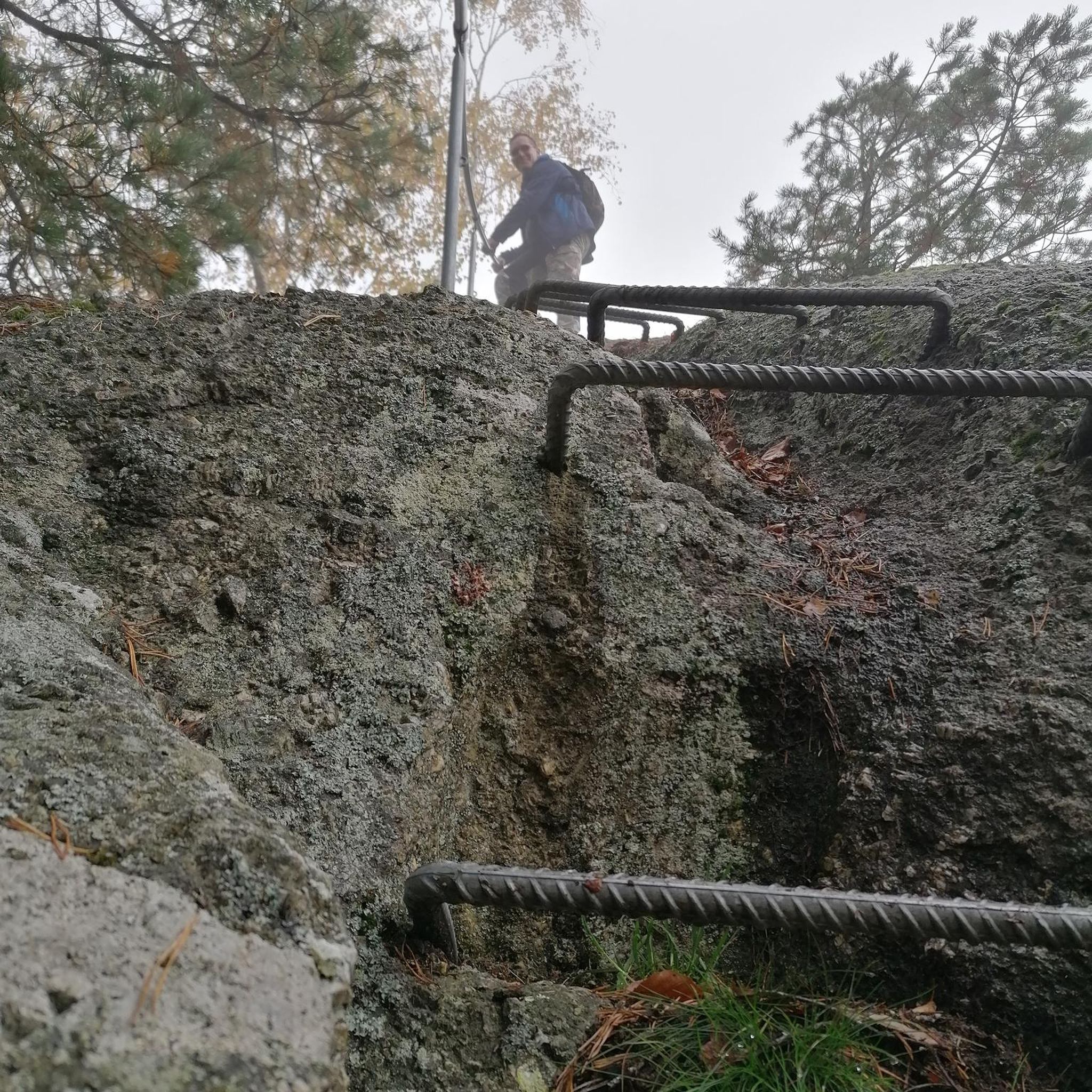
Mountain Hikes around Gignod

Tips from the Community

Vtan is the starting point for reaching Mount Fallere and the refuge of the same name, but not only that, because from this small village some beautiful white roads branch off, very suitable for MTB, as well as other minor excursions, but always rewarding for the grandiose panoramas. Very suggestive, in the pine forest, is the "meditation trail", a path that invites "meditative walking", a practice that combines yoga, breathing, self-control... more information about it can be found at the nearby Hotel, which also provides a map of possible excursions.
0
0

Mountain tour through woods and spectacular panoramas
0
0

currently the railway line is interrupted but we managed to leave from Chatillon by bus loading the bikes towards Aosta, then take the cycle path along the Dora Baltea mostly downhill. we found some interrupted sections with diversions
0
0

The Mont Fallère Refuge, at 2,385 m, is located in the valley between Mont Fallère and Monte Rosso di Vertosan. It offers 50 beds in rooms with bathrooms, and has a restaurant with typical cuisine. Open in summer, it can be reached on foot or by mountain bike.
1
1

The regional capital is located in the middle of the valley of the same name. The city still has the layout of the old Roman castrum, and in the car-free centre several monuments recall the Roman period. Aosta was a lively religious centre in the Middle Ages. St. Anselm, the later Archbishop of Canterbury who died in 1109, was born here. Today Aosta is a busy tourist hub at the crossroads of the roads to the Great St. Bernard Pass and Switzerland.
7
0
Piazza Émile Chanoux is the central square of Aosta, located in the Valle d’Aosta region of Italy. Named after the notary and resistance leader Émile Chanoux, the square is a rectangular square with its long sides facing north and south. The square is surrounded by elegant buildings, including the neoclassical Town Hall (Hôtel de Ville), which is richly decorated with frescoes and marquetry. In front of the Town Hall is a monument to the Soldier of the Aosta Valley, made by Pietro Canonica in 1924. The square serves as a meeting place and venue for festivals and markets, and is also home to the Hôtel des États, an important 18th-century building now used for temporary exhibitions.
5
0
The Porta Pretoria was one of the four gateways to Roman Aosta. These gates were used to collect tolls on traders entering the city. The gate was built with puddinga, but during the second half of the 1st century AD it underwent a restyling with the addition of green bardiglio marble from the Aymavilles quarries and white Carrara marble. In the Middle Ages, one of the towers was inhabited by the powerful Port Sancti Ursi family, who collected toll booths from anyone who passed through. They also built a chapel dedicated to the Holy Trinity, which was unfortunately destroyed during later restoration work in the Fascist period. Today, the Porta Pretoria still forms the entrance to the historic center of Aosta and is one of the city's most important monuments
7
0

Vetan, a hamlet in the municipality of Saint Pierre, is located on the northern slope of the Aosta Valley in the upper part, at an altitude of 1,700 meters. Step by step, curiosity will guide visitors on a treasure hunt among wooden statues and mountain scents. Most of the works (around 100/120) were created by the sculptor from the Aosta Valley, and owner of the refuge, Siro Viérin.
1
2
Frequently Asked Questions
What natural attractions can I explore around Gignod?
Gignod is surrounded by stunning natural beauty. You can visit Lake Chamolé, a mountain lake at 2300 meters offering views of Mont Blanc and the Gran Combin. The area also features the ancient Ru Neuf irrigation canal, perfect for walks, and the majestic Punta Chaligne, a popular peak for hiking and ski mountaineering. Additionally, the renowned Gran Paradiso National Park is nearby, offering spectacular scenery and wildlife.
Are there any historical sites or landmarks to visit in Gignod?
Yes, Gignod has a rich history. You can explore the 11th-12th century Medieval Tower (Torre di Gignod), which once controlled transalpine traffic. The 15th-century Parish Church of Saint Hilary is also notable for its Baroque altar and frescoes. Gignod's connection to the ancient Via Francigena, a historic pilgrimage route, also highlights its past importance.
What kind of outdoor activities can I do near Gignod?
The region around Gignod is ideal for outdoor enthusiasts. You'll find numerous marked hiking and mountain biking trails through forests and scenic landscapes. Popular hiking routes include the 'Via Francigena: Gignod to Étroubles' and trails leading to Punta Chaligne. For cycling, consider routes like 'Sigerico Variant of the Pilgrims' Cycle Route'. You can find more details on these activities and routes in the hiking guide and cycling guide for Gignod.
Where can I find accommodation or a place to eat while exploring the area?
For a unique experience, consider stopping at Mont Fallère Refuge, which offers delicious food and, for overnight guests, amenities like a sauna and jacuzzi. Another excellent stopover is Chaligne Hut, open from mid-June to mid-September, accessible by mountain bike or hiking trail from Buthier. Gignod also has local cafes and pubs where you can enjoy regional cuisine.
Are there any family-friendly attractions or activities in Gignod?
Yes, Gignod offers activities suitable for families. The Chaligne Hut is noted as family-friendly, providing a good stopover point. Exploring the ancient Ru Neuf irrigation canal offers an easy walk for all ages. Additionally, the region hosts various cultural events and festivals throughout the year, which can be enjoyable for families.
What is the best time of year to visit Gignod?
Gignod offers different experiences depending on the season. Summer is ideal for hiking, mountain biking, and exploring mountain lakes like Lake Chamolé. Winter and spring are perfect for ski mountaineering, especially on Punta Chaligne. The village also hosts cultural events and festivals throughout the year, so checking the local calendar might help you decide based on your interests.
What cultural experiences can I have in Gignod?
Beyond historical sites, Gignod offers immersive cultural experiences. You can take a cooking class to learn authentic local recipes or attend one of the many cultural events and festivals, such as traditional music and dance festivals, food fairs, or local craft markets. The 'Féta di teuteun' and the Coumba Freida Historic Carnival are notable examples.
Are there any wheelchair-accessible routes or attractions in the Gignod area?
While Gignod's mountainous terrain can be challenging, the nearby Émile Chanoux Square in Aosta is noted as wheelchair accessible. For specific routes in Gignod, it's best to check local accessibility information, as many trails are designed for hiking or mountain biking.
What are some of the most scenic viewpoints around Gignod?
Gignod itself, situated at the foot of Punta Chaligne, offers stunning panoramic views of the Valpelline mountains and the Swiss Grand Combin massif. The Mont Fallère Refuge is praised for its amazing panorama. Additionally, Lake Chamolé provides wonderful views of Mont Blanc, the Great Saint Bernard valley, and the Gran Combin.
Can I bring my dog on hiking trails near Gignod?
The Aosta Valley, including the Gignod area, generally welcomes dogs on many outdoor trails. However, specific regulations may apply in protected areas like Gran Paradiso National Park. It's always recommended to keep dogs on a leash and check local signage or park rules before heading out to ensure a pleasant experience for everyone.
What local cuisine should I try when visiting Gignod?
When in Gignod, be sure to sample the local specialties. These include the famous Fontina cheese, Valdostana (a breaded veal cutlet with ham and cheese), and Polenta Concia (polenta with cheese and butter). Complement your meal with local wines such as Torrette or Blanc de Morgex et de La Salle.
Are there any Roman historical sites near Gignod?
Yes, Gignod's proximity to Aosta means you can easily visit significant Roman sites. The Porta Pretoria in Aosta, a well-preserved Roman city gate from the 1st century AD, served as a main access point to the ancient city of Augusta Praetoria Salassorum. Aosta itself retains the layout of an old Roman castrum with several monuments from that period.
Most popular routes around Gignod
Most popular attractions around Gignod

Get inspired with the komoot mobile app


Explore more
Still not found the Highlight you’re looking for? See guides of the top attractions in other regions:
