The best walks and hikes around Aosta
4.2
(337)
3,069
hikers
154
hikes
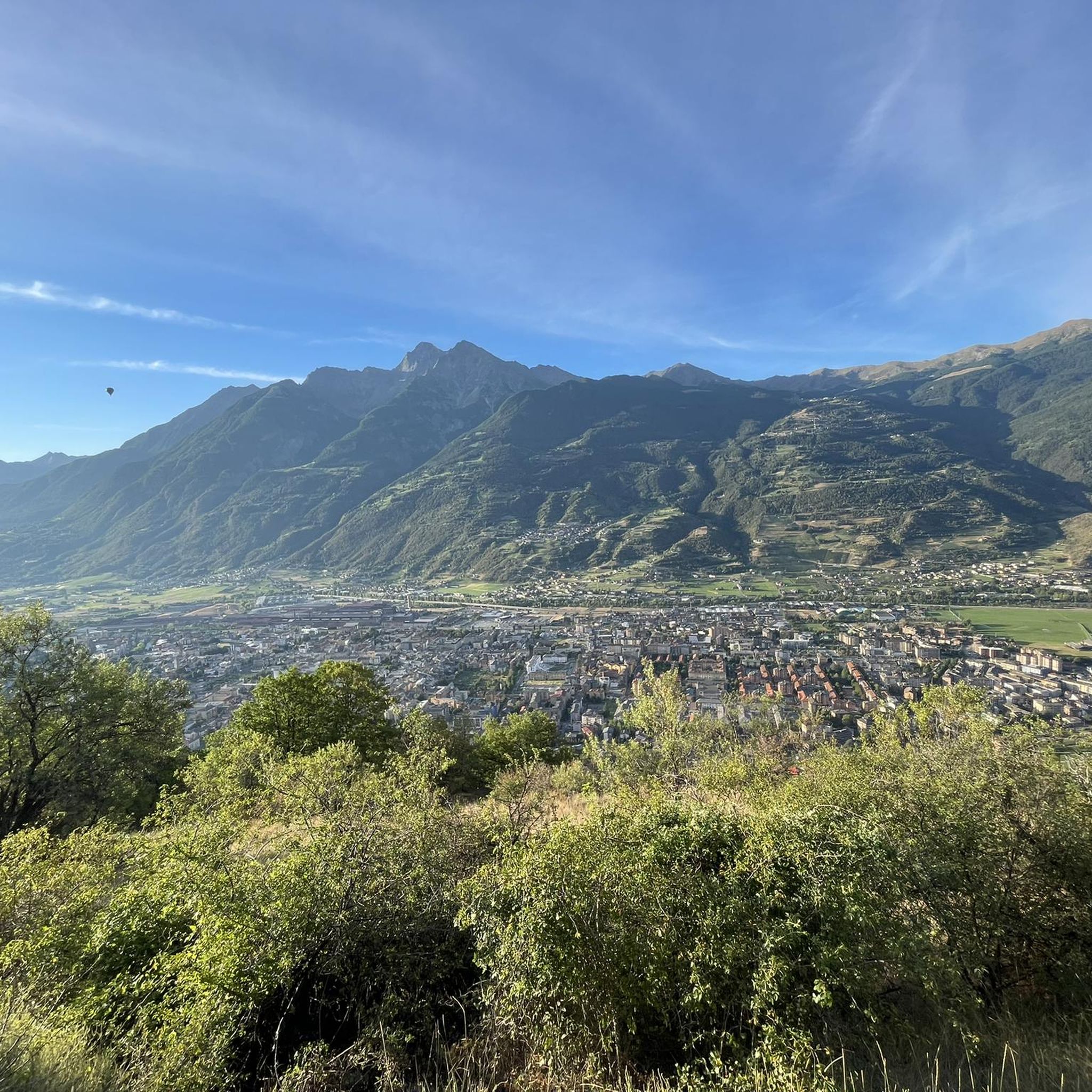
Hiking around Aosta offers access to a diverse alpine landscape, characterized by towering peaks, verdant valleys, and extensive trail networks. The region is enveloped by some of Europe's highest mountains, including Mont Blanc, the Matterhorn, and Gran Paradiso, providing dramatic backdrops for numerous routes. Hikers can explore varied terrain, from conifer forests and alpine meadows to rocky slopes and historical pathways. This area features significant elevation changes, shaped by geological processes, and is crisscrossed by rivers and streams.
Best hiking trails around Aosta
- The most popular hiking route is Arpuilles Panoramic Trail, a moderate 4.5 miles (7.3 km) trail that takes 2 hours 41 minutes to complete. This route offers panoramic views of the surrounding alpine scenery.
- Another top favourite among local hikers is Ru Neuf Canal Trail, a moderate 4.6 miles (7.4 km) path. It follows an ancient irrigation canal, offering a unique perspective on the valley.
- Local hikers also love the From Aymavilles to Aosta via Côte de Gargantua (Cammino Balteo Stage 18), a 15.3 miles (24.7 km) trail leading through varied terrain including historical sites, often completed in about 8 hours 17 minutes.
- Hiking around Aosta is defined by majestic alpine peaks, deep valleys, and historical pathways. The network offers options for various ability levels, from easy walks to challenging multi-day treks.
- The routes in Aosta are highly rated by the komoot community with an average score of 4.36 stars from over 260 reviews. More than 2500 hikers have used komoot to explore Aosta's varied terrain.
Last updated: August 17, 2026
4.3
(34)
186
hikers
28.2km
08:39
850m
910m
Hard hike. Very good fitness required. Easily-accessible paths. Suitable for all skill levels.
4.3
(25)
86
hikers
7.31km
02:41
450m
450m
Embark on the Arpuilles Panoramic Trail, a moderate hike that takes you through the diverse landscapes of the Aosta Valley. You will traverse dense conifer forests before emerging into high-altitude meadows, offering sweeping panoramic views of iconic peaks like Mont Blanc and the Matterhorn. This rewarding half-day route covers 4.5 miles (7.3 km) with a total elevation gain of 1478 feet (450 metres), typically taking around 2 hours and 41 minutes to complete.
When planning your visit, remember that trails in the Aosta Valley are generally well-marked with yellow and black signs, which indicate the route, destination, and estimated walking times. While no specific warnings are noted for this particular route, it is always wise to check local conditions before you head out, especially concerning weather and any seasonal changes. Parking is usually available near trailheads in the region, but confirming this in advance is a good idea.
Beyond the natural beauty, the Arpuilles Panoramic Trail also offers a cultural touch as you pass by the historic Church of Excenex. This adds another layer to your alpine journey, blending natural exploration with a glimpse into the region's heritage. The trail's varied terrain and stunning vistas make it a notable option for experiencing the Aosta Valley's unique environment.

Sign up for free
3.0
(4)
21
hikers
3.96km
01:01
10m
10m
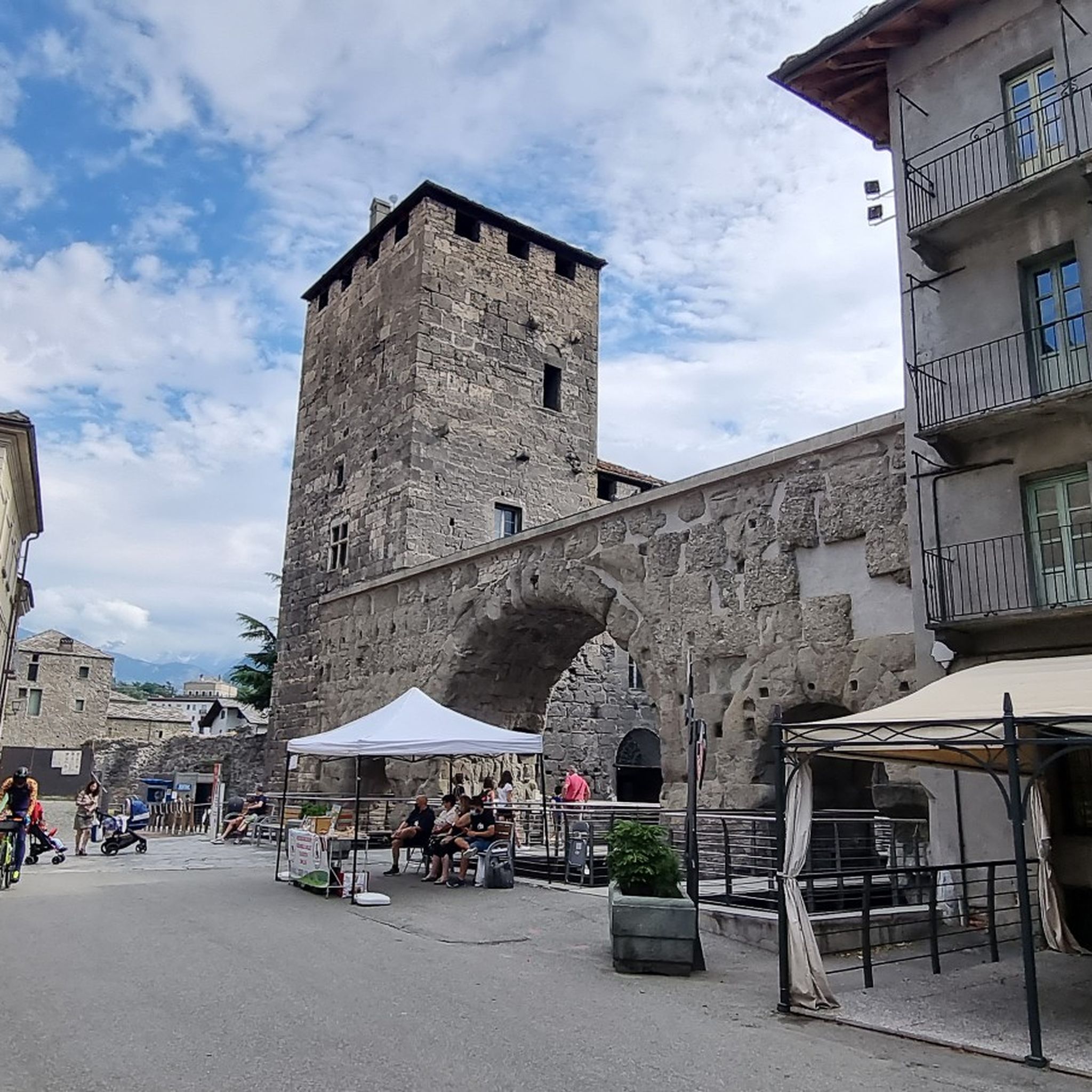
Embark on an easy historical hike through the heart of Aosta, often called "little Rome" for its wealth of ancient sites. This urban route, "Walking in the center of Aosta," covers 2.5 miles (4.0 km) with a minimal 46 feet (14 metres) of elevation gain, making it accessible for all ages and fitness levels. You will wander past impressive landmarks like the Roman Arch of Augustus, the Porta Praetoria, and the iconic Roman Theater with its 22-meter high southern façade, all while enjoying a varied terrain of asphalt, dirt roads, and natural sections within the city.
This concise tour can be completed in about 1 hour, offering a perfect way to immerse yourself in the city's millenary history. The trail winds through historic squares and pedestrian streets, providing opportunities to explore shops and restaurants along the way. While you can easily navigate the route independently, considering a local guide can enrich your experience with deeper historical narratives and insights into Aosta's past.
The city of Aosta itself provides a dramatic alpine backdrop, nestled between towering peaks like Mont Blanc and the Matterhorn, even as you explore its urban core. This trail is particularly notable for its significant concentration of well-preserved Roman ruins and medieval structures, a collection rivaled only by Rome itself. It offers a unique opportunity to connect with centuries of history in a compact and engaging format.
5.0
(3)
15
hikers
24.7km
08:17
950m
950m
Historic trail from medieval castle to Aosta through legendary giant's burial site and terraced vineyards.
5.0
(2)
7
hikers
16.1km
06:32
1,020m
1,020m
Hike the challenging Cammino Balteo Stage 12 from Arpuilles to Vetan, featuring panoramic Aosta Valley views and Mont Blanc vistas.
Get access to more routes and recommendations from other explorers.
Sign up for free
Already have an account?
Our route recommendations are based on thousands of hikes, rides, and runs completed by other people on komoot.
Start today with a free account
Your next adventure awaits.
Login or Signup
Popular around Aosta
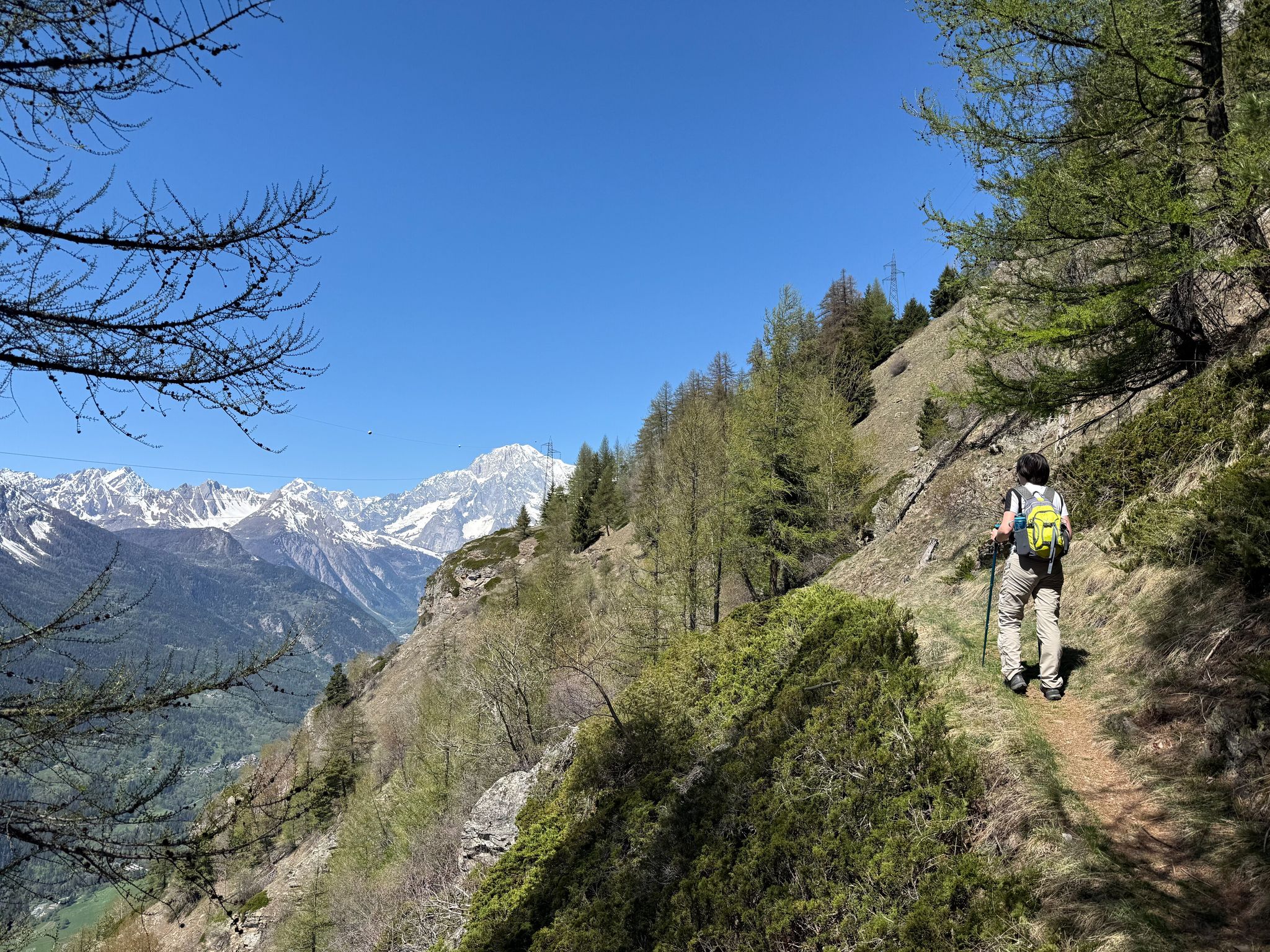
Cammino Balteo – castles, vineyards and trails of the Aosta Valley
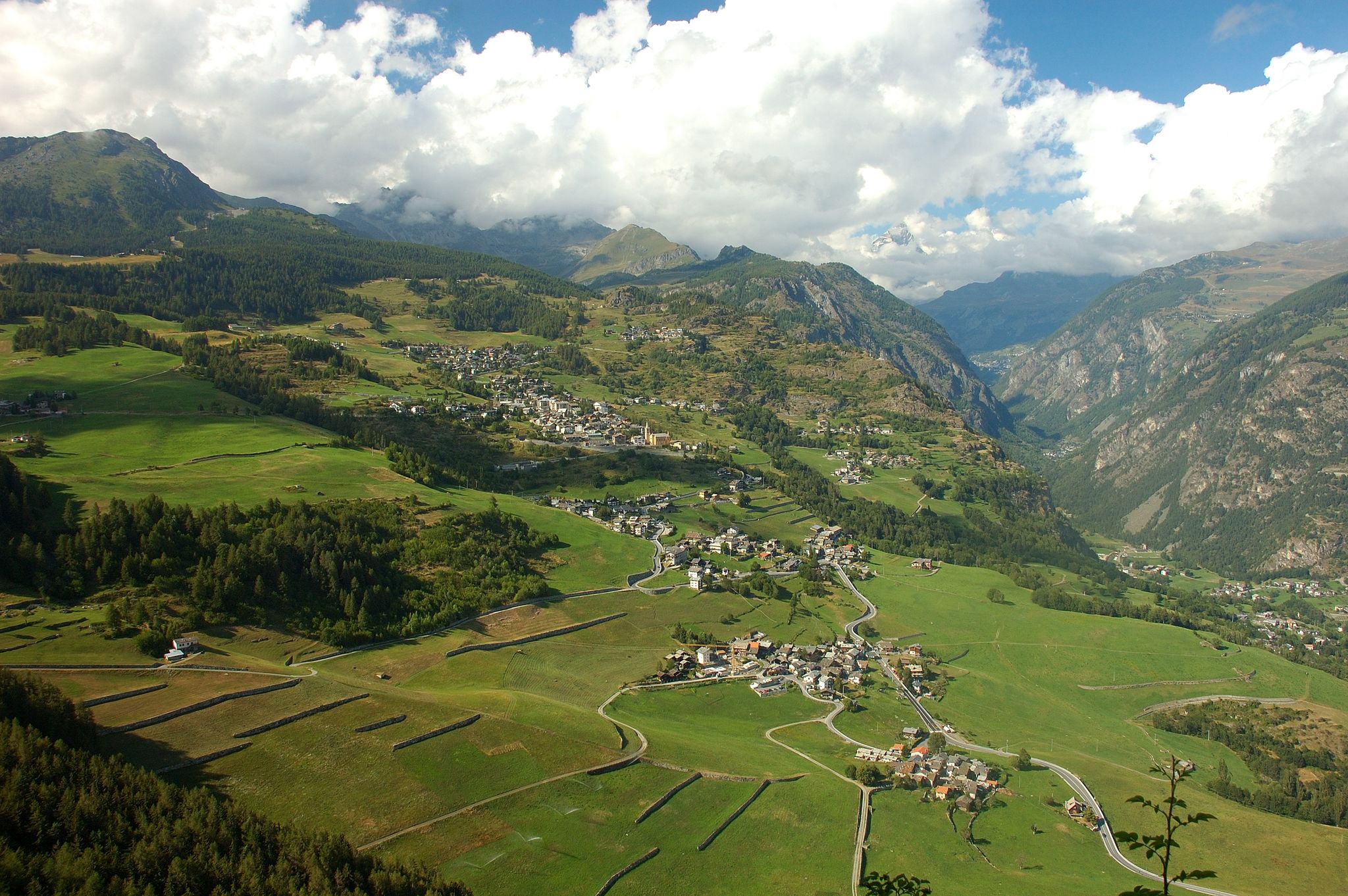
Paths, castles and views of Italy’s Aosta Valley – Cammino Balteo
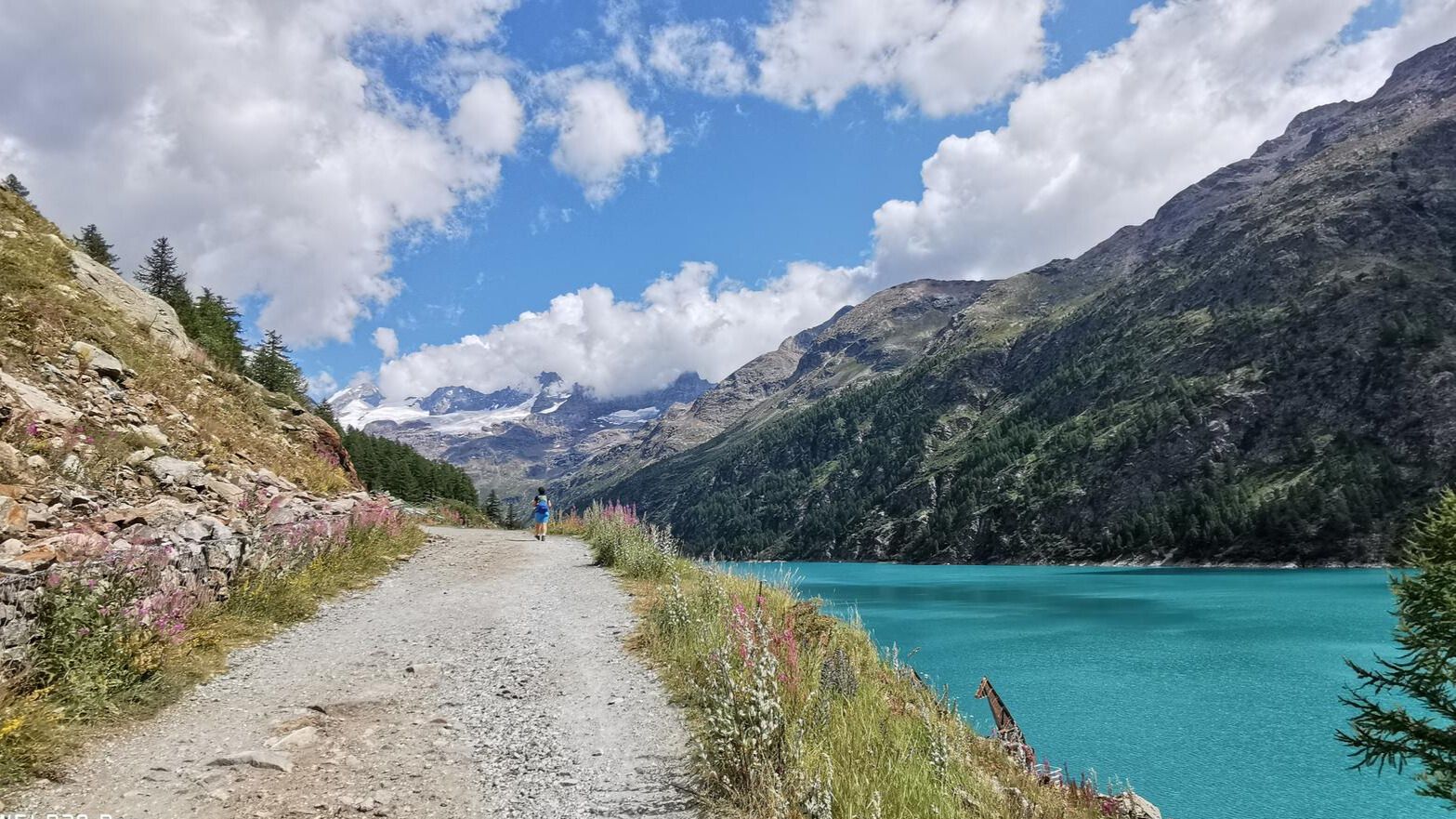
In the footsteps of the first mountaineers – Valpelline Trek
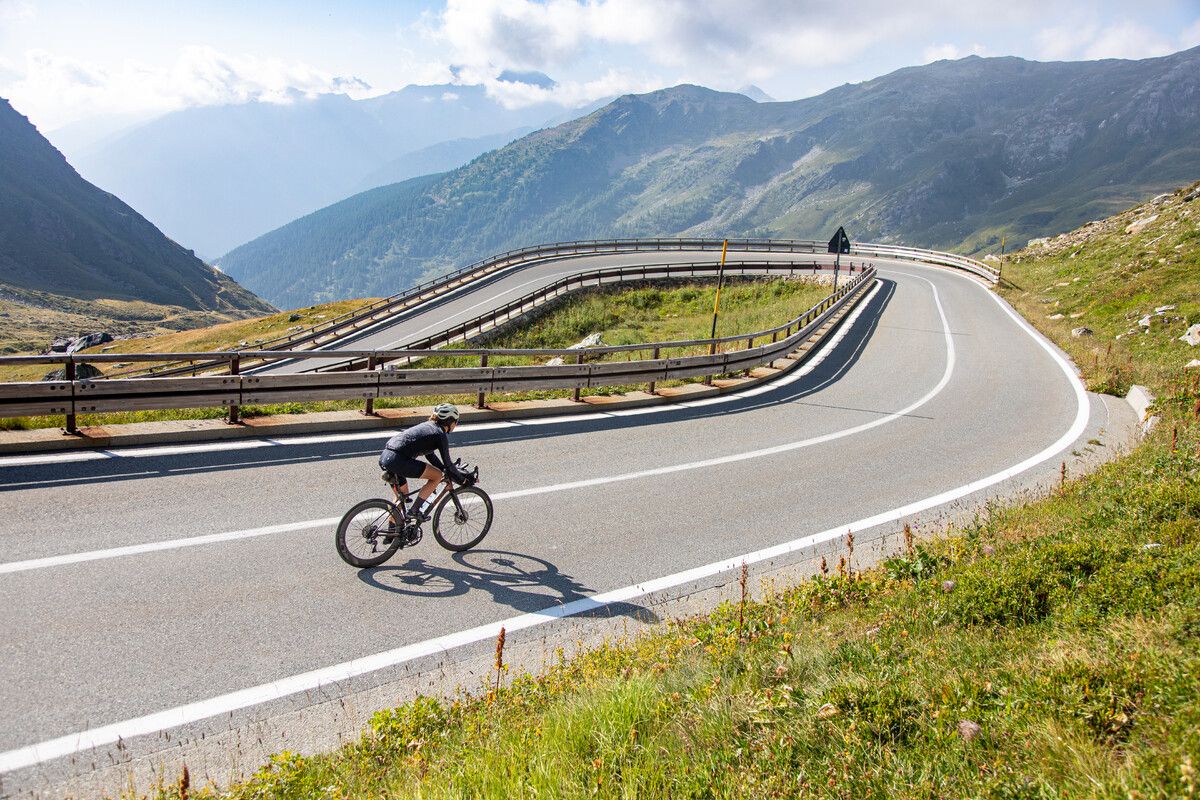
Road cycling in the Aosta Valley – major climbs and alpine routes
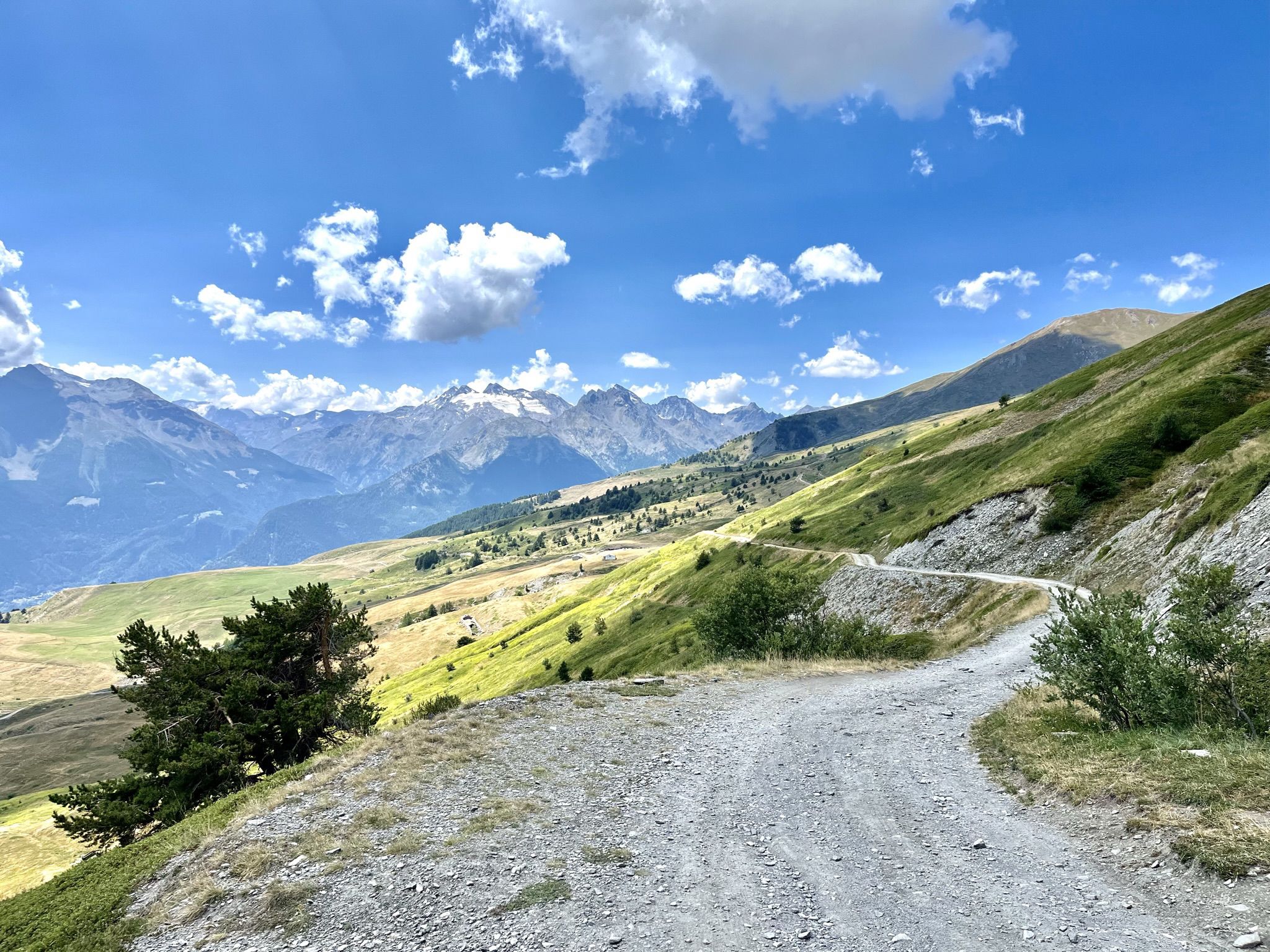
Mountain biking with a glacier backdrop – rides in Italy’s Aosta Valley
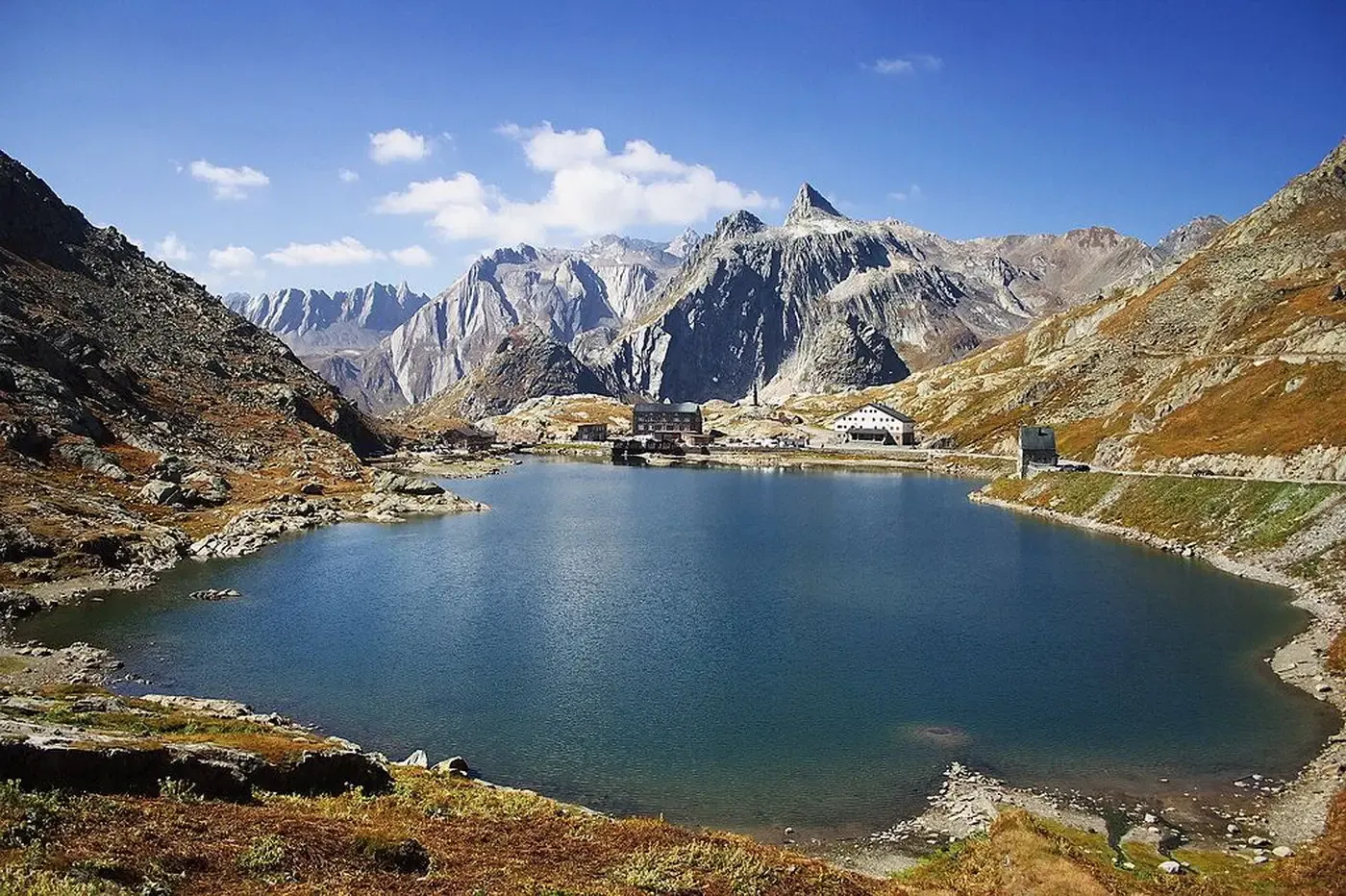
A cycling pilgrimage — history and nature on Italy’s Via Francigena
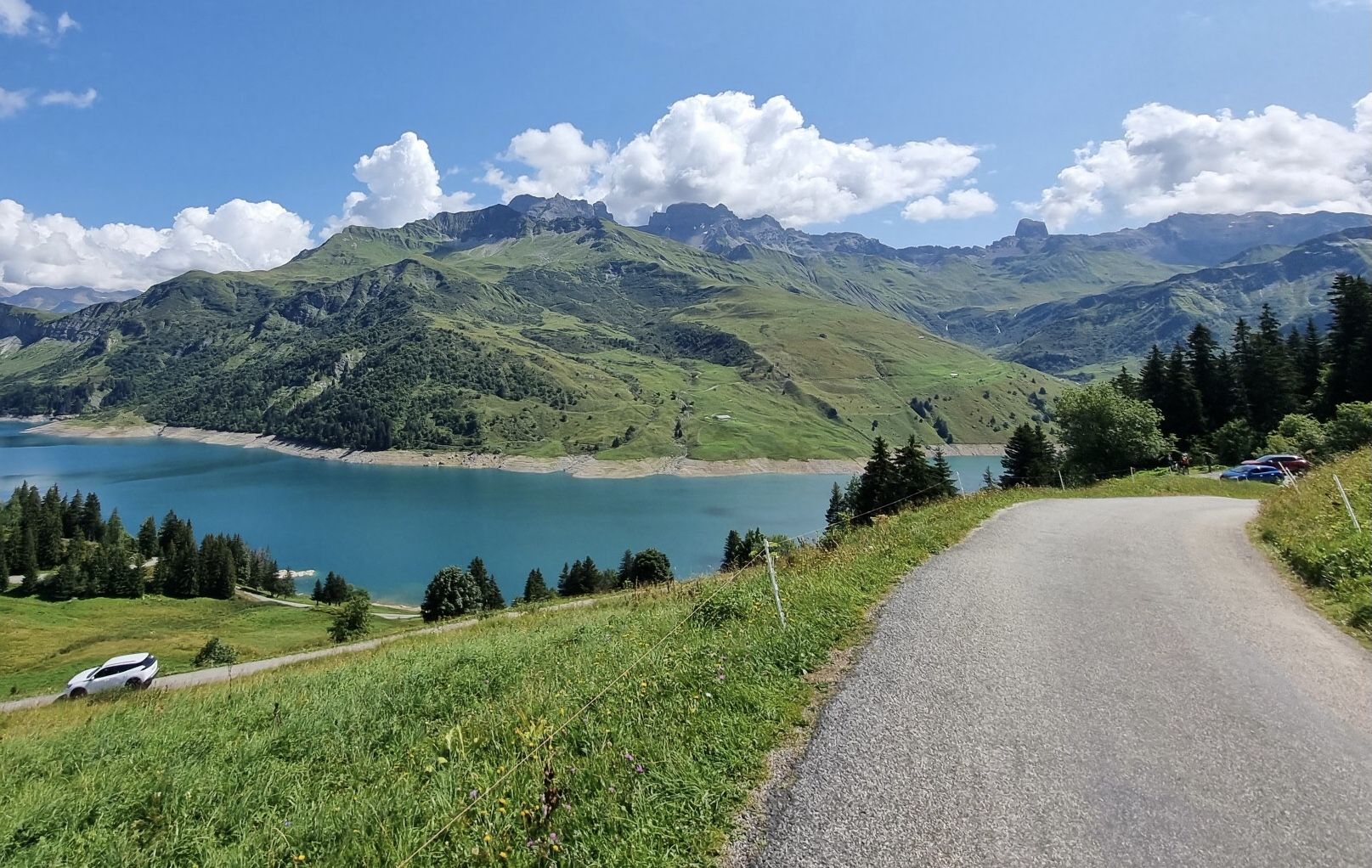
The magical Tour du Mont-Blanc by bike
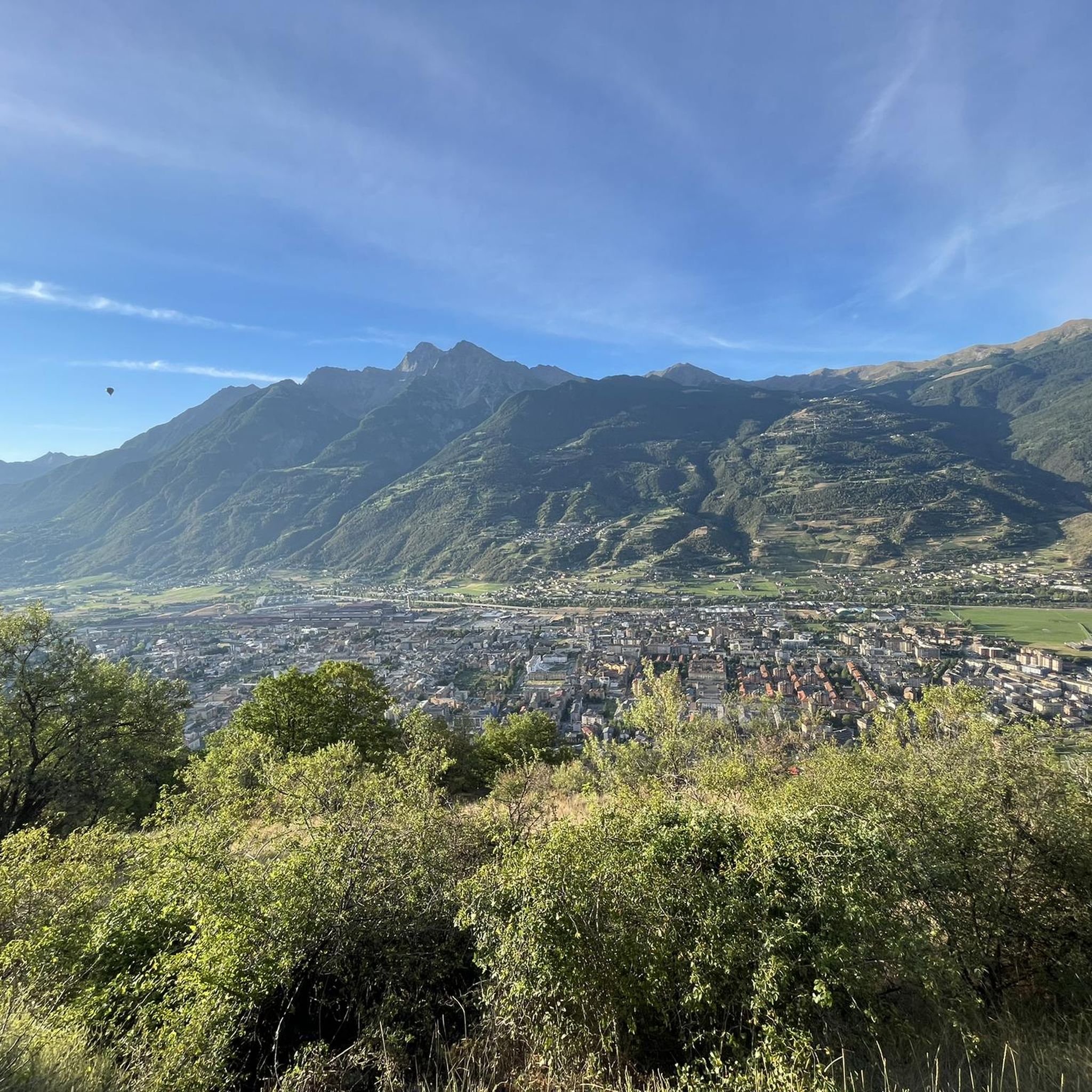
Road Cycling Routes around Aosta
Cycling around Aosta
MTB Trails around Aosta
Other adventures around Aosta


Tips from the Community

Mountain tour through woods and spectacular panoramas
0
0

Seen only from the outside, very very beautiful!
0
0

Beautiful but challenging hike! A steep climb and descent. Beautiful views of the Aosta Valley. Unfortunately, there are no food or drink options at the top in Bellun. You can refill your water bottles there, though.
0
0

The regional capital is located in the middle of the valley of the same name. The city still has the layout of the old Roman castrum, and in the car-free centre several monuments recall the Roman period. Aosta was a lively religious centre in the Middle Ages. St. Anselm, the later Archbishop of Canterbury who died in 1109, was born here. Today Aosta is a busy tourist hub at the crossroads of the roads to the Great St. Bernard Pass and Switzerland.
7
0
Piazza Émile Chanoux is the central square of Aosta, located in the Valle d’Aosta region of Italy. Named after the notary and resistance leader Émile Chanoux, the square is a rectangular square with its long sides facing north and south. The square is surrounded by elegant buildings, including the neoclassical Town Hall (Hôtel de Ville), which is richly decorated with frescoes and marquetry. In front of the Town Hall is a monument to the Soldier of the Aosta Valley, made by Pietro Canonica in 1924. The square serves as a meeting place and venue for festivals and markets, and is also home to the Hôtel des États, an important 18th-century building now used for temporary exhibitions.
5
0

The patronage "SANTA MARIA ASSUNTA" (in German: "Assumption of Mary") of this cathedral (bishop's church) refers to one of the many memorial days or feast days in honor of the Mother of God Mary. It goes back to the feast of her bodily assumption into heaven, which the (Catholic) Church celebrates annually on August 15th. In the Christian Orthodox churches, the feast is called "Dormition of Mary". In many rural areas it used to be customary for the population to collect bundles of herbs on this special day and to bless them during the festive service; this custom is still practiced occasionally.
8
0
The cathedral was built in the 12th century, has been renovated several times since then and now has a neoclassical facade (1848). The choir contains a mosaic floor from the 12th century, Gothic choir stalls from the 15th century and the tomb of Thomas II of Savoy (14th century). Rich church treasure. Cloister from the 15th century.
7
0

The Roman theater of Aosta is one of the most significant monuments of Roman theatrical architecture in northern Italy and is among the most prestigious testimonies of the origins of the ancient restoration which for years affected the 22 meters high southern façade, the sole survivor. Of the original theater, the auditorium and the foundations of the wall that served as the backdrop remain visible today.
0
0
Frequently Asked Questions
How many hiking trails are there around Aosta?
Aosta offers a wide variety of hiking experiences, with nearly 150 routes available. These range from easy strolls to challenging multi-day treks, catering to all fitness levels.
What kind of terrain can I expect on hikes in Aosta Valley?
The Aosta Valley boasts incredibly diverse terrain. You'll find everything from verdant valleys and thick conifer forests to alpine meadows, rocky scree fields, and even glimpses of glaciers. The region's dramatic geological history means significant elevation changes and breathtaking scenery are common.
Are there any easy hikes suitable for beginners or families?
Yes, Aosta Valley has over 40 easy routes perfect for beginners or families. For a gentle introduction to the area's beauty, consider the Walking in the center of Aosta route, which offers a pleasant urban stroll. Further afield, the Lillaz Waterfalls near Cogne and the Valnontey Torrent Trail are popular easy options mentioned in regional research.
Where can I find panoramic views of the Alps near Aosta?
Many trails offer stunning panoramic views. The Arpuilles Panoramic Trail is a moderate option specifically known for its sweeping vistas of the surrounding alpine scenery. The region is enveloped by iconic peaks like Mont Blanc, the Matterhorn, and Gran Paradiso, providing dramatic backdrops for countless routes.
Are there any trails that follow historical paths or canals?
Yes, the Aosta Valley is rich in historical routes. The Ru Neuf Canal Trail follows an ancient irrigation canal, offering a unique perspective on the valley's heritage. Additionally, sections of the long-distance Cammino Balteo, such as From Aymavilles to Aosta via Côte de Gargantua (Cammino Balteo Stage 18), lead through varied terrain including historical sites.
What are some notable natural features or landmarks to look out for on hikes?
The Aosta Valley is dotted with picturesque alpine lakes and waterfalls. Gran Paradiso National Park alone has over 180 lakes, with Lago di Chamolé and Loie Lake being notable examples. The Lillaz Waterfalls are also a popular attraction. You might also encounter historical structures like the Old Military Path from the First World War, or pass through significant mountain passes such as Col de Champillon.
What do other hikers say about the trails in Aosta?
The hiking routes around Aosta are highly regarded by the komoot community, with an average rating of 4.36 out of 5 stars from over 260 reviews. Hikers often praise the diverse alpine landscape, the well-maintained trails, and the stunning views of the surrounding peaks.
Are there any challenging multi-day treks in the Aosta Valley?
Absolutely. For experienced hikers, the Aosta Valley is a gateway to several world-renowned multi-day treks. These include the Alta Via Trail 1 (The Giants' Trail), Alta Via Trail 2 (The Nature Trail), and sections of the iconic Tour du Mont Blanc. The Cammino Balteo is also a 220-mile circular trail crossing the entire Aosta Valley, offering 23 stages of nature and historical exploration.
When is the best time of year to go hiking in Aosta Valley?
The best time for hiking in Aosta Valley is generally from late spring to early autumn (June to September) when the weather is milder and trails at higher altitudes are more accessible. During these months, you'll experience lush alpine meadows, clear skies, and comfortable temperatures. Some lower-altitude trails may be accessible earlier or later in the season.
Are there options for parking or public transport to reach trailheads?
While specific parking details vary by trailhead, many popular hiking areas in Aosta Valley offer designated parking facilities. For public transport, the region has a network of buses that connect towns and villages, and some routes may provide access to trailheads. It's advisable to check local bus schedules for specific routes you plan to hike.
Can I find mountain huts (rifugi) along the trails for overnight stays or refreshments?
Yes, the Aosta Valley has a strong 'rifugio culture.' Many trails, especially the longer and more challenging ones, are dotted with mountain huts. These rifugi provide lodging, food, and a chance to connect with fellow hikers, significantly enhancing the alpine experience.
Most popular attractions around Aosta

Get inspired with the komoot mobile app


Explore more
Browse the best Hikes in other regions.
