The best walks and hikes around Verrayes
4.5
(698)
4,027
hikers
31
hikes
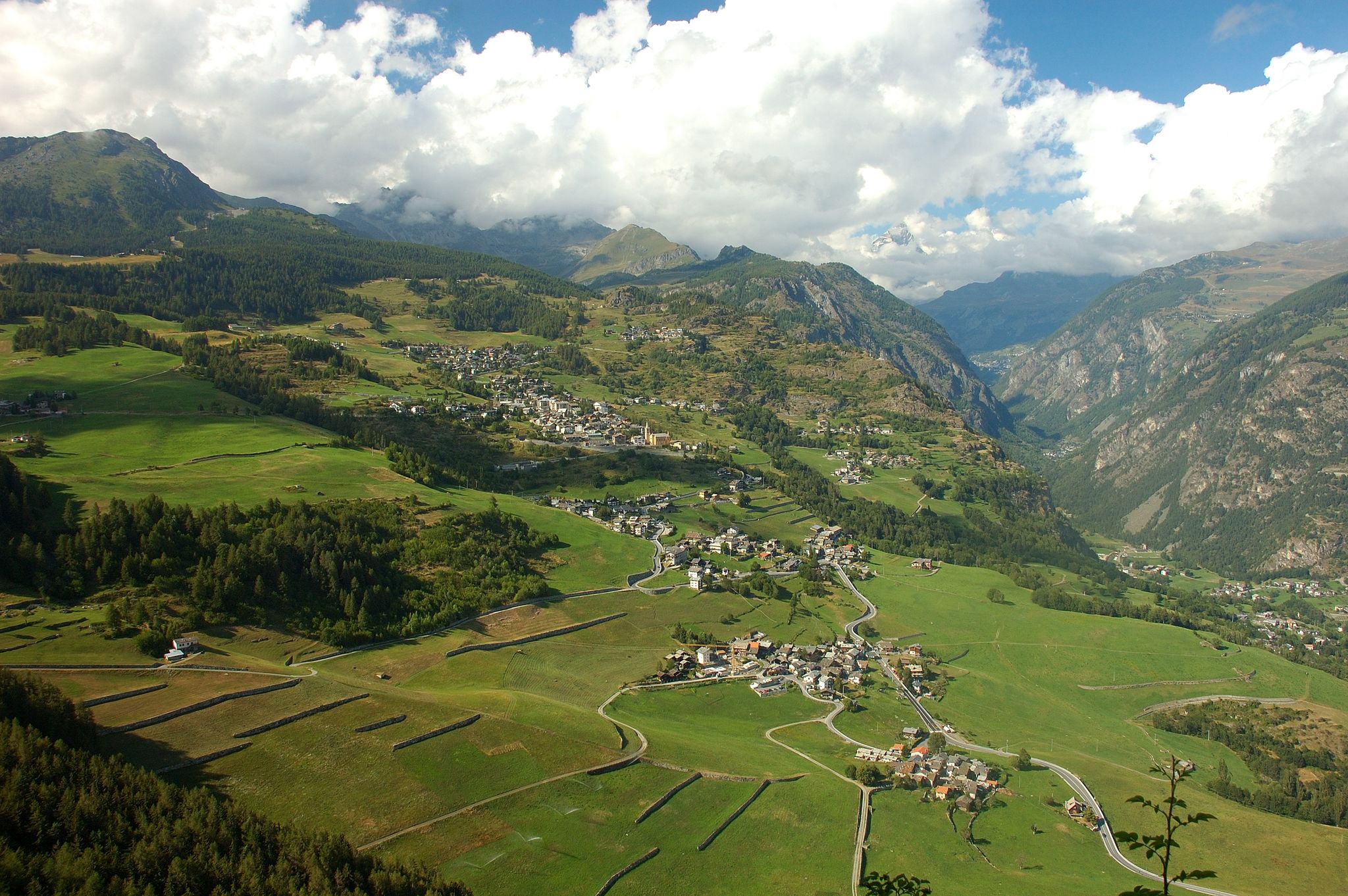
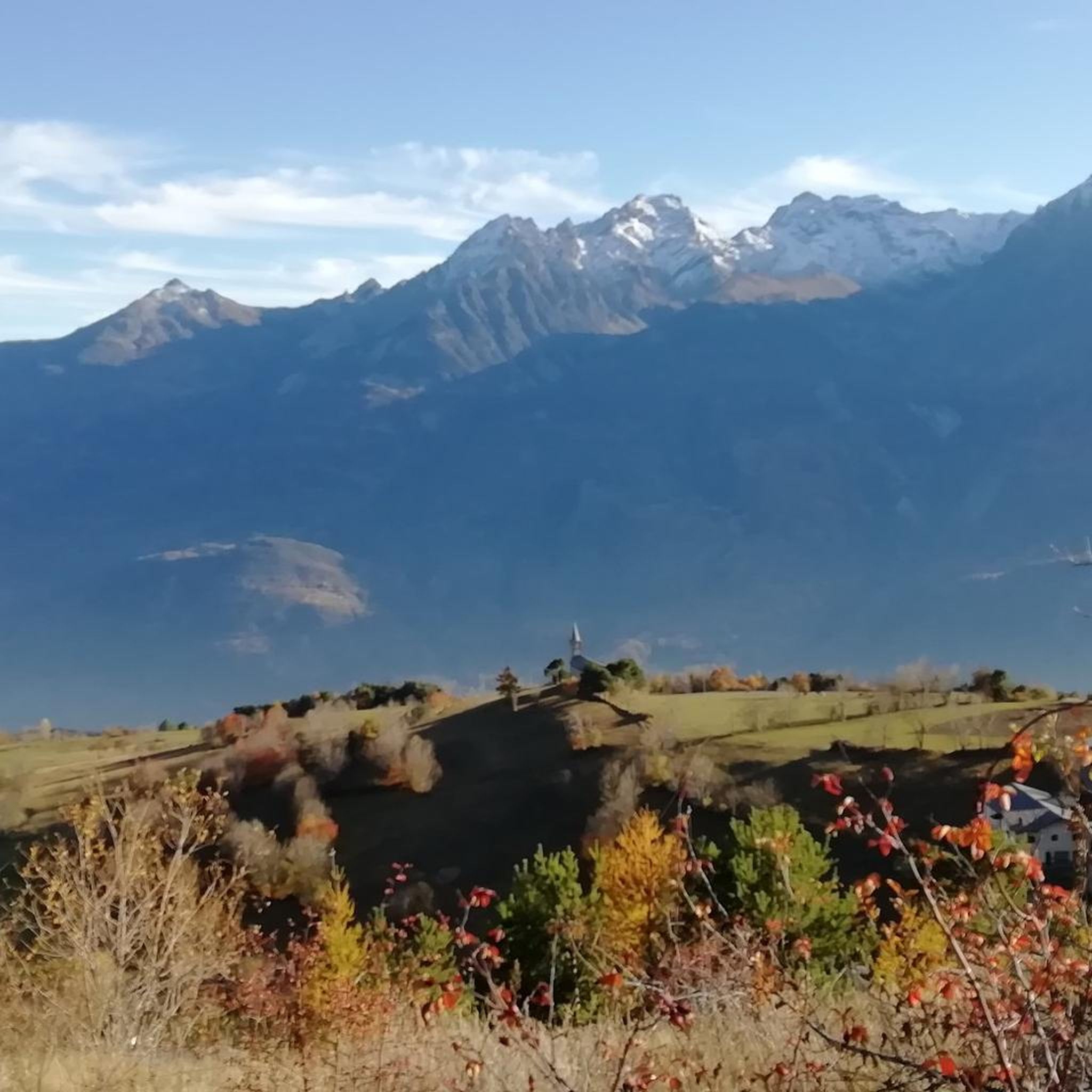
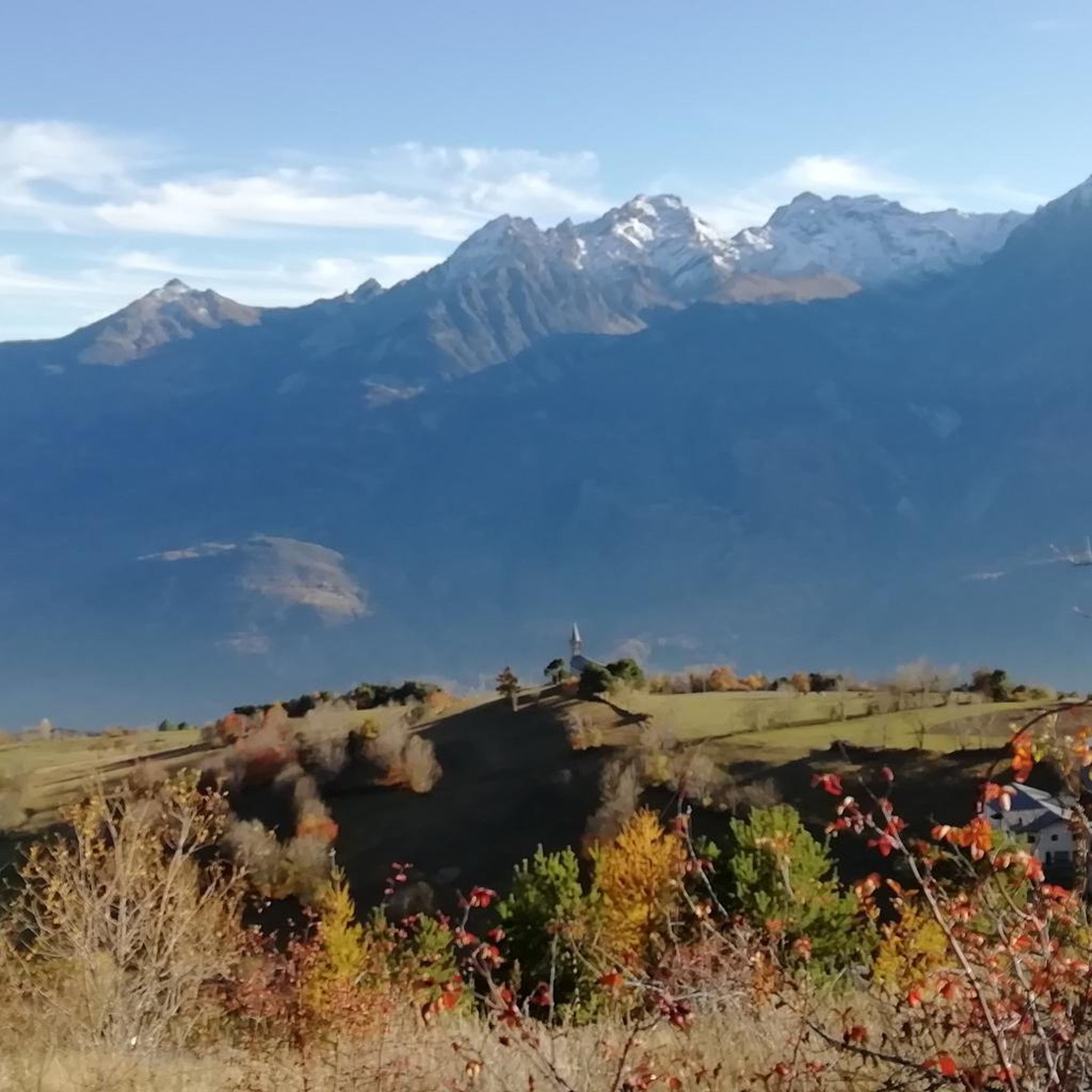
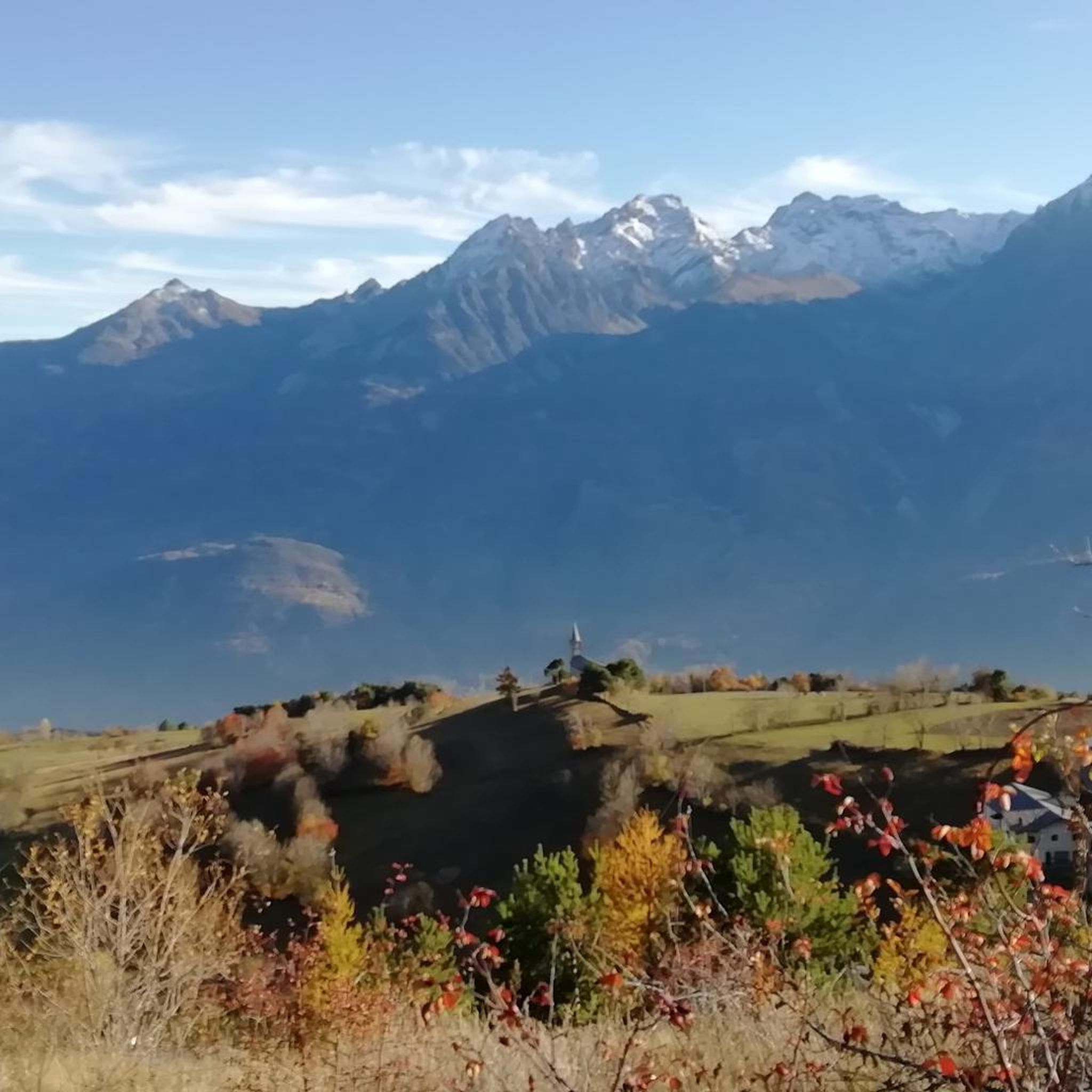
Hiking around Verrayes offers access to diverse alpine landscapes in Italy's Aosta Valley. The region features panoramic views of iconic peaks like the Matterhorn and Mont Blanc from elevated points such as Becca d'Aver. Trails traverse sunny terraces, traditional agricultural areas, and historical sites including ancient charcoal kiln ruins and irrigation canals. The varied terrain provides options from gentle walks to challenging alpine climbs.
Best hiking trails around Verrayes
- The most popular hiking route is Cammino Balteo Stage 9 and Via Francigena Loop, a 12.2 miles (19.7 km) trail that takes 6 hours 35 minutes to complete. This difficult route combines sections of two historic long-distance paths, offering significant elevation gains and expansive alpine vistas.
- Another top favourite among local hikers is Becca d'Aver Summit Trail from Verrayes (via CAI Route 2), a difficult 7.8 miles (12.5 km) path. This challenging ascent leads to the summit of Becca d'Aver, providing spectacular views of the Matterhorn and Mont Blanc.
- Local hikers also love the Cammino Balteo, Stage 9: Verrayes to Nus, a 6.0 miles (9.7 km) trail leading through varied terrain with moderate elevation, often completed in about 4 hours.
- Hiking around Verrayes is defined by alpine valleys, panoramic mountain viewpoints, and historical agricultural landscapes. The network offers options for different ability levels, from moderate walks to difficult summit climbs.
- The routes in Verrayes are highly rated by the komoot community with an average score of 4.5 stars from over 600 reviews. More than 3000 hikers have used komoot to explore Verrayes's varied terrain.
Last updated: May 10, 2026
4.0
(2)
10
hikers
19.7km
06:36
760m
770m
Hike the difficult 12.2-mile Cammino Balteo Stage 9 and Via Francigena Loop, gaining 2501 feet with panoramic Alpine views.
5
hikers
12.5km
07:06
1,390m
1,390m
Alpine climb through charcoal kiln ruins to Becca d'Aver's summit with Matterhorn and Mont Blanc views.

Sign up for free
1
hikers
15.3km
05:58
1,000m
1,000m
Historic 15th-century irrigation channel hike through forests and meadows with medieval engineering marvels.
1
hikers
9.74km
04:01
790m
790m
Hike Trail 5 from Cort to Charrère via Fraye Churches, a moderate 6.1-mile route with 2583 feet of elevation gain and mountain views.
7.86km
02:55
500m
500m
Historic Alpine trail from a 15th-century church through exotic arboretum to mountain col views.
Get access to more routes and recommendations from other explorers.
Sign up for free
Already have an account?
Our route recommendations are based on thousands of hikes, rides, and runs completed by other people on komoot.
Start today with a free account
Your next adventure awaits.
Login or Signup

Other adventures around Verrayes

Tips from the Community

This arboretum, the oldest of its kind in the region, was created between 1905 and 1908 by Canon Vescoz, a distinguished cleric, scholar, scientist, and geologist born in Verrayes, on a barren and poor ridge called Pointys (1,050 meters above sea level). He purchased it at enormous expense. It was the first reforestation experiment carried out in the Aosta Valley with exotic species, covering an area of over 12 hectares. Over 11,000 non-native trees were planted, including three varieties of cedar, two varieties of Douglas fir, two varieties of Italian cypress, Monterey cypress, Thuja, giant sequoia, and black pine, as well as native species, some of which were completely unfamiliar, including beech, English oak, mountain pine, and so on. Visitors can admire a forest complex of great naturalistic, botanical, and scientific interest, given the uniqueness and distinctiveness of the site. The abundant presence of aromatic thyme is noteworthy. The site has been open to visitors since 1995, and the best season to visit the Arboretum is spring, characterized by a burst of colors and scents. Three shelters, each with a map of the arboretum, guide tourists through the vegetation, the various trails (each appropriately marked), and the most scenic areas.
0
0

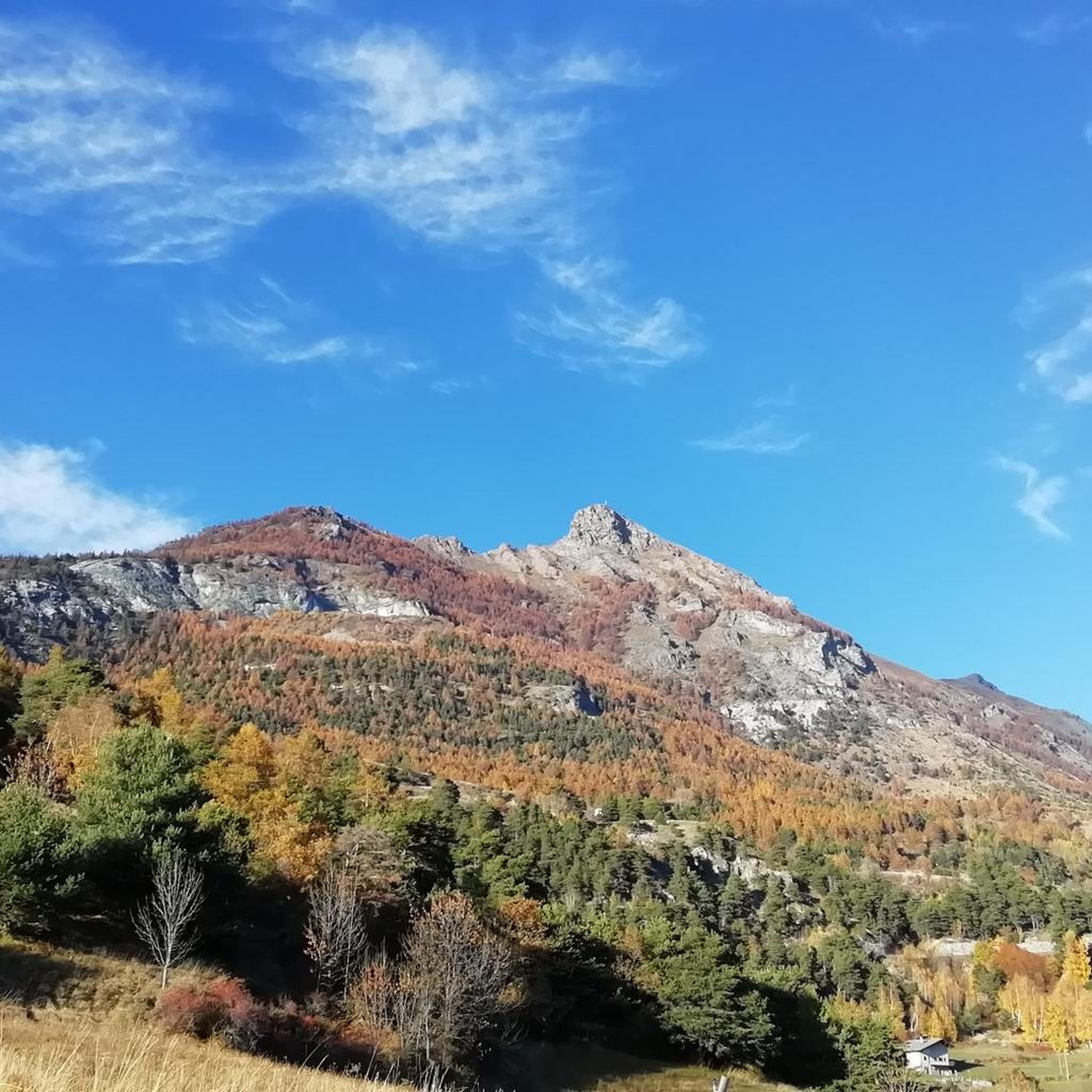
The Becca d'Aver, located at 2,469 meters, can be reached via a very easy climb over the Col d'Aver. The route to the Col de Fenêtre is more technically challenging, but definitely doable. Those who can should plan the easy ridge hike to Cima Longhede. This is not technically demanding.
1
0

The Via Francigena officially passes through Nus, a village rich in history and tradition in the heart of the Aosta Valley. Here the path winds through ancient vineyards, medieval castles and landscapes that tell of centuries of culture and rural life. Walking this stretch means immersing yourself in an authentic atmosphere, where every step is an encounter with the history and nature of a welcoming and evocative land.
1
0
In Nus, a monument proudly celebrates the Aosta Valley winemakers, custodians of a centuries-old tradition in the cultivation of vines. This dedication pays homage to those who produce high-quality DOC wines, often obtained from native vines, an authentic expression of the territory and the local passion for winemaking. A symbol that tells the story and the winemaking identity of the Aosta Valley, a heritage to discover and savor.
1
0


This peak is usually reached from Champlong, and is connected to the Longhede peak by an easy ridge line, so they both touch. Usually the first to be reached is the Becca d'Aver
0
0

The ancient charcoal kilns of the Aosta Valley were structures used for the production of charcoal through the controlled combustion of wood. These charcoal kilns, locally called "pojat", were built on natural or artificial sites, sometimes supported by walls downstream, and were lit cyclically during the spring months.
0
0

Monument dedicated to the Vignerons Valdostani, winemakers of excellent DOC wines sometimes produced from native vines.
1
0
Frequently Asked Questions
How many hiking trails are available in Verrayes?
Verrayes offers a diverse network of over 30 hiking trails. These routes cater to various skill levels, including 2 easy walks, 21 moderate hikes, and 8 more challenging trails, ensuring options for every type of hiker.
What kind of landscapes and views can I expect on hikes around Verrayes?
Hiking in Verrayes provides stunning alpine landscapes with panoramic views of iconic peaks like the Matterhorn, Mont Blanc, Monte Rosa, Emilius, Tersiva, and Grivola from elevated points. You'll also traverse distinctive sunny terraces, traditional agricultural areas, and historical sites, including ancient charcoal kiln ruins and irrigation canals.
Are there any challenging hikes in Verrayes with significant elevation gain?
Yes, Verrayes features several challenging routes. For instance, the Becca d'Aver Summit Trail from Verrayes (via CAI Route 2) is a difficult 12.5 km path with over 1390 meters of elevation gain, leading to spectacular summit views. Another demanding option is the Cammino Balteo Stage 9 and Via Francigena Loop, a 19.7 km route with over 760 meters of ascent.
Are there any family-friendly or easier hiking options in Verrayes?
While many routes involve elevation, Verrayes does offer easier options. The Abbé Vescoz Arboretum provides easily recognizable paths through native and exotic trees, perfect for a leisurely walk. Additionally, the region has 2 designated easy trails, and many moderate routes can be adapted for families looking for less strenuous activity.
What are some interesting natural features or landmarks to see along the trails?
Verrayes' trails are rich with natural and historical points of interest. You can explore the Saint-Barthélemy Valley, discover ancient charcoal kiln ruins, or visit the significant Loson Pond natural reserve, which protects 70 species. Some routes also follow ancient irrigation canals known as 'rus,' such as the Ru de Joux. You might also encounter the Freideron Stream Waterfalls.
Are there any circular hiking routes in Verrayes?
Yes, Verrayes offers circular routes for those who prefer to start and end at the same point. A notable example is the Cammino Balteo Stage 9 and Via Francigena Loop, which combines sections of two historic long-distance paths into a comprehensive circuit.
Can I bring my dog on the hiking trails in Verrayes?
Generally, dogs are welcome on many hiking trails in Verrayes. However, it's always advisable to keep them on a leash, especially in areas with livestock or protected wildlife, and to check specific trail regulations if available. The natural environment of Verrayes is well-suited for walks with canine companions.
What do other hikers enjoy most about hiking in Verrayes?
The area is highly rated by the komoot community, with an average score of 4.5 stars from over 600 reviews. Reviewers often praise the diverse alpine landscapes, the panoramic mountain viewpoints, and the historical agricultural settings that define the region's trails. The variety of routes for different ability levels is also frequently highlighted.
Are there any huts or refuges along the hiking trails in Verrayes?
Yes, there are several huts and refuges in the vicinity of Verrayes that can serve as rest stops or overnight accommodations. Notable options include Rifugio Jean Barmasse, Cuney Refuge and Oratory, and Rifugio Magià. These provide opportunities to extend your hikes or simply enjoy a break with refreshments.
What is the typical duration for a hike in Verrayes?
Hiking durations in Verrayes vary significantly based on the trail's length and difficulty. For example, a moderate route like Cammino Balteo, Stage 9: Verrayes to Nus, which is 9.7 km, typically takes around 4 hours. More challenging routes, such as the Becca d'Aver Summit Trail (12.5 km), can take over 7 hours due to significant elevation gains.
Are there specific trails for Nordic Walking in Verrayes?
Yes, Champlong, near Verrayes, serves as a starting point for various Nordic walking routes. These trails span over 20 km with different lengths and difficulty levels, all designed to offer stunning panoramic views while engaging in Nordic walking.
Most popular attractions around Verrayes

Get inspired with the komoot mobile app


Explore more
Browse the best Hikes in other regions.
