The best running trails around Saint-Nicolas
4.2
(65)
4,662
runners
159
runs
Jogging around Saint-Nicolas offers routes through an alpine environment characterized by significant elevation changes and mountain trails. The region features high peaks, mountain lakes, and forested slopes, providing challenging running experiences. Runners can expect varied terrain, from technical paths to more gradual ascents, often with panoramic views of the surrounding valleys.
Best jogging routes around Saint-Nicolas
- The most popular jogging route is Belvedere loop from I galliformi, a 5.9 miles (9.5 km) trail that takes 1 hour 46 minutes…
Last updated: October 8, 2026
26
runners
7.54km
01:58
860m
860m
Hard run. Very good fitness required. Sure-footedness, sturdy shoes and alpine experience required.
3.0
(1)
23
runners
11.5km
01:33
580m
580m
Hard run. Very good fitness required. Sure-footedness, sturdy shoes and alpine experience required.

14
runners
15.5km
02:29
920m
920m
Hard run. Very good fitness required. Sure-footedness, sturdy shoes and alpine experience required.
13
runners
11.5km
02:00
770m
770m
Hard run. Very good fitness required. Sure-footedness, sturdy shoes and alpine experience required.
4.5
(2)
24
runners
10.4km
01:11
160m
160m
Moderate run. Good fitness required. Mostly paved surfaces. Suitable for all skill levels.
Get access to more routes and recommendations from other explorers.
Already have an account?
Our route recommendations are based on thousands of hikes, rides, and runs completed by other people on komoot.
Start today with a free account
Your next adventure awaits.

Other adventures around Saint-Nicolas

Tips from the Community

The ancient stone and wood houses and the traditional 'rascard' make Vens one of the most fascinating alpine villages in the Aosta Valley. It is worth stopping to stroll through its narrow streets and breathe in its authentic atmosphere.
0
0
The small Lago di Joux is located near the homonymous pass and is a pleasant stopping point surrounded by pastures. Here you will also find a fountain with drinking water and, on clear days, a beautiful view of the mountains of the Gran Paradiso National Park.
0
0

Impressive sculptures, both in number and in finish and location.
0
0

Vtan is the starting point for reaching Mount Fallere and the refuge of the same name, but not only that, because from this small village some beautiful white roads branch off, very suitable for MTB, as well as other minor excursions, but always rewarding for the grandiose panoramas. Very suggestive, in the pine forest, is the "meditation trail", a path that invites "meditative walking", a practice that combines yoga, breathing, self-control... more information about it can be found at the nearby Hotel, which also provides a map of possible excursions.
0
0

Monument dedicated to the winner of the first Tour de France, Maurice Garin, originally from Chez-les-Garin (a group of houses above Leverogne, part of the municipality of Arvier) who then emigrated to France (and became a naturalized French citizen, so much so that he is listed as such in the roll of honour) to work as a chimney sweep.
1
0
A small village located at the start of the Valgrisenche climb; interesting fact: this is the birthplace of Maurice Garin, winner of the first Tour de France.
1
0

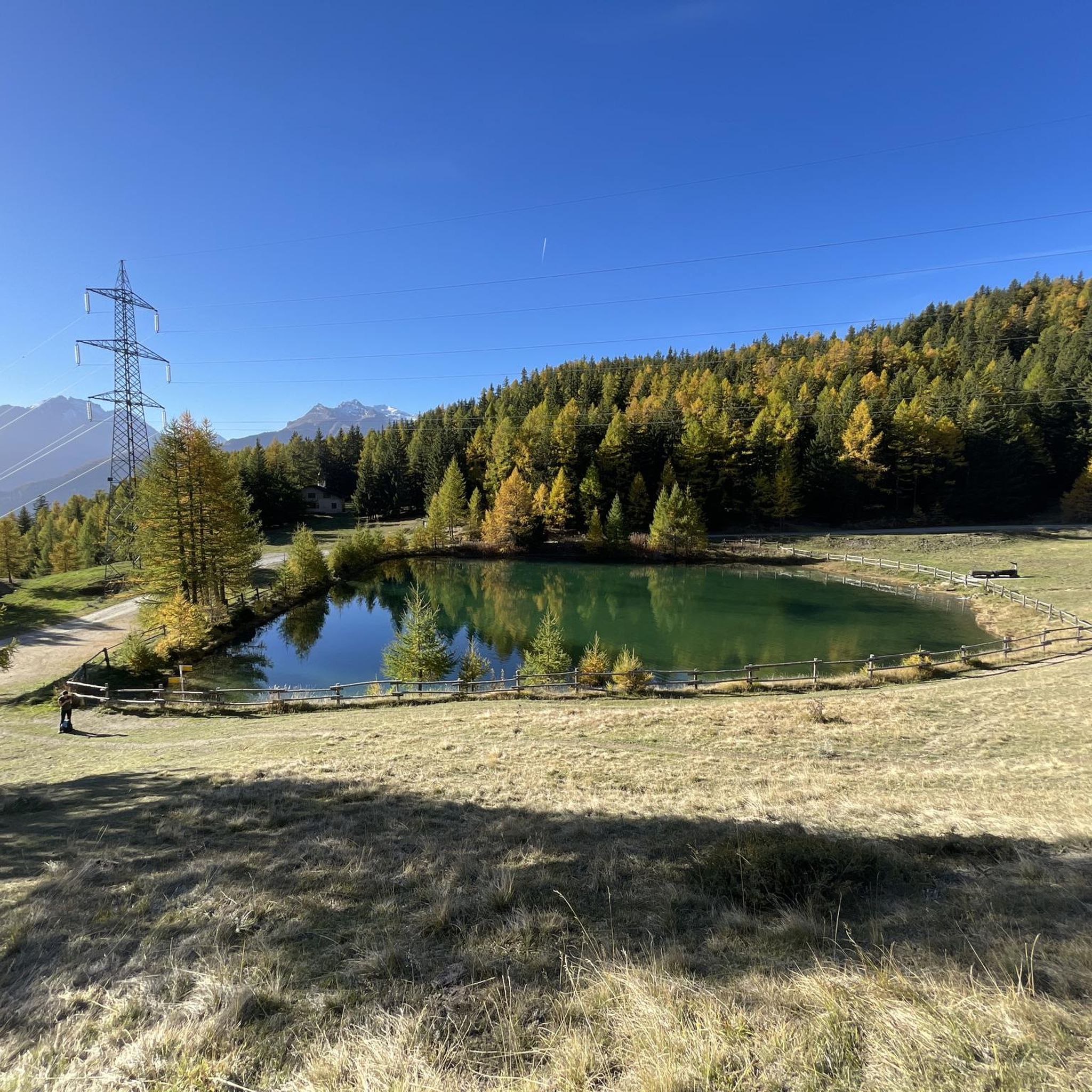
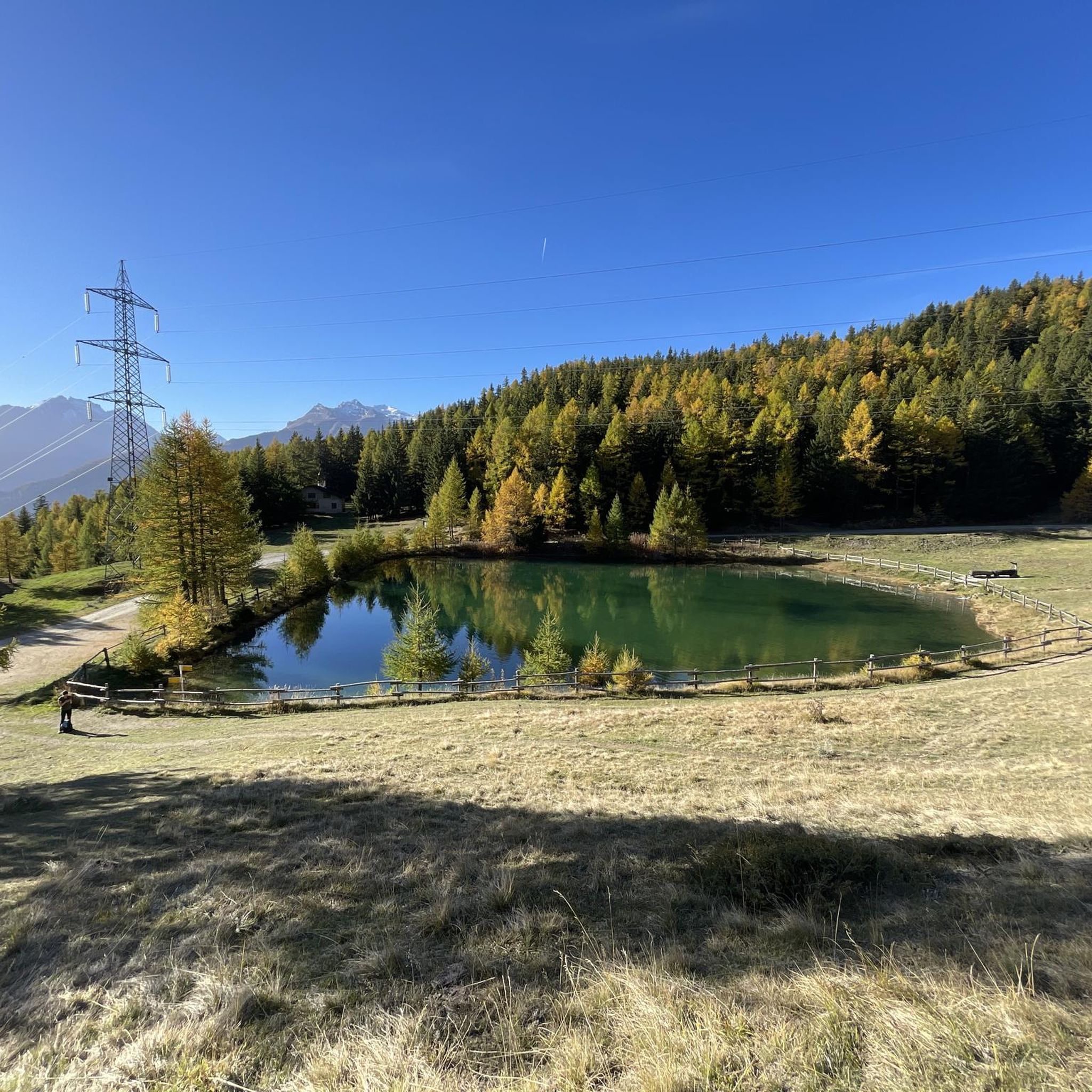
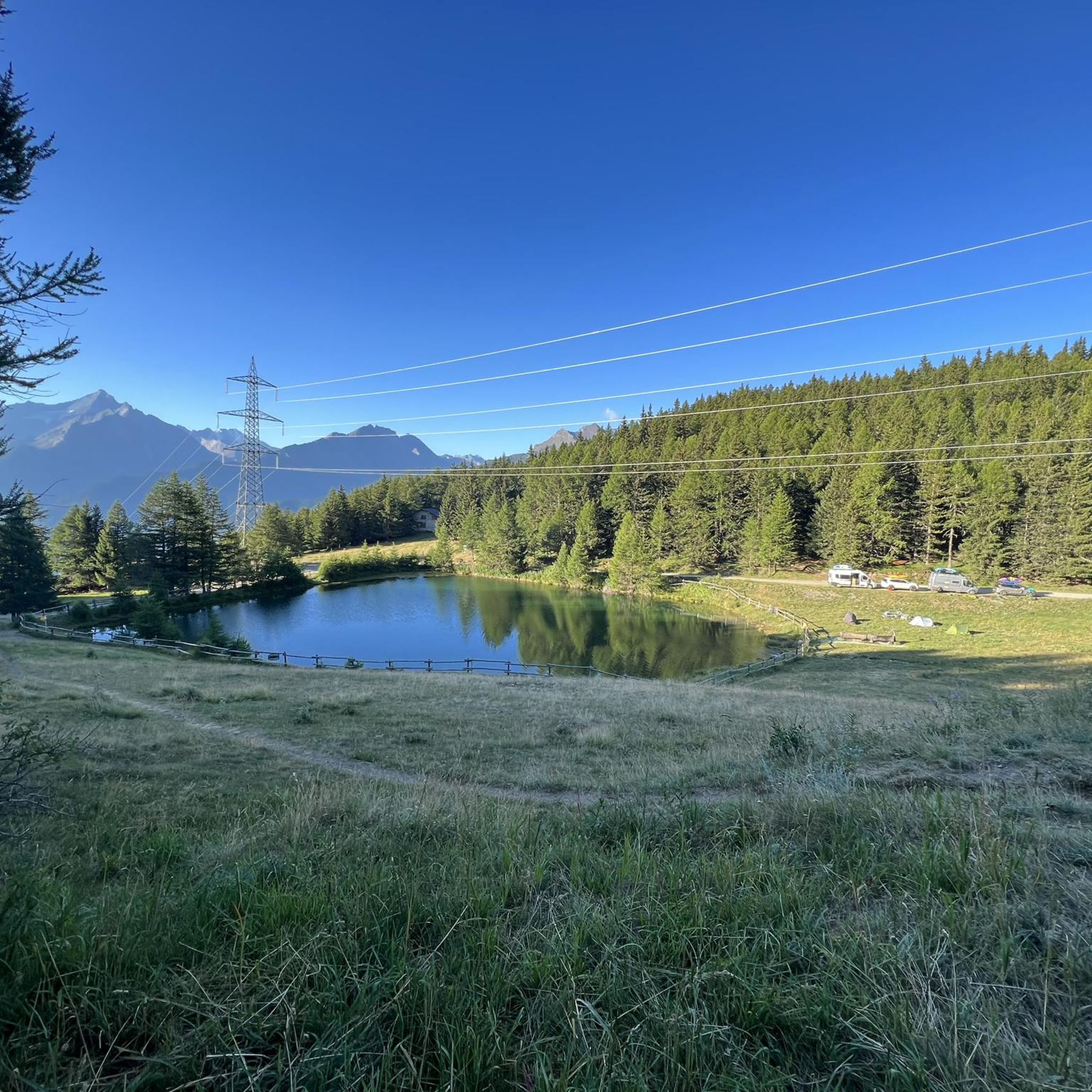
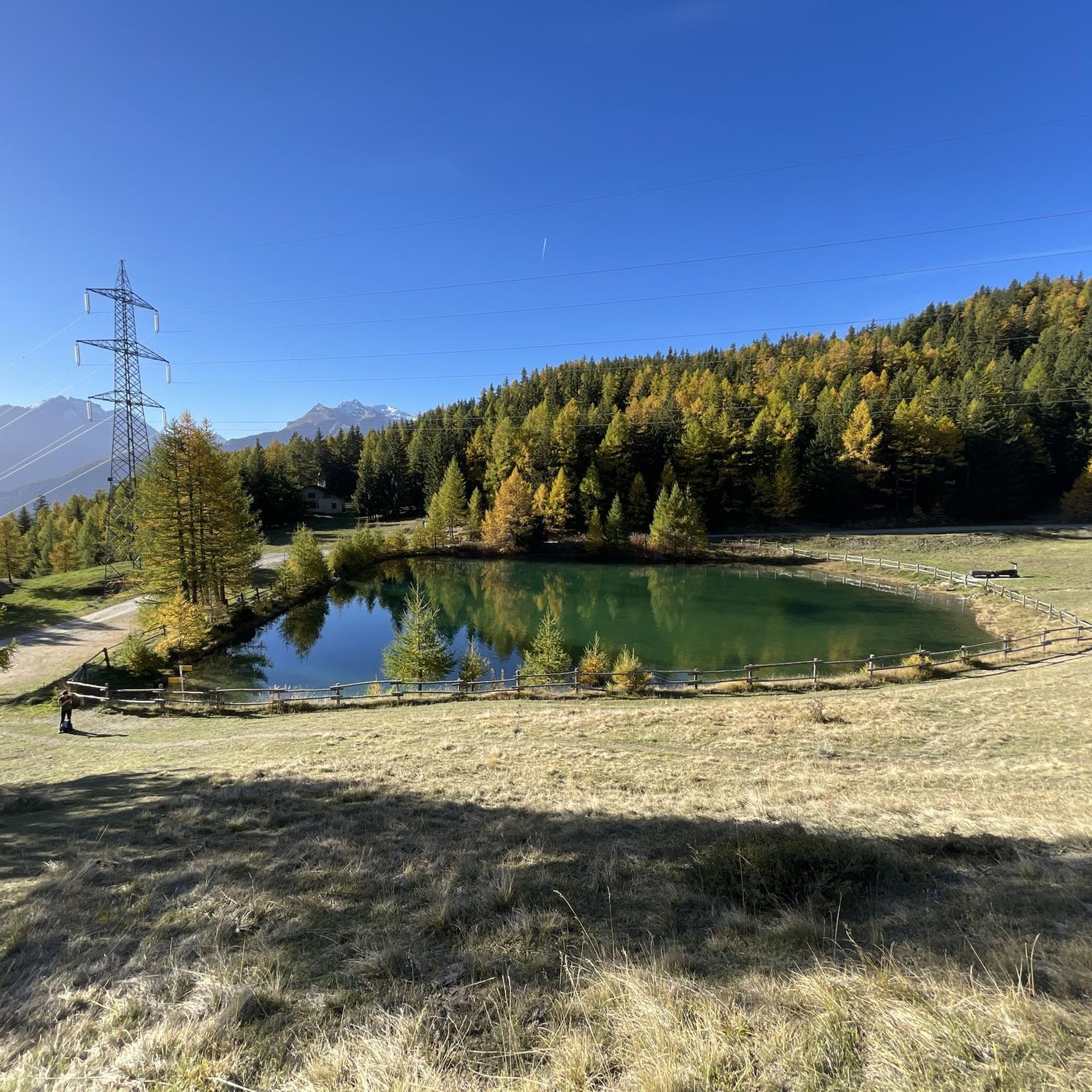
Pond used as a water reserve for cows and horses to drink. There is also a drinking fountain with potable water
0
0

The Mont Fallère Refuge, at 2,385 m, is located in the valley between Mont Fallère and Monte Rosso di Vertosan. It offers 50 beds in rooms with bathrooms, and has a restaurant with typical cuisine. Open in summer, it can be reached on foot or by mountain bike.
1
1
Frequently Asked Questions
How many running routes are available in Saint-Nicolas, and what are their difficulty levels?
Saint-Nicolas offers a wide variety of running experiences with over 160 routes. These are primarily challenging, with about 100 routes rated as difficult, 56 as moderate, and 9 as easy. The region's alpine environment means many routes feature significant elevation changes and mountain trails.
Are there jogging routes in Saint-Nicolas with scenic viewpoints or interesting landmarks?
Yes, many running routes in Saint-Nicolas offer breathtaking views and pass by notable landmarks. For instance, the Belvedere loop from I galliformi is known for its scenic viewpoints. You can also explore routes that lead to attractions like Lake Arpy or the Mont Fallère Refuge, offering stunning alpine vistas.
Are there options for long-distance running in Saint-Nicolas?
Absolutely. For those seeking a longer challenge, Saint-Nicolas provides several extensive trails. The Lago di Joux – Laghi Di Dziule loop from Avise is a demanding 23.6 km (14.7 miles) route, while the Monte Di Poignon loop from Villeneuve covers 17.1 km (10.6 miles), both offering significant elevation gain in an alpine setting.
What do other runners enjoy most about jogging in Saint-Nicolas?
The running trails in Saint-Nicolas are highly regarded by the komoot community, boasting an average rating of 4.2 stars from over 50 reviews. Runners frequently praise the challenging alpine terrain, the panoramic views of the Mont-Blanc range, and the unique experience of running through high peaks and forested slopes.
Are there any running trails that feature mountain lakes?
Yes, Saint-Nicolas is home to several beautiful mountain lakes that can be incorporated into your running routes. The Lago di Joux – Punta Oilletta loop from Avise is a prime example, featuring a mountain lake and leading to a prominent viewpoint. Other notable lakes in the area include Lake Arpy, Lago di Pietra Rossa, and Lago delle Rane.
What kind of terrain can I expect on the running routes in Saint-Nicolas?
The terrain in Saint-Nicolas is predominantly alpine, characterized by varied surfaces. You can expect a mix of technical paths, rocky sections, and more gradual ascents through forested slopes. Many routes involve significant elevation changes, making them suitable for runners looking for a challenging mountain experience.
Are there any circular running routes available?
Yes, many of the running routes in Saint-Nicolas are designed as loops, allowing you to start and finish in the same location. Popular circular options include the Belvedere loop from I galliformi and the Mont Fallère Refuge – Gravel ascent loop from Petit Sarriod, both offering rewarding experiences.
What is the best time of year for running in Saint-Nicolas?
Given its alpine nature, the best time for running in Saint-Nicolas is typically during the warmer months, from late spring to early autumn (June to September). During this period, trails are generally clear of snow, and the weather is more favorable for high-altitude activities. Winter running is possible but often requires specialized gear and experience due to snow and ice.
Are there any historical sites or cultural points of interest near the running trails?
While the region is primarily known for its natural beauty, you might find historical elements. For example, Émile Chanoux Square and the Aosta Cathedral are notable points of interest in the broader area that could be combined with a running excursion, depending on your chosen route.
Are there any running routes that lead to mountain huts or refuges?
Yes, some trails in Saint-Nicolas lead to mountain huts, which can be great destinations for a run or a place to rest. The Mont Fallère Refuge – Gravel ascent loop from Petit Sarriod specifically includes the Mont Fallère Refuge, offering a rewarding endpoint with stunning views.
What are the easiest running routes for beginners in Saint-Nicolas?
While many routes are challenging, there are a few easier options for beginners or those looking for a less strenuous run. There are 9 routes rated as easy, which typically feature less elevation gain and more forgiving terrain. It's advisable to check individual route details on komoot for specific difficulty and elevation profiles to find the best fit.
Can I find running routes that are suitable for families?
For families, it's best to look for the easier-rated routes, which are fewer in number but offer more gentle terrain. These routes will have less significant elevation changes and shorter distances, making them more accessible for children or those new to trail running. Always check the route's specific details for suitability.
Most popular routes around Saint-Nicolas
Most popular attractions around Saint-Nicolas

Get inspired with the komoot mobile app


Explore more
Browse the best Running Trails & Routes in other regions.
