Attractions and Places To See around Padru - Top 20
Best attractions and places to see around Padru, a town in Sardinia, offers a blend of historical sites, cultural experiences, and natural beauty. The region is characterized by granite mountains and dense woods, providing opportunities for outdoor activities. Visitors can explore archaeological sites, natural waterfalls, and scenic viewpoints. The area also provides access to popular coastal beaches and lagoons.
Best attractions and places to see around Padru
- The most popular attraction is Rio Pitrisconi Natural Pools and Waterfalls, a…
Last updated: October 9, 2026
Rio Pitrisconi Natural Pools and Waterfalls
Highlight • Waterfall
Translated by Google •
Tip by

La Cinta Beach and the San Teodoro Lagoon
Highlight • Beach
Translated by Google •
Tip by

Sign up now to discover places like this
Get recommendations on the best single tracks, peaks, & plenty of other exciting outdoor places.
Lu Impostu Beach
Highlight • Beach
Translated by Google •
Tip by

Pedres Castle
Highlight • Castle
Translated by Google •
Tip by

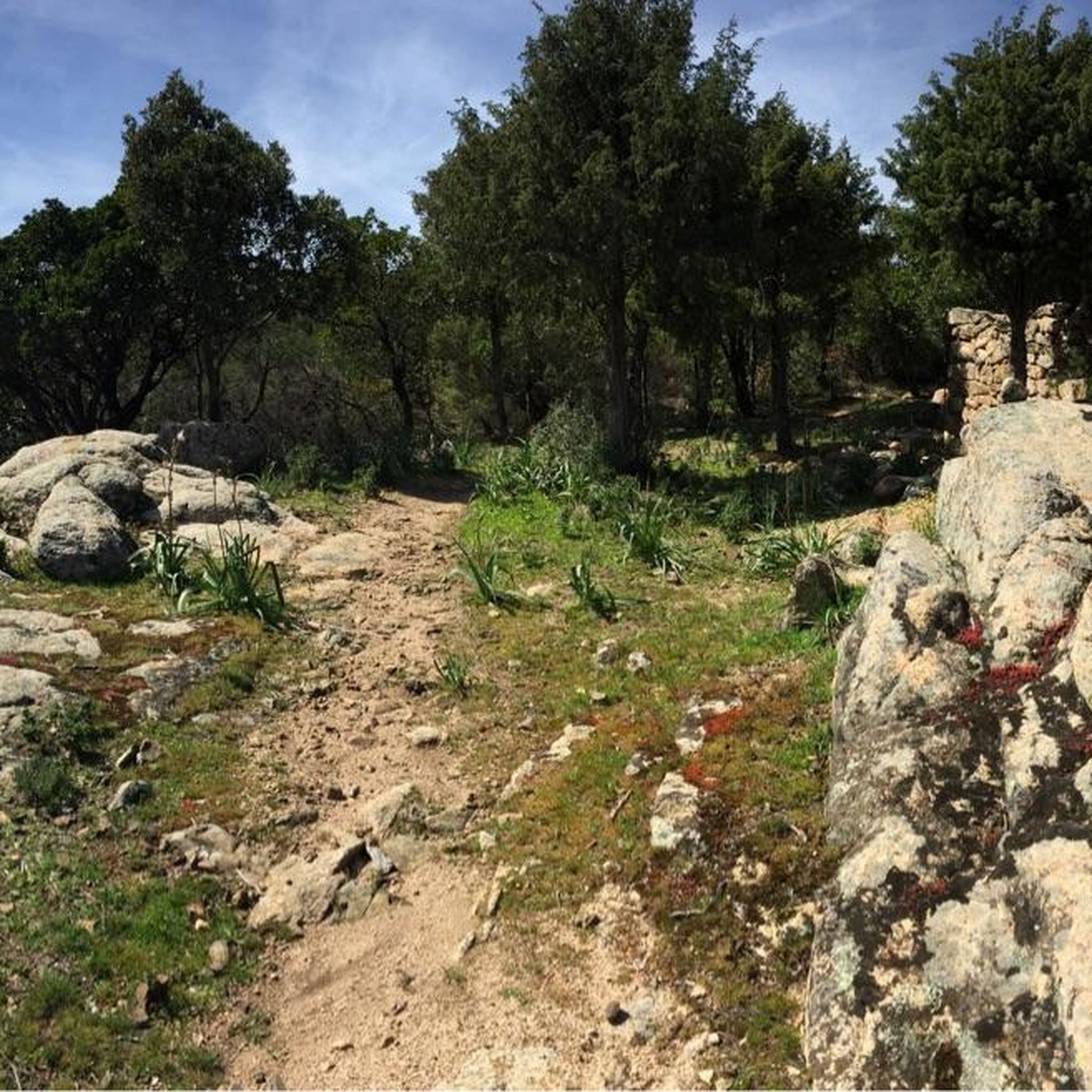
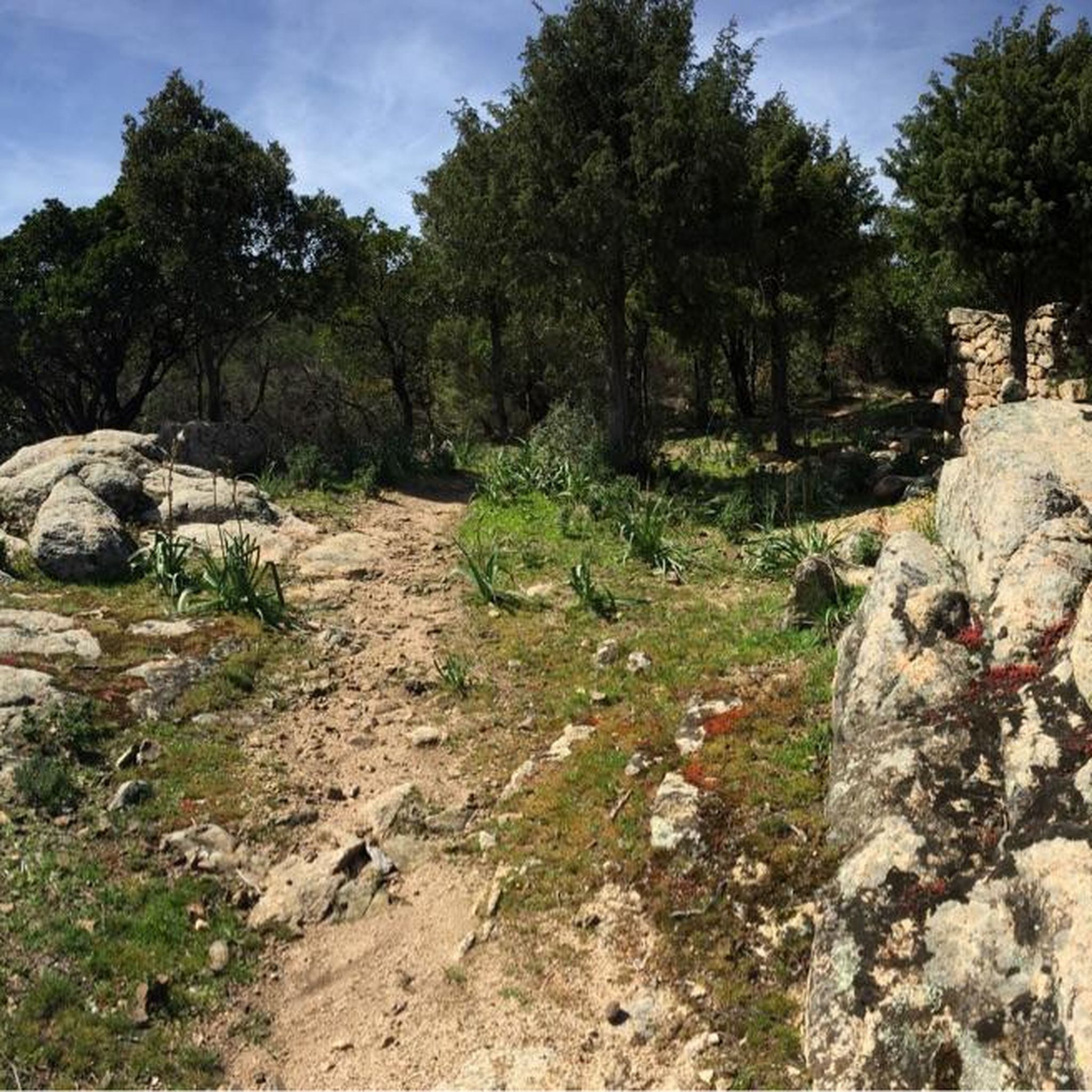
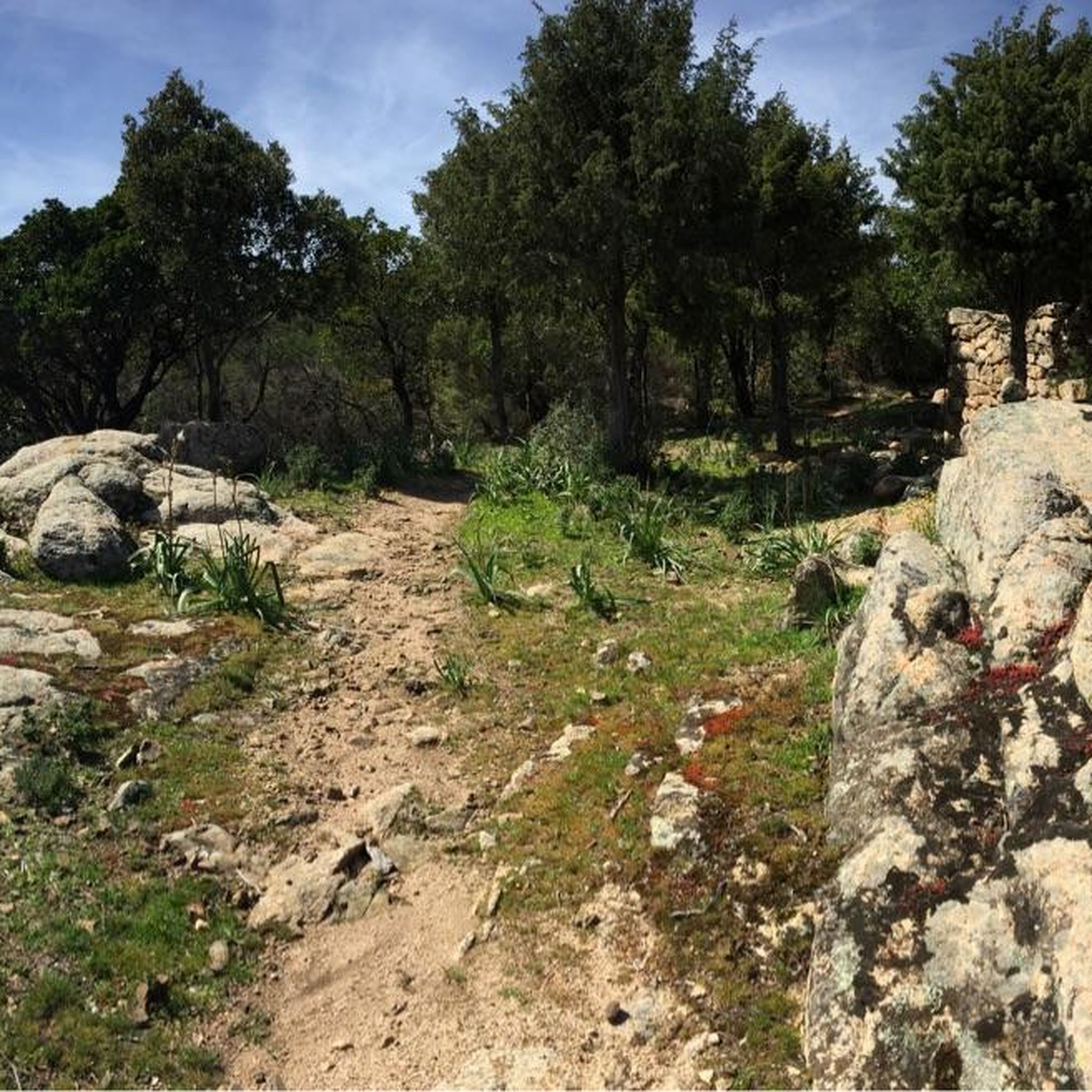
Ascent to the Hiking Trail
Highlight • Trail
Translated by Google •
Tip by

Sign up for free to discover even more attractions around Padru.
Already have an account?
Start today with a free account
Your next adventure awaits.

Tips from the Community

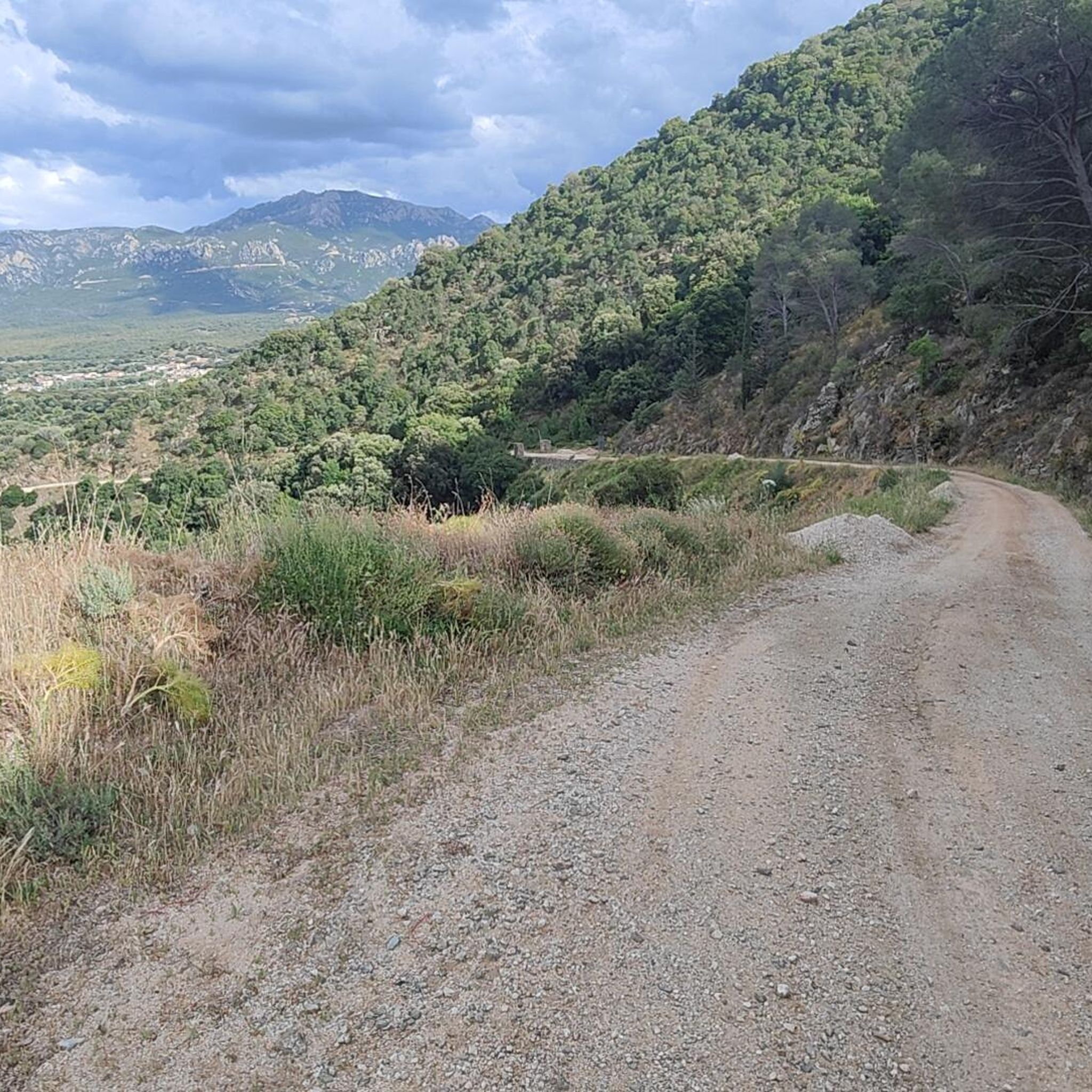
We couldn't start the hike at the parking lot as planned. About 3 km before the parking lot, there's now a barrier. Entry is only for vehicles with a special permit. There isn't really a parking space at the specified location. There might be room for two cars. However, it's possible that parking is no longer possible there. Parking was available about 4 km before the parking lot, near the highway underpass. So instead of 6.7 km, it was just over 14 km. The circular trail at the top was challenging, but very beautiful.
1
0

The short climb is worth it - you have a great view of the surrounding area and over Olbia.
0
0

The beach is beautiful, but at the end of April and the end of October it is completely crowded compared to other beautiful beaches.
0
0

Please be careful when descending, as it is easy to slip on the loose rubble!
0
0
Hike through beautiful nature. Unfortunately, the GPS often breaks down. The path is still easy to see. But the round trip is much longer than it is recorded. Depending on your pace, it takes 3.5 to 4 hours. The path is very rocky in places and can only be mastered with a few climbing sections. Good shoes and poles are recommended. Avoid it when it's wet! Great view of the coastal landscape, the pools of water also have their charm. The descent to the waterfall is tough. A worthwhile hike! The journey by car to the parking lot is doable, but it is a challenge. Lots of potholes and stones, only a few parts are concrete. There is a shuttle from the base station, but only early in the morning and in the afternoon.
7
3
It is a medieval fortress, built of local stone in the mid-13th century, during the Visconti period of the Judicato of Gallura, and subsequently used by the Pisans to withstand the attack of the Aragonese. Until 1296, Nino Visconti was judge of Gallura (he was also the last), who used it for military purposes. His daughter Giovanna, who was unable to succeed him, took over his real estate assets, including this castle. The fortress's main role was to defend Civita and the borders with the Judicate of Torres. Originally the castle was equipped with four towers and was characterized by two squares, an upper and a lower one, surrounded by polygonal walls, accessible by stairs made of large granite blocks. In the upper square two ruined rooms are still visible, one of them with a groin vault, a cistern to collect rainwater and the keep, originally divided into four floors and allowing control of the area up to the Gulf of Olbia. Access to the tower was about 6 meters high and was via extendable wooden ladders. In 1339 the castle was entrusted to the Hospitallers of Saint John of Jerusalem. From the second half of the 14th century it was occupied by the Aragonese and then by the Judicate of Arborea. At the beginning of the 15th century there was a final abandonment, which was accompanied by the decline and depopulation of Civita (later Terranova Pausania). Most of the damage the fortress has suffered is due to neglect and neglect over the past few decades, but some is also due to the bombing of the last war. In the years following the conflict, it was also used as a functional structure for the administration of the nearby Olbia-Venafiorita airport. Source: https://it.wikipedia.org/wiki/Castello_di_Pedres
1
0

Lu Impostu is located between the Aldia tip, to the south, and the Cappeciolio tip, to the north. It is separated from Brandinchi beach only by a thin wooded promontory and is very similar to the latter, with its crystal clear waters and white sands. To access the beach, there is a large car park, and after a short descent, it is necessary to cross a small ford in the pond behind. Also known as Brandinchi port, Lu Impostu beach was, at least until the 18th century, the place of hidden commercial activities with the hinterland; the name itself, translated from the Gallura dialect, means "place where things are piled up".
3
0

The footpath to the waterfall goes down at La Padula. Here at this point the canyoning tours rappel down.
3
3
Frequently Asked Questions
What natural attractions can I explore around Padru?
Padru is rich in natural beauty. You can visit the Rio Pitrisconi Natural Pools and Waterfalls, where the river's erosion has created a gorge with natural pools and a spectacular waterfall. The area also features granite mountains, dense woods like the Forests of Sa Pianedda and S'Ozzastreddu, and numerous panoramic viewpoints offering stunning vistas of the San Teodoro coast and the Tavolara marine protected area.
Are there any historical sites or castles near Padru?
Yes, the region around Padru has several historical sites. You can explore the remains of the Roman building and necropolis at the Complex of Santu Miali. Additionally, the medieval Pedres Castle, built of local stone in the mid-13th century, is a significant historical site that played a role in defending Civita (modern-day Olbia). Further afield, you can find the ancient Castello di Sa Paulazza Diroccato on Monte in Telti, considered one of Italy's oldest castles.
Which beaches are easily accessible from Padru?
Padru offers access to several beautiful coastal beaches. La Cinta Beach and the San Teodoro Lagoon stretches for about 3.5 km, offering a long sandy beach and a lagoon. Another popular choice is Lu Impostu Beach, known for its crystal clear waters and white sands, similar to the nearby Brandinchi Beach.
What kind of outdoor activities can I do near Padru's attractions?
The diverse landscape around Padru is perfect for various outdoor activities. You can enjoy trekking and hiking through granite mountains and dense woods. For cycling enthusiasts, there are numerous road cycling routes and gravel biking trails. Running is also popular, with several running trails available, some offering views of the lagoon and Tavolara.
Are there family-friendly attractions around Padru?
Yes, several attractions around Padru are suitable for families. Beaches like La Cinta Beach and the San Teodoro Lagoon and Lu Impostu Beach are considered family-friendly, offering space even during busier times. Exploring the natural pools and waterfalls of Rio Pitrisconi can also be an exciting adventure for older children, though some sections may be challenging.
What is the best time of year to visit Padru for outdoor activities?
The region's Mediterranean climate makes spring and autumn ideal for outdoor activities. In autumn, the woods are particularly abundant with diverse mushrooms, and the weather is generally pleasant for trekking and biking. While summer offers warm temperatures perfect for beach activities, some hiking trails might be more challenging due to the heat.
Where can I find scenic viewpoints around Padru?
Padru is dotted with fascinating panoramic viewpoints. From the peak of Monte Nieddu, you can enjoy nearly a thousand-meter-high views of the San Teodoro coast and the Tavolara marine protected area. Many natural paths through the woods also lead to scenic spots, some with designated rest and picnic areas.
What makes the Rio Pitrisconi Natural Pools and Waterfalls a unique experience?
The Rio Pitrisconi Natural Pools and Waterfalls offer a unique experience due to the river's continuous flow, which is rare for Sardinian streams. The patient erosion of water on granite has created a series of natural pools and a spectacular multi-tiered waterfall nestled within a picturesque forest of holm oaks, junipers, and oaks. It's a refreshing spot for nature lovers, though some parts of the descent can be challenging.
Are there any less crowded natural spots or walks near Padru?
While popular beaches can get busy, exploring the extensive holly oak and cork oak woods, such as those in Sa Pianedda and S'Ozzastreddu, can offer a more tranquil experience. These forests are home to various wildlife and provide numerous natural paths. Additionally, the Oasis of Tepilora, bordering Padru, offers a splendid park with unique stone and mud houses built into white quartz rocks, providing a serene environment.
What are some notable towns or areas to visit near Padru?
Beyond Padru, several interesting towns and areas are within a short drive. Olbia, approximately 15 kilometers north, is a larger town with its own attractions, including the National Archaeological Museum. San Teodoro, about 17.5 km away, is known for its popular beaches like La Cinta and Lu Impostu. You can also visit the evocative district of Pedrabianca, noted for its traditional houses made of stone and mud.
What kind of terrain can I expect when hiking near Padru?
Hiking near Padru often involves varied terrain, characterized by granite mountains and dense woods. Trails can range from moderate to challenging, with some featuring steep ascents, especially when heading towards viewpoints or waterfalls like those at Rio Pitrisconi. Many paths wind through Mediterranean scrub and forests, offering a mix of shaded and open areas.
What do visitors particularly enjoy about the beaches near Padru?
Visitors frequently praise the beaches near Padru for their crystal clear waters and white sands. For instance, Lu Impostu Beach is highlighted for its incredibly blue sea and the great views of the mountains with a salt lake in the background. La Cinta Beach is appreciated for its length, providing ample space even during peak season, and the presence of the San Teodoro Lagoon.
Most popular attractions around Padru

Get inspired with the komoot mobile app


Explore more
Still not found the Highlight you’re looking for? See guides of the top attractions in other regions:
