The best road cycling routes around Stamsried
4.4
(237)
3,192
riders
311
rides
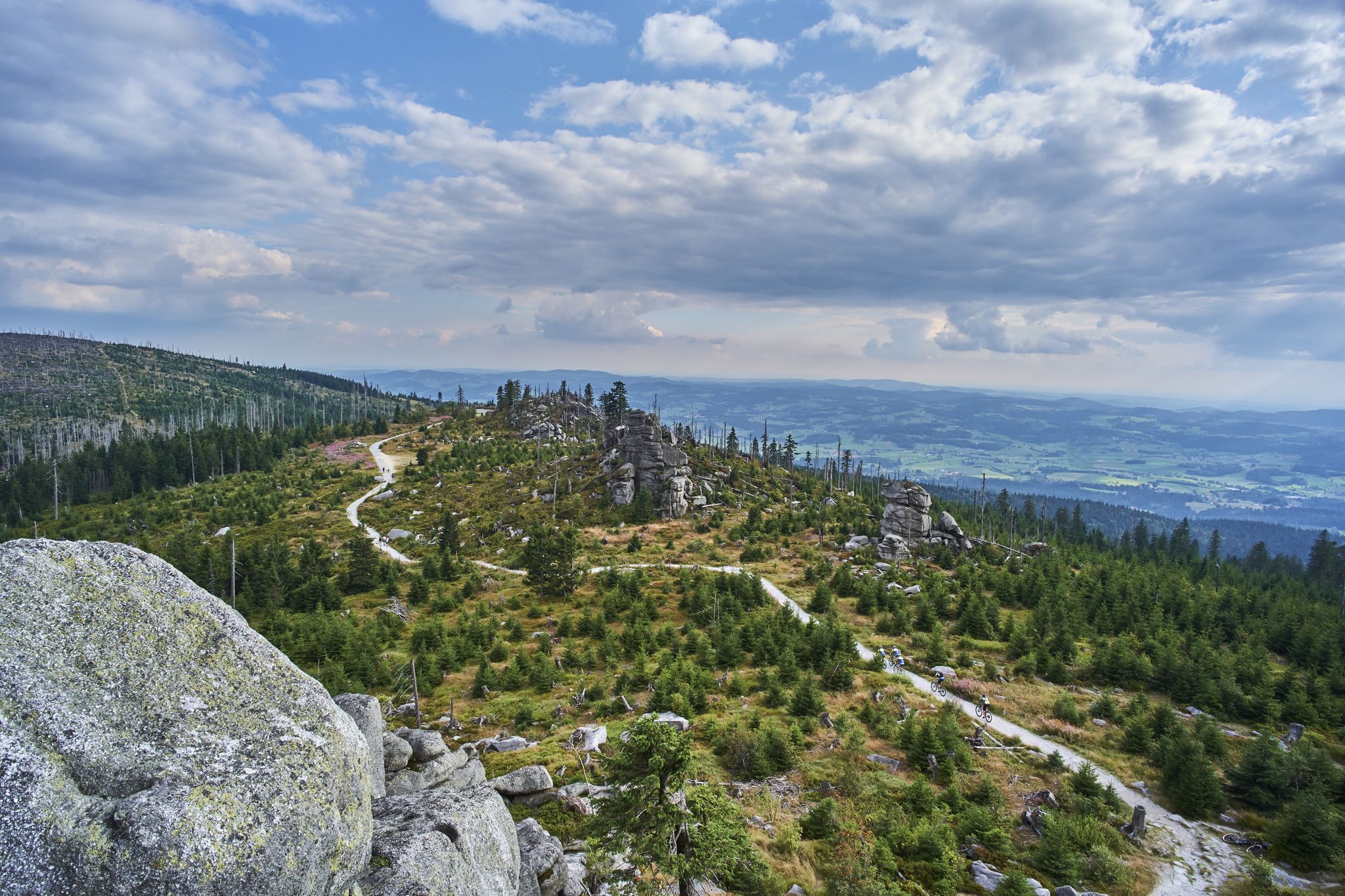
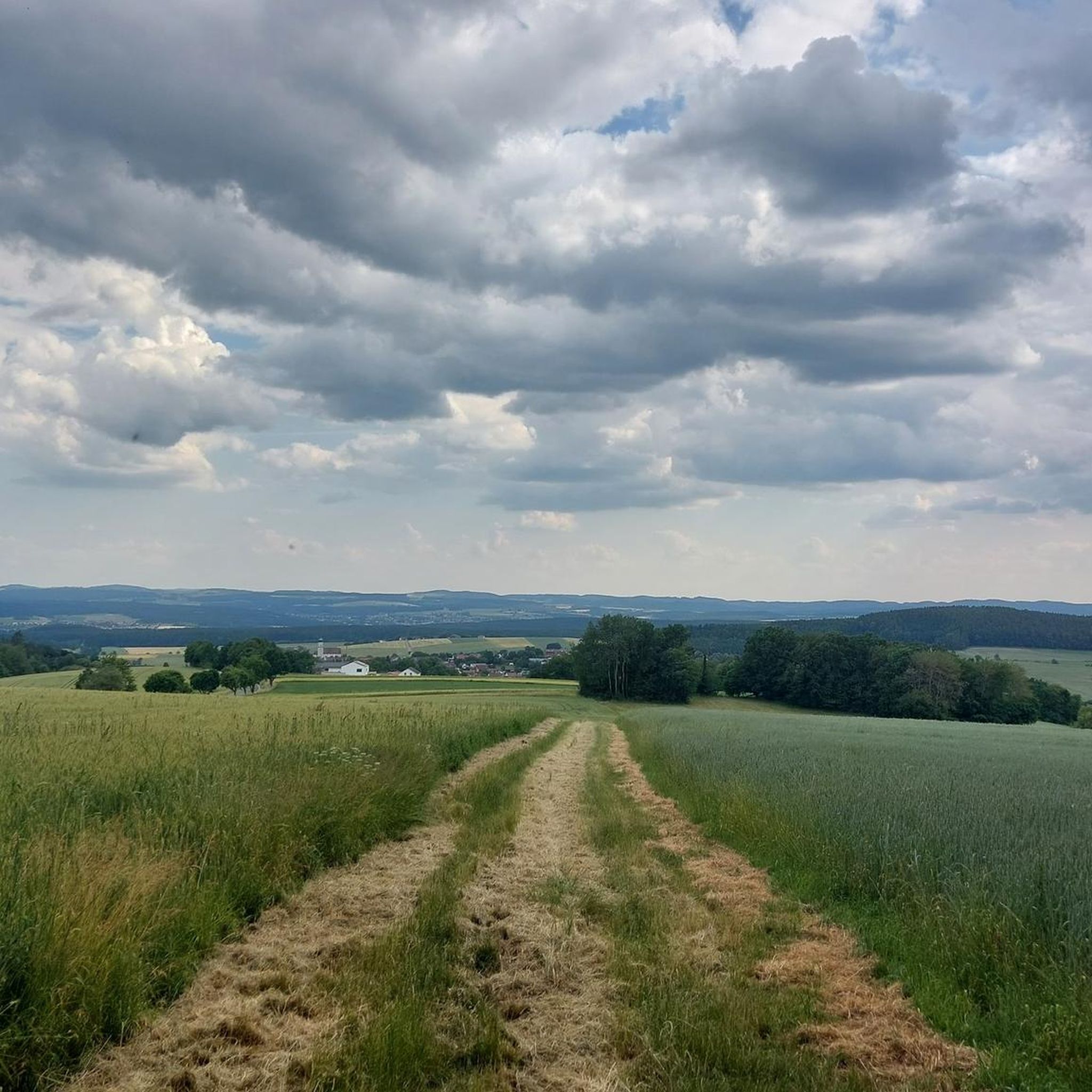
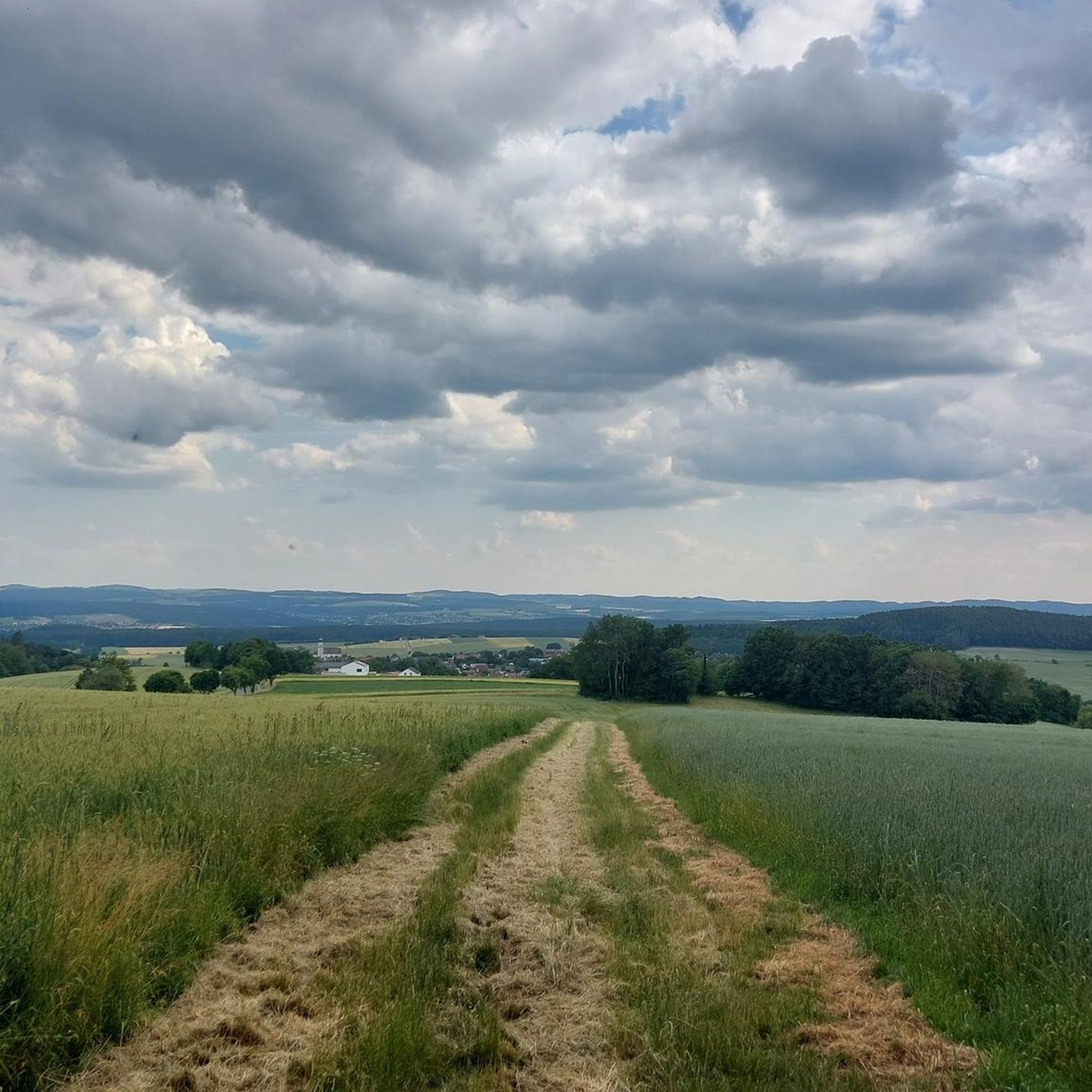
Road cycling around Stamsried, located in the Upper Palatinate at the edge of the Bavarian Forest, presents diverse landscapes for cyclists. The terrain is characterized by rolling hills and scenic valleys, offering varied elevation profiles for road bike routes. Many paths are predominantly on paved surfaces, making them suitable for road cycling. The region also features the Regen River, providing opportunities for routes along its valley.
Best road cycling routes around Stamsried
- The most popular road cycling route is Biertor,…
Last updated: July 7, 2026
4.3
(4)
40
riders
36.5km
01:36
170m
170m
Easy road ride. Great for any fitness level. Mostly well-paved surfaces and easy to ride.
21
riders
48.3km
02:20
350m
350m
Moderate road ride. Good fitness required. Mostly well-paved surfaces and easy to ride.

Sign up for free
8
riders
Moderate road ride. Good fitness required. Some segments of this route may be unpaved and difficult to ride.
10
riders
42.6km
02:05
520m
520m
Moderate road ride. Good fitness required. Some segments of this route may be unpaved and difficult to ride.
7
riders
18.1km
00:55
220m
220m
Easy road ride. Great for any fitness level. Mostly well-paved surfaces and easy to ride.
Get access to more routes and recommendations from other explorers.
Sign up for free
Already have an account?
Our route recommendations are based on thousands of hikes, rides, and runs completed by other people on komoot.
Start today with a free account
Your next adventure awaits.
Login or Signup

Other adventures around Stamsried

Tips from the Community

St. Martin's Parish Church The history of the parish dates back to the Middle Ages. The first record of such a church is from 1297, but a church certainly existed in Untertraubenbach around the year 1000. This former parish church was destroyed in the Thirty Years' War and subsequently rebuilt on the site of the also-destroyed castle. According to the date inscribed on the west gate, this was in 1719. On Maundy Thursday in 1813, a fire broke out, destroying most of the central and outer parts of the village, including the parish church. Reconstruction began just one year later. Until the 20th century, St. Martin's Parish experienced the turbulent events of history, even suffering the effects of World War II. Renovations were necessary time and again, the most recent taking place in 2002/2003. In 2009, the bell tower was expanded to include two additional bells. Upon entering the church, one is struck by its deliberate simplicity. A simple nave with an adjoining chancel is only enlivened by wall piers, giving the interior an almost medieval character. A barrel vault spans the entire nave. At the center of the chancel stands the high altar, framed by two altar guardians, St. Florian and St. Sebastian. This is a neo-Baroque work from around 1900. At the center is a festively framed painting of Mary, which was brought to Untertraubenbach from the pilgrimage chapel of Streicherröhren in 1718, as it was no longer considered safe there. It is a beautiful copy of the Passau Maria-Hilf painting, which is based on the original by Lucas Cranach. The patron saint of the church, St. Martin, is depicted in the altarpiece. On both sides of the sanctuary are beautifully carved choir stalls, adorned with charming ornamental carvings. Inside the nave, the wooden pulpit is a striking feature. It is a simple piece of woodwork depicting the four Evangelists and the Good Shepherd. The stained-glass windows show St. Michael and John the Baptist on the left and St. Barbara and Thérèse of Lisieux on the right. Source: Excerpts from the church guide for St. Martin's Parish Church in Untertraubenbach
3
0
Wetterfeld Castle Ruins As early as 1118, Gottfried von Wetterfeld appears as an influential ministerialis (unfree knight) of the Diepoldings, the powerful Margraves of Cham and Vohburg. He seems to have maintained good relations with many monasteries, especially Reichenbach Abbey—no wonder, since Abbot Reginboto was his brother. Numerous donations to various monasteries by Gottfried are documented, a widespread practice among knights to secure their salvation. In a donation from 1155, Heinrich is even mentioned as an imperial ministerialis, which demonstrates the family's rapid political rise. In 1179, Karl and Heinrich "de Weterinfeld" appear, after which the family disappears from the historical record. It is not until 1268 that we hear of a Deinhardus, who is now subject to the Bavarian dukes; perhaps they lost their independence with the inheritance of the Hohenstaufen dynasty. From 1283 onward, the Wittelsbachs sent judges to Wetterfeld. Ducal ministeriales from the surrounding area succeeded in office: Hauzendorfer, Katzdorfer, Zenger, and others. In 1322, it was pledged to the Chamerau family. In 1329, Wetterfeld came under the control of the Palatine line of the Wittelsbachs, who also appointed judges. In 1410, it passed to the sub-principality of Neumarkt-Neunburg, with the Degenberger, Nothaft, and Zenger families, among others, serving as administrators. During the Hussite raids of 1428 and 1433, the castle was destroyed and subsequently rebuilt. A unique feature of Wetterfeld is the four "castle guards"—four legally independent building complexes within the castle, which were granted separately—making the ownership situation quite complex. In 1621, during the Thirty Years' War, the Upper Palatinate, including Wetterfeld, came under the rule of Duke Maximilian of Bavaria. Later in the war, Wetterfeld was destroyed twice by the Swedes and subsequently rebuilt. But the castle and its buildings continued to deteriorate, and the administrators increasingly relocated their offices outside the castle. In 1812, the administrative office was moved to Roding, the castle grounds were subdivided, and private houses were built over. Wetterfeld is a moated castle—a branch of the Regen River bordered the complex to the northeast. The still clearly visible, deep, walled moat could be filled with sluice gates in case of attack. Essentially, only the large gate tower, built of rubble stone with corner quoins, remains. Its upper, habitable floors make it a variation of the late medieval residential tower. Source: www.burgenseite.de
1
0

It is the only one of the original four city gates still standing. It was originally called the Castle Gate, as the Cham Castle stood on the site of the adjacent old building. However, after it lost its former function, an electoral brewery for wheat beer was established here in 1642. Thus, the Castle Gate became popularly known as the "Beer Gate." Its squat shape with its massive round towers and covered pointed arch is reflected in the coat of arms of the city of Cham as a landmark.
5
0

A little tip: always take some small change with you, so you can buy some deer feed whenever you're out and about.
0
0

Good water.
3
1

There is also a beautiful path underneath the castle
0
0

We only saw it from the outside. But it looked good 😃.
0
0
Great floodplain landscape with a beautiful, winding cycle path.
0
0
Frequently Asked Questions
How many road cycling routes are available around Stamsried?
Stamsried offers a wide selection of road cycling routes, with over 300 tours available. These routes cater to various skill levels, including 52 easy, 218 moderate, and 49 difficult options.
What kind of terrain can I expect on road cycling routes in Stamsried?
The terrain around Stamsried is characterized by rolling hills and scenic valleys, providing varied elevation profiles. Many routes are predominantly on paved surfaces, making them ideal for road cycling, and you'll find opportunities to cycle along the picturesque Regen River valley.
What is the best time of year for road cycling in Stamsried?
The best time for road cycling in Stamsried is generally from spring to late autumn. During these seasons, the weather is most favorable, and the Bavarian Forest, which borders Stamsried, offers vibrant colors, especially in autumn, enhancing the scenic experience.
Are there road cycling routes suitable for beginners in Stamsried?
Yes, Stamsried has several road cycling routes suitable for beginners. For instance, the Biertor, Cham loop from Stamsried is an easy 36.5 km (22.7 miles) route that offers a pleasant introduction to the local countryside.
Can I find challenging road cycling routes with significant elevation gain?
Absolutely. While Stamsried features rolling hills, there are routes that offer more significant elevation gain for experienced cyclists. For example, the Strahlfeld Monastery – Wetterfeld Castle Ruins loop from Enzenried is a moderate 42.6 km (26.5 miles) route with over 500 meters of ascent, providing a good challenge.
Are there circular road cycling routes in Stamsried?
Yes, many of the road cycling routes in Stamsried are designed as loops, allowing you to start and end in the same location. A popular example is the Strahlfeld Monastery loop from Stamsried, an easy 18 km (11.2 miles) route.
What natural features can I see along the road cycling routes?
Road cycling routes in Stamsried often traverse the beautiful Upper Palatinate region and the edge of the Bavarian Forest, offering views of dense woodlands and scenic valleys. You can also enjoy rides along the picturesque Regen River.
Are there any historical landmarks or viewpoints to visit on a road cycling tour?
Yes, the region is rich in historical sites and viewpoints. You can cycle past the impressive Kürnburg Castle Ruins, which offers fantastic views over the Regental valley from its observation tower. Another notable site is the Schwarzenburg Castle Ruins on Schwarzwihrberg, providing panoramic views of the surrounding landscape.
Where can I find parking for road cycling routes in Stamsried?
Stamsried, being a hub for outdoor activities, offers various parking options. Many routes, especially those starting directly from the town, will have designated parking areas. It's advisable to check the specific route details on komoot for recommended starting points and parking information.
Is public transport available for cyclists in Stamsried?
While Stamsried is well-connected, public transport options specifically for carrying bicycles may vary. It's recommended to check local bus or train schedules and their bicycle transport policies in advance, especially if you plan to combine cycling with public transit.
Are there cafes or places to stop for refreshments along the routes?
Yes, many road cycling routes in Stamsried pass through or near villages and towns where you can find cafes, restaurants, and pubs for refreshments. The historic town center of Stamsried itself offers options, and you might discover charming stops along routes like the Maria Hilf Monastery Church Cham – Biertor, Cham loop from Enzenried.
Are there family-friendly road cycling routes in Stamsried?
Stamsried offers several routes suitable for families, particularly those looking for easier, paved paths. The region's gentle valleys and well-maintained roads provide a safe and enjoyable environment for family cycling. Look for routes marked as 'easy' on komoot for the most suitable options.
What do other road cyclists enjoy the most about road cycling in Stamsried?
The road cycling experience in Stamsried is highly rated by the komoot community, with an average score of 4.5 stars from over 190 reviews. Cyclists often praise the diverse landscapes, the variety of routes for all skill levels, and the scenic beauty of the Upper Palatinate and Bavarian Forest regions.
Most popular attractions around Stamsried

Get inspired with the komoot mobile app


Explore more
Browse the best Road cycling routes in other regions.
