The best cycling routes around Stallwang
4.6
(733)
4,046
riders
24
rides
Touring cycling around Stallwang offers diverse routes within the scenic Bavarian Forest region, characterized by dense forests, rolling hills, and picturesque river valleys. The area features a low mountain range landscape with varied terrain, including sections along former railway lines and more challenging hilly climbs. Cyclists can explore extensive woodlands and small rivers, providing a natural backdrop for rides.
Best touring cycling routes around Stallwang
- The most popular touring cycling route is Falkenstein Castle – Falkenstein Castle loop from Stallwang…
Last updated: May 14, 2026
28
riders
76.5km
06:19
1,850m
1,850m
Hard bike ride. Very good fitness required. Mostly paved surfaces. Suitable for all skill levels.
4.8
(5)
9
riders
Moderate bike ride. Good fitness required. Mostly paved surfaces. Suitable for all skill levels.

Sign up for free
5.0
(2)
10
riders
17.0km
01:00
80m
80m
Easy bike ride. Great for any fitness level. Mostly paved surfaces. Suitable for all skill levels.
5.0
(3)
9
riders
27.2km
01:53
380m
380m
Moderate bike ride. Good fitness required. Mostly paved surfaces. Suitable for all skill levels.
4.0
(1)
5
riders
19.7km
01:21
330m
330m
Moderate bike ride. Good fitness required. Mostly paved surfaces. Suitable for all skill levels.
Get access to more routes and recommendations from other explorers.
Sign up for free
Already have an account?
Our route recommendations are based on thousands of hikes, rides, and runs completed by other people on komoot.
Start today with a free account
Your next adventure awaits.
Login or Signup
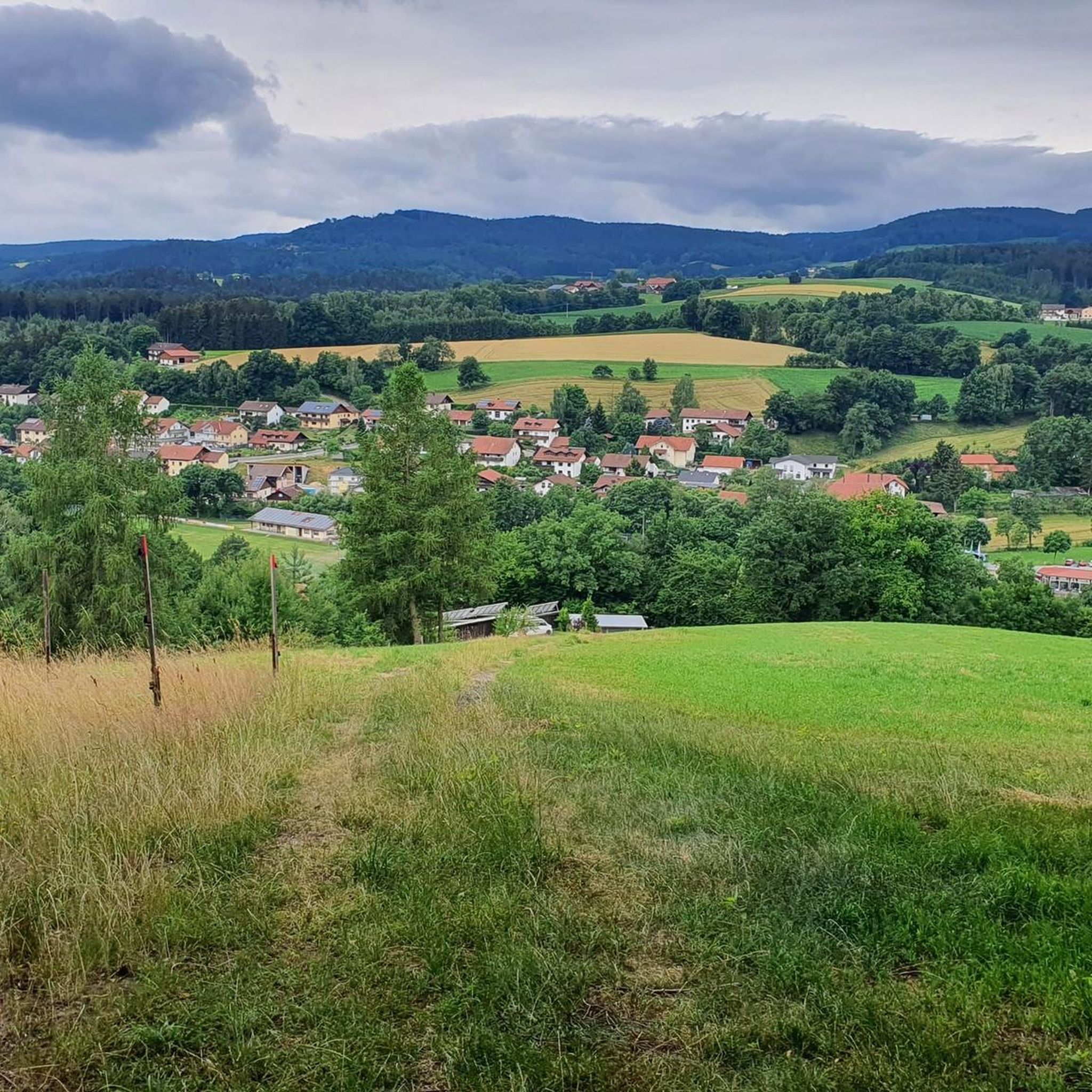
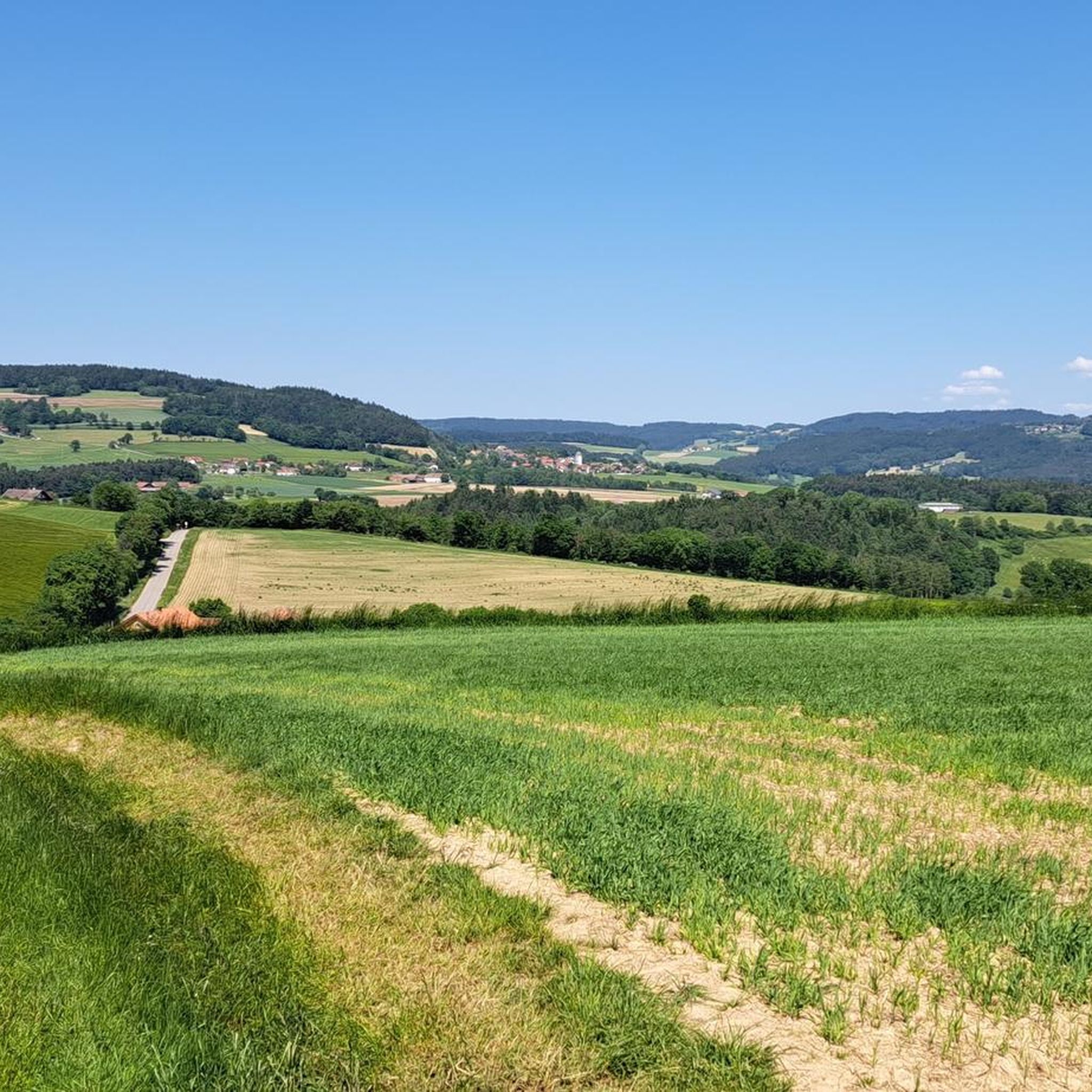
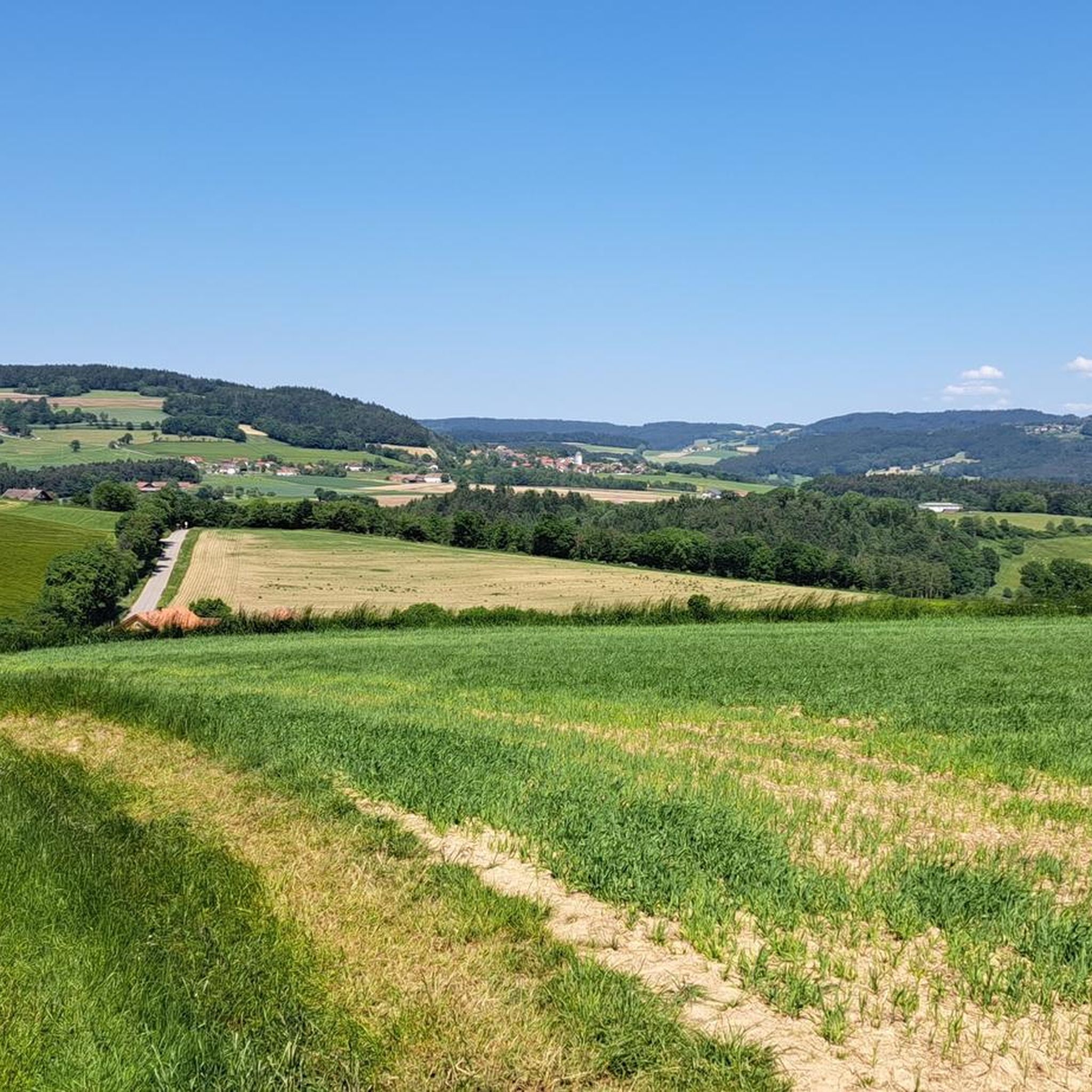
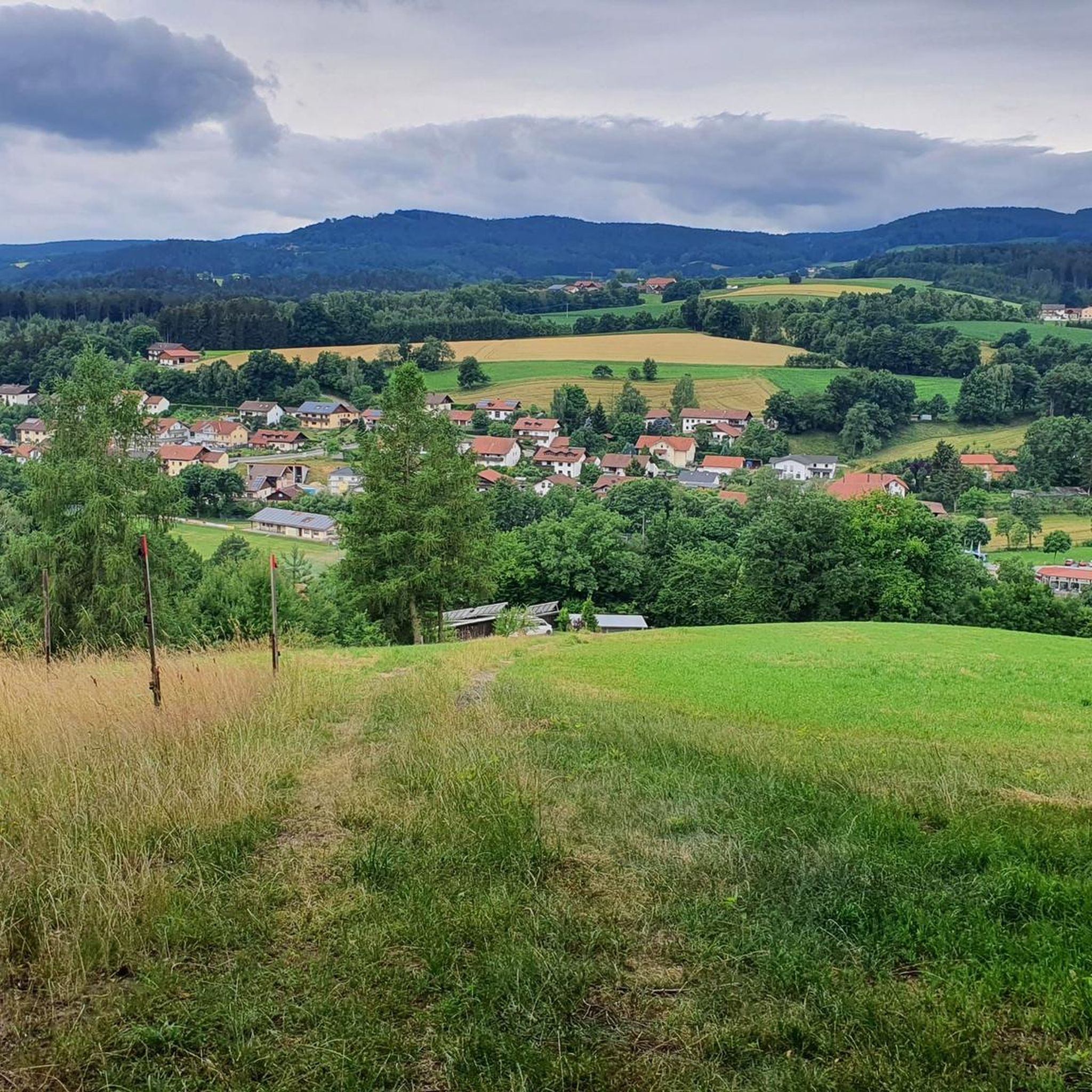

Tips from the Community

Beautiful view of the castle...
0
0

An old, beautifully preserved train station building.
0
0

Beautiful castle with access to castle tower costs a small amount but should be worth every penny
0
0

St. Joseph's Castle Chapel Built on medieval castle walls and dedicated to St. George as a castle chapel. In 1693 a new building was built in honor of the Holy Family, especially St. Joseph, with the founding of a St. Joseph's Brotherhood by Baroness Theresia von Weichs. Devastated by fire in 1807, the church was rebuilt with changes. In 1888, the tower and roof structure burned out again due to a lightning strike, and the tower was given a crenellated crown when the new building was built. In 1897, it was expanded to its current size with neo-baroque interior design. In 1967, the church was completely remodeled, with the ceiling and roof structure being renewed and the interior redesigned. From 1991 to 1993, it was renovated again, restoring the original condition and returning the late baroque altar and the figures of saints. The renovated church and the people's altar were consecrated on March 21. Source: information board
2
0
Falkenfels Castle Around 1100, the Counts of Bogen built the castle on the rock that slopes steeply on three sides. From 1232, the Knights of Hohenfels ruled the castle, and from 1400, the Falkensteiners of Falkenfels. In 1331, “Valkenfelss” is mentioned in a copy from the 15th century as a landed estate. In 1425, the castle came into the possession of the Frauenbergers and remained so until their extinction in 1480. The castle was plundered by the Hussites in 1425 and conquered by troops of Duke Albrecht IV in the Böckler War in 1468. The Frauenbergers were followed by the Paulsdorfers. In the Löwler War, the castle was besieged for a week in 1492 and burned down after the capitulation on June 8, 1492, but was then rebuilt by Hans von Paulsdorf. In 1525, the property passed to the Seyboltstorffer family through marriage. From 1607 to 1796, the noble family of Barons von Weichs owned Falkenfels Castle. In the Thirty Years' War, the castle was set on fire by the Swedes in 1641, but was then rebuilt. On April 15, 1796, Josef Maria von Weichs sold Falkenfels and the associated manorial estates to Baron Gabriel von Buchstetten for 320,000 guilders. In 1807, the castle was again burned down, but was rebuilt. After the end of the Falkenfels manorial estate, the castle economy was destroyed in 1820. In 1821, the Lang family acquired the castle and set up a brewery here, which lasted until 1934. In 1925, a fire destroyed large parts of the complex, after which it was only partially rebuilt. From 1919 to 1950, the castle belonged to the Schimmelmann family. On May 8, 1951, the furniture manufacturer Franz Xaver Baier from Straubing bought the castle and converted it into a hotel with a restaurant. The castle was also increasingly used as a conference and congress building. Since 2001, the castle has belonged to the publisher Udo Sieber. Falkenfels Castle was originally surrounded by two terraced ring walls, one above the other. Today, the fortifications are only preserved on the north side. Approximately in the middle of the east side is the keep from the 13th century, the battlements are from a later period. The baroque castle chapel of St. Joseph was built in the 17th century on medieval foundations. It contains gravestones of Falkenfels castle lords. The outer areas of Falkenfels Castle are freely accessible, otherwise it serves as a castle hotel and restaurant. Source: Excerpts from www.wikipedia.de
3
0
Nice place to enjoy the view
0
0
Very beautiful castle with great views
0
0

Friendly service. Reasonably priced, tasty and large portions with plenty of choice at my stop today.
1
0
Frequently Asked Questions
How many touring cycling routes are available around Stallwang?
There are over 25 touring cycling routes around Stallwang, offering a variety of options for different skill levels and preferences. These routes explore the scenic Bavarian Forest region, characterized by dense forests, rolling hills, and picturesque river valleys.
What kind of terrain can I expect on touring cycling routes in Stallwang?
The terrain around Stallwang is diverse, ranging from relatively flat sections along former railway lines to more challenging hilly climbs through forested areas. You'll encounter a mix of surfaces, including paved roads, gravel paths, and unpaved tracks, providing a varied riding experience.
When is the best time of year for touring cycling in Stallwang?
Spring and autumn are generally considered the best seasons for touring cycling in Stallwang. During these times, the temperatures are mild, the flora and fauna are vibrant, and the changing leaves create an enchanting atmosphere, enhancing the natural beauty of the Bavarian Forest.
Are there easy touring cycling routes suitable for beginners in Stallwang?
Yes, Stallwang offers easy touring cycling routes suitable for beginners. For instance, the Bike loop from Stallwang is an easy 17 km route with minimal elevation gain, perfect for a relaxed ride.
Are there challenging routes for experienced touring cyclists in Stallwang?
Absolutely. Experienced touring cyclists will find several challenging routes. The Falkenstein Castle – Falkenstein Castle loop from Stallwang is a difficult 76.5 km trail featuring significant elevation gain through forested hills, offering a rewarding challenge.
Are there any circular touring cycling routes around Stallwang?
Many of the touring cycling routes around Stallwang are designed as loops, allowing you to start and finish in the same location. An example is the moderate Preiss-Weiher loop from Stallwang, which is 26.5 km long and leads through forested areas and past water features.
What natural features or landmarks can I see along the touring cycling routes?
As you cycle around Stallwang, you can explore various natural features and landmarks. Highlights include the Käsplatte Summit and the Devil's Rock. The region is also known for its extensive woodlands and serene river valleys, providing a sense of immersion in nature.
Are there any castles or historical sites accessible by bike?
Yes, the area around Stallwang is rich in historical sites. You can cycle to impressive castles such as Falkenfels Castle or the Falkenstein – Castle Park, Ruins, and Knight’s Feast. The 12th-century Oberalteich monastery is also a notable cultural highlight that can be incorporated into a tour.
What do other touring cyclists enjoy most about cycling in Stallwang?
The touring cycling routes in Stallwang are highly rated by the komoot community, with an average score of 4.7 stars from over 200 reviews. Cyclists often praise the diverse landscape, the mix of challenging and easy routes, and the opportunity to explore the natural beauty of the Bavarian Forest.
Are there any routes that offer panoramic views?
For breathtaking panoramic views, consider routes that ascend to higher elevations. While not a specific route, the Neukirchen Castle – View of Pilgramsberg loop from Stallwang offers views of the surrounding landscape and includes varied terrain, providing rewarding vistas of the Bavarian Forest.
Can I bring my dog on touring cycling routes in Stallwang?
Many outdoor trails in the Bavarian Forest are dog-friendly, provided your dog is well-behaved and kept on a leash, especially in nature protection areas or near wildlife. Always ensure you carry water for your dog and clean up after them. Specific route restrictions may apply, so check local signage.
Are there family-friendly touring cycling options in Stallwang?
Yes, the region offers routes suitable for families. Sections of former railway lines provide relatively flat and easy-to-navigate paths, ideal for family outings. These routes allow for a relaxed pace, letting everyone enjoy the scenic countryside without excessive difficulty.
What are the options for parking when accessing touring cycling routes?
Stallwang and the surrounding villages typically offer various parking options, often near trailheads or in village centers. Look for designated parking areas that cater to visitors exploring the outdoor activities in the Bavarian Forest. Specific parking availability can vary by starting point.
Most popular routes around Stallwang
Most popular attractions around Stallwang

Get inspired with the komoot mobile app


Explore more
Browse the best Cycling routes in other regions.
