Attractions and Places To See around Ùsini/Usini - Top 20
Attractions and places to see around Ùsini/Usini include a blend of historical, cultural, and natural sites in northwest Sardinia. This historic agricultural village is known for its wine production and ancient archaeological sites. The area features medieval architecture and rolling hills covered with vineyards and olive groves. Visitors can explore various landmarks and cultural sites reflecting its rich heritage.
Best attractions and places to see around Ùsini/Usini
- The most popular attractions is Cathedral of St. Nicholas, Sassari, a religious…
Last updated: October 9, 2026
Cathedral of St. Nicholas, Sassari
Highlight • Religious Site
Translated by Google •
Tip by

Piazza d'Italia, Sassari
Highlight • Monument
Tip by

Sign up now to discover places like this
Get recommendations on the best single tracks, peaks, & plenty of other exciting outdoor places.
Ducal Palace of Sassari
Highlight • Historical Site
The building was built …
Translated by Google •
Tip by
Sassari: historic center
Highlight • Historical Site
Tip by
Rosello Fountain
Highlight • Monument
Showing Translation
Tip by

Sign up for free to discover even more attractions around Ùsini/Usini.
Already have an account?
Start today with a free account
Your next adventure awaits.

Tips from the Community

The Fontana di Rosello is the most emblematic monument of Sassari and one of the historical symbols of Sardinia. Built between 1603 and 1606 by Genoese masters in the late Renaissance style, it stands on an ancient spring used since Roman times to supply water to the city and the nearby port of Turris Libisonis (modern-day Porto Torres). Its most striking feature is the twelve mouths from which water gushes, representing the months of the year, and the four allegorical statues of the seasons, symbolizing the incessant passage of time. For centuries it was the main water supply point for the inhabitants of Sassari and today it is one of the most photographed and representative monuments of the city.
5
0

Piazza d'Italia is the monumental heart of Sassari and one of the most representative squares in Sardinia. Surrounded by elegant historic buildings and the Palazzo della Provincia, it offers a large pedestrian area ideal for a break during a bike ride.
1
0

Very impressive from the outside. I didn't go inside because they charged a €3 entrance fee (September 2025).
0
0

Sassari is the second largest city in Sardinia. It was founded by the Phoenicians and has experienced various cultural influences over the centuries. This is reflected in the architecture and cultural heritage of the city. It is definitely worth a visit.
0
0

Marble fountain house, built during the Renaissance. The water bubbles from eight lion and four dolphin heads.
3
0

It is the lounge square in the center of Sassari, large, elegant, bright, overlooked by important buildings such as the majestic Palazzo della Provincia and, opposite, the "Intesa San Paolo" bank in neo-Gothic style; in the center stands a monument to Vittorio Emanuele II, until recently surrounded by 4 palm trees. It is accessed by descending from the beautiful Via Roma, shaded by citrus trees, while continuing downhill on the opposite side, through a short arcaded street, you enter the adjacent Piazza Castello. Piazza d'Italia is a favorite destination for shopping, family walks and some local events.
4
0

The Palazzo Ducale was built between 1775 and 1804 by Don Antonio Manca, Marquis of Mores and Lord of Usini. From 1860 to 1878 it was the seat of the Prefecture first and then of the provincial administration, from 1878 it became the seat of the Municipality of Sassari which bought it in 1900.
1
0
The Rosello fountain is one of the symbols of the city of Sassari. It was built in 1295 and renovated in 1605 in the late Renaissance style.
1
0
Frequently Asked Questions
What ancient archaeological sites can I explore near Usini?
Usini is rich in ancient history. You can visit the pre-Nuragic necropolis of Domus de Janas of S'Elighe Entosu, also known as 'of the seven rooms', which shows habitation from the Late Neolithic period. Other significant burial sites include the Domus of Chercos, Tomestighes, and Sos Baddulesos. For Bronze Age evidence, explore the Nuraghe of Mount Unturzu and the Nuraghe 'e Filighe. Additionally, the area around Sassari features sites like The tomb of Molafà, a prehistoric archaeological site with a unique architectural facade.
What historical buildings and cultural sites are there within Usini village?
Within Usini village, the heart of its more recent development is Piazza Castello, dating from the 18th century. Surrounding it are historical dwellings like Casa Diaz and Casa Derosas, the latter being an early 20th-century mansion now housing ethnographic exhibits. The Parish Church of Santa Maria Bambina, built in late Baroque style, stands on the site of the former San Pietro church and contains notable artworks. You can also explore the ancient Usineddu and Corrau districts, where Roman and medieval artifacts have been found.
Are there any notable churches or religious sites in the Usini area?
Yes, besides the Parish Church of Santa Maria Bambina in Usini village, you can visit the Church of San Giorgio di Oliastreto, located eight kilometers away. This church was originally built in the 12th century and served as the parish church of a medieval village. Further afield, in Sassari, the impressive Cathedral of St. Nicholas is known for its imaginative Baroque facade and Gothic interior.
What kind of natural landscapes can I expect to see around Usini?
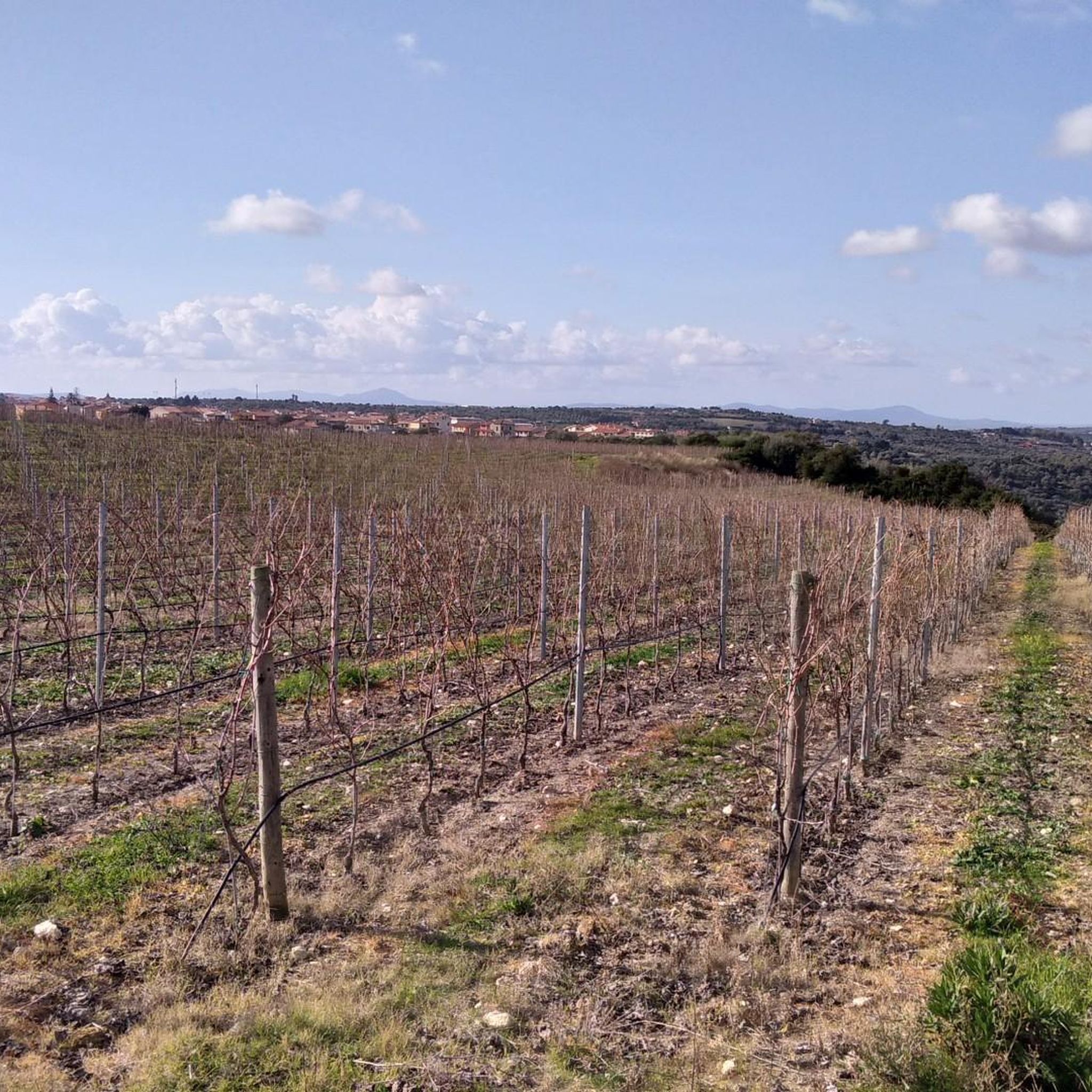
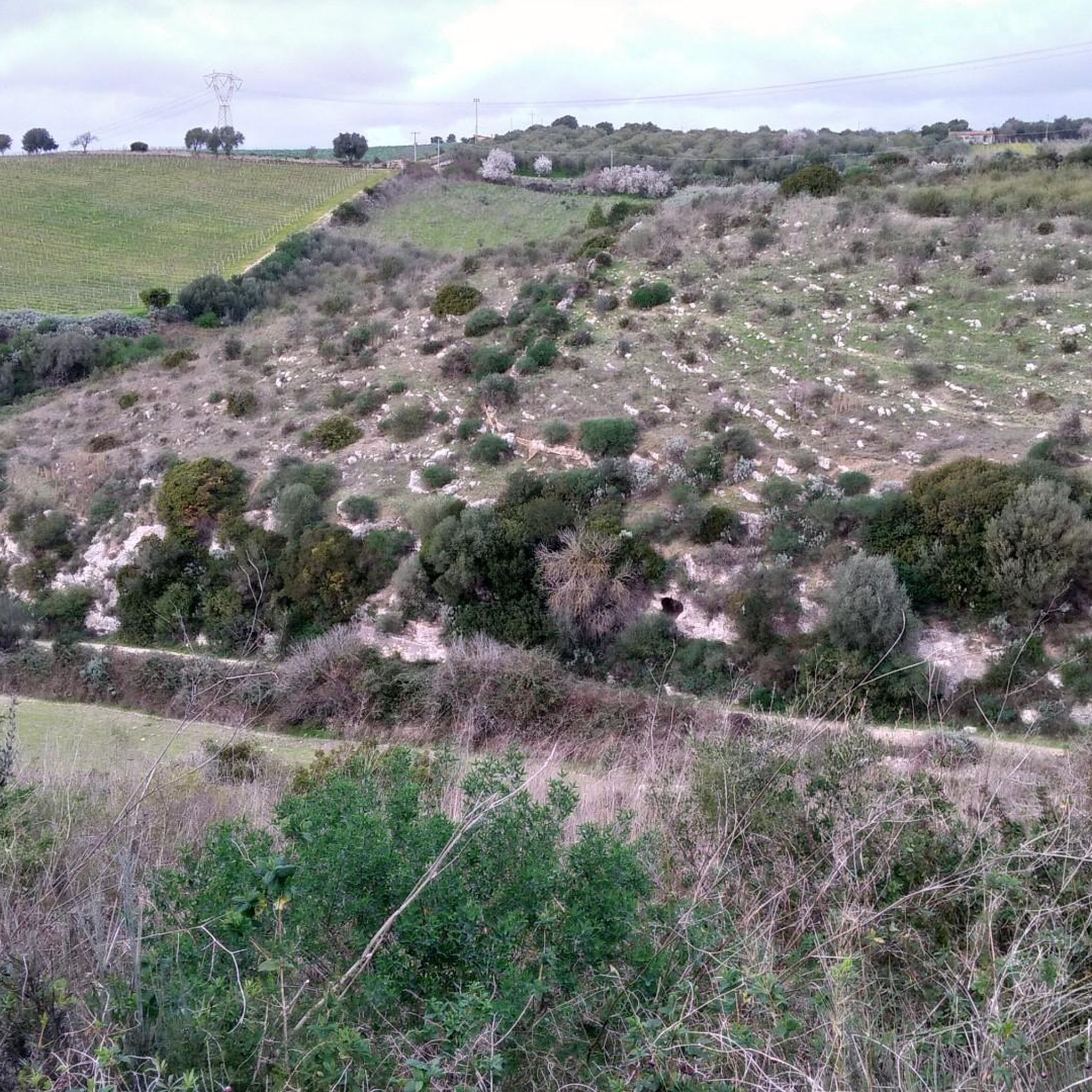
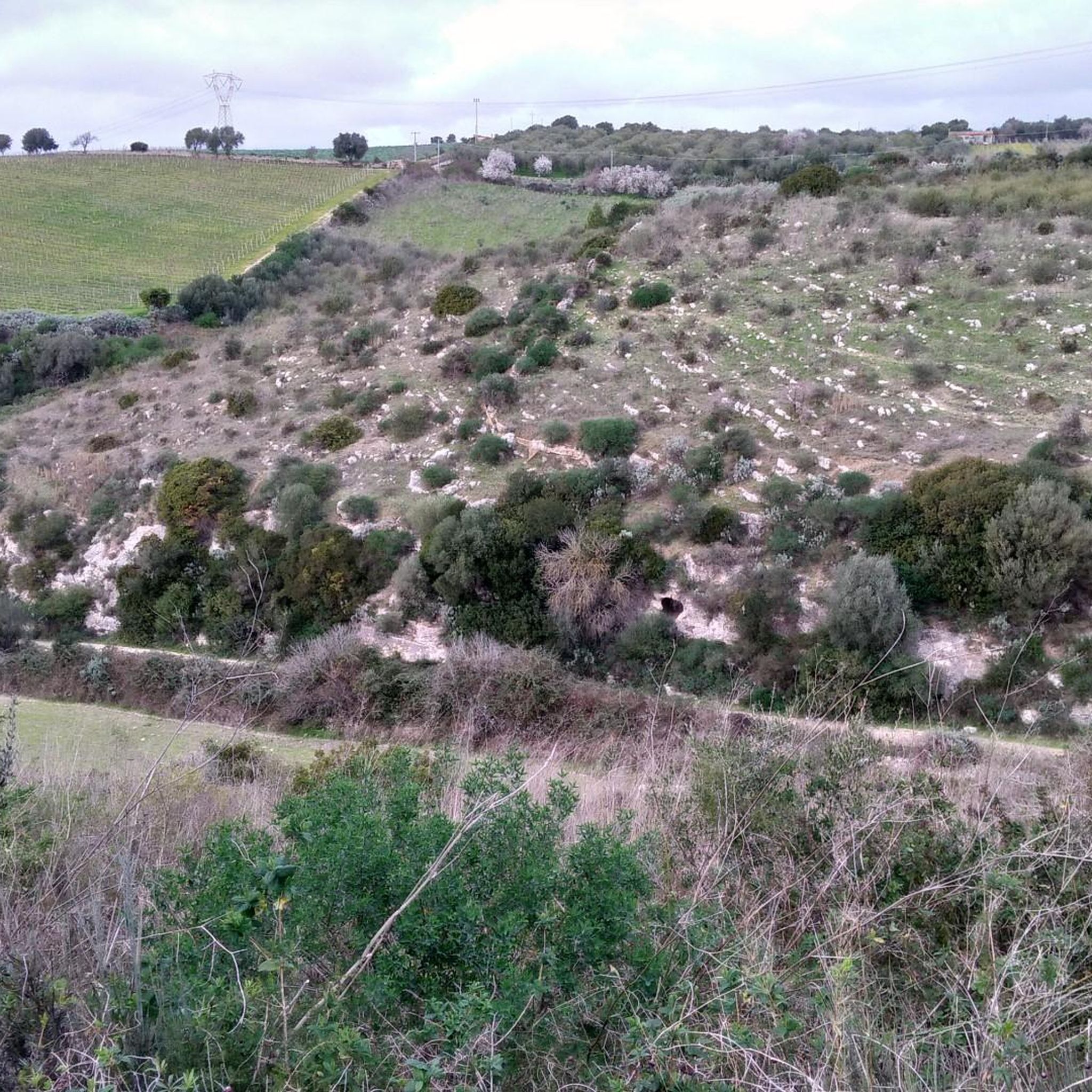
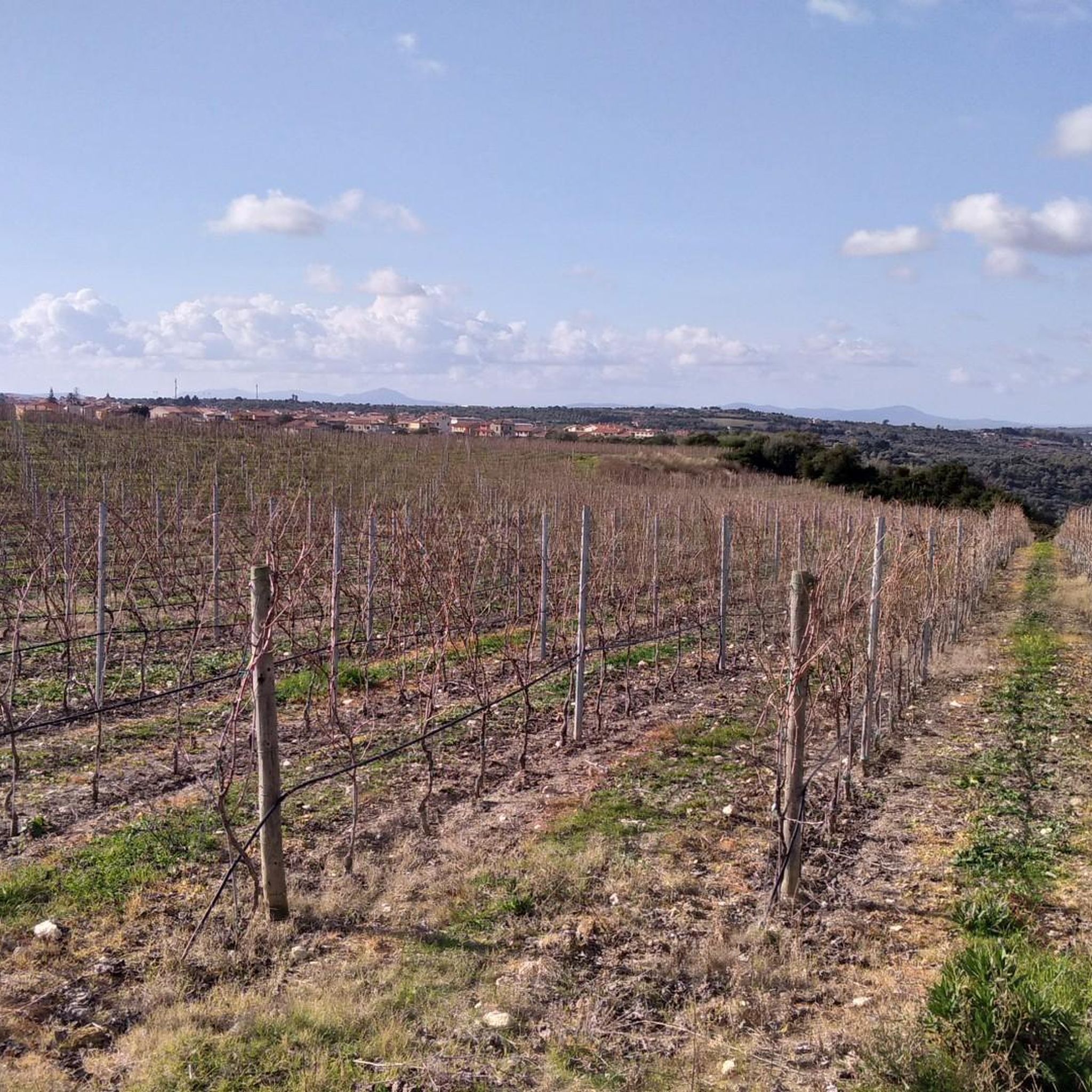
Usini is nestled amidst beautiful rolling hills, characterized by extensive olive groves, lush vineyards, and artichoke fields. This agricultural landscape contributes to its designation as a 'city of wine'. While there aren't specific 'natural monuments' listed directly in Usini, the scenic countryside offers picturesque views and a tranquil environment for exploration.
What outdoor activities can I do near Usini?
The area around Usini is excellent for cycling. You can find various routes for different types of cycling. For road cycling, explore options like the 'Tour of the Two Lakes: Cuga and Alto Temo Loop' or the 'From Sassari to Ittiri — ring tour in Sassarese'. If you prefer gravel biking, consider routes such as the 'San Lorenzo Forest Trail – Cliffs of San Lorenzo valley loop'. For more general cycling, there are tours like 'From Tissi-Usini to the Mesu 'e Montes Necropolis - ring tour'. You can find detailed routes and guides for these activities on the Road Cycling Routes around Ùsini/Usini, Gravel biking around Ùsini/Usini, and Cycling around Ùsini/Usini guide pages.
Is Usini known for any local products or culinary traditions?
Absolutely! Usini is particularly famous for its Vermentino wine, which has received international recognition. The town actively promotes its enogastronomic traditions. You can also savor local delicacies such as bread baked in wood-burning ovens and traditional pastries like sos germinos, sos biscottos tostos, and sas trabeas. The town even hosts the 'Andarinos Festival' in July, dedicated to fresh pasta, celebrating its rich culinary heritage.
What is the best time of year to visit Usini for cultural events or outdoor activities?
To experience Usini's cultural vibrancy, consider visiting in May for the 'Wine Competition' or in July for the 'Andarinos Festival', which celebrates local pasta. For outdoor activities like cycling and exploring archaeological sites, spring and autumn generally offer pleasant weather, avoiding the peak heat of summer. The region's vineyards and olive groves are beautiful year-round, but particularly vibrant during growing seasons.
Are there any family-friendly attractions or activities in the Usini area?
While specific children's attractions are not highlighted, many of the historical and cultural sites can be engaging for families. Exploring the ancient Domus de Janas necropolises or the Nuraghi offers an educational adventure. The ethnographic exhibits at Casa Derosas provide insight into local life. Additionally, the open spaces of the vineyards and olive groves are suitable for leisurely walks or bike rides with older children. In nearby Sassari, Castle Square and the historic center are also considered family-friendly.
What are some significant historical sites in the broader Sassari area, close to Usini?
Beyond Usini, the nearby city of Sassari offers several significant historical sites. You can visit Castle Square, named after the Aragonese Castle that once stood there, with an archaeological path running beneath it. The Ducal Palace of Sassari, built between 1775 and 1804, is another important historical building. The historic center of Sassari itself is a rich tapestry of history, reflecting various cultural influences.
How can I learn more about Usini's wine production?
Usini is renowned as a 'city of wine', particularly for its Vermentino. Many local wineries offer tours and tastings where you can learn about the production process and sample their acclaimed wines. The town also hosts a 'Wine Competition' in May, which is a great opportunity to engage with local producers and learn more about the region's viticultural traditions.
Are there any Roman traces or ruins to see near Usini?
Yes, the area around Usini holds traces from the Roman, Republican, and Imperial periods. Most notably, you can find the ruins of a Roman bridge in the San Giorgio area, indicating the historical significance of the region during Roman times.
What is the significance of Casa Derosas in Usini?
Casa Derosas is an early 20th-century mansion in Usini that once belonged to a prominent land-owning family. It features evocative architectural elements, including a decorated niche and frescoes depicting mythological scenes and landscapes. Today, it serves as a cultural hub, housing ethnographic exhibits that offer insights into the rural civilization and traditions of the region.
Most popular routes around Ùsini/Usini
Most popular attractions around Ùsini/Usini

Get inspired with the komoot mobile app


Explore more
Still not found the Highlight you’re looking for? See guides of the top attractions in other regions:
