Attractions and Places To See around Potuvigari/Putifigari - Top 20
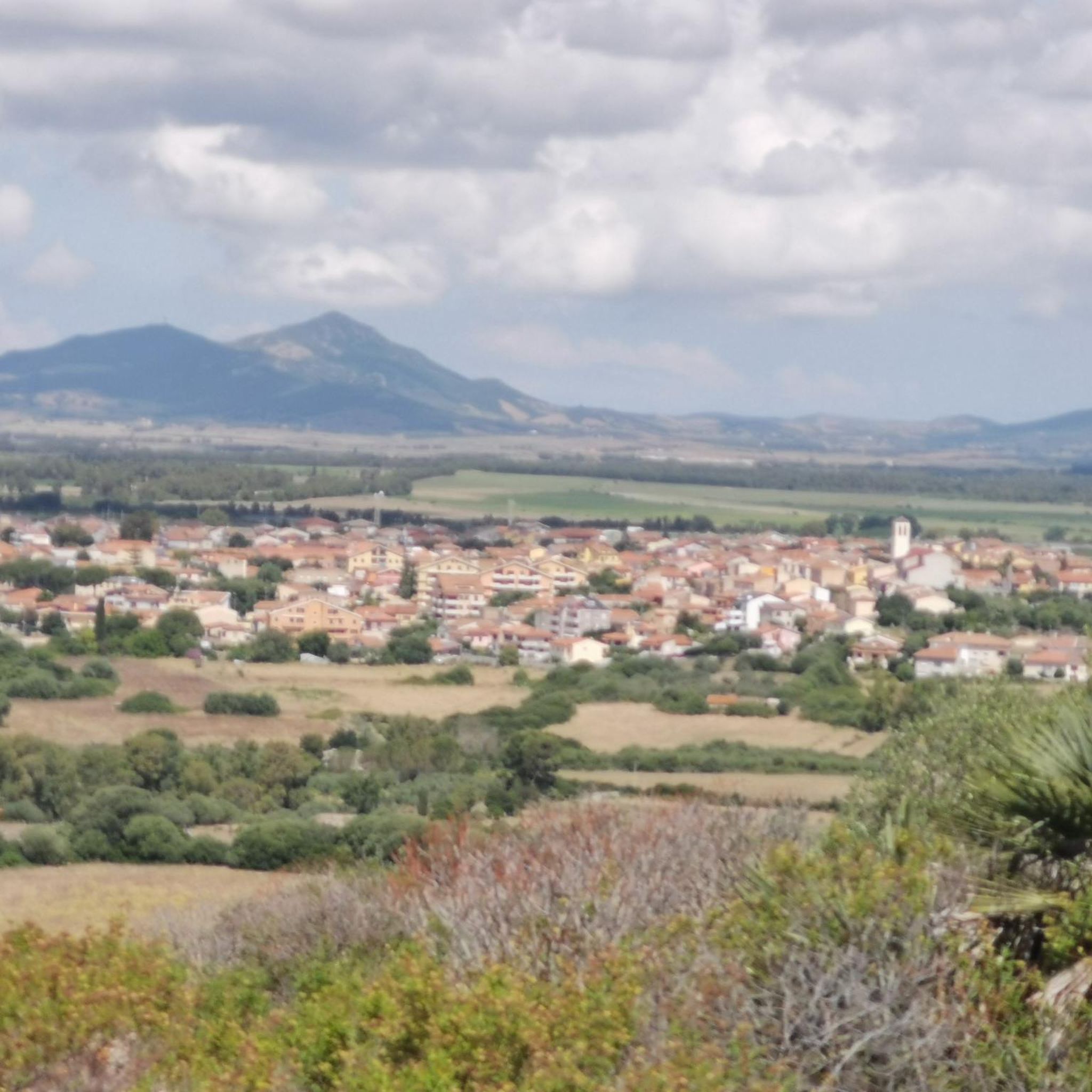
Best attractions and places to see around Potuvigari/Putifigari include historical sites, cultural landmarks, and natural viewpoints. This Italian town, also known as Putifigari, is located inland from Alghero in Sardinia, offering panoramic views that extend to the sea. The area features a rich history, with evidence of human habitation since the Neolithic age, alongside picturesque vineyards. Its agropastoral character provides a unique blend of cultural heritage and natural beauty.
Best attractions and places to see around Potuvigari/Putifigari
- The most popular…
Last updated: October 9, 2026
Alghero Old Town
Highlight • Settlement
Translated by Google •
Tip by

Sulis Tower (Tower of the Royal Spur)
Highlight • Monument
Also known as the Sperone tower (de l'Espero Reyal), …
Translated by Google •
Tip by

Sign up now to discover places like this
Get recommendations on the best single tracks, peaks, & plenty of other exciting outdoor places.
Cathedral of the Immaculate Conception of Alghero
Highlight • Religious Site
Translated by Google •
Tip by

Fertilia Village
Highlight • Settlement
Translated by Google •
Tip by

Porta Terra's tower
Highlight • Historical Site
Showing Translation
Tip by

Sign up for free to discover even more attractions around Potuvigari/Putifigari.
Already have an account?
Start today with a free account
Your next adventure awaits.

Tips from the Community

The Torre di Sulis, built in the 16th century during the Aragonese domination, is the most imposing defensive tower in Alghero. It was part of the system of fortifications that protected the city against attacks from the sea and stands out for its thick walls and circular plan. Next to the tower, several historical cannons recovered from a Spanish galleon sunk off the coast of Alghero are exhibited, making it one of the most emblematic places on the seafront promenade.
7
0
Torre di Porta Terra was the main access gate to Alghero and the only passage from the mainland to the walled city. Built at the beginning of the 16th century during the Aragonese rule, it preserves the coat of arms of the Crown of Aragon that originally presided over the entrance. Until the end of the 19th century, its gates were closed every night to control access to the city. Today it houses a tourist information center and is one of the most representative symbols of Alghero's historic center.
6
0
Built between the 16th and 18th centuries, the Cathedral of Santa Maria is the main temple of Alghero and one of the best examples of Catalan-Aragonese heritage in Sardinia. It combines elements of Catalan Gothic, Renaissance, and Baroque, with its elegant octagonal bell tower and imposing three-nave interior standing out. Located in the heart of the historic center, it is an essential visit to understand the city's history and artistic heritage.
5
0

The tower has a circular floor plan and consists of two large sections connected by a staircase carved into the thick surrounding wall. In 1412, the women of Alghero heroically defended this tower against an attack by the troops of the Viscount of Narbonne. In the 19th century, it became known as the Torre di Sulis after the Cagliari notary Vincenzo Sulis. He was imprisoned there from 1799 to 1821 for conspiracy and treason. The tower and the adjacent piazza have been a popular meeting place for years.
5
0

Knowing the history of Fertilia also helps to understand its architecture
0
0

One of the most beautiful seaside resorts in Sicily with a historic town centre. Wonderful beach promenade towards Fertilia.
2
0
Small town north of Alghero with beautiful beaches.
1
0

There is often an exhibition
1
0
Frequently Asked Questions
What historical sites can I explore around Putifigari?
Putifigari and its surroundings are rich in history. You can visit the ancient Alghero Old Town, known for its medieval architecture and narrow streets. Closer to Putifigari, explore the fascinating Necropolis of Monte Siseri, which includes several *domus de janas* (Neolithic tombs), such as the elaborately decorated Domu de S'Incantu. Other significant historical landmarks include the Cathedral of the Immaculate Conception of Alghero and the Sulis Tower (Tower of the Royal Spur).
Are there any natural viewpoints or scenic spots near Putifigari?
Yes, Putifigari is situated on a small hill, offering extraordinary panoramic views that stretch all the way to the sea, including the promontory of Capo Caccia. The landscape is also characterized by picturesque vineyards. For coastal views, the Alghero Seafront Promenade provides breathtaking vistas of the sea and the historic city.
What are some family-friendly attractions in the Putifigari area?
Many attractions around Putifigari are suitable for families. The Alghero Old Town offers charming streets to explore, while the Alghero Seafront Promenade is perfect for a leisurely stroll. The Cathedral of the Immaculate Conception of Alghero and the Sulis Tower (Tower of the Royal Spur) are also family-friendly historical sites. Additionally, the Picnic Area of Tuvu and Jolzi provides a nice spot for outdoor relaxation.
What outdoor activities can I do near Putifigari?
The region around Putifigari offers various outdoor activities, especially cycling. You can find numerous routes for mountain biking, touring bicycles, and gravel biking. For detailed routes and guides, explore the MTB Trails around Potuvigari/Putifigari, Cycling around Potuvigari/Putifigari, and Gravel biking around Potuvigari/Putifigari guides.
Are there any unique cultural events or festivals in Putifigari?
Putifigari hosts several unique cultural events throughout the year. In July, you can experience the lively Accordion Festival and the traditional Sheep Country Festival, which includes food tastings. August brings the Myrtle Festival, featuring ethnographic exhibits. For nature lovers, the Mycological Show of the "Capo di Sopra" takes place in November. The summer also features the Book Festival “Dall'altra parte del mare”.
What is the best time of year to visit Putifigari?
The best time to visit Putifigari depends on your interests. Summer months (July-August) are vibrant with festivals like the Accordion, Sheep Country, and Myrtle Festivals. If you're interested in nature and local produce, November offers the Mycological Show. The pleasant climate of Sardinia generally makes spring and early autumn ideal for outdoor exploration and enjoying the panoramic views without the peak summer heat.
What are the most popular attractions according to visitors?
Visitors highly appreciate the historical and scenic attractions in the area. The Alghero Old Town is a favorite, described as one of the most beautiful old towns in Sardinia, with a lively evening atmosphere. The Cathedral of the Immaculate Conception of Alghero and the Sulis Tower (Tower of the Royal Spur) are also highly rated for their historical significance and architectural beauty.
Can I find ancient prehistoric sites near Putifigari?
Absolutely. Putifigari is home to significant prehistoric monuments. The Necropolis of Monte Siseri features four *domus de janas*, which are Neolithic tombs carved into pink tuff rock. The most spectacular of these is the Domu de S'Incantu, known for its elaborate carved and painted decorations, including a false door and taurine protomes. Another notable site is the Domus de Janas Su Prammittu Monte Murone.
What kind of architecture can I see in Putifigari itself?
In the heart of Putifigari, you can admire the 18th-century Church of Nostra Signora de s'Ena frisca, which features a classicist façade with columns and a single-nave, barrel-vaulted interior. Nearby, in Piazza Boyl, stands the Communal Palace, which once served as the seat of the Boyl Barons during Aragonese rule and now houses the Putifigari Town Hall, showcasing historical administrative architecture.
Are there any specific cycling routes recommended near Putifigari?
Yes, there are several cycling routes catering to different preferences. For mountain biking, a popular route is the 'Lago del Cuga, Ittiri e Putifigari — giro ad anello'. If you prefer touring, consider the 'Località Ungias – Fontana Isla de la Mujeres loop from Punta Moro'. Gravel biking enthusiasts might enjoy 'La Torre Nuova – Capo Caccia Lighthouse loop from Alghero'. You can find more options and details in the dedicated MTB, Cycling, and Gravel biking guides.
What is the significance of the vineyards around Putifigari?
The vineyards are a prominent feature of the landscape around Putifigari, contributing significantly to the area's charm and agricultural heritage. They are known for producing excellent Cannonau wine, a highly regarded Sardinian red wine. Exploring the vineyard-dotted hills offers scenic beauty and a glimpse into the region's viticultural traditions.
What is Fertilia Village and why should I visit it?
Fertilia Village is a small hamlet near Alghero, notable for its unique fascist architecture from the 1930s. It was originally built to address overpopulation in the Ferrara area. Today, it offers a glimpse into a specific period of Italian history and is also known for its beautiful nearby beaches, making it a interesting stop for history buffs and those seeking coastal relaxation.
Most popular routes around Potuvigari/Putifigari
Most popular attractions around Potuvigari/Putifigari

Get inspired with the komoot mobile app


Explore more
Still not found the Highlight you’re looking for? See guides of the top attractions in other regions:
