Top 6 Castles around Calascio
Castles around Calascio are primarily located within the Gran Sasso and Monti della Laga National Park, an area known for its mountainous landscape and historical significance. The region features fortifications that served military purposes and offered strategic views over the Apennines. These structures are often built from local white limestone, blending with the natural environment. The area provides opportunities for exploring historical sites within a protected natural park.
Best castles around Calascio
- The most popular castles is Rocca Calascio Castle…
Last updated: July 1, 2026
Rocca Calascio Castle
Highlight • Castle
Translated by Google •
Tip by

Calascio Fortress
Highlight • Castle
Translated by Google •
Tip by

Sign up now to discover places like this
Get recommendations on the best single tracks, peaks, & plenty of other exciting outdoor places.
Sign up for free
Capestrano Castle
Highlight • Castle
Translated by Google •
Tip by

Castel Camponeschi
Highlight • Castle
Translated by Google •
Tip by

View of Rocca Calascio
Highlight • Viewpoint
Translated by Google •
Tip by

Sign up for free to discover even more castles around Calascio.
Sign up for free
Already have an account?
Start today with a free account
Your next adventure awaits.
Login or Signup


Tips from the Community

The Piccolomini Castle, which overlooks the town center and today also houses the Town Hall. It is located right on the main square, which is why it is so distinctive in the village's panorama. It is a structure with medieval origins, built on the remains of a previous fortification, of which the central prismatic tower still remains. The current appearance is the result of various interventions by the noble families who owned it over time, particularly the Acquaviva, Piccolomini, and Medici families; the fifteenth-century configuration is generally attributed to 1485, while the interior was restored in 1924.
0
0

lovely lunch here. you have to book on a Sunday
0
0

It will be my next destination
2
0

the beautiful view of Rocca Calascio
0
0
beautiful view of Rocca Calascio
0
0
breathtaking views climbing towards rocca calascio
0
0

In winter with the snow-capped peaks very suggestive
0
0
Frequently Asked Questions
What are the most notable castles to visit around Calascio?
The most prominent castle in the area is Rocca Calascio Castle, known as one of Italy's highest fortifications. Other significant sites include Capestrano Castle, a 15th-century structure linked to the ancient Warrior of Capestrano, and the abandoned fortified village of Castel Camponeschi.
What kind of views can I expect from the castles in the Calascio region?
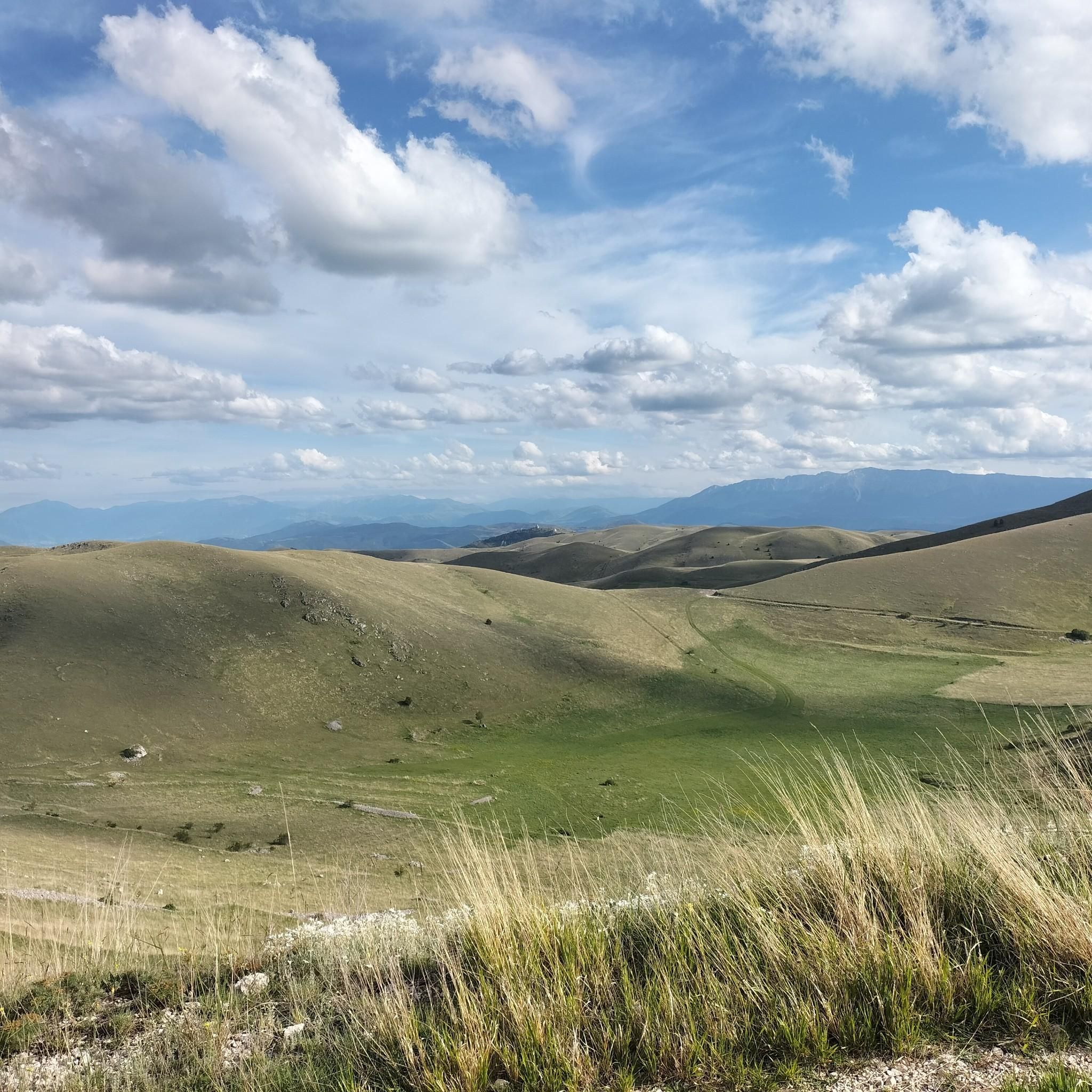
The castles, especially Rocca Calascio Castle, offer breathtaking panoramic vistas. From its elevated position, you can see the Gran Sasso massif, surrounding Apennine valleys, and on clear days, even the Adriatic Sea. A dedicated View of Rocca Calascio and Santa Maria della Pietà provides an iconic perspective of the castle and the nearby octagonal church.
Are there family-friendly activities or historical walks near the castles?
Yes, exploring the castles themselves can be a family-friendly historical walk. Capestrano Castle is specifically noted as family-friendly. The journey to Rocca Calascio Castle, often involving a walk from the village, is an adventure in itself, suitable for families who enjoy light hiking.
What is the best time of year to visit the castles around Calascio?
The region is part of the Gran Sasso and Monti della Laga National Park, making spring, summer, and early autumn ideal for visiting. These seasons offer pleasant weather for exploring the outdoor sites and enjoying the panoramic views. During summer, be prepared for potential wind at higher elevations.
What outdoor activities are available near the castles?
The area is excellent for outdoor enthusiasts. You can find numerous trails for hiking, running, and mountain biking. For example, there are routes like 'Rocca Calascio and Monte delle Croci Loop' for running, or 'Da Santo Stefano di Sessanio a Rocca Calascio – Giro ad anello nella natura' for MTB. You can explore more options in the Running Trails around Calascio or MTB Trails around Calascio guides.
Are there hiking trails to the castles, and what is their difficulty?
Yes, hiking is a popular way to reach the castles. The path to Rocca Calascio Castle from the village of Calascio is a well-trodden dirt path, generally considered an intermediate hike. Many trails in the Gran Sasso National Park, where these castles are located, range from moderate to difficult, offering varied options for different fitness levels.
Is Rocca Calascio Castle accessible, and what are its opening hours?
Rocca Calascio Castle is freely accessible from 9 a.m. until sunset. Visitors can drive to the village of Calascio, then continue to the castle by shuttle bus or on foot along a dirt path. The castle's remote location ensures a visit away from large crowds.
What makes Rocca Calascio Castle historically significant?
Dating back to the 10th century as a watchtower, Rocca Calascio Castle evolved into a powerful military fortress. It played a crucial role in defending the area and controlling trade routes, forming part of a larger defensive system that used torches and light signals for communication. It was designed exclusively for troops, not nobles.
Are there any cafes or restaurants near Rocca Calascio Castle?
While the castle itself is in a remote location, the nearby village of Calascio and the surrounding towns like Santo Stefano di Sessanio offer options for cafes, restaurants, and accommodation. These villages provide amenities for visitors exploring the Gran Sasso National Park.
What should I pack for a summer visit to the castles in Calascio?
For a summer visit, pack comfortable walking shoes suitable for uneven terrain, layers of clothing as temperatures can vary, especially at higher altitudes, and protection from the sun (hat, sunscreen). Given the potential for wind, especially at Rocca Calascio Castle, a light jacket is advisable.
What do visitors enjoy most about the castles around Calascio?
Visitors frequently praise the stunning panoramic views from the castles, particularly from Rocca Calascio Castle, which offers a spectacular backdrop for photos. The immersive medieval atmosphere, the dramatic setting that has attracted filmmakers, and the opportunity for hiking within the Gran Sasso National Park are also highly appreciated.
Most popular routes around Calascio
Most popular attractions around Calascio

Get inspired with the komoot mobile app


Explore more
Looking for the best castles somewhere else? Discover other guides around Calascio:
