Attractions and Places To See around Ulassa/Ulassai - Top 20
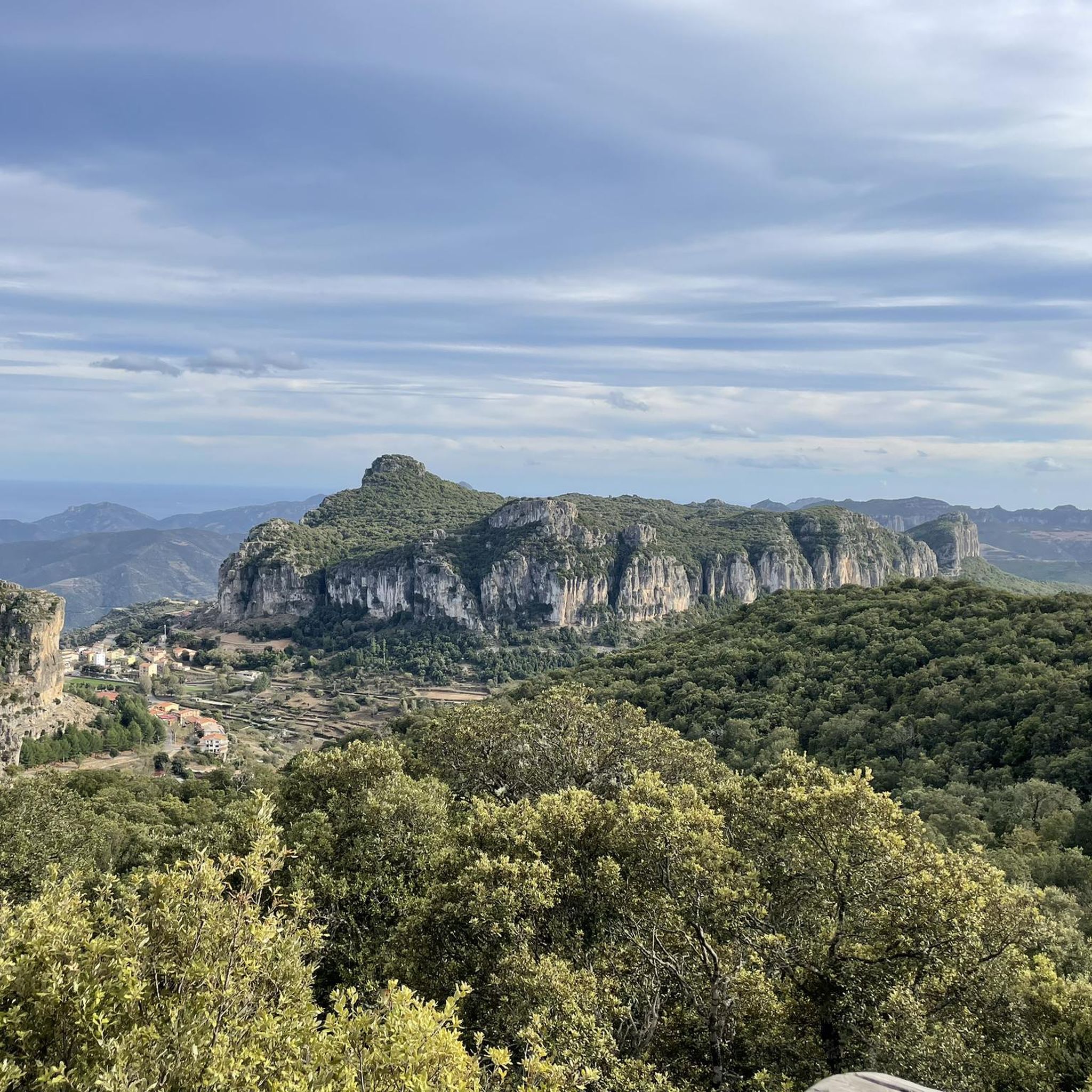
Best attractions and places to see around Ulassa/Ulassai. This Sardinian village, situated at an elevation of about 775 meters, is defined by its dramatic limestone formations known as "Tacchi." The region offers a blend of natural beauty, including impressive waterfalls and extensive caves, alongside a rich cultural heritage with contemporary art and ancient Nuragic sites. Visitors can explore diverse landscapes and historical points of interest.
Best attractions and places to see around Ulassa/Ulassai
- The most popular attractions is Is Tostoinus…
Last updated: October 9, 2026
Is Tostoinus Nuragic Village
Highlight • Historical Site
Translated by Google •
Tip by

Perda e Liana
Highlight • Natural Monument
Translated by Google •
Tip by

Sign up now to discover places like this
Get recommendations on the best single tracks, peaks, & plenty of other exciting outdoor places.
Su Marmuri Cave
Highlight • Cave
Showing Translation
Tip by

Stone Hut in the Monti del Gennargentu
Highlight • Mountain Hut
Source: it.wikipedia.org/wiki/Nuraghe
Translated by Google •
Tip by
Scala di San Giorgio
Highlight • Gorge
Translated by Google •
Tip by

Sign up for free to discover even more attractions around Ulassa/Ulassai.
Already have an account?
Start today with a free account
Your next adventure awaits.
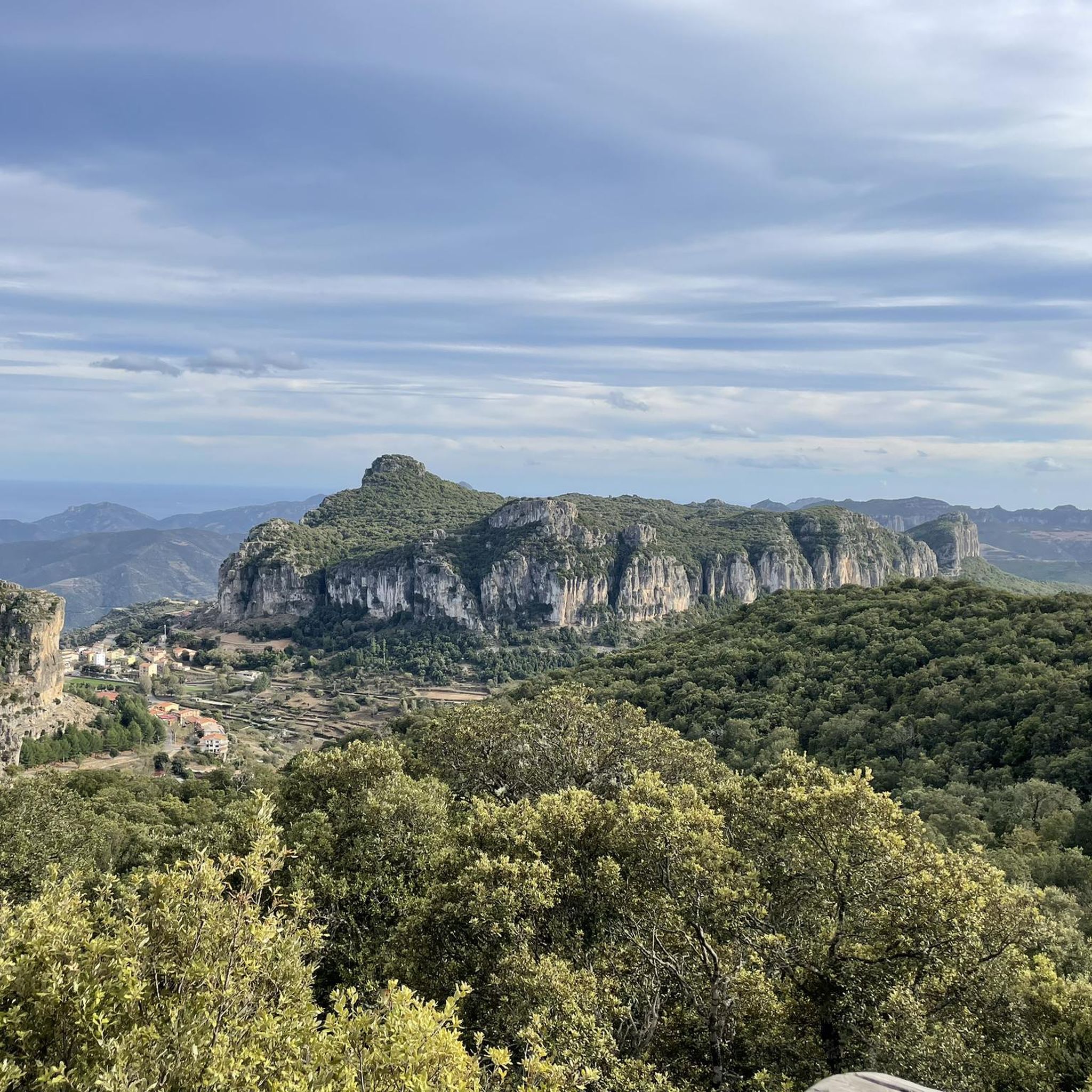
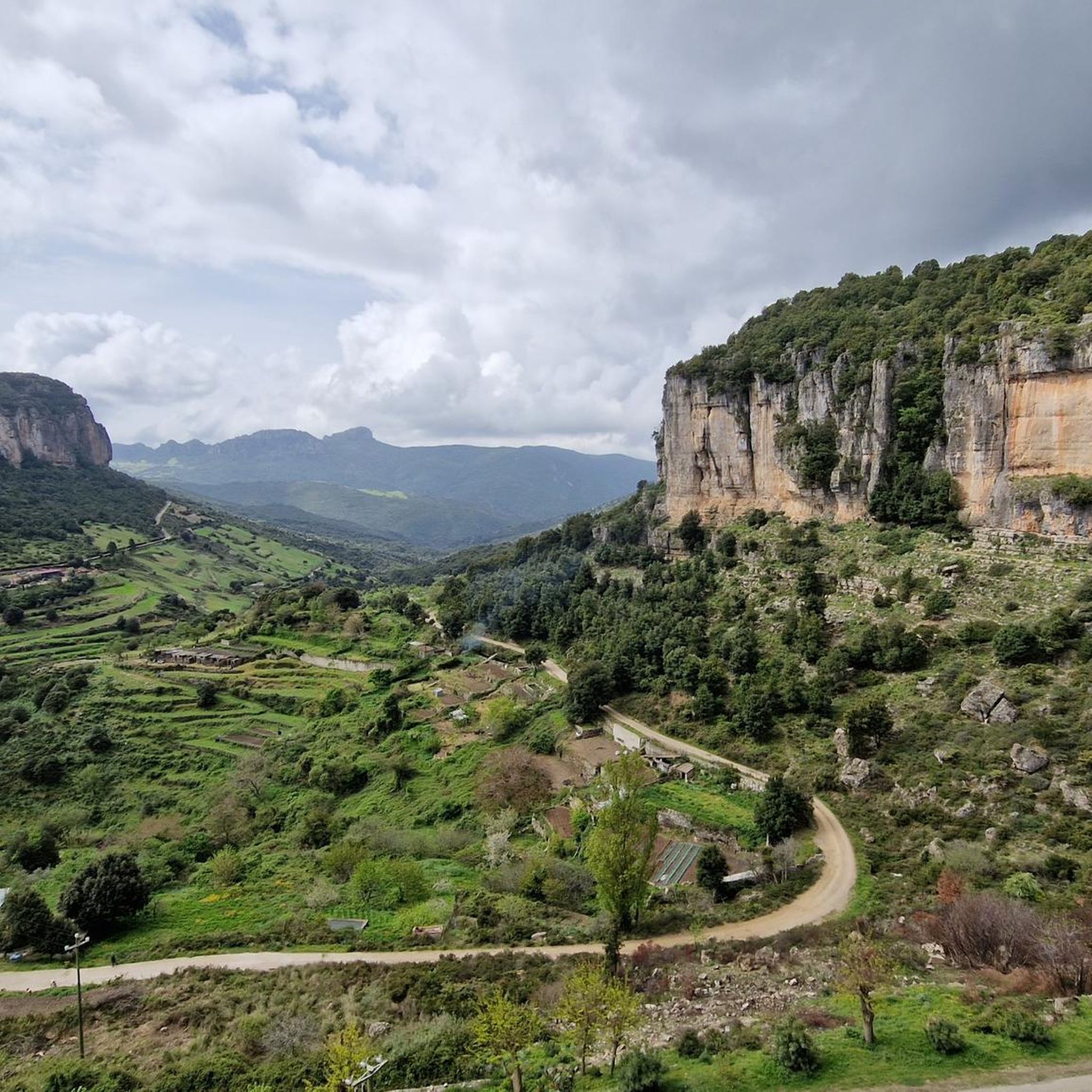
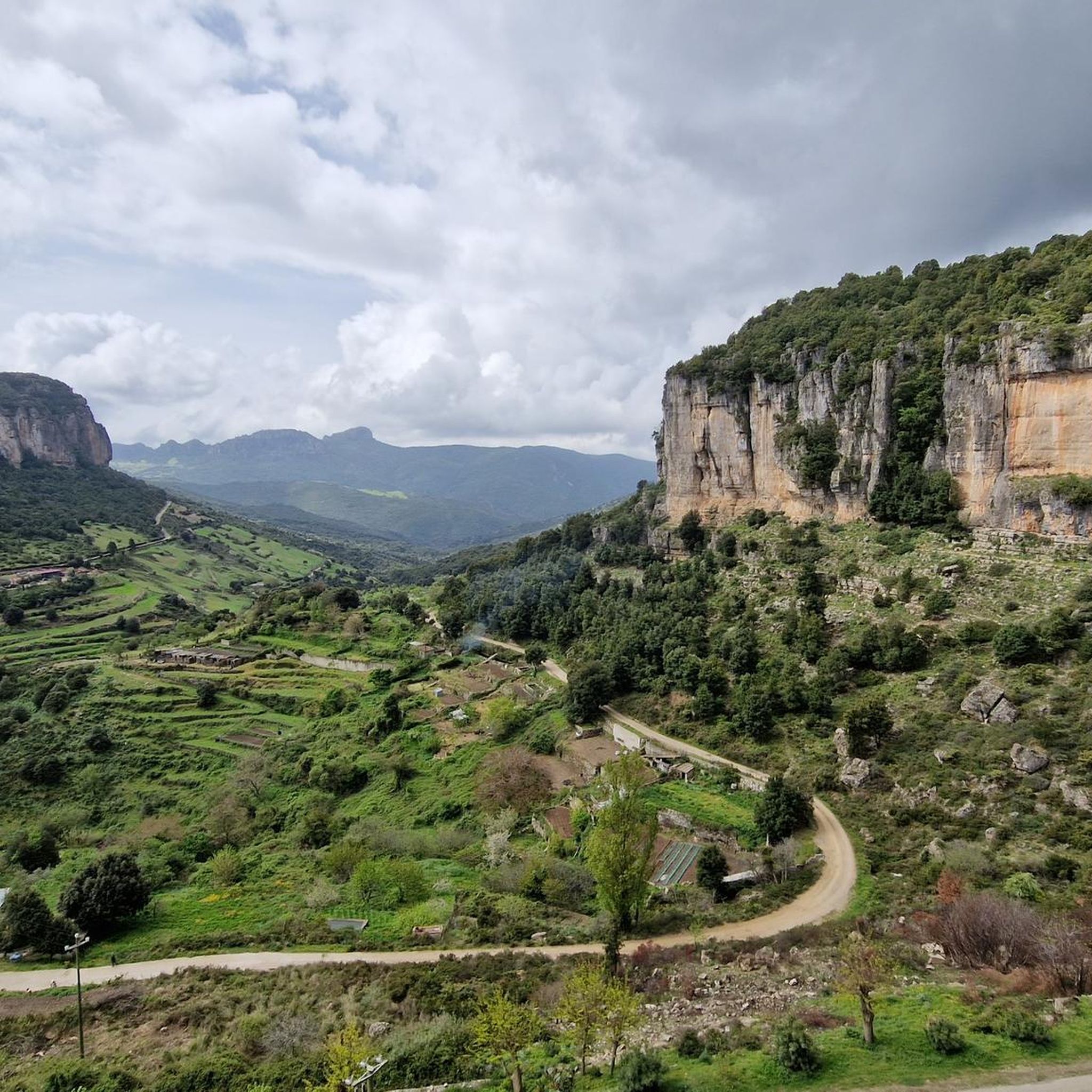
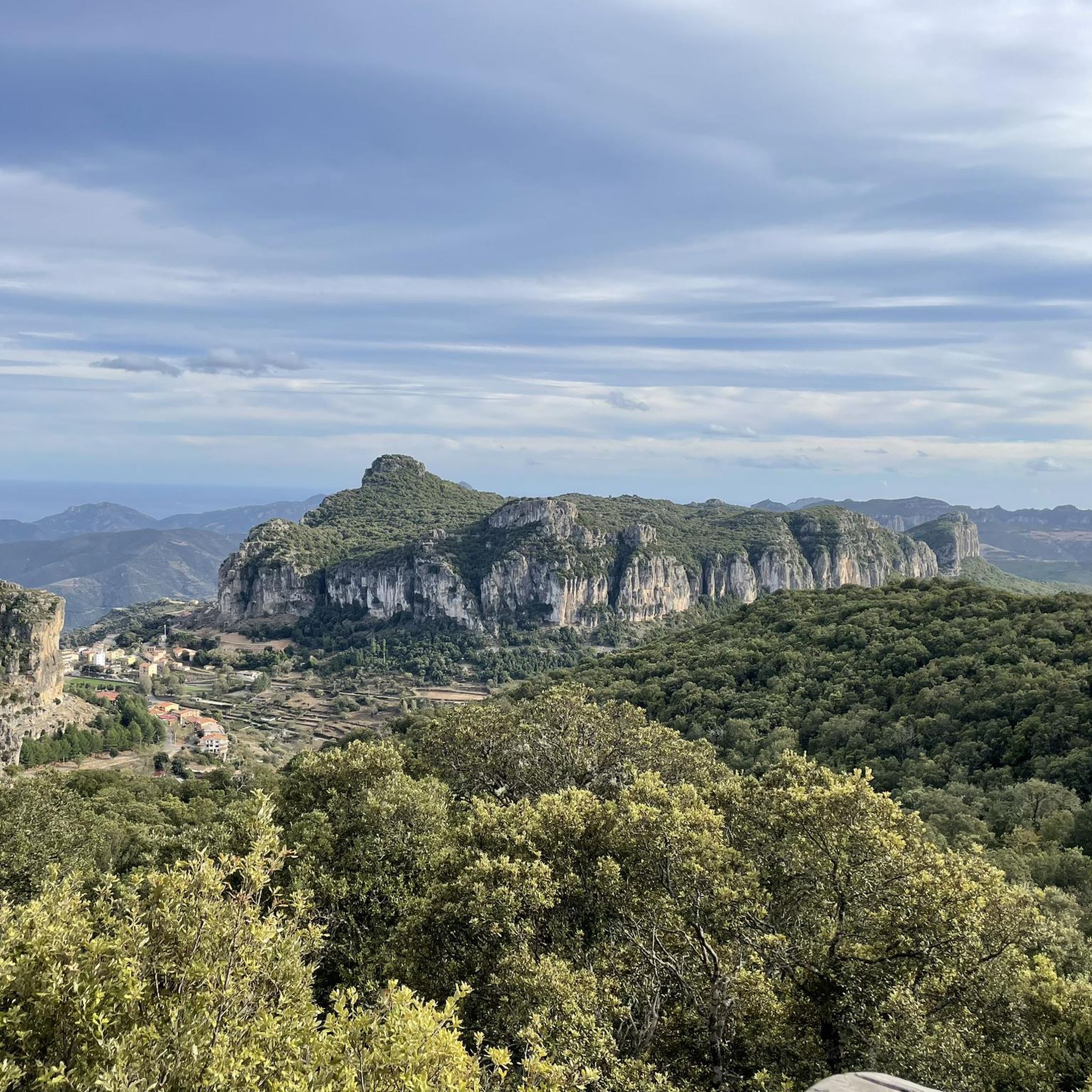

Tips from the Community

Mandatory stop. The cave is absolutely spectacular and fully worth the ticket price (12€, for a 90-minute guided tour).
4
0

Great view. Beautiful area.
0
0

A uniquely shaped, towering tower, a natural monument, symbol of Ogliastra, and a key morphological feature of central-eastern Sardinia. Perhaps once a gathering place for the Nuragic peoples, it later became, in popular legend, the entrance to the underworld. It protrudes from the earth like a giant finger reaching toward the sky and, especially in this wild area, is a landmark visible from afar for hikers. Perda 'e Liana is an extraordinary rock formation declared a natural monument in 1993. The peculiar "mountain," known in Sardinian as Taccu or Tonneri, rises in the Gairo Sant'Elena area: it is the greatest witness to the erosive effects of weathering that have been affecting the vast limestone cover of Ogliastra on the border with Barbagia di Seulo for several million years. Erosion gradually isolated the "tower," forming its base. It is the highest (1293 m) of the numerous Ogliastra limestone mountains, the northern foothills of the Tonneri plateau, about two kilometers away, to which it is connected by the s'Arcu 'e su Pirastu Trottu pass. Perhaps in ancient times, they formed a single mountain ridge. Source and further information: https://www.sardegnaturismo.it/de/entdecken/perda-e-liana
0
0

The German-language television series "Treasures of the World - Heritage of Humanity" – which I highly recommend – dedicates a 15-minute segment to the UNESCO World Heritage Site of the "NURAGHI" in Sardinia and the traditional shepherds' song known there as "Canto a Tenore." The accompanying text for the program states: "Over seven thousand round towers made of stone blocks weighing several tons are scattered throughout Sardinia. Often, only the stumps of these megalithic structures, called nuraghi, remain. The first were built around 1400 BC. Small stones were placed between the massive blocks, a construction method that made the stone towers resistant to collapse." This article (episode 413 of the series) is available in the ARD Mediathek at the following link =>> https://www.ardmediathek.de/video/schaetze-der-welt/sardinien/3sat/Y3JpZDovL3N3ci5kZS8xNTg4MzM5MA
0
0

Not a Nuraghi, but a wonderfully maintained rest area!
0
0
The German-language television series “Treasures of the World – Heritage of Humanity” – which I fully recommend in my opinion – devotes a quarter of an hour to the UNESCO world cultural heritage of the “NURAGHI” in Sardinia and the traditional shepherd’s song there, known as “Canto a Tenore”. The text accompanying the program says “Over seven thousand round towers made of stone pieces weighing tons are scattered all over Sardinia. Often only the stumps of these megalithic buildings, called nuraghi, remain. The first were around 1400 BC. Built. Small stones were placed between the mighty blocks, a construction method that made the stone towers collapse-proof.” This article (episode 413 of the series) is available in the ARD media library under the following link: https://www.ardmediathek.de/video/schaetze-der-welt/sardinien/3sat/Y3JpZDovL3N3ci5kZS8xNTg4MzM5MA
3
1

The cave is very worth seeing. We can also recommend the restaurant.
1
1
Frequently Asked Questions
What are the most impressive natural features to explore around Ulassai?
Ulassai is renowned for its dramatic natural landscape. You can explore the extensive Su Marmuri Cave, one of Europe's most significant cave systems, featuring vast halls and diverse stalactites and stalagmites. The area is also defined by the distinctive 'Tacchi' limestone formations, offering stunning views and unique rock climbing opportunities. Don't miss the impressive Lequarci and Lecorci Waterfalls, especially after heavy rains.
Are there any significant historical or archaeological sites near Ulassai?
Yes, Ulassai is rich in ancient history. You can visit the Is Tostoinus Nuragic Village, an important Nuragic site with massive towers, Domus de Janas, and Giants' Tombs. Other notable Nuragic settlements include Nuraghe Pranu and Nuraghe Cea Arcis. The Area Archeologica Serbissi also offers insights into a Bronze Age village and necropolis.
What cultural attractions can I find in Ulassai?
Ulassai has a vibrant cultural scene, largely influenced by the renowned artist Maria Lai. The Stazione dell'Arte (Art Station), housed in the former train station, is dedicated to her works. You can also see her art integrated into the Ancient Communal Washing Basins, which have been transformed into an original monument of modern art.
What kind of outdoor activities can I do around Ulassai?
The rugged terrain around Ulassai is ideal for various outdoor activities. You can enjoy hiking, with routes like the 'Ulassai Town Entrance Sign – Bruncu Matzeu Summit' loop. The 'Tacchi' formations are also a paradise for climbers. For cycling enthusiasts, there are options for gravel biking and road cycling, including routes like 'The little green train and the cliffs of Ulassai – circular tour'. Find more details on routes in our dedicated guides for hiking, gravel biking, and cycling around Ulassai.
Is Ulassai suitable for family-friendly activities?
Yes, Ulassai offers options for families. Exploring the Su Marmuri Cave can be an exciting experience for children, though it's recommended to wear warm clothes as the temperature inside is a constant 10 °C. The natural beauty of the Tacchi and waterfalls can also be enjoyed by families on easier trails. The Is Tostoinus Nuragic Village is also categorized as family-friendly.
What is the best time of year to visit Ulassai for outdoor activities?
Ulassai's Mediterranean climate makes it enjoyable for outdoor activities for much of the year. Spring and autumn generally offer pleasant temperatures for hiking and exploring. The waterfalls are most spectacular after heavy rains, typically in late autumn or winter. Summers can be warm, but the constant 10 °C inside Su Marmuri Cave provides a cool escape.
Are there any unique natural monuments or viewpoints in the area?
Absolutely. The most iconic is Perda e Liana, a uniquely shaped, towering rock formation that is a symbol of Ogliastra and a landmark visible from afar. Another impressive natural monument is the Scala di San Giorgio, an imposing gorge with unique rock formations and viewing platforms, offering breathtaking vistas.
Can I see any wildlife in Ulassai?
Yes, the region's diverse ecosystems support various wildlife. The Girisai Wildlife Oasis, located within the evergreen forests of the Tacchi, is dedicated to protecting local fauna and provides a natural habitat for various species, including rare birds of prey and endemic plant species.
What are the local traditions or unique aspects of Ulassai?
Ulassai is part of a 'Blue Zone,' an area known for its residents' exceptional longevity. The village also maintains local traditions such as the production of Cannonau wine and olive oil. The blend of ancient Nuragic heritage, dramatic natural landscapes, and contemporary art makes Ulassai a truly unique destination.
Is there an abandoned village nearby that I can visit?
Yes, you can visit Gairo Vecchio, an abandoned village that was almost completely destroyed by flooding in 1951. It offers a poignant glimpse into history, with ruins that tell the story of a once-lively town.
What are the main religious sites in Ulassai?
Ulassai features several historical churches. The Church of Santa Barbara, located on the road to the Lequarci Waterfalls, is built in typical Sardinian style with local stone and granite, surrounded by Roman porticoes. The Church of San Sebastiano, dating back to the 17th century, is another notable religious monument in the village.
Most popular routes around Ulassa/Ulassai
Most popular attractions around Ulassa/Ulassai

Get inspired with the komoot mobile app


Explore more
Still not found the Highlight you’re looking for? See guides of the top attractions in other regions:
