Attractions and Places To See around Torri In Sabina - Top 20
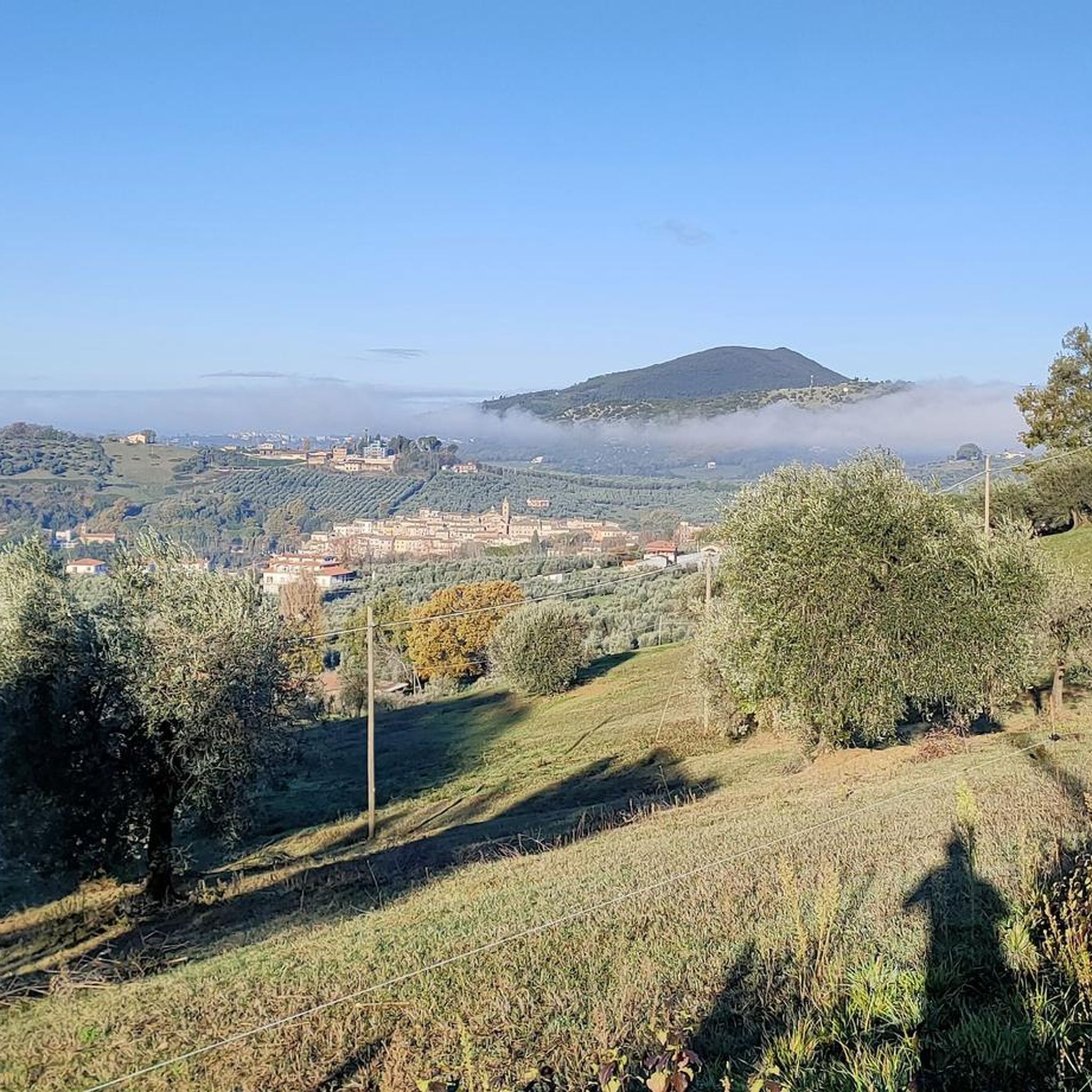
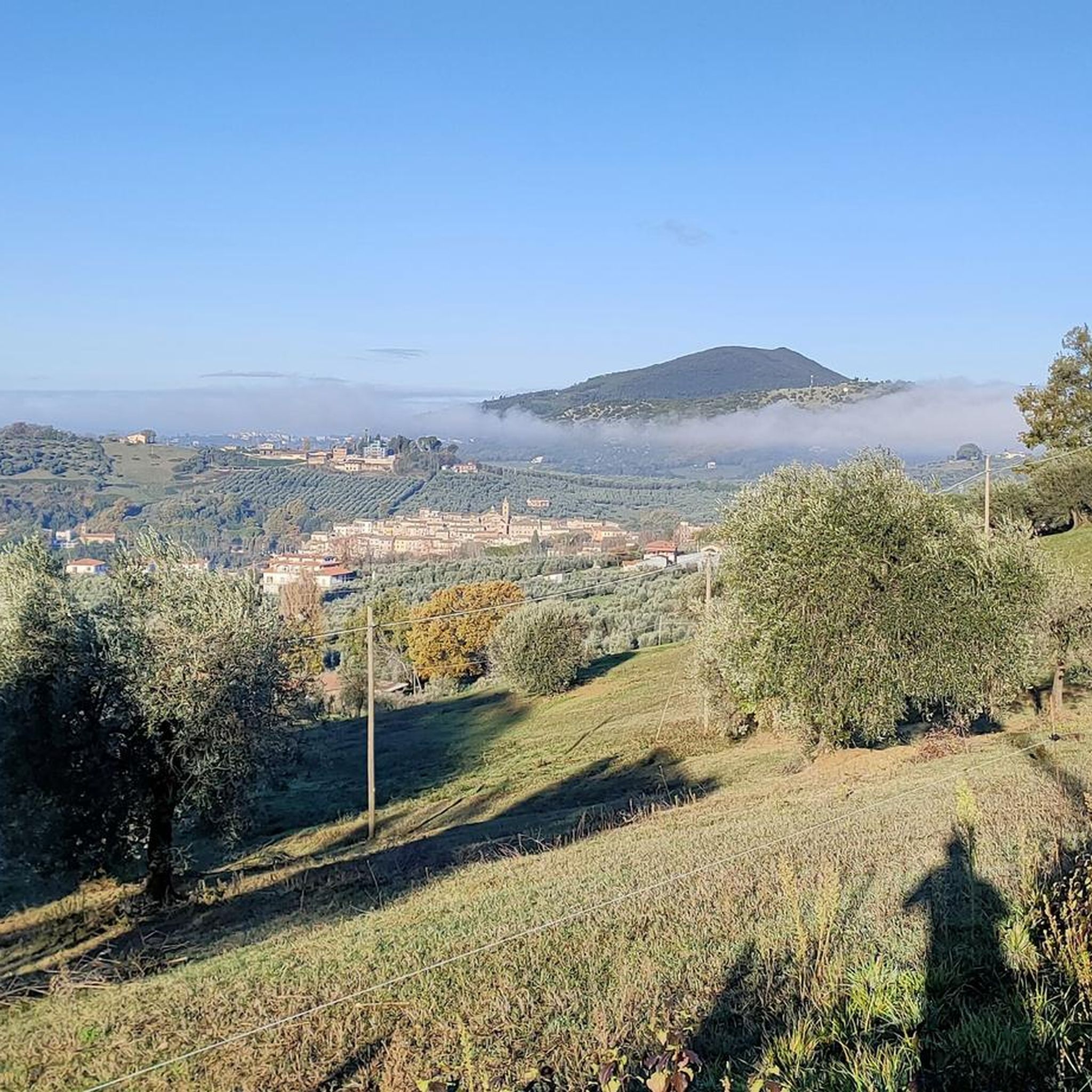
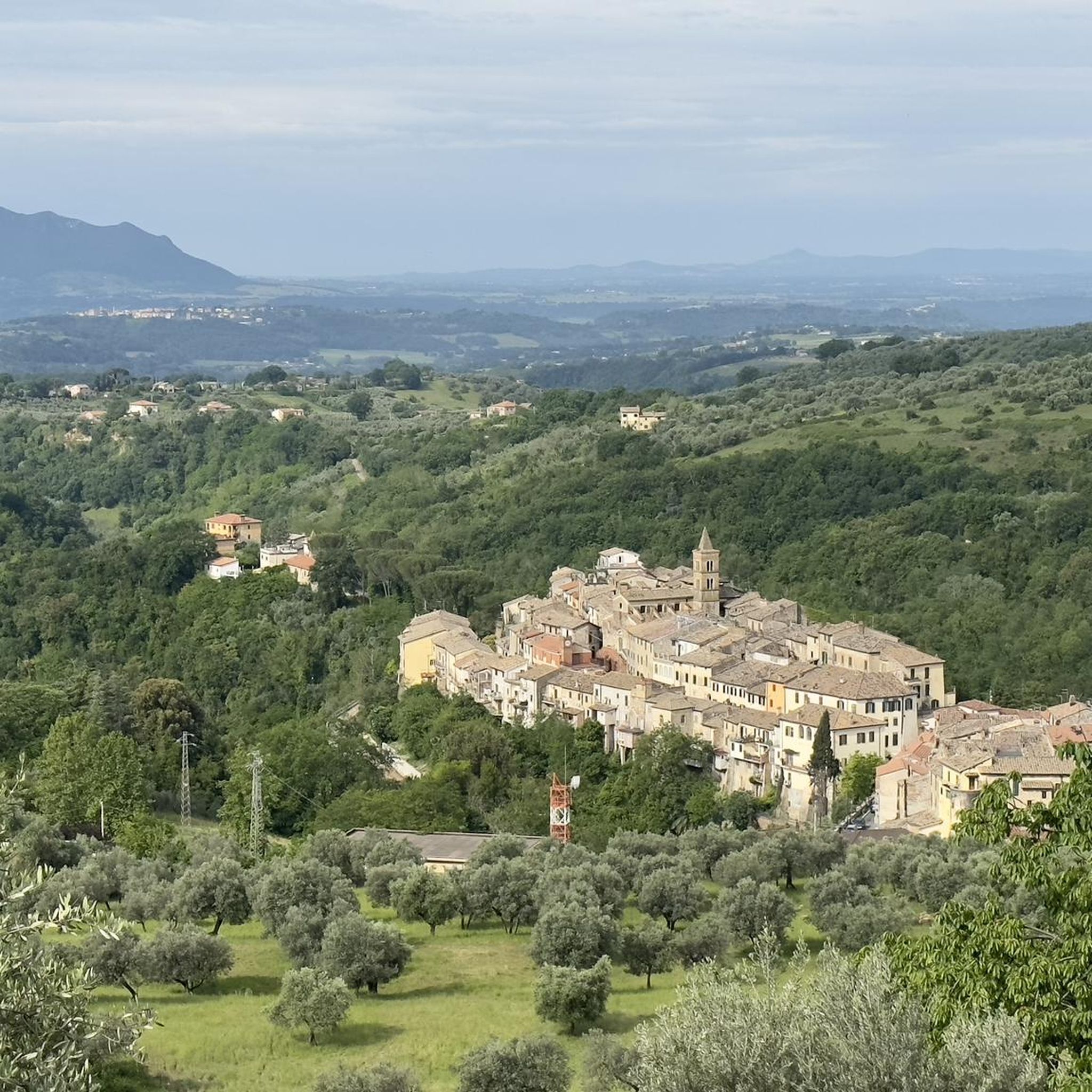
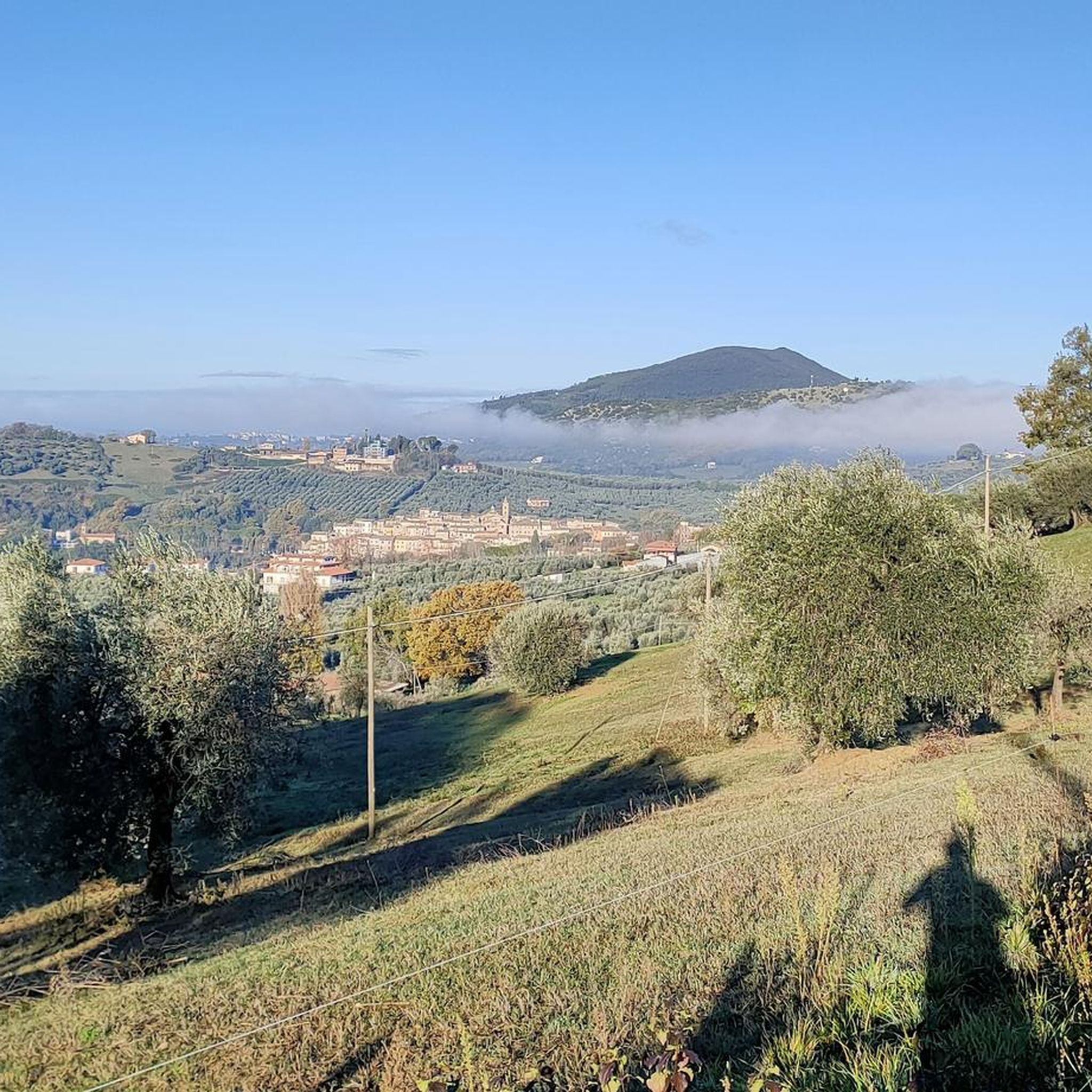
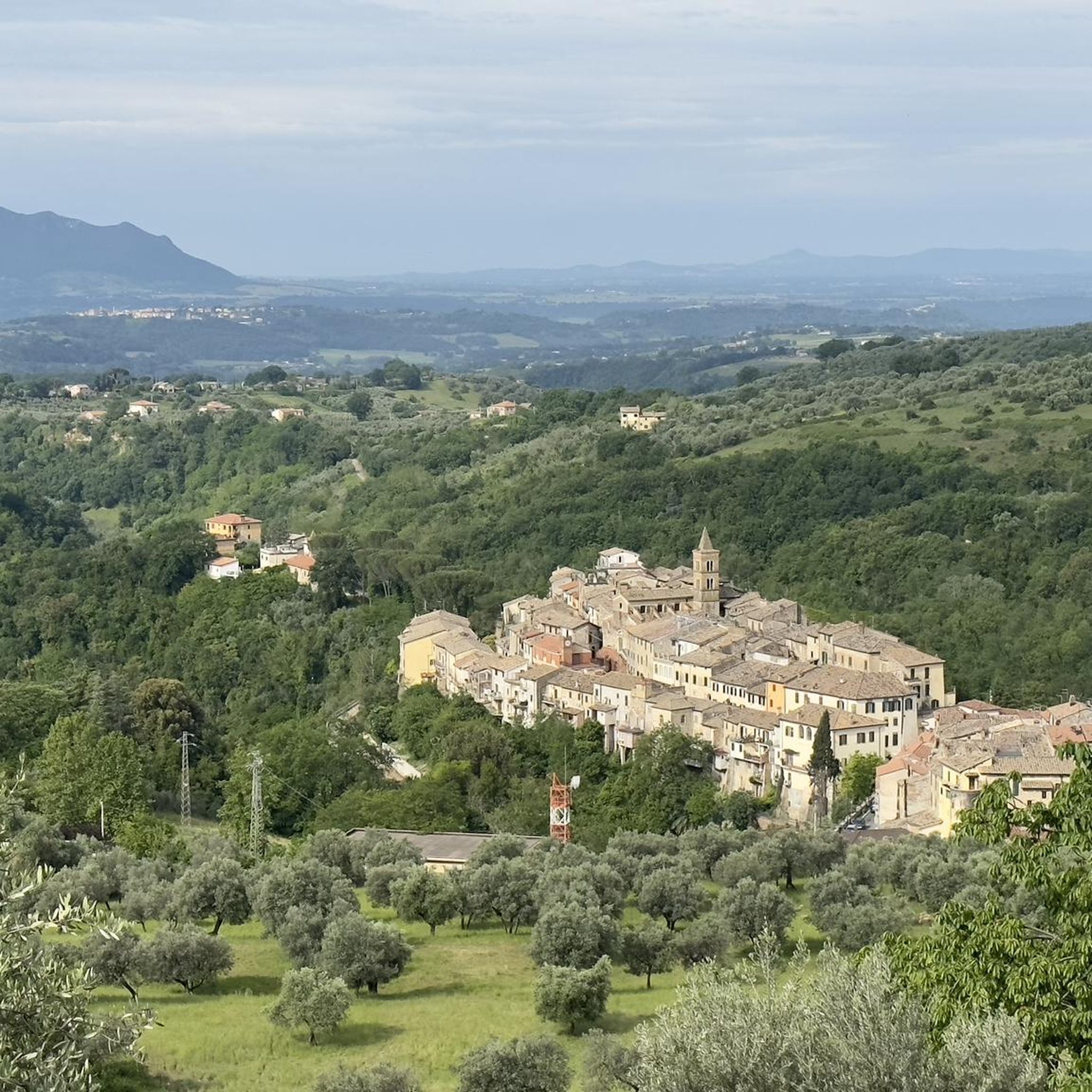
Best attractions and places to see around Torri In Sabina include a blend of historical sites, cultural institutions, and natural features. This village in central Italy is situated on a spur of the Monti Sabini range, offering views of extensive olive groves. The area is rich in historical testimonies, with ancient Roman ruins and medieval fortified settlements. Visitors can explore diverse landscapes, from river valleys to hilly terrain.
Best attractions and places to see around Torri In Sabina
- The most…
Last updated: October 11, 2026
Nazzano Tevere-Farfa Nature Reserve
Highlight • Natural
Translated by Google •
Tip by

Hermitage of San Cataldo
Highlight • Religious Site
Translated by Google •
Tip by

Sign up now to discover places like this
Get recommendations on the best single tracks, peaks, & plenty of other exciting outdoor places.
The Saint's Hermitage
Highlight • Cave
Translated by Google •
Tip by

Ponzano Romano
Highlight • Settlement
Translated by Google •
Tip by
Church of San Lorenzo
Highlight • Religious Site
Translated by Google •
Tip by

Sign up for free to discover even more attractions around Torri In Sabina.
Already have an account?
Start today with a free account
Your next adventure awaits.
Tips from the Community

The Nazzano Tevere - Farfa Regional Nature Reserve extends upstream of the Enel hydroelectric power plant in Nazzano, and includes the stretch of the Tiber river that goes from the power plant itself to the Poggio Mirteto mountain and along the course of the Farfa river up to the Granica bridge .
0
0

Saint Lawrence / "San LORENZO", to whom this church in Contigliano - which is now only a ruin but still dominates the landscape with its silhouette - was dedicated, is one of the early Christian martyrs from a time when Christianity was still forbidden. He was archdeacon of the Pope and was asked by the pagan emperor to hand over the treasure to the church. Lawrence asked for three days, during which time he distributed the church assets among the poor inhabitants of Rome and, after the agreed time, came to the emperor with the poor to present them to him as the treasure of the church. He was then martyred to death, the legend says that he was roasted alive on a grate - this attribute can be seen in many depictions of Saint Lawrence - over coals. He is said to have been in good spirits and told his executioner on the one hand whether he wanted to turn him around. The feast day of San Lorenzo/Saint Lawrence in the calendar of saints is August 10th.
1
0

This evocative ruin is what remains of the first settlement of Contigliano. The landscape that can be enjoyed from the hill is breathtaking, with the Rieti valley below and the Terminillo massif standing out on the horizon. To reach the walls closely you have to cross the fields so you have to be careful. Especially during the sowing season.
1
0
It seems that San Cataldo has never actually passed through these places. Yet the legends about the saint are not lacking. It is said that the rock that leads from the hermitage to the valley floor is full of hollows and fissures, marks of the elbows and feet of the saint who went to the stream every day to wash himself. Legends aside, the hermitage is a wonderful example of the union between human architecture and nature. The interior of the chapel and its ancient Byzantine fresco can be visited only during FAI days.
1
0

Listed among the natural monuments of the Lazio region, the Hermitage of San Cataldo is a small sanctuary carved into the granite rock of the mountains. If the exterior appears very impressive, the interior with its large frescoes is no exception.
1
1

Ponzano Romano is a town of about 1000 inhabitants located in the Tiber valley, whose origin seems to be connected to the river. The historic center of Ponzano Romano was built on a river terrace, while the surrounding area is flat to the east and hilly to the west.
0
0
The Nazzano Tevere-Farfa nature reserve is a protected natural area located in the Tiber Valley north of Rome. The name is due to the three main elements that characterize its territory: the Tiber, its tributary Farfa and the artificial lake of Nazzano. The reserve was the first protected natural area established by the Lazio Region in 1979.
3
0
One of the few saints who is also highly valued outside of Christianity is San Francesco, known in the German-speaking world as Francis of Assisi. Francis was born in Assisi in 1181/82 and died as early as 1226. In his youth, the son of wealthy parents, he was more of a bon vivant, but later he turned to Christ. In the half-ruined little church of San Damiano, on the hillside outside the city walls of Assisi, he was praying one day and heard the voice of Christ coming down from the cross, urging him to “rebuild his church”. At first he took this request literally and restored the church building, later he came to realize that this is primarily about the church as the community of believers. Francis became a role model for many people, they joined him and the "Order of the Friars Minor" (Ordo Fratrum Minorum) of Francis of Assisi came into being. Today in the broad Franciscan religious family there are three male branches: the Franciscans, the Minorites and the Capuchins; and two females: the Franciscans and the Poor Clares. In addition, there is the "Third" or "Secular" order, which women and men who do not take the classic vows of the order (poverty, chastity and obedience) and continue to live in their family and their profession can join.
2
0
Frequently Asked Questions
What natural features can I explore around Torri In Sabina?
The area around Torri In Sabina offers diverse natural landscapes. You can visit the Nazzano Tevere-Farfa Nature Reserve, a protected area featuring the Tiber River, its tributary Farfa, and the artificial lake of Nazzano. The region is also known for its extensive olive groves and breathtaking views from the Monti Sabini range.
Are there any historical sites or ancient ruins to visit?
Yes, Torri In Sabina is rich in history. You can explore the ancient Roman municipality of Forum Novum, an archaeological site recalling the area's peak during the Augustan era. The village itself boasts the 13th-century Castle and the Collegiate Church of San Giovanni Battista, built in 1400. Don't miss the Church of Santa Maria in Vescovio, an 8th-century Romanesque building with 12th-century characteristics and significant frescoes.
What medieval sites are there to see?
Beyond the main village, you can discover the medieval fortified settlements of Rocchette and Rocchettine, with records dating back to the 14th century. Rocchette remains inhabited, while Rocchettine and its fortress offer a glimpse into abandoned ancient military architecture. The Castle in Torri in Sabina also dates back to the 13th century.
Are there family-friendly attractions in Torri In Sabina?
Yes, several attractions are suitable for families. The Nazzano Tevere-Farfa Nature Reserve offers peaceful settings for walks. The Saint's Hermitage is an easy trail leading to a historical cave. Additionally, the historic settlement of Ponzano Romano is considered family-friendly.
What outdoor activities are available near Torri In Sabina's attractions?
The area offers various outdoor activities. You can find numerous hiking trails, from easy strolls to more challenging routes, and cycling paths. For detailed routes, explore the Hiking around Torri In Sabina guide or the Cycling around Torri In Sabina guide. The Nazzano Tevere-Farfa Nature Reserve is particularly noted as a 'paradise for gravel' cycling.
Are there hiking trails suitable for different skill levels?
Yes, you can find hiking trails ranging from easy to difficult. For example, the trail to The Saint's Hermitage is described as a 'very easy trail' and an 'easy stroll'. More challenging options are available, such as the 'Casperia Historic Village loop from Montasola' which is a difficult 19.2 km route. You can find more options in the Hiking around Torri In Sabina guide.
Where can I find scenic viewpoints in the area?
Torri In Sabina, situated on a spur of the Monti Sabini range, offers breathtaking views of extensive olive groves. The Contigliano Alto Historic Village, located at the top of a hill, provides views over the Reatina Valley. The Nazzano Tevere-Farfa Nature Reserve also features scenic spots along the Tiber River.
What do visitors particularly enjoy about the attractions in Torri In Sabina?
Visitors appreciate the blend of historical and natural beauty. The Nazzano Tevere-Farfa Nature Reserve is loved for its natural and peaceful setting. The Saint's Hermitage is noted for its easy trail and amazing views. The historic villages like Contigliano Alto are praised for their charm and panoramic vistas.
Are there any unique or lesser-known places to discover?
Beyond the main highlights, consider visiting the San Michele Cave, a grotto in the woods with a legend of Archangel Michael and a destination for climbers. The abandoned medieval fortress of Rocchettine also offers a unique historical exploration.
When is the best time to visit Torri In Sabina?
Given its location on the Monti Sabini range and the presence of olive groves, Torri In Sabina is ideal for outdoor activities and sightseeing during spring, early summer, and autumn when the weather is pleasant. These seasons offer comfortable temperatures for exploring historical sites and enjoying the natural landscapes.
What is the Agro Forovano Territorial Museum?
The Agro Forovano Territorial Museum, headquartered in Torri in Sabina, is a cultural institution that works to enhance the heritage of 15 municipalities in the Rieti province. It functions as a 'widespread museum,' focusing on the broader cultural landscape rather than a single physical building.
Most popular routes around Torri In Sabina
Most popular attractions around Torri In Sabina

Get inspired with the komoot mobile app


Explore more
Still not found the Highlight you’re looking for? See guides of the top attractions in other regions:
