The best running trails around Scheggino
4.4
(19)
846
runners
74
runs
Jogging around Scheggino offers a variety of routes through its diverse landscape. The region features undulating terrain with significant elevation changes, characteristic of central Italy. Running paths often traverse hilly areas and may include sections with forest cover, providing varied experiences for runners. The trails around Scheggino are suitable for those seeking both moderate and more challenging running conditions.
Best jogging routes around Scheggino
- The most popular jogging route is Monteluco di Spoleto – Casa romana loop from Spoleto,…
Last updated: June 21, 2026
18
runners
12.9km
01:33
470m
470m
Hard run. Very good fitness required. Mostly paved surfaces. Suitable for all skill levels.
5.0
(1)
18
runners
18.1km
02:49
1,030m
1,030m
Hard run. Very good fitness required. Mostly paved surfaces. Suitable for all skill levels.

Sign up for free
3
runners
9.24km
01:11
340m
340m
Hard run. Very good fitness required. Mostly paved surfaces. Suitable for all skill levels.
7
runners
17.3km
02:30
800m
800m
Hard run. Very good fitness required. Mostly accessible paths. Some sure footedness required.
9
runners
10.4km
01:07
90m
90m
Moderate run. Good fitness required. Mostly paved surfaces. Suitable for all skill levels.
Get access to more routes and recommendations from other explorers.
Sign up for free
Already have an account?
Our route recommendations are based on thousands of hikes, rides, and runs completed by other people on komoot.
Start today with a free account
Your next adventure awaits.
Login or Signup
Other adventures around Scheggino

Tips from the Community

The Roman Theater of Spoleto is one of the most important Roman monuments in the city and represents a significant testimony to the cultural life of ancient Spoletium. It was built in the 1st century BC, in an area near the forum, according to the architectural models of classical Roman theater. The cavea, built against the natural slope of Sant'Elia Hill, was divided into sectors and could accommodate several thousand spectators. Opposite were the orchestra and the monumental stage, originally decorated with columns, niches, and statues, which served as a backdrop for theatrical and musical performances. The building was constructed of masonry and clad in local stone, with technical solutions that ensured good acoustics. After the end of the Roman era, the theater was gradually abandoned and was partially incorporated into medieval buildings. The area was restored in the 20th century, restoring the structure's visibility and highlighting its archaeological importance. Today, the Roman Theatre is part of the National Archaeological Museum of Spoleto and continues to serve a cultural purpose, hosting events and performances that renew the city's connection to its thousand-year-old theatrical tradition.
0
0


Chiesa di San Filippo Neri, Spoleto The beautiful Church of San Filippo Neri stands near Piazza Mentana and was built starting in 1640 by two wealthy citizens of Spoleto who lived in Rome: Ugo Alberici and Loreto Vittori. The design of the building was entrusted to Loreto Scelli and was finally completed in 1671 with the construction of the dome. It was not consecrated until 1724. The Church of San Filippo Neri in Spoleto has the forms and architectural features of 17th-century Roman churches, with an elegant travertine façade decorated with pilasters and a beautiful tympanum. The interior is divided into three naves separated by pillars and a large transept surmounted by the dome. Inside the sacristy is a marble bust of Saint Philip Neri, a work by the sculptor Alessandro Algardi (1650). The side chapels contain altars from the 17th and 18th centuries, while the walls are decorated with 18th-century paintings by artists such as Gaetano Lapis, Sebastiano Conca, Pietro Labruzzi, and the Spoleto painter Francesco Refini. Text T Source: Exploring Umbria srl, https://www.exploring-umbria.com/scopri-spoleto/cosa-vedere-a-spoleto/chiesa-di-san-filippo-neri-a-spoleto/
15
0
Chiesa di San Filippo Neri, Spoleto The beautiful Church of San Filippo Neri stands near Piazza Mentana and was built starting in 1640 by two wealthy citizens of Spoleto who lived in Rome: Ugo Alberici and Loreto Vittori. The design of the building was entrusted to Loreto Scelli and was finally completed in 1671 with the construction of the dome. It was not consecrated until 1724. The Church of San Filippo Neri in Spoleto has the forms and architectural features of 17th-century Roman churches, with an elegant travertine façade decorated with pilasters and a beautiful tympanum. The interior is divided into three naves separated by pillars and a large transept surmounted by the dome. Inside the sacristy is a marble bust of Saint Philip Neri, a work by the sculptor Alessandro Algardi (1650). The side chapels contain altars from the 17th and 18th centuries, while the walls are decorated with 18th-century paintings by artists such as Gaetano Lapis, Sebastiano Conca, Pietro Labruzzi, and the Spoleto painter Francesco Refini. Text T Source: Exploring Umbria srl, https://www.exploring-umbria.com/scopri-spoleto/cosa-vedere-a-spoleto/chiesa-di-san-filippo-neri-a-spoleto/
15
0

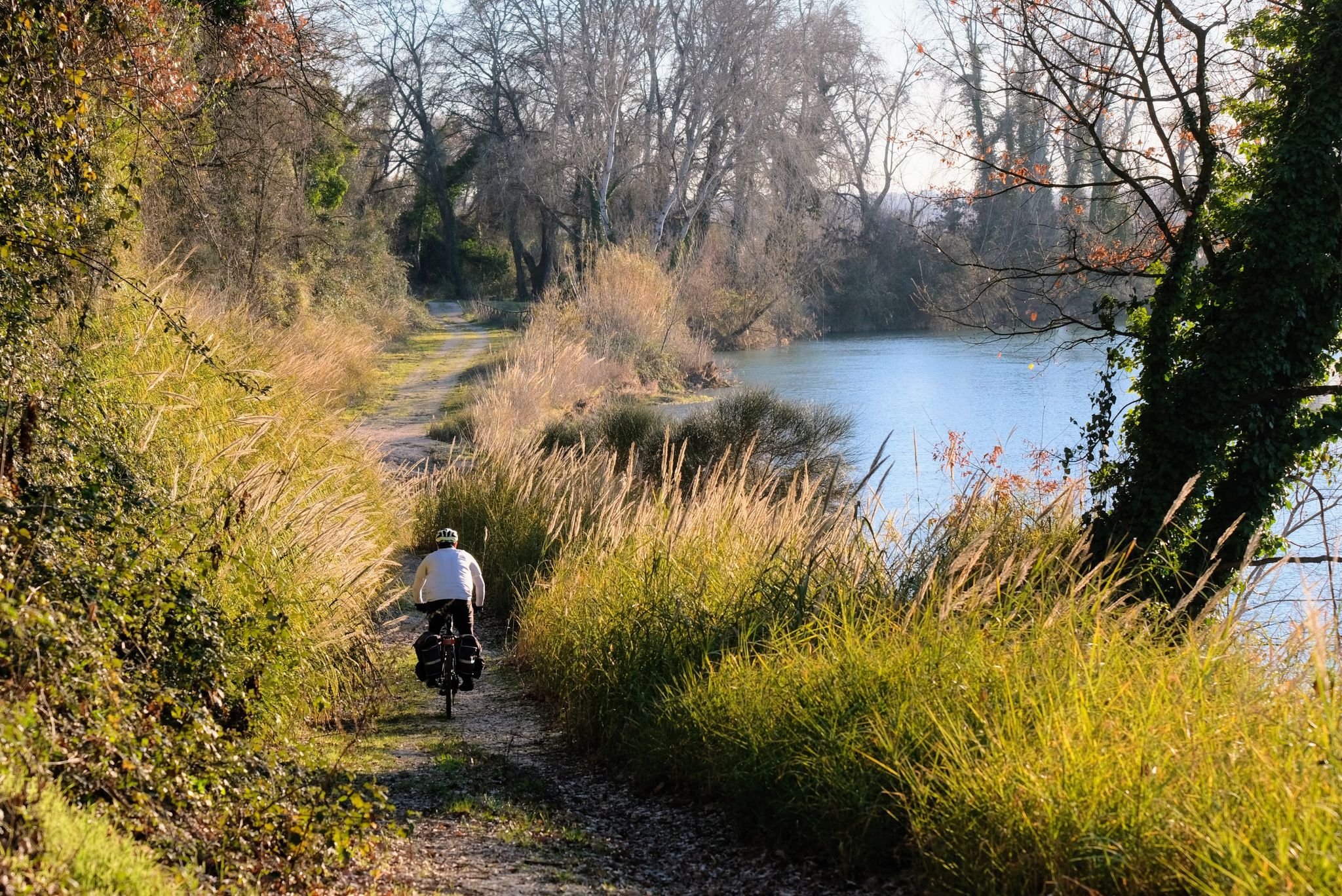
This station served the municipalities of Sant'Anatolia di Narco and Scheggino along the famous narrow-gauge railway that connected Spoleto to Norcia. Today the tracks have been replaced by a cycle path perfect for those who want to go off-road, which has made these places very bike-friendly.
0
0

17th-century church in the old town of Spoleto
1
0

A former Roman aqueduct, the Ponte delle Torri is the distinctive symbol of Spoleto.
0
0
The Rocca Albornoz dominates the city and is home to the National Museum of the Duchy of Spoleto
0
0
Frequently Asked Questions
How many running routes are available around Scheggino?
There are over 50 dedicated running routes around Scheggino listed on komoot. These routes offer a variety of distances and elevation profiles, catering to different fitness levels.
Are there any easy or beginner-friendly jogging routes in Scheggino?
While many routes in Scheggino feature significant elevation changes, there are moderate options suitable for beginners. For example, the Largo Luigi Antonini loop from Spoleto is a moderate 6 km path with more accessible elevation changes, offering a good starting point for new runners.
Can I find circular running routes in the Scheggino area?
Yes, many of the running trails around Scheggino are circular. Popular options include the Monteluco di Spoleto – Casa romana loop from Spoleto, which is a challenging 11.9 km, or the moderate Largo Luigi Antonini loop from Spoleto. Another longer option is the Monte Solenne loop from Ferentillo, spanning 17.9 km.
What kind of terrain can I expect on the jogging trails around Scheggino?
The terrain around Scheggino is characterized by undulating hills and varied elevation profiles, typical of central Italy. You can expect a mix of forest paths and open sections, providing diverse running experiences. Trails often include significant climbs and descents.
Are there any interesting landmarks or attractions to see while running near Scheggino?
Yes, several routes pass by notable points of interest. You might encounter historical sites like the Caprareccia Station or sections of the historic Spoleto-Norcia Railway. The Ponte delle Torri is another impressive landmark nearby.
What do other runners enjoy most about jogging in Scheggino?
The running routes in Scheggino are highly rated by the komoot community, with an average score of 5.0 stars from more than 9 reviews. Runners often praise the scenic landscapes, the challenging yet rewarding elevation changes, and the variety of paths through hilly and forested areas.
Are there any dog-friendly running trails around Scheggino?
Many trails in the Scheggino region are suitable for running with dogs, especially those that traverse natural landscapes and forest paths. It's always recommended to keep your dog on a leash, especially in areas where wildlife might be present or near agricultural land, and to check local regulations for specific routes.
What is the best time of year for running in Scheggino?
Spring and autumn generally offer the most pleasant conditions for running in Scheggino, with milder temperatures and beautiful scenery. Summer can be warm, so early morning or late evening runs are advisable. Winter running is possible, but some higher elevation paths might be affected by colder weather or occasional snow, requiring appropriate gear.
Are there options for less crowded running routes in Scheggino?
To find less crowded routes, consider exploring some of the more challenging or longer trails, as these naturally attract fewer people. Routes that venture deeper into the Valnerina's natural parks or away from popular urban centers like Spoleto tend to be quieter. The Colle Ciciano – Largo Luigi Antonini loop from Spoleto, while difficult, offers a good option for a more secluded experience.
Where can I find parking for running routes in Scheggino?
Parking is typically available near the starting points of many routes, especially in or near towns like Spoleto or Ferentillo, which serve as common access points for the trails. Specific parking details can often be found on individual route pages on komoot.
Can I expect to see wildlife on the running trails in Scheggino?
The natural landscapes around Scheggino, particularly in the Valnerina region, are home to various wildlife. Runners might encounter local birds, small mammals, and occasionally larger animals like wild boar or deer, especially on quieter, forested trails during early morning or late evening runs. Maintaining a respectful distance is always advised.
Are there any running routes that pass by cafes or refreshment points?
Routes that start or pass through villages and towns like Spoleto or Ferentillo will offer opportunities for cafes and refreshment points. For example, routes like the Running loop from Spoleto will have amenities available in the town itself. For trails in more remote areas, it's best to carry your own water and snacks.
Most popular attractions around Scheggino

Get inspired with the komoot mobile app


Explore more
Browse the best Running Trails & Routes in other regions.
