The best walks and hikes around Massa Marittima
4.3
(128)
639
hikers
80
hikes
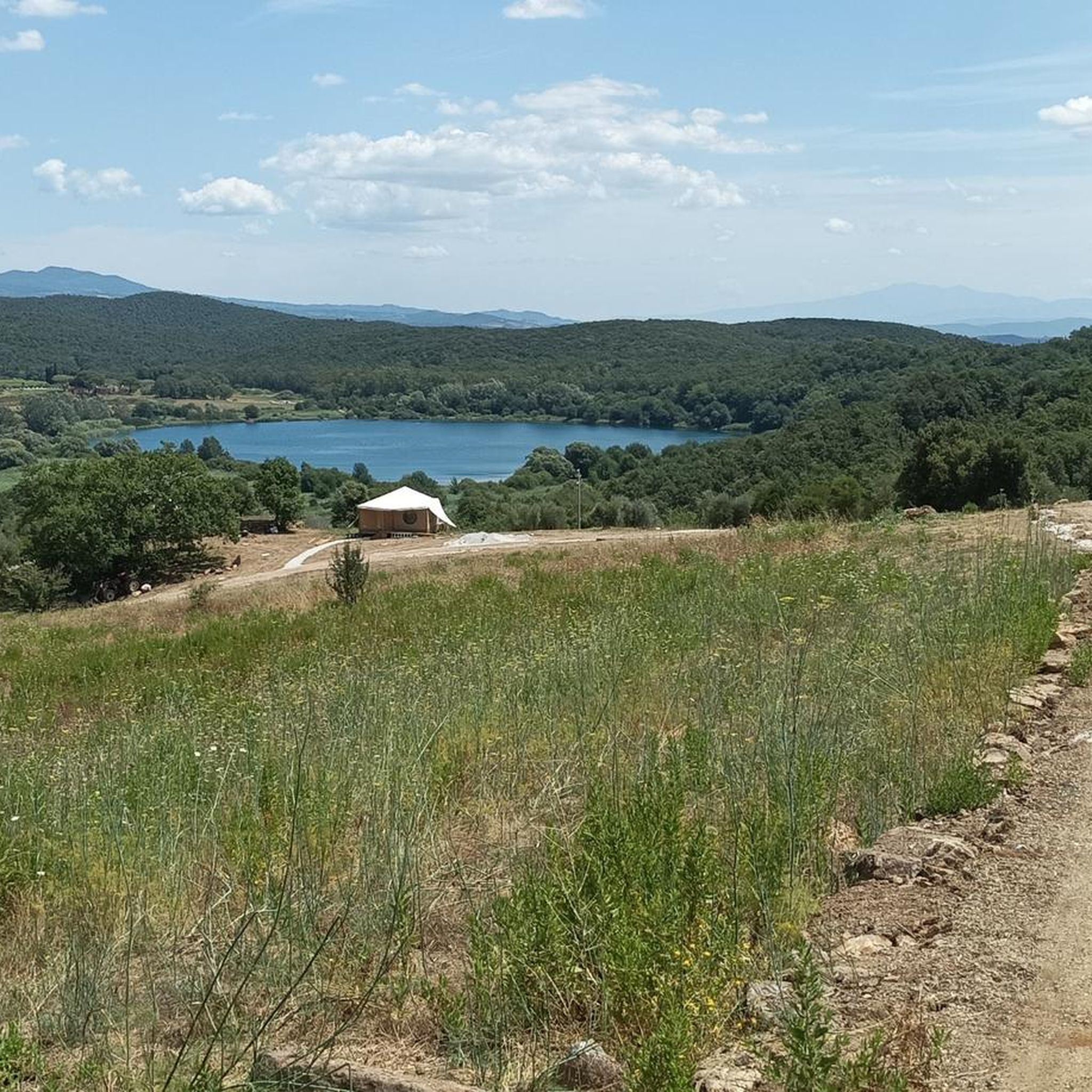
Hiking around Massa Marittima offers diverse landscapes, from hilly terrain with agricultural areas to natural vegetation and oak forests. The region features a karstic lake, Lago dell'Accesa, and areas with olive groves and vineyards. Trails traverse varied elevations, providing views of the Maremma countryside and the island of Elba. The area also holds historical significance with its mining heritage.
Best hiking trails around Massa Marittima
- The most popular hiking route is Lago dell'Accesa – Miniera della Pesta loop from Lago dell'Accesa, a 6.7 miles (10.8 km) trail that takes 3 hours 4 minutes to complete. This moderate route explores the area around the picturesque Lago dell'Accesa.
- Another top favourite among local hikers is Lago dell'Accesa loop from La Pesta, an easy 2.1 miles (3.4 km) path. This shorter loop offers a peaceful walk along the lake's banks, suitable for a leisurely stroll.
- Local hikers also love the Riostorto Trail – Agrofogli Trail loop from Prata, an 8.5 miles (13.7 km) trail leading through varied terrain, often completed in about 4 hours 22 minutes.
- Hiking around Massa Marittima is defined by hilly landscapes, oak forests, and karstic lakes, with trails traversing agricultural areas and historical mining sites. The network offers options for different ability levels, from easy walks to more challenging routes.
- The routes in Massa Marittima are highly rated by the komoot community with an average score of 4.3 stars from over 100 reviews. More than 500 hikers have used komoot to explore Massa Marittima's varied terrain.
Last updated: October 12, 2026
4.2
(11)
35
hikers
10.8km
03:04
240m
240m
Moderate hike. Good fitness required. Easily-accessible paths. Suitable for all skill levels.
3.3
(12)
65
hikers
3.59km
00:56
30m
30m
Easy hike. Great for any fitness level. Easily-accessible paths. Suitable for all skill levels.

4.5
(4)
20
hikers
13.7km
04:22
560m
560m
Moderate hike. Good fitness required. Easily-accessible paths. Suitable for all skill levels.
3.9
(8)
24
hikers
11.3km
03:07
180m
180m
Moderate hike. Good fitness required. Easily-accessible paths. Suitable for all skill levels.
3.8
(5)
27
hikers
8.52km
02:23
170m
170m
Moderate hike. Good fitness required. Easily-accessible paths. Suitable for all skill levels.
Get access to more routes and recommendations from other explorers.
Already have an account?
Our route recommendations are based on thousands of hikes, rides, and runs completed by other people on komoot.
Start today with a free account
Your next adventure awaits.
Popular around Massa Marittima
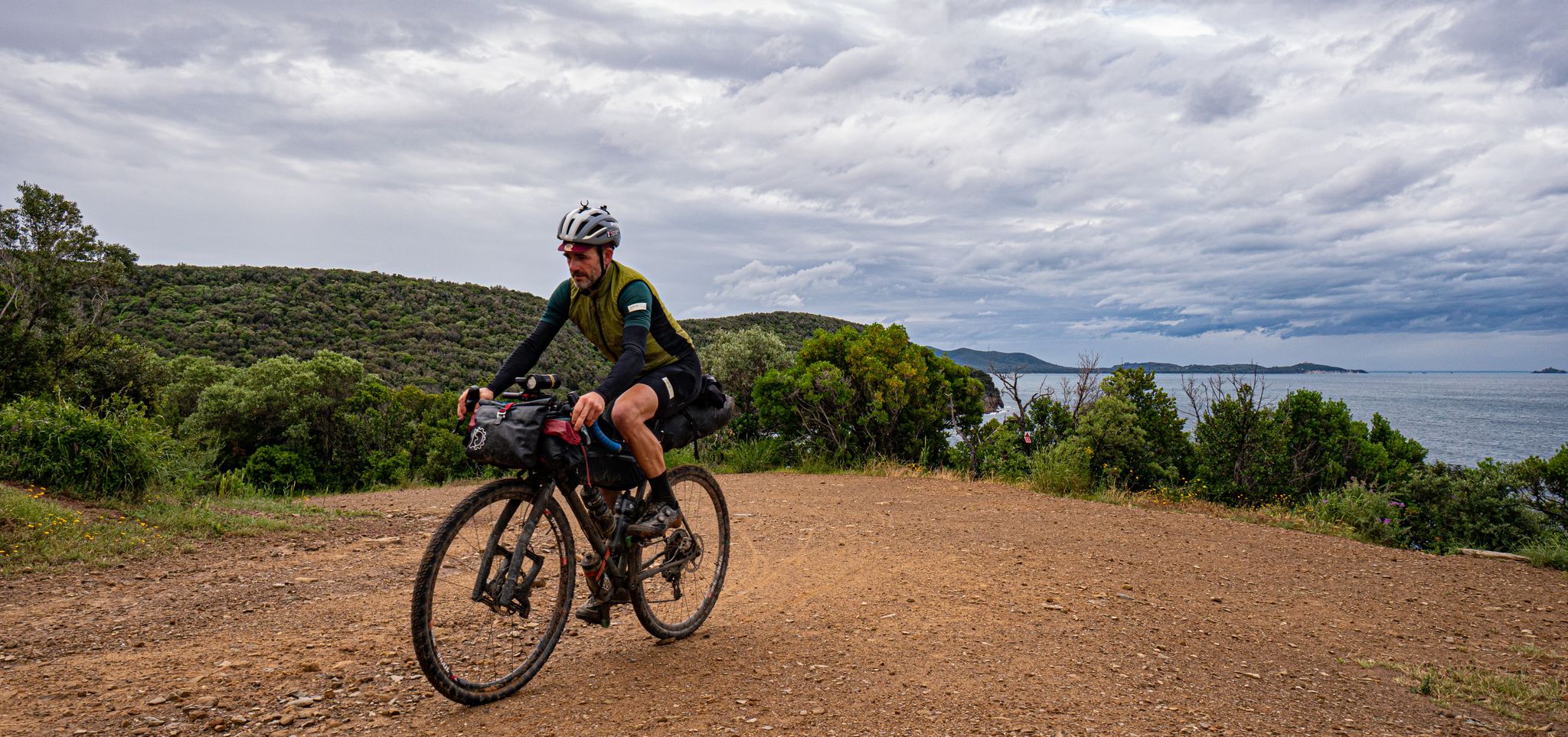
Maremma Challenge — A Tuscan, mixed terrain bikepacking loop
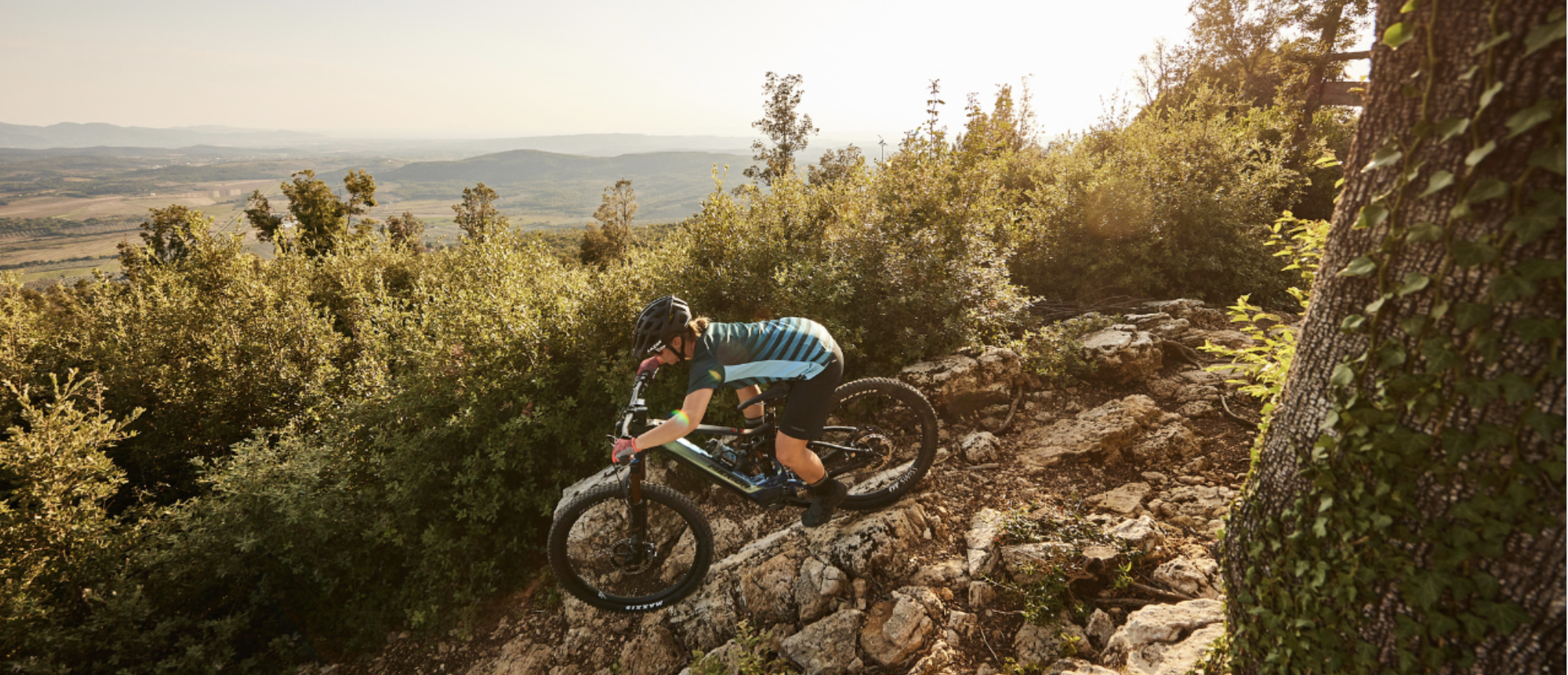
Cycling adventures in Tuscany from Pian dei Mucini Bike Resort
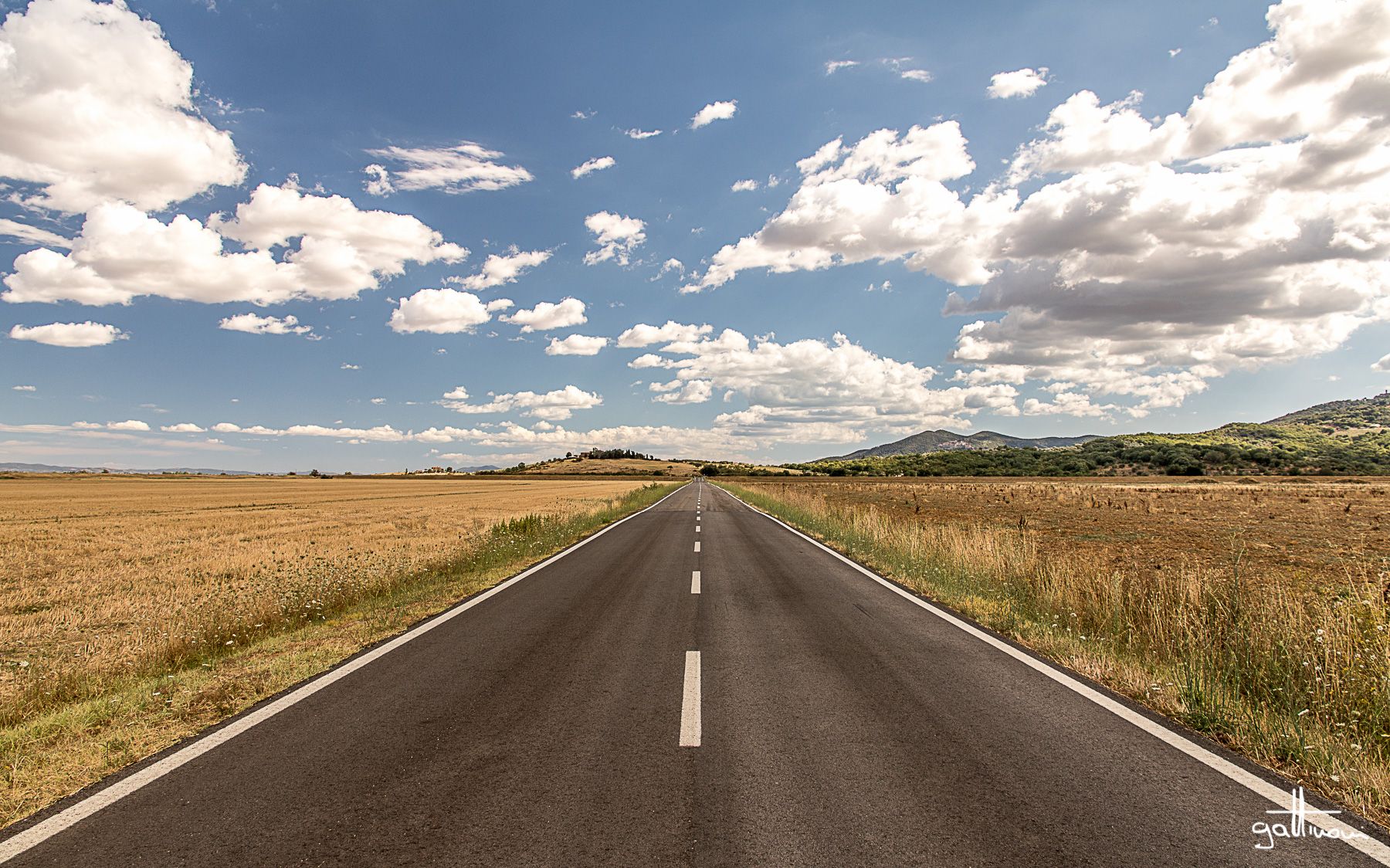
Discover a hidden side of Tuscany – Grand Tour of the Maremma
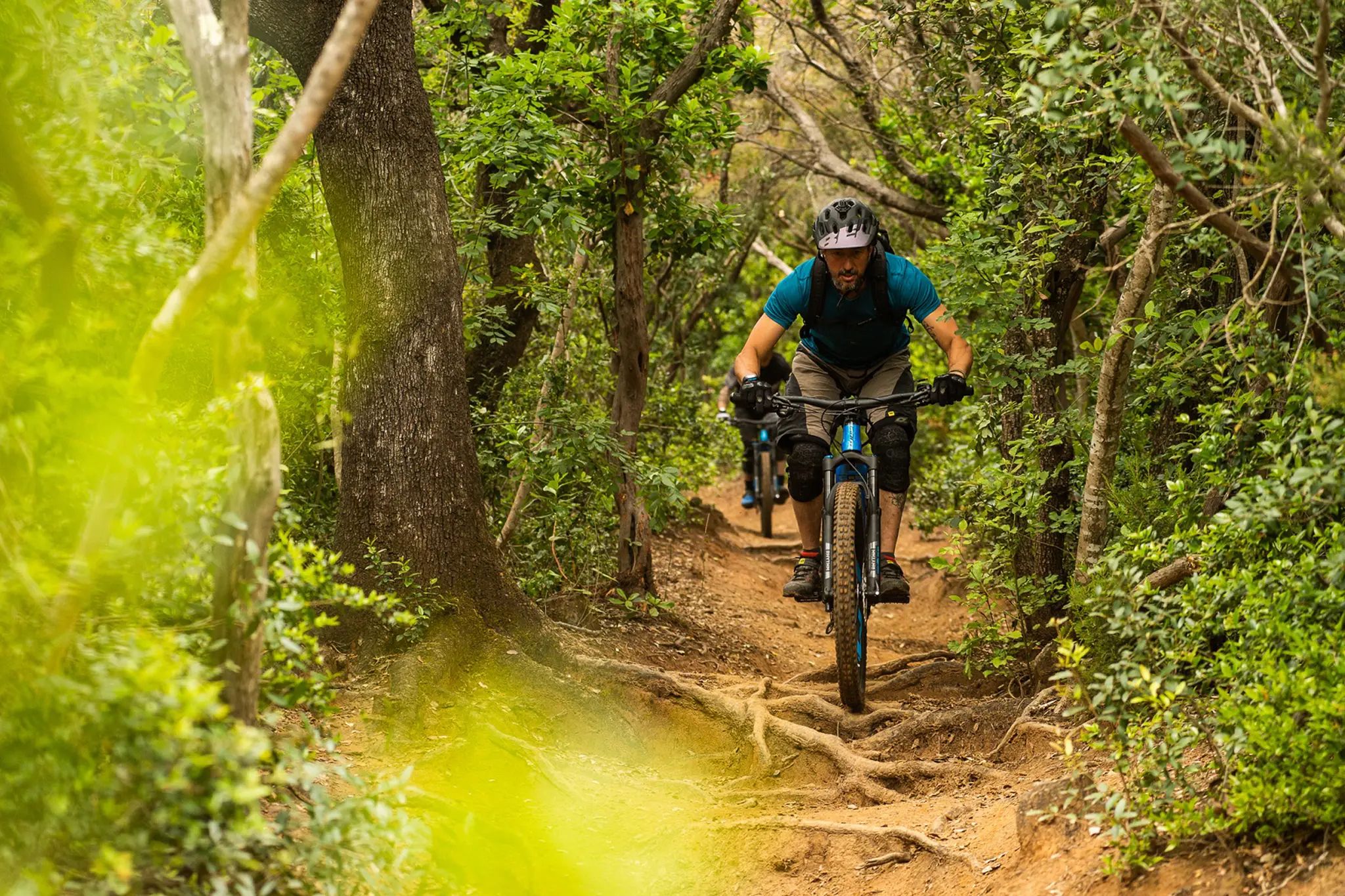
Sun, sea and adventure – MTB trails around Punta Ala
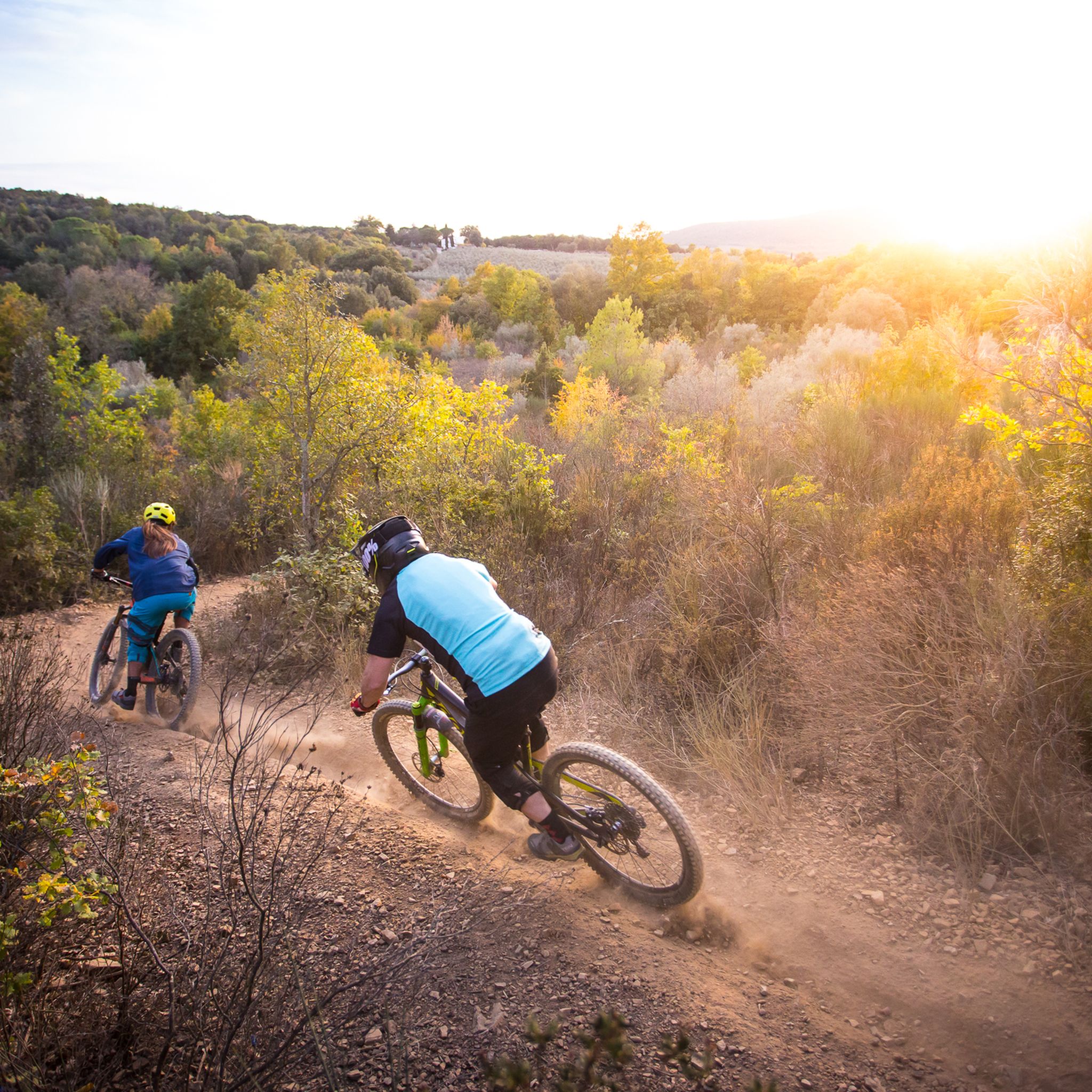
MTB Trails around Massa Marittima
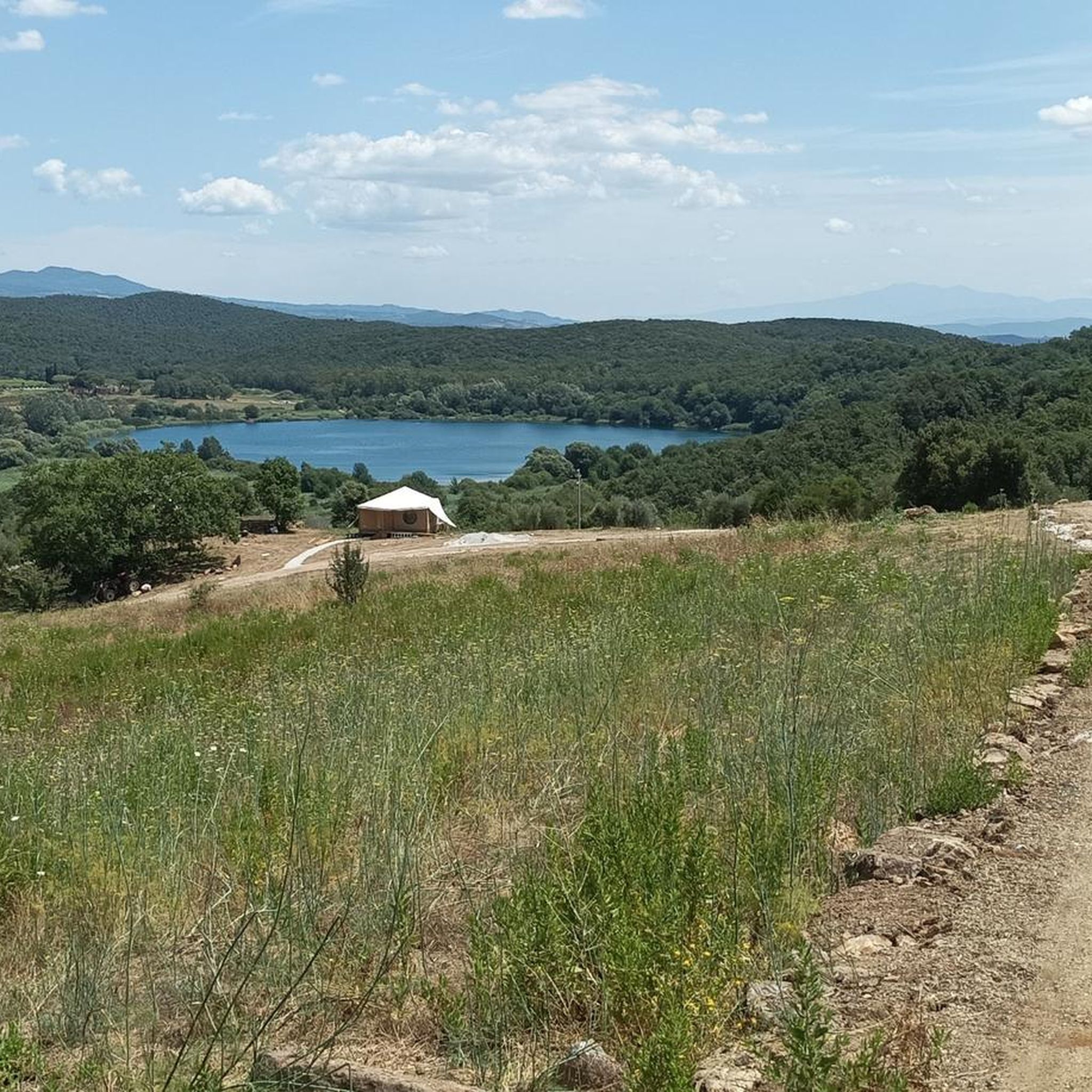
Road Cycling Routes around Massa Marittima
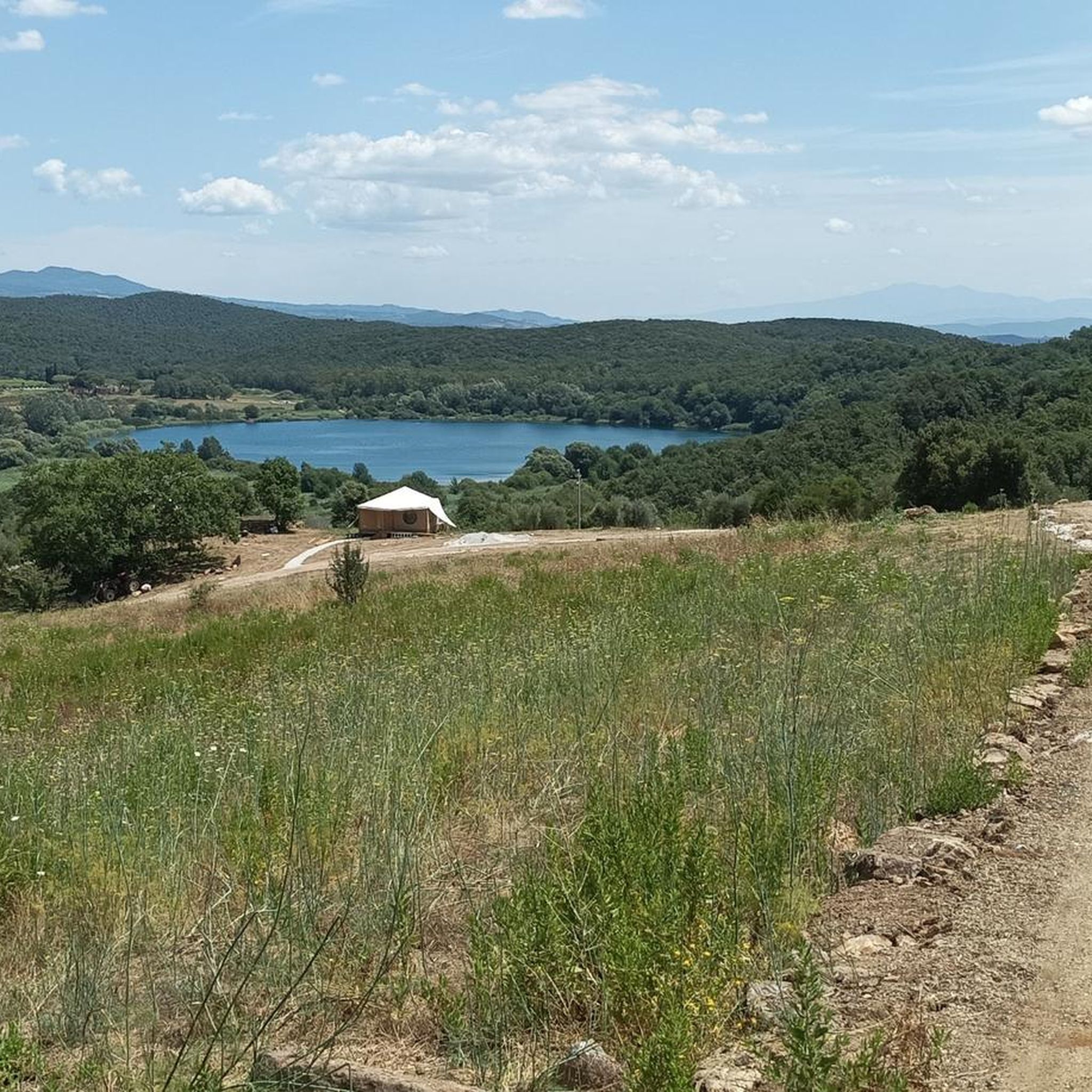
Cycling around Massa Marittima
Gravel biking around Massa Marittima
Running Trails around Massa Marittima
Other adventures around Massa Marittima


Tips from the Community

wonderful and welcoming village
0
0


The most panoramic and elevated points of Massa Marittima (at about 350-400 meters altitude) and from the surrounding hills, Elba Island can also be clearly seen.
1
0
The environment is the classic one to favor pasture
1
0
Continuing along the road that crosses the village of Capanne, you can reach La Pesta, a small flat area about 10 km from Massa Marittima. On the slopes of Poggio Bindo, in the immediate vicinity, the small extraction castle of Pozzo 4 stands out, and some mine entrances are still visible. But the main attraction of this area is perhaps the Lago dell’Accesa, of great naturalistic and environmental interest. The Accesa area is also interesting from an archaeological point of view: in the locality of Macchia del Monte, excavation works in the 1930s and 1980s brought to light the remains of four Etruscan villages, dating from the 9th to the 6th century BC, of which only the foundations can be seen. Given the location, it is hypothesized that these villages were linked to the mining of copper, mainly from the Fenice Capanne and Serrabottini mines. These remains have provided a testimony of considerable importance.
2
0
The Colline Metallifere are a hilly area in west-central Tuscany (provinces of GR, LI, PI, SI), renowned for its mineral deposits exploited since Etruscan times and for its landscape characterized by woods and sites of geological interest. The territory hosts a National Park recognized by UNESCO, a hub for cultural and naturalistic tourism.
1
0
The Archaeological Museum is housed in the ancient Palazzo del Podestà (1225), which overlooks the Piazza del Duomo of Massa Marittima. The collection is organized into sections, ordered chronologically from the lower paleolithic to the etruscan age; the main piece of the prehistoric collection is the eneolithic statue-stele of Vado all’Arancio, the only find of its type in Maremma; the etruscan finds come mainly from excavations carried out at the village of Lago dell’Accesa, they are mainly kitchenware, loom weights, fishing weights and bricks; also present are the funerary trousseaux found in the necropolises, especially pottery (figulina clay and bucchero), bronze fibulae, iron pot stands, iron and bronze weapons. On the ground floor, an educational section is set up with a life-size reconstruction of typical caves: a paleolithic and an eneolithic one. Guided tours and educational activities, organization of cultural events and film screenings are available.
1
0
About 10 km from Massa Marittima, we find Lago dell’Accesa, of great naturalistic-environmental and historical-archaeological interest, so much so that its suggestive atmosphere has given rise to numerous legends. Of karstic origin, the lake is about 38 meters deep and feeds the Bruna river, which is its only estuary. In addition to being suitable for swimming, it can also offer refreshment in the summer months thanks to the typical vegetation that surrounds it, consisting of reeds, rushes, poplars and eucalyptus trees, as well as the typical Mediterranean scrub, and it is easily suited for pleasant walks along the shores and in the surroundings. The crystal-clear waters are populated by a varied fish fauna, including trout, pike, carp, and perch, and there is no shortage of an equally rich population of aquatic birds. The Accesa area is also extremely relevant from an archaeological point of view. Near the lake, in the Macchia del Monte area, numerous excavations were carried out as early as the 1930s, then resumed in the 1980s, which brought to light numerous remains of four Etruscan villages dating from the 9th to the 6th century BC. The buildings of the various settlements, of which only the foundations are visible, are gathered in scattered groups within a rather large area. Given the location, it is hypothesized that these villages were linked to mining, especially copper from the mines of Fenice Capanne and Serrabottini. It is also thought that these mining villages were extraction outposts that were subordinate to the large center of Vetulonia, to which they supplied raw materials. In addition to the complexes intended for housing and extractive activities, many tombs of various typologies (well, pit, circle, and chamber tombs) have also been found.
1
0
Frequently Asked Questions
How many hiking trails are available around Massa Marittima?
Massa Marittima offers a wide variety of hiking experiences, with over 75 trails recorded. These routes cater to different preferences, ranging from easy strolls to more challenging treks through diverse landscapes.
What kind of terrain can I expect on hikes in Massa Marittima?
The region around Massa Marittima features a diverse and hilly landscape. You'll encounter agricultural areas, evergreen sclerophyll copses, oak forests, and even vineyards. Trails often provide scenic views of the Maremma countryside and the island of Elba, with some routes exploring historical mining sites.
Are there easy hiking trails suitable for beginners or leisurely walks?
Yes, there are plenty of easy options. Approximately 33 of the trails are rated as easy, perfect for beginners or those seeking a relaxed outing. A great example is the Lago dell'Accesa loop from La Pesta, an easy 2.1-mile path offering a peaceful walk along the lake's banks.
Can I find challenging or difficult hikes in the area?
For more experienced hikers, Massa Marittima also offers challenging routes. There are 9 trails rated as difficult, providing significant elevation changes and longer distances. These routes often lead through rugged terrain and offer rewarding views.
Are there any circular hiking routes around Massa Marittima?
Yes, many trails in the area are circular, allowing you to start and end at the same point. The Lago dell'Accesa – Miniera della Pesta loop from Lago dell'Accesa is a popular moderate circular route, and the Monte Arsenti area is also known for its circular trails through olive groves and vineyards.
What natural attractions or landmarks can I see while hiking?
Hikers can discover a wealth of natural and historical attractions. The picturesque Lago dell'Accesa is a highlight, surrounded by oak forests. You can also explore the Marsiliana Nature Park, known for its biodiversity, or enjoy panoramic views of the Maremma from various vantage points. Some trails even lead past natural caves and galleries.
Are there family-friendly hiking options in Massa Marittima?
Absolutely. Many of the easy trails are suitable for families. The areas around Lago dell'Accesa, for instance, offer gentle paths perfect for walks with children, combining natural beauty with opportunities for picnics and refreshing stops. The Lago dell'Accesa loop from Lago dell'Accesa is another excellent family-friendly option.
Are dogs allowed on the hiking trails?
Generally, dogs are welcome on many hiking trails in the Massa Marittima region, especially in natural areas. However, it's always advisable to keep them on a leash, especially in protected areas or near wildlife, and to check specific park regulations if you plan to visit a nature reserve like Marsiliana Nature Park.
What is the best time of year to go hiking in Massa Marittima?
Spring and autumn are generally ideal for hiking in Massa Marittima, offering pleasant temperatures and vibrant landscapes. Summer can be warm, but trails around lakes or in shaded forests, and the opportunity to explore natural caves, can still make it enjoyable. Winter offers milder conditions compared to northern regions, suitable for hiking if you're prepared for cooler weather.
Are there any historical sites or cultural points of interest along the trails?
Yes, the region is rich in history. Lago dell'Accesa is also an Archaeological Park of Etruscan Civilization. Massa Marittima itself has a significant mining heritage, with trails that offer a glimpse into the region's past, including old mine shafts. You can also visit the Massa Marittima Historic Center, which is a highlight in itself.
How well-marked are the hiking trails in Massa Marittima?
The hiking trails in the Massa Marittima area benefit from a well-established CAI (Club Alpino Italiano) trekking signage system. This helps hikers navigate and discover the natural beauty of the region with confidence, ensuring routes are generally easy to follow.
What do other hikers say about the trails in Massa Marittima?
The hiking routes in Massa Marittima are highly regarded by the komoot community, with an average score of 4.3 stars from over 100 reviews. Hikers often praise the diverse landscapes, the well-maintained paths, and the blend of natural beauty with historical interest found throughout the region.
Are there waterfalls to see on hikes in Massa Marittima?
While the region is not primarily known for large waterfalls, some routes may feature smaller cascades, especially after rainfall. For example, the Cascate della Bruna – Lake of the Tenuta del Fontino loop from Lago dell'Accesa suggests the presence of such features, offering a refreshing element to your hike.
Most popular routes around Massa Marittima
Most popular attractions around Massa Marittima

Get inspired with the komoot mobile app


Explore more
Browse the best Hikes in other regions.
