The best walks and hikes around Radicondoli
4.4
(903)
3,168
hikers
19
hikes
Hiking around Radicondoli offers diverse terrain within the Sienese hills of Tuscany. The region is characterized by its unique geothermal features, including steam columns and bubbling mud lagoons, particularly evident in the Biancane Nature Park. Dense Mediterranean scrub forests, featuring holm oak and juniper, cover much of the landscape, alongside older forests of Turkey oak and chestnut. Panoramic views of the "colline metallifere" and the valleys of Merse and Cecina are common, with trails often following river courses like the Cecina.
Best hiking trails around Radicondoli
- The most popular hiking route is View of Cornate di Gerfalco – Trail to the Le Cornate summit loop from Riserva Naturale Cornate e Fosini, an 8.5 miles (13.6 km) trail that takes 4 hours 25 minutes to complete. This moderate route leads to the highest point of the Colline Metallifere.
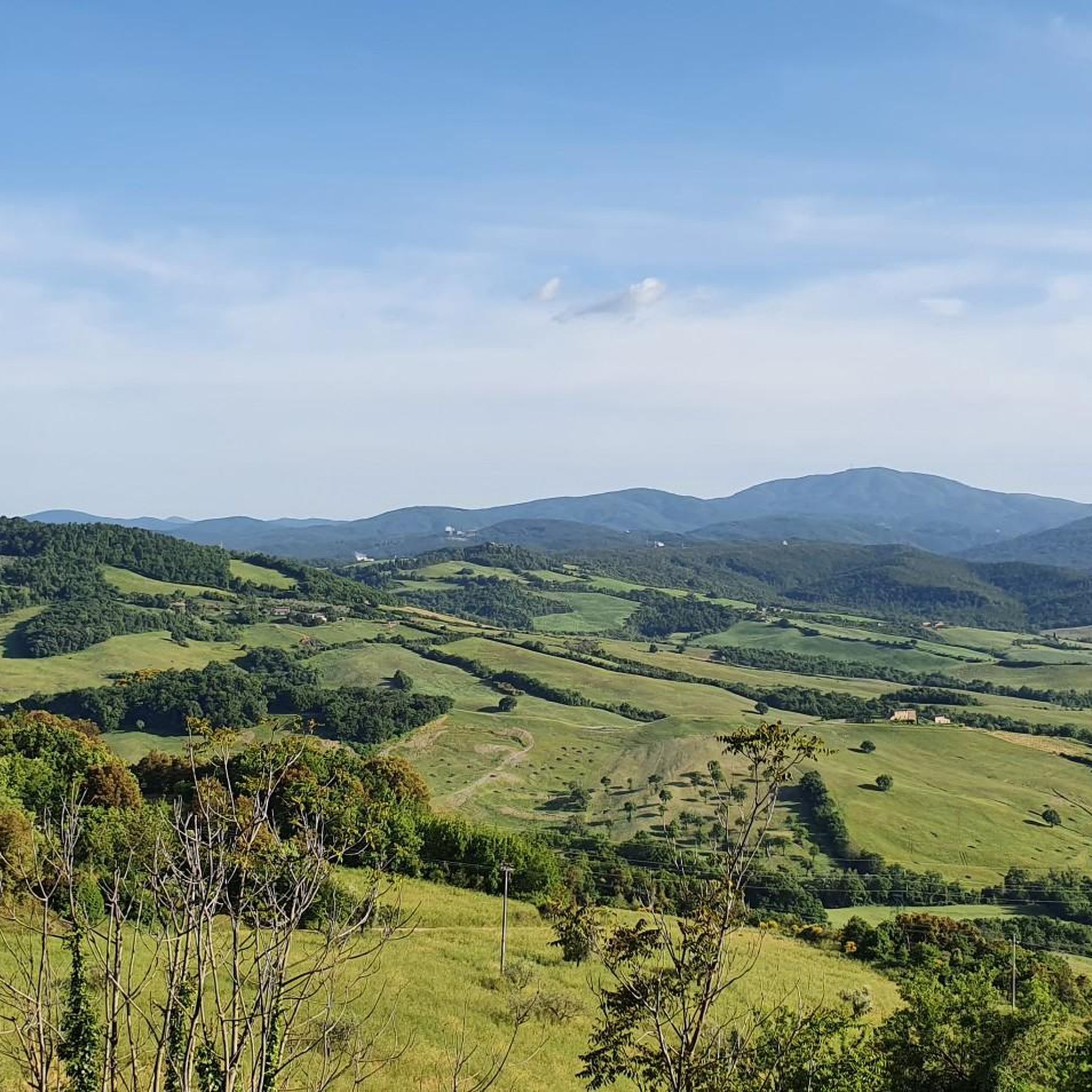
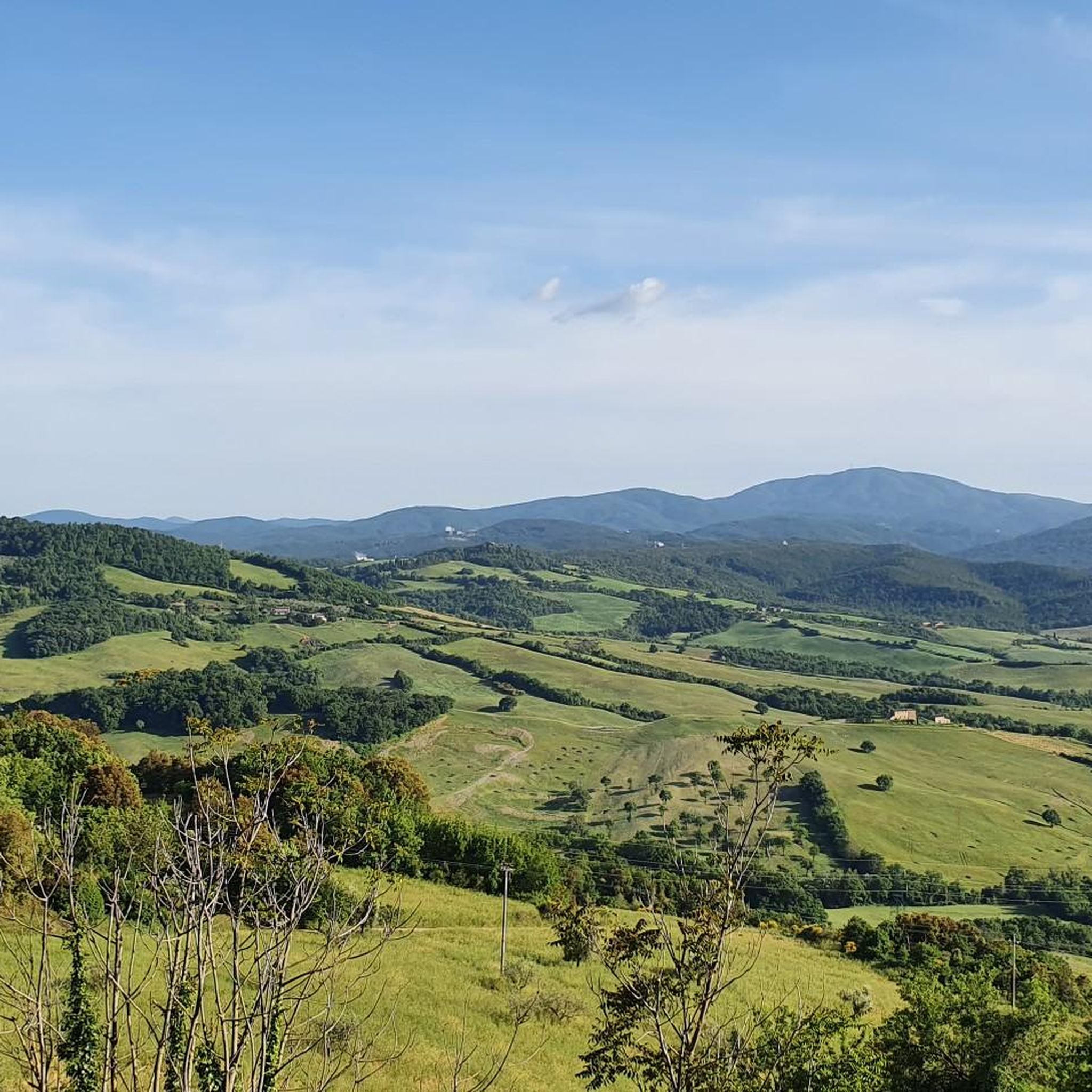
- Another top favourite among local hikers is View of the Tuscan countryside loop from Radicondoli, an easy 3.6 miles (5.8 km) path. This route offers panoramic views of the surrounding Tuscan countryside.
- Local hikers also love the Podere Casanova Ruins loop from Podere Poggiobianco, a 5.0 miles (8.0 km) trail leading through varied terrain and past historical ruins, often completed in about 2 hours 25 minutes.
- Hiking around Radicondoli is defined by its geothermal manifestations, Mediterranean scrub forests, and panoramic Sienese hills. The network offers options for easy walks to more challenging routes, suitable for different ability levels.
- The routes in Radicondoli are highly rated by the komoot community with an average score of 4.5 stars from over 700 reviews. More than 2,800 hikers have used komoot to explore Radicondoli's varied terrain.
Last updated: October 10, 2026
4.5
(31)
79
hikers
Moderate hike. Good fitness required. Easily-accessible paths. Suitable for all skill levels.
4.3
(16)
65
hikers
5.81km
01:43
170m
170m
Easy hike. Great for any fitness level. Easily-accessible paths. Suitable for all skill levels.

5.0
(1)
11
hikers
Easy hike. Great for any fitness level. Easily-accessible paths. Suitable for all skill levels.
4.7
(3)
11
hikers
Hard hike. Very good fitness required. Easily-accessible paths. Suitable for all skill levels.
3.0
(1)
9
hikers
7.99km
02:25
260m
260m
Moderate hike. Good fitness required. Easily-accessible paths. Suitable for all skill levels.
Get access to more routes and recommendations from other explorers.
Already have an account?
Our route recommendations are based on thousands of hikes, rides, and runs completed by other people on komoot.
Start today with a free account
Your next adventure awaits.

Tips from the Community

The Path to Cornate di Gerfalco usually starts from the village of Gerfalco and requires about 2.5 - 3 hours to complete the loop. Trail Details Elevation and Summit: Cornate di Gerfalco (approx. 1060–1081 m a.s.l.) is the highest peak in the Colline Metallifere in Tuscany. Elevation gain: About 400–430 meters uphill. Difficulty: Hiking (E), suitable for those with basic fitness and a sure foot.
0
0

Elba is the largest island of the Tuscan Archipelago and the third largest in Italy by area. Located about 10 km from the coast of Piombino, it is famous for its extraordinary geological variety, ranging from white sand beaches to the granite reliefs of Monte Capanne (1018 m). Historically known as the place of Napoleon Bonaparte's exile in 1814, the island preserves important historical testimonies, including Napoleonic villas and ancient iron mines.
0
0
Gerfalco is an ancient medieval village located at 774 meters above sea level in the municipality of Montieri, in the province of Grosseto. Often described as a "small nativity scene", it is immersed in the Colline Metallifere and is known for its mining history and proximity to the Cornate and Fosini Natural Reserve. The name of the village probably derives from the medieval German ger-Falke, meaning "falcon bearer", suggesting origins linked to nobles of Germanic lineage. It was an important mining center, contested between the bishops of Volterra and powerful families such as the Pannocchieschi and Aldobrandeschi. The village retains the structure of a castle and is characterized by the use of red ammonitic limestone, a pinkish stone also used in the construction of the Siena Cathedral.
0
0
Le Cornate di Gerfalco (1060-1081 m a.s.l.) represent the highest peak of the Metalliferous Hills in Tuscany, located between the provinces of Grosseto and Siena. They are part of the Cornate and Fosini Nature Reserve and offer a panorama that ranges from the Tuscan Archipelago to Corsica and the Apennines.
1
0
Le Cornate di Gerfalco (1060-1081 m a.s.l.) represent the highest peak of the Metalliferous Hills in Tuscany, located between the provinces of Grosseto and Siena. They are part of the Cornate and Fosini Nature Reserve and offer a panorama that ranges from the Tuscan Archipelago to Corsica and the Apennines.
1
0
The Cornate di Gerfalco (1060-1081 m above sea level) represent the highest peak of the Colline Metallifere in Tuscany, located between the provinces of Grosseto and Siena. They are part of the Cornate and Fosini Natural Reserve and offer a panorama that ranges from the Tuscan Archipelago to Corsica and the Apennines.
0
0
In the Cornate di Gerfalco area, the highest mountain in the Colline Metallifere, stand two small villages, once mining castles and today a destination for summer camps for children from Siena. Around them lay mines of silver, iron, lead, and copper, cultivated since the Etruscan era but especially between the 9th and 13th centuries, when the area was acquired by the Republic of Siena and became one of the most important "silver mines" in Italy and Europe, until its closure in the 15th century, with a partial reactivation in the 18th-19th centuries under the Grand Duchy of Tuscany and then in the early years of the 20th century with the construction of new galleries with negative results and the recovery of material from landfills: pyrite (sulfuric acid) and smithsonite (zinc).
0
0

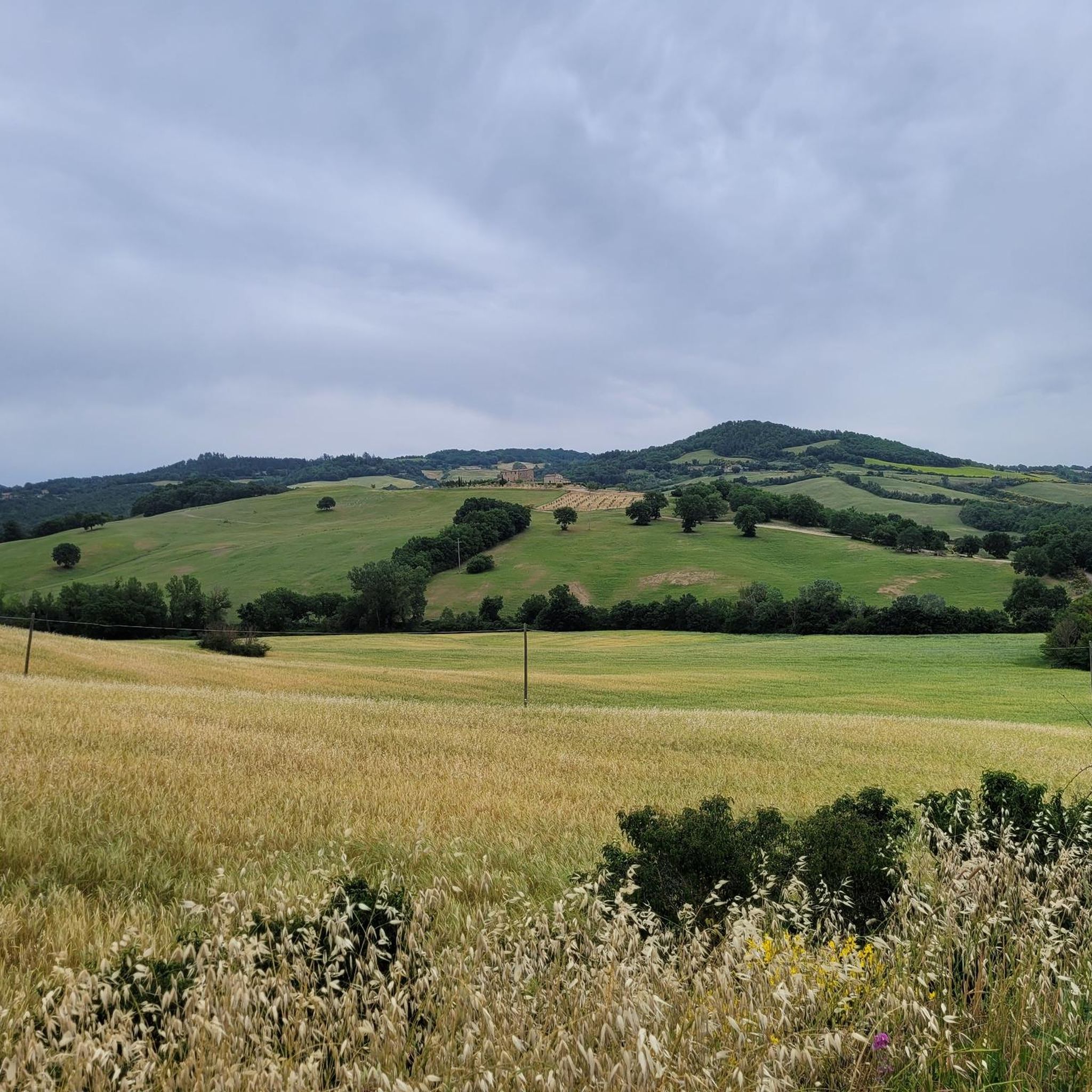
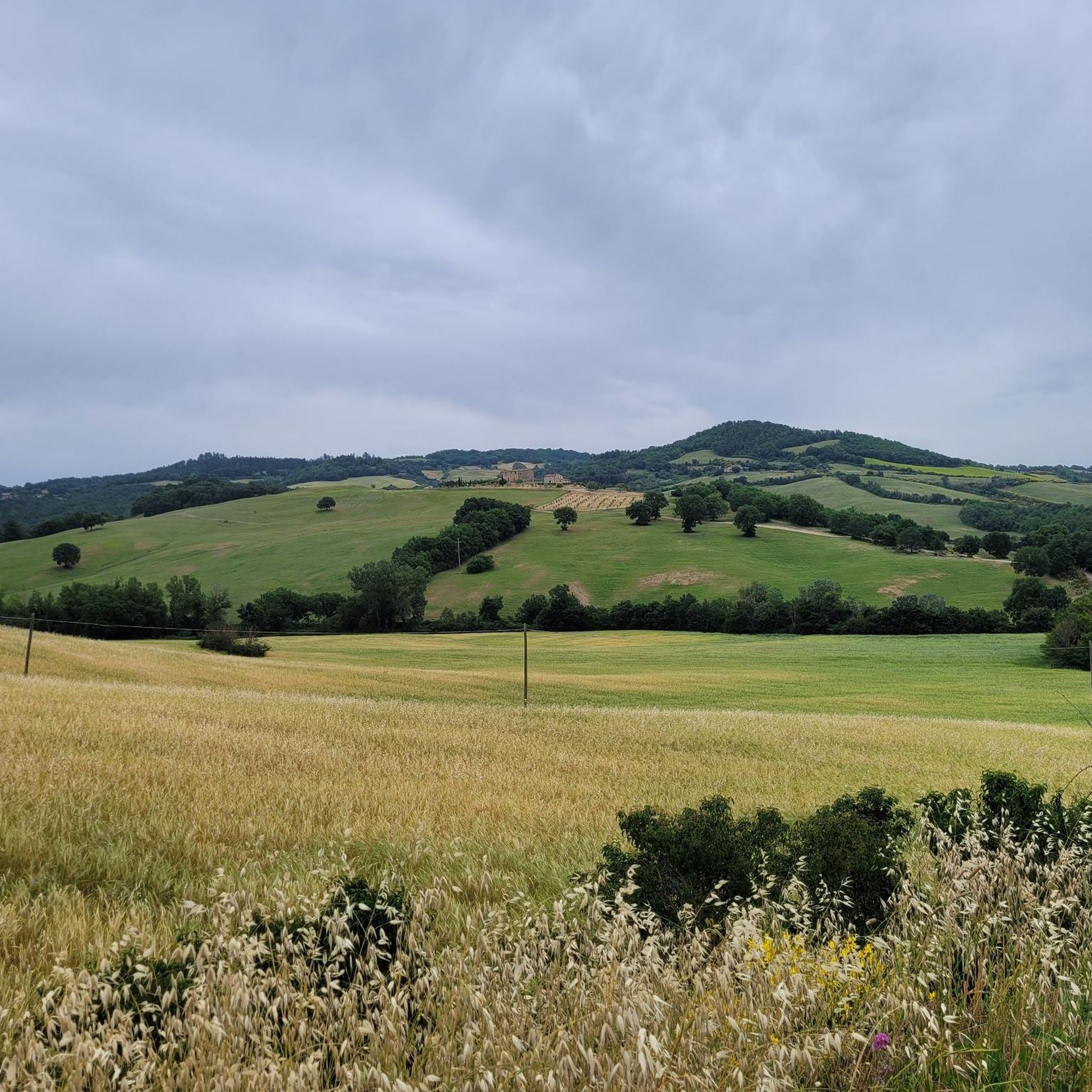
A ruin with stables and another small house a little way up the hill. The path leading past it continues a short distance up the hill to meadows.
0
0
Frequently Asked Questions
How many hiking trails are available around Radicondoli?
There are over 10 hiking trails around Radicondoli, offering a variety of experiences from easy strolls to more challenging routes. The komoot community has explored these paths over 2,800 times, contributing to an average rating of 4.5 stars.
What types of landscapes and natural features can I expect to see while hiking in Radicondoli?
Radicondoli's hiking trails traverse a diverse landscape. You'll encounter unique geothermal features like steam columns ('fumacchi') and bubbling mud lagoons ('bulicami'), especially in the Biancane Nature Park. The region is rich in forests with Mediterranean scrub, holm oak, and chestnut trees, alongside panoramic views of the 'colline metallifere' and the valleys of Merse and Cecina. Rivers like the Cecina also offer beautiful natural settings.
Are there any easy hiking trails suitable for beginners or families in Radicondoli?
Yes, Radicondoli offers several easy trails perfect for beginners or families. For instance, the View of the Tuscan countryside loop from Radicondoli is an easy 3.6-mile (5.8 km) path providing panoramic views. Another accessible option is the Radicondoli Historic Village loop from Radicondoli, which is 2.8 miles (4.5 km) long and explores the village surroundings.
What historical sites or landmarks can I discover along the hiking routes?
Hikers can explore several historical sites. The trails often lead past ancient structures like the ruins of Elci Castle, dating back to the year 1000. The impressive Fosini Castle ruins are also located within the Riserva Naturale Cornate e Fosini. The medieval village of Radicondoli itself, with its preserved architecture and the Borgo Tower, offers cultural insights.
Are there any circular hiking routes in Radicondoli?
Yes, many of the trails around Radicondoli are circular, allowing you to start and end in the same location. Examples include the moderate View of Cornate di Gerfalco – Trail to the Le Cornate summit loop from Riserva Naturale Cornate e Fosini, and the easy View of the Tuscan countryside loop from Radicondoli.
What is the best time of year to go hiking in Radicondoli?
Radicondoli is suitable for hiking throughout much of the year. Spring and autumn offer pleasant temperatures and vibrant natural colors, making them ideal for exploring the forests and panoramic views. Even winter hiking can be rewarding, with the landscape taking on a different, serene beauty.
What kind of wildlife might I encounter on the trails?
The wild and untamed environment of Radicondoli is home to diverse wildlife. Hikers might spot wild boars, roe deer, porcupines, badgers, and various bird species, including nocturnal and diurnal birds of prey. The area also hosts protected species like the woodlark and red-backed shrike.
Are there any specific natural attractions or viewpoints worth seeking out?
Absolutely. The Biancane Nature Park is a must-visit for its striking geothermal manifestations. The Riserva Naturale Cornate e Fosini, with its mountain reliefs like Cornate, offers dramatic landscapes and the highest point of the Colline Metallifere. Many trails also provide splendid panoramic views of the surrounding Tuscan countryside and the valleys of Merse and Cecina.
What do other hikers enjoy most about hiking in Radicondoli?
The area is highly rated by the komoot community, with an average score of 4.5 stars from over 700 reviews. Reviewers often praise the diverse terrain, the unique geothermal features, the stunning panoramic views of the Tuscan countryside, and the opportunity to discover historical sites amidst nature.
Are there options for longer or more challenging hikes in the area?
Yes, for those seeking a greater challenge, Radicondoli offers more difficult routes. The Radicondoli Historic Village – Belforte loop from Radicondoli is a difficult 12.6-mile (20.2 km) trail that takes over 5 hours to complete, connecting Radicondoli with the nearby village of Belforte and offering varied terrain.
Is there public transport or parking available for hikers in Radicondoli?
Radicondoli is a small medieval village, and while specific public transport details for trailheads might vary, parking is generally available within or near the village. For detailed information on reaching Radicondoli and exploring the surroundings, you may find resources on the local tourism website: visitradicondoli.it.
Most popular routes around Radicondoli
Most popular attractions around Radicondoli

Get inspired with the komoot mobile app


Explore more
Browse the best Hikes in other regions.
