Attractions and Places To See around Bibbiena - Top 20
Best attractions and places to see around Bibbiena include a variety of historical sites, religious buildings, and natural landscapes within the Casentino valley in Tuscany. This historic town, with its ancient origins and medieval past, is situated on a hill overlooking the Archiano river, a tributary of the Arno. It serves as a gateway to the Casentino Forests, Mount Falterona, and Campigna National Park, offering extensive opportunities for outdoor exploration. The region combines cultural heritage with significant natural beauty.
Best attractions and places to see around Bibbiena
- The most popular attractions is La Verna Sanctuary, a religious building and historical site where Saint Francis of Assisi is said to have received the stigmata. This significant pilgrimage destination includes a basilica with artworks by Andrea della Robbia and is surrounded by a monumental forest.
- Another must-see spot is Camaldoli Hermitage, a religious building founded around 1025 AD by the hermit friar Romualdo. Visitors can explore the hermitage, which is immersed in a centuries-old beech forest within the National Park of the Casentinesi Forests.
- Visitors also love Calla Pass, a mountain pass located at 1,296 meters above sea level. It is the highest road pass in the Tuscan-Romagnolo Apennines and serves as a starting point for trails into the millenary forest.
- Bibbiena is known for its historical landmarks, cultural sites, and natural parks. The area offers a diverse range of attractions, from medieval towers and palaces to churches housing Renaissance art, and vast forests ideal for hiking.
- The attractions around Bibbiena are appreciated by the komoot community, with 463 upvotes and 484 photos shared.
Last updated: August 16, 2026
La Verna Sanctuary
Highlight • Religious Site
Translated by Google •
Tip by

Camaldoli Hermitage
Highlight • Religious Site
Translated by Google •
Tip by
Sign up now to discover places like this
Get recommendations on the best single tracks, peaks, & plenty of other exciting outdoor places.
Sign up for free
Fangacci Hut
Highlight • Mountain Hut
Translated by Google •
Tip by

Calla Pass
Highlight • Mountain Pass
Translated by Google •
Tip by

Nasseto Refuge
Highlight • Mountain Hut
Translated by Google •
Tip by

Sign up for free to discover even more attractions around Bibbiena.
Sign up for free
Already have an account?
Start today with a free account
Your next adventure awaits.
Login or Signup



Tips from the Community

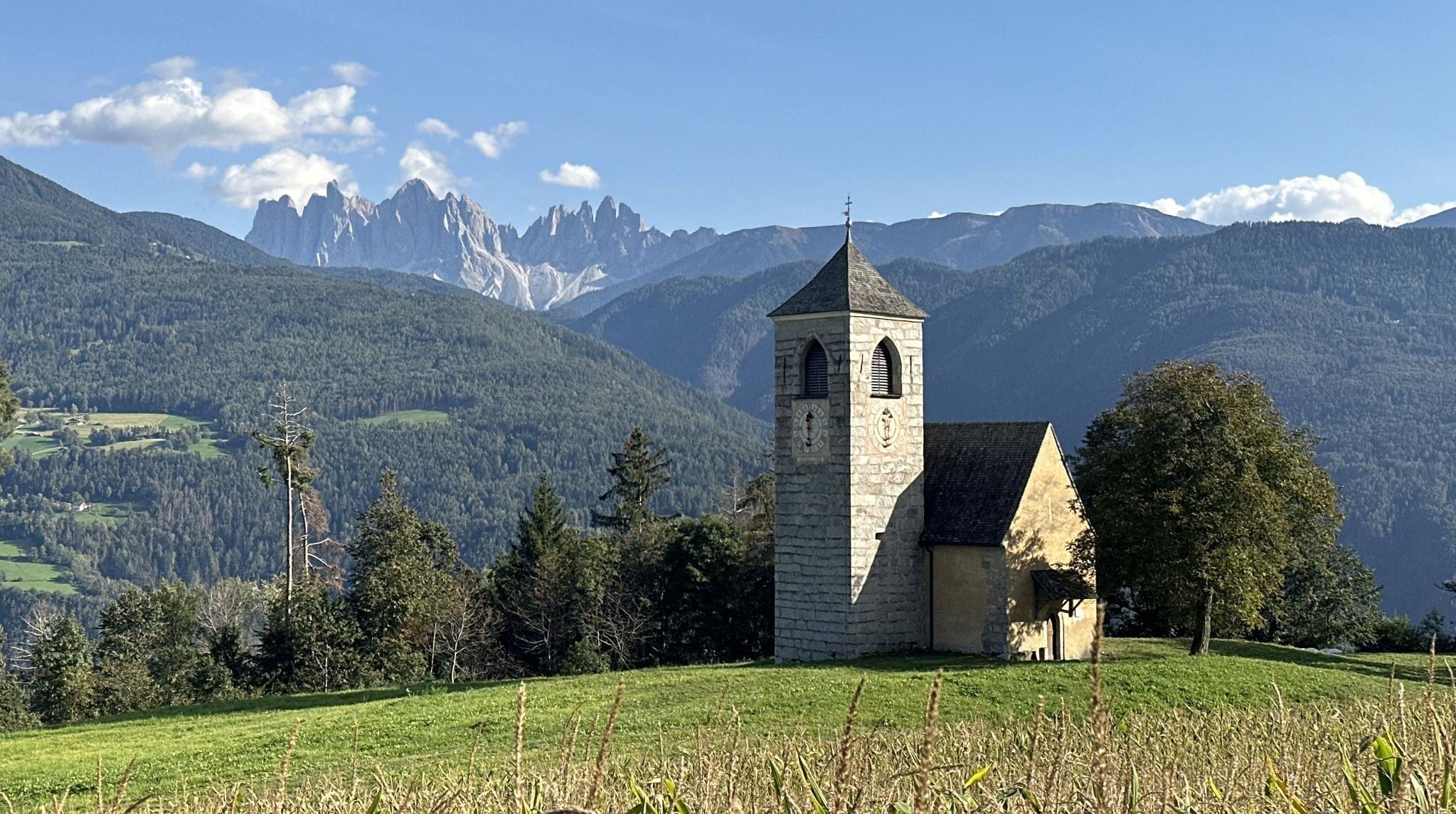
The refuge, not managed, is located at an altitude of 1234 m. above sea level inside the Casentinesi Forest National Park, along the road that from the Camaldoli Hermitage, passing through Prato alla Penna, leads to Badia a Prataglia.
4
0

The place where the sanctuary is located today was donated to Saint Francis by Count Orlando Cattani of Chiusi in 1213. First a hermitage was founded which became a recurring destination for Francis and his disciples for periods of meditation and prayer. Francis stayed here for the last time in 1224. It was precisely on the occasion of that last visit that the Saint received the stigmata. The complex includes the small church of Santa Maria degli Angeli built by Francis himself, the corridor and the Chapel of the Sacred Stigmata and the Basilica dedicated to Santa Maria Assunta where you can admire the Annunciation by the sculptor Andrea della Robbia. The sanctuary is surrounded by the monumental forest of La Verna, a forest of fir and beech trees cared for over the centuries by the Franciscan friars.
4
0
The hermitage of Camaldoli was founded around 1025 AD by the hermit friar Romualdo, today San Romualdo. At the beginning the structure had five cells for hermits and a church for common prayer. Today there are twenty cells and the most "recent" dates back to 1743. Over the centuries, other common structures have been built: the refectory, the library and the guesthouse. All the cells are built following the model of the first cell of San Romualdo, still visible although incorporated by the library: it is a small house with a garden surrounded by walls. The internal spaces of the hermitage can only be visited during guided tours; the timetables can be found on the Camaldoli community website.
1
1

The Calla pass is the highest road pass within the Foreste Casentinesi National Park. It connects the Arno valley with that of the Bidente, and also marks the border between Tuscany and Emilia Romagna. The classic climb is the one that comes from Stia, about 15 kilometers with a difference in altitude of 850 metres. It is never too steep but the length makes itself felt, especially if you pedal with your bicycle loaded with luggage.
1
0

The Holy Mountain of La Verna, as “the raw rock between the Tiber and the Arno…” is called, is the place where the “stigmatized” Francis wanted to relive the same torments that Christ suffered on Calvary. The monastery is located on the Alverna elevation on the southwest slope of Monte Penna north of Chiusi della Verna at 1,128 meters. Places worth seeing in this place of pilgrimage are the Basilica of St. Mary, Queen of Angels (S. Maria degli Angeli) and the chapel of the same name, the so-called “Outstanding Rock” (Sasso Spicco), the Corridor of the Stigmata and the Chapel of the Stigmata (Cappella delle Sacrestimmate).
4
1
Here you find yourself at the foot of the rock, which is cut vertically, and look up to the sky to admire the magnificence of the rock! The path from Rimbocci up to La Verna is quite strenuous because you have to overcome a large difference in altitude (a good 600m) in just a few km. It leads to an old donkey path, on which you continue uphill with a steep incline to the monastery.
4
0

Numerous paths arrive here. The descent towards Campigna along the ancient Roman paving is recommended on MTB! A jump into the past!
1
0
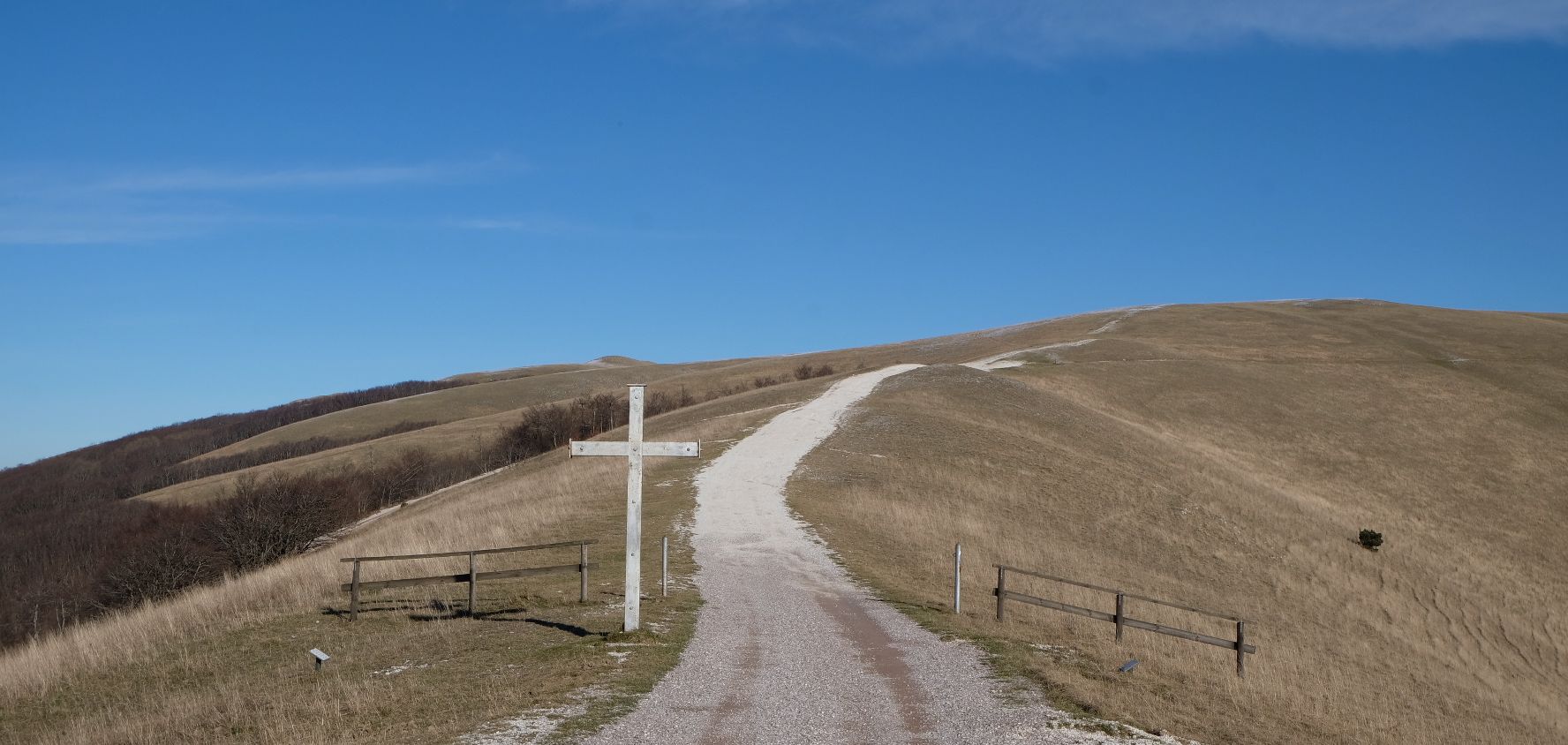
Passo della Calla is a historic crossing point between Tuscany and Romagna. At the top, when open, there is a small refreshment point.
0
0
Frequently Asked Questions
What historical landmarks can I explore within Bibbiena town?
Bibbiena's rich medieval past is evident in landmarks like the Tarlati Tower and the Clock Tower, which were part of its fortified village history. You can also see the Porta dei Fabbri, a medieval gate. Significant palaces include the sixteenth-century Palazzo Dovizi, once home to Cardinal Bernardo Dovizi, and others like Palazzo Mazzoleni and Palazzo Niccolini.
Which religious sites are significant around Bibbiena?
The area is rich in spiritual heritage. The most popular is La Verna Sanctuary, where Saint Francis of Assisi received the stigmata. Another key site is Camaldoli Hermitage, founded around 1025 AD and nestled in a centuries-old beech forest. Within Bibbiena, visit the Church of San Lorenzo, known for Andrea della Robbia's terracottas, and the Oratory of San Francesco, a jewel of Tuscan Rococo. Just outside town is the Sanctuary of Santa Maria del Sasso, featuring Renaissance artworks.
Are there opportunities for hiking and outdoor activities near Bibbiena?
Absolutely. Bibbiena is an excellent base for exploring the Casentino Forests, Mount Falterona, and Campigna National Park, offering extensive hiking opportunities. The Calla Pass, the highest road pass in the Tuscan-Romagnolo Apennines, serves as a starting point for trails into the millenary forest. For specific routes, you can find numerous options in the Hiking around Bibbiena guide, including routes near the Camaldoli Monastery and La Verna Sanctuary.
What cultural attractions can I visit in the Bibbiena area?
Beyond religious sites, Bibbiena offers cultural insights. The Casentino Archaeological Museum "Piero Albertoni", housed in Palazzo Niccolini, traces the valley's history from prehistoric times. The hamlet of Soci is known for producing the traditional green and orange Casentino cloth, a significant local craft. You can also experience the historic Carnival of Mea if visiting at the right time of year, which features parades and traditional bonfires.
What natural features define the landscape around Bibbiena?
Bibbiena is situated on a hill overlooking the Archiano river, a tributary of the Arno. The most prominent natural feature is the vast expanse of the Casentino Forests, Mount Falterona, and Campigna National Park, a magnificent green lung for Tuscany. This area is characterized by its hilly landscape, dense forests of beeches, larches, and fir trees, and offers stunning natural beauty throughout the seasons.
Are there any family-friendly activities or trails around Bibbiena?
The Casentino Forests National Park offers many opportunities for families to enjoy nature, with various trails suitable for different fitness levels. While specific 'family-friendly' categories aren't highlighted for attractions, exploring the natural parks provides a great outdoor experience. The general appeal of the area's natural beauty and historical sites can be engaging for families who enjoy exploration and history.
What is the best time to visit Bibbiena and its attractions?
The best time to visit Bibbiena largely depends on your interests. Spring and autumn offer pleasant temperatures ideal for hiking in the Casentino Forests National Park, with spring bringing wildflowers and autumn showcasing vibrant foliage. Summer is also popular, especially for those looking to enjoy the cooler mountain air, though it can be busier. The historic carnival takes place annually, offering a unique cultural experience if your visit aligns.
Can I find places to eat or stay near the main attractions?
Yes, there are options available. Near the Camaldoli Monastery and La Verna Sanctuary, you'll find cafes and accommodation, including the guesthouse at La Verna for pilgrims. The town of Bibbiena itself offers various restaurants and cafes. For those exploring the National Park, towns like Badia Prataglia also provide dining options. The region is known for its traditional cuisine, including local pecorino cheese.
What cycling routes are available around Bibbiena?
Bibbiena offers a variety of cycling routes for different skill levels. You can explore the Arno River Cycle Path or venture into the hills towards the Camaldoli Monastery. For detailed routes and difficulties, check the Cycling around Bibbiena guide, which includes routes like the 'Arno River Cycle Path loop from Bibbiena' and 'Camaldoli Monastery – Prato alla Penna loop from Soci'.
Are there any unique local products or traditions in Bibbiena?
Bibbiena is known for its traditional Casentino cloth, a distinctive green and orange wool fabric, primarily produced in the hamlet of Soci. The town also hosts the historic Carnival of Mea each year, a medieval-origin festival featuring historical costumes and the 'Bonfire of the Bello Pomo' for good luck. The local cuisine is also a highlight, with specialties like pecorino cheese and a hearty hot dish made with potatoes, sausage, and salted meat.
What are some lesser-known or 'hidden gems' to discover near Bibbiena?
Beyond the main attractions, consider visiting the Fattoria di Marena, a seventeenth-century Italian-style villa with beautiful gardens. The mountain hamlet of Serravalle, located within the National Park, features a medieval tower and is a health resort. For historical views, the castle at Gressa, which has belonged to the bishops of Arezzo since the 11th century, offers panoramic vistas of much of the Casentino valley.
What do visitors particularly enjoy about the attractions around Bibbiena?
Visitors frequently appreciate the profound spiritual atmosphere at sites like La Verna Sanctuary and Camaldoli Hermitage, often noting the sense of peace and the beauty of their natural settings. The extensive forests of the Casentino National Park are highly valued for their tranquility and opportunities for immersion in nature. The historical depth of Bibbiena itself, with its medieval architecture and Renaissance art, also leaves a lasting impression on visitors.
Most popular routes around Bibbiena
Most popular attractions around Bibbiena

Get inspired with the komoot mobile app


Explore more
Still not found the Highlight you’re looking for? See guides of the top attractions in other regions:
