Top 10 Mountain Passes around San Giustino
Mountain passes around San Giustino offer access to the Apennine mountains from this valley town in Umbria, near the Tuscan border. The area serves as a gateway to several notable passes, providing scenic routes and opportunities for outdoor activities. These passes are situated in the surrounding Apennine mountains, connecting different valleys and regions. San Giustino's location makes it a starting point for exploring these mountain routes.
Best mountain passes around San Giustino
- The most popular mountain passes is Bocca Serriola…
Last updated: October 13, 2026
Bocca Serriola Pass
Highlight • Mountain Pass
Tip by

Bocca Trabaria Pass
Highlight • Mountain Pass
Translated by Google •
Tip by

Sign up now to discover places like this
Get recommendations on the best single tracks, peaks, & plenty of other exciting outdoor places.
Stone House at Col del Ranco
Highlight • Structure
With a wind generator and a hydraulic turbine, they are energetically automoms.
Translated by Google •
Tip by

Passo dello Stregone
Highlight • Mountain Pass
Translated by Google •
Tip by

Alpe della Luna Climb from San Giustino
Highlight (Segment) • Climb
Translated by Google •
Tip by

Sign up for free to discover even more mountain passes around San Giustino.
Already have an account?
Start today with a free account
Your next adventure awaits.
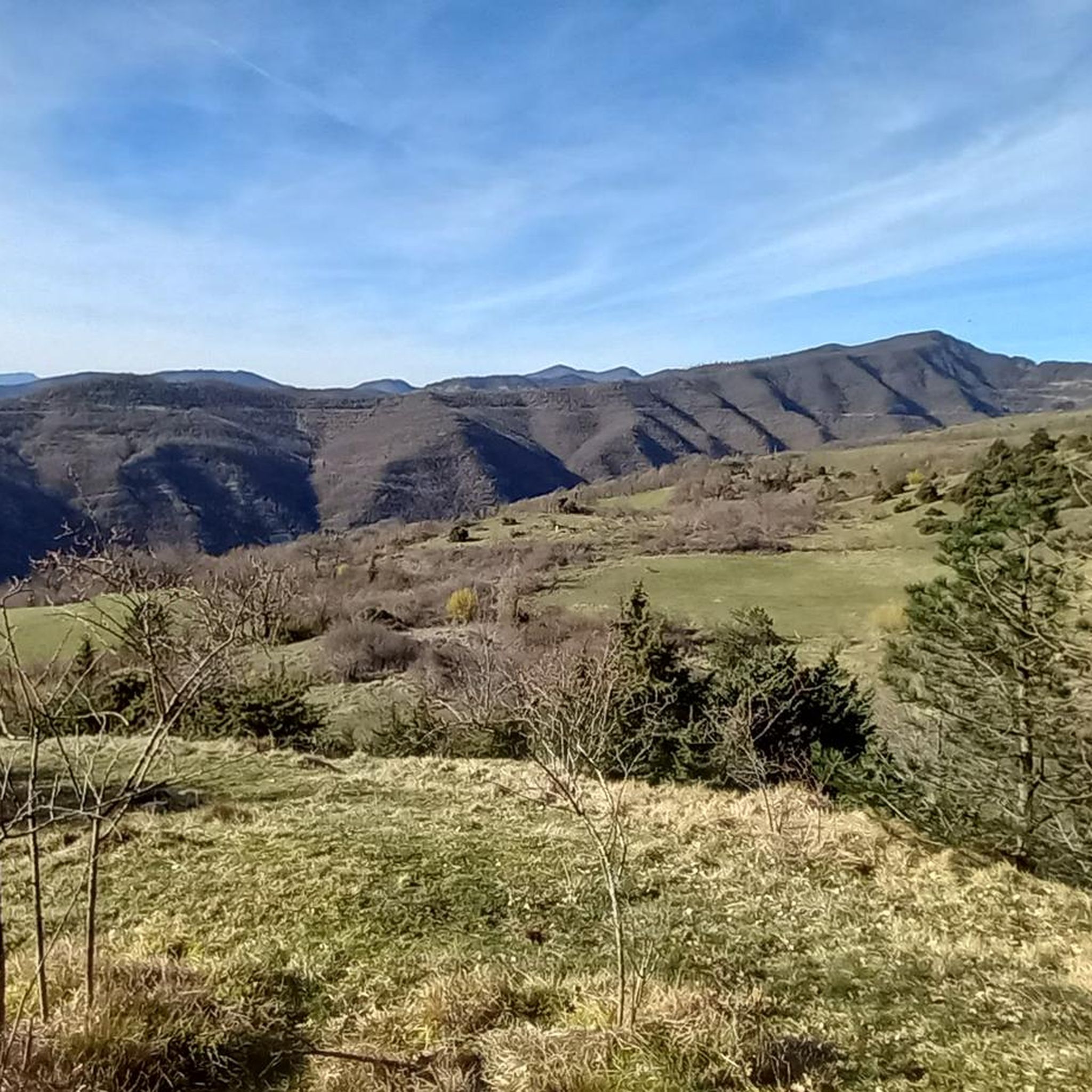
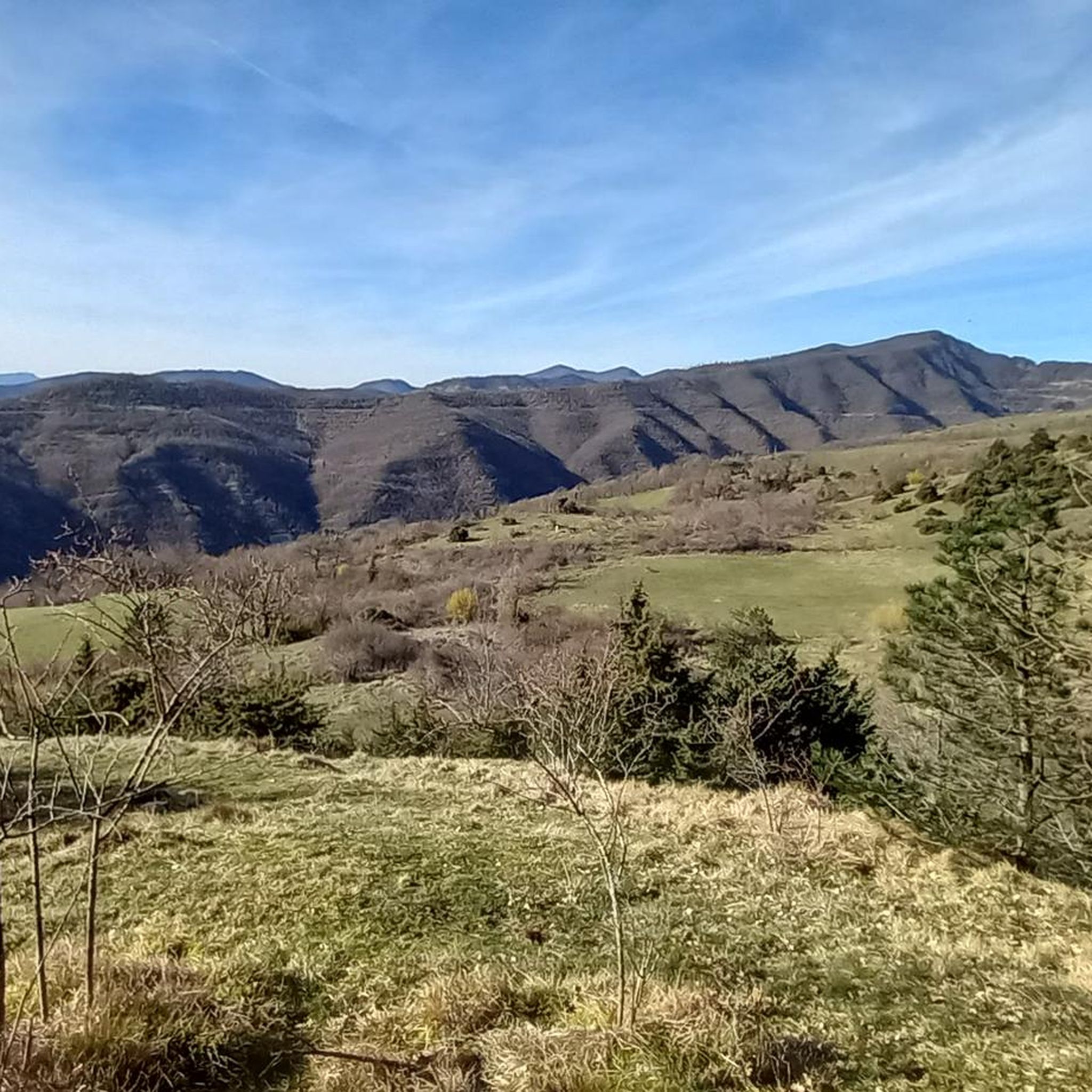
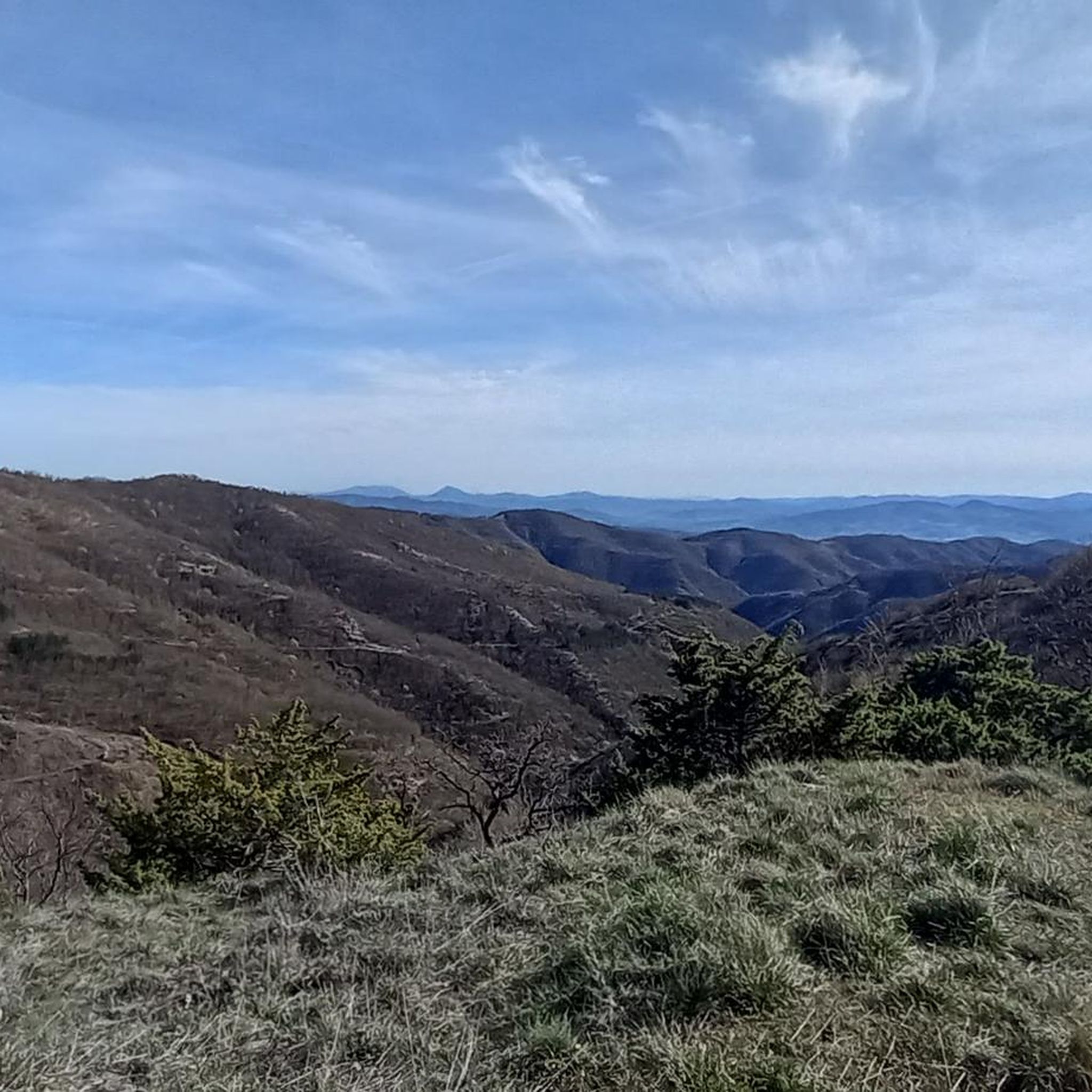
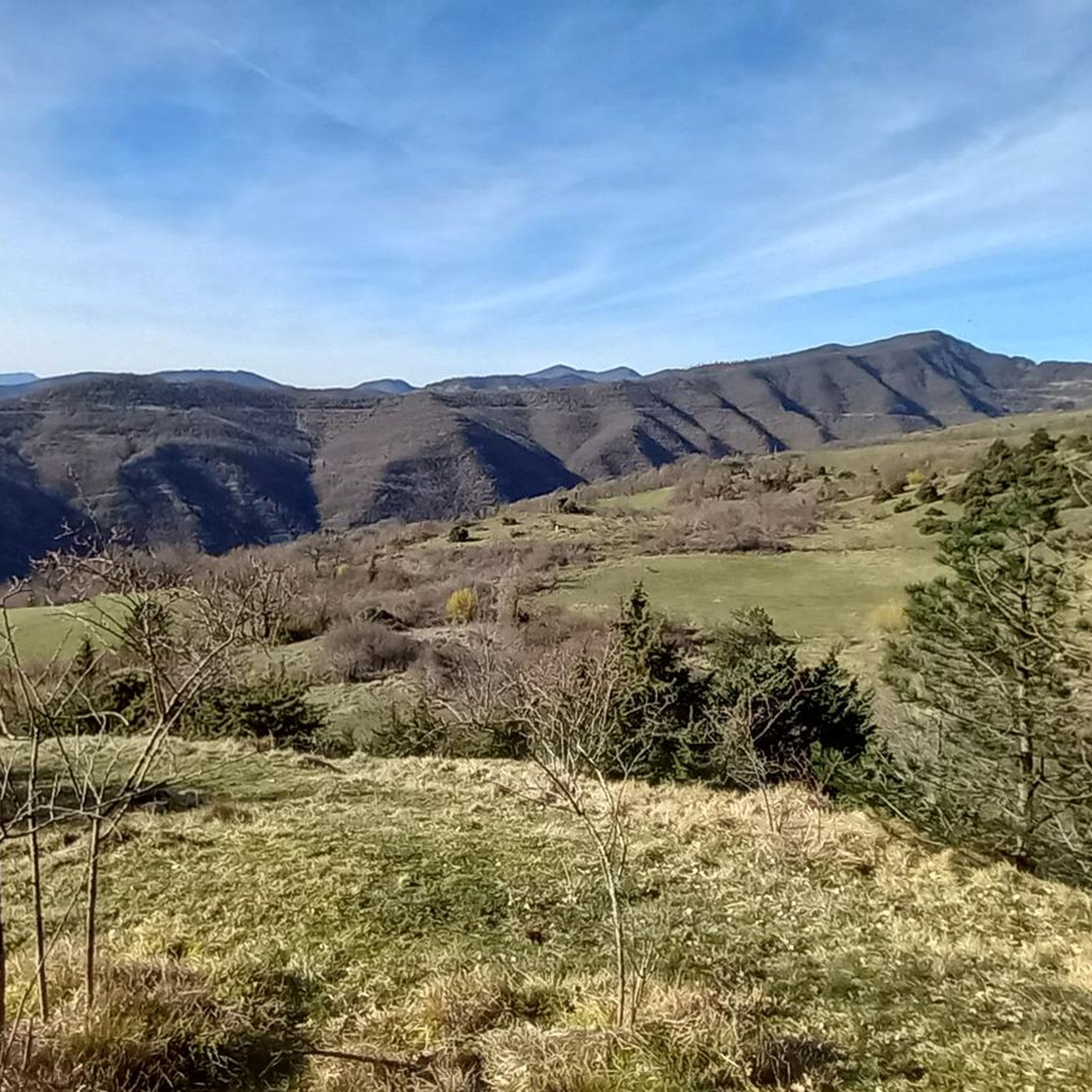
Tips from the Community

A pass that is overall not difficult but still challenging, especially if - as I tried to do - in the first few km you take an "alternative" road compared to the main one. There are landscape views of rare beauty, you are immersed in greenery, the asphalt is overall good, the traffic bearable. And when you reach the summit it is truly a great satisfaction.
0
0

To be avoided like the plague on weekends, it feels like being in Mugello
0
0
Be careful on weekends with good weather, the road is filled with motorbikes
1
0
Beautiful pass between Apecchio and Sant'Angeloin Vdao. Newly redone asphalt and zero traffic
0
0

At the top of the hill that begins in Città di Castello and, on the other side from Apecchio, there is a bar, restaurant with excellent toilet facilities. It is to be avoided on Sundays because it is frequented by very noisy and dangerous motorcyclists who use the road as a circuit for their adrenaline-pumping experiences.
1
0

Bocca Trabaria is the most important pass of the Alpe della Luna. Located at 1,049 meters, it divides the Metauro valley from the Tiber valley on the border between the provinces of Perugia and Pesaro and Urbino, and therefore between Umbria and the Marches.
2
0
Bocca Serriola is an Apennine pass of 730 meters which divides the Biscubio valley from the Tiberina valley. It is located in the municipality of Città di Castello, a few kilometers from the border between the provinces of Perugia and that of Pesaro and Urbino.
2
0

Arrival point you can choose whether to do it on asphalt or dirt road but with prohibitive climbs
0
0
Frequently Asked Questions
What makes Bocca Serriola Pass a significant mountain pass?
Bocca Serriola Pass, at 730 meters (2,395 feet), is notable for geographically dividing the Umbrian-Marche Apennines from the Tuscan-Emilian Apennines. It connects the Biscubio valley with the Tiberina valley and is popular for its winding roads and scenic drives. Historically, its name may derive from 'serrula' (little saw), referencing timber transport by Romans via the Tiber River. You can find more details about this pass at Bocca Serriola Pass.
What can I expect from Bocca Trabaria Pass?
Bocca Trabaria Pass, at 1,049 meters (3,442 feet), offers extraordinary panoramic views of the Upper Tiber Valley. It connects the Metauro Valley to the Tiber Valley and has been a historically significant route. It's an excellent spot to pause and admire the landscape. Learn more about it here: Bocca Trabaria Pass.
Are there other notable mountain passes or unique spots near San Giustino?
Yes, beyond the main passes, you can explore Passo dello Stregone, known for its green surroundings and newly redone asphalt, or Valico di Viamaggio, which offers a beautiful and panoramic climb. Another unique spot is the Stone House at Col del Ranco, an energetically autonomous restored stone house featuring a wind generator and hydraulic turbine.
What kind of scenery and natural features can I expect at these mountain passes?
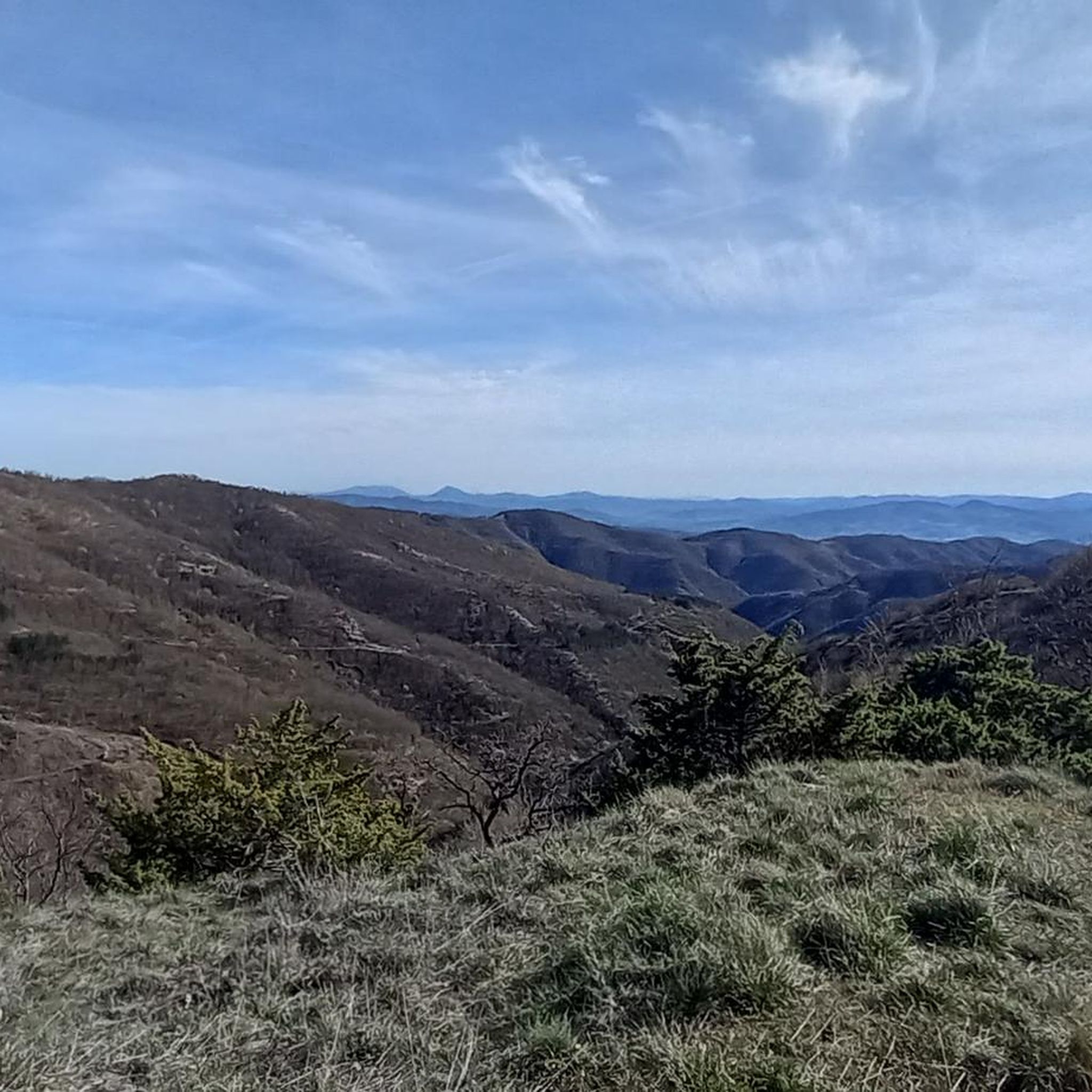
The mountain passes around San Giustino are nestled within the Apennine mountains, offering picturesque views and winding roads. Bocca Trabaria Pass provides 'extraordinary views' of the Upper Tiber Valley, while Bocca Serriola Pass is known for its mountain scenery. The surrounding areas, like the Foresta Demaniale di Bocca Serriola, are rich in oak and beech trees, contributing to the natural beauty.
Can I observe wildlife near the mountain passes?
Yes, the area around Bocca Serriola Pass, particularly within the Foresta Demaniale di Bocca Serriola (Bocca Serriola State Forest), is known for its rich fauna. You might have opportunities for nature observation and spot animals such as deer, wild cats, and wolves.
Do any of the mountain passes have historical significance?
Both Bocca Serriola and Bocca Trabaria passes hold historical importance. Bocca Serriola's name may be linked to Roman timber transport, while Bocca Trabaria has historically served as a significant route connecting different valleys and regions, and is considered a boundary between sections of the Apennine range.
What outdoor activities can I do near the mountain passes around San Giustino?
The region around San Giustino and its mountain passes is excellent for various outdoor activities. You can find numerous routes for cycling, mountain biking, and hiking. For cycling, consider routes like the 'View of Lake Montedoglio – Viamaggio Pass loop' or the 'Entrance to Bufalini Castle – Bocca Trabaria Pass loop'. Mountain biking options include the 'Monte Colonna Ridge Loop' or 'View of Alpe della Luna – Hermitage of Montecasale loop'. For more details on these activities, explore the Cycling around San Giustino, MTB Trails around San Giustino, and Gravel biking around San Giustino guides.
Are there hiking opportunities near Bocca Trabaria Pass?
Yes, the area around Bocca Trabaria Pass offers opportunities for hiking. Notably, paths like the European Path E1 traverse this region, providing options for exploration on foot.
What is the best time of year to visit the mountain passes?
While specific seasonal advice for the passes isn't detailed, the Apennine region generally offers pleasant conditions for outdoor activities from spring through autumn. Spring brings blooming landscapes, summer is ideal for higher elevations, and autumn provides beautiful foliage. Winter can bring snow, making some passes more challenging or requiring specific gear.
Are there places to eat or rest at the mountain passes?
Yes, at the top of Bocca Serriola Pass, coming from Città di Castello or Apecchio, there is a bar and restaurant with good facilities, including restrooms. This provides a convenient spot for visitors to rest and refuel.
Are the mountain passes suitable for families or beginners?
The mountain passes themselves are primarily routes for vehicles and cyclists, with varying degrees of difficulty for driving or riding. While the passes offer scenic views, specific family-friendly or beginner-level hiking trails directly at the passes are not explicitly detailed. However, the surrounding region of San Giustino likely offers easier trails suitable for families, which can be explored in related guides.
Can I bring my dog to the trails around the mountain passes?
Generally, dogs are welcome on many outdoor trails in Italy, especially in natural areas like the Apennines. However, it's always advisable to keep dogs on a leash, especially in areas with wildlife or other visitors, and to check for any specific local regulations or protected areas that might have restrictions.
Most popular routes around San Giustino
Most popular attractions around San Giustino

Get inspired with the komoot mobile app


Explore more
See even more epic mountain passes by checking out these guides around San Giustino:
