The best cycling routes around Teolo
4.4
(5974)
35,163
riders
45
rides
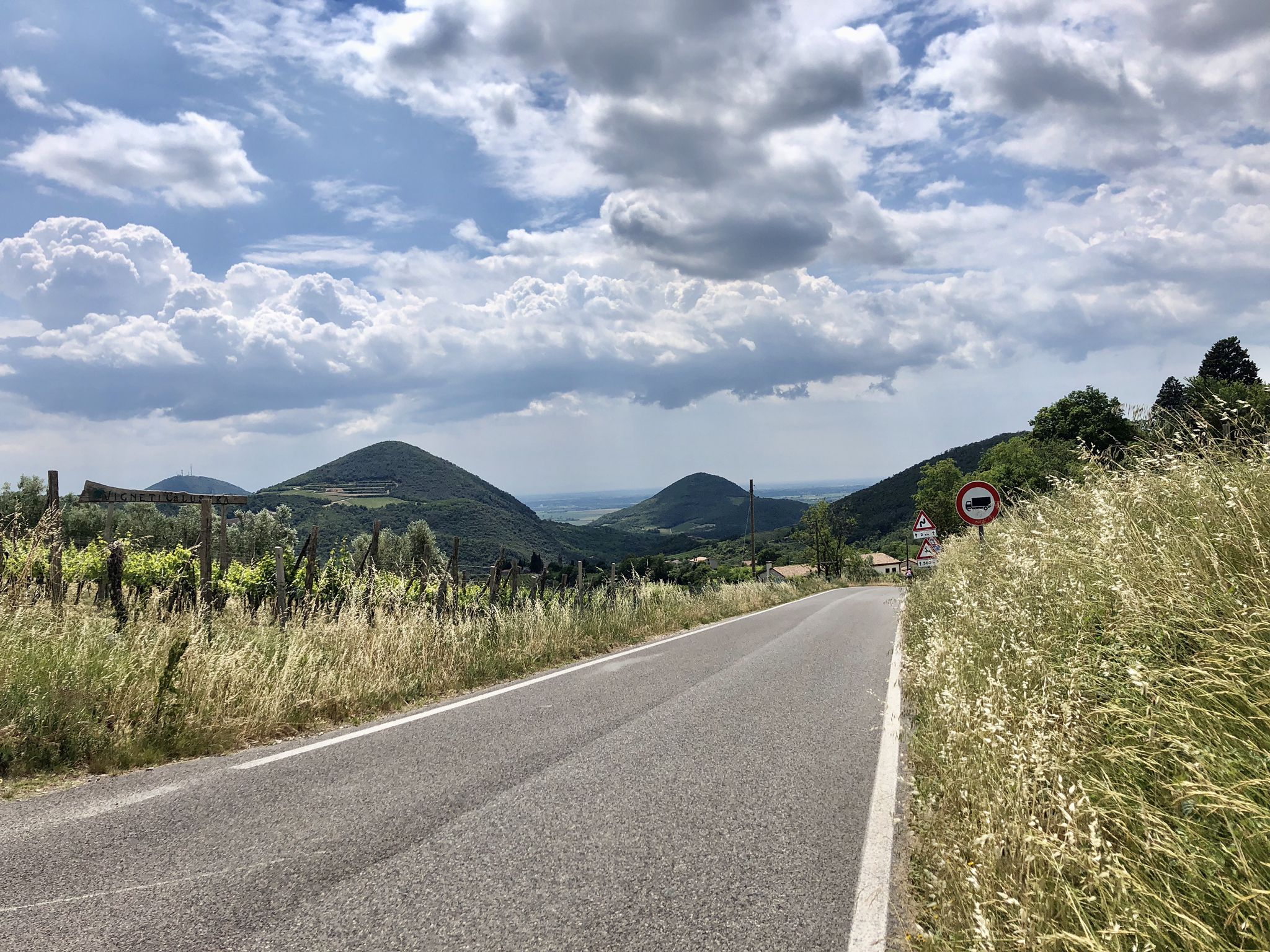
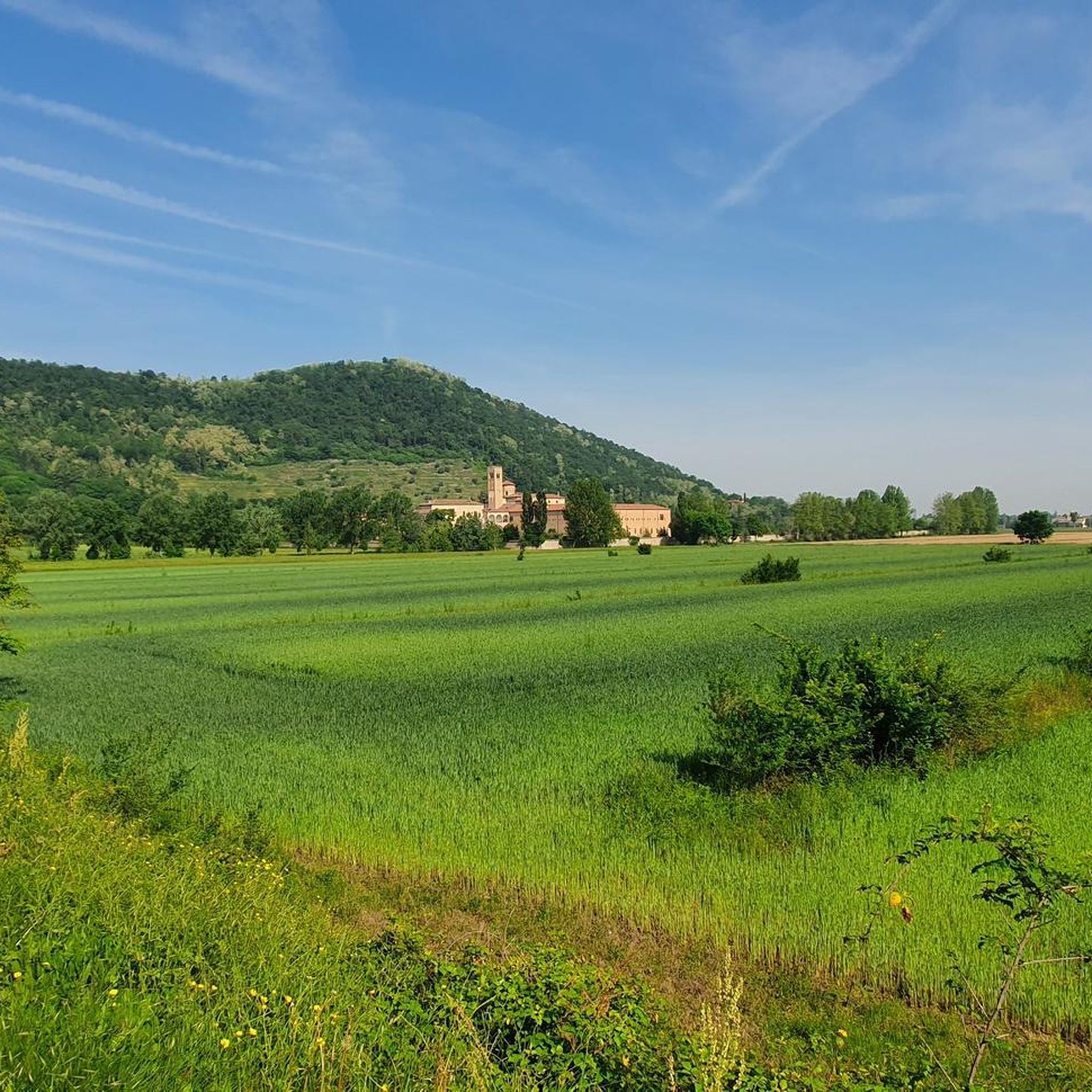
Touring cycling routes around Teolo traverse the unique volcanic landscape of the Euganean Hills Regional Park in Italy. This region features dynamic terrain with gentle slopes, challenging climbs, and extensive wooded areas. Cyclists can also find pathways alongside canals like the Battaglia Canal, offering diverse riding experiences. The area provides a mix of paved and firm dirt roads suitable for touring bikes.
Best touring cycling routes around Teolo
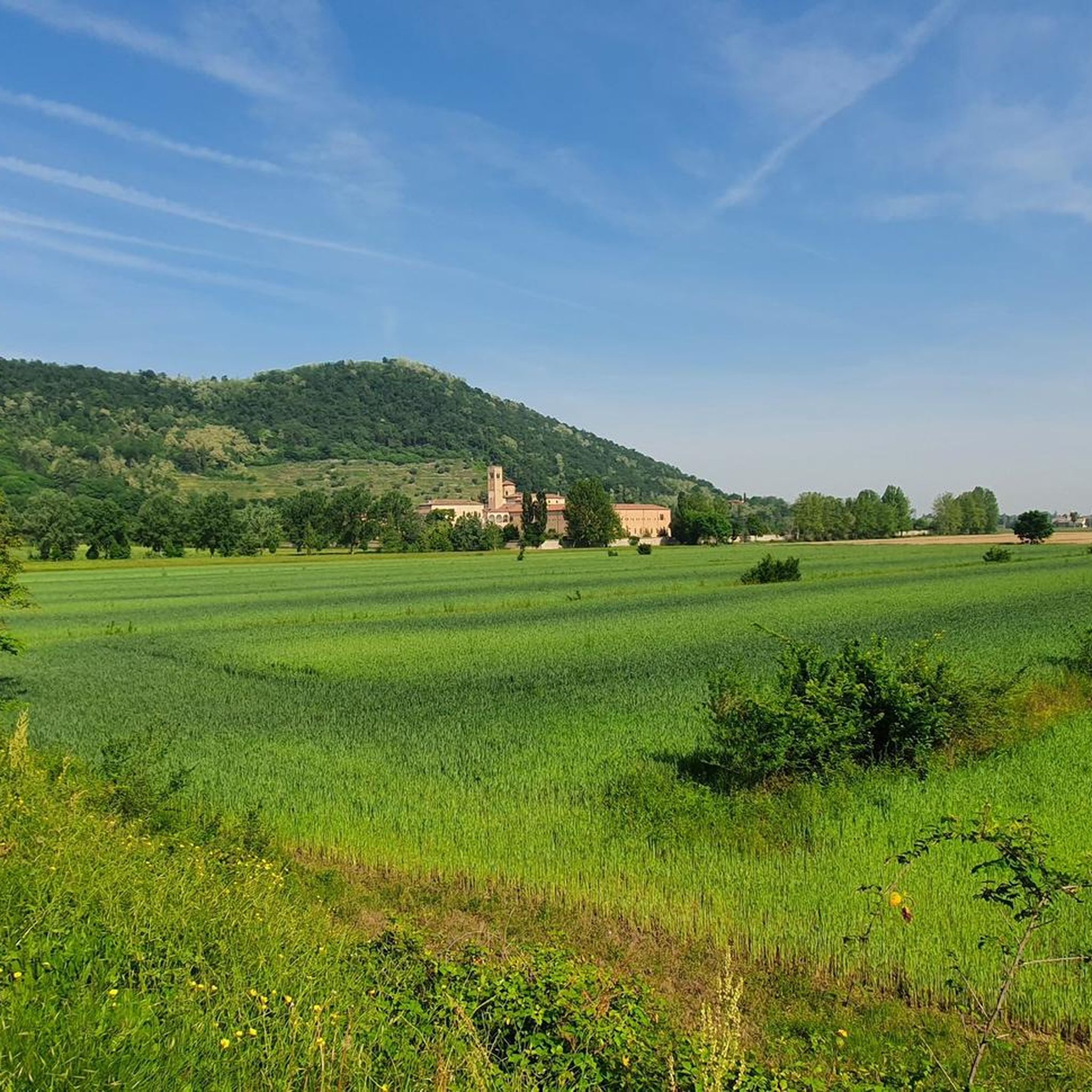
- The most popular touring cycling route is Praglia Abbey – View from…
Last updated: October 8, 2026
4.2
(30)
108
riders
21.1km
01:19
90m
90m
Easy bike ride. Great for any fitness level. Mostly paved surfaces. Suitable for all skill levels.
4.3
(6)
176
riders
Hard bike ride. Very good fitness required. Mostly paved surfaces. Suitable for all skill levels.

5.0
(11)
74
riders
18.4km
01:10
120m
120m
Easy bike ride. Great for any fitness level. Mostly paved surfaces. Suitable for all skill levels.
3.7
(3)
86
riders
16.9km
01:30
500m
500m
Hard bike ride. Very good fitness required. Mostly paved surfaces. Suitable for all skill levels.
5.0
(7)
49
riders
29.1km
01:59
400m
400m
Moderate bike ride. Good fitness required. Mostly paved surfaces. Suitable for all skill levels.
Get access to more routes and recommendations from other explorers.
Already have an account?
Our route recommendations are based on thousands of hikes, rides, and runs completed by other people on komoot.
Start today with a free account
Your next adventure awaits.

Other adventures around Teolo

Tips from the Community

beautiful interesting, a pity that the nearby monastery does not post the entrance times!
0
0

Shady route, slightly challenging due to the climb, once you reach the villa there are beautiful panoramic viewpoints.
0
0

The summit of Monte della Madonna is almost here...but you can't give up yet
1
0

On clear days you can see the sea from this bend
0
0

One of the most suggestive routes of the Euganean Hills. It can be done from both directions with different emotions. In some places it is worth stopping to see the view. Some very well-known paths start here, including the “Carabiniera” trail and a path that leads to Via Groppetto. Both lead to Luvigliano.
0
0
Section near the crossroads for Monte della Madonna, all on the crest
1
0
The most popular cycling destination in the Euganean Hills
1
0
Beautiful path on the Lonzina, galactic passage around Praglia
1
0
Frequently Asked Questions
How many touring cycling routes are available around Teolo?
There are over 40 touring cycling routes around Teolo, offering a diverse range of experiences. These routes are highly rated by the komoot community, with an average score of 4.5 stars.
What kind of terrain can I expect on touring cycling routes in Teolo?
The terrain around Teolo is defined by the unique volcanic landscape of the Euganean Hills Regional Park. You'll find a mix of gentle slopes, more challenging climbs through extensive wooded areas, and flat pathways alongside canals like the Battaglia Canal. Routes often combine paved sections with firm dirt roads suitable for touring bikes.
Are there easy touring cycling routes suitable for beginners or families in Teolo?
Yes, Teolo offers several easy touring cycling routes. For instance, the View of Praglia Abbey – Praglia Abbey loop from Montemerlo is an easy 13.1 miles (21.1 km) path that winds through the landscape with views of the historic Praglia Abbey. Another accessible option is the Euganean Hills Cycle Path – San Daniele Biotope Bridge loop from Torreglia, which is 10.1 miles (16.3 km) long and largely flat.
What are some notable landmarks or attractions I can see along the touring cycling routes?
The routes around Teolo pass by numerous historical and natural attractions. You can visit the historic Praglia Abbey, or cycle past the San Martino della Vaneza Castle. Many routes also offer scenic views from points like the Mottolone Plateau or the Sanctuary of Monte della Madonna.
Are there any circular touring cycling routes in the Teolo area?
Yes, many touring cycling routes in Teolo are designed as loops, allowing you to start and end in the same location. A prominent example is the Praglia Abbey – View from Monte della Madonna loop from Tramonte, which is a 17.9 miles (28.8 km) trail offering significant elevation gain and panoramic views. The broader Euganean Hills Ring (E2) is also a well-known circular route in the region.
What is the best time of year to go touring cycling in Teolo?
The Euganean Hills region, including Teolo, is generally pleasant for cycling from spring through autumn. The mild climate allows for comfortable rides, with spring offering blooming landscapes and autumn showcasing vibrant foliage. Summer can be warm, but routes through wooded areas or alongside canals provide some shade. Winter cycling is possible, though some higher elevation paths might be less accessible.
Where can I find parking for touring cycling routes in Teolo?
Many touring cycling routes around Teolo start from towns and villages like Tramonte, Montemerlo, or Torreglia, where public parking is typically available. It's advisable to check local signage for specific parking regulations and availability near your chosen starting point.
Can I reach the touring cycling routes in Teolo using public transport?
Teolo and the surrounding Euganean Hills are accessible by public transport, particularly from larger cities like Padua. Regional buses often connect the smaller towns and villages, which can serve as starting points for cycling routes. Some train stations in nearby spa towns like Abano Terme and Montegrotto Terme also offer connections, and you might find services that accommodate bicycles, though it's best to verify in advance.
What are some challenging touring cycling routes in Teolo?
For those seeking a challenge, Teolo offers routes with significant elevation gain. The Praglia Abbey – Villa of the Bishops loop from Teolo is a difficult 45.5 km route with over 800 meters of elevation gain. Another challenging option is the Praglia Abbey – View from Monte della Madonna loop from Tramonte, which includes a substantial climb to Monte della Madonna.
Are there cafes or pubs along the touring cycling routes in Teolo?
Yes, the touring cycling routes often pass through charming villages and towns within the Euganean Hills, where you can find local cafes, trattorias, and pubs. These offer opportunities to refuel with traditional Italian coffee, pastries, or a hearty meal. Teolo itself has various eateries, and towns like Torreglia and Montemerlo also provide options for refreshments.
What makes touring cycling in Teolo unique compared to other regions?
Teolo's unique appeal for touring cyclists lies in its setting within the Euganean Hills Regional Park, an ancient volcanic landscape that rises distinctly from the Venetian plain. This creates a dynamic and varied terrain, from the mostly flat Euganean Hills Ring to more challenging climbs. The region also boasts a rich blend of historical villas, castles, monasteries like Praglia Abbey, and thermal spa towns, all accessible by bike, offering a diverse cultural and natural experience.
Most popular attractions around Teolo

Get inspired with the komoot mobile app


Explore more
Browse the best Cycling routes in other regions.
