The best road cycling routes in Sofia Province
4.8
(8)
245
riders
12
rides
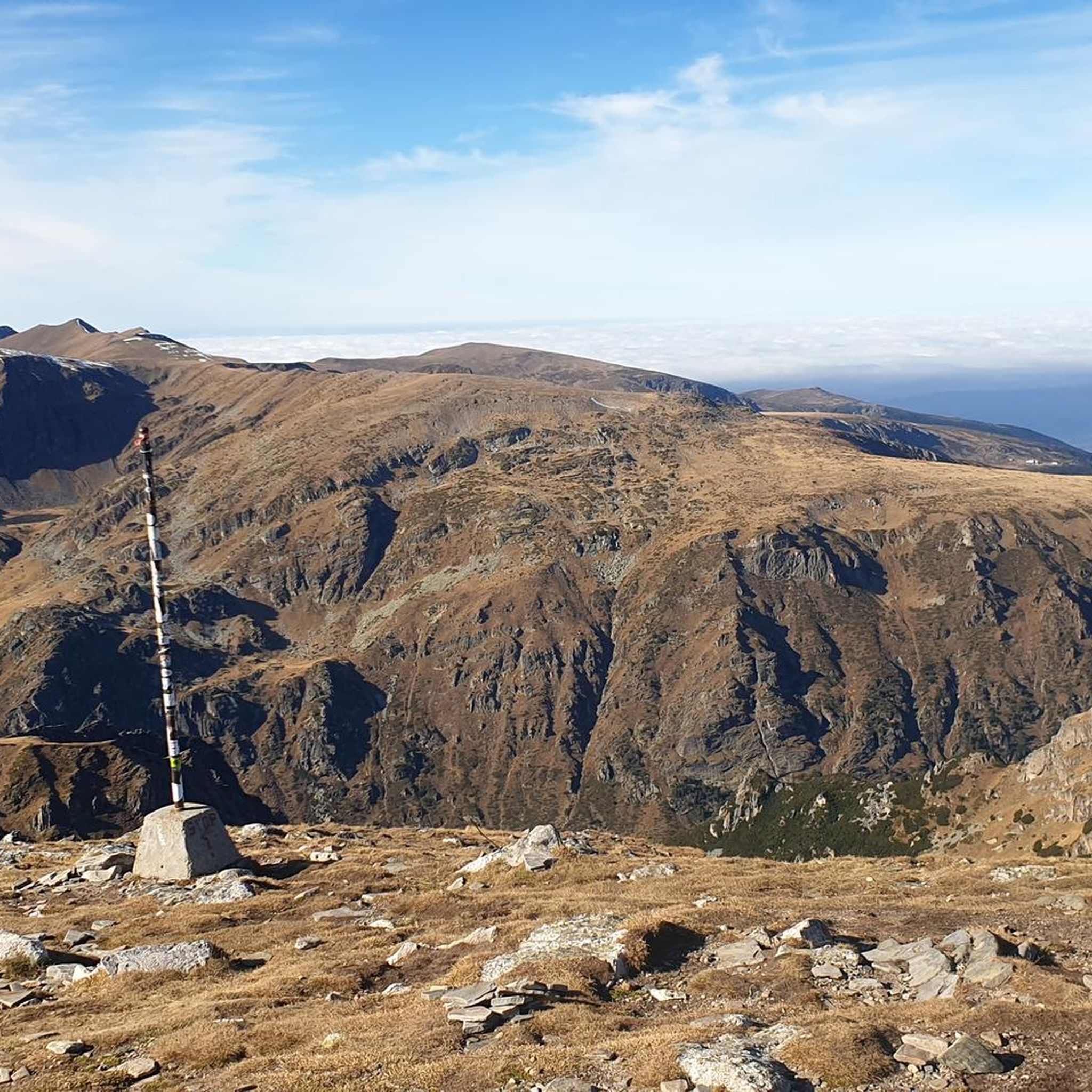
Road cycling routes in Sofia Province traverse a diverse landscape characterized by rolling hills, expansive plains, and mountainous regions, including parts of the Rila and Balkan Mountains. The area features significant water bodies such as Belmeken Dam and Dragoman Marsh, offering varied terrain for road cyclists. Elevation changes are common, ranging from gentle ascents in marshland areas to challenging climbs in higher altitudes.
Best road cycling routes in Sofia Province
- The most popular road cycling route is Monument Arch Of…
Last updated: October 12, 2026
5.0
(2)
43
riders
99.7km
04:26
970m
970m
Hard road ride. Very good fitness required. Some segments of this route may be unpaved and difficult to ride.
5.0
(2)
22
riders
86.3km
04:55
1,980m
1,980m
Hard road ride. Very good fitness required. Some segments of this route may be unpaved and difficult to ride.

5.0
(1)
21
riders
55.3km
03:06
700m
700m
Moderate road ride. Good fitness required. Some segments of this route may be unpaved and difficult to ride.
5.0
(1)
20
riders
51.1km
02:51
670m
670m
Moderate road ride. Good fitness required. Mostly well-paved surfaces and easy to ride.
26
riders
131km
06:50
2,390m
2,390m
Hard road ride. Very good fitness required. Some segments of this route may be unpaved and difficult to ride.
21
riders
94.7km
05:00
1,240m
1,240m
Hard road ride. Very good fitness required. Some segments of this route may be unpaved and difficult to ride.
23
riders
103km
05:31
1,960m
1,960m
Hard road ride. Very good fitness required. Some segments of this route may be unpaved and difficult to ride.
10
riders
Moderate road ride. Good fitness required. Some segments of this route may be unpaved and difficult to ride.
8
riders
56.3km
03:41
1,730m
1,730m
Hard road ride. Very good fitness required. Mostly well-paved surfaces and easy to ride.
5
riders
39.2km
02:02
550m
550m
Moderate road ride. Good fitness required. Mostly well-paved surfaces and easy to ride.
Get access to more routes and recommendations from other explorers.
Already have an account?
Our route recommendations are based on thousands of hikes, rides, and runs completed by other people on komoot.
Start today with a free account
Your next adventure awaits.
Popular around Sofia Province
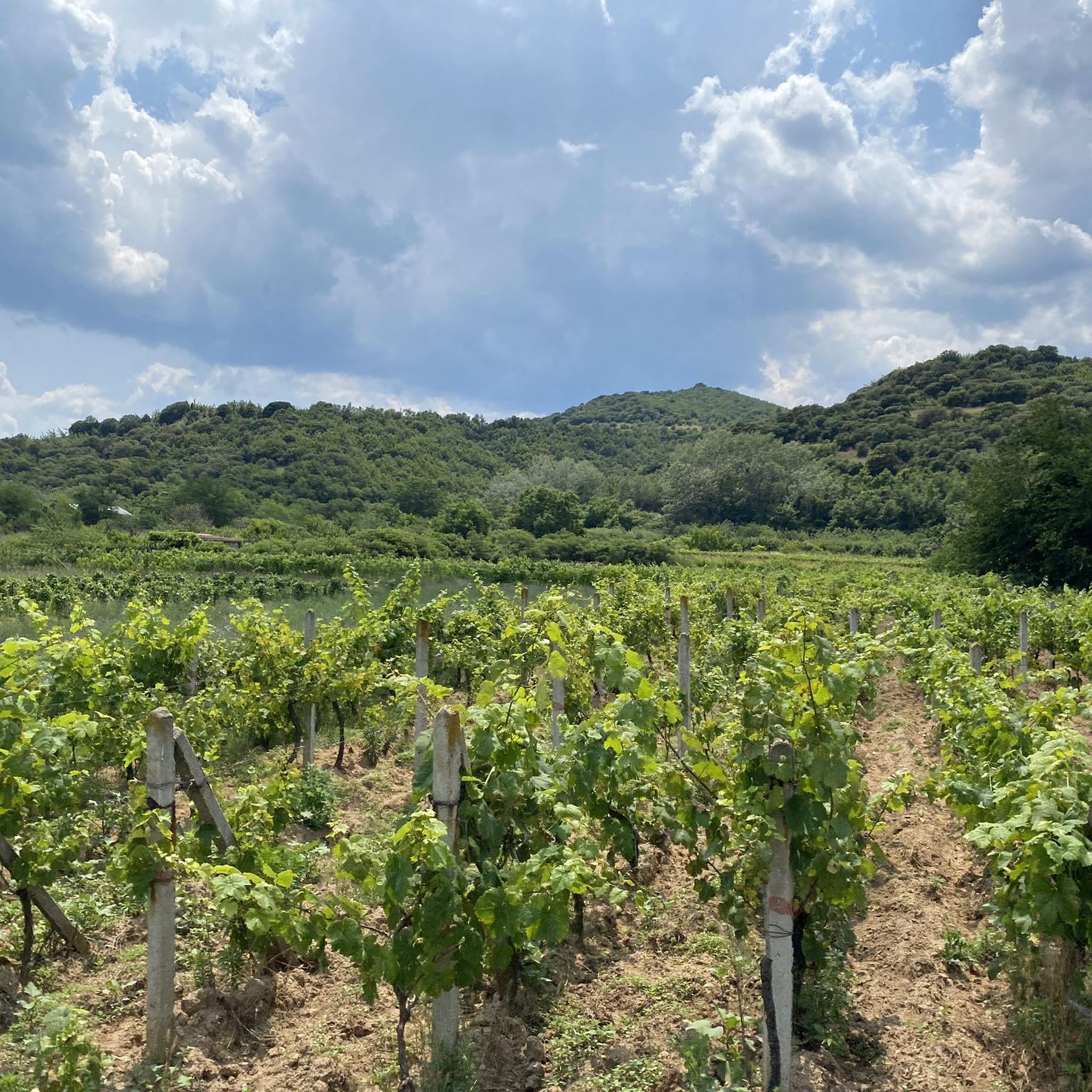
Road Cycling Routes in the Rila Mountains
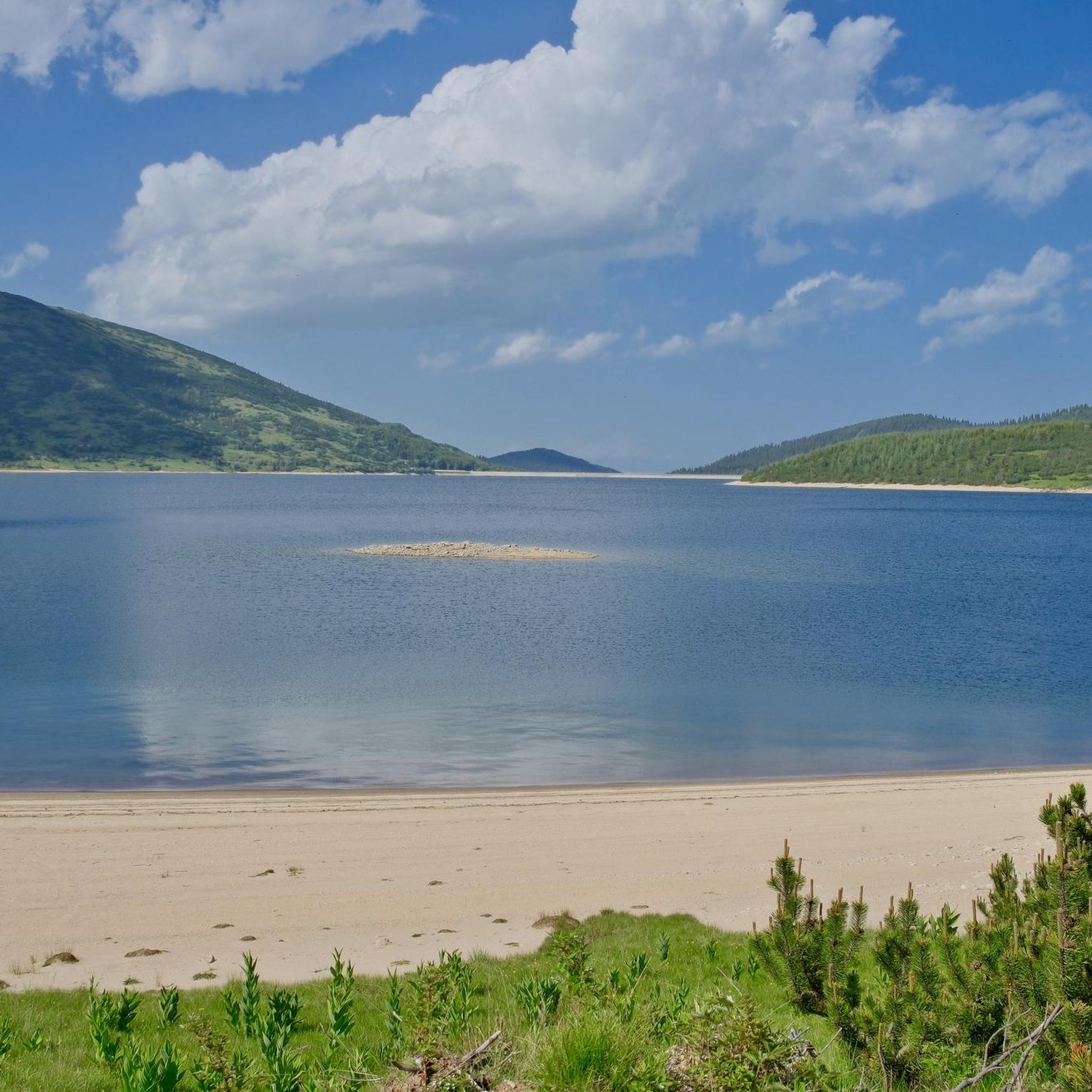
Road Cycling Routes in Rila
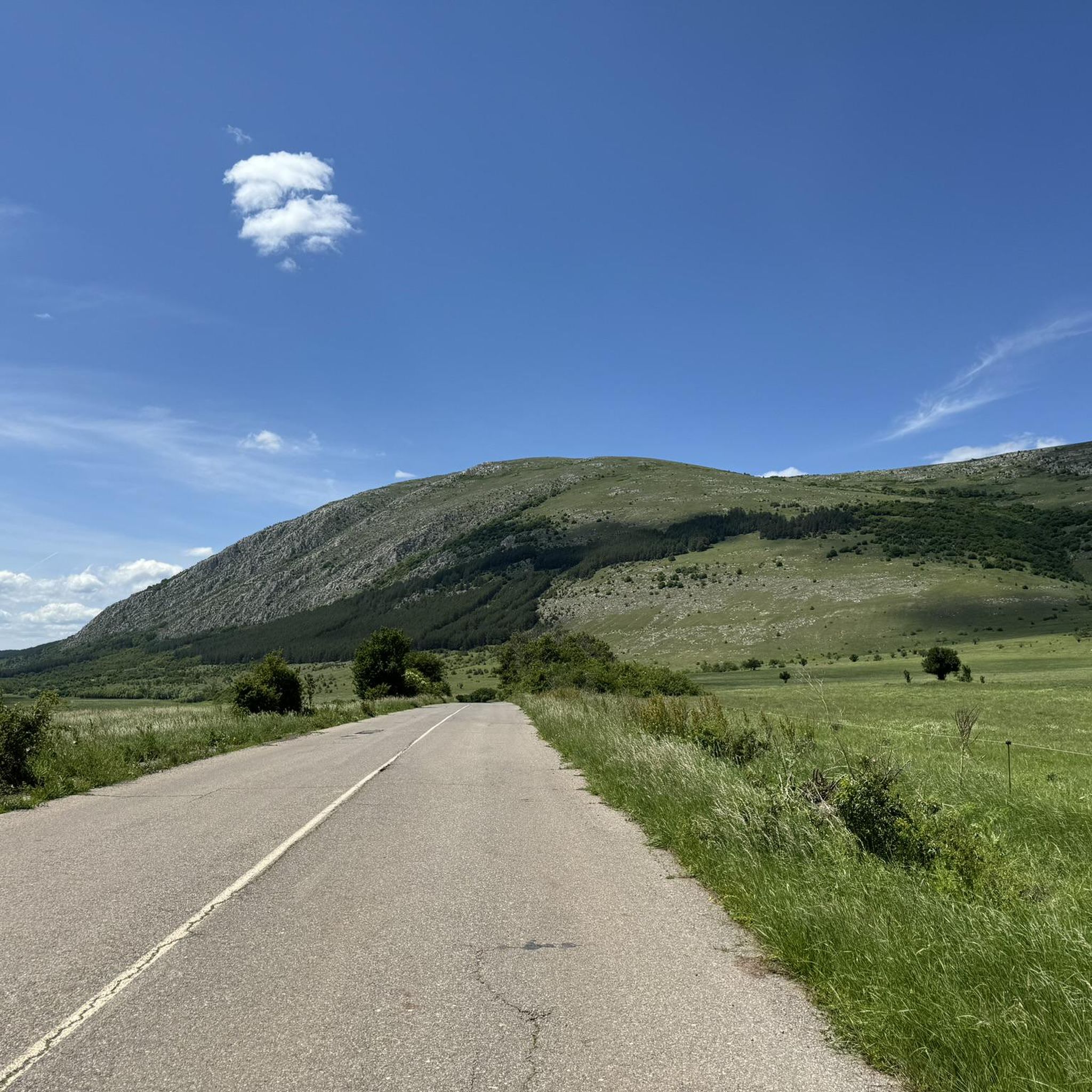
Road Cycling Routes in Драгоман
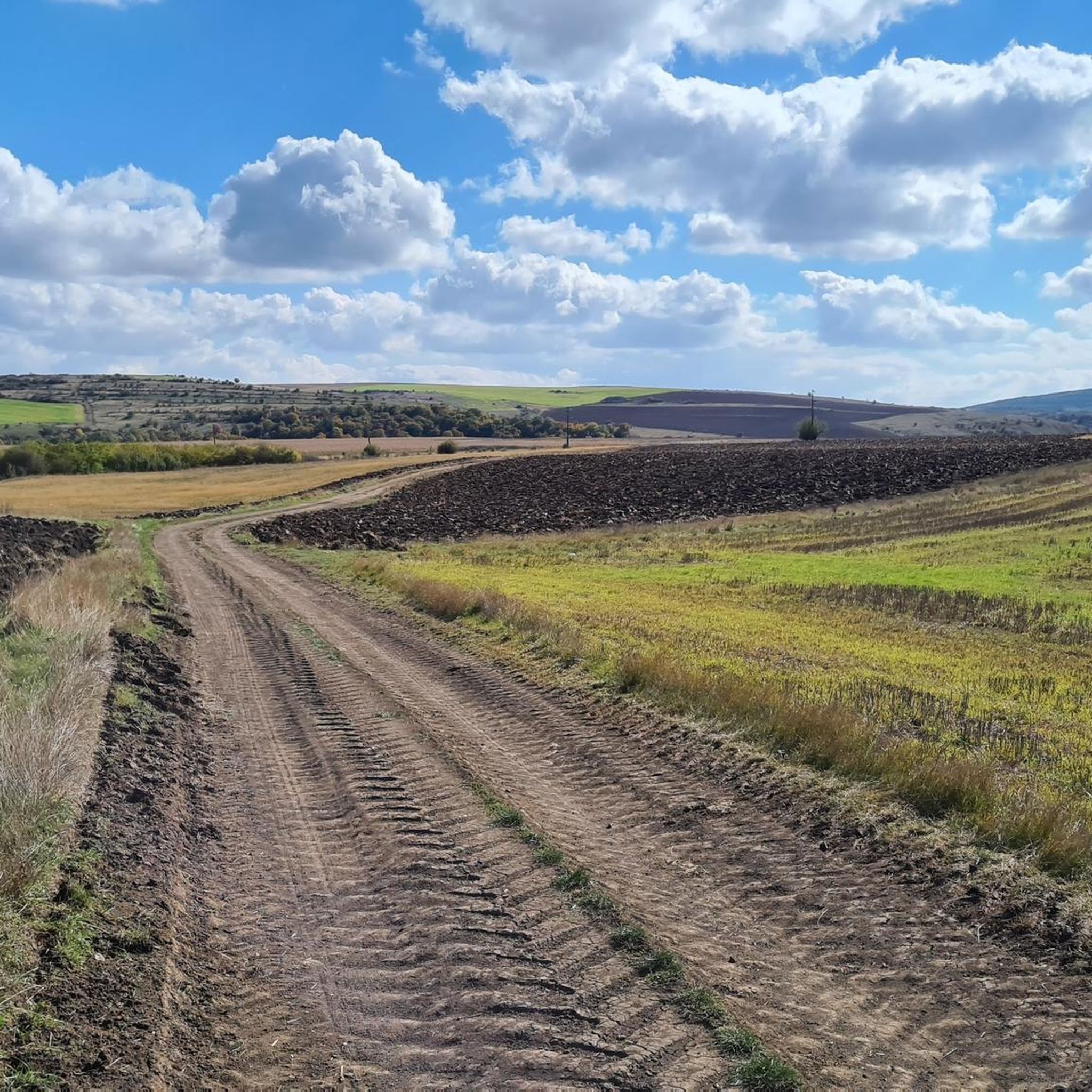
Road Cycling Routes in Раяновци
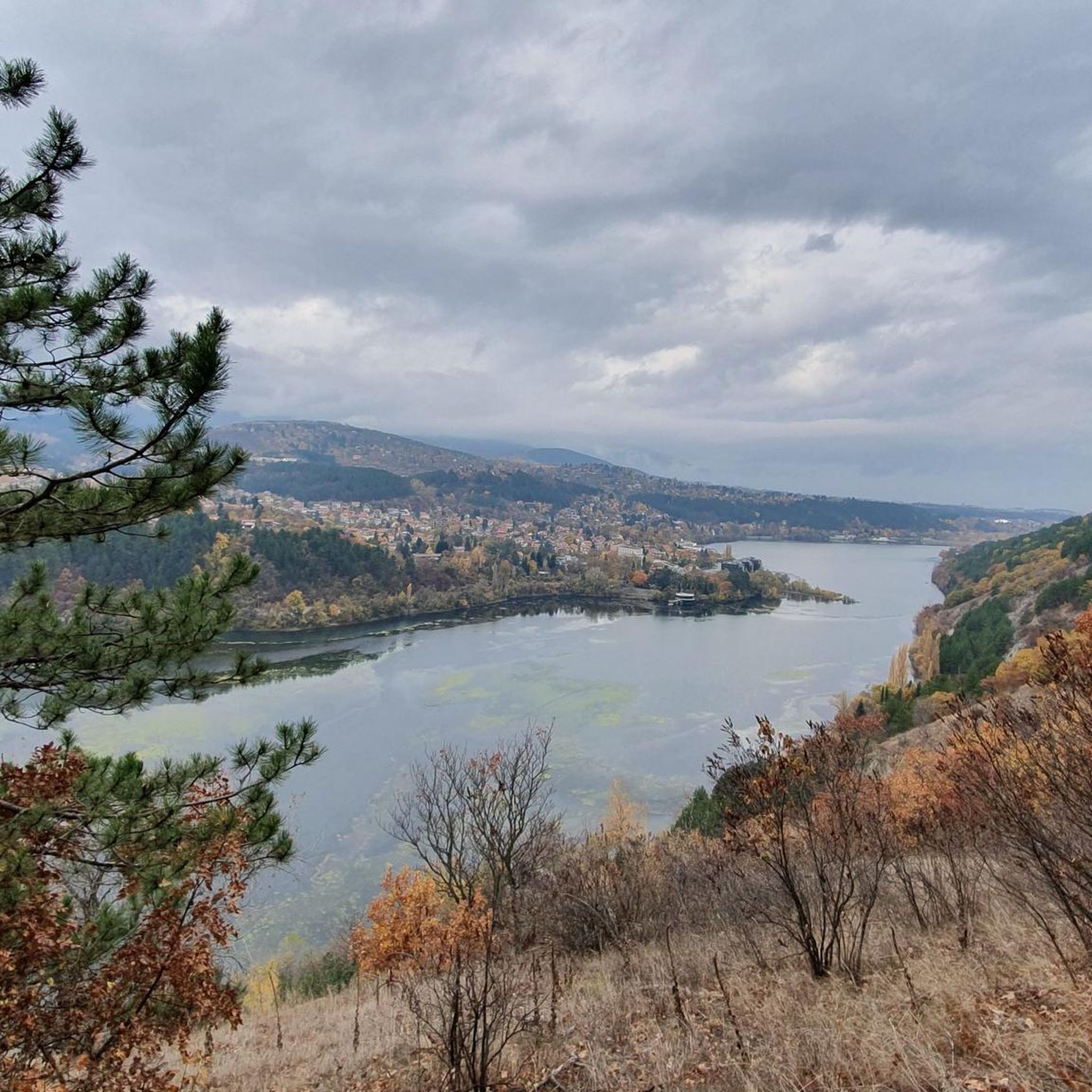
Road Cycling Routes in Средна Гора

Triathlon 360 – my journey around the world
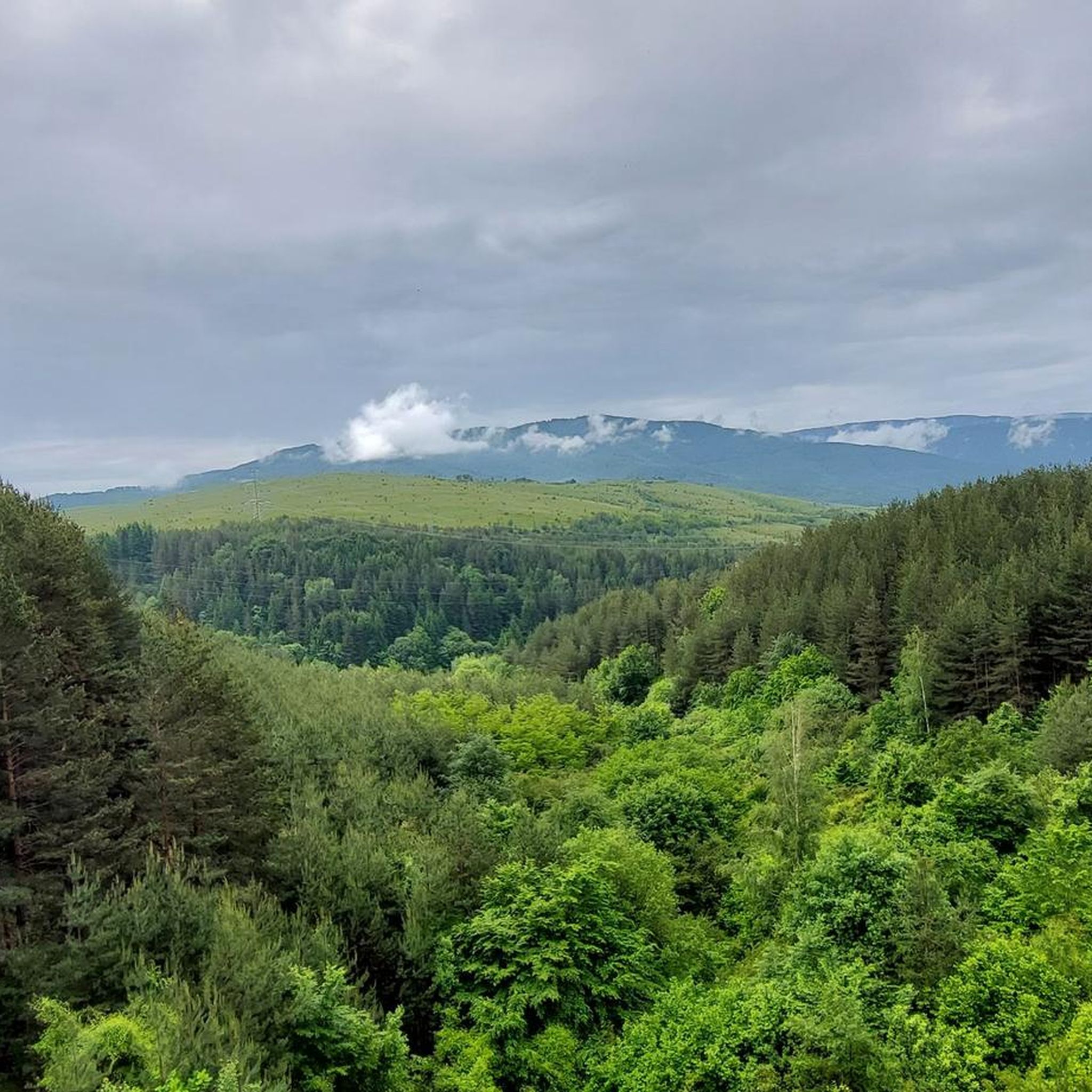
Hiking in Sofia Province
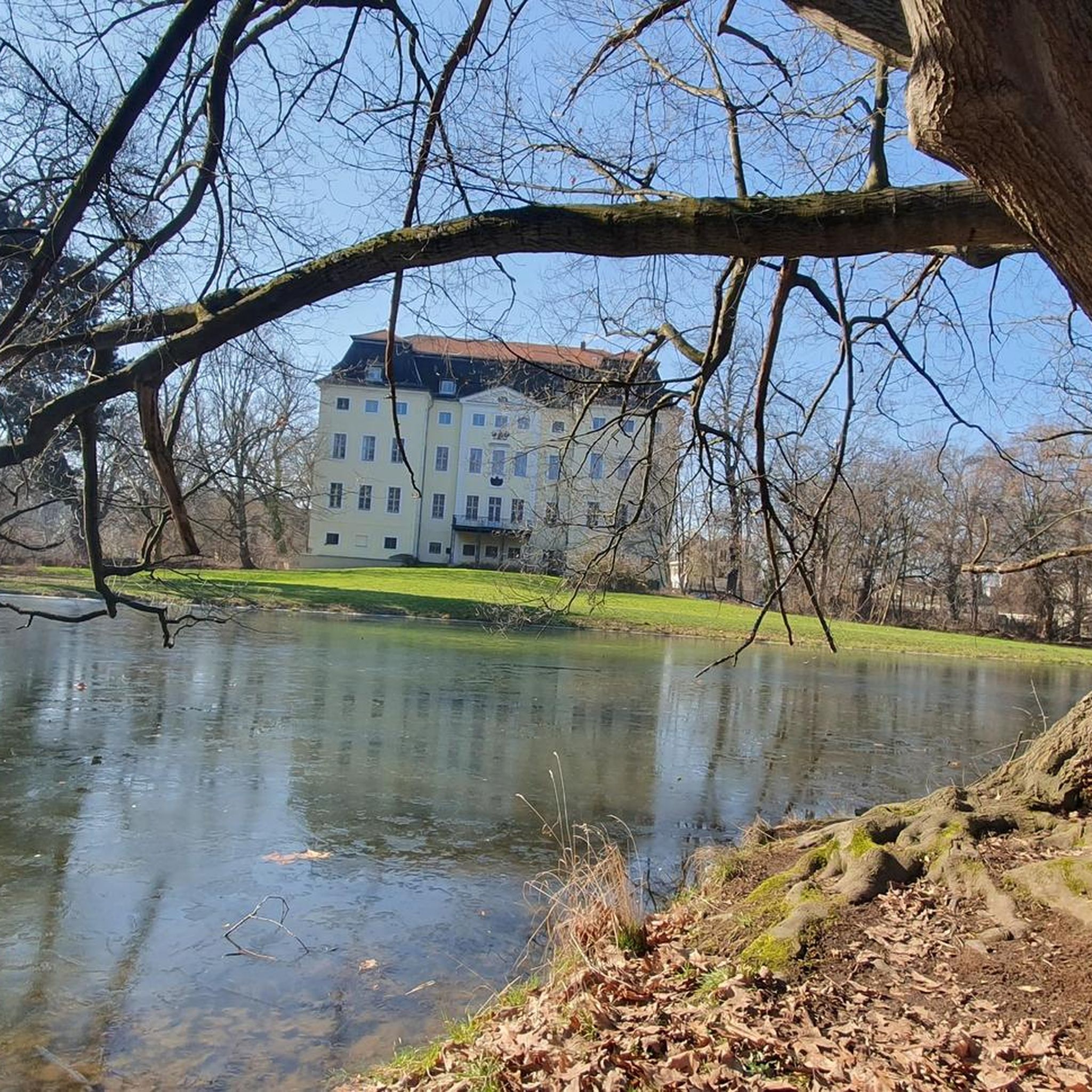
Mountain Hikes in Sofia Province
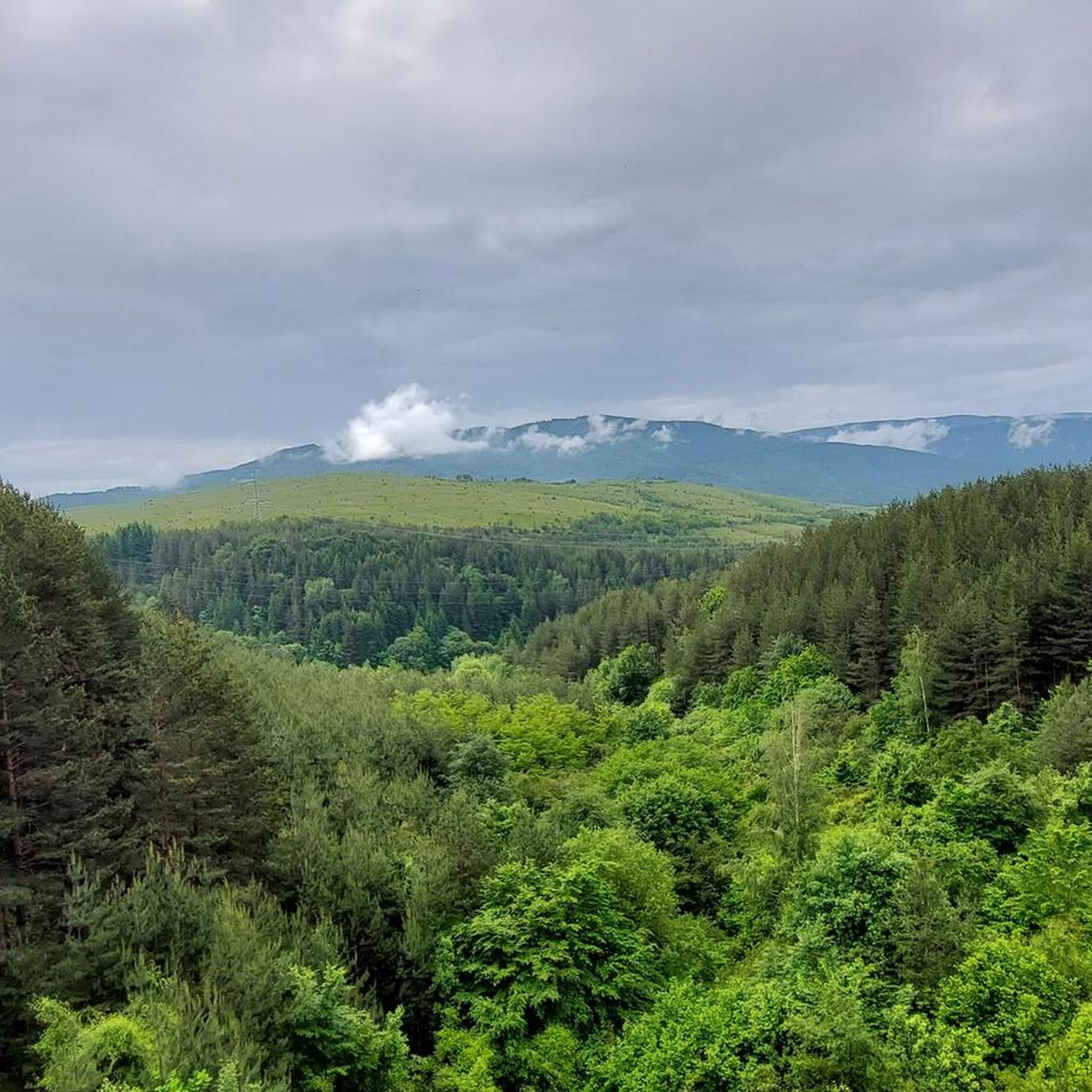
MTB Trails in Sofia Province
Cycling in Sofia Province
Other adventures in Sofia Province

Tips from the Community

From the top you have a very beautiful view of the surroundings. It is also easily accessible by car if you are passing through or just want to visit the monument.
0
0

A real highlight. A must-see.
0
0

Architecture The first church had three naves, with three bell towers resting on eight-sided drums, and two bell towers. The church is surrounded on three sides by colonnades with arches topped with semicircular domes. After the liberation from Ottoman rule, Prince Dondukov-Korsakov presented the church with eight bells. A new bell tower was built for them outside the church building, facing southeast. In 1898, the church was rebuilt by the architect N. Lazarov.
1
0
The church is believed to have been built in the 10th century and, like other Sofia churches of the time, had a stone base and a wooden structure above it. In the second half of the 14th century, these wooden churches were made of stone. It is unknown why only the Hagia Nedelja remained wooden, and the church continued to exist in this form until the mid-19th century. In 1578, the German traveler Stefan Gerlach visited Sofia and provided a list of Sofia's twelve churches. Among them was the church with the Greek name Kiriaki. In the 19th century and the first decades of the 20th century, the church was also called Sveti Kral (Holy King) because it housed the relics of the Serbian King Stefan Milutin Urosh II, who had healing powers. The church suffered damage in the great earthquake of 1858, and in the early 1850s, the Sofia Diocese and the city parish built a new church in its place, designed by Master Ivan Bojanin, with funds raised by the Christian citizens of Sofia. Until the construction of the St. Alexander Nevsky Church monument, Hagia Nedelya Church was a cathedral. Exarch Joseph I is buried in the southern part. After the destruction of Hagia Nedelya Church as a result of the communist terrorist act against the Tsarist family on April 16, 1925, a competition for its restoration was announced. The competition was won by the architects I. Vasilyov and Dimitur Tsolov. It was completed in 1931 and solemnly consecrated two years later. The new building had five domes and a dominant bell tower on the west side. The exterior was decorated with rows of red tiles. The surrounding land was relocated to a lower level, placing the building on a terrace accessible via a stone staircase. The church, restored according to a design by the architects Vasilyov and Tsolov, is a single-room building with a kul dominating the entire naos. The bell tower rises above the vestibule. The exterior of the church is faced with tuff stone.
1
0
The Banya Bashi Mosque is the only Muslim temple in Sofia. It was built on the initiative of Kadi Seyfullah Effendi in the third quarter of the 16th century. This mosque is a magnificent example of the single-chamber mosques built during the so-called Golden Age of Ottoman architecture and art. The diameter of the dome and the length of the interior walls are 15 meters. In front of the mosque is an open antechamber with three pointed arches; it is covered with small hemispherical domes supported by four monolithic stone columns with stalactite capitals, which are very typical of Islamic architecture. To the right of the antechamber is the minaret, which harmonizes well with the body of the mosque. On the southwest wall is an extension, originally intended as the tomb of Kadi Seyfullah Effendi, but was later reused as a library and is now used as a service room for the mosque. The dome and the walls of the hall were painted in the 19th century. Adjacent to the mosque was a large double bath (sifte hamam in Turkish and banya in Bulgarian), which is associated with its name. Since 1998, the mosque has been designated an immovable cultural asset of national importance. Its care is entrusted to the District Mufti of Sofia. The building has undergone several renovations, the most recent of which was completed in 2018, and it has functioned in this form ever since.
0
0

I asked ChatGPT: "Who is Saint Nicholas?". The answer was a very appealing text with lots of information about the well-known and popular Bishop of Myra. Then I asked ChatGPT: "Who is Saint Nicholas FOR YOU?" The answer: "As an artificial intelligence, I have no personal convictions, feelings or belief systems. My answers are based on information I received during my training." How good that we humans exist, I thought. What would this world be without actions that are done out of personal conviction, without people who empathize and without the belief that this world is created for the good. It seems to me that the crucial question of today is: "Who is Saint Nicholas for YOU?" (Text: Tobias Wiegelmann)
0
0

The cathedral is one of the symbols of the Bulgarian capital Sofia. It was built in memory of Tsar Alexander II and the Russian soldiers who died liberating Bulgaria from Ottoman rule in the Russo-Ottoman War of 1877-78. The visit is free!
0
0

The statue of Aleko Konstantinov is located on the "Vitosha" Boulevard and depicts the writer in full height, leaning against a pillar with signs of destinations described in his books. At his feet is a suitcase packed for the trip, in his hand he holds a book, and his gaze is fixed on Vitosha's "The Lucky One"
1
0
Frequently Asked Questions
What types of road cycling routes can I find in Sofia Province?
Sofia Province offers a diverse range of road cycling routes, from moderate loops through marshlands to challenging long-distance rides with significant elevation gain in mountainous terrain. You'll find options suitable for various skill levels, including routes around dams and through scenic landscapes.
Are there road cycling routes suitable for beginners or those looking for an easier ride?
While many routes in Sofia Province feature significant elevation, there are moderate options available. For example, the Яз. Пасарел loop from Kokaliane is a moderate 16.3-mile (26.2 km) trail with scenic landscapes around the dam, often completed in about 1 hour 21 minutes. Another moderate option is the St. Alexander Nevsky Cathedral – Russian Church loop from Бели Дунав, which is 37.4 km long.
Where can I find challenging or long-distance road cycling routes in Sofia Province?
For advanced cyclists seeking a challenge, Sofia Province offers several difficult long-distance routes. The Monument Arch Of Freedom loop from Pirdop is a demanding 81.0-mile (130.4 km) trail with substantial elevation gain. Another difficult option is the Belmeken Dam – Road 8 loop from Национален парк „Рила“, covering 86.3 km with nearly 2000 meters of ascent.
What are some scenic highlights or natural attractions along the road cycling routes?
Many routes offer stunning views. The Dragoman Marsh – View of the mountain landscape loop from Драгоман provides scenic views of the Dragoman Marsh and surrounding hills. In the mountainous regions, you might encounter views of peaks like Musala Peak and Malyovitsa Peak, or pass by the Rila National Park Entrance.
Are there any routes that pass by the Dragoman Marsh?
Yes, the Dragoman Marsh is a prominent feature in some road cycling routes. The Dragoman Marsh – View of the mountain landscape loop from Драгоман is a moderate 55.2 km path that offers scenic views of the marsh and surrounding hills. Another option is the View of the mountain landscape – Dragoman Marsh loop from Buchin Prohod.
What do other road cyclists say about the routes in Sofia Province?
The road cycling routes in Sofia Province are highly rated by the komoot community, with an average score of 4.75 stars from over 4 reviews. Cyclists often praise the varied terrain, from marshland views to challenging mountainous ascents, and the options available for different ability levels.
Can I find routes that include dam views or pass by water bodies?
Absolutely. Sofia Province features significant water bodies like Belmeken Dam and Яз. Пасарел. The Belmeken Dam – Road 8 loop from Национален парк „Рила“ is a difficult route that takes you near Belmeken Dam. For a shorter option, the Яз. Пасарел loop from Kokaliane offers scenic landscapes around the dam.
Are there any historical or cultural landmarks accessible by road bike in Sofia Province?
Yes, some routes can take you near significant landmarks. For instance, the St. Alexander Nevsky Cathedral – Russian Church loop from Бели Дунав is a moderate route that allows you to explore areas with cultural significance, including views of the Musala Peak.
How many road cycling routes are available in Sofia Province?
There are over 10 road cycling routes documented in Sofia Province, offering a variety of distances and difficulty levels for cyclists to explore.
What is the best time of year for road cycling in Sofia Province?
Given the diverse landscape including mountainous regions, the best time for road cycling in Sofia Province is typically from late spring to early autumn (May to October) when the weather is milder and mountain passes are clear of snow. Summer offers warmer temperatures, while spring and autumn provide pleasant conditions and vibrant scenery.
Are there any circular road cycling routes in Sofia Province?
Yes, many of the road cycling routes in Sofia Province are designed as loops, allowing you to start and finish in the same location. Examples include the Roadbike loop from Орлин and the Dragoman Marsh – View of the mountain landscape loop from Драгоман.
Most popular routes in Sofia Province
Most popular attractions in Sofia Province

Get inspired with the komoot mobile app


Didn’t find what you were looking for?
Check out more Road cycling routes throughout Sofia Province below and find the perfect route in your destination.
Explore more
Browse the best Road cycling routes in other regions.
